Yes, bird poop can absolutely be yellow, and most of the time it is not a cause for alarm. If you are seeing red or reddish droppings instead of yellow, the meaning can be different, so it helps to know what does red bird poop mean. The yellowish tint you are seeing is usually coming from the urate component of the dropping, which is the bird's version of urine in solid form.
Is Bird Poop Yellow? Causes, Health Risks, and Cleanup Steps

Marcus Fielding
29 Apr 2026
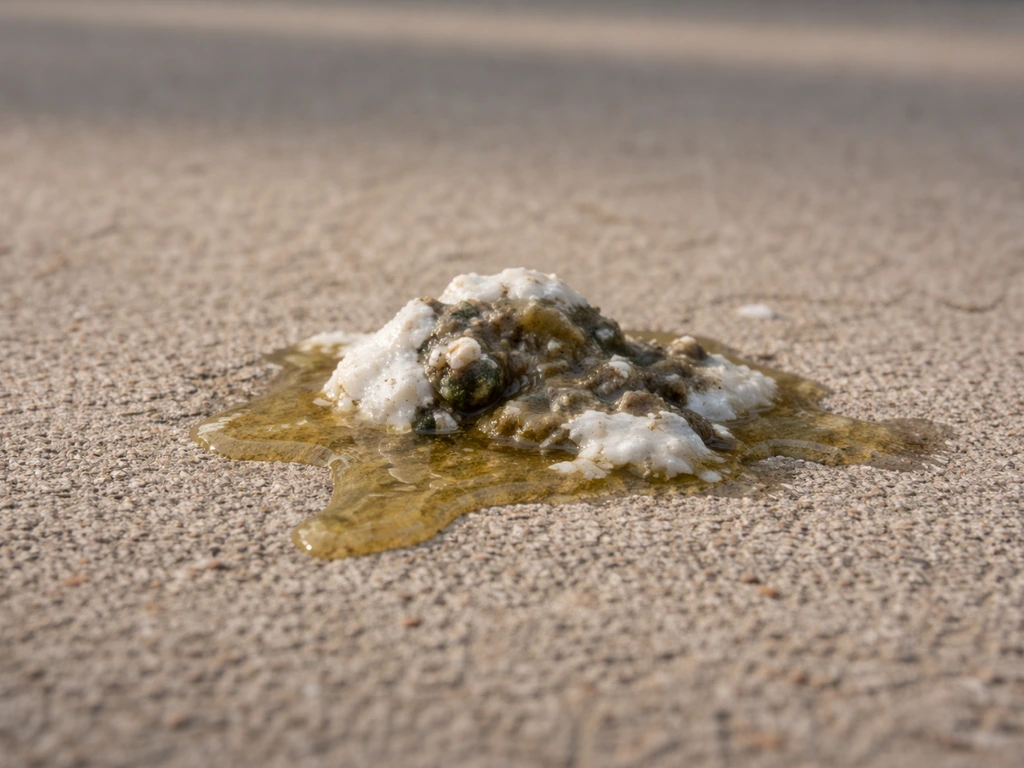
Urates are normally off-white to cream-colored, but they can tip into a pale yellow depending on the bird's diet, hydration level, and individual variation. That said, bright yellow or yellow-green urates can sometimes point to something worth paying attention to, especially in a pet bird. Here is how to tell the difference and what to do about it either way.
Can bird poop actually be yellow, and what is that yellow stuff?
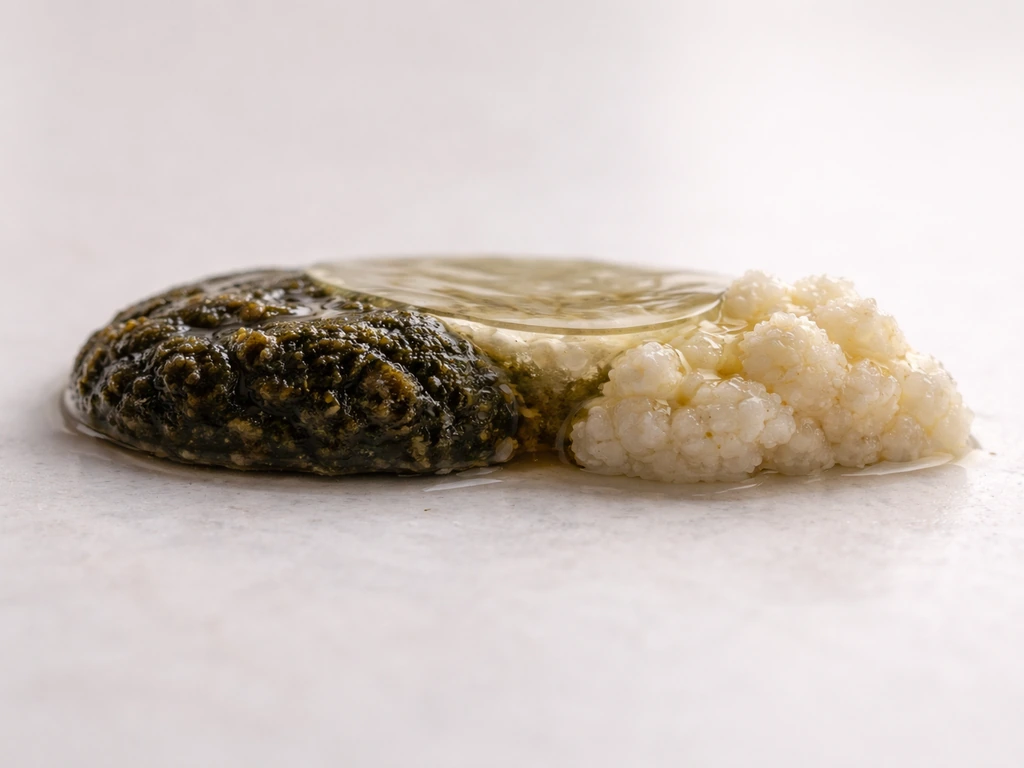
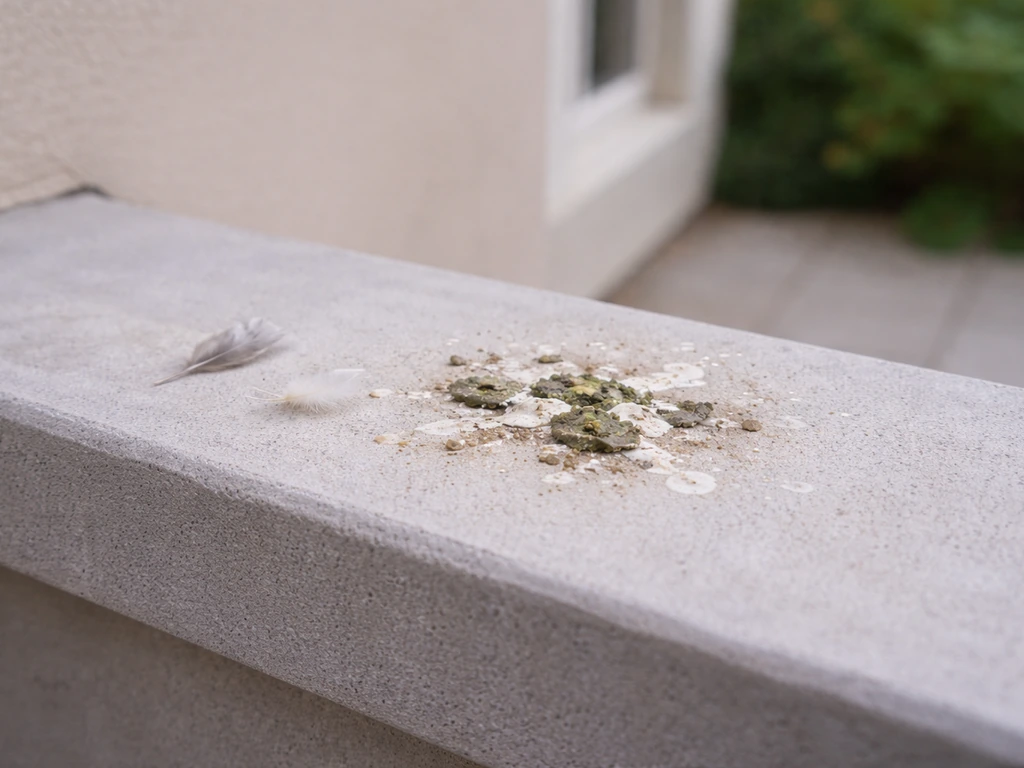
Bird droppings are not a single substance. They have three distinct components: the dark, solid fecal matter, a small amount of clear liquid urine, and the urates, which are the white or off-white chalky deposits you almost always see clumped in or around a dropping. When people notice yellow bird poop, they are typically looking at urates that have shifted color. Urates can range from bright white to cream to a pale, slightly yellowish tone as part of normal variation.
Diet and hydration both play a role. A bird that eats more yellow-pigmented foods or is mildly dehydrated can produce urates that look noticeably more yellow than usual. So the short version is: yes, it is a real color that real birds produce, and it often means nothing worrying at all.
Common reasons bird droppings look yellow
Diet is the most common and boring explanation, which is usually the best kind. Birds that eat a lot of yellow or orange fruits, corn, certain seeds, or pigmented pellets can pass those pigments into their droppings. If you have a pet bird and just switched up its food, yellower droppings the next day are almost certainly just the food talking. Wild birds that feed heavily on berries, certain insects, or flower nectar can produce similarly tinted droppings for the same reason.
Urate composition is the other big factor. Urates are made of uric acid crystals, and their color is influenced by how concentrated they are and what the bird has been eating or drinking. A dehydrated bird will produce more concentrated urates, which can look darker and more yellow than a well-hydrated bird's white chalky deposits. If the urates return to normal white after a bird drinks more water or changes diet, that is a good sign that nothing serious is going on.
It is also worth knowing that different bird species just have different baseline dropping appearances. Some species naturally produce droppings that lean more yellowish than others, which is why the sibling topic of which bird has yellow poop is genuinely useful to know if you are trying to identify what landed on your car. Normal variation between species is real and significant.
When yellow droppings might be a health warning sign
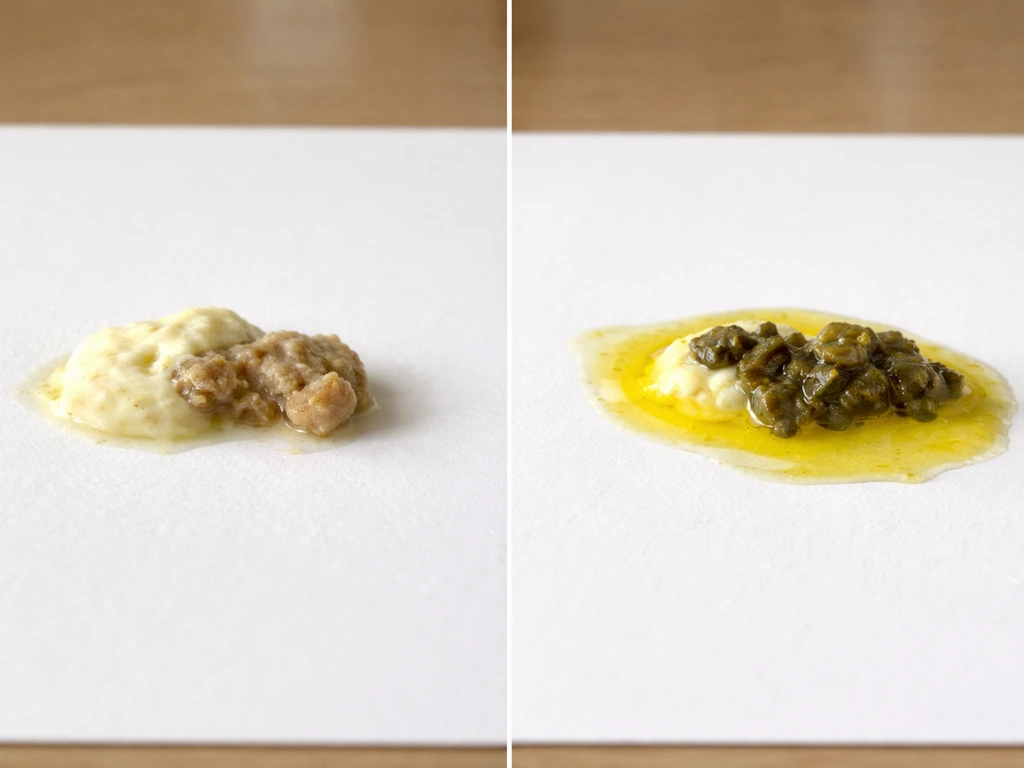
This is where context matters a lot. Pale or slightly yellowish urates in an otherwise healthy, active bird that is eating and behaving normally: probably fine. Bright yellow or yellow-green urates, especially if the change is sudden or comes with other symptoms, are a different story. Green-colored bird poop can also be confusing, and it helps to understand what does green bird poop mean when the color looks unusual.
Veterinary references flag yellow or yellow-green urates as potentially abnormal, with liver disease being one of the key concerns. The liver processes biliverdin (the bird equivalent of bile pigments), and when it is not functioning well, those pigments can show up in the droppings as a yellow or greenish-yellow tint.
There is also an important distinction that veterinary sources draw between urate crystal material (which is gritty, whitish, or pale yellow) and a yellow fibrinous or purulent exudate, which looks more like a thick yellow discharge and is more suggestive of infection or active inflammation. If you are a pet bird owner and what you are looking at resembles a yellowish, almost pus-like material rather than chalky urate deposits, that warrants a vet call, not just a diet adjustment. For wild birds, you obviously cannot examine the bird itself, but if you are seeing large amounts of unusually bright yellow droppings in a specific area, it is worth noting, especially if there are sick or dead birds nearby. If you are trying to interpret red bird poop meaning, remember the page-wide distinction between chalky urates and yellowish discharge, since that comparison can affect how urgently you should seek advice.
- Slightly yellow/cream urates in a bird eating normally: likely diet or normal variation
- Bright yellow or yellow-green urates with behavior changes: possible liver disease or infection, vet visit warranted
- Yellow thick/discharge-like material rather than chalky deposits: more suggestive of infectious or inflammatory cause
- Yellow tint that resolves after diet change or more water intake: almost certainly benign
- Sudden change in a pet bird's urate color with no diet change: worth monitoring closely and consulting a vet
Is yellow bird poop more dangerous to humans? Health risks explained
Here is the honest answer: the color of bird droppings does not meaningfully change how dangerous they are to people. The health risks from bird poop are tied to pathogens that can live in droppings regardless of their color. Yellow, white, green, or the usual dark brown splatter, the risk profile is largely the same. What matters more is how much you were exposed to, whether it was fresh or dried, and whether it was disturbed in a way that sent particles into the air.
The two main concerns with bird droppings and human health are histoplasmosis and psittacosis. Histoplasmosis is a fungal infection caused by Histoplasma, a fungus that grows in soil and environments contaminated with bird or bat droppings. You get it by breathing in spores, typically when dried droppings are disturbed and become airborne. Symptoms usually appear 3 to 17 days after exposure. Psittacosis is a bacterial infection caused by Chlamydia psittaci, which birds (especially parrots and other pet birds) can carry. It spreads the same way: breathing in dust from dried droppings or secretions. Symptoms typically begin within 5 to 14 days after exposure. Both can cause respiratory illness. Both are manageable with medical treatment, but both are worth avoiding.
Salmonella and Campylobacter are also real concerns, especially with backyard poultry or wild birds. These spread via hand-to-mouth contact, so touching droppings and then touching your face or food without washing your hands is the main route. Immunocompromised individuals face higher risks from all of these, and histoplasmosis in particular can become serious for people with conditions that lower CD4 counts.
How to clean up bird droppings safely (home, patio, and cars)
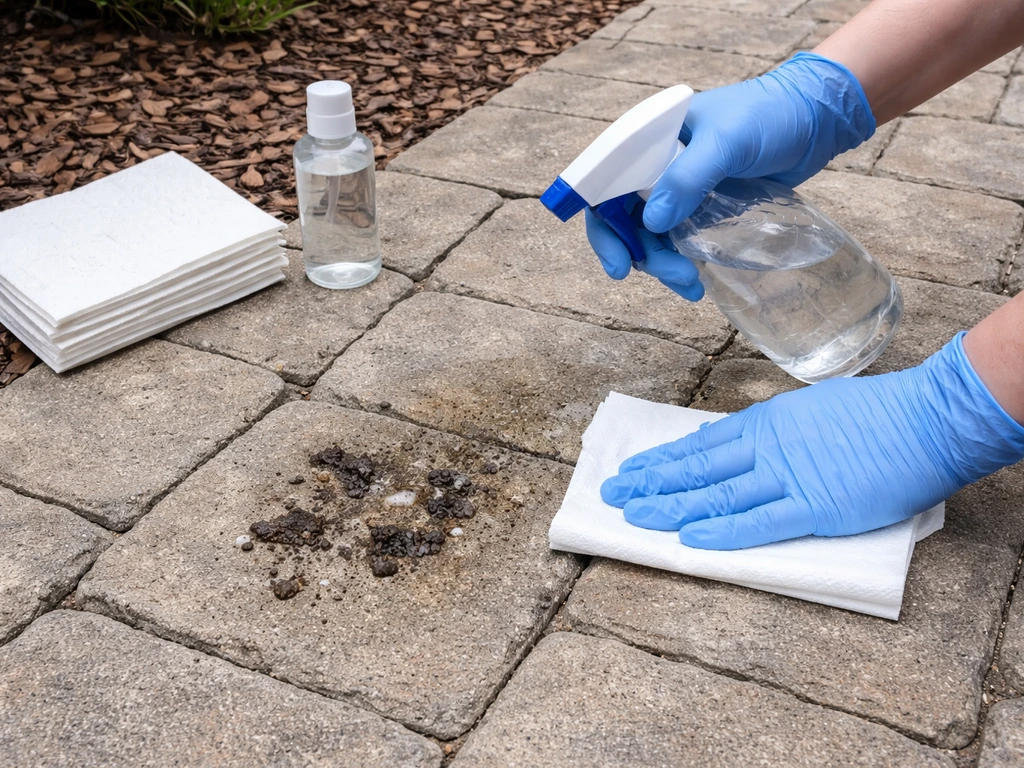
The single biggest mistake people make when cleaning up bird droppings is sweeping or scraping them dry. That sends particles into the air and directly increases your risk of inhaling whatever pathogens might be present. Never dry-sweep bird droppings, especially large accumulations. The same goes for using a leaf blower or any tool that generates dust.
The right approach is to wet the droppings first. Spraying them with water or a diluted disinfectant before you touch or move them suppresses the dust and keeps particles from becoming airborne. This is the approach recommended for both histoplasmosis and psittacosis prevention by public health guidance. The CDC also recommends wetting surfaces and cages with water or disinfectant before cleaning to reduce risk from dried droppings dust. Once wet, the material can be carefully collected and placed directly into a sealed bag or container for disposal.
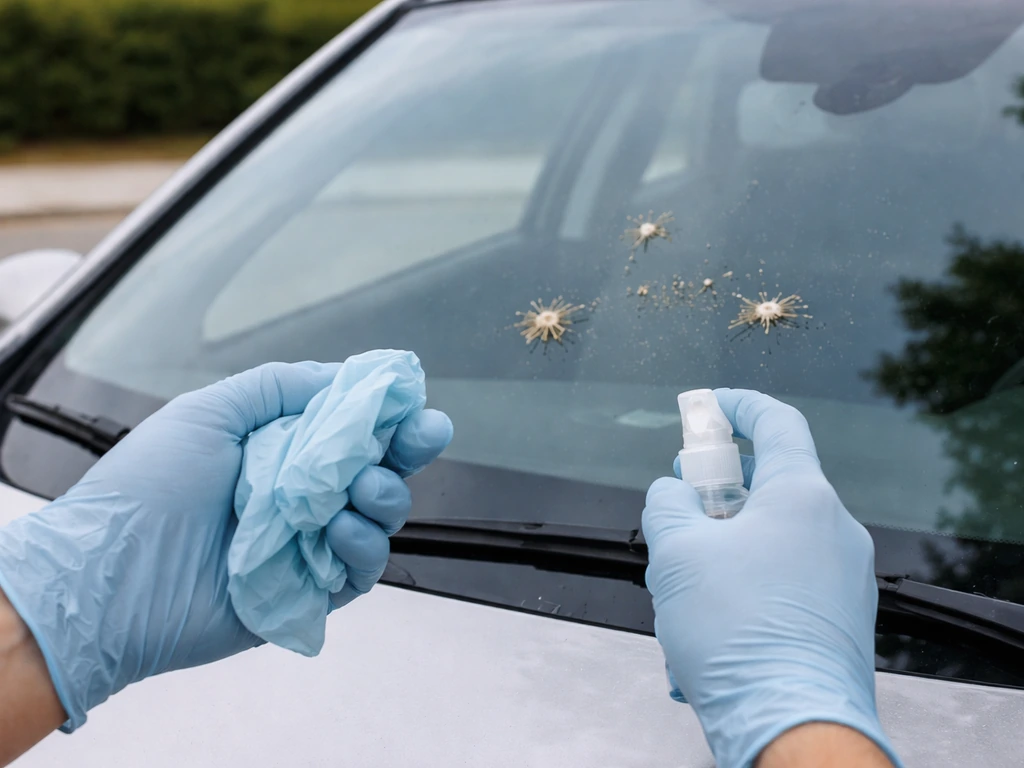
For cars specifically, fresh bird droppings are both easier to remove and less of a health concern than dried, crusted deposits. Droppings are acidic and can etch car paint if left to sit, especially in warm weather. Soak the spot with water first (a spray bottle works perfectly), let it soften for a minute, then gently blot or wipe with a clean cloth. Do not scrub aggressively, as that can spread the mess and scratch the paint. Avoid using dry paper towels on dried droppings as a first step.
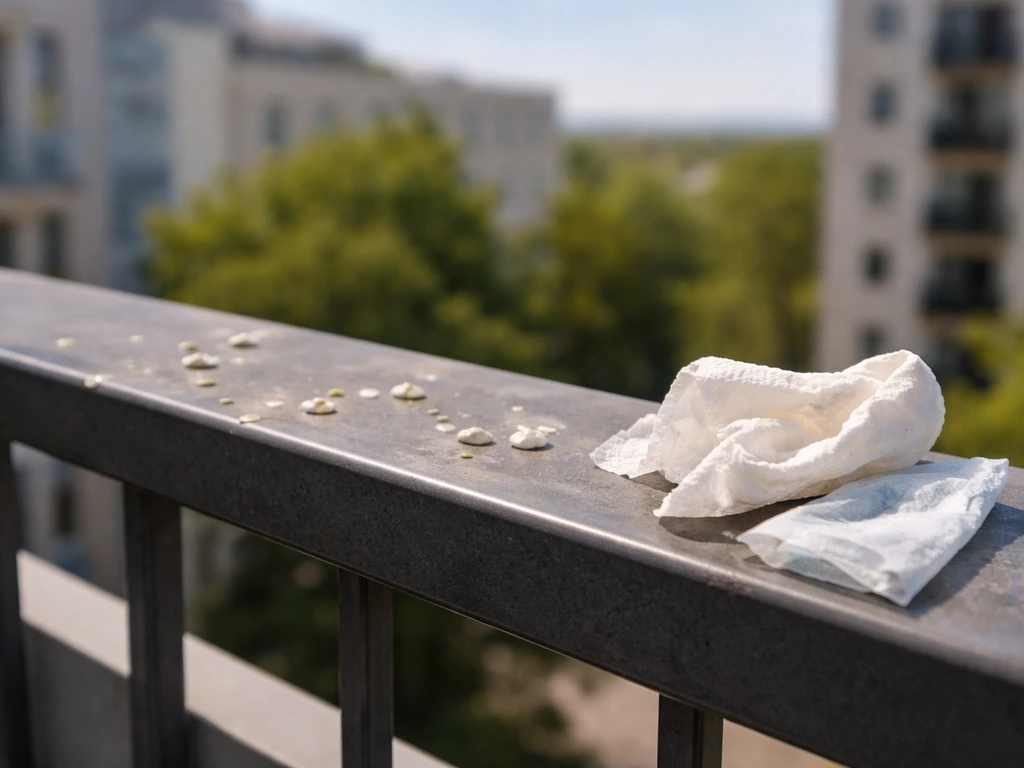
For hard surfaces like patios or outdoor furniture, the CDC-recommended workflow for psittacosis prevention is: scrub with detergent to remove the fecal material, rinse, apply a disinfectant and allow at least five minutes of contact time, then rinse again. For larger accumulations (a heavily used roosting area, for example), wear a properly fitting N95 mask, gloves, and eye protection before you start. Dampen the area thoroughly before beginning removal and work in a way that minimizes stirring up material.
| Surface | First Step | Cleaning Method | Disinfection | Extra Notes |
|---|---|---|---|---|
| Car paint | Wet the spot with water or spray bottle | Blot gently with soft cloth after soaking | Car-safe surface cleaner or diluted soap | Do not scrub dry; acid in droppings can etch paint |
| Patio/concrete | Wet or spray with disinfectant first | Scrub with detergent, then rinse | Disinfectant with 5+ min contact time, then rinse | Wear gloves and mask for large accumulations |
| Outdoor furniture | Wet the area to suppress dust | Wipe with damp cloth + detergent | Diluted disinfectant, allow contact time | Rinse well before using furniture again |
| Bird cage/pet enclosure | Wet surfaces before wiping | Scrub with detergent, rinse thoroughly | Bird-safe disinfectant (check label), 5+ min contact | Wear gloves; wash hands thoroughly after |
| Clothing/fabric | Do not rub dry material | Rinse off excess, then wash normally | Launder in hot water if possible | Wash your hands after handling contaminated clothing |
You got hit. Here's exactly what to do right now
First, do not panic. A single splash of fresh bird droppings on your skin is not an emergency in almost all circumstances. The risk from casual, brief contact is low for healthy adults. That said, there are clear steps you should take immediately, and skipping them is not worth the gamble.
- Do not touch your face, eyes, or mouth before washing your hands. This is the most important rule because hand-to-mouth transmission is the primary route for Salmonella and Campylobacter.
- Rinse the affected area with running water as soon as possible. If droppings got on your skin, wash with soap and water for at least 20 seconds.
- If you got a splash in your eyes, flush them thoroughly with clean water.
- Remove and bag any clothing that was heavily soiled, and wash it separately in hot water.
- If you were cleaning a large accumulation without a mask and inhaled visible dust, note the date and monitor for respiratory symptoms over the next two to three weeks.
- If symptoms develop (fever, cough, chest tightness, fatigue) in the days to weeks after exposure, tell your doctor what happened and when. Mention bird droppings specifically so they can consider histoplasmosis or psittacosis in their assessment.
- If you are immunocompromised, pregnant, or have a chronic respiratory condition, err on the side of calling your doctor even without symptoms if the exposure was significant.
For pet bird owners, the bar for calling a vet or a doctor is a bit lower than for a one-time wild bird encounter, since psittacosis risk is higher with regular, close contact with birds that may be carrying Chlamydia psittaci. Regular handwashing after handling your bird, its cage, or cage accessories is not overcautious; it is just good practice.
The good luck thing: what the superstition says vs what the science says
You have probably heard that getting pooped on by a bird is good luck. This belief is genuinely widespread across many cultures and has been documented in folklore archives. The Dartmouth Folklore Archive, for example, includes the belief as a recognized cultural superstition. Nobody seems entirely sure where it originated, but theories range from the statistical rarity of the event making it feel special, to older associations between birds and divine omens. Some people find it genuinely comforting in the moment, which is understandable when you are standing there in a white shirt.
There is no scientific evidence that bird poop predicts or causes good fortune. What the science does say is that the practical response to being pooped on is the same regardless of whether you believe in the luck angle: wash your hands, clean the affected area, and do not stress about it if you handle it promptly. Believing it is lucky might help your mood, which is not nothing, but it should not replace the cleanup steps. The two ideas coexist just fine. You can feel lucky and still wash your hands.
If you are curious about how droppings color connects to meaning across different contexts, the topics of what yellow bird poop means and what green bird poop means go deeper into interpretation for specific situations. If you are also wondering about green bird poop, that can be normal too, but it helps to know what colors usually come from diet versus what might warrant closer attention. Red-colored droppings have their own significance worth understanding separately, since that color can occasionally indicate something more urgent on the health side. Red bird poop meaning can vary based on what part of the droppings changed color, diet, and whether the bird seems otherwise healthy Red-colored droppings.
FAQ
If my bird’s poop is pale yellow, should I change food or hydration right away?
Usually you only adjust one variable at a time. Offer fresh water and keep the current diet steady for 24 to 48 hours, then reassess. If the urates stay pale yellow without other symptoms, it is often diet related. If the color becomes consistently yellow-green or you notice reduced appetite, fluffed posture, or lethargy, contact an avian vet instead of doing repeated diet switches.
What does it mean if the “yellow” part is watery yellow fluid rather than chalky urates?
Chalky urates that look pale yellow are different from fluid that looks like discharge or diarrhea. Yellow, thick, mucousy, or pus-like material is more concerning for inflammation or infection than normal urate discoloration. If the droppings are loose, clumped with mucus, or the bird seems unwell, treat it as a medical issue and call a vet.
How can I tell whether I’m seeing urates turning yellow versus a true green tint?
Try to identify the texture. Urates are typically chalky or gritty and form a clumped white-to-cream-to-pale yellow deposit. Green-leaning droppings often reflect bile pigments and may appear as a distinct greenish tint that can spread through the dropping. If you cannot separate a chalky deposit from a colored liquid and the change is new, it is safer to assume an abnormal pattern and seek veterinary guidance.
Is yellow bird poop ever normal for wild birds, or is it always a health issue?
It can be normal. Wild birds’ diet varies by season and location, so urates can shift pale yellow. The key is the “pattern”: one-off droppings are less important than repeated unusually bright yellow or yellow-green droppings in the same spot, especially if multiple birds nearby look sick or you notice a die-off.
How long should I wait to see if yellow urates resolve before calling a vet for a pet bird?
If the color shift is mild and the bird is otherwise normal, watch for improvement over about 1 to 3 days after confirming diet and access to fresh water. If yellow-green urates persist beyond a few days, or if anything else changes (activity level, breathing, appetite, droppings becoming loose), call an avian vet sooner rather than later.
Does yellow bird poop increase the risk to people compared with brown or white droppings?
Color alone does not meaningfully change the risk. The main drivers are whether droppings are dried and disturbed (airborne particles) and how much exposure occurs. That means a small, fresh smear cleaned promptly is generally lower risk than disturbing a crusted, dried area repeatedly.
What’s the safest way to clean bird droppings if I have asthma or other lung conditions?
Assume higher sensitivity to airborne particles. Wear a properly fitting respiratory mask (commonly an N95 or better, depending on guidance for your situation), avoid any dry sweeping or shaking of materials, dampen first, and ventilate the area. If symptoms like coughing, wheezing, or shortness of breath start during cleanup, stop and get medical advice.
Is it okay to use scented cleaners or bleach immediately when cleaning bird poop?
Avoid mixing chemicals. Use one disinfectant approach at a time, and follow the product instructions for dilution and contact time. If you are using a diluted disinfectant to wet the droppings, keep ventilation up. Never combine bleach with ammonia or other cleaners, and do not rely on fragrance alone for disinfection.
For a car, should I wax or polish right after removing yellow bird droppings?
If there are any signs of etching or dull spots, do not jump straight to polishing. Rinse thoroughly after cleaning, let the paint fully dry, then assess. If the surface feels rough or looks etched, consider a safe paint-safe decontamination step first, since immediate abrasion can worsen damage.
What should I do if yellow bird poop gets on my food-contact items or kitchen surfaces?
Treat it as contamination risk regardless of color. Wash hands, remove visible material while dampening it, then clean with detergent and rinse. After that, disinfect and keep the surface wet for the product’s recommended contact time, then rinse if the label requires it for food-contact surfaces.