If you found droppings and you're not sure whether they came from a bat or a bird, here's the short answer: look at the shape, location, and texture. If you want a quick comparison, the rest of the article walks through bird poop vs rat poop by looking at droppings’ shape, texture, and typical locations.
Bat Poop vs Bird Poop: How to Tell, Clean, and Stay Safe

Marcus Fielding
22 Apr 2026
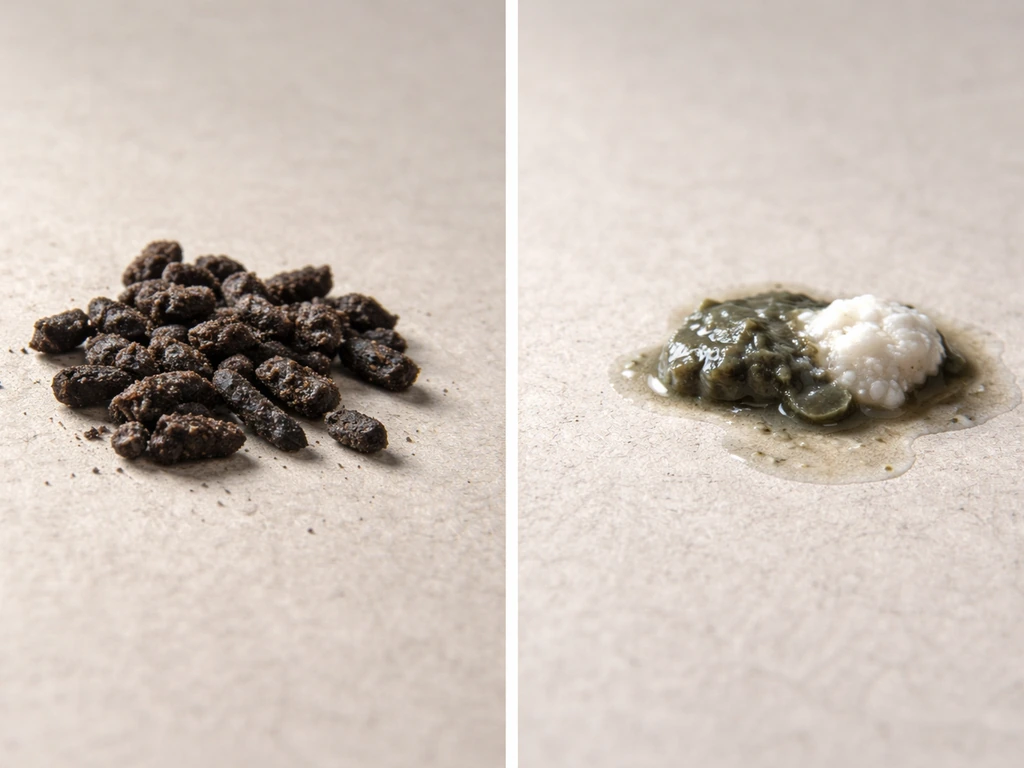
Bird droppings are typically a smeared, pasty blob with a white uric acid cap, while bat droppings (called guano) are small, dark, elongated pellets that crumble easily and often pile up in the same spot night after night. Those two traits alone will solve the mystery in most cases. Everything else below helps you confirm it and figure out exactly what to do next.
If you want a broader hygiene comparison beyond birds and bats, you may also be interested in bird pee vs poop for how those excretions differ.
How to tell bat poop vs bird poop at a glance
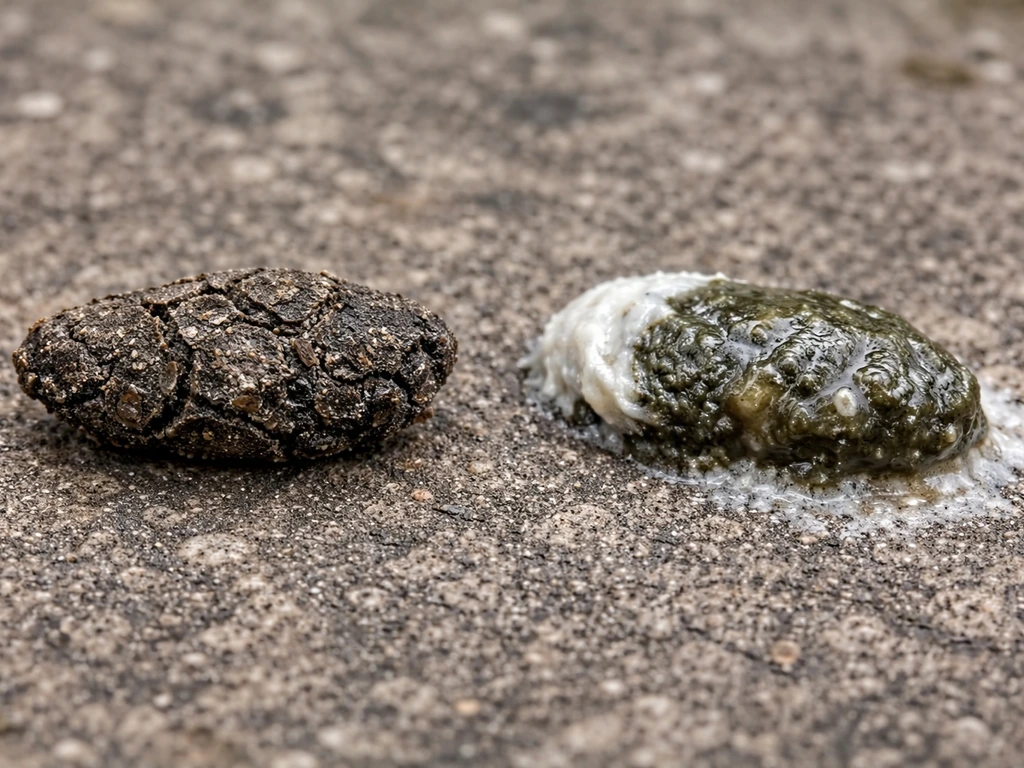
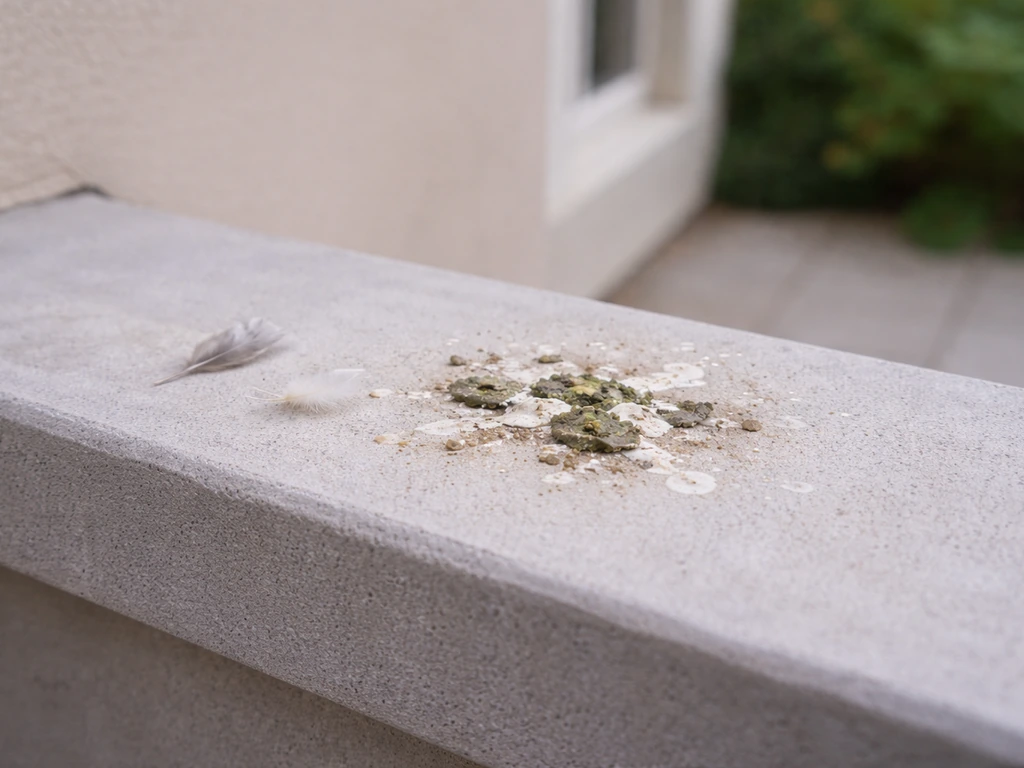
The single most reliable visual difference is texture. Bird droppings are wet and pasty when fresh, drying into a hard, flat smear that often has a white or cream-colored outer ring (that's the uric acid, which is how birds excrete nitrogen instead of urine). Bat guano, by contrast, looks like tiny dark rice grains or elongated pellets, roughly 1 to 3 millimeters wide and 5 to 8 millimeters long depending on the species. When dry, guano crumbles into a coarse powder between your fingers, and it often has a musty, ammonia-heavy smell from accumulated oils and digested insect matter.
Color is a helpful secondary clue. Bird droppings range from white and gray to greenish or even reddish depending on what the bird ate recently. Bat guano is almost always dark brown to black, and because bats eat insects, you'll sometimes spot tiny iridescent insect wing fragments inside the pellets if you look closely. That insect content is a strong identifier: no bird dropping contains bug wings.
| Feature | Bat Guano | Bird Droppings |
|---|---|---|
| Shape | Small elongated pellets, like dark rice grains | Smeared blobs, often irregular |
| Color | Dark brown to black | White/gray outer ring, variable center color |
| Texture (dry) | Crumbles into powder easily | Hardens into a flat, crusty smear |
| Smell | Strong musty/ammonia odor in accumulations | Mild to moderate, acidic smell |
| Contents | May contain insect wing fragments | Seeds, berry skin, or undigested plant matter |
| Size | 1-3 mm wide, 5-8 mm long | Highly variable; often 1-5 cm wide smear |
| Pattern | Piles in the same spot repeatedly | Scattered unless roost is nearby |
One more visual tell: quantity and pattern. Bats return to the same roost every night, so guano accumulates in a concentrated pile or trail directly below the entry point. Bird droppings tend to be more scattered unless you have a roosting flock on a ledge above you, in which case you'll see heavy, layered buildup that still has the white-cap smear look rather than the pellet pile pattern.
Typical locations and clues that point to bats or birds
Where you find the droppings is almost as useful as what they look like. Bats squeeze into gaps as small as 3/8 of an inch, so bat entry points are usually where two building materials meet: where a fascia board meets the roofline, around chimney flashing, behind shutters, and in attic vents or gaps in soffits. If you're seeing a dark stain or greasy smudge at a small opening alongside a pile of pellets below it, that's a classic bat roost entry mark. The grease comes from the oils in bat fur rubbing against the gap repeatedly.
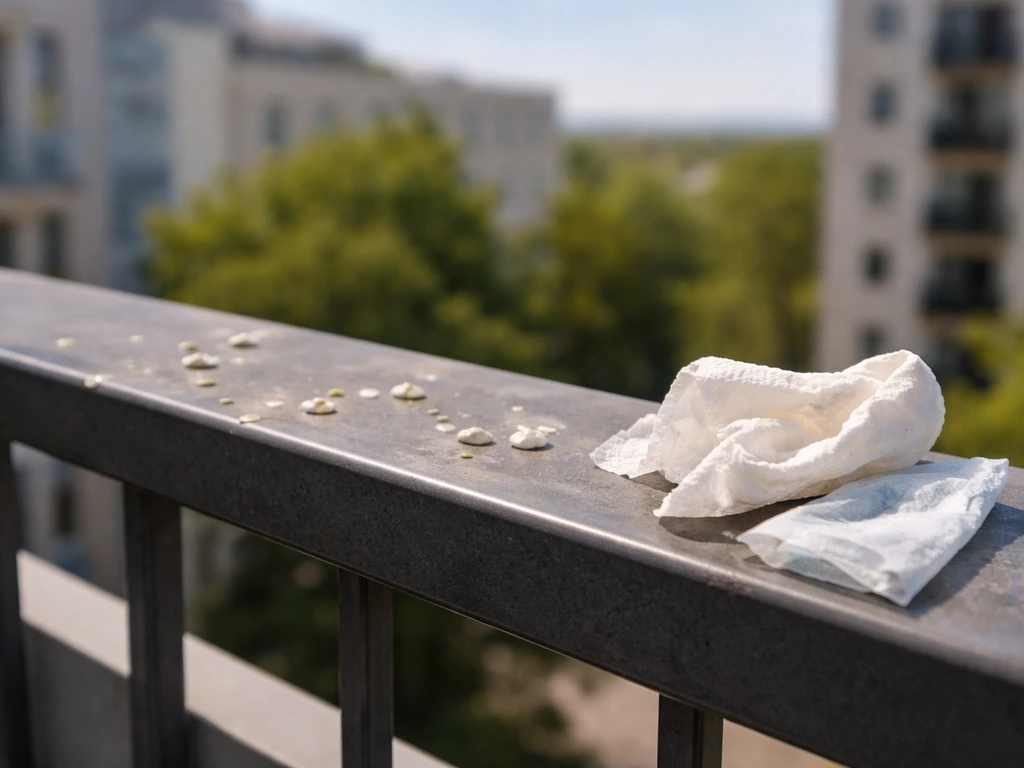
Birds pick open perches: gutters, window ledges, roof peaks, antenna masts, and power lines. Rat droppings have their own look and risk profile too, so comparing bird poop vs rat poop can help you choose the right cleanup and precautions. Their droppings land wherever they sit, and unless there's a nearby nest, the pattern is usually irregular and spread out. A heavily used ledge will show layered buildup over time, but you won't see the tight pellet pile or the greasy entry smear that signals bats. If you're finding droppings inside a closed attic, basement, or barn with no obvious large opening, bats are far more likely than birds.
- Droppings under a small gap or dark stain at a roofline or siding joint: likely bats
- Droppings on open ledges, gutters, or power lines: likely birds
- Pellet piles inside an attic, barn, or enclosed porch: almost certainly bats
- White smeared streaks down a wall or car: birds
- Concentrated pile of dark crumbly material below an eave: bats
- Sounds of scratching at night near the deposit site: strong bat indicator
- Sounds of chirping or wing flapping during the day near the deposit site: bird indicator
Health risks: what's different and what to worry about
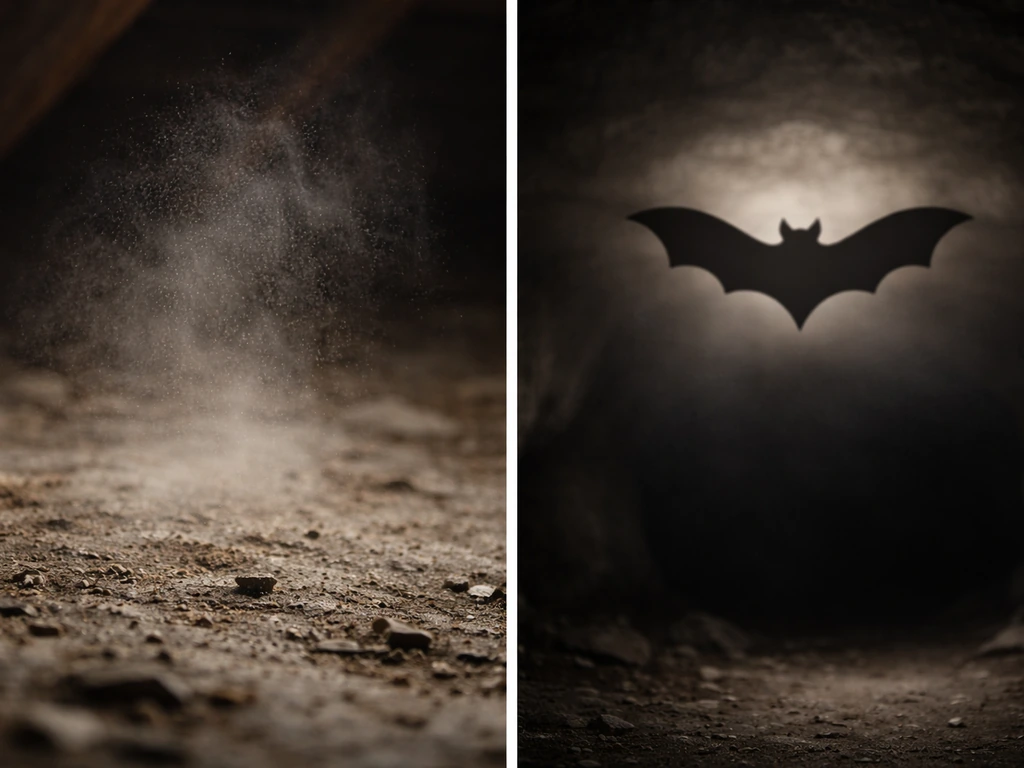
Both bat guano and bird droppings can harbor Histoplasma capsulatum, the fungus responsible for histoplasmosis. This is the main shared health concern, and it's real but often overstated in everyday small-scale exposures. The spores live in accumulated droppings, particularly in soil or debris that's had time to sit undisturbed. [According to the CDC and NIOSH, the risk goes up significantly when you disturb accumulated material and generate dust](https://www.
cdc. gov/niosh/histoplasmosis/index. html), which is why dry sweeping a pile of old guano is genuinely dangerous and wet cleanup is always recommended. Most healthy adults who inhale a small number of spores either have no symptoms or experience a brief flu-like illness.
The serious lung infections happen mostly with large exposures or in people with compromised immune systems.
Where bats specifically raise the stakes is rabies. This is not about droppings, it's about physical contact with the bat itself. You cannot get rabies from bat guano. However, if you found bat droppings, a bat was in that space recently, possibly last night. If you or anyone in your household (including pets) may have had direct contact with a bat and didn't notice a bite, that's a separate and urgent conversation with a doctor or your local health department. Bat bites can be small enough to miss.
Bird droppings carry their own disease concerns beyond histoplasmosis, including Cryptococcus (a fungal infection associated with pigeon droppings) and Chlamydia psittaci (psittacosis, more relevant to people who handle birds directly). For most outdoor casual exposures, the risk is low. The elevated concern kicks in when you're dealing with large accumulations, enclosed poorly ventilated spaces, or you have a health condition that affects your immune system. A fresh single bird dropping on your car is not a medical event, whatever the old good-luck superstition says. A pile of droppings in an enclosed attic is a different story.
Safe cleanup and disinfection steps (and what to avoid)
The cardinal rule of dropping cleanup, whether bat or bird, is never dry-sweep or dry-brush accumulated material. Dry disturbing of old droppings aerosolizes the material and any fungal spores it contains, which is exactly how you turn a low-risk situation into a high-risk one. The CDC/NIOSH specifically flags dust generation as the primary risk factor for histoplasmosis exposure during cleanup.
- Put on PPE before you start: at minimum, disposable nitrile gloves and an N95 respirator (not a paper dust mask). For large accumulations in enclosed spaces, a full respirator with P100 filters is appropriate.
- Wet the material thoroughly before touching it. Use a spray bottle or pump sprayer with water and a small amount of dish soap or surfactant. The CDC/NIOSH recommends wetting the material first to reduce dust and aerosolization. Let it soak for a minute or two.
- Scoop or wipe the wetted material into a heavy-duty plastic bag. Do not use a shop vacuum without a HEPA filter, as standard vacuums blow fine particles right back into the air.
- Seal the bag, then double-bag it for good measure.
- Disinfect the surface. The Minnesota DNR recommends a bleach solution of 1 part household bleach to 20 parts water for hard surfaces after bat guano cleanup. This works equally well for bird droppings. Apply, let it sit for 10 minutes, then wipe clean.
- Dispose of gloves and any single-use PPE into the sealed bag before tying it off.
- Wash your hands thoroughly with soap and water even after removing gloves.
For large accumulations (think years of guano in an attic, or a heavy ledge deposit), this is not a DIY project. The volume of aerosolizable material at that scale genuinely warrants professional remediation with proper containment, full respirator protection, and often HEPA air scrubbers. The cleanup steps above are for the typical homeowner dealing with a manageable deposit, not a major infestation cleanup.
Car, patio, roof, and pet exposure: do this now
Car
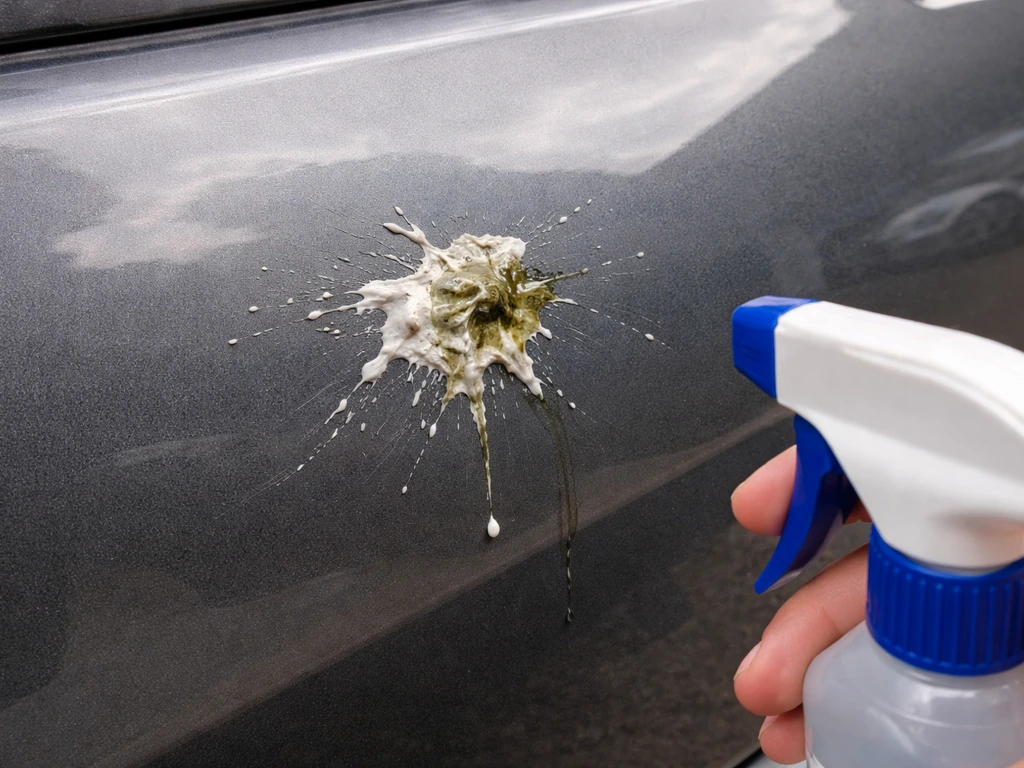
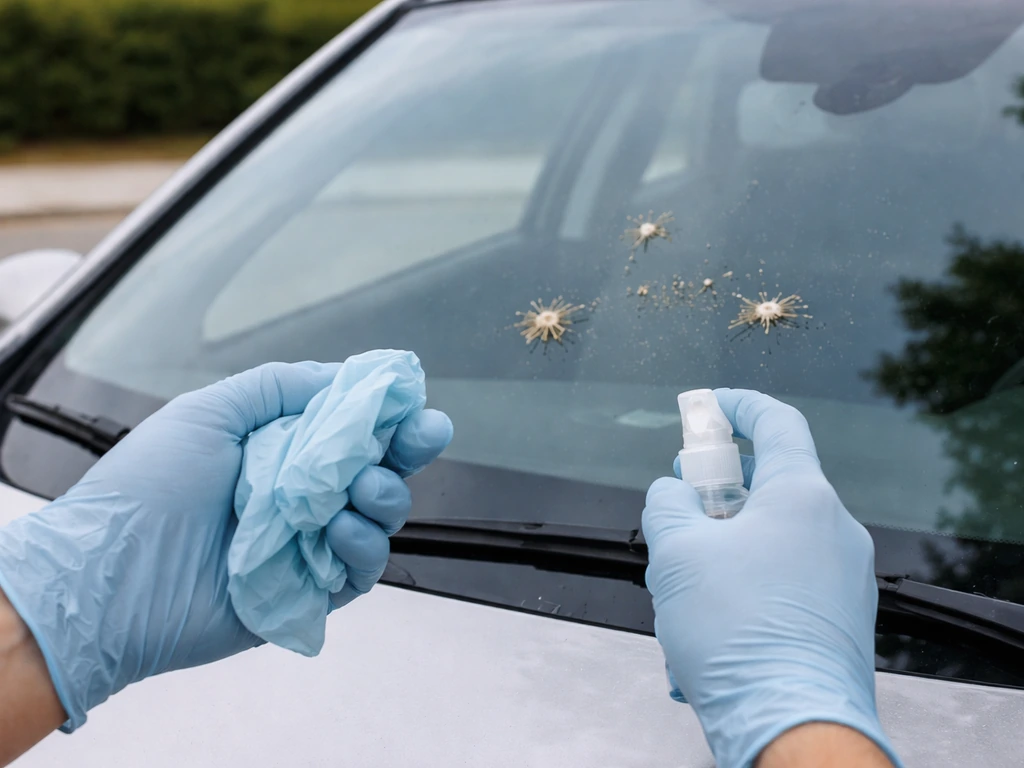
Fresh bird or bat droppings on your car are mostly a paint concern, not a health emergency. The uric acid in bird droppings is highly acidic and can etch clear coat surprisingly fast, especially in warm weather or direct sun. Rinse with plenty of water as soon as possible and blot dry. Don't rub dry droppings, as that grinds the abrasive material into the paint.
If the dropping has dried and hardened, soak it with a damp cloth for a few minutes before wiping. A dedicated car dropping remover spray works well. For bat guano on a car, same process: wet first, blot, then rinse. The insect content in guano can be slightly more abrasive, so soaking before wiping is even more important.
Patio and outdoor furniture
Wet the area first, then wipe up, then disinfect with the 1:20 bleach solution mentioned above. If you have cushions or fabric that got hit, rinse them thoroughly with water immediately and launder them if possible. Avoid sitting or eating near a heavily fouled surface until it's been properly cleaned and disinfected.
Roof and gutters
Accumulated droppings in gutters or on roof surfaces are best addressed with a garden hose to wet everything down before any scraping or brushing. Wear gloves and an N95 even for outdoor roof work, since you can generate significant dust on a dry windy day. For cleanup, CDC/NIOSH describes respiratory protection, including filtering facepiece respirators such as N95, as part of personal protective equipment to reduce inhalation exposure when controls are needed Wear gloves and an N95. Rinse gutter debris into a collection bag rather than letting it all wash into your yard or garden beds.
Pet exposure
Dogs especially love to sniff and sometimes eat droppings. If your dog ate bird droppings, monitor for gastrointestinal symptoms like vomiting or diarrhea over the next 24 to 48 hours and call your vet if symptoms persist. If your dog ate bat guano or had any contact with an actual bat, call your vet immediately, as bats are a rabies vector and your pet's vaccination status matters here. Cats that hunt bats are also at risk of direct bat contact, so this is worth knowing if your cat goes outside.
When to call a pro or seek medical advice
Call a wildlife control professional if you have confirmed or suspected bat activity in your home, especially inside living spaces. Bats are protected in many states and cannot be legally exterminated during certain seasons (typically maternity season from May through August in the US). A licensed wildlife control operator knows how to do a one-way exclusion that lets bats leave but not return, which is the legal and ethical approach. Document what you're seeing before you call: photos of the droppings, the suspected entry point, the approximate pile size, and when you first noticed it. That information helps the pro give you an accurate assessment.
Seek medical advice if you were in an enclosed space with bats and may have been bitten or scratched without noticing, if a bat was found in a room where someone was sleeping, or if a pet was in direct contact with a bat. Rabies post-exposure prophylaxis is highly effective but needs to be started promptly. Don't wait on this one. Separately, if you develop flu-like symptoms (fever, fatigue, chest pain, cough) within 3 to 17 days after cleaning up a significant accumulation of droppings in an enclosed space, mention the exposure to your doctor. That's the window for histoplasmosis symptoms to appear, and knowing your exposure history helps your doctor make the right call.
For professional remediation of large guano accumulations indoors, look for contractors specifically experienced in wildlife waste remediation or attic restoration. General cleaning companies often lack the proper containment protocols for this type of work.
Prevention: how to stop droppings without making things worse
The CDC and NIOSH are direct on this point: the best way to prevent exposure is to prevent accumulation in the first place. That means addressing the source, not just cleaning up after it repeatedly.
For bats
Exclusion is the only effective long-term solution. Seal every gap larger than 3/8 of an inch in your roofline, soffits, fascia, and around chimneys and vents, but only after all bats have left for the season or have been excluded first (otherwise you trap them inside, which is worse). Installing a one-way exclusion device over the primary entry point lets the colony leave and prevents re-entry. Consider installing a bat box on your property at least 15 to 20 feet off the ground on a south-facing pole or wall. Bats eat thousands of insects per night and are genuinely beneficial to have nearby, just not inside your walls. Giving them an alternative roost often helps with the transition.
For birds
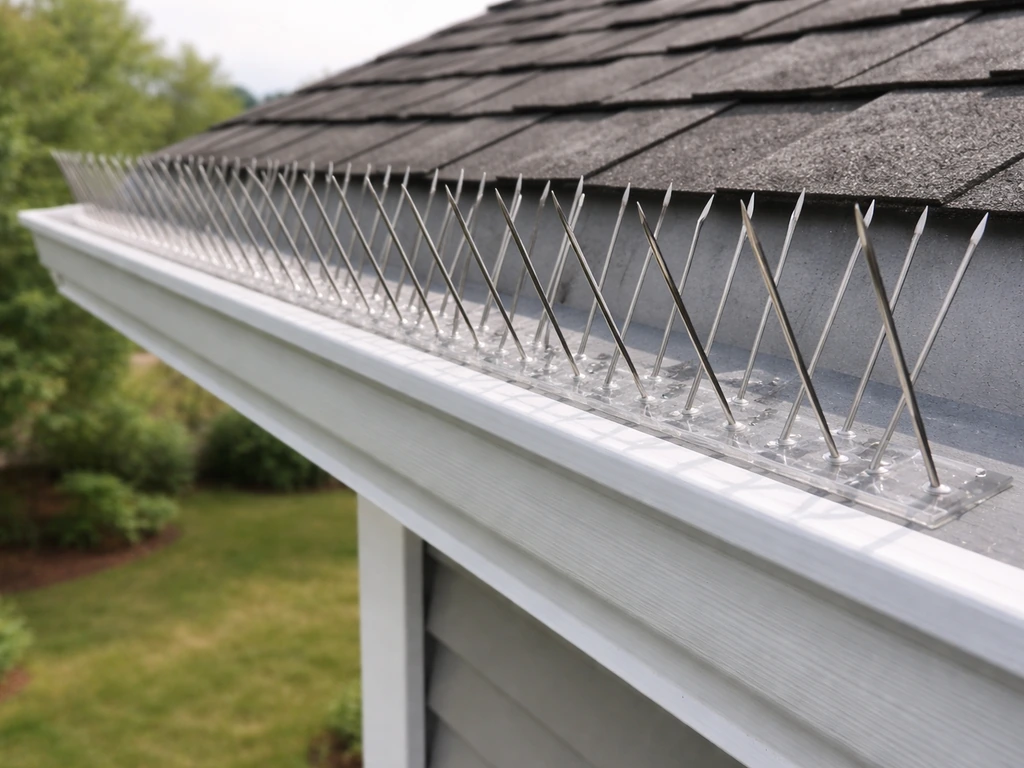
Physical deterrents are the most reliable long-term fix. Bird spikes on ledges, eaves, and roof peaks work well for preventing perching without harming birds. Stainless steel spikes last longer than plastic. Sloped ledge guards (angled at 45 degrees or more) eliminate flat surfaces that birds like to land on. Bird netting is effective for large areas like under overhangs or in open garages. Reflective tape, predator decoys, and sound deterrents can work short-term but birds habituate to them quickly, so don't rely on them as a permanent fix.
Reducing food sources matters too. If you have bird feeders close to your car or patio, move them further away. Clean up fallen fruit under trees. Cover outdoor pet food. Birds will hang around wherever reliable food is available, and your cleanup efforts will be much harder if you're also feeding them nearby.
One thing worth noting: there's a popular belief that bird poop landing on you is good luck. That's a fun piece of folklore, but it's also a good reminder to take any individual dropping lightly. A single fresh dropping from a passing bird is not a crisis. It's the accumulated, undisturbed, enclosed-space scenarios that deserve real attention and proper precaution.
The cultural side of bird droppings is genuinely interesting and something worth exploring if you're curious, but when it comes to safety, the practical facts are what count. If you’re wondering what bird feces meaning is, it usually just comes down to identifying the droppings and what location or diet might indicate. A news reporter might also ask how to identify bird droppings on cars, sidewalks, or building ledges news reporter bird poop.
If you have concerns about whether cop mistakes bird poop on a surface, the same basic clues still apply.
FAQ
If I still cannot tell whether it is bat guano or bird droppings, what should I do first?
Yes, but the decision is about exposure risk, not just which animal did it. If the area is enclosed (attic, crawlspace, small shed) and the droppings are dry, avoid cleaning until you can wet it down first. If you see a tight pellet pile near a small gap, treat it like guano cleanup with respirator and wet methods, and consider professional help for larger amounts.
Can bird droppings ever look like bat guano, and how do I avoid misidentifying them?
Sometimes bird droppings can look “pellet-like,” especially from smaller birds, but the white uric-acid cap and smear pattern are the giveaway when fresh or after they dry. Also, birds usually do not form a single concentrated “rice grain” pile directly under a tiny roost entry point with a greasy gap stain beside it.
What if the droppings are already dry, can I still do the cleanup safely?
Yes. Freshening the material matters, if it is visibly wet or you can wet it immediately, you can usually reduce dust dramatically. If it is already dry, do not brush or vacuum first. Mist or soak the area thoroughly, then wipe, bag waste, and disinfect after removal.
Is the 1:20 bleach disinfection step safe on every surface?
Bleach can be harsh on surfaces and not all materials should be treated with it. Use the 1:20 solution where appropriate for the surface you’re cleaning, then make sure you ventilate and avoid mixing bleach with other cleaners (like ammonia or acids). For porous materials you cannot disinfect well, rinsing thoroughly and laundering if removable is often the practical approach.
When would this become a medical concern for histoplasmosis or other issues, and when can I just clean and move on?
For birds, a single dropping on a car is typically an exposure concern only for paint and irritation risk from handling, but symptoms like eye redness or breathing trouble still warrant caution. For bat guano, treat any meaningful cleanup in an enclosed space as a fungal-spores exposure risk, especially if you ever had to disturb dry material. Contact a clinician sooner if you developed respiratory symptoms after a significant, enclosed-space cleanup.
What should I do if I found bat droppings in a bedroom but nobody noticed a bat?
If you find a droppings pile and there is any chance a bat was in the same room as sleeping people, treat it as a rabies exposure assessment question, even if you did not see a bite. Rabies risk is about direct contact with a bat, not about the droppings themselves, but small bites can be easy to miss. Call local public health or a clinician promptly.
My dog might have licked or eaten droppings. Does the “bat vs bird” difference change what I should watch for?
Pets are different than people because their behavior increases contact risk. If a dog ate droppings, monitor for vomiting or diarrhea for 24 to 48 hours and call your vet if symptoms persist. If a pet had direct bat contact, or you suspect bats were in reach, call your vet immediately and mention rabies risk and vaccination status.
Is an N95 always enough for guano cleanup, or should I upgrade my PPE?
Respirators for this job depend on how much material and dust you might create. If you are dealing with an enclosed space, a significant accumulation, or any situation where dry dust could be generated, use proper PPE aligned with dust control (and do not rely on an unsealed mask). For large infestations, professional remediation is the safer default because they can contain the area and use HEPA filtration.
Can I seal entry gaps right after I find the droppings?
If there’s active bat use, trapping bats inside while sealing gaps is a real risk. Wait until bats have exited for the season or have been excluded correctly, then seal. If you’re unsure about timing or entry points, document and call a wildlife control professional before doing any sealing work.
What are the most common cleanup mistakes that increase health risk?
Vacuuming and dry sweeping are common mistakes. A shop vac can still aerosolize fine dust if you disturb dry guano, and broom brushing creates visible dust. If you must use tools, wet first, then wipe with disposable materials, and bag everything without shaking it.
How do I stop droppings from coming back after I clean up?
If you are seeing droppings on a roof edge or under an overhang, first address ongoing access (deterrents, netting, exclusion) so the area stops getting fouled. For birds, the “food availability” step is often the missing piece: moving feeders, cleaning fallen fruit, and covering pet food can reduce repeat visits.
Should I worry about droppings that ended up in soil, mulch, or my garden beds?
If you have compost, flower beds, or soil that may have been contaminated, don’t spread dry debris. Bag and remove droppings, and rinse the area with water to reduce dust, then let it dry. If the amount is large or in a sensitive enclosed area (like a small shed), professional guidance may be worth it.