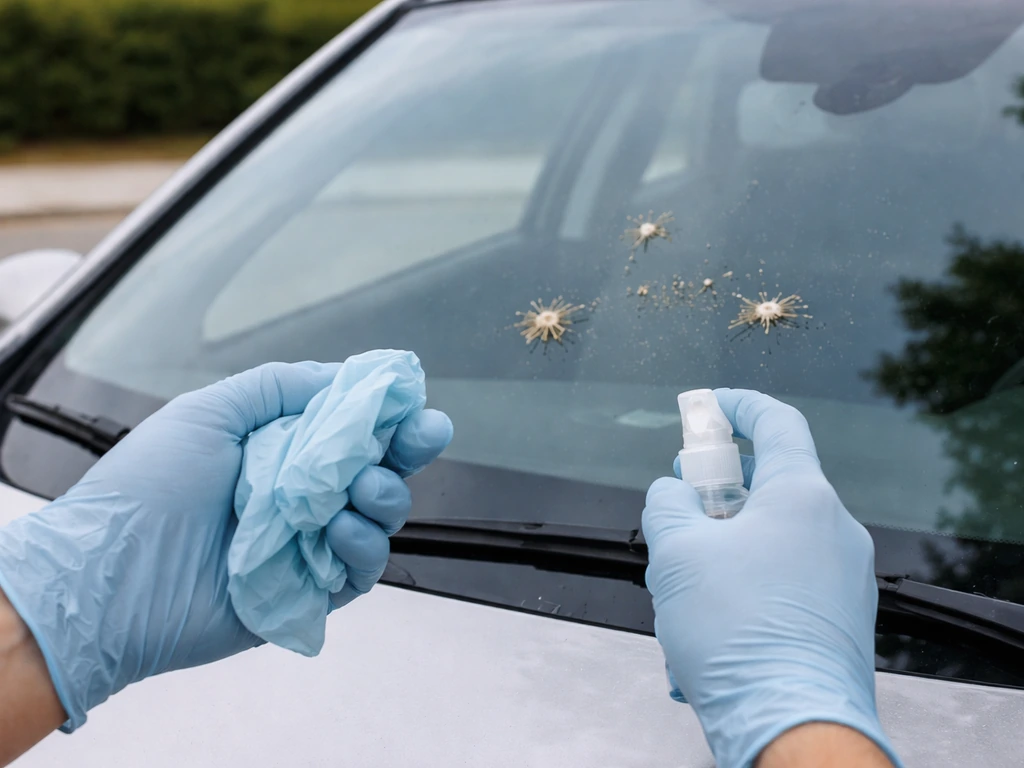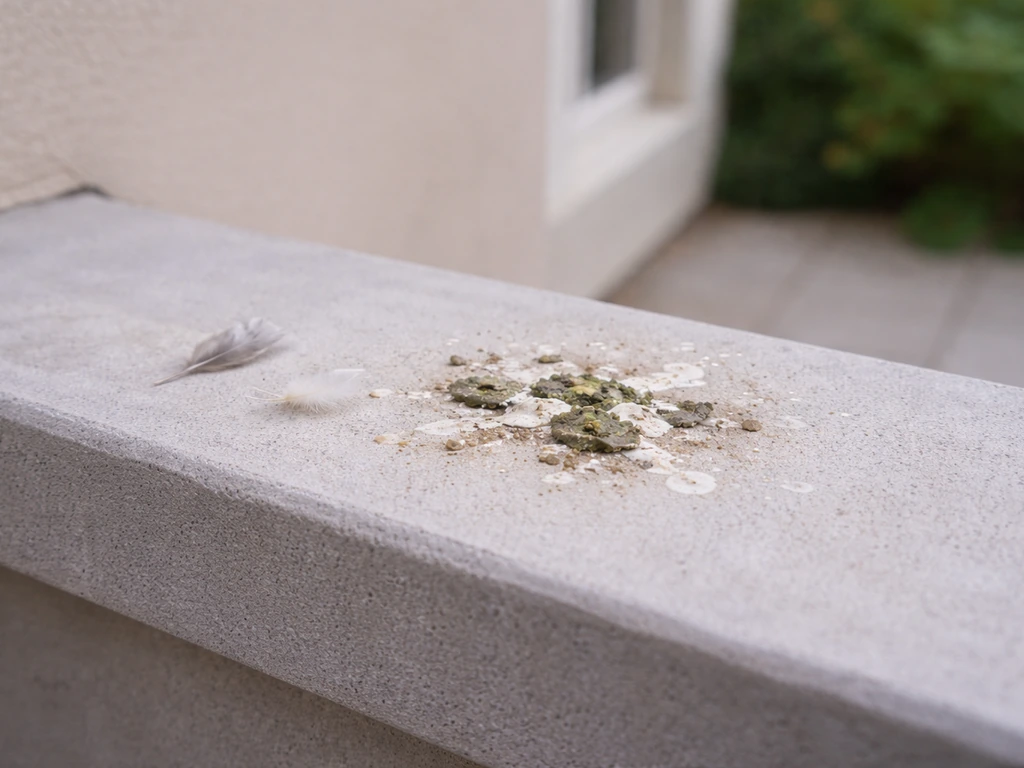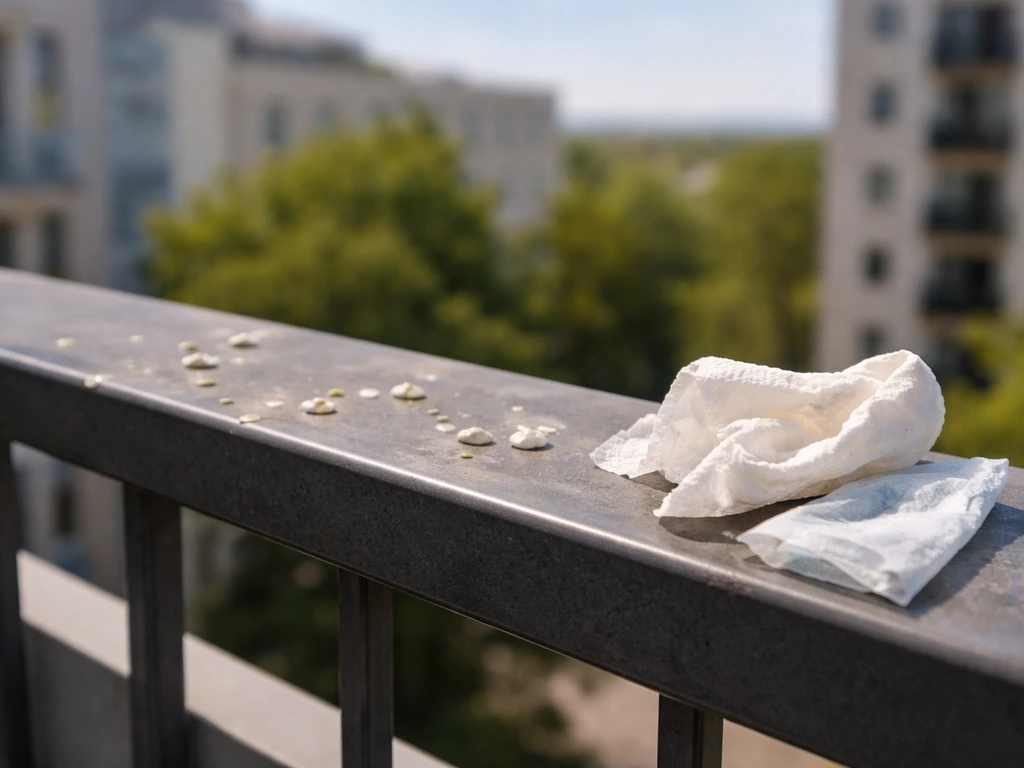
Yes, snails do eat bird poop, at least in a practical sense. Garden snails are opportunistic feeders, and bird droppings sitting on a damp surface offer exactly the kind of organic material they'll pick at: moisture, decomposing matter, bacteria, and microbial biofilm. It's not as if snails are seeking out droppings specifically the way they go after a lettuce leaf, but if they come across a dropping while foraging, they'll likely work on it. Don't be surprised if you find one doing exactly that in your garden or on your balcony.
Do Snails Eat Bird Poop? What to Expect and How to Clean

Marcus Fielding
1 May 2026
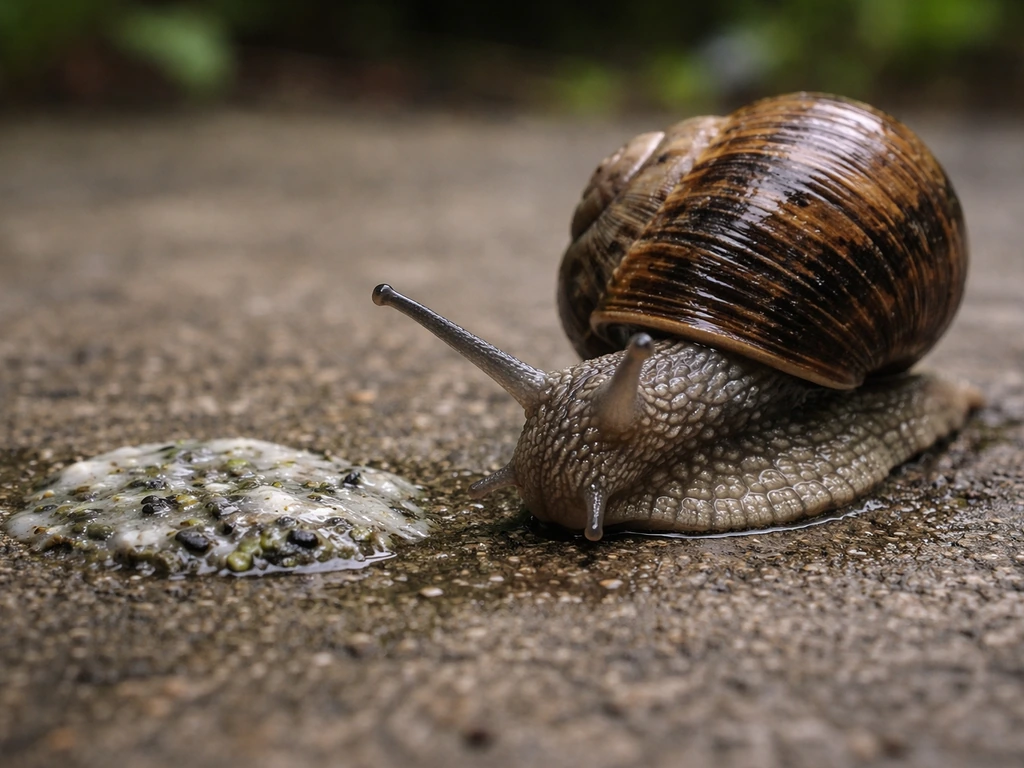
Why snails are drawn to bird droppings in the first place
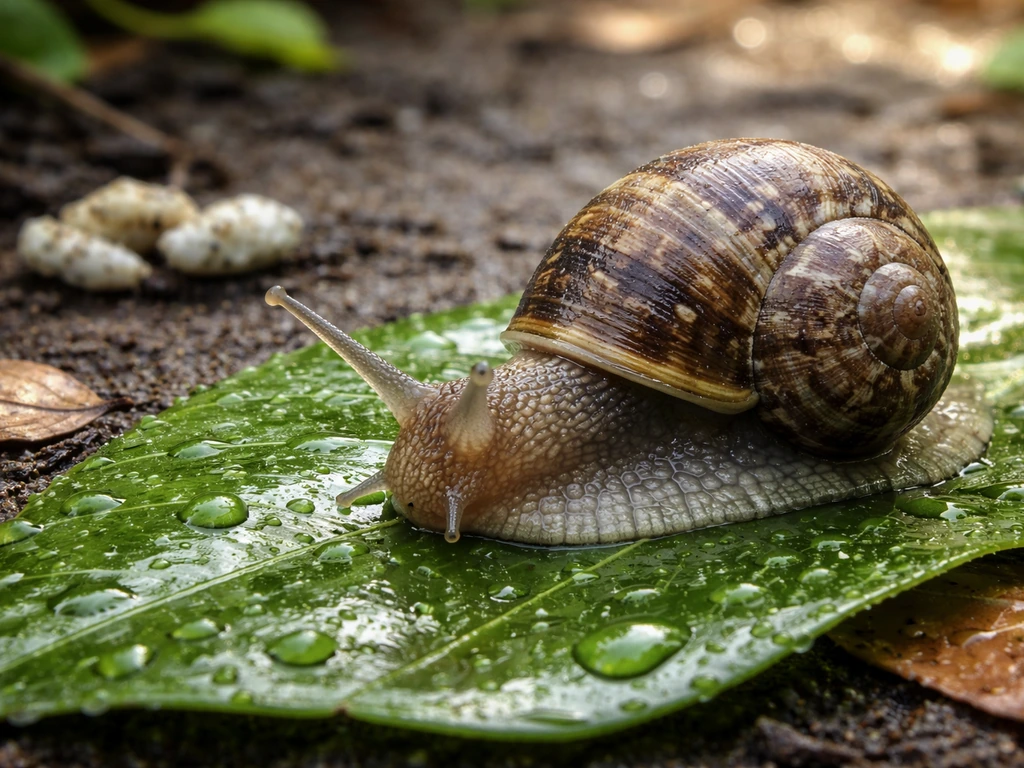
Snails aren't picky. Research on the feeding behavior of Helix aspersa (the common garden snail) shows they don't eat randomly. Their diet is shaped by what's actually available in their environment and which items offer the most reward for the effort. A fresh or slightly weathered bird dropping checks several boxes at once.
First, there's moisture. Snails need to stay hydrated to move and feed, so anything sitting on a surface that retains water is attractive. Bird droppings, especially fresh ones, hold moisture well. Second, there's organic matter. Even dried droppings contain broken-down proteins, uric acid, and remnants of whatever the bird ate, which can include seeds, berries, insects, and plant material. Third, and maybe most importantly for snail biology, there's microbial biofilm. As a dropping ages on a surface, bacteria and fungi colonize it. Snails actively graze on biofilm and decomposing organic matter, which is a big part of how they function in their ecosystem as natural recyclers.
So the attraction isn't really about the dropping itself as a food item. It's about the cocktail of moisture and microbial life that develops around it over time. The older and wetter the dropping, the more likely you are to find a snail on it.
What bird poop is actually made of (and why that matters)
Bird droppings are a mix of three components: feces (solid waste), urates (the white or cream chalky part, which is how birds excrete nitrogen instead of urea like mammals do), and urine. The fecal portion contains whatever the bird digested, including seeds, insect fragments, and plant material, along with bacteria, fungi, and sometimes parasites or viruses depending on the bird's health. The urate component is high in nitrogen, which is actually why bird droppings are so effective as fertilizer and why garden snails, who depend on protein-rich food sources for shell growth, may be genuinely interested in the nitrogen content.
Here's where it gets a bit unexpected. Some research has found that land snail individuals, and even viable snail eggs, have been recovered intact from bird feces and pellets. A J-STAGE study reports land snails found in bird feces samples from Japanese white-eyes and brown-eared bulbuls, giving concrete evidence that snails can pass through birds and appear in droppings blank" rel="noopener noreferrer">Some research has found that land snail individuals, and even viable snail eggs, have been recovered intact from bird feces and pellets.. Species like Japanese white-eyes and brown-eared bulbuls have been documented with land snail material passing through their digestive systems, which means the relationship between birds and snails isn't just about snails eating droppings. Birds eat snails, snails occasionally survive the digestive process, and the cycle continues. In a real yard or garden, the interaction goes both directions.
Health and safety: what this means for you
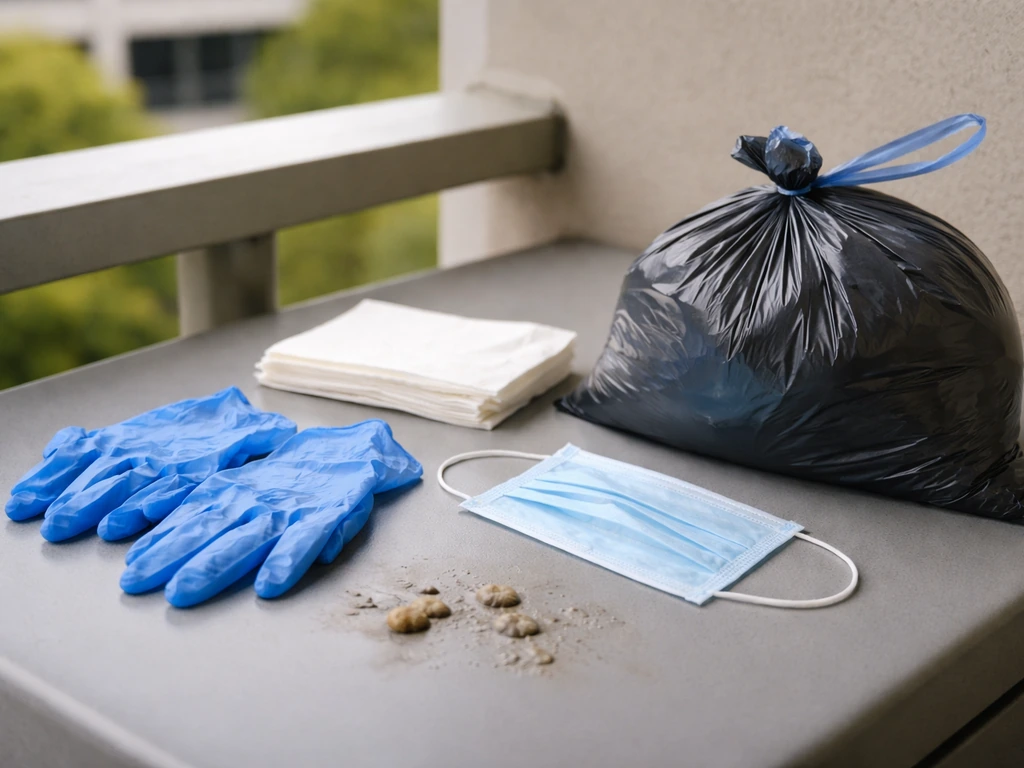
This is where it gets practical, especially if you're a gardener, have pet snails, or are just trying to clean up a dropping-covered car or balcony. Bird droppings can carry pathogens including Salmonella, Campylobacter, Chlamydia psittaci (associated with psittacosis), and in some cases Histoplasma capsulatum fungal spores. The CDC recommends reducing exposure by avoiding dry sweeping or vacuuming that can aerosolize dust and by using gloves and appropriate masks when dealing with infected birds and their environment avoiding dry sweeping/vacuuming (which can aerosolize dust) and using gloves and appropriate masks. These risks are real but context-dependent. A single dropping on your patio isn't a biohazard event. A large accumulation of droppings, like under a roost site, is a more serious matter.
If snails are involved, the concern shifts slightly. A snail that has been feeding on an infected dropping can pick up and carry bacteria on its body or in its digestive tract. This matters most for two groups of people: those who keep edible garden snails and might handle or consume them, and gardeners who handle snails bare-handed while working around contaminated soil or surfaces. It's a secondary exposure pathway, not a primary one, but worth knowing about.
Pet snail keepers should note that this is similar in nature to the concerns around dogs eating bird poop. Dogs are far more likely to actively seek out and eat droppings, and the risks there are well-documented. If your dog ate bird poop and ends up with diarrhea, watch for dehydration and contact a vet, especially if symptoms are severe or persist dogs are far more likely to actively seek out and eat droppings. If you are wondering can dogs eat bird poop, the short answer is that it is risky and you should prevent it when possible dogs are far more likely to actively seek out and eat droppings. Dogs that eat bird droppings can develop symptoms like vomiting, diarrhea, and lethargy if they pick up pathogens dogs eating bird poop. If you're wondering can dogs get parvo from bird poop, it's mainly a risk concern when dogs swallow contaminated material, so focus on prompt cleanup and good hygiene Dogs are far more likely to actively seek out and eat droppings, and the risks there are well-documented.. Snails feeding on droppings is a lower-intensity version of the same concern, mainly relevant if you're handling the snails with bare hands afterward. If you’re wondering whether do fish eat bird poop, the answer is that some fish can consume small organic matter in the same way, especially if the droppings wash into their habitat.
- Wash your hands thoroughly with soap after handling any snails that may have been in contact with bird droppings.
- Don't handle snails from outdoor areas near bird roosts if you have a compromised immune system.
- Pet or edible snails should not be allowed to forage in areas where bird droppings are concentrated.
- Avoid touching your face when cleaning up droppings, especially if snails or insects have already disturbed the material.
- Wear gloves when cleaning up larger accumulations of droppings, whether snails are present or not.
When you'll actually see snails around bird droppings
In dry conditions, you probably won't. Snails are most active at night and after rain, and they need damp surfaces to move. A dropping baked hard by afternoon sun on a concrete driveway isn't going to attract many snails. But a dropping that lands on moist soil, in a shaded garden bed, on a wooden deck that stays damp, or on a patio in a wet climate? That's a much more likely scenario, especially if you have an active garden snail population already.
Look for snails on or near droppings in the early morning, after overnight rain, or during cooler humid evenings. If you're seeing snails regularly near a birdbath, bird feeder, or a spot where birds perch and poop frequently, that's not a coincidence. The droppings are part of what's keeping snails active in that zone, alongside the moisture and the seed spillage from feeders.
Gardens near trees where birds roost overnight are especially likely to have this pattern. You'll see droppings clustered under the roost, and if you check early in the morning on a damp day, there's a decent chance you'll find snails working on them.
How to clean up when snails are in the picture
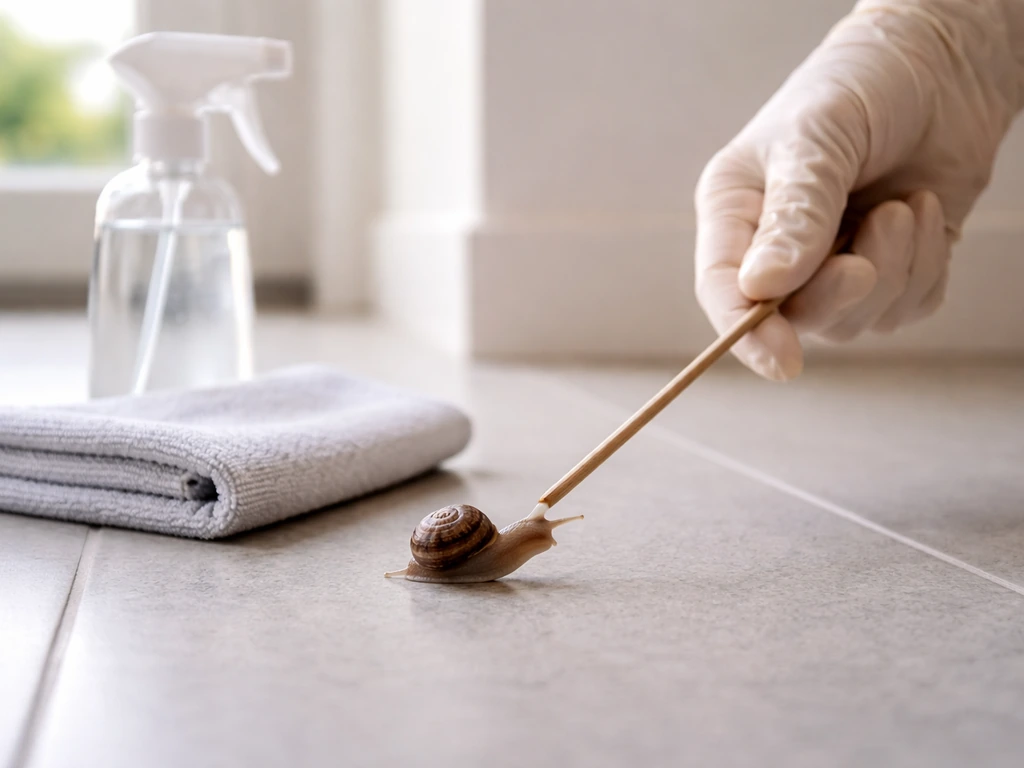
The cleanup approach doesn't change dramatically just because snails are involved, but there are a few extra steps worth taking.
- Relocate snails before cleaning. If you find snails on or near a dropping, move them away from the area using a stick or gloved hand before you start spraying or scrubbing. This keeps them from being contaminated by runoff and prevents them from just returning to the same spot once the surface is wet again.
- Wet the dropping first. Whether it's on a car, a patio, or a garden surface, soaking a dried dropping for a couple of minutes before scrubbing prevents the dust and particulates from becoming airborne. Dried bird dropping dust is where the real inhalation risk comes from.
- Use a diluted cleaning solution. A mild soap-and-water solution works well for most surfaces. For stubborn stains on cars, use a dedicated bird dropping remover or a damp microfiber cloth. Avoid abrasive scrubbing on painted surfaces.
- Rinse thoroughly. Any residue left behind will continue to attract snails, insects, and other scavengers. A clean rinse reduces the chance of repeated visits.
- Treat the surface if it's a recurring problem. In garden beds under bird roosts, consider a coarse mulch or gravel layer that dries quickly and doesn't hold the moisture that makes droppings attractive to snails. Moving bird feeders periodically also helps spread the dropping accumulation and reduces hotspots.
- Wash up properly. Soap and water on your hands after the job is done. If you've been working in an area with heavy accumulation, a change of clothes isn't overkill.
The bigger picture on bird droppings as an attractant
Snails are just one part of the ecosystem that bird droppings feed. Insects, rodents, and even other birds are attracted to the same material for overlapping reasons. If you're managing a yard, garden, or outdoor space and noticing more snail activity than usual, it's worth looking up and figuring out where your local birds are perching and defecating. Solving the upstream problem, either by deterring birds from specific perch spots or by cleaning droppings more frequently, will do more long-term good than chasing individual snails.
For readers who also share outdoor space with dogs, it's worth knowing that dogs are far more likely to actively eat bird droppings and face direct health consequences from doing so. The snail situation is more passive and lower-risk in comparison, but the same general principle applies: droppings left to accumulate attract more animals and create more opportunity for pathogen spread. In comparison, do rats eat bird poop is another question, since rodents can also be drawn to droppings left to accumulate. Clean them up, and most of the problem takes care of itself.
FAQ
How can I tell if snails are actively feeding on a bird dropping or just passing by?
Look for fresh grazing signs, such as a smeary, thinned-looking surface, trails leading from nearby hiding spots (under pots, boards, or edges), and multiple snails close to the same dropping during humid, low-light hours (especially after rain). If the dropping is dry and hard, snails are less likely to be feeding.
Do snails spread pathogens more if they crawl over the dropping first and then move to plants or surfaces?
Yes, it’s possible, but the risk is generally a secondary pathway. The practical takeaway is to treat any snail you see near droppings as “dirty” for hygiene purposes, wash hands after handling plants or outdoor items, and avoid touching edible crops before washing them thoroughly.
Is it safe to eat or touch vegetables that might have bird droppings on them and also show snail activity?
Avoid eating anything that has visible droppings or droppings residue on it. Even if snails are involved, the main concern is contamination from the bird material itself, so remove visibly contaminated leaves, then wash remaining produce with potable water and consider disinfecting wash if you already use that practice.
What’s the safest way to clean bird droppings if snails are present nearby?
Use gloves and, ideally, a mask if you’re dealing with more than a single small spot. Remove droppings without hosing them into a larger area, bag the waste, then wipe the area with a disinfectant appropriate for outdoor use. Afterward, wash tools and hands, and don’t handle the snails directly.
Will removing bird droppings immediately stop snails from coming back, or do they still linger?
Frequent, fast cleanup usually reduces attraction, but snails may still remain in the area because of nearby moisture and shelter. If you eliminate droppings but keep damp hiding spots (mulch piles, dense ground cover, shaded deck seams), you can still get repeated snail presence.
Do snails eat the white urate portion of bird droppings, or only the darker fecal part?
They can use whichever components are available, but the bigger driver is the microbial biofilm and moisture on the surface over time. The chalky urate portion can still support microbial growth as it weathers, so you may see activity on droppings even when much of it looks dried or chalky.
Are there times of day or weather conditions that make snail feeding on droppings more likely?
Yes. Snails are most active at night and in humid conditions, and feeding on droppings is more likely when the dropping stays damp (after overnight rain, during foggy mornings, or in shaded, water-retentive areas). A droppings that dries quickly in direct sun is less likely to draw snails.
Can I relocate snails I find on droppings, or should I remove them for hygiene reasons?
For hygiene, avoid relocating snails by hand. If you want to reduce contact, gently remove them with a tool, place them into a sealable bag, and discard or manage them according to your local guidance. The more important control is removing droppings and reducing damp attractants.
If my pet snail is housed outdoors, how do I reduce the chance it’s exposed to droppings?
Use a dedicated snail enclosure with a physical barrier, keep food sources indoors or protected, and prevent access to areas under bird perches. Cover the enclosure or bring it under shelter during rain and windy periods when birds are more likely to deposit droppings.
What’s the difference between snails feeding on droppings versus birds eating snails, and does it change how I should manage the area?
It means the interaction is bidirectional. If birds are abundant, you’ll keep getting droppings, and birds may also prey on snails. So management should focus on deterrence and cleanup upstream, such as reducing favored roost spots and removing droppings promptly, rather than only targeting snails.