Bird droppings are most commonly called exactly that: bird droppings. You'll also hear bird poop, bird feces, bird mess, or bird waste depending on the context and how formal someone is feeling. In biological terms, "feces" is the precise word for the solid waste produced by an animal's intestines, but in everyday conversation "poop" and "droppings" do just as much work. There's also "guano," which technically refers to the accumulated excrement of seabirds or bats, especially in large quantities (historically harvested as fertilizer). If you're staring at something on your windshield, "droppings" or "bird poop" is almost always the right term. If you've found a compact oval pellet under a tree, that's a different story entirely.
What Are Bird Droppings Called? Terms, Risks, Cleanup

Marcus Fielding
19 Apr 2026
Common names for bird droppings
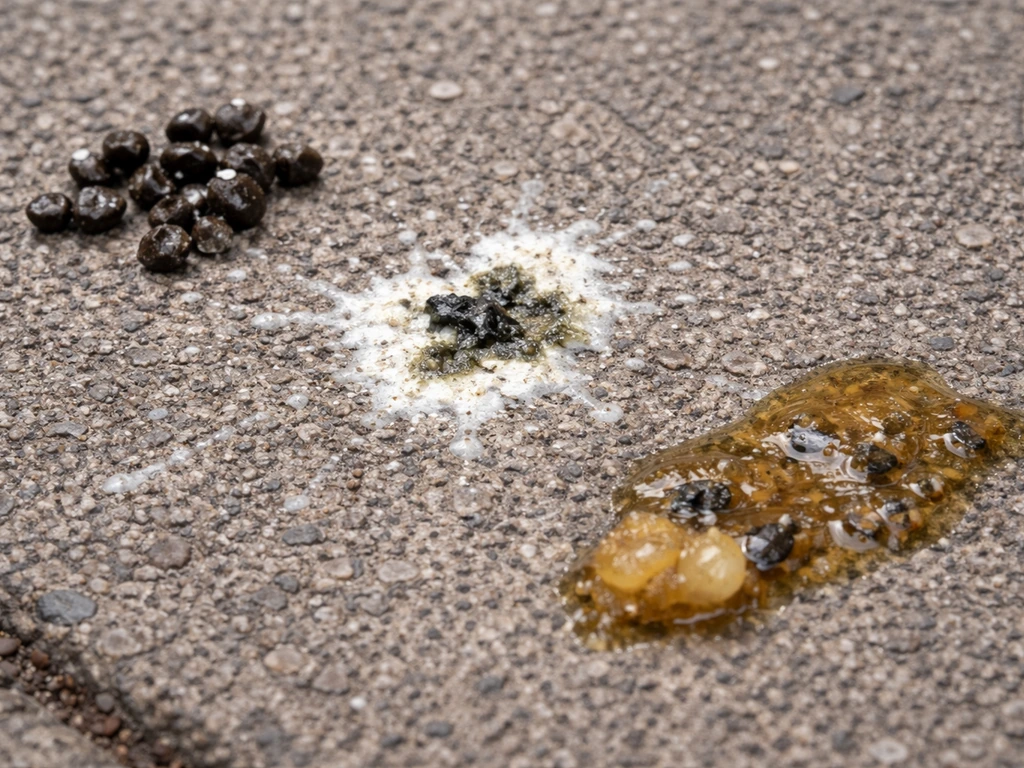
The word "droppings" is defined by Cambridge as the excretion or waste matter left by birds and small animals, and it's the go-to everyday term for what lands on your car, patio, or shoulder. "Feces" (or faeces in British English) is the more clinical word, used by vets, biologists, and health agencies. "Bird poop" is universal and widely understood. "Guano" is technically specific to large accumulations from seabirds or bats, though people sometimes use it loosely for any bird droppings. "Bird waste" is a broader, slightly formal phrase you'll see in cleaning and pest-control contexts.
| Term | Who uses it | When it fits |
|---|---|---|
| Bird droppings | Everyone, health agencies | General everyday use, any species |
| Bird poop | Casual conversation | Anything from a single splat to a mess |
| Feces / faeces | Vets, scientists, medical guides | Biological or clinical discussions |
| Guano | Ecologists, pest control, agriculture | Large accumulated deposits, seabirds or bats |
| Bird waste | Cleaning, pest control industries | General mess, cleanup contexts |
| Pellet | Birders, educators, naturalists | Regurgitated material from raptors, NOT droppings |
Feces, pellets, and urine: how to tell what you're actually looking at
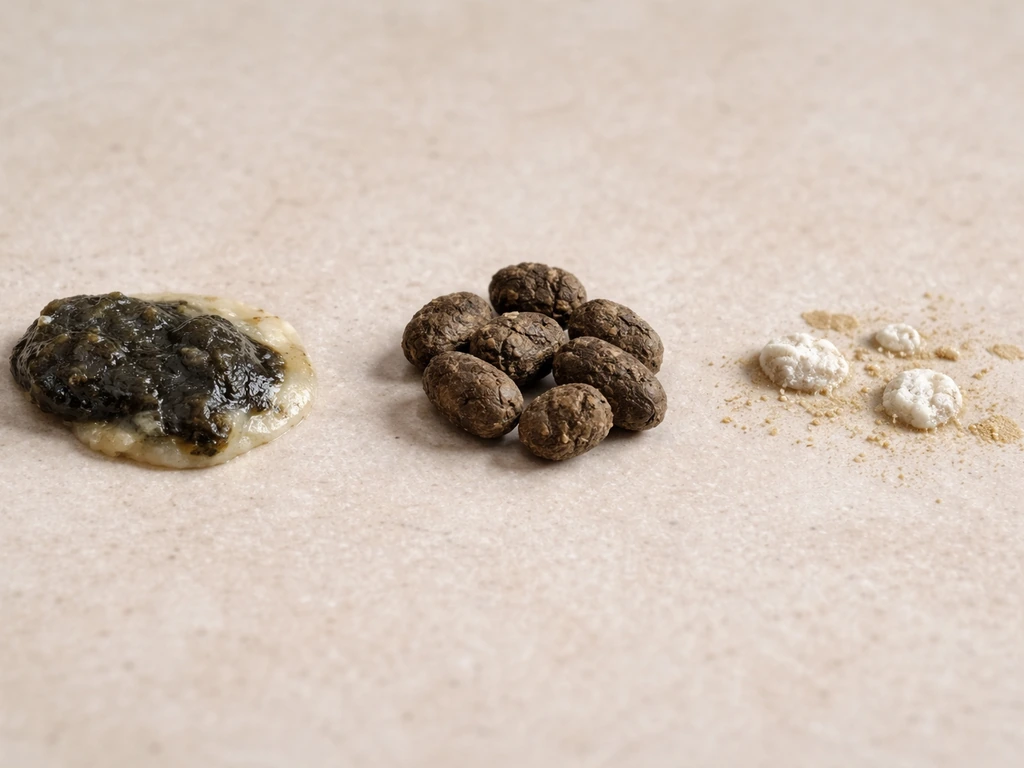
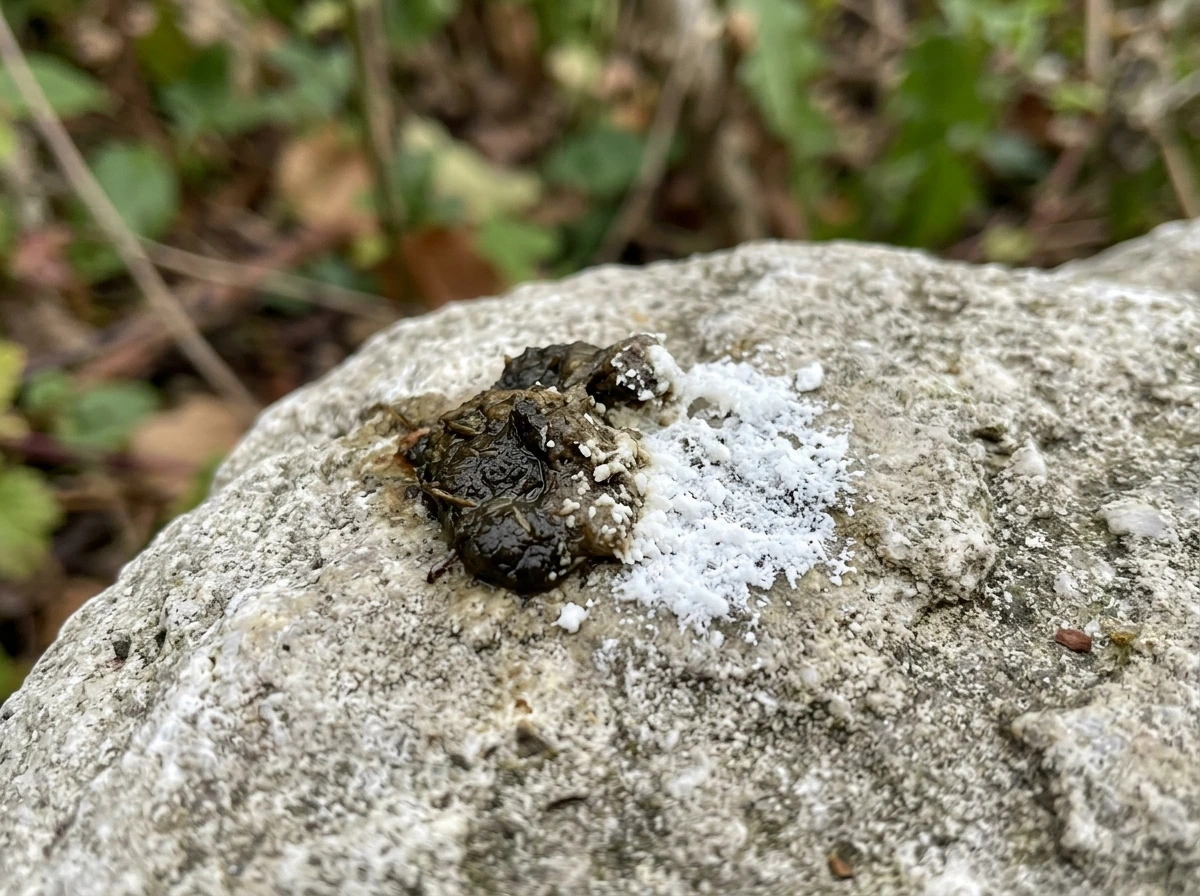
Most of what people encounter is actual droppings: a semi-liquid or pasty mess with a dark center and a white or off-white outer coating. That white part is not feces. It's uric acid (urates), the way birds excrete nitrogenous waste instead of liquid urine. Because birds have a single exit point called the cloaca, feces and uric acid come out together, which is why the typical splat looks like it has two distinct parts. The dark center is the fecal component; the white sticky paste surrounding it is essentially the bird's equivalent of urine. So what you're seeing on your car is actually a mixture of both at once.
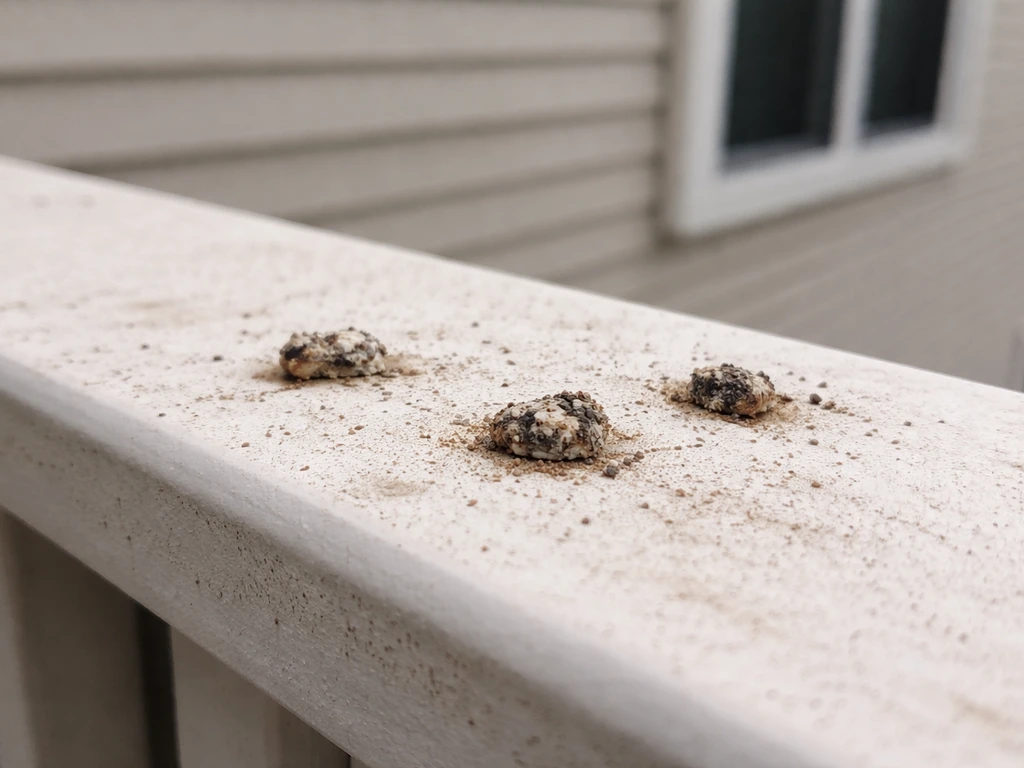
Pellets are something else entirely and are easy to confuse if you find them on the ground under a roosting spot. Owls and other raptors cannot digest bones, fur, feathers, or teeth, so they compress those materials into a compact oval bundle and regurgitate it hours after a meal. A pellet looks like a small, dry, tightly packed capsule, often gray or brown. It is not a dropping at all. Finding a pellet tells you a raptor has been hunting nearby, and they're a fascinating window into what that bird has been eating. They pose their own handling hygiene considerations, but they're a completely different thing from feces.
Why bird droppings look so different depending on the bird
Size is the most obvious variable: a pigeon's dropping is a coin-sized splat, while a Canada goose leaves something resembling a small green cigar. Color is driven mostly by diet. Seed-eating birds tend to produce darker, firmer droppings. Fruit-eating birds (like cedar waxwings going through berry season) can leave purple or reddish messes that look alarming on a freshly washed car. Insect-heavy diets often produce a lighter, more watery result. Raptors eating mammals tend to leave white or pale-green streaks due to the high protein content being converted to uric acid.
Age and environment change the appearance dramatically too. Fresh droppings are wet and often semi-transparent at the edges. As they dry, the uric acid crystalizes and turns chalky white, and the fecal core darkens and hardens. In sun and wind this can happen within an hour. Rain can wash the uric acid away and leave just a faint dark stain, which is why you'll sometimes find a brownish smear where a white splat used to be. The white stuff in bird poop, in other words, is not a permanent feature of what you see on surfaces.
Health risks and when to actually worry
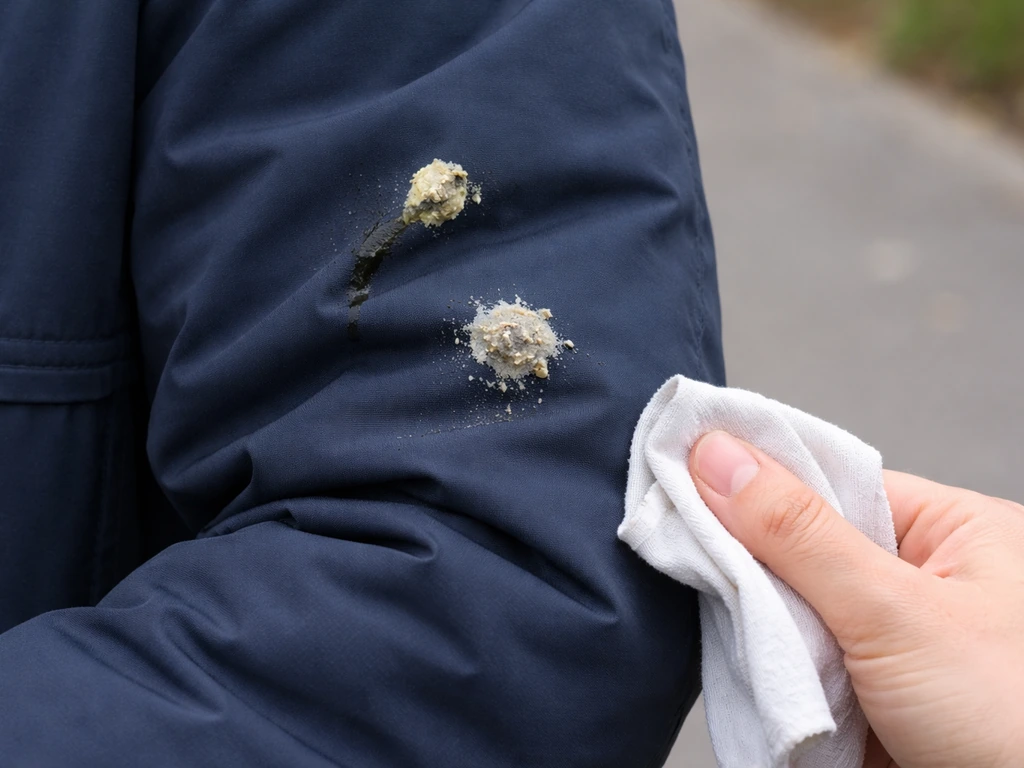
A single fresh dropping on your jacket is not a medical emergency. Bird droppings are a common concern, so it helps to know what they look like and what risks, if any, they pose what bird droppings look like. The realistic health risk from bird droppings is almost entirely about inhalation of dried, disturbed material, not skin contact from a fresh splat. That said, there are two pathogens worth understanding: Histoplasma capsulatum (the fungus that causes histoplasmosis) and Chlamydia psittaci (the bacterium behind psittacosis).
Histoplasmosis risk goes up significantly when you disturb large accumulations of old droppings, the kind you'd find in an attic, an abandoned barn, or under a long-established roost. Breathing in the fungal spores is how people get infected. The CDC notes that symptoms, when they do appear, typically show up 3 to 17 days after exposure, though many infections produce no symptoms at all. The risk from sweeping out a chicken coop or cleaning under a bridge where pigeons roost for years is genuinely higher than cleaning a single bird mess off a patio chair.
Psittacosis is most associated with parrots, parakeets, and other psittacine birds (including pet birds), though other species can carry it. The CDC is clear that the most common transmission route is breathing in dust from dried bird secretions or droppings, not handling a bird or touching fresh droppings with your hands. If you own a parrot or work in a bird facility, this is more relevant to you than if a sparrow hit your windshield.
- Single outdoor dropping on skin or clothing: low risk, wash with soap and water
- Cleaning a small patio or car: basic hygiene, no special equipment needed
- Clearing large or old accumulations in enclosed spaces: use respiratory protection
- Pet bird owners cleaning cages: wear gloves, avoid stirring up dry dust, ventilate the room
- Backyard chickens or ducks: follow the same enclosed-space protocol for deep cleans
Can bird droppings actually spread disease?
Yes, but context matters enormously. The diseases most associated with bird droppings (histoplasmosis, psittacosis, and in rare scenarios avian influenza) are almost always transmitted via inhalation, not by touching a dropping and then touching your face. The route of exposure that creates real risk is disturbing dry, accumulated material in poorly ventilated spaces and breathing in what gets kicked into the air.
For avian influenza specifically, the CDC advises against stirring up dust or bird waste when cleaning areas where infected birds have been, and recommends cleaning first with soap and water before applying an EPA-approved disinfectant rated for influenza A viruses. This is guidance for people managing flocks or dealing with confirmed infected birds, but it's a useful framework for any large-scale cleanup involving bird waste.
The bottom line: the random dropping on your car or patio does not realistically pose a disease risk if you handle cleanup sensibly. The situations that warrant genuine concern are enclosed spaces, large quantities, old dried accumulations, and regular occupational or hobby exposure (like working in a bird sanctuary, cleaning a large aviary, or renovating a building with long-term roost contamination).
Cleaning up safely, whether it's you, your pet, your car, or your yard
Skin contact or clothing
Wash the affected area with soap and water promptly. For clothing, rinse and launder normally. There's no need to panic, but there's also no reason to leave it sitting. If you touched a dropping and then touched your face, wash your hands and face. That's genuinely all that's needed for incidental outdoor contact.
Cars and hard surfaces
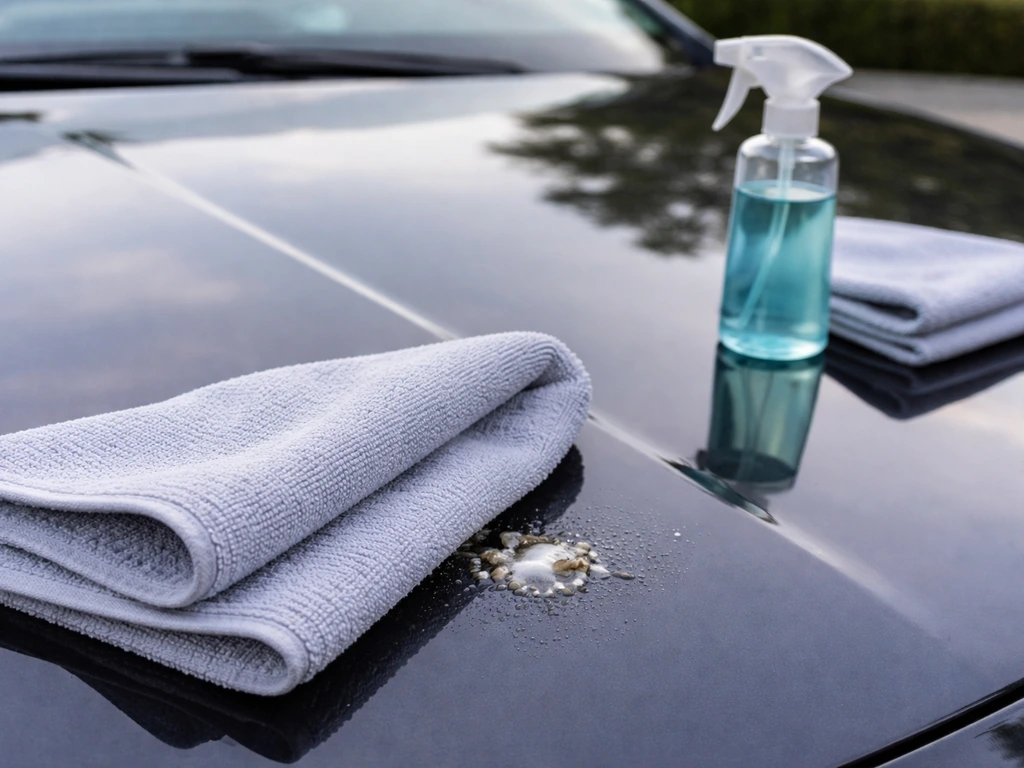
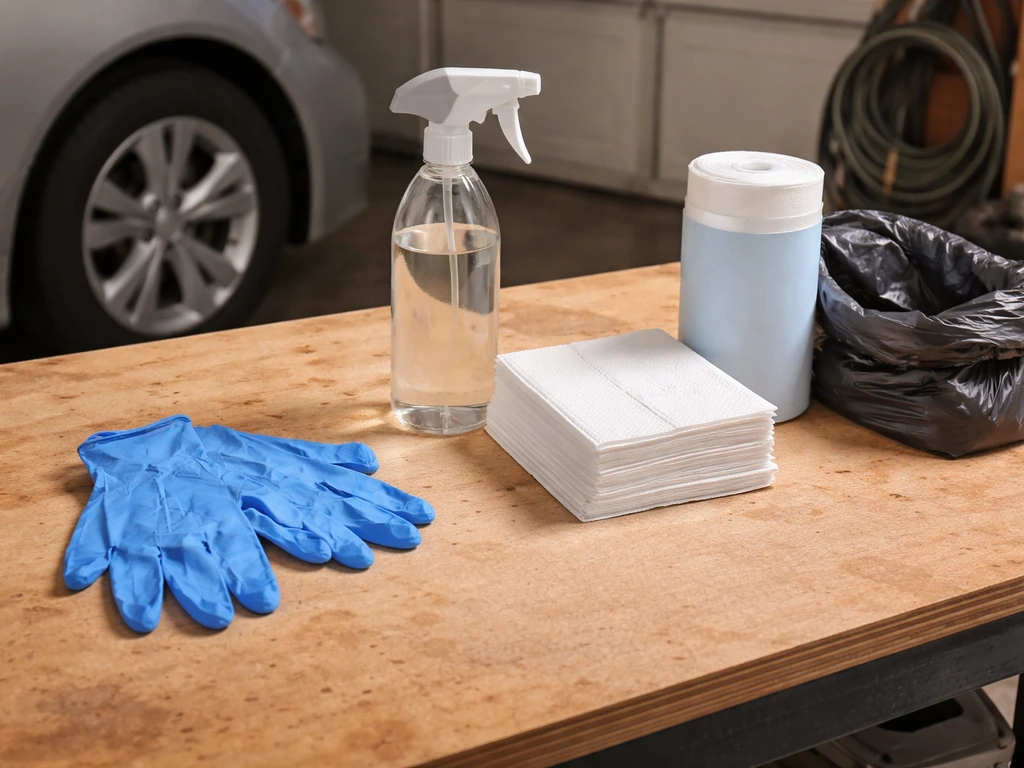
Bird droppings are acidic (the uric acid component has a pH around 3 to 4.5) and can etch clear coat on cars if left to bake in the sun. The longer it sits, the worse the paint damage. Soak the dropping with water first to rehydrate it rather than scraping it dry, which can scratch the surface and throw particles into the air. Then wipe gently with a clean cloth or use a dedicated car-safe cleaner. For outdoor furniture and decking, a garden hose and a scrub brush with soapy water handle most situations well. Let the area dry fully before assuming it's clean, as some dried material can hide under water-washed surfaces.
Pet areas and yards
If your dog has been nosing around an area with heavy bird activity, keep them away from dried accumulations where possible. Dogs can ingest droppings and, while occasional contact usually doesn't cause serious illness, regular ingestion from contaminated areas is worth discouraging. For cleaning up a patio or yard with significant accumulation, wet the area down first to avoid raising dust, wear disposable gloves, and use soap and water followed by a disinfectant if needed. Bag and dispose of material rather than leaving it in a pile.
Large accumulations and enclosed spaces
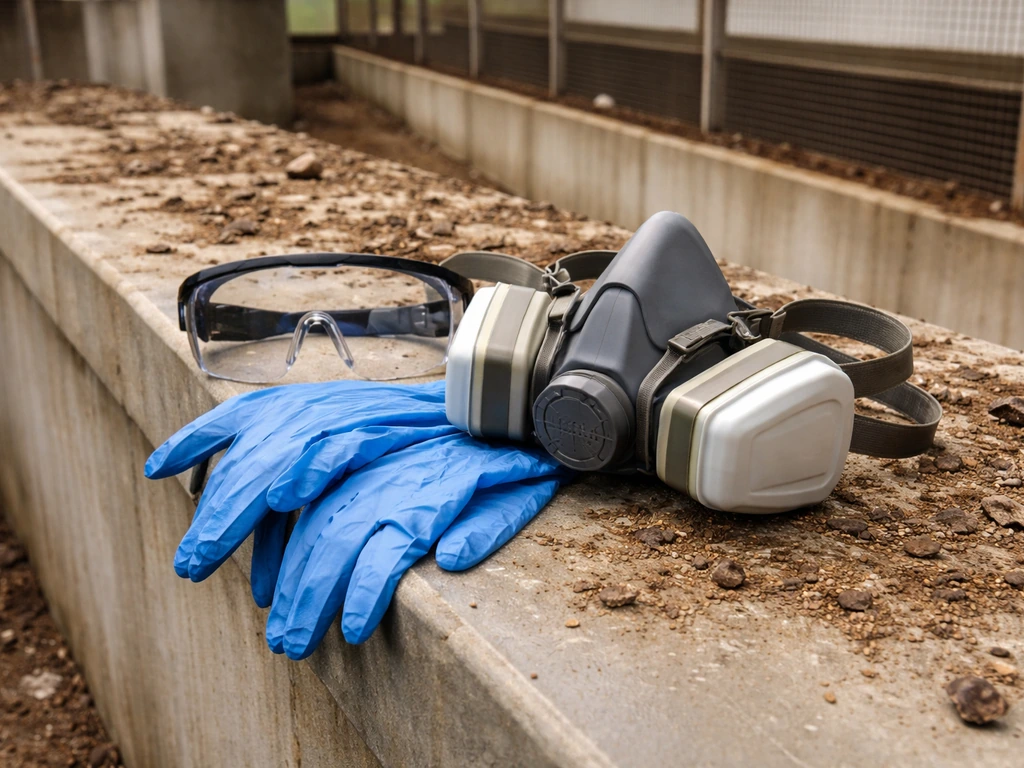
This is where PPE becomes genuinely important. The CDC and NIOSH recommend that anyone cleaning large accumulations of bird or bat droppings use appropriate respiratory protection (at minimum an N95 respirator, and a half-face respirator with HEPA filters for significant quantities), disposable gloves, eye protection, and disposable protective clothing with boot coverings. Wet down the material before disturbing it to keep spores from becoming airborne. Work in a ventilated space where possible, and bag all waste for disposal. Shower and change clothes when you're done.
The good luck thing: myths, symbolism, and keeping it in perspective
Getting hit by bird poop is widely considered good luck in many cultures, particularly in parts of Europe, Russia, and Turkey. The reasoning varies by tradition: some say it's because the odds of being hit are so low that it must signal fortune is on your side; others tie it to ancient associations between birds and messages from the divine. In some cultures, specific birds (like robins or pigeons) hitting you is more auspicious than others. There's even a tradition in some Eastern European countries of not washing off the dropping immediately, to "keep" the luck.
From a purely practical standpoint: please wash it off. The superstition is charming, and there's no harm in taking a moment to appreciate the folklore before you clean up. But the white appearance that makes droppings feel somehow special is just uric acid crystals, the same chemistry that happens every time a bird excretes waste. There's nothing mystical about the whiteness, even if the timing of a direct hit to your fresh shirt does feel cosmically pointed.
What the cultural belief does get right, unintentionally, is that birds are genuinely interesting. Their droppings tell a story about diet, health, and species in ways that reward curiosity. The questions of why bird droppings are white, what the different components actually are, and why some birds leave such wildly different messes are all genuinely fascinating if you lean into them. The whiteness comes from uric acid crystals in the waste, and the exact shade can shift based on the bird and conditions why bird droppings are white. Respecting the folklore while grounding yourself in the science is a perfectly reasonable way to move through the world.
Just wash your hands either way.
FAQ
If it’s not “bird poop,” what other names do people use (and when should I use them)?
Besides “bird droppings,” you might hear “fecal matter” (more clinical), “bird droppings” (everyday standard), or “guano” (more specific to seabird or bat accumulations). If it’s a pellet from a raptor, that’s not called droppings at all, it’s called a regurgitated pellet.
What does the white part of bird droppings usually mean, and does it change how I should clean?
A white rim or white smear is usually uric acid (urates), not the “feces” portion. That matters because dried uric acid can leave chalky residue and dust, which is what you want to minimize when cleaning (wet first, then wipe).
Is the health risk mainly from touching it, or from cleaning it (dust in the air)?
Yes. Fresh splats are most concerning for hygiene if dried material gets airborne, so the best first step is to soak or rinse to rehydrate before wiping or scraping. If you’re working near vents, fans, or indoor air circulation, turn them off and avoid pressure washing that can aerosolize dried crust.
When does a single droppings encounter become a bigger concern?
In most cases, the “one-off” situation is low risk, but you should treat it as higher risk if it involves large, old accumulations in enclosed spaces (attics, sheds, barns), heavy roost areas, or repeated exposure. If you’re seeing years of buildup, that’s the threshold where respirators and full cleanup PPE are worth using.
How can I tell the difference between bird droppings and raptor pellets?
If you’re unsure whether it’s droppings or a pellet, look at texture and location. Droppings are typically semi-liquid to paste-like when fresh and splat-like when dried, while pellets are compact, dry capsules. Under roosting spots under raptors, pellets are the giveaway, and those can contain bone and fur.
What’s the right way to clean bird droppings from clothing or upholstery?
For clothing, rinse promptly, then launder as usual. For a washable fabric, pretreat stains before drying because heat can set residues. For delicate materials or something like suede, avoid aggressive scrubbing and use a damp blotting approach, then air-dry away from direct heat.
What should I do if bird droppings have been sitting on my car for days or longer?
For car paint, the common mistake is scraping dry material, which can scratch and spread residue. Wet it first, let it soften, wipe gently, then wash. If it’s been baking for a long time, you may need a tar/bug remover or a dedicated auto spot cleaner, but avoid harsh solvents that can damage clear coat.
What are common mistakes to avoid when cleaning a patio or balcony with lots of bird droppings?
If it’s a heavy buildup from regular roosting, don’t hose it down dry or dry-sweep it. Wet down first, gently remove, bag everything, then clean the area with soap and water. Use disinfectant selectively for the situation you’re in, because over-spraying can spread residue and create unnecessary aerosol.
I have frequent exposure (aviary, bird sanctuary, or coop cleaning), what extra steps matter beyond basic cleanup?
If you have to manage a bird facility, keep cleanup airflow controlled, use respiratory protection, and treat the job like dust control. After cleaning, wash hands and face, change clothes, and avoid taking contaminated clothing through living spaces.
If my dog got into an area with bird droppings, what should I watch for?
For pets, discourage sniffing and ingestion of dried piles. If your dog gets droppings on fur, wipe with a damp cloth and wash the paws, and monitor for stomach upset if they licked or ate any. Regular ingestion from contaminated areas is the scenario most worth taking seriously.
How do I decide when I should follow enhanced precautions (respirator, disinfectant first)?
If you’re unsure whether the bird disease risk applies, use the practical rule from the article: concern rises when you are disturbing dried, accumulated waste in enclosed or poorly ventilated spaces, especially with long-term roost contamination or known infected birds. If the job involves confirmed outbreaks or large indoor roost cleanup, follow higher-control cleaning steps rather than treating it as a routine outdoor spot.