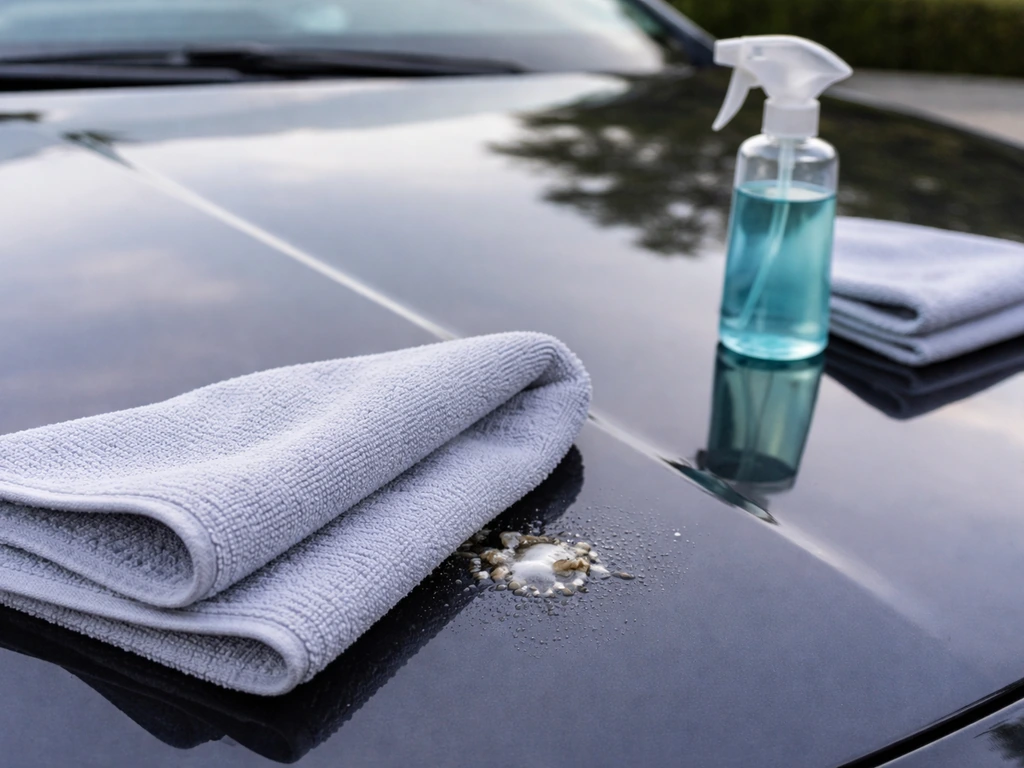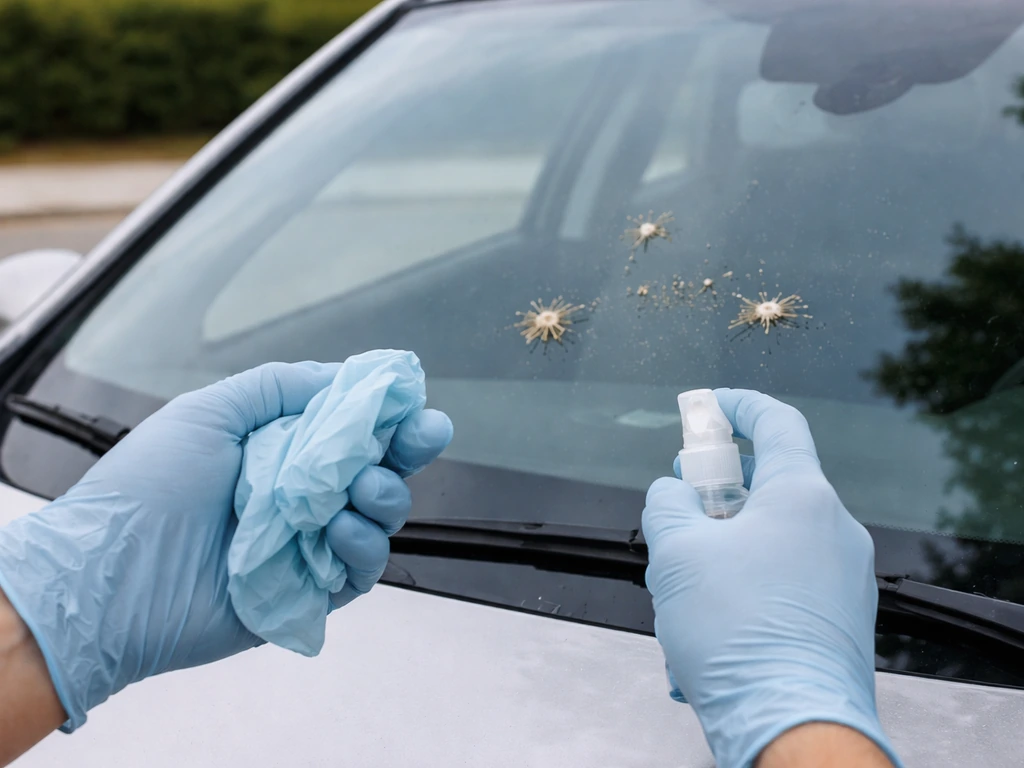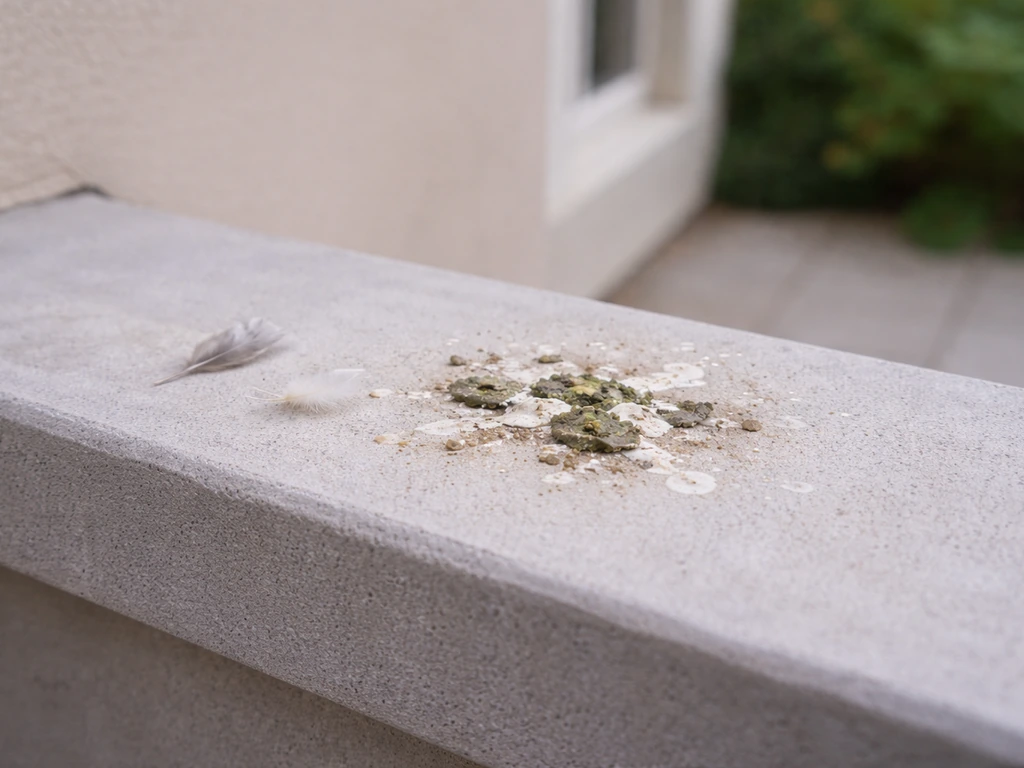
Bird pee is almost always white or off-white, and that's the chalky paste you see capping most bird droppings. Birds don't urinate separately the way mammals do. Instead, they excrete uric acid as a semisolid material called urates, which mixes with their feces and comes out as one package. <a data-article-id="5CD30A1B-35AE-451D-A9F7-105E465A8D2E">The white or cream-colored layer in a typical dropping is the "pee" portion.</a> It can also look slightly yellowish or tan depending on the bird's diet and hydration, and wild birds eating berries, seeds, or certain plants can shift it toward greenish or even faintly blue-red tones. So while white is the default, there's a normal range worth knowing.
What Color Is Bird Pee? Dropping Colors and Cleanup Tips

Marcus Fielding
25 Apr 2026
The normal color range of bird droppings
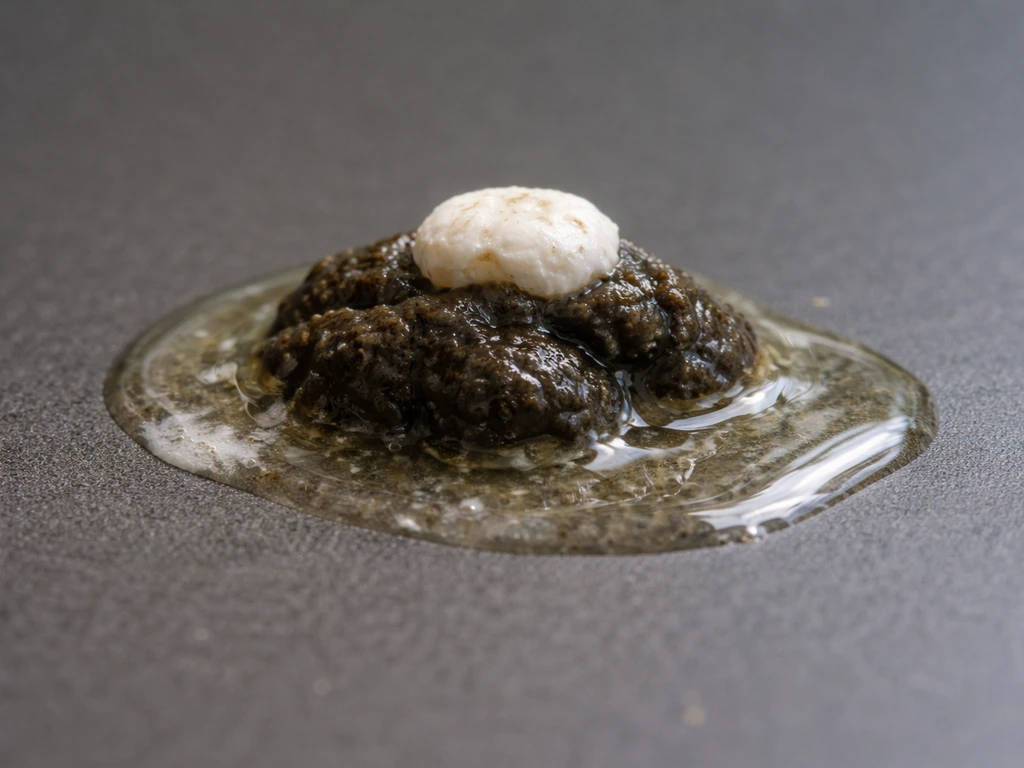
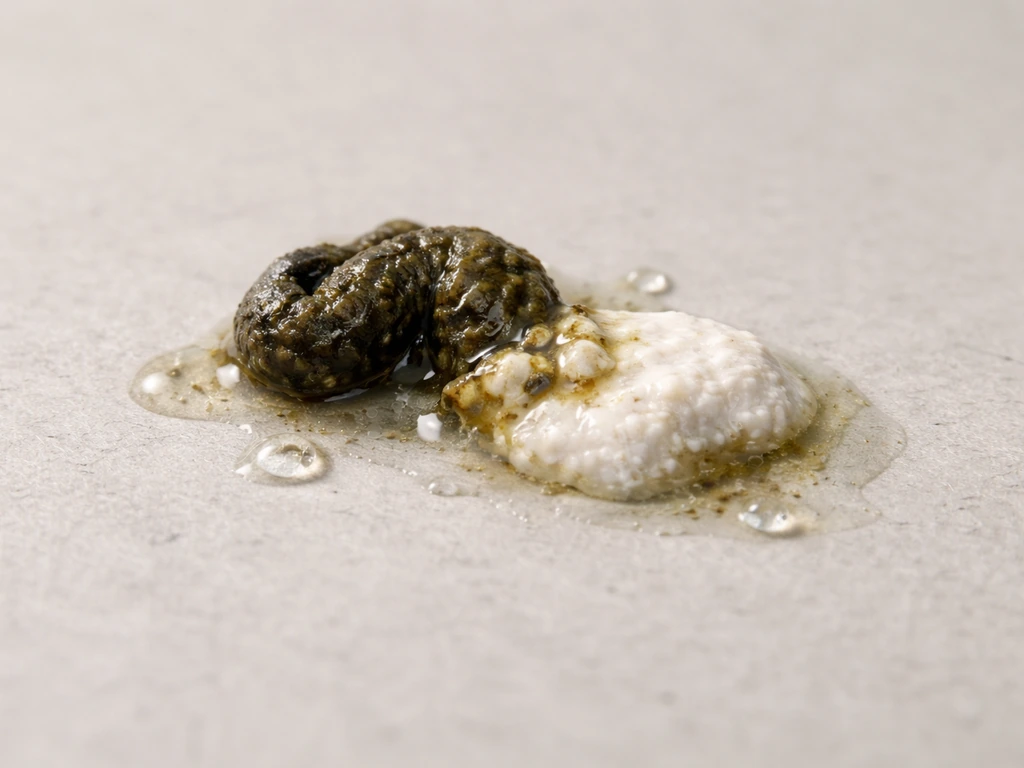
A typical bird dropping has three visible components: the dark fecal mass, the urates (the uric acid portion, which is the pee equivalent), and a small amount of liquid urine. Most of the time you're looking at a brown or greenish-brown fecal core with a white-to-cream urate cap on top. The urates specifically are described clinically as off-white, cream-colored, or slightly yellowish and opaque. Think of it like a tiny egg, dark in the middle and pale on the outside.
The liquid urine component is usually clear and watery, which is why you sometimes see a wet ring spreading out from fresh droppings on your car or patio. That part is genuinely clear and colorless in healthy birds. That question also comes up with whether bird pee is white versus clear, because the urine and urates can look different depending on freshness and hydration. The question of whether bird pee is white, clear, or something in between is really just a matter of which component you're looking at, and those three parts often blur together into one splat before you get a chance to examine them separately.
| Component | Normal Appearance | What It Is |
|---|---|---|
| Feces | Brown, dark green, or greenish-brown | Digested food waste |
| Urates | White, cream, off-white, or slightly yellow | Uric acid crystals (the "pee" portion) |
| Liquid urine | Clear, watery | Liquid excretion, often forms a wet ring around the dropping |
How diet, hydration, and species change the color
Diet is the biggest driver of color variation in normal droppings. A pigeon eating mostly grain will produce a firm, brown fecal mass with a clean white urate cap. That same pigeon eating mulberries will have a purple-red fecal portion and potentially altered urate color from the pigments passing through. Clinical avian urinalysis references actually list green, greenish-white, and even berry-toned blue-red as colors that can show up in bird urine when pigment-heavy foods are involved. This is completely normal and clears up once the food source changes.
Hydration matters too. A well-hydrated bird produces more liquid urine, so the dropping looks wetter and more spread out, with the urates appearing lighter and more diluted. A dehydrated bird concentrates its urates, producing a pastier, more intensely white or chalky result. You might notice this difference between a bird that's been drinking freely and one living in a dry environment.
Species plays a role as well. Parrots and other fruit-eating birds often have more colorful fecal portions simply because of what they eat. Pigeons, sparrows, and seagulls eating urban scraps tend toward the classic white-on-brown look. Raptors eating mostly meat produce darker, denser feces with thick white urate streaks. There's no single "bird poop color" that applies across all 10,000-plus species.
Normal variation vs. something worth watching
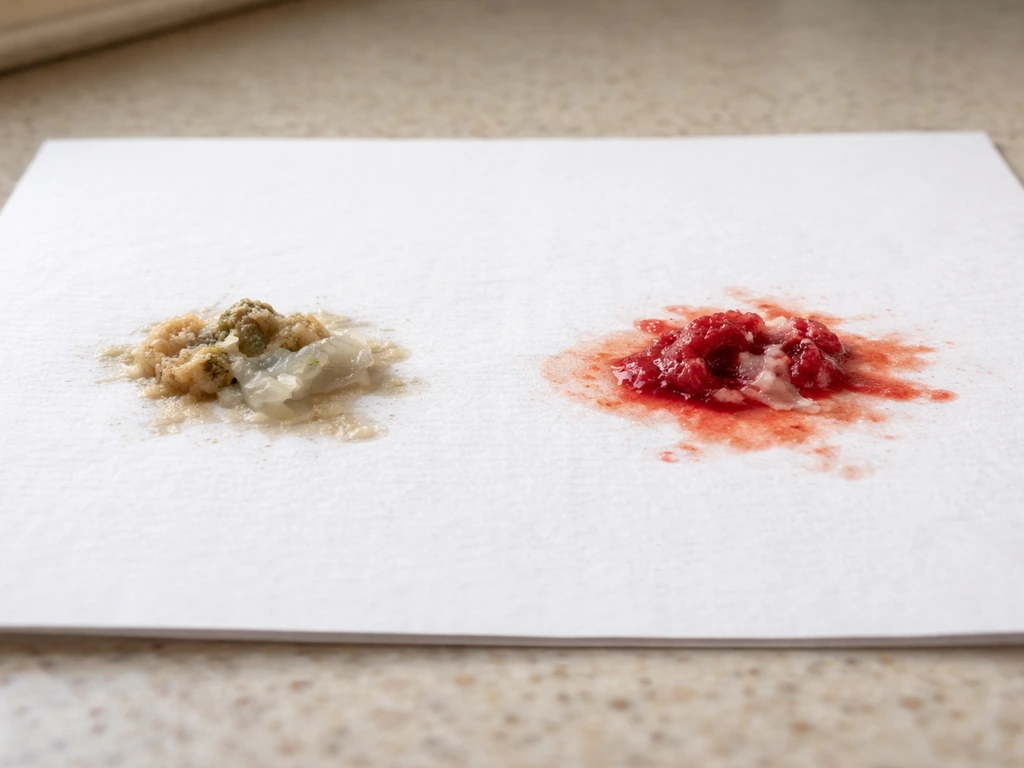
For your own pet bird, the most reliable signal is change. If your bird's droppings look the same day to day and the bird is acting normally, the color is almost certainly fine. What flags concern is when the urate portion shifts from its usual white or cream to a noticeably bright yellow or lime green, especially if that change isn't explained by something new in the diet. Lime-green urates can indicate liver disease, and yellow or lime-green droppings are specifically associated with chlamydiosis (also called parrot fever) in some birds, a condition affecting the liver. VCA Animal Hospitals also notes that chlamydiosis (the psittacosis or parrot fever complex) may cause lime-green droppings, including both stool and urate parts being lime-green yellow or lime-green droppings are specifically associated with chlamydiosis (also called parrot fever) in some birds. That's different from a bird eating a chunk of mango and producing slightly colored droppings for a day.
On the more alarming end, red or black droppings in pet birds are a signal to act quickly. Heavy metal poisoning, often from lead, can cause blood in the urine or stool, which shows up as red or black coloration. Kidney disease in pigeons has been linked to red-brown urates. These aren't common, but they're the colors that warrant a call to an avian vet rather than a wait-and-see approach.
- White, cream, or slightly yellow urates: normal for most birds in most situations
- Greenish fecal mass with white urates: common in birds eating greens or with slightly faster gut transit, often normal
- Bright lime-green or vivid yellow urates: worth monitoring, especially combined with lethargy or appetite loss
- Red or black coloration anywhere in the dropping: potential blood, see a vet promptly
- Watery, mostly liquid droppings: often just high fruit/water intake, but persistent cases may signal infection or parasites
- Dull yellow feces in pigeons: can indicate starvation or nutritional deficiency
For wild bird droppings landing on your car or patio, you're not diagnosing illness. You're just dealing with a mess. The color tells you relatively little about the health risk from wild droppings because the risks come from what might be living in them, not just what they look like.
The actual health risks from bird droppings
Bird droppings can carry pathogens including Histoplasma capsulatum (the fungus behind histoplasmosis), Cryptococcus neoformans, Chlamydia psittaci (parrot fever), and Salmonella, among others. The risk isn't usually from a quick glance at a fresh splat on your windshield. It comes primarily from dried droppings that have been disturbed, because dried material crumbles into fine particles that you can inhale. This is especially true with large accumulations like those found under bird roosts, in attics, or in barns.
Direct skin contact with fresh droppings carries relatively low transmission risk for most healthy adults, but you should still wash hands thoroughly. The bigger concern is your face: touching your eyes, nose, or mouth after handling contaminated surfaces before washing creates a plausible route for infection. Aerosolized dried dropping particles going straight into your lungs is the primary concern with histoplasmosis and cryptococcosis specifically.
Volume matters enormously here. A single dropping on your side mirror is a very different situation from cleaning up a decade's worth of pigeon accumulation in an attic. The former is a basic hygiene situation. The latter is a job that ideally involves a respirator, disposable coveralls, and wetting the material down before disturbing it. CDC/NIOSH lab-safety guidance for Histoplasma recommends using comprehensive prevention plans with hierarchy of controls, including engineering and administrative controls plus PPE like respirators and protective clothing ideally involves a respirator, disposable coveralls, and wetting the material down before disturbing it..
How to clean it up safely
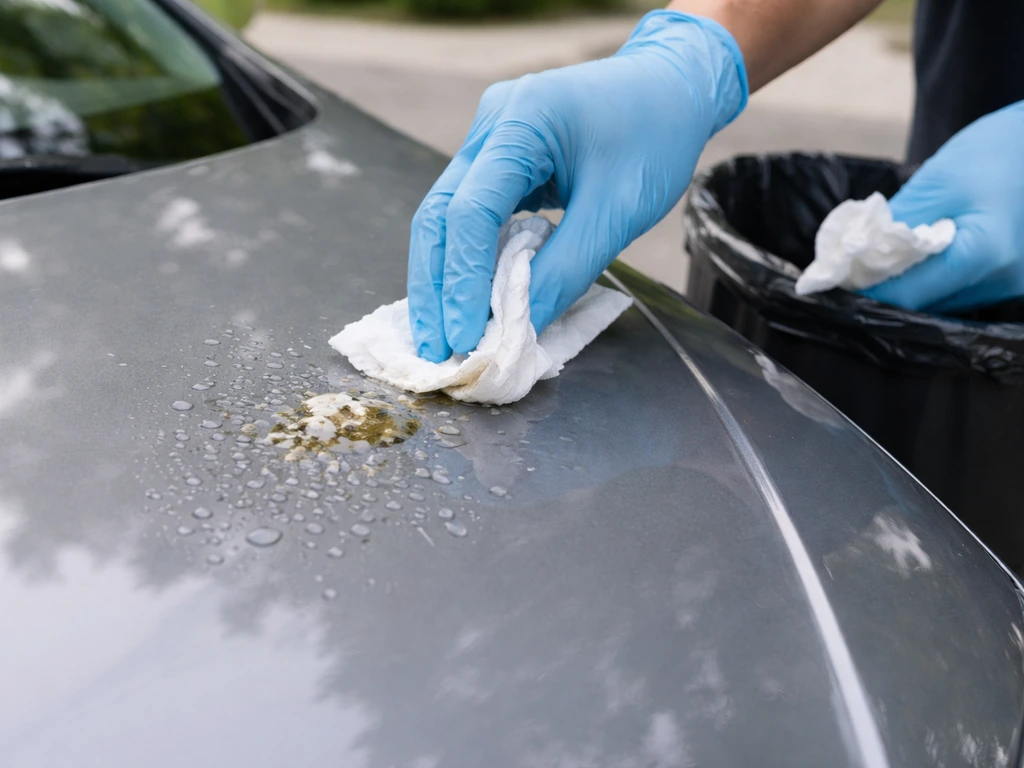
For everyday situations like a bird dropping on your car, patio, or outdoor furniture, the process is simple. Wet the dropping first with water before you scrape or wipe it. Dry scraping sends particles airborne. A wet cloth or paper towel pressed over the dropping for 30 seconds, then wiped away, is the right approach. Dispose of the cloth or towel in a sealed bag or straight into an outdoor bin. Wash your hands with soap and water immediately after, even if you used gloves.
- Dampen the dropping thoroughly with water before touching it
- Wipe or scrape it up with a disposable cloth, paper towel, or plastic scraper
- Bag the used material and dispose of it immediately
- Clean the surface with a disinfectant spray or wipe (a dilute bleach solution works well on hard surfaces)
- Wash hands with soap and water for at least 20 seconds, even if you wore gloves
- For car paint, follow up with a gentle rinse because bird dropping acidity can etch the clear coat if left too long
For larger accumulations (in attics, barns, balconies under a roost), wear an N95 respirator at minimum, ideally a P100. Wet the material down with water or a disinfectant before disturbing it. Disposable gloves and eye protection are standard. If you're dealing with a substantial accumulation or have any respiratory condition, seriously consider hiring a professional remediation service rather than doing it yourself.
When it's near pets, kids, or food: when to actually worry
Kids playing in areas with heavy bird dropping accumulation are at elevated risk because they're more likely to touch contaminated surfaces and then touch their faces. If a child has been crawling or playing in an area with visible droppings, wash their hands and any exposed skin promptly, change their clothes, and watch for symptoms like fever, cough, or upset stomach over the following days. A single casual contact is very low risk, but it's worth being aware of if the exposure was significant.
Dogs and cats that eat bird droppings (it happens, especially with dogs) can pick up Salmonella and Campylobacter. If your dog has eaten a substantial amount of bird droppings and then starts showing vomiting, diarrhea, or lethargy, contact your veterinarian. A one-time small exposure usually passes without incident, but repeated exposure or consumption of large amounts is worth monitoring.
If bird droppings land on food, surfaces used for food prep, or directly on food that was ready to eat, discard the food. Don't rinse it off and continue. The surface should be cleaned with soap and water and then sanitized. For an outdoor table where you were about to eat, the same rule applies: clean and sanitize before putting food back on it.
Call a doctor if you or someone in your household develops flu-like symptoms (fever, cough, muscle aches) within two weeks of significant exposure to bird droppings, especially dried droppings in an enclosed space. Histoplasmosis can look like a mild flu in healthy people but becomes more serious in those with compromised immune systems. Parrot fever (chlamydiosis) from direct contact with infected birds or their droppings is treatable with antibiotics but requires a diagnosis. For most healthy adults cleaning up a typical outdoor mess, none of this is necessary. But if the exposure was significant and symptoms appear, don't write it off as a coincidence.
FAQ
What color is bird pee when the droppings look completely dry?
When droppings are dried, the liquid urine portion usually dries out or disappears, so the main visible “pee” equivalent is the urate cap. That cap often stays off-white, chalky, and opaque, but it can look more yellowish as it ages. If you see urine-like wetness and then drying into a crust, the yellow tint is often just the urates concentrating as moisture leaves.
Can bird pee be brown or green, or does that always mean feces?
Brown or green color is usually from the fecal mass and mixed contents, not the urate “pee” itself. In fresh droppings, the urates remain the pale, opaque layer, while the center or surrounding material can be brownish or green-brown from pigments and gut contents. If the entire dropping, including the pale layer, is uniformly discolored, that’s more concerning for illness or a diet-driven pigment change, especially in pet birds.
Why do some bird droppings look purple-red or blue-red, is that really bird pee?
Those colored shifts can come from pigment-heavy foods passing through and altering what shows up in the urate portion as it mixes with feces. So the “pee” equivalent, the urates, can take on a tinted look even though they are normally off-white. A one-day change after a specific food (like berries or other pigment-rich items) can be normal, but repeated tinted changes without a diet shift should be evaluated for pet birds.
Is clear bird pee different from white urates, or are they both normal?
They are different components. Clear urine is usually the watery portion that spreads into a wet ring when fresh, while white or cream urates are opaque and chalky. It is common for the urates to be visible but the urine to be minimal if the bird was dehydrated or the dropping has dried quickly.
What’s the difference between normal yellow urates and a potentially sick bird?
Diet can cause mild yellowing for short periods, especially after pigment-rich foods. The more practical rule is change from that bird’s usual pattern. Bright yellow or lime-green urates that persist, recur, or come with reduced appetite, fluffed posture, lethargy, or abnormal droppings overall should be checked by an avian vet rather than assumed to be food-related.
If my pet bird’s droppings changed color, how fast should I act?
If the pale urate portion moves toward lime-green or the droppings look abnormal compared to the bird’s baseline, contact an avian veterinarian promptly rather than waiting weeks. For red or black droppings, or any sign of weakness, straining, or significant appetite change, treat it as urgent and arrange care as soon as possible.
Do wild birds’ dropping colors tell me how likely it is that I’ll get sick?
Not reliably. Color alone does not predict infection risk. The risk is more tied to whether dried droppings were disturbed and turned into breathable dust particles, and to how large the accumulation is. A small fresh spot typically poses a lower risk than sweeping or scrubbing an old, dried buildup.
How long should I wait to clean after a bird drops on my car or patio?
Clean as soon as it is practical, before dried material gets disturbed. If you can, wet the area first and then wipe, so you avoid dry scraping that can aerosolize particles. Waiting long enough for the droppings to fully dry increases the chance that disturbance creates fine dust.
Is it safe to hose off bird droppings before wiping?
For food-prep surfaces or food itself, discard and clean-sanitize rather than rinsing and continuing. For vehicles or outdoor surfaces, hosing can be okay if it fully wets the material first and you avoid agitating it into dust. The key is wetting before wiping or scraping, and then washing hands afterward.
If a child touches bird droppings, what symptoms should you watch for and for how long?
Monitor for flu-like signs such as fever, cough, and body aches, along with vomiting, diarrhea, or unusual lethargy. Also watch for eye or respiratory irritation after face-touching. If symptoms develop after a significant exposure (especially involving a dusty, enclosed cleanup), contact a clinician promptly, particularly if symptoms appear within the next couple of weeks.
My dog licked up bird droppings. Do I need a vet visit?
A one-time small lick often passes without incident, but it depends on amount and what else is happening. If the dog ate a substantial amount of droppings or then develops vomiting, diarrhea, or unusual weakness, call your veterinarian. Avoid letting your pet repeat the behavior, and wash hands after handling your pet or contaminated areas.
When cleaning a heavy buildup under a roost, is an N95 enough or should I use a P100?
An N95 is a minimum starting point, but a P100 provides better filtration if you expect a lot of dust during cleanup. In large accumulations, the decision comes down to how dusty it gets when you wet and disturb the material. If you have respiratory issues, the accumulation is extensive, or the area is enclosed, hiring professional remediation is the safer next step.
Can bird droppings stain or damage surfaces even if I clean them the right way?
Yes, droppings can leave staining or etching, especially if left to dry and sit on paint, glass, or outdoor furniture finishes. Wetting before wiping reduces particle spread, and cleaning promptly helps prevent set-in discoloration. If stains remain, use a cleaner appropriate for that surface rather than repeated dry scrubbing.