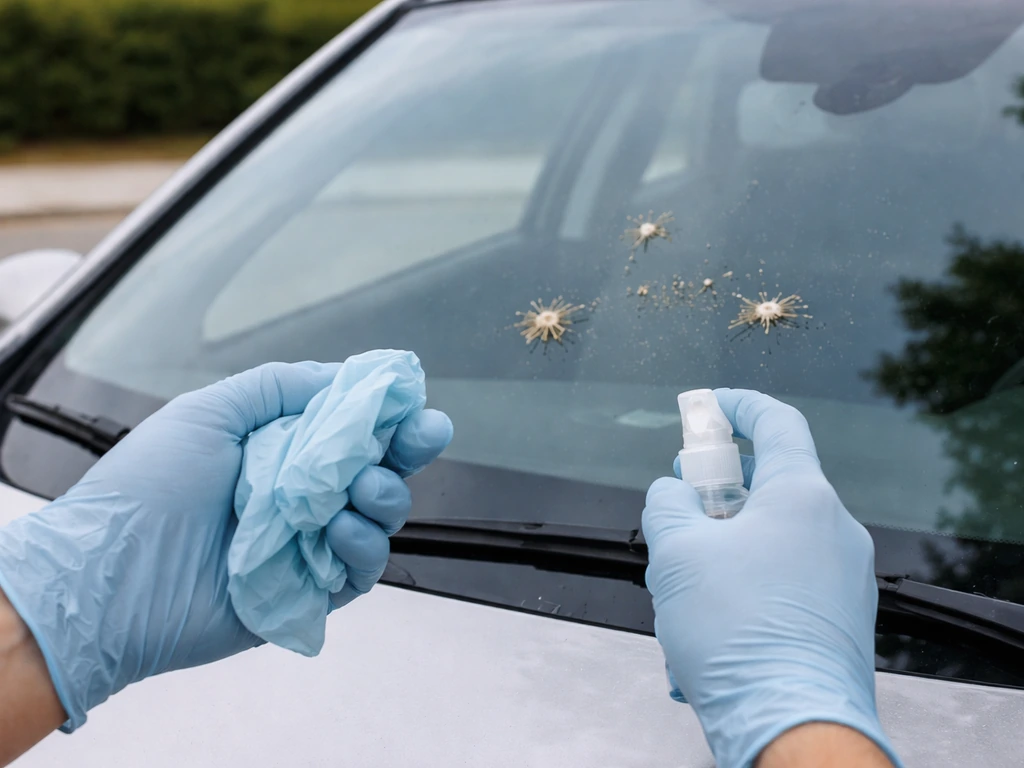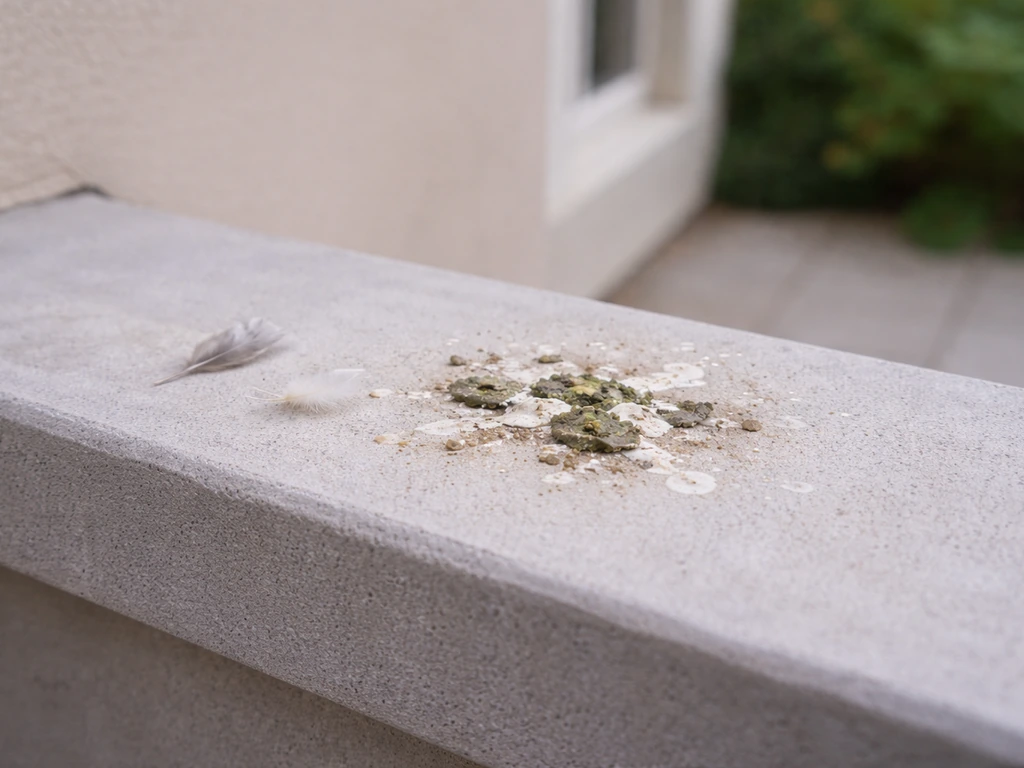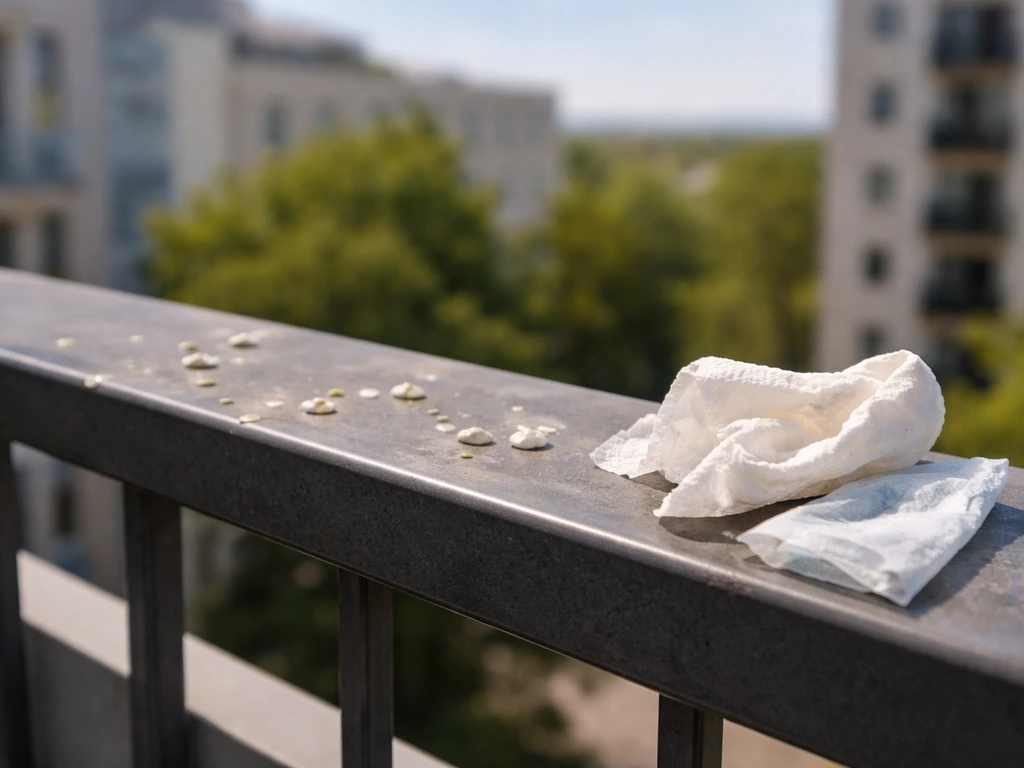
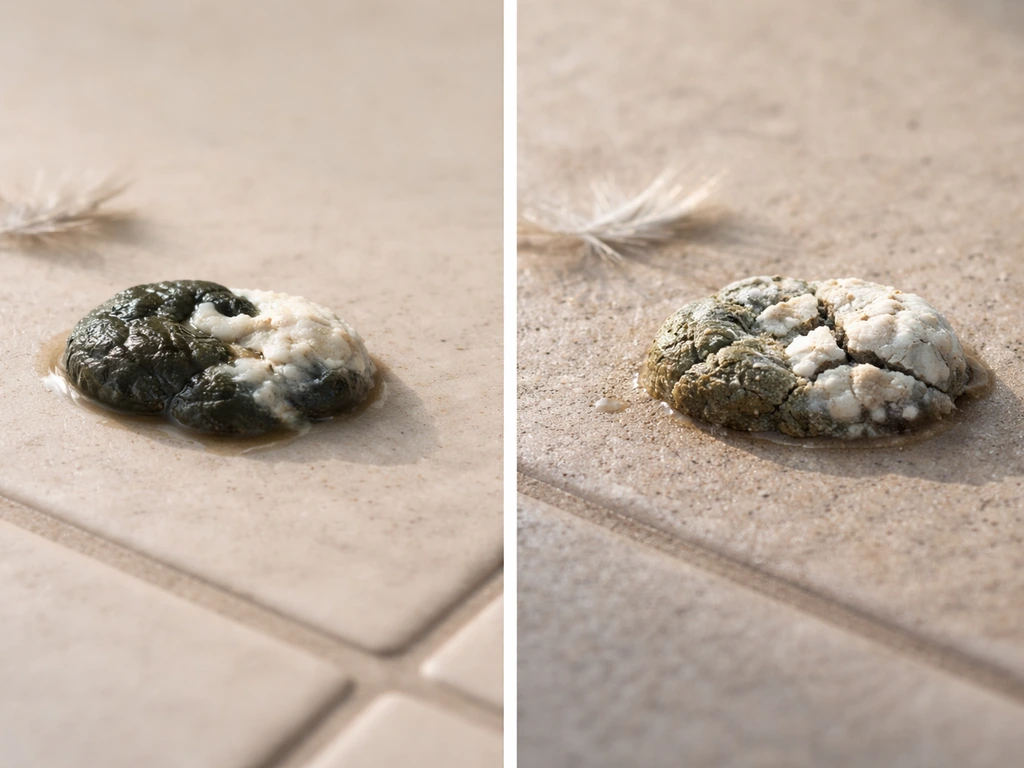
Yes, birds do pee, but not the way mammals do. Instead of separate plumbing for urine and feces, birds route everything through one opening called the cloaca. What comes out is a combined package: darker fecal matter mixed with white or cream-colored urates, which are the bird's version of urine in a semi-solid paste form. That white crusty stuff on your car hood? That is largely uric acid salts (urates), not liquid urine. whether bird pee is actually white makes a lot more sense once you understand this, because the color comes directly from those urate solids rather than from fecal pigment.
Do Bird Pee Smell and How to Clean It Safely

Marcus Fielding
17 Apr 2026
Do birds pee, and where do droppings actually come from?
Mammals convert nitrogenous waste into urea, which dissolves in water and gets flushed out as liquid urine. Birds skip the water-heavy approach entirely. They convert nitrogen waste into uric acid instead, which barely dissolves in water and can be excreted as a thick paste. This is a genuine evolutionary advantage for animals that need to keep their body weight low for flight. The result is what you see on your windshield: a blob of white or off-white urate paste combined with darker intestinal waste, all delivered at once through the cloaca. Some species, especially well-hydrated birds, may also deposit a small amount of clearer liquid urine alongside the urates, which is why whether bird pee can appear clear is actually a legitimate question.
So when people search for "bird pee" they are almost always describing what is technically a combined dropping: urates plus feces, deposited together. There is no separate stream of liquid urine hitting your patio the way a dog would leave a puddle. The entire excretion event happens in one shot, which is why bird droppings look the way they do.
Does bird pee smell? What actually affects the odor
Fresh bird droppings have a mild, slightly sour or faintly ammonia-like smell that most people would describe as unremarkable. The odor comes from volatile compounds released as the nitrogenous waste starts to break down, particularly ammonia generated from the decomposition of uric acid by bacteria. The intensity of that smell depends on several factors working together.
- Species and diet: Seed-eating birds tend to produce less pungent droppings than fish-eating species like gulls or cormorants. A seagull dropping has a noticeably stronger, fishier smell than a sparrow dropping.
- Moisture and age: Fresh droppings smell more than droppings that have fully dried out, because active decomposition slows once the moisture is gone. However, dried droppings create dust when disturbed, which brings its own risks (more on that below).
- Surface type: Porous surfaces like wood decking or concrete absorb the liquid component and allow organic matter to linger, which intensifies odor over time. Smooth surfaces like car paint and glass dry faster and tend to smell less.
- Volume and accumulation: A single dropping from one pigeon is barely noticeable. A ledge where dozens of birds roost regularly? The ammonia buildup from accumulated droppings can be strong enough to irritate your eyes and throat.
- Temperature: Warm weather accelerates bacterial decomposition, which means summer droppings on a sun-baked car roof will smell noticeably worse than the same droppings in cool weather.
What bird droppings smell like in different situations
On a car or patio, a single fresh dropping usually has a faint, mildly acidic or sour smell that most people do not notice unless they lean in close. Once dried in the sun, the smell fades but the stain hardens and bonds to paint. If you have ever wondered what bird pee actually looks like on different surfaces, the appearance changes a lot depending on how long it has been sitting there and what the bird ate.
In an enclosed or poorly ventilated space, the situation is different. A garage, attic, or shed where birds have been roosting for weeks or months can develop a sharp, eye-watering ammonia smell that is impossible to ignore. That smell is a sign of serious accumulation, and at that point you are dealing with a legitimate cleanup job rather than just a nuisance.
Indoor bird cages or aviaries have their own odor profile. The combination of food residue, feces, and urates in a warm, enclosed space creates a musty, slightly ammonia-tinged smell that needs regular cleaning to control. Large parrots and birds fed high-protein diets tend to produce the most noticeable odor.
Smell is not a health risk indicator, but the droppings themselves can be
Here is the thing that most people get wrong: a strong smell does not mean the droppings are more dangerous, and a faint smell does not mean they are safe. The actual health risks from bird droppings come from infectious particles getting into the air and being breathed in, not from the odor itself. The CDC is clear on this: the main infection route for diseases like psittacosis is breathing in dust from dried bird secretions or droppings. Odor level tells you almost nothing about whether those particles are present.
Histoplasmosis, a fungal lung infection caused by Histoplasma (a fungus found in bird and bat droppings), works the same way. The risk spikes when accumulated droppings are disturbed and spores become airborne, not when they simply smell bad. You could be cleaning a nearly odorless pile of old droppings and still be at significant risk if you are kicking up dust without protection.
Practically speaking, the realistic exposure concerns from bird droppings are:
- Histoplasmosis: inhaling Histoplasma spores from disturbed droppings, most risky in enclosed spaces or with large accumulations
- Psittacosis (parrot fever): inhaling dust from dried droppings or secretions of infected birds, especially parrots, parakeets, and doves
- Salmonella and Campylobacter: touching contaminated droppings and then touching your mouth or food surfaces without washing hands
- Eye and respiratory irritation from ammonia: not an infection risk but a real physical irritant in high-concentration environments
If you are curious about the color breakdown of what you are dealing with, understanding what color bird pee actually is can help you identify which part of the dropping is urate versus fecal matter, which is useful context when assessing a cleanup situation.
How to clean bird droppings safely and reduce odor
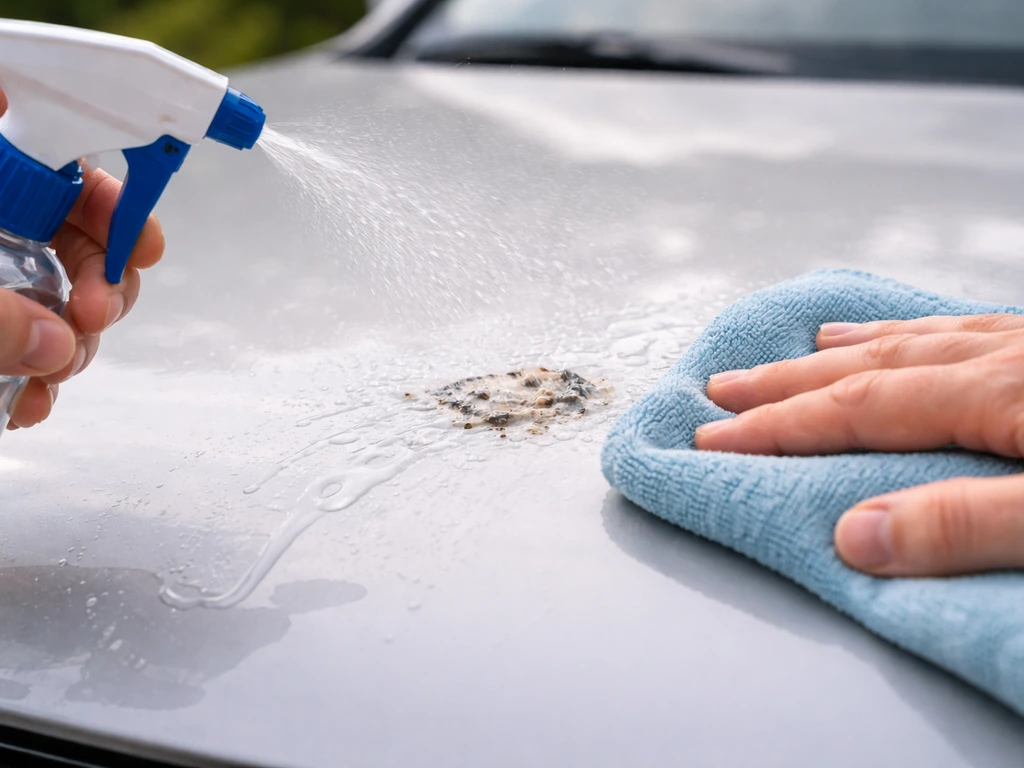
The golden rule, straight from CDC guidance on psittacosis and histoplasmosis prevention: wet before you clean, never dry sweep or vacuum. Dry sweeping and vacuuming are exactly the actions that launch particles into the air, which is the actual exposure pathway. Instead, spray the droppings with water or a disinfectant solution first to wet them thoroughly, then wipe up with paper towels or disposable cloths. Adding a small amount of dish soap or a surfactant to your spray helps break down the uric acid and further reduces aerosolization of material.
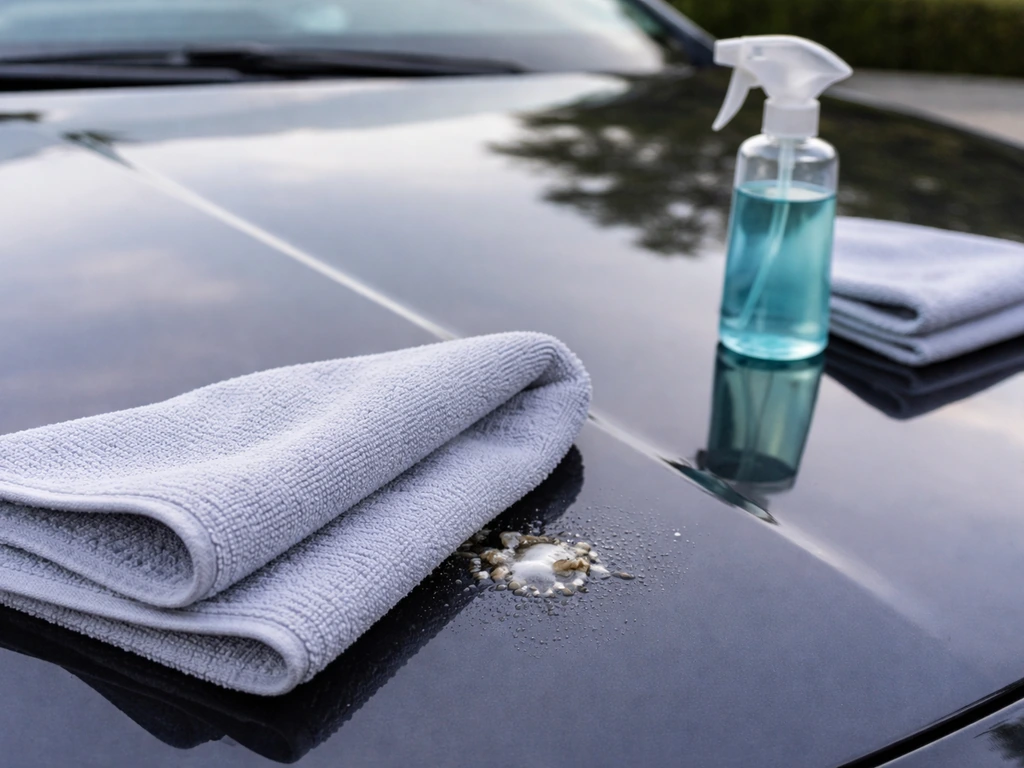
Cleaning bird droppings off a car
Speed matters on car paint. Uric acid is corrosive and will etch clear coat if left in the sun, especially on a warm day. Soak the dropping with a wet microfiber cloth or spray it with a detailer spray and let it sit for 30 to 60 seconds to soften before wiping. Never scrub a dry dropping on paint, you will scratch the surface and you will spread any dried particle residue. For stubborn dried spots, a dedicated bug-and-tar remover or a diluted white vinegar solution (50/50 with water) works well to dissolve the uric acid crystals. Follow up with a rinse and dry with a clean cloth.
Cleaning bird droppings off a patio, deck, or hard surface
Spray the area generously with water mixed with an EPA-registered disinfectant or a bleach solution (roughly 1 part bleach to 9 parts water). Let it soak for a few minutes, then wipe or scrub and rinse. For large accumulations on concrete or wood (a favorite roosting ledge, for example), wet the entire area before you start, work in sections, and keep the surface wet throughout. The CDC also advises keeping bird cages and enclosures clean and wetting surfaces before cleaning to help reduce droppings buildup wet the entire area before you start. Dispose of paper towels and cleaning materials in a sealed bag rather than shaking them out.
Cleaning droppings indoors or in enclosed spaces
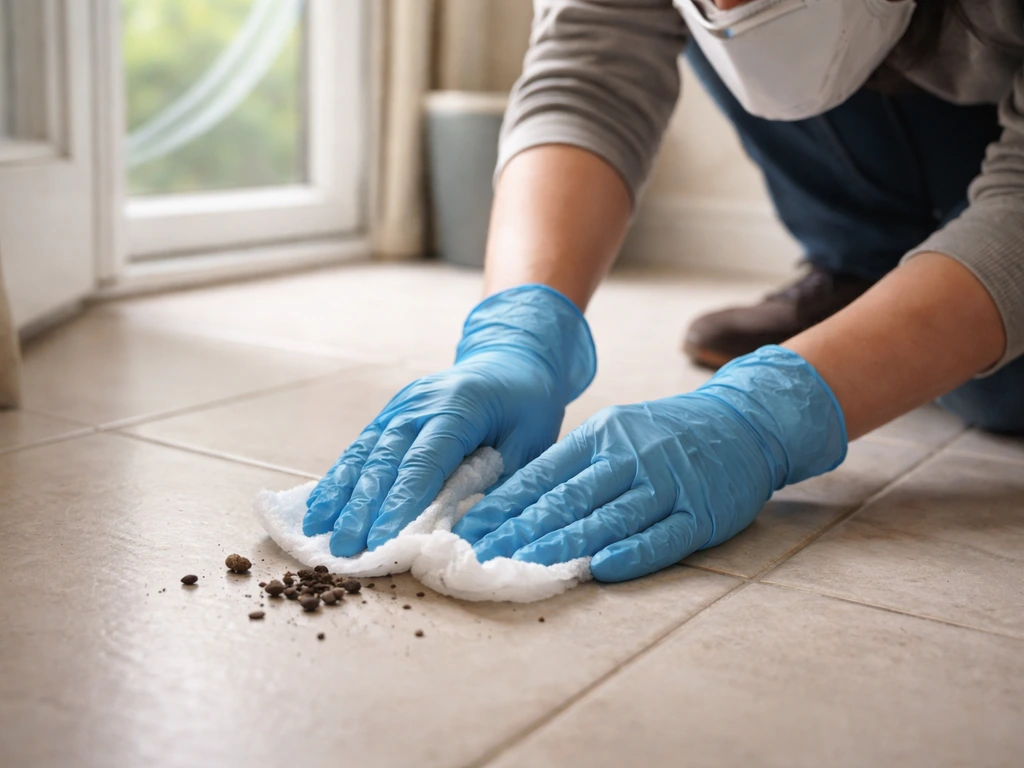
Indoor cleanup deserves the most caution. Wear an N95 respirator or equivalent if you are dealing with any significant accumulation, not just a surgical mask. Disposable gloves are essential. Wet everything before touching it, spray with disinfectant, let dwell for a few minutes, then wipe carefully. Open windows to ventilate the space if possible. The CDC recommends against using a regular vacuum cleaner on bird droppings because it can aerosolize infectious particles through the exhaust. If you need to collect larger amounts of material, wet it thoroughly and scoop gently into a sealed plastic bag.
Cleanup dos and don'ts for odor control and prevention
| Do | Don't |
|---|---|
| Wet droppings thoroughly before wiping or collecting | Dry sweep, brush, or vacuum bird droppings |
| Use an EPA-registered disinfectant or bleach solution | Use plain water alone on surfaces with heavy accumulation |
| Wear disposable gloves and wash hands thoroughly afterward | Touch your face or food surfaces before washing hands |
| Use an N95 respirator for any significant indoor accumulation | Rely on a cloth mask or no mask for enclosed-space cleanup |
| Seal used paper towels and materials in a plastic bag for disposal | Shake out cleaning cloths or leave used materials open |
| Clean bird droppings off car paint within a few hours if possible | Scrub dry, hardened droppings directly on car paint |
| Ventilate indoor spaces during and after cleanup | Clean enclosed spaces with droppings without opening windows |
For odor prevention on patios and decks where birds roost regularly, the most effective long-term strategy is reducing accumulation in the first place. CDC/NIOSH notes the best way to prevent Histoplasma exposures is to prevent bird and bat droppings from accumulating in the first place, and it provides risk-level prevention strategies. Physical deterrents like bird spikes, netting, or reflective tape on favorite perching spots cut down on deposits significantly. Rinse high-traffic surfaces with water every few days before buildup has a chance to dry and bond.
When to call a professional or see a doctor
Call a professional wildlife or remediation service if you are dealing with a large accumulation of droppings in an enclosed space, like an attic, crawl space, or ductwork. These situations carry genuine histoplasmosis and psittacosis risk that goes beyond what a DIY cleanup with household supplies can safely address. Professional remediation services have the right PPE, HEPA vacuums (rated for this specific job), and disposal protocols. The CDC specifically flags people who are immunocompromised as higher risk and advises they avoid tasks that disturb accumulated droppings entirely.
See a doctor if, within one to three weeks after a significant exposure to bird droppings or dust (especially in an enclosed space), you develop any of the following:
- Fever, chills, or sweats
- Dry cough or chest discomfort
- Headache or muscle aches that feel like flu without typical cold symptoms
- Shortness of breath or difficulty breathing
- Fatigue that seems disproportionate
These can be symptoms of histoplasmosis or psittacosis, and telling your doctor about the bird dropping exposure specifically will help them order the right tests quickly. Most healthy adults who get histoplasmosis have mild symptoms or none at all, but immunocompromised individuals and those with significant exposures can develop serious illness. Early treatment makes a real difference, so do not wait it out if you are symptomatic after a known exposure. When in doubt, call your doctor and describe exactly what happened, including how long you were in the space and whether you were wearing any respiratory protection.
FAQ
If the droppings smell, does that mean they are more dangerous?
Not automatically. A single fresh dropping outdoors usually creates far less airborne dust than a buildup that has dried for weeks. Odor intensity is not a reliable measure of risk, the key factor is whether you disturb dried material and aerosolize particles.
What is the safest way to clean bird droppings off carpet or fabric?
If it is on the ground or a hard surface, do not dry sweep. Instead, wet it first, then use paper towels or a disposable cloth to lift it. If it is on carpet or upholstery, blot with a damp disinfectant approach (avoid rubbing), then keep it damp while you remove residue, since agitation can spread particles.
How do I decide whether a small mess is OK to DIY or needs professional remediation?
If you only see a few spots, use the wet-first method and treat it like a low-accumulation cleanup. For any area with visible crusting, multiple droppings, or roosting history (especially indoors), step up to N95-equivalent protection and consider professional help, because risks rise mainly with accumulated, dried dust.
Can I use a pressure washer to remove bird droppings?
If you need to use a pressure washer, keep the nozzle at a distance and start with the area already well wetted to avoid blasting material into the air. For heavy crusting, pre-soften with water or an uric-acid dissolving solution, then rinse gently. Avoid pointing directly at dry residue because that can aerosolize particles.
Do I need disinfectant if I mainly want to remove the stain and odor?
Dish soap is helpful as a surfactant, but it should not replace disinfectant when there is risk of exposure. Use a disinfectant solution for the dwell step, then rinse if the surface could be damaged by bleach or if you are using a strong chemical. Test a small hidden spot on delicate finishes first.
Why do bird droppings sometimes look like clear liquid, not white paste?
Yes, birds can excrete urates that look like white residue even without much liquid present. Clear or near-clear liquid can occur in some species and situations, but what you see on surfaces is often the combined feces plus urate fraction, not pure “urine.”
How fast should I clean bird droppings off my car to prevent etching?
For paints and car finishes, the priority is preventing etching. Soften first (30 to 60 seconds), wipe gently with a microfiber, then rinse and dry. Do not let residue dry again before rinsing, and avoid abrasive pads that can scratch clear coat.
Is it safe to vacuum bird droppings with a regular or shop vacuum?
Do not. A regular vacuum can re-aerosolize dried particles through the exhaust, and a dry shop-vac is also risky unless it is specifically set up with appropriate filtration for contaminated biological material. If you must collect debris, wet it thoroughly first and bag it, or use equipment meant for this type of cleanup.
How do I keep birds from coming back after I clean the droppings?
If birds are returning to the same perch, cleaning alone will not solve the problem. Use deterrents (spikes, netting, reflective tape) and schedule periodic rinsing before deposits dry and bond. Also check for nesting access points like open vents or loose soffits that allow repeated roosting.
Are bird droppings more risky for immunocompromised people, and what should they do differently?
If you are immunocompromised, pregnant, or have significant respiratory disease, treat any accumulated cleanup indoors as higher risk. Avoid disturbing dried deposits, use appropriate respiratory protection, and consider professional remediation, especially for attics, crawl spaces, garages, and vents.
What should I tell my doctor if I get sick after cleaning bird droppings?
If symptoms show up after exposure, seek medical care promptly and mention the specific exposure to bird droppings or dust, when it happened, and whether you were in an enclosed space. Do not assume antibiotics or home care will be enough, because the needed tests and treatment depend on whether it is histoplasmosis, psittacosis, or another cause.