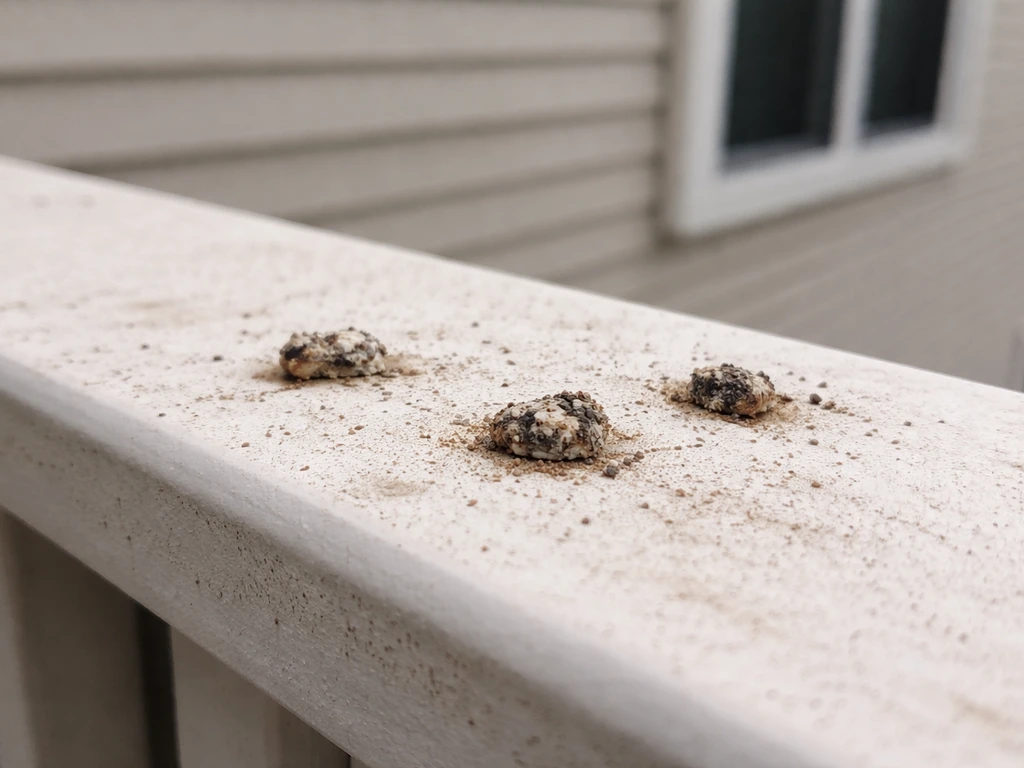
Bird poop is most commonly a combination of white and dark green or brownish tones. The white part is almost always there, and the darker portion varies depending on what the bird has been eating. If you just got hit by a dropping and you're staring at it trying to figure out if something is wrong, the short answer is: white plus dark green or olive brown is completely normal. Anything that veers into bright red, black, or orange is worth a second look.
What Color Is Bird Poop? Urates, Diet, and Safety Tips

Marcus Fielding
19 Apr 2026
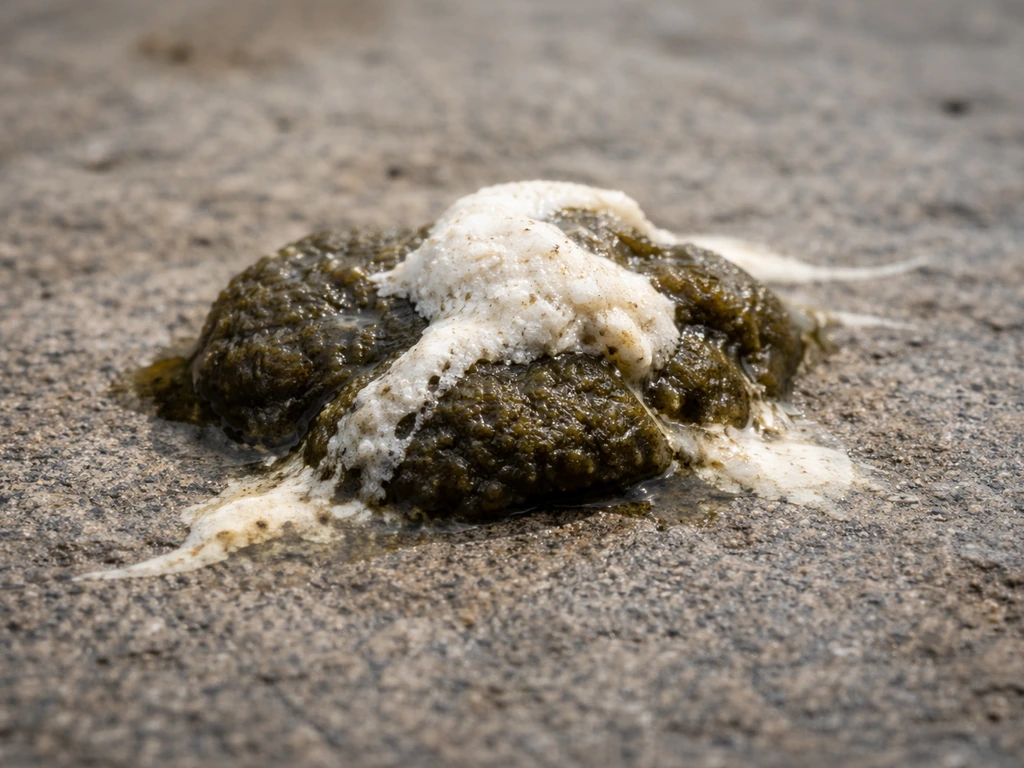
Common bird poop colors and what they usually mean
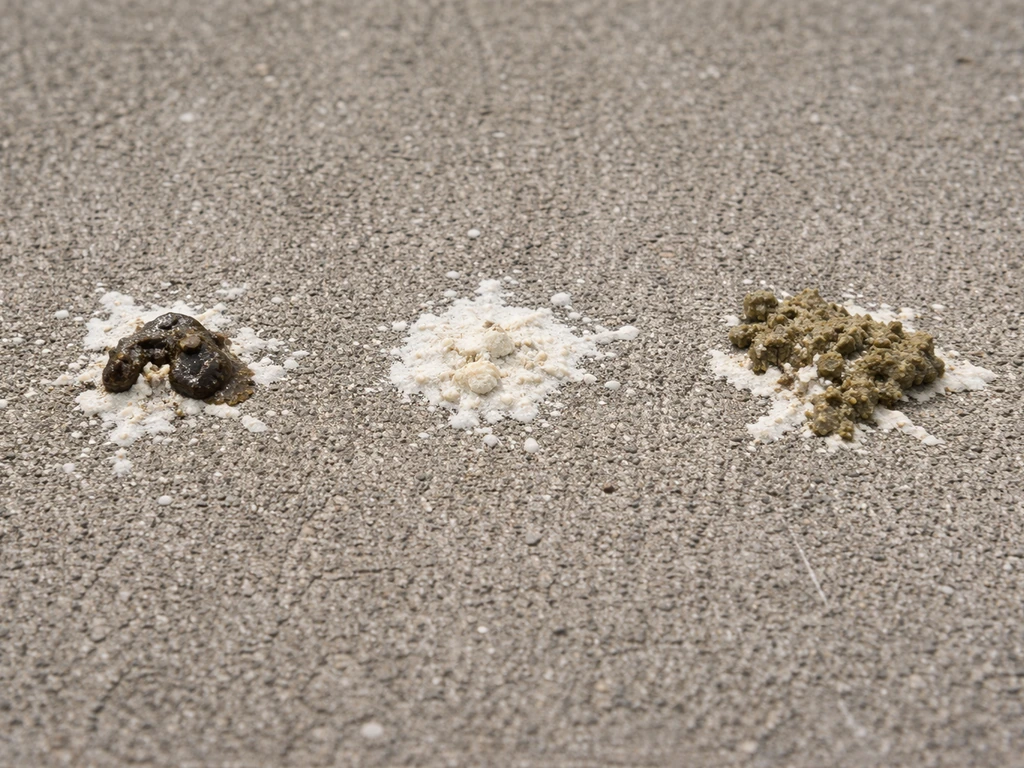
Bird droppings are not one substance. They're actually three things mixed together: feces (the dark portion), urates (the white or off-white chalky part), and urine (usually a clear liquid that's easy to miss). Bird poop can sometimes include a clear urine component, which is usually normal when it shows up alongside the white urates and dark feces clear liquid. Most of what you see on your car or jacket is feces plus urates, and those two components can look quite different depending on species, diet, and hydration.
The dark green or olive-brown color of the fecal portion comes from bile and whatever the bird has been eating. Seed-eating birds like sparrows and finches tend to produce darker, more compact droppings. Fruit-eating birds produce softer, more colorful ones because berries and fruits carry their own pigments straight through the digestive system. A bird that just feasted on mulberries will leave a purple-tinged dropping that looks alarming but is completely harmless. Similarly, a bird that's been eating red berries can leave something that looks red or pink. These pigment-driven color changes are not a health concern for the bird or for you.
Water content matters too. A well-hydrated bird produces droppings with a more liquid urine component, which can make the whole thing look wetter and more spread out when it lands. A dehydrated bird's dropping looks drier, more compact, and often more intensely colored because there's less dilution.
White vs green vs dark: breaking down what you're actually looking at
The white portion of bird poop is urate, and it's worth understanding what that actually is. Unlike mammals, birds don't produce liquid urine. Instead, they convert nitrogenous waste into uric acid, which gets excreted as a white, semisolid paste. According to the Merck Veterinary Manual, urates are normally white and semisolid. This is why bird poop always seems to have that white blob or ring around the darker center. It's not paint. It's not bacteria. It's just how birds handle their waste.
The green or brown fecal core reflects the bird's diet and gut health. A healthy bird eating a normal diet of seeds, insects, or fruit will produce droppings where the fecal portion is dark green to brownish-black. Purely seed-eating birds (think pigeons and doves) tend toward darker, firmer feces. Insect-eaters and omnivores produce a wider range. If a bird switches to eating a lot of leafy greens, the feces can become more intensely green. If it eats mostly corn or grain, the feces can shift toward a yellow-brown.
| Color | Which Part | Likely Cause | Normal? |
|---|---|---|---|
| White or off-white | Urates | Normal uric acid excretion | Yes |
| Dark green to olive | Feces | Standard diet (seeds, insects) | Yes |
| Brown or tan | Feces | Grain-heavy or seed diet | Yes |
| Clear liquid | Urine | Normal hydration byproduct | Yes |
| Bright purple or pink | Feces | Berry-heavy diet (pigment) | Yes, diet-related |
| Red or dark red | Feces | Red berries OR potential blood | Check diet first |
| Bright yellow-green | Urates or feces | Liver stress or starvation | Possibly concerning |
| Black or tarry | Feces | Digested blood or certain foods | Warrants attention |
| Orange | Feces or urates | Pigmented food or liver issue | Check diet first |
When color changes might mean the bird is sick
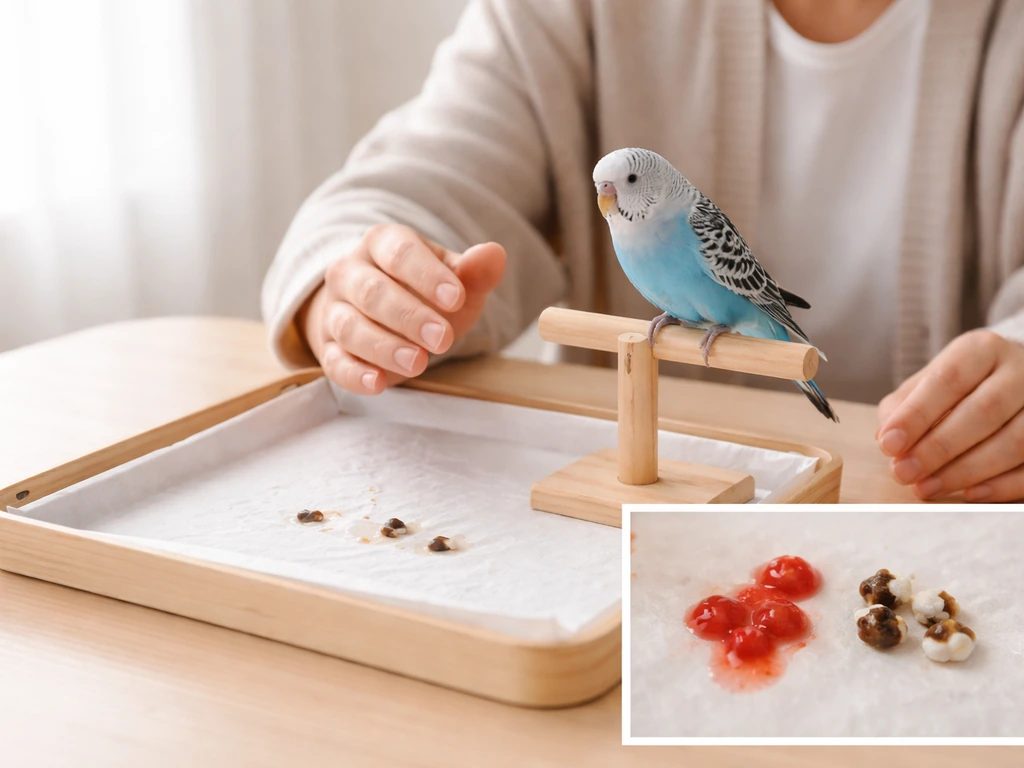
Diet explains most unusual colors, but not all of them. If you keep pet birds and you're monitoring their droppings closely, certain color shifts are worth taking seriously. The Merck Veterinary Manual specifically notes that yellow or green-tinged urates (which should normally be white) can indicate underlying disease, and that you need to distinguish normal urate deposits from yellow fibrinous or purulent material that signals infection or inflammation. In other words, if the white part starts turning yellow or lime green without any change in diet, that's a flag.
Bright red droppings are one of the more alarming colors people notice. In wild birds, red is often just pigment from berries. But if you have a pet bird and you haven't changed its diet, red or very dark brownish-black (tarry) feces can signal bleeding somewhere in the digestive tract. Black, tarry feces specifically suggests digested blood, which means the bleed is higher up in the gut. Fresh red blood in droppings points to a lower GI bleed. Either warrants a vet visit quickly.
Bright yellow-green urates combined with a reduced amount of feces sometimes appear when a bird has stopped eating, which can happen with liver disease or severe illness. This combination, often called "starvation droppings," looks odd because the fecal component shrinks while the urate color shifts. If you see this pattern in a pet bird for more than a day, get to a vet.
For wild birds, you're unlikely to be examining individual droppings closely enough to catch these patterns. But if you find a sick or dead bird in your yard and notice very dark or strangely colored droppings nearby, that context can be useful information for a wildlife rescue line or your local animal control office.
Does the color of bird poop change the health risk to people?
Honestly, no. The color of bird droppings does not meaningfully change the health risk they pose to you. Whether the poop is bright purple from berries or dark green from a healthy pigeon, the potential pathogens present depend on the bird's health and species, not the color of what comes out. The main diseases associated with bird droppings are Histoplasmosis (from a fungus that grows in accumulated droppings), Psittacosis (from Chlamydia psittaci, mainly in parrots and pigeons), and Salmonella or Campylobacter (bacterial gut pathogens). None of these are visible to the naked eye and none produce a tell-tale color.
What does affect your risk is the quantity of droppings and how you disturb them. The CDC is very clear that large accumulations of bird or bat droppings can lead to aerosolized Histoplasma spores when disturbed, and that's where the real respiratory risk lies. A single dropping on your shoulder is not a Histoplasmosis risk. A pile of droppings under a roost that you sweep dry without a mask? That's a different conversation. For everyday single-contact situations, washing your hands thoroughly with soap and water is the essential step, as the CDC recommends for any animal waste exposure.
If you're dealing with a bird flu concern (which has been in the news since 2024 and into 2026), the Philadelphia Department of Public Health recommends wearing an N95 or KN94 mask when handling potentially infected birds or their droppings, and double-bagging any materials you're disposing of. But again, a random splat from a songbird in the park is a far cry from handling a sick bird or cleaning under a large roost.
How to clean bird poop off different surfaces
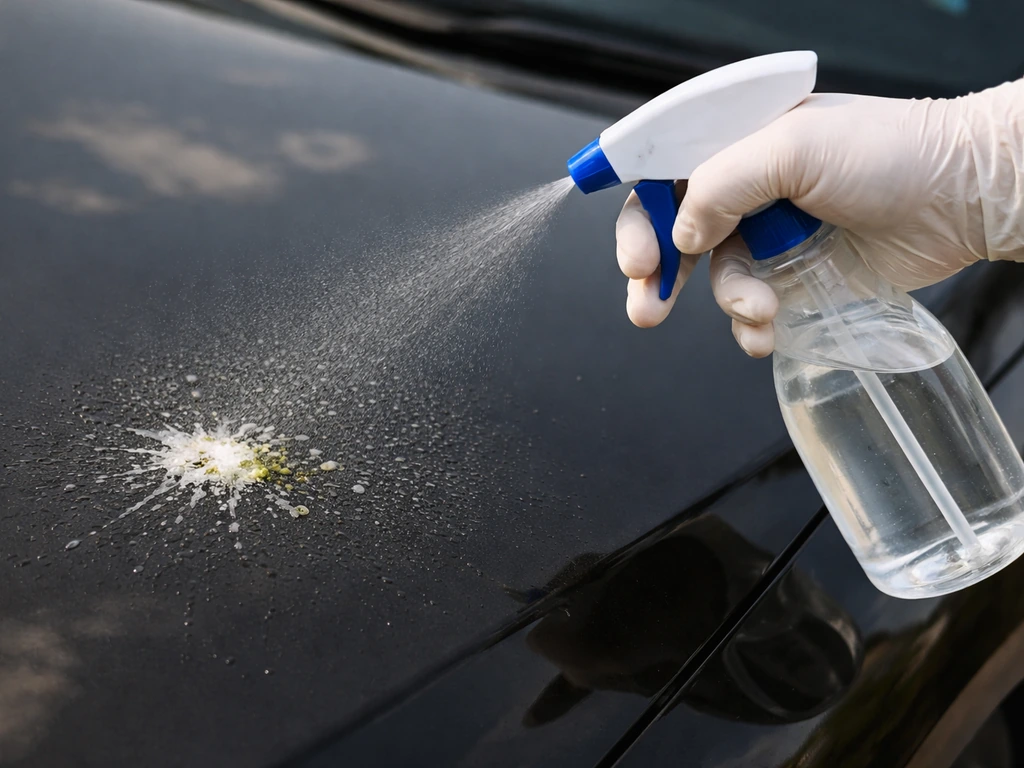
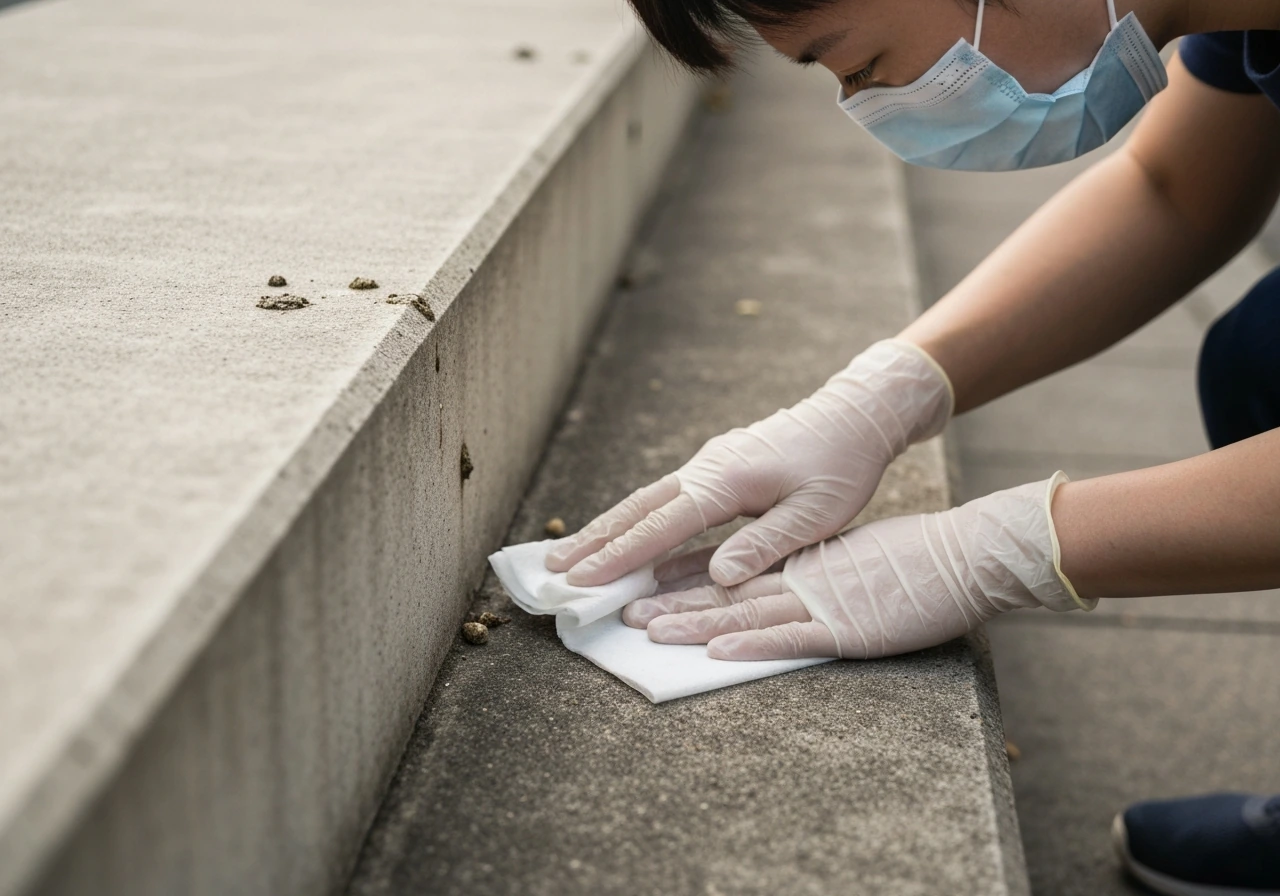
The single most important rule before any cleanup is: never dry-sweep or dry-scrub bird droppings. Moisten them first. The Illinois Department of Public Health specifically advises lightly misting droppings with water before removal to prevent spores from becoming airborne. This applies whether you're dealing with a small spot on your windshield or a larger accumulation on a patio. The other universal rule is disposable gloves every time, no exceptions.
Car paint
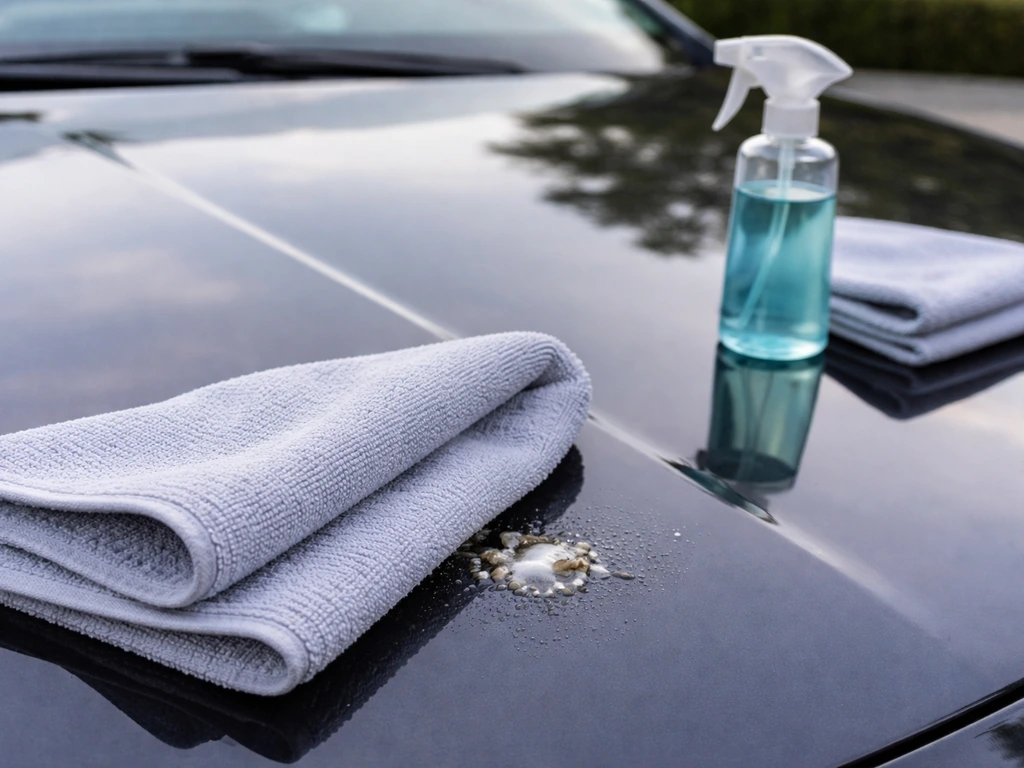
Bird poop is acidic enough to etch car paint, especially in warm weather when it dries fast. Speed matters here. Soak the dropping with water or a dedicated car detailing spray, let it sit for 30 seconds, and then gently blot (do not rub) with a soft microfiber cloth. Rubbing spreads the uric acid and risks scratching the clear coat. For dried, caked-on droppings, a warm wet cloth laid over the spot for a minute or two loosens it without scraping. Finish by rinsing the area and drying it. If the paint looks slightly dull or hazy after cleaning, a clay bar treatment and fresh wax can usually restore it.
Patios and concrete
For patios and sidewalks, mist the droppings first, then scrub with soapy water. For disinfecting after scrubbing, the California Department of Food and Agriculture recommends a bleach solution made with three-quarters of a cup of household bleach (6% sodium hypochlorite) per gallon of water. Apply after scrubbing, let it sit briefly, and rinse. This is especially useful if you have outdoor areas where children or pets spend time.
Bird cages and feeding equipment
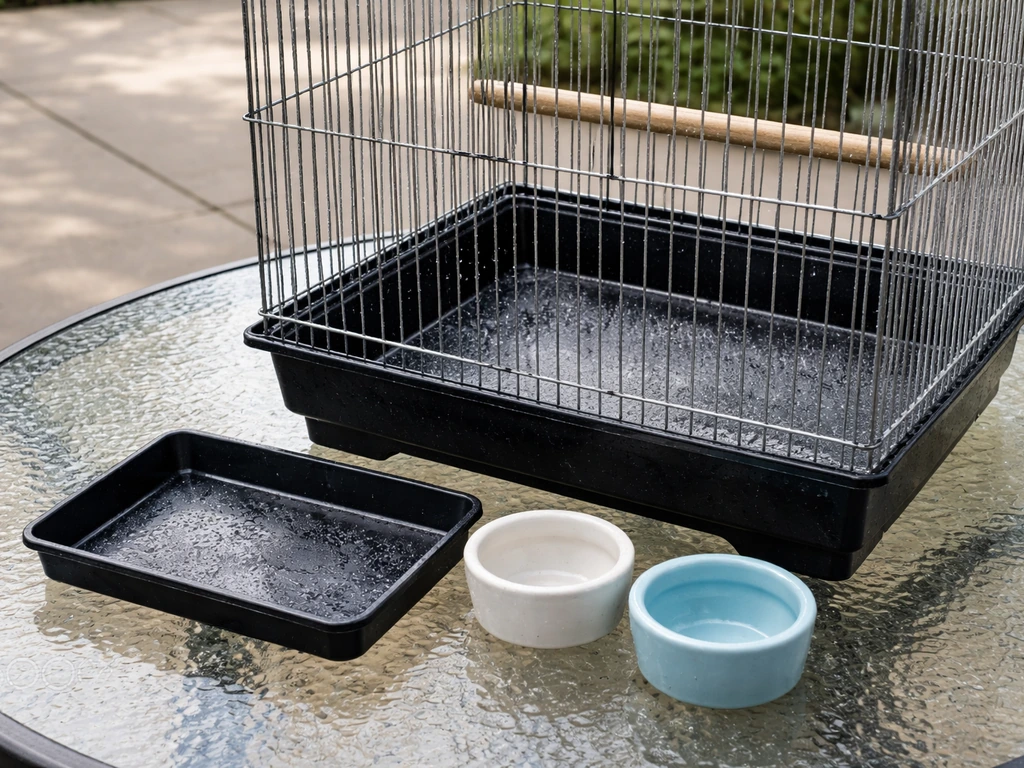
The CDC's psittacosis prevention guidelines specifically recommend wetting cage surfaces before cleaning, and doing daily cleaning of food and water bowls. For disinfecting bowls and dishes, a diluted bleach solution of about one tablespoon of bleach per gallon of water works well after a thorough scrubbing clean. Always rinse thoroughly before a bird uses the dish again.
Fabric and outdoor furniture
For fabric, patio cushions, or clothing: soak first, then hand-wash or machine wash as appropriate for the material. For large, heavily contaminated areas (like under a roost or in an attic with significant bat or bird accumulation), the CDC's recommendation is to consider hiring a professional hazardous waste or cleanup company. That's not overkill. Large accumulations with dried, aerosolizable material can create a genuine respiratory hazard that a dust mask won't adequately address. For those situations, an N95 respirator, gloves, disposable coveralls, boot covers, and a hat are the minimum per guidance from CSU Channel Islands' environmental health procedures.
The good luck thing: superstitions and what's actually behind them
If you just got hit by bird poop and someone nearby immediately told you it's good luck, you're not alone. This belief shows up across cultures in Russia, Turkey, India, Italy, and the UK, among others. The most common version is simply that being pooped on by a bird brings unexpected financial good fortune. Some versions specify which bird, or require that it land directly on your head rather than your shoulder.
Where does this come from? The most plausible explanation is a combination of rarity and cognitive bias. Getting hit by bird poop is genuinely uncommon given how much time you spend outside versus how small a target you are. So when it happens, it's memorable. And memorable events tend to anchor to whatever comes after them. If something good happened later that day, you remember the bird poop as a sign. If nothing happened, you forget the whole episode. Over generations, this selective memory calcifies into folklore.
There's also a color dimension to the superstition in some traditions. White droppings (or droppings with a lot of white) are specifically associated with good luck in several European folk beliefs, likely because white has historically symbolized purity and positive omens in many cultures. Whether the dark green fecal portion somehow cancels out the white good luck is, sadly, not addressed in the literature.
Is any of this true? No, not in a causal sense. Bird poop does not predict your financial future. But the belief is harmless, kind of charming, and has a long enough history that it's worth knowing about. If believing it makes getting splattered slightly less annoying, that's a net positive.
What to do right now if you just got hit
If you're reading this because something just landed on you, here is the practical order of operations. First, don't touch it with bare hands and don't rub it into your skin or clothing. If it landed on your skin, rinse it off with water as soon as you can, then wash the area thoroughly with soap and water. If it landed on clothing, don't dry-brush it off. Wet it first, then blot, and launder the item. If it got in or near your mouth or eyes, rinse thoroughly with clean water and, if you have any symptoms later (flu-like illness, respiratory symptoms) within a week or two, mention the exposure to your doctor. This is not to alarm you. It's just useful context.
For the surface it landed on, whether that's your car, your jacket, your patio table, or your phone case, the routine is the same: moisten, blot or gently wipe, rinse, then use a diluted bleach solution if you want to disinfect a hard surface. For your car, skip the bleach on the paint and go straight to a clean rinse and soft cloth.
The color of what hit you matters mainly for one reason: if you keep pet birds and you're seeing consistent color changes in their droppings, that's a signal worth tracking. For the random outdoor splat, the color tells you mostly about what the bird had for lunch, and the cleanup procedure is the same regardless.
FAQ
If bird poop is bright red or pink, does that always mean blood?
Not always. In wild birds it can come from pigments after eating berries. For pet birds, treat bright red or very dark tarry droppings as potentially bleeding, especially if the diet has not changed, and contact a vet promptly. If you can, compare the red area to recent food items, and watch for reduced appetite or lethargy.
What does yellow or lime-green on the white part of bird poop mean if the bird’s diet looks normal?
Yellow or green-tinged urates are abnormal when diet and supplements have not changed. That pattern can indicate illness, and it matters more if it persists for more than a day or two. In pet birds, collect photos and note timing of any changes in eating, droppings quantity, and activity for your vet.
Why do some droppings look runny or more “wet,” even when the bird seems fine?
Hydration affects appearance. A well-hydrated bird often produces more urine component, so the dropping can spread out and look wetter. The key check is whether the bird’s overall droppings remain consistent in color pattern and the bird is behaving normally, rather than the surface wetness alone.
Can a single odd-colored dropping mean something is wrong with my pet bird?
One-off changes often come from what the bird ate, hydration, or normal variation. What raises concern is a repeated pattern (same unusual color for multiple droppings), a drop in feces amount with persistent abnormal urates, or any behavior changes like hiding, fluffed feathers, tail bobbing, or reduced appetite.
How can I tell the difference between normal urates and something infectious like pus or fibrin?
Normal urates are white to off-white and usually semisolid, showing up as a chalky paste or ring around darker feces. Yellow or thick, stringy, or pus-like material is different and should be treated as more suspicious, especially if it appears without any diet change. If you see this repeatedly, get veterinary input rather than trying to interpret it alone.
If it’s just bird poop on the sidewalk or my car, do I need a respirator?
For a single splat or a small spot, the main practical risk control is preventing airborne dust, plus hand hygiene. A respirator becomes more relevant for large accumulations, dried caked-on droppings, or under-roost cleaning where you might create aerosol from disturbance. If you are unsure, err toward not dry-sweeping and consider professional help for heavy buildup.
What’s the safest way to remove bird poop from my car if I’m worried about paint damage?
Avoid rubbing, especially once it dries. Moisten first, let it soften briefly, then blot or gently wipe with a soft microfiber cloth. Skip bleach on painted car surfaces, rinse well, and only consider a clay bar and wax if the finish looks hazy after proper rinsing and wiping.
Is it safe to clean droppings with household disinfectant right away, before scrubbing?
Generally, no. For safety and effectiveness, wet the droppings first, then remove them with scrubbing and soapy water on hard surfaces, and disinfect after the physical soil is gone. Disinfectants work best on a cleaned surface, and you reduce the chance of spreading contamination during removal.
Should I wash my clothes the same day if they got bird poop on them?
Yes, treat it as contaminated and handle promptly. Wet the spot first, then blot and launder according to fabric type. If the item is heavily soiled, soaking before washing helps. Avoid dry-brushing, because it can create dust or smear residues.
What should I do if bird poop splashes near my mouth or into my eyes?
Rinse immediately with clean water, and keep rinsing until the area feels clean. If you develop symptoms later, like respiratory issues or flu-like illness within the following week or two, mention the exposure to a clinician. Monitor how you feel rather than waiting to see if the color “looks worse.”
I found droppings near a sick or dead wild bird, what should I tell a rescue line or animal control?
Give context: location (indoors/outdoors), how many birds or carcasses were seen, approximate time, weather if relevant, and what you observed about droppings nearby (very dark, tarry, or unusually colored). Also mention whether there’s heavy accumulation under a roost and whether anyone had close contact, so they can guide you on risk and cleanup.
Does the color of bird poop change how worried I should be about catching diseases from a single splat?
Not much. The disease risk is driven by the source and whether droppings are disturbed, not by the visible color. For everyday single-contact situations, focus on not touching it with bare hands, avoiding dry cleanup, and washing hands thoroughly afterward.