That said, brown isn't the only color droppings can come in, and understanding why color changes happen is actually useful, both for ruling out a sick pet bird and for figuring out whether what you're looking at is even bird poop at all. Let's walk through it all, including how to clean it up safely.
What different dropping colors actually mean
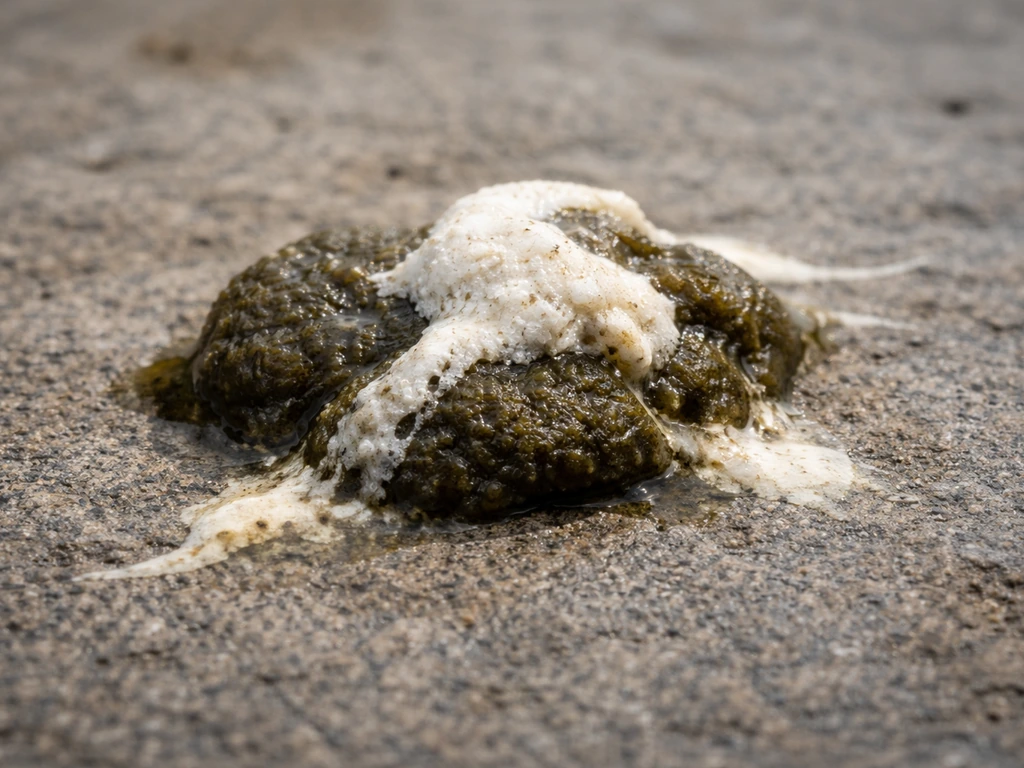
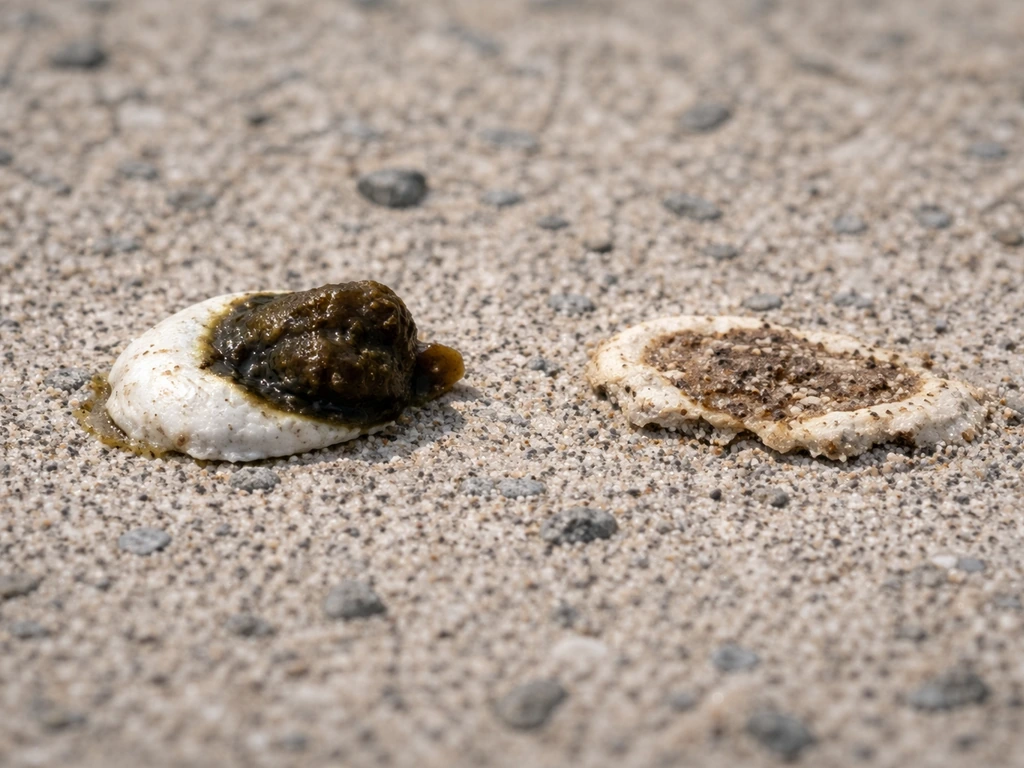
A bird dropping has three distinct parts: the feces (the solid, digested food waste), the urates (a semi-solid white or cream paste that's how birds excrete uric acid instead of urine), and liquid urine. What you see on your car hood is usually a blend of all three, and the color of each part can shift independently depending on diet, species, and health.
Diet is the biggest driver
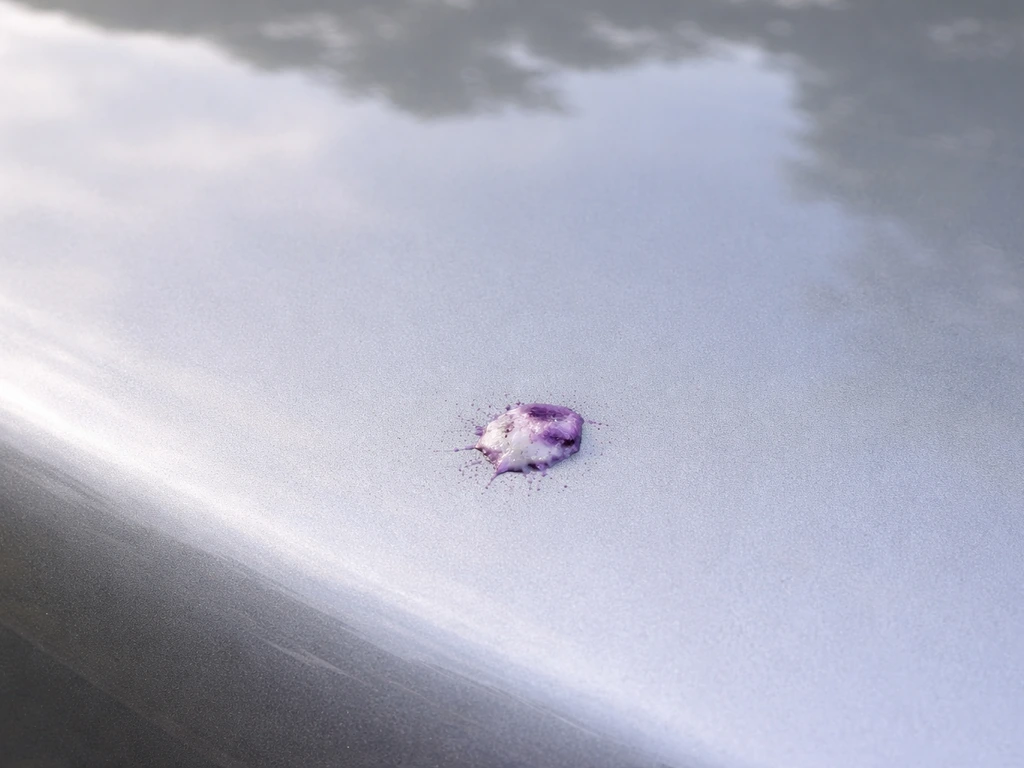
Birds that eat a lot of dark berries, blackberries, mulberries, or similar fruit, can produce droppings that look <a data-article-id="0FF21E2D-36C9-45CA-B7C6-00AA7F855154">purple, dark red, or almost black</a>. Beetroot and chillies can shift colors dramatically too. A bird that's been raiding your neighbor's blueberry bushes is going to leave a very different-looking deposit than one eating seeds from your feeder. This is why you might find what looks like a purple or red stain on your car on certain days and a more typical brown-white splat on others. The bird hasn't changed; its last meal has.
Species matters too
Larger birds tend to leave larger, more distinctly brown fecal portions. Songbirds eating insects produce droppings that lean darker. Seagulls eating fish leave droppings with a stronger smell and sometimes a more grayish-white mix. Parrots and pet birds are especially well-documented because owners monitor them closely, their droppings can go green, brown, or even tinged with biliverdin (a bile pigment) depending on what's happening in their digestive system. That greenish tinge you sometimes see around the edges isn't always alarming; it can simply be bile pigments from normal digestion.
Freshness and aging change the appearance
Fresh droppings tend to have distinct color zones, the dark fecal mound, the white urate surround, and clear liquid. As droppings age and dry out in the sun, they fade, blend, and often turn a more uniform chalky brown or gray-white. What looked distinctly patterned when fresh can look like a generic brown smear a few hours later, especially if it's been rained on. This is worth knowing because dried, aged droppings are actually the ones that carry the most risk, more on that shortly.
A quick color reference
| Color | Likely cause | Normal or worth noting? |
|---|
| Brown | Standard diet, pelleted food, seeds, insects | Completely normal |
| Green or yellow-green | Leafy diet, bile pigment (biliverdin), stress in pet birds | Normal for fruit/veg eaters; worth monitoring in pet birds |
| White or cream | Urate component — always present in healthy droppings | Normal |
| Purple or dark red | Berry-heavy diet (mulberries, blackberries, beetroot) | Normal, diet-related |
| Red or orange | Red/orange pigment foods; in pet birds, could signal blood — check context | Diet-related is fine; unexplained red in pet birds warrants vet attention |
| Clear or watery | High fruit diet, heat, stress, or excess urine output | Usually diet or environment; persistent change in pet birds worth watching |
| Chalky white-brown (faded) | Aged, dried droppings | Normal aging process — but higher cleanup risk |
Is it actually bird poop? How to tell it apart from other stains
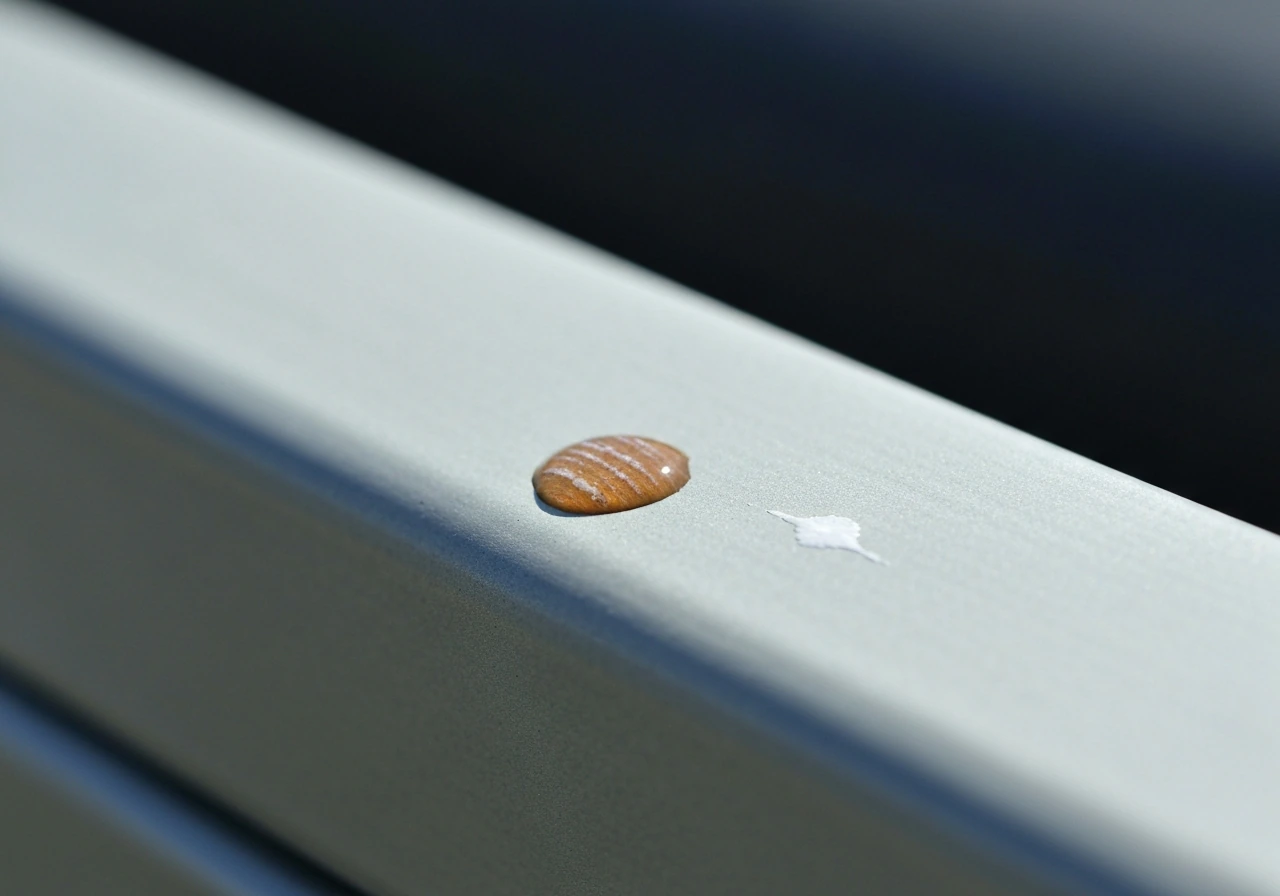
Brown bird droppings get misidentified fairly often, especially on cars and outdoor furniture. If you notice bird droppings in different colors, diet, species, and how fresh they are can all change the appearance different dropping colors. Tree sap, oxidized tannins from leaves, insect secretions, and even certain mold patches can look similar at first glance. Here's how to tell the difference.
- Bird droppings almost always have at least a trace of white or cream (the urate portion), even when mostly brown. A stain that's uniformly one color with no white component is less likely to be bird poop.
- Fresh bird droppings have a slightly moist, layered look. Tree sap is sticky, strings when touched, and doesn't have a distinct fecal mound.
- Berry stains are flat and spread evenly when they hit a surface. Bird droppings land with some impact and often have a splatter pattern with a defined center.
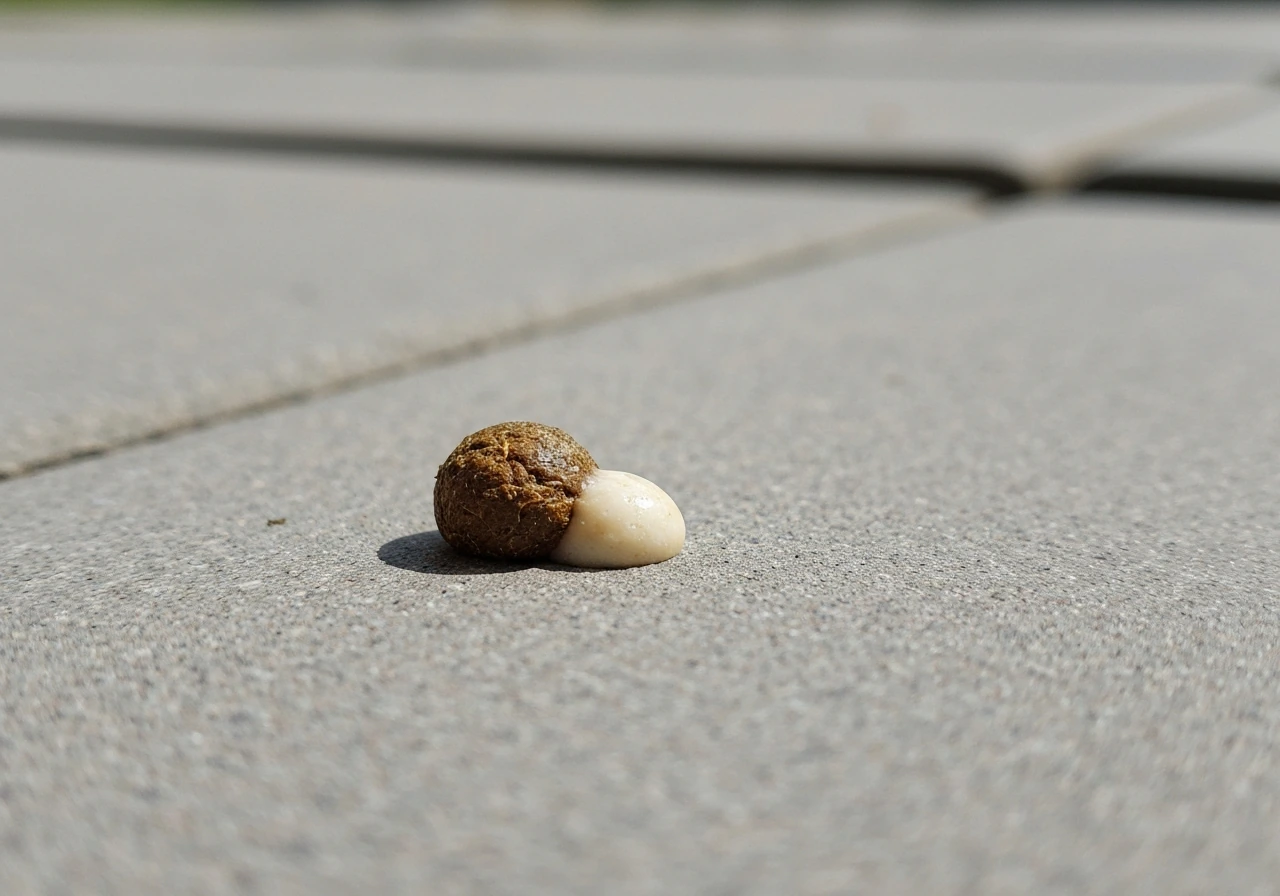
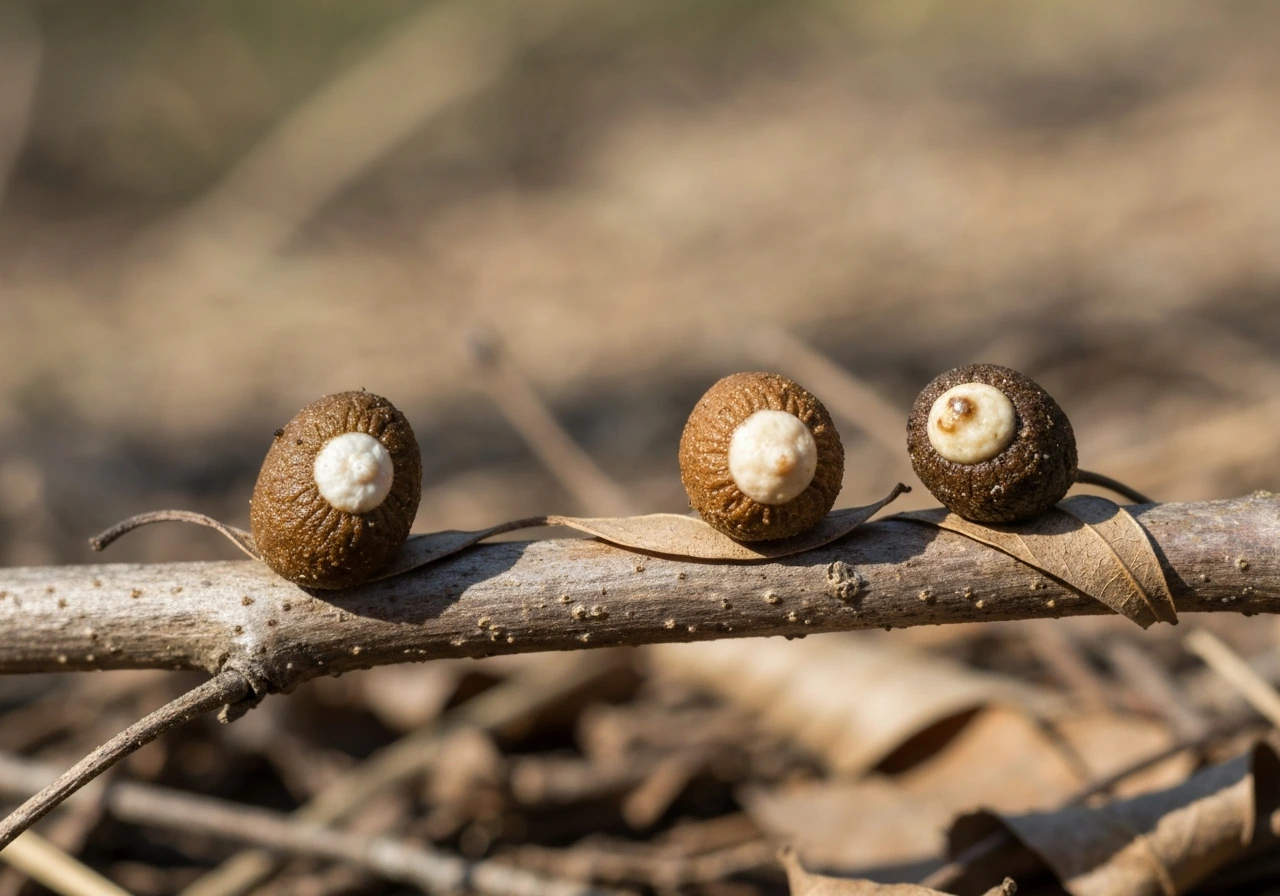
- Insect frass (excrement from caterpillars or beetles) is usually small, pellet-like, and dry — not the wet splat you get from a bird.
- Lichen and mold patches grow in irregular, spreading shapes without a central deposit point.
- If it has a distinct smell — ammonia-like or sharp — it's much more likely to be bird (or other animal) waste than a plant-based stain.
If you're still unsure, a small amount of water will usually tell you: bird droppings soften and dissolve partially when wet (especially the urate component), while sap stays tacky and tree tannin stains don't foam or break up the same way.
Does the brown color change how dangerous it is?
Short answer: no. The color of bird droppings doesn't meaningfully change the health risks. The real risks come from what can be living in any bird or bat dropping, regardless of color, and they're tied to accumulation, dryness, and disturbance, not to whether the poop is brown, white, or purple.
The main concerns with bird droppings
Histoplasmosis is the big one. It's a fungal infection caused by Histoplasma capsulatum, a fungus that grows in soil enriched by bird and bat droppings. You don't get it from touching a fresh dropping on your car, you get it from breathing in spores that become airborne when dried, accumulated droppings are disturbed. Demolition near old bird roosts, dry-sweeping a dropping-covered attic, or even digging in heavily contaminated soil are the scenarios that cause real problems. A single fresh dropping on your windshield is not a histoplasmosis hazard.
Psittacosis (also called parrot fever or ornithosis) is another concern, caused by Chlamydia psittaci bacteria found in the dried secretions and droppings of infected birds, particularly parrots and pigeons. Again, the risk comes from inhaling aerosolized dried material, not from casual contact with a normal outdoor dropping.
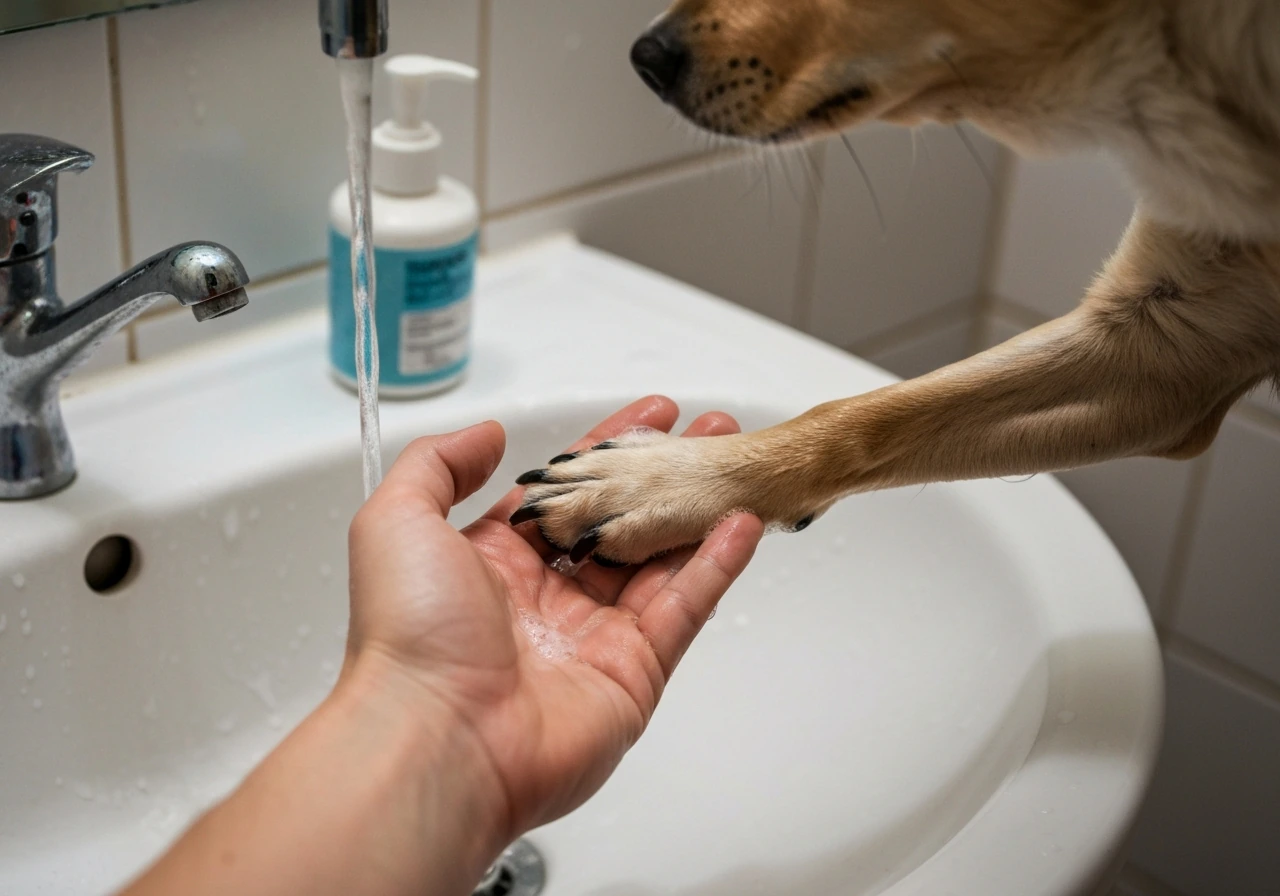
Salmonella and Campylobacter can also be present in bird feces and pose a hand-to-mouth transmission risk if you handle droppings without washing your hands. This is the most practical everyday concern for most people, not a serious aerosolization risk, but a real reason to wash your hands after cleaning up any bird mess.
The bottom line: a fresh brown dropping from a wild bird landing on your patio is a normal, low-risk situation. The risk profile goes up significantly when droppings are old, dry, accumulated in quantity, and then disturbed without protection. That's when you need to take cleanup seriously.
How to clean up bird poop properly
The golden rule: never dry-clean bird droppings. Don't sweep, brush, vacuum (with a regular household vacuum), or blast with compressed air. All of those methods turn dried dropping material into airborne dust, and that dust is what carries pathogens into your airways. Always wet the material first.
On your car
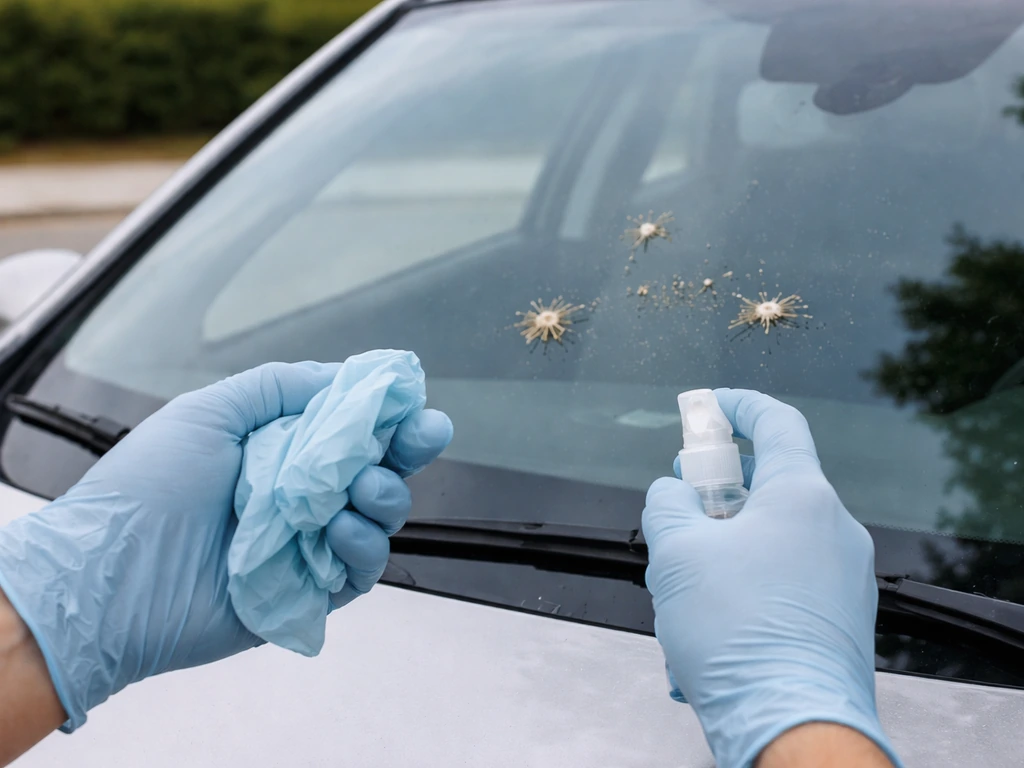
For fresh droppings, soak a cloth or paper towel in warm water (adding a drop of dish soap helps), lay it over the dropping for 30 to 60 seconds to soften it, then wipe away gently. Don't rub immediately, bird droppings are slightly acidic and can scratch clear coat if you drag grit across it. Once the bulk is off, rinse and follow up with a car-safe cleaner or quick detailer spray. For dried or baked-on droppings (especially after a hot day), a dedicated automotive bird dropping remover or even a warm damp cloth left on longer will lift them without scratching.
On patios, decking, and outdoor surfaces
Wet the droppings thoroughly with water mixed with a small amount of dish soap or a dedicated outdoor cleaner. Let it sit for a minute, then scoop or wipe the bulk of the material into a plastic bag. Seal and bin it. Rinse the surface. For disinfection (especially if you have kids or pets using the area), a dilute bleach solution works well: 1 part household bleach to 20 parts water, applied after you've removed the bulk material. Don't use high-pressure washers on dried droppings, that spray creates exactly the kind of aerosol cloud you want to avoid.
Indoors or in enclosed spaces
Indoor cleanup needs more care, especially if droppings are near ventilation systems or have accumulated over time. Open windows for ventilation before you start. Wet the material with water and a surfactant (dish soap works), let it soak, then wipe with disposable paper towels or cloths. Seal everything in a plastic bag immediately. Follow up with a bleach disinfectant solution. If the accumulation is significant (more than a small fresh dropping), wear an N95 or better respirator, an N100 is recommended when working near ventilation systems or in spaces used by children. Dispose of your gloves and wash hands thoroughly after.
When to call a professional
For a few droppings from a visiting bird, soap, water, and basic hygiene are all you need. But if you're dealing with a large accumulation, a roosting spot that's been active for months, an attic with significant bat or bird contamination, or any amount that would require more than a few minutes to clean, get a professional hazardous waste cleanup firm involved. Large accumulations genuinely are a different category of hazard, and trying to DIY them without proper respirators, protective clothing, and disposal procedures isn't worth it.
Cleanup steps at a glance
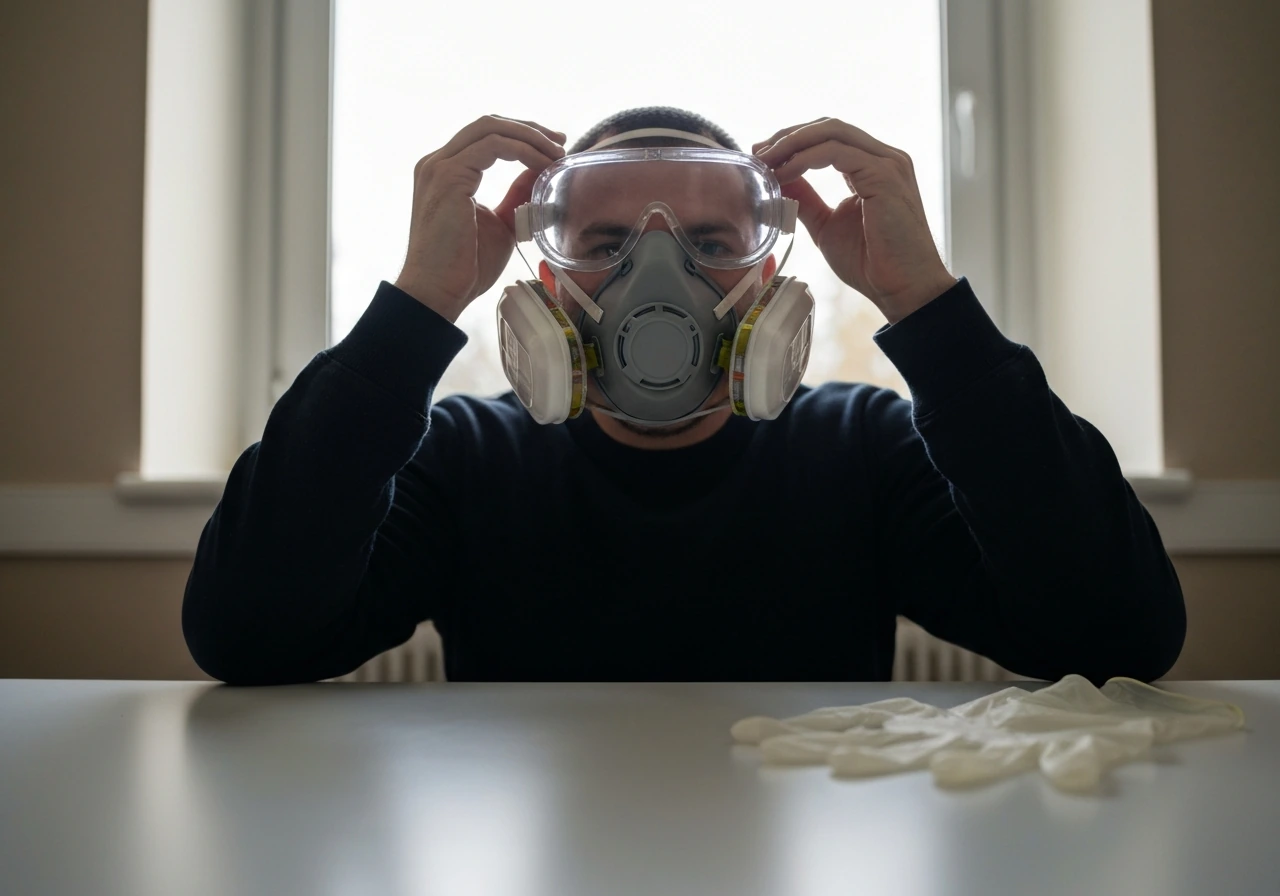
- Put on gloves before touching anything. For dried or accumulated droppings in enclosed spaces, add an N95 or N100 respirator and eye protection.
- Wet the droppings thoroughly with water and a drop of dish soap before touching or moving them.
- Let the wetting agent soak in for 30 to 60 seconds to prevent dry material from becoming airborne.
- Scoop or wipe the material into a sealable plastic bag. Avoid spreading it to clean surfaces.
- Seal and dispose of the bag in an outdoor trash bin.
- Disinfect the cleaned area with a dilute bleach solution (1 part bleach to 20 parts water).
- Wash your hands thoroughly with soap and water. Do not touch your face before washing.
When you actually need to worry
Most encounters with bird droppings, including brown ones on your car or patio, are low-risk situations handled easily with soap, water, and hand-washing. But there are specific scenarios where you should take it more seriously or seek help.
If fresh droppings land directly in your eye, rinse with clean running water for at least 10 to 15 minutes and contact a healthcare provider, especially if you were near a large roosting area or have any immune system concerns. Skin contact with a normal fresh dropping is generally low risk, wash with soap and water promptly and you're fine. If you have an open cut or wound that came into contact with bird waste, wash it thoroughly and mention it to your doctor.
Respiratory exposure from dry droppings
This is the scenario that warrants the most attention. If you disturbed a large amount of dried bird or bat droppings without respiratory protection, swept them, vacuumed them, used a leaf blower near them, and you're in an area where Histoplasma is environmentally present (much of the central and eastern US, for instance), watch for flu-like symptoms in the following one to three weeks: fever, cough, fatigue, chest discomfort. Most healthy people who get histoplasmosis recover without treatment, but if symptoms are severe or persistent, see a doctor and mention the exposure context. People who are immunocompromised face a more serious risk and should seek care sooner.
Pets and kids
If your dog or cat rolls in, sniffs, or mouths bird droppings, rinse the affected area with water and wash with pet-safe soap. Watch for vomiting, lethargy, or diarrhea over the next 24 to 48 hours and contact your vet if symptoms appear. Kids who touch droppings and then put their hands in their mouths are the most common concern, immediate hand-washing is the best response, and if the child ingests a meaningful amount or shows any symptoms, call Poison Control or your pediatrician.
Symptoms that warrant a doctor visit
- Fever, cough, or chest tightness developing one to three weeks after cleaning up a large accumulation of dried droppings
- Eye irritation, redness, or discharge after direct eye exposure to droppings
- Persistent nausea, vomiting, or diarrhea following hand-to-mouth contact with bird waste
- Any symptoms in a person who is immunocompromised, pregnant, elderly, or very young after significant exposure
- Respiratory symptoms in a child after playing in an area with heavy bird or bat dropping contamination
To put it plainly: brown bird poop is normal, common, and usually nothing to stress about. In the same way that brown bird poop is normal and usually nothing to stress about, you might also see red-tinged droppings depending on diet. Clean it up wet, wash your hands, and you're done. The risk profile only changes meaningfully when the droppings are old, dry, accumulated in volume, and you disturb them without protection. Keep those conditions in mind and you'll handle any bird dropping situation sensibly.