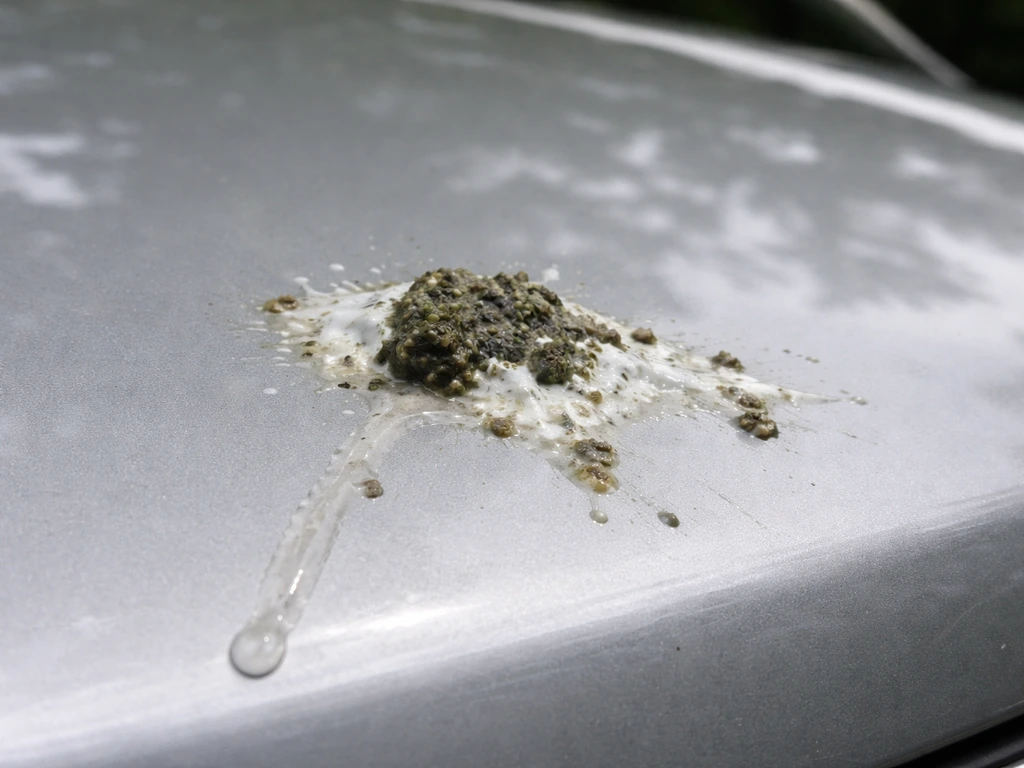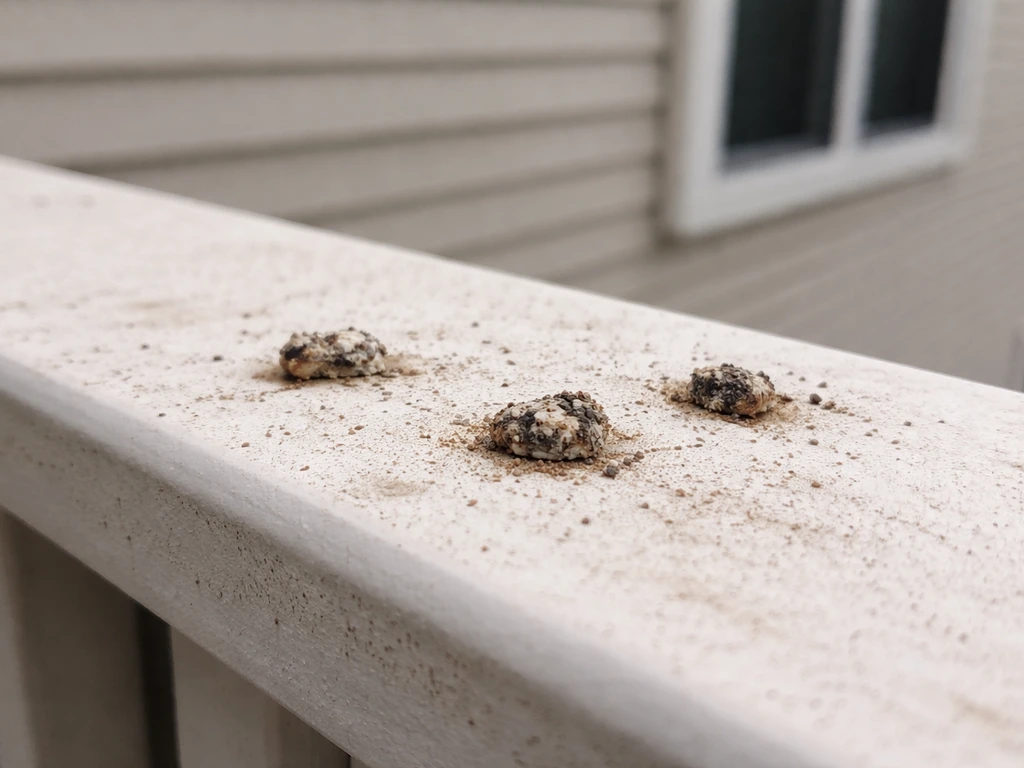
Bird poop is genuinely capable of making you sick, but the actual risk depends a lot on how you were exposed. A single splat on your arm or jacket is low risk if you wash up promptly. The real danger kicks in when dried droppings get disturbed and you breathe in the dust, when it lands in your eyes or mouth, or when you handle it repeatedly without gloves and then touch your face. The main culprits are fungal infections like histoplasmosis and cryptococcosis, bacterial infections like psittacosis, Salmonella, and Campylobacter, and in rare circumstances, avian influenza. Most healthy adults who get a casual hit of bird poop and wash their hands walk away fine. But that's not the whole picture, and there are situations where you absolutely should take it more seriously.
Bird Poop Health Risks: Safe Cleanup and Prevention Guide

What's actually in bird poop and why it matters
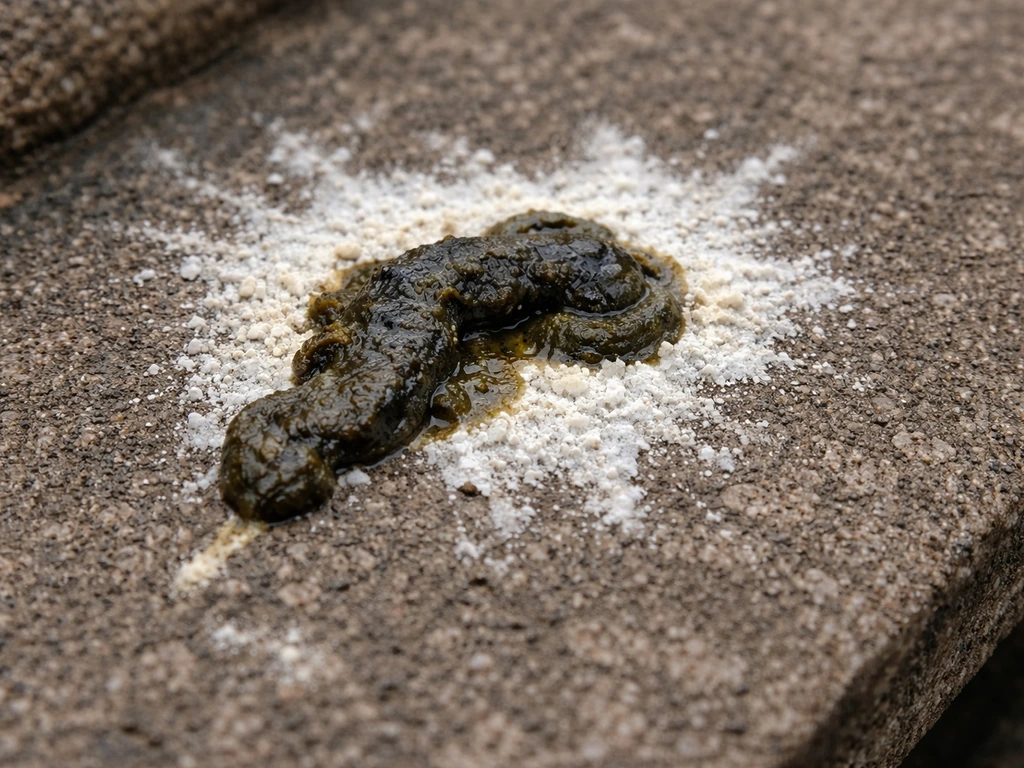
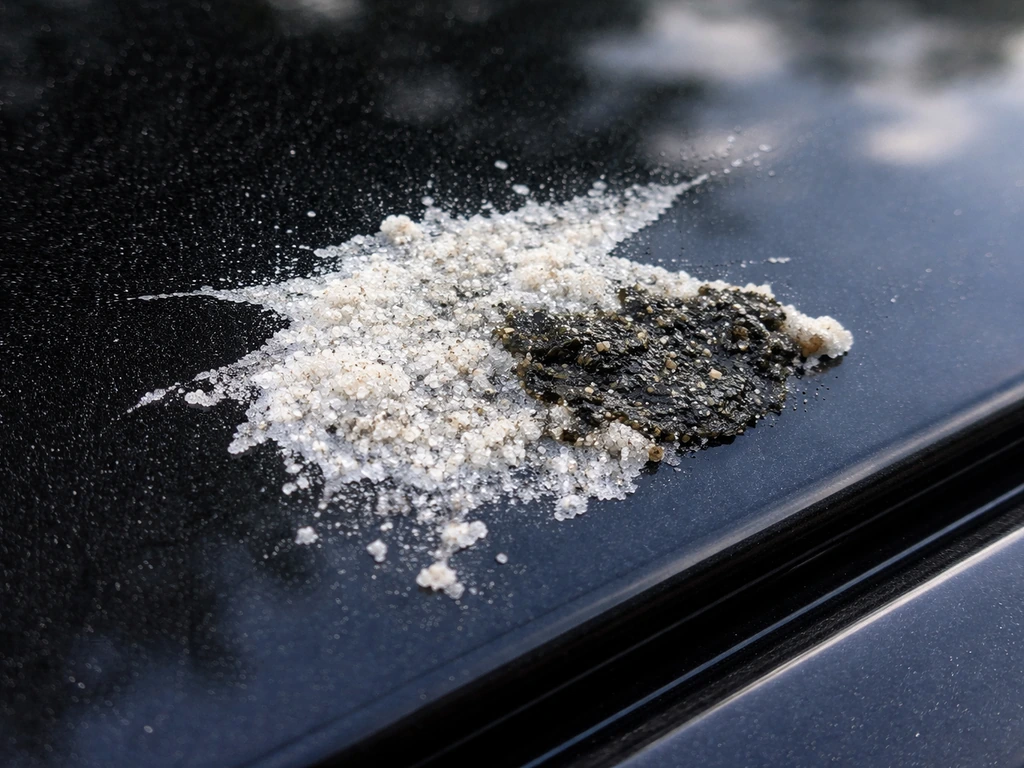
Bird droppings are a mixture of feces and urine in one package (birds don't separate them). The white chalky part is urate, which is uric acid and its salts, basically the bird equivalent of urine. The darker portion is the actual fecal matter, carrying everything the bird processed from its gut. That gut contents list can include bacteria, fungal spores, and viral particles depending on the bird's health and environment. Fresh droppings are less dangerous because pathogens are still contained in moisture. The real hazard comes when droppings dry out: they crumble into fine dust, and anything living inside them can become airborne as microscopic particles. These bird poop problems can become much more serious when droppings dry out and you end up inhaling dust. Breathe that dust in without meaning to, and you've created the most direct route for infection.
Large accumulations, like what you'd find on a rooftop, in an attic, or under a long-used bird roost, are where the risk escalates. The CDC and NIOSH both flag that large accumulations of bird or bat droppings may need professional hazardous-waste removal, not because a few droppings are toxic, but because disturbing a big dried pile releases huge amounts of aerosolized material all at once.
Real health risks vs. the stuff you can stop worrying about
Here's an honest breakdown. The risks that are genuinely documented and worth understanding are fungal infections from inhaled spores, bacterial infections from hand-to-mouth contact, and occasional bacterial infection from eye or mouth exposure. The risks that get overstated are getting a serious illness from a single small splat on skin you then wash, catching something from a bird flying overhead, and contracting disease from a bird feeder you handle with gloves and wash up after.
Histoplasmosis
This is the one most people haven't heard of but should know about. Histoplasmosis is a lung infection caused by breathing in spores of the fungus Histoplasma, which grows in soil enriched with bird or bat droppings. The CDC specifically calls out activities that disturb contaminated soil or accumulated droppings as the main exposure route. Most healthy people who inhale a small amount of spores either have no symptoms or a mild flu-like illness. But in people with weakened immune systems or in heavy exposure situations, it can become serious. If you're doing any excavation, demolition, or deep cleaning of an area with years of bird accumulation, this is the pathogen to take seriously.
Psittacosis
Psittacosis is a bacterial infection caused by Chlamydia psittaci, and it spreads almost entirely through breathing in dust from dried droppings or respiratory secretions from infected birds, particularly parrots, cockatiels, and other psittacine birds. The CDC is clear that this is the most common route: inhalation of aerosolized dried feces or secretions. Pet bird owners are most at risk, especially if they clean cages without wetting surfaces first or without a mask. There's no vaccine for psittacosis, so prevention is the only tool you have.
Cryptococcosis
Cryptococcus is a fungus found in soil and bird dung (especially from pigeons), and the CDC states it spreads by inhaling fungal spores. For healthy people, the immune system usually handles it without incident. For immunocompromised individuals, including people with HIV/AIDS, organ transplant recipients, and those on long-term corticosteroids, it can cause serious lung or brain infection. If you're in that category, you should treat any pigeon-heavy environment as a real hazard, not just an annoyance.
Salmonella and Campylobacter
Both of these are gut bacteria that spread through the fecal-oral route, meaning you touch contaminated droppings and then touch food or your mouth without washing your hands. The CDC has documented Salmonella outbreaks linked to backyard poultry and wild songbirds through exactly this pathway. Campylobacter works the same way. These are real risks, especially for kids who touch bird feeders, birdbaths, or backyard chickens. The fix is simple: wash your hands thoroughly after any contact. These are not airborne risks in the same way as histoplasmosis or psittacosis.
Avian influenza (bird flu)
Avian influenza can spread through direct or indirect contact with infected birds, their droppings, or contaminated environments, including via the eyes, nose, mouth, or inhalation of aerosols or dust. For most people in everyday situations, the risk from a random bird encounter is extremely low. The heightened concern is for people who work directly with poultry or waterfowl, especially during active outbreaks. If you've had significant exposure to sick or dead birds and develop fever, respiratory symptoms, or eye irritation within 10 days, that's a reason to contact a healthcare provider promptly.
How bird poop actually spreads disease: contact vs. inhalation
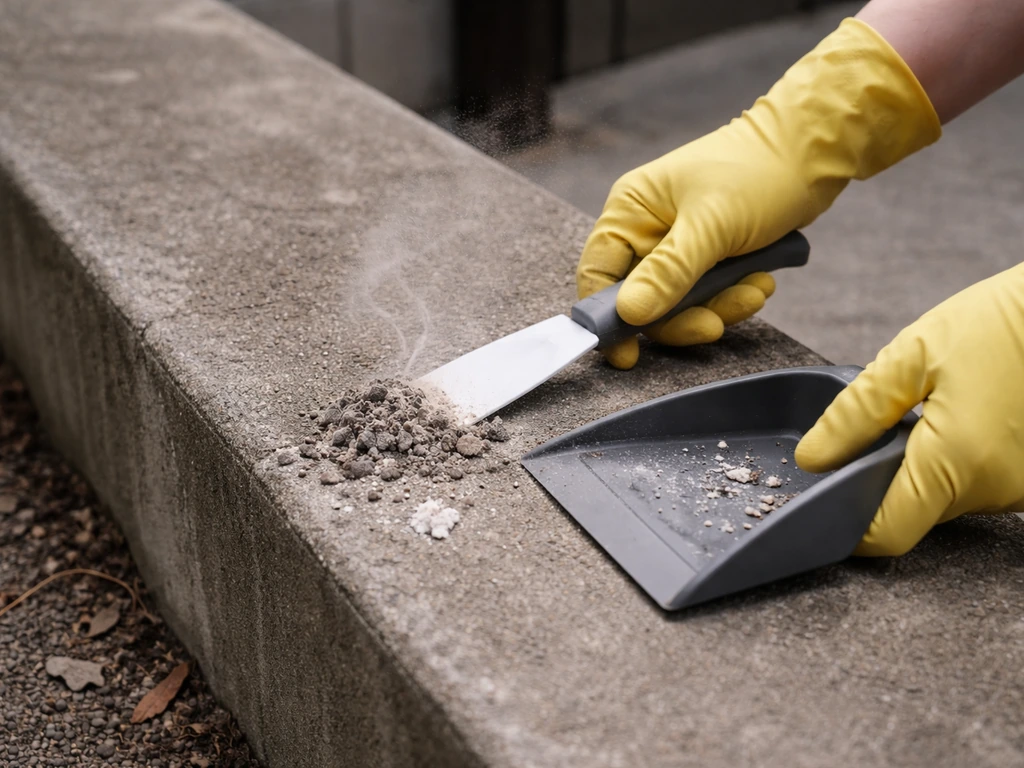
The transmission route matters a lot for understanding your actual risk and taking the right precautions. There are essentially two main pathways.
| Route | Diseases involved | Risk level for most people | Key condition |
|---|---|---|---|
| Inhalation of dried dust/aerosols | Histoplasmosis, Cryptococcosis, Psittacosis, Avian influenza | Moderate to high with significant exposure | Droppings must be dry, disturbed, or aerosolized |
| Hand-to-mouth / fecal-oral | Salmonella, Campylobacter | Low if handwashing is prompt | Requires touching face/food after contact |
| Eye or mouth direct contact | Avian influenza, bacterial infections | Low but worth treating seriously | Direct splash or smear to mucous membranes |
| Skin contact (intact skin) | Negligible disease risk | Very low | No known significant route through intact skin |
Intact skin is actually a decent barrier. The risk on your arm or hand is mostly about what you do next: if you touch your mouth, rub your eyes, or handle food before washing up, you've created a route. If you wash with soap and water promptly, the risk from that kind of contact is very low. The inhalation route is the one that deserves the most respect because you can't always feel it happening.
What to do right now after exposure
If you've just been hit by bird poop or had contact with droppings, here's what to do immediately, in order of priority.
- Don't rub it. Resist the instinct to wipe it off with your hand across your face or near your eyes. Use a tissue or paper towel to remove the bulk without spreading it.
- Wash the affected skin with soap and water for at least 20 seconds. Plain soap is effective for removing bacteria and fungal spores from skin.
- If it got in your eye: flush your eye immediately with clean running water for at least 10 to 15 minutes. Hold your eye open and let the water run across it. This is worth doing even if it seems like a small amount. Eye exposure to bird droppings is a situation where you should contact a healthcare provider or urgent care for assessment, especially if the bird seemed sick or you're unsure of the source.
- If you swallowed any or it got in your mouth: rinse your mouth thoroughly with water, spit it out, and don't panic. Monitor for symptoms like nausea, vomiting, or diarrhea over the next few days. If symptoms develop, contact your doctor and mention the exposure.
- Wash any contaminated clothing separately in hot water.
- If you inhaled dust from disturbing a dry accumulation: move to fresh air immediately. If you develop a cough, fever, chest tightness, or shortness of breath within days to weeks after exposure, see a doctor and specifically mention potential histoplasmosis or psittacosis exposure. These symptoms can take days to two weeks to appear.
When to get medical attention
- Any significant eye exposure, especially if the bird appeared sick or dead
- Respiratory symptoms (cough, fever, chest pain) developing within 1 to 3 weeks after breathing dust from a large accumulation of droppings
- You're immunocompromised, pregnant, elderly, or have a chronic lung condition and had more than minimal contact
- You work with birds professionally and had high-exposure contact without proper PPE
- You had contact with a sick or dead bird and develop flu-like symptoms, eye redness, or respiratory issues within 10 days
Safe cleanup: homes, cars, patios, and outdoor surfaces
The single biggest cleanup mistake people make is dry-scraping or sweeping dried droppings without any moisture. That sends particles straight into the air you're breathing. The rule is: wet it first, every time.
What to wear before you start
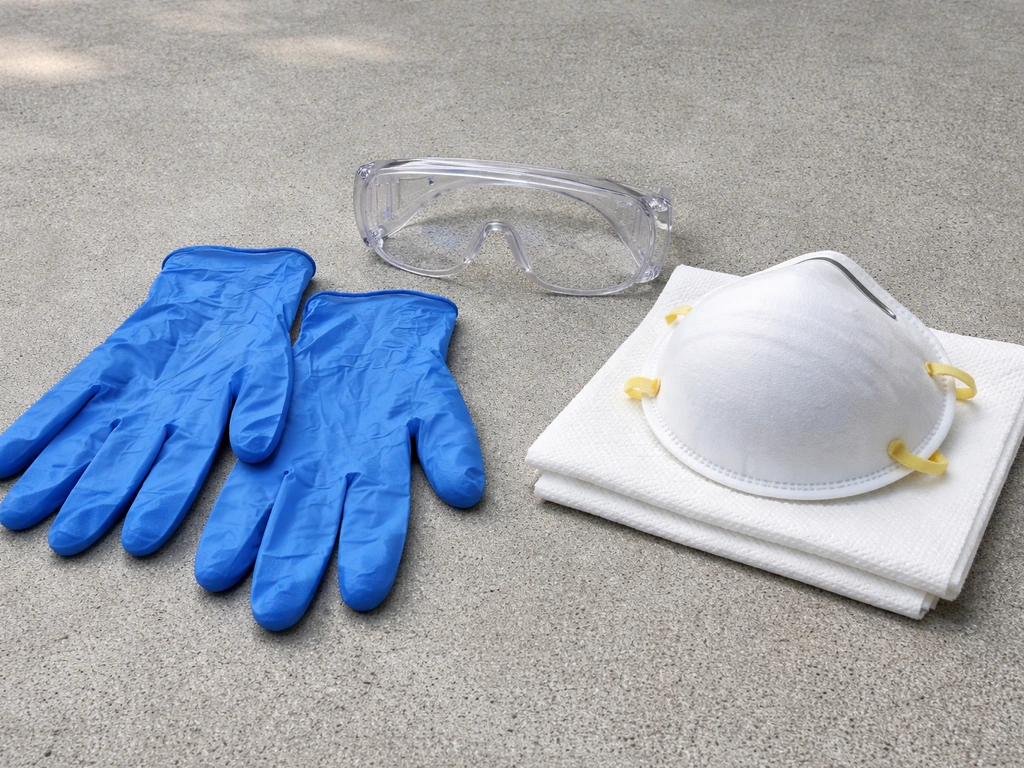
- Disposable gloves (nitrile or latex) — never handle droppings with bare hands
- An N95 respirator if you're cleaning a significant accumulation, an enclosed space like an attic, or if there's any dust involved. OSHA recommends N95 respirators as part of respiratory protection when cleaning surfaces contaminated with bird excrement. For a single fresh splat on a car, a regular dust mask is fine.
- Safety glasses or goggles if cleaning in an enclosed space or overhead surface
- Old clothes or a disposable coverall if you're doing a big cleanup, so you can wash or discard them immediately after
Step-by-step cleanup for small areas (cars, patios, balconies)
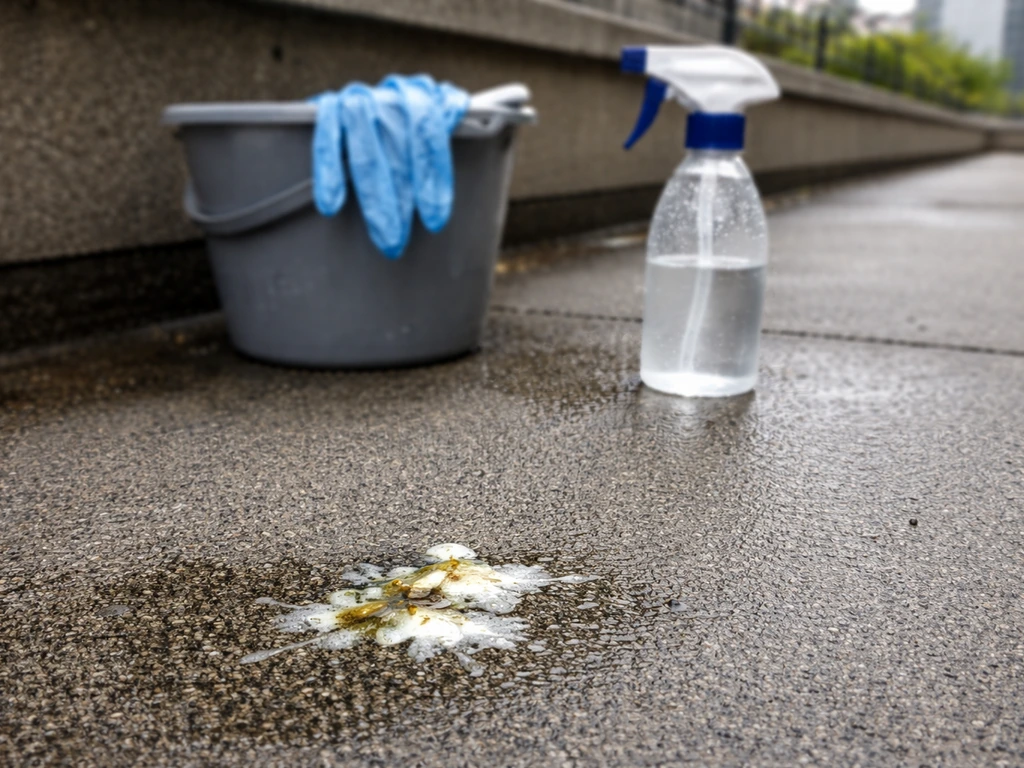
- Wet the droppings first with water or a diluted disinfectant spray. Let it soak for a minute or two to soften and suppress dust.
- Wipe up with disposable paper towels or rags you'll throw away. Work from the outside of the spot inward to avoid spreading.
- Bag the waste in a plastic bag, seal it, and dispose of it in the regular trash.
- Apply a disinfectant to the surface. For most outdoor hard surfaces, a diluted bleach solution (1 part bleach to 20 parts water) is effective and inexpensive. For car paint, use a car-safe disinfectant or pH-neutral soap to avoid etching the clear coat.
- Allow the disinfectant to remain wet on the surface for the contact time listed on the product label. Disinfectants don't work if you wipe them off immediately.
- Rinse with clean water if needed (especially on cars or food-prep surfaces).
- Remove gloves by turning them inside out, bag them, and wash your hands thoroughly with soap and water for at least 20 seconds.
Large accumulations: attics, rooftops, vents, old nesting sites
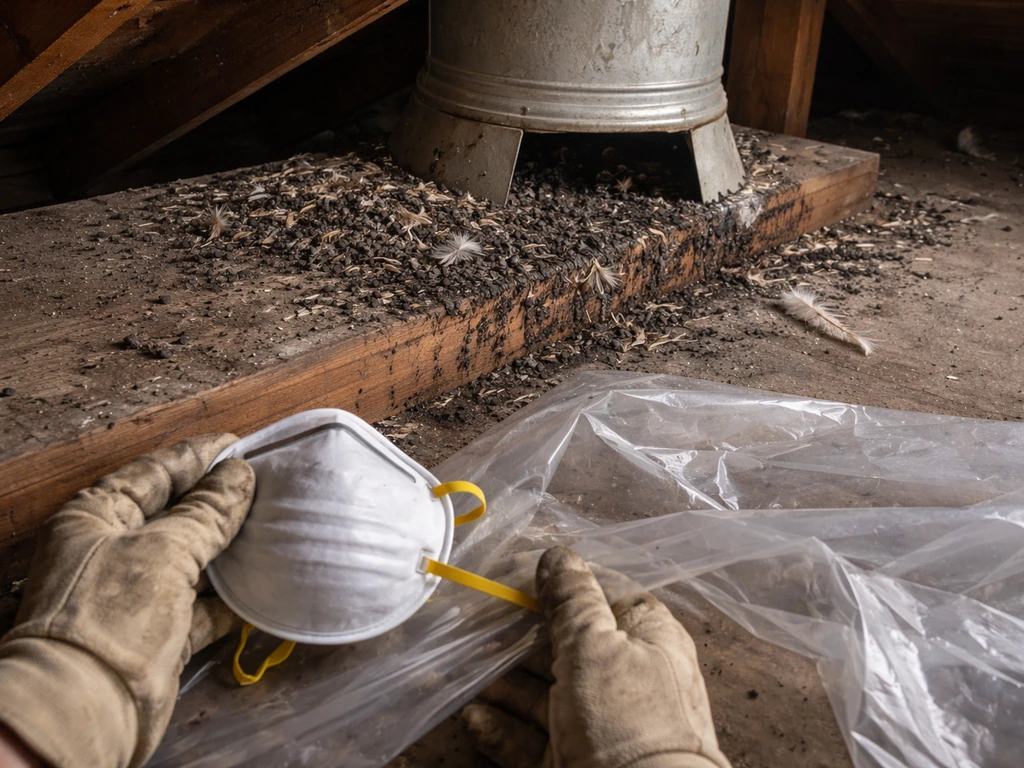
If you're dealing with years of accumulated droppings in a confined space, this is where the CDC and NIOSH guidance kicks in hard. Large accumulations may genuinely require a professional hazardous-waste company. If you're handling it yourself, full N95 or higher respiratory protection is essential, along with goggles, gloves, and disposable coveralls. Wet everything down thoroughly before disturbing it. Work when it's not windy, because wind defeats your dust suppression. Don't vacuum dry droppings (vacuums can't be adequately cleaned afterward and redistribute particles into the air). Bag everything, seal it, and ventilate the area thoroughly when done. If you're in a region where histoplasmosis is endemic (Mississippi and Ohio River valleys in the US have higher natural Histoplasma prevalence), treat even moderate accumulations with extra caution.
Pet bird cages and indoor enclosures
The CDC recommends wetting cage surfaces with water or disinfectant before cleaning, specifically to prevent psittacosis. Never dry-sweep cage liners. Use gloves, wash your hands after every cage cleaning session, and don't eat or drink while cleaning. If your bird is showing signs of illness (fluffed feathers, lethargy, discharge from eyes or beak), wear a mask during cleaning and get the bird to a vet promptly. Sick birds shed significantly more pathogen in their droppings and respiratory secretions.
How to prevent bird droppings from becoming a recurring problem
If you're constantly cleaning up after birds on your car, balcony, or property, prevention is worth more than repeated cleanup effort. Birds return to the same spots because those spots offer something they want: roosting surfaces, food, water, or shelter.
- Physical deterrents work best for ledges and rooftop edges: bird spikes, bird wire systems, and sloped covers on flat surfaces make landing uncomfortable. These are humane and highly effective.
- Reflective tape, owl decoys, and predator kites have limited effectiveness because birds habituate to them quickly. If you use them, move them regularly.
- Remove food sources: secure trash, remove fallen fruit, and bring in pet food bowls that might attract birds.
- Cover or remove birdbaths and feeders temporarily if you're dealing with a nuisance bird problem. Once the attraction disappears, roosting frequency often drops.
- For carports and garage areas, netting across the opening keeps birds out effectively.
- If you have backyard poultry, maintain clean coops, remove manure regularly, and wash hands before and after every coop visit. Keep kids from handling poultry unsupervised, since the hand-to-mouth Salmonella route is especially easy for young children.
- Don't let droppings accumulate. A spot cleaned weekly never becomes a large accumulation, and that's the threshold where the health risk profile changes significantly.
The good luck thing: what to actually believe
In a lot of cultures, getting hit by bird poop is considered a sign of good luck or incoming wealth. The Russian and Turkish traditions are particularly enthusiastic about this, and honestly, the rationalization makes sense: if it happened to you and you're fine, of course you want to find the silver lining. There's something genuinely disarming about the randomness of it.
Here's the thing though: the belief that it's lucky doesn't change what's in the droppings. Washing up thoroughly is still the move, lucky omen or not. If bird poop is stuck on feathers, clean the area gently and avoid shaking them so you don't spread dried droppings into the air wash your hands thoroughly. You can absolutely choose to see it as a good sign, smile at the absurdity, and then go wash your hands. Those two things are not in conflict. The superstition is about attitude and meaning; the hygiene is about biology. Both can coexist just fine.
Where the superstition becomes a problem is if it makes someone feel like washing up would somehow cancel the luck, or that because it's a 'blessing' there's no need to be careful. That's the one place to push back. The luck (if you believe in it) already happened the moment the bird chose you. Soap and water won't undo that.
The bottom line on bird poop risk
For most people in everyday situations, bird poop is a nuisance that becomes a low health risk if you handle it sensibly: wet it before cleaning, wear gloves, wash your hands, and don't breathe in dust from large dry accumulations. Bird poop is sometimes used as a fertilizer, but it should be aged or composted properly to reduce health risks before applying to edible plants bird poop good for plants. The scenarios that cross into genuine medical territory are eye or mouth exposure (worth a medical call), inhaling large amounts of dried aerosolized droppings (watch for respiratory symptoms and mention exposure to your doctor), and being immunocompromised with repeated exposure. If you got bird poop in your eye, rinse promptly and seek medical advice if irritation or symptoms persist eye or mouth exposure. If you have specific concerns about eye exposure or find yourself dealing with related issues like droppings getting on skin in sensitive areas, those deserve their own careful attention. The practical steps here will handle the vast majority of real-world situations you're likely to encounter.
FAQ
What should I do if bird poop gets in my eye or on my contact lenses?
If it hits your eye, rinse immediately with clean running water or sterile eyewash for at least several minutes, remove contact lenses if you wear them, and avoid rubbing. Call a healthcare provider urgently if you have persistent redness, pain, light sensitivity, discharge, or vision changes, especially after a dusty cleanup or from a large accumulation.
Do I need a mask, and is an N95 enough for bird poop cleanup?
N95 or higher is generally preferred for dried droppings because the concern is inhaling particles when they aerosolize. If you are dealing with a small fresh splat, a respirator is usually unnecessary, but for attic or rooftop cleanup, use full respiratory protection plus eye protection, gloves, and disposable coveralls, and wet everything before you disturb it.
Can I just spray disinfectant on droppings instead of wetting them first?
If you have to use a disinfectant, pre-wet first and apply the disinfectant so it soaks surfaces rather than misting dry material. Also note that disinfectants do not replace wetting and PPE for airborne-risk situations, and you should dispose of materials as sealed waste rather than letting treated droppings dry out again.
Why is dry vacuuming discouraged, and what should I do instead?
Avoid dry vacuuming of dried droppings. Standard household vacuums can aerosolize particles and you cannot reliably decontaminate the machine afterward. For cleanup projects, use wetting and bagging, and if vacuuming is unavoidable, it should be done only with appropriate equipment designed for contaminated particulate cleanup.
Does having a weakened immune system change what I should do about bird poop health risks?
If you are immunocompromised, treat any significant droppings accumulation as higher risk because your body may not control inhaled fungal spores or other pathogens as effectively. For small, isolated hits you can often manage with prompt washing and minimal disturbance, but for roosting areas, prolonged exposure, or any dusty cleanup, professional remediation is the safer default.
If I wear gloves, do I still need to wash my hands every time?
Wearing gloves is helpful, but it is not a full solution. You can contaminate the outside of gloves, then touch your face or phone. Do a dedicated glove removal step (peel off without snapping), wash hands thoroughly immediately after, and do not eat or drink while wearing gloves during cleaning.
How big of a risk is bird poop for kids, especially around bird feeders or birdbaths?
Yes, depending on the situation. A child who touches droppings and then touches food, mouth, or hands-on surfaces is at higher risk for fecal-oral bacterial illness. Focus on hand hygiene, supervise play around feeders or birdbaths, and clean feeding and bathing areas regularly to reduce build-up before it dries.
What’s the safest way to clean bird feathers, cages, or doormats with visible dried droppings?
Don’t shake feathers, cages, or doormats to “dislodge” droppings, because shaking increases airborne dust from dried material. Instead, mist with water or disinfectant solution so it stays wet, gently remove debris, and bag it. If the bird is involved, postpone handling and address the source of contamination.
Do I need to get any tests or see a doctor after bird poop exposure?
Test results are usually unnecessary for casual exposure. Seek medical advice if you develop fever plus respiratory symptoms, eye or persistent mouth symptoms after exposure, or if you are in a high-exposure setting like prolonged cleanup of large accumulations. Mention the type of exposure (inhalation from dried dust, eye splashes, or extensive handling) so clinicians can decide if testing is warranted.
Does cleanup risk change if the droppings are outdoors versus in an attic or garage?
If you are cleaning an outdoor area, you generally reduce risk by keeping people away from dusty zones and avoiding activities that stir up dry material (like sweeping). For bird roosts on porches or balconies, wetting before removal and using sealed bagging still matter, and windier days increase the chance of dust drift indoors.
What’s the safest way to handle bird droppings intended for composting or garden use to reduce health risks?
For plant-related use, properly age and compost material before applying, especially if it will touch edible portions. Avoid using fresh droppings on plants you will eat soon, and keep application away from areas where runoff can splash onto salads or low crops.
If avian influenza is a concern, when should I seek medical care after exposure?
Treat it as medically urgent if symptoms occur within about 10 days after significant exposure to sick or dead birds, particularly fever and respiratory symptoms or eye irritation. If you have such symptoms after a high-risk poultry or waterfowl exposure, contact a healthcare provider promptly and disclose the exposure history.