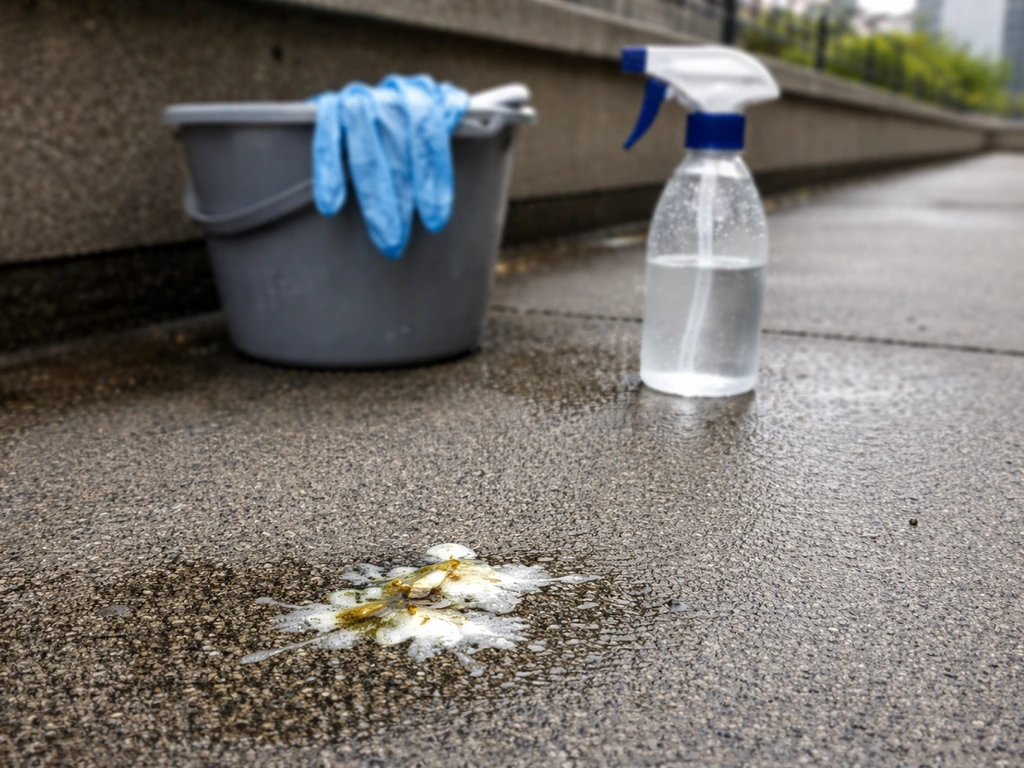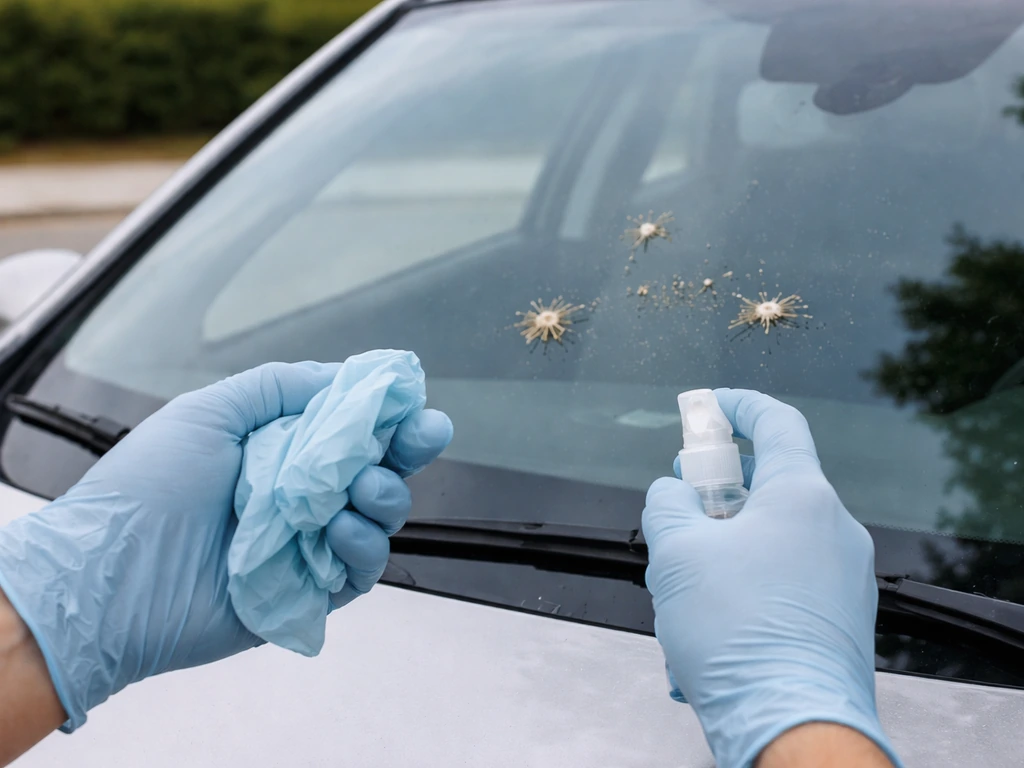
If bird poop is stuck on or around your anus, you can almost certainly clean it off safely at home with warm water and a gentle cleanser, and the realistic health risk from a single skin contact exposure is low. That said, the perianal area is sensitive skin, so how you remove it matters, and there are a handful of specific warning signs that should send you to a clinician. If you are dealing with ongoing bird poop problems, the best next step is figuring out the source and using cleanup and aftercare that protect sensitive perianal skin.
Bird Poop Stuck on Anus Pictures: Safe Cleanup and Risks

Marcus Fielding
2 May 2026
What bird poop on or near the anus actually looks like
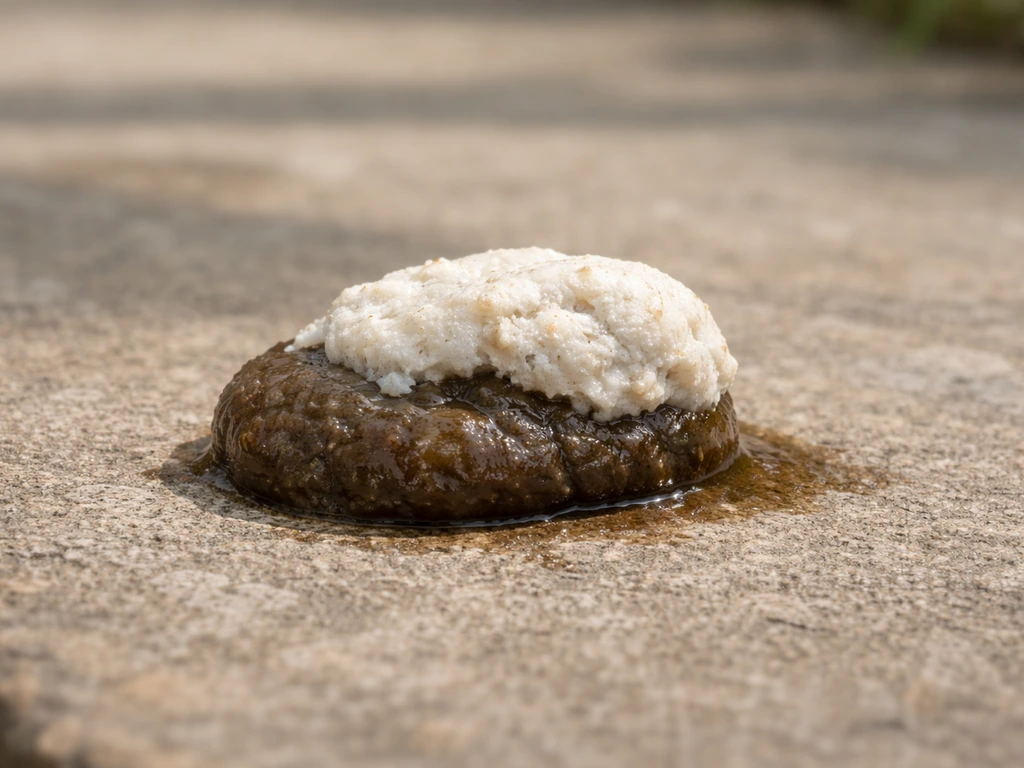
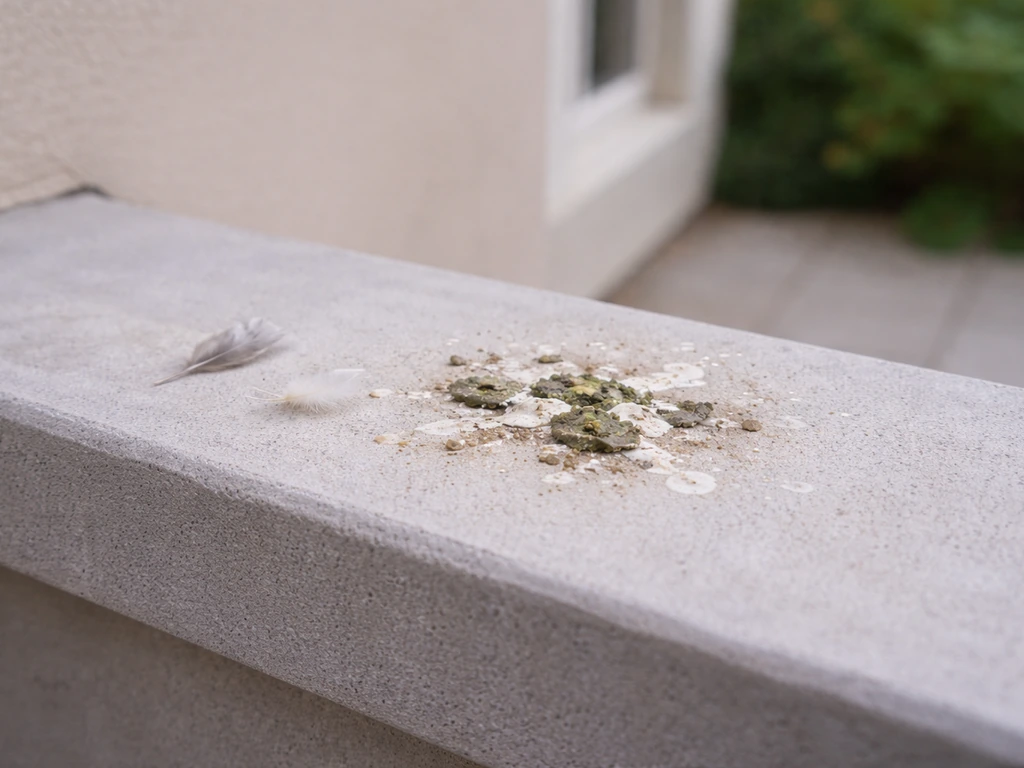
Bird droppings usually have a recognizable two-part appearance: a darker, semi-solid fecal component (brown, green, or black depending on the bird's diet) and a chalky white or off-white paste alongside it. That white part is urate, not feces. Birds excrete everything through a single opening called the cloaca, so urine, uric acid, and solid waste all exit together and dry as one deposit. On skin, fresh droppings look wet and smeared, while dried ones form a crusty, slightly gritty layer that can stick to hair and skin.
If you are seeing something stuck near your anus and wondering whether it is bird droppings, look for that characteristic two-tone mix: dark material plus white or pale residue. It may have been deposited while you were sitting outdoors, using a public toilet near a bird roost, on a park bench, or from contact with a pet bird. The area may feel mildly itchy or uncomfortable simply from the physical irritation of dried material against sensitive skin.
When what you see could be something else (and when to act fast)
Not everything stuck near the anus is bird droppings, and it is worth a quick honest look before you assume. Perianal abscesses, skin tags, external hemorrhoids, or irritated skin can all look inflamed or produce discharge that you might not immediately recognize. A perianal abscess typically presents as a swollen, tender boil-like lump near the anus, sometimes with pus-like discharge, and it requires medical attention rather than home cleanup. If what you are seeing is accompanied by a hard or painful lump, pus, significant bleeding, or fever, do not try to clean it off and move on. Go see a clinician.
Immediate safety steps before you start cleaning
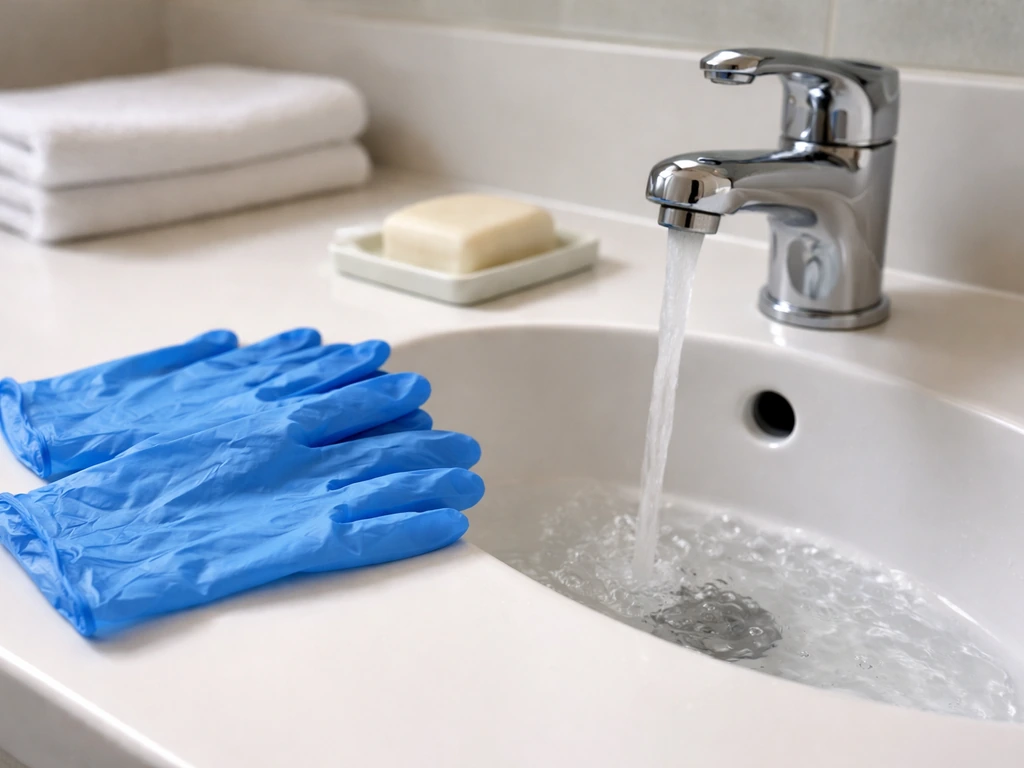
Before you touch the droppings, your hands are the single most important thing to protect. Wash your hands thoroughly or put on disposable gloves if you have them. This matters because bird droppings can carry pathogens, and your hands are the most likely vector for spreading anything from the droppings to your face, eyes, or mouth. Keep your face away from the affected area while cleaning, especially if the droppings are dried and crumbly. Dried droppings can become aerosolized dust, and inhaling that dust is actually the most common route of infection for respiratory illnesses like psittacosis and histoplasmosis, not skin contact.
- Put on disposable gloves before handling anything contaminated, or wash hands thoroughly before and immediately after
- Do not pick at or scrape dried droppings dry: dampen them first to avoid releasing dust into the air
- Avoid touching your face, mouth, or eyes during the process
- Keep children and pets away from the area until cleanup is complete
- Do not use bleach, alcohol, or harsh disinfectants directly on perianal skin
How to actually remove bird droppings from sensitive perianal skin
The perianal area is some of the most sensitive skin on your body. It does not tolerate harsh scrubbing or aggressive chemicals, and irritating it while trying to clean off bird poop will just add a new problem on top of the original one. The goal is gentle, effective removal that keeps the skin barrier intact.
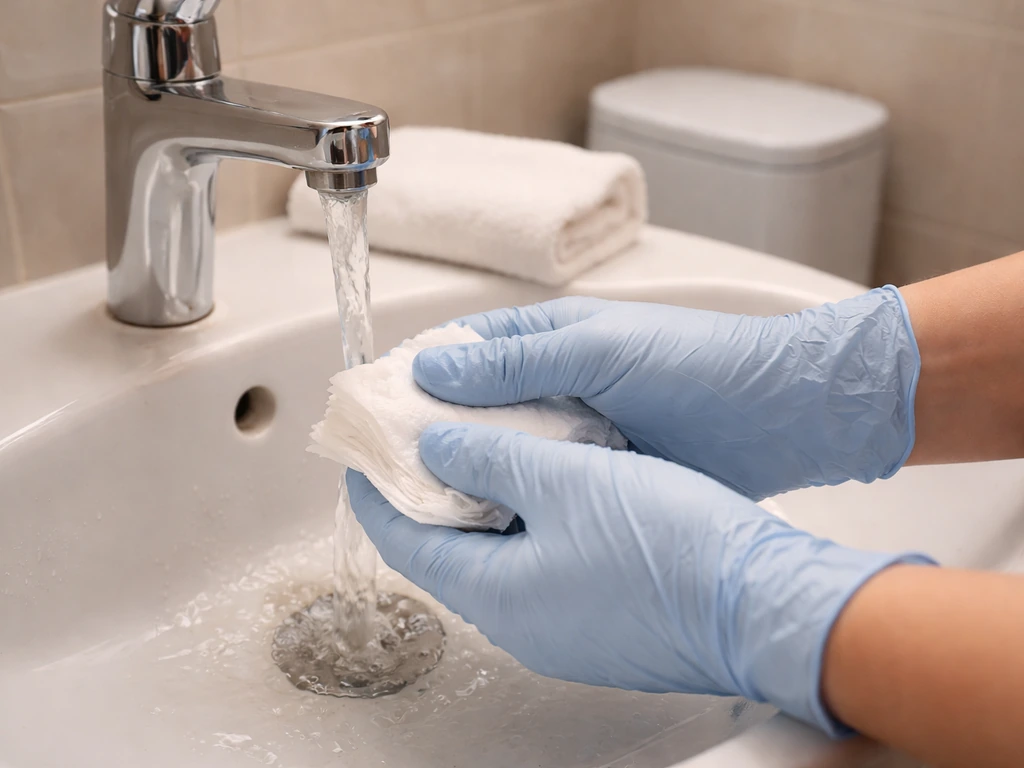
- Soften the droppings first: apply warm (not hot) water to the area with a soft cloth, cotton pad, or handheld bidet stream. Let the water sit for 30 to 60 seconds to rehydrate and loosen any dried material. This is the key step that makes removal easy and prevents micro-abrasions from scraping.
- Use a gentle, fragrance-free cleanser: a mild soap or pH-balanced intimate wash applied to a soft cloth or damp tissue works well. Avoid anything with strong fragrance, alcohol, or antiseptic ingredients like tea tree oil directly on this skin.
- Wipe in one direction: use a front-to-back motion with soft, gentle strokes. Do not scrub back and forth. Replace the cloth or tissue with a fresh one after each wipe rather than spreading the material around.
- Rinse thoroughly with tepid water: make sure all soap and loosened material is fully rinsed away. Residual soap can itself cause irritation on sensitive perianal skin.
- Pat dry gently: use a clean, soft towel or unscented toilet tissue. Do not rub dry.
- Wash your hands again with soap and water for at least 20 seconds after you finish.
If you have a bidet or handheld shower attachment, this whole process is easier and more comfortable than manual wiping. A gentle stream of warm water does most of the work without any friction on the skin. DermNet NZ specifically recommends cleansing the perianal area with tepid water and avoiding excessive rubbing, which aligns with exactly this approach.
Disinfecting everything else that touched the droppings
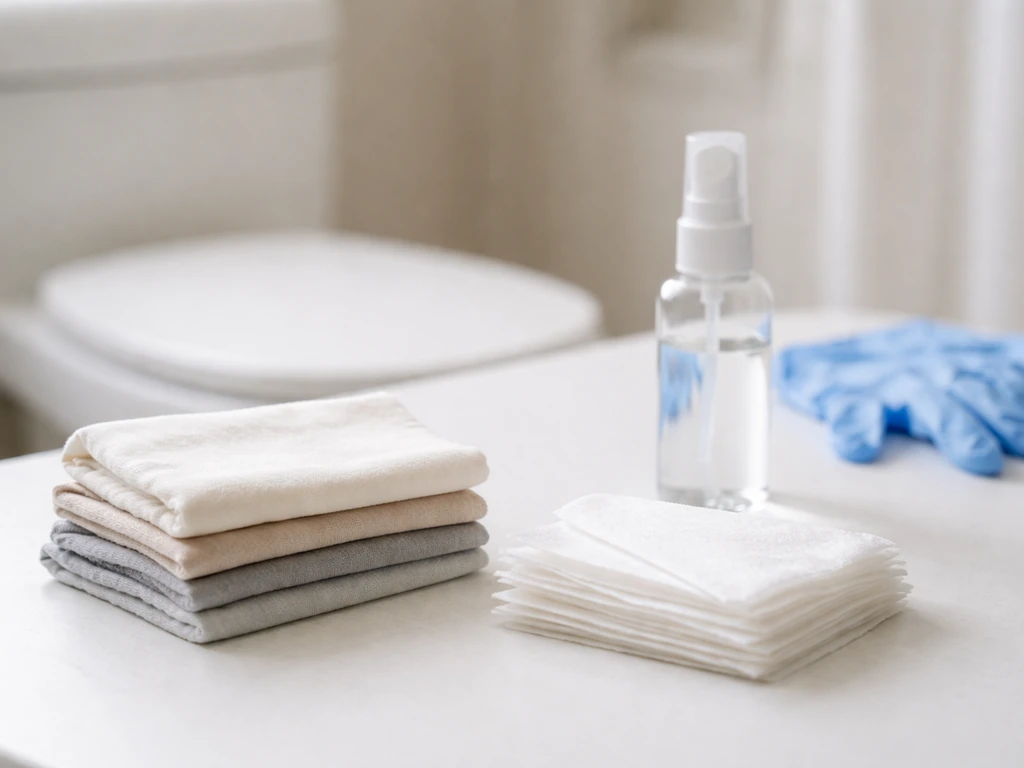
Your skin is handled, but anything else that came into contact with the droppings needs proper attention too, including clothes, underwear, wipes, toilet seat surfaces, and anything else nearby.
Clothes, underwear, and bedding
Wash contaminated clothing and bedding with warm water and regular laundry detergent. You do not need a special protocol here: CDC infection-control guidance confirms that household textiles generally do not require separate laundering or special handling beyond normal washing with detergent and appropriate water temperature. Keep contaminated items separate until they are washed, and handle them without pressing them against your body or face. If items have visible dried droppings, shake them out outdoors rather than indoors to avoid releasing dust inside.
Toilet seat, hard surfaces, and wipes
For hard, non-porous surfaces like a toilet seat, use a household disinfectant spray or diluted bleach solution. The CDC recommends a 1:10 dilution of household chlorine bleach for environmental disinfection. Apply it, and crucially, let it stay wet on the surface for at least one minute before wiping it off. A disinfectant only works if the surface stays wet long enough to actually kill pathogens. Used wipes and tissues should go directly into a sealed bin or bag. Do not leave them sitting open.
Your hands and anything else you touched during cleanup
Think through what your hands touched after contact and before you washed them: door handles, taps, phone screen, clothing. Wipe those down with a disinfectant wipe or spray, especially if you touched them before your post-cleanup handwash.
Realistic health risks of bird droppings near or on your body
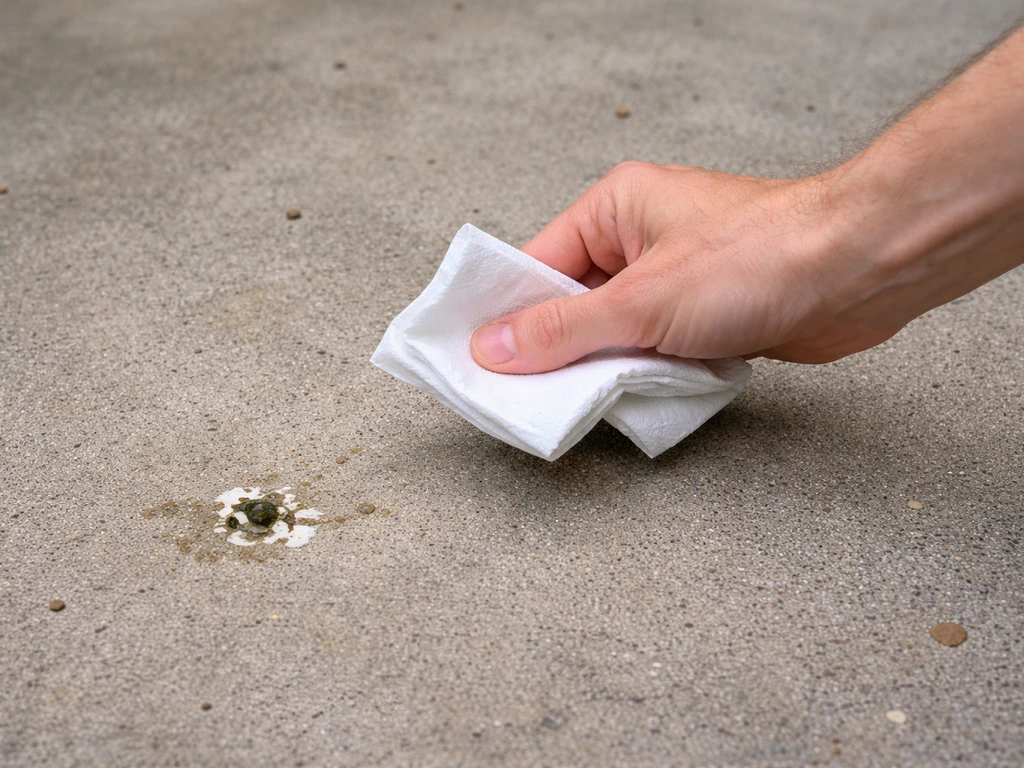
The honest picture here is that bird droppings on intact skin are low risk for most healthy adults, but they are not zero risk, and the anal/perianal area warrants a bit more attention than, say, a drop landing on your forearm. Bird droppings also pose related bird poop health risks if you disturb dried material or your skin barrier is compromised.
How bird droppings actually spread disease
The main infection routes for the two biggest bird-dropping concerns, psittacosis (a bacterial infection from Chlamydia psittaci) and histoplasmosis (a fungal infection), are both primarily respiratory. Both are acquired by inhaling dust or aerosolized particles from dried droppings, not through skin contact. Direct inoculation, meaning getting infected through a skin wound or mucous membrane contact, is possible but significantly less common. That means your biggest risk when dealing with bird droppings is always the handling and disturbance of dried material, not the initial skin contact. This is the same logic behind why bird flu prevention guidance from the CDC advises against touching surfaces contaminated with bird droppings, particularly around birds with confirmed or suspected infection.
Skin irritation is a more immediate and realistic concern for the perianal area than infection. Bird droppings are mildly acidic and contain uric acid, ammonia-like compounds, and bacteria. On sensitive perianal skin, especially if it stays in contact for an extended period or if the skin barrier is already compromised, this can cause contact irritation, redness, and breakdown of the skin barrier, which in turn raises the risk of secondary infection. Prolonged wet or irritant exposure damaging the skin barrier is a well-documented contributing factor in perianal dermatitis.
Warning signs that need medical attention
Most people who clean off bird droppings from this area promptly and properly will have no further issues. But you should contact a clinician if you notice any of the following:
- Persistent or worsening burning, stinging, or pain in the perianal area after cleaning
- Redness, swelling, or a boil-like lump that develops or worsens over the following 24 to 48 hours
- Any pus-like, yellow, or green discharge from the area
- Bleeding that is not clearly explained by a known hemorrhoid or fissure
- Fever or chills developing within a few days
- Significant itching that does not resolve, which could indicate a skin infection
- You are immunocompromised, pregnant, or have a chronic illness that affects your immune response
If you are immunocompromised for any reason, the threshold for checking in with a doctor should be lower. Infections that healthy adults shrug off can escalate more quickly in people with compromised immune systems, so do not wait for multiple warning signs to stack up.
Aftercare, prevention, and when you genuinely need a clinician
Keeping the area comfortable after cleanup
Once the area is clean, keep it dry and let it breathe as much as is practical. Avoid tight-fitting underwear or occlusive synthetic fabrics for the rest of the day, since trapped moisture and friction are known contributors to perianal skin irritation. A thin layer of a barrier cream like plain petroleum jelly can protect the skin if it feels irritated after cleaning. If you notice mild redness, a lukewarm bath without any added products can soothe it. Do not apply antiseptic creams, hydrogen peroxide, or alcohol-based products to perianal skin as a precaution: they do more damage than they prevent on already-sensitive tissue.
Avoiding re-contamination
If the source of the droppings was a pet bird, identify how the exposure happened and address it. Pet birds should have designated areas that limit their access to spaces where this kind of contact can happen. If the exposure was from a public space, bench, outdoor toilet, or similar, it is a good reminder that wiping surfaces before use is always reasonable in bird-heavy areas. You do not need to be paranoid, but a quick check and a travel wipe cost nothing.
When to see a clinician (not just for emergencies)
Beyond the emergency warning signs listed above, it is reasonable to check in with a clinician if you had prolonged exposure (the droppings were there for hours rather than minutes), if the skin was already broken or irritated before the exposure, or if you are simply worried and cannot get peace of mind without a professional opinion. That is a completely valid reason to make an appointment. A quick telehealth call can often be enough to rule out concerns without a full in-person visit. Bird droppings carry genuine but manageable health risks, and the same logic applies whether you are dealing with droppings on your skin, on your car, or splashed near your eye: prompt, appropriate cleanup removes the majority of the risk. If you have bird poop stuck on feathers, the same kind of hygienic cleanup and avoiding airborne dust can help you stay safe bird droppings carry genuine but manageable health risks. Bird droppings can also be used as a plant amendment, but only after you handle and compost them properly to reduce health risk. If bird poop gets in your eye, rinse it promptly with clean water or sterile saline and get medical advice urgently if you have pain, redness, or trouble seeing.
One more thing worth knowing: the health risks discussed here (psittacosis, histoplasmosis, avian influenza) are primarily associated with regular, repeated exposure to bird environments or disturbing large accumulations of dried droppings, not a single accidental skin contact. A one-time exposure that you clean off promptly is a very different situation from, say, cleaning out an old attic full of dried pigeon droppings without a mask. Keep that perspective, handle the cleanup sensibly, watch for the warning signs, and you will almost certainly be fine.
FAQ
Do I need to see a doctor or get tested after bird poop touched my perianal skin?
If the droppings were only on intact skin and you cleaned it off right away, you usually do not need tests or antibiotics. Instead, monitor the area for irritation over the next 24 to 48 hours (increasing redness, swelling, pus, fever, or worsening pain) and seek care if those appear, or sooner if you are immunocompromised.
What should I avoid while cleaning bird poop stuck on or near the anus? (Bleach, wipes, or scrubbing?)
Avoid friction and harsh products. Do not scrub, use alcohol, hydrogen peroxide, or strong antiseptics, and do not use fragranced wipes. If you need extra cleansing, use warm water, a gentle unscented cleanser, and pat dry with clean tissue or a soft cloth.
How do I handle underwear, towels, or bedding if there are dried droppings on them?
Yes, but do it safely: if items have visible dried droppings, take them outside and shake gently to remove debris before bringing them indoors. Then wash with normal laundry detergent and the warmest temperature safe for the fabric, and dry fully.
What if my skin barrier was already compromised (cracks, hemorrhoid flare, or an open sore) when the bird poop touched me?
If the skin is already broken, the contact risk for infection rises because pathogens can enter through open skin. Clean gently with warm water, rinse well, and consider a clinician call the same day if you have a cut, rash, or significant cracks, especially if redness spreads.
Can I use barrier creams after cleanup, and when should I apply them?
It is usually fine to clean, then wait to apply protective products until the skin is dry. A thin layer of plain petroleum jelly can reduce friction, but avoid heavy occlusion for long periods, since trapped moisture can worsen perianal dermatitis.
Can I disinfect the perianal area with diluted bleach if bird poop is stuck there?
Do not. Bleach and other strong disinfectants are meant for hard, non-porous surfaces. If you put them on perianal skin you increase irritation and barrier damage. For skin, use only warm water and gentle cleanser, then pat dry.
I touched the area with my bare hands, what should I do next to avoid spreading contamination?
If you already touched the area, stop and wash hands thoroughly with soap and warm water for at least 20 seconds before touching your face, bathroom surfaces, or phones again. If you wore gloves, remove them carefully and still perform hand hygiene afterward.
Does cleaning create infection risk if the droppings are dried and crumbly?
Yes. Since many respiratory risks come from disturbing dried material, keep the area damp while cleaning when possible and avoid blowing, sweeping, or vigorous shaking near the toilet or on clothing. If you must remove crusty bits from fabric or hard surfaces, do it slowly and outside when practical.
When does ‘it’s just irritation’ stop and become a possible abscess or hemorrhoid problem?
If you have symptoms like worsening pain, a hard tender lump, significant bleeding, fever, or foul discharge, do not treat it as a cleanup issue. Those can suggest an abscess or other condition, and delaying care can make it harder to treat.
How long should I watch for symptoms after cleaning bird droppings from the anus area?
For most people, the key timeline is the first 1 to 2 days after exposure. Seek medical advice if symptoms start quickly and worsen (spreading redness, swelling, pus), or if you develop fever or feel systemically unwell.
What if bird poop gets into my eye while I’m cleaning?
If you get bird droppings in the eye, rinse immediately with clean water or sterile saline for several minutes and avoid rubbing. Get urgent medical advice if there is pain, persistent redness, or trouble seeing, even if the amount seemed small.
After cleanup, do I need to change my routine or avoid certain activities?
If you clean off the droppings promptly and the skin looks intact, you typically do not need to avoid all daily activities. For the rest of the day, choose breathable underwear and avoid tight clothing, because friction and moisture are the main drivers of perianal irritation.