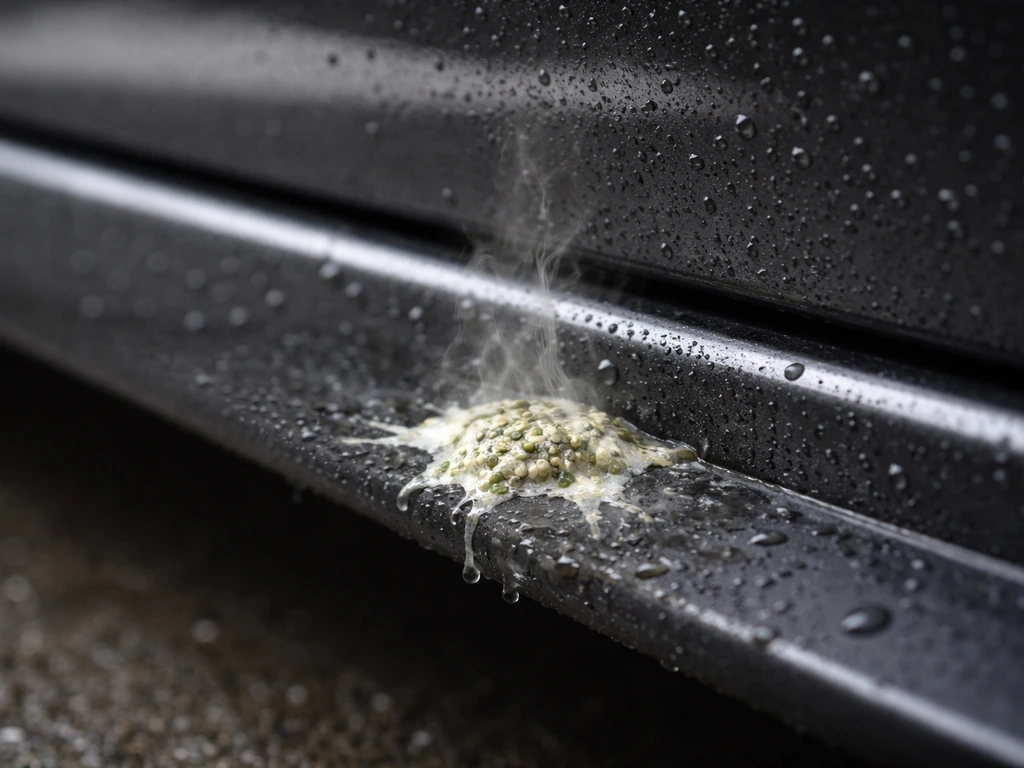
Bird poop typically smells like a mix of ammonia and something faintly fecal or musty. If you want real-world comparisons like people share on what does bird poop smell like reddit, the ammonia and musty-fecal notes are the common theme. Fresh droppings from a single bird are usually mild enough that you might barely notice them. The smell gets sharper, more ammonia-heavy, and genuinely unpleasant when droppings dry out, accumulate in a confined space, or start breaking down over time. If you've gotten some in or near your mouth by accident, the taste is similarly harsh and acidic, and that's your cue to rinse immediately and follow a few sensible steps. Here's what's actually going on, how worried you should be, and what to do next.
What Does Bird Poop Smell Like, and Is It Safe?

Marcus Fielding
23 Apr 2026
How bird poop smells (and why it smells that way)
The smell comes from two main sources working together. First, birds don't urinate separately the way mammals do. They excrete nitrogen waste as uric acid and urates, mixed right in with their fecal matter. That uric acid chemistry is part of what gives fresh droppings a sharp, faintly acidic, urine-like edge. Second, gut bacteria break down proteins and amino acids in the digestive process, producing compounds like indole, skatole (3-methylindole), and volatile sulfur compounds. Skatole in particular is one of the primary chemicals responsible for that classic fecal odor, and it has a remarkably low odor threshold, meaning your nose picks it up even in tiny concentrations.
Diet plays a real role in how strong the odor is. Fruit-heavy diets tend to produce softer, more pungent droppings. Seed-based diets often produce drier, less intensely smelly waste. A bird that's been eating fish or protein-rich food will leave behind something noticeably sharper. Species matters too: pigeons and starlings that roost in groups tend to produce the most intense, ammonia-heavy accumulations, while a single backyard sparrow landing on your car roof is barely a blip on the smell scale.
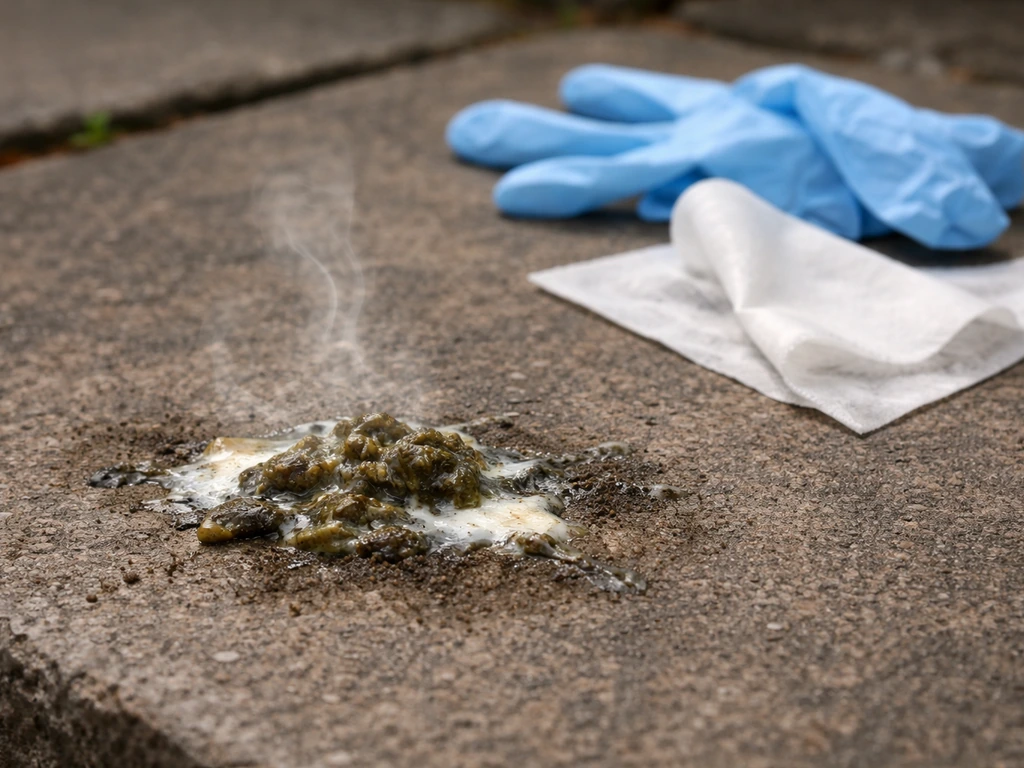
Age of the droppings changes things significantly. Fresh droppings are typically mild. As they dry out, volatile ammonia compounds concentrate and the smell intensifies. In enclosed spaces like attics, barns, or under bridges where birds roost repeatedly, the buildup becomes genuinely harsh. That accumulated, aged-droppings smell is the one most people remember: sharp, musty, and distinctly unpleasant. If you keep seeing droppings in enclosed spots, this is the kind of buildup that can make what does bird poop smell like in the house feel worse over time.
What bird poop tastes like if it accidentally gets in your mouth
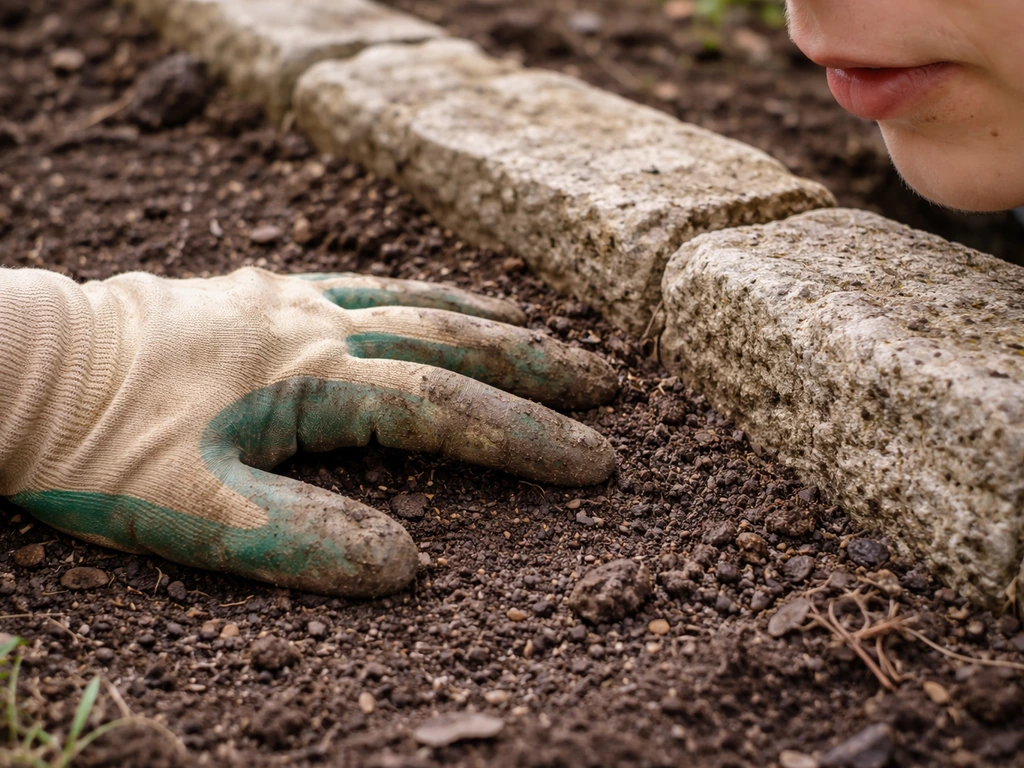
Nobody's taste-testing this deliberately, but accidental mouth contact happens: a bird overhead, a hand-to-mouth moment while gardening, or touching a contaminated surface and then eating. The taste roughly mirrors the smell. You'd expect something acidic, bitter, and faintly ammonia-like. There may be a slightly salty or chalky quality from the urate component (that white paste in droppings is largely uric acid salts). Older, dried droppings disturbed into dust can have a stale, musty flavor note. None of this is remotely pleasant, and your instinct to immediately spit and rinse is exactly right.
The taste experience itself isn't the real concern. What matters is what might be in the droppings beyond uric acid, and that's covered below. If you're wondering whether you'll get sick from a small incidental mouth exposure, the honest answer is: probably not, but it depends on several factors, and there are straightforward steps to take right now.
What's actually in bird droppings (and what drives the odor)
Bird droppings are technically three things combined: fecal matter, urates, and a small amount of urine, all expelled together through a single opening called the cloaca. The white or cream-colored paste is mostly urates (uric acid salts). The darker portion is the actual fecal component. The liquid is minimal but present. Each of these contributes to the overall odor chemistry.
| Component | What it is | Odor contribution |
|---|---|---|
| Fecal matter | Undigested food, gut bacteria, metabolic waste | Fecal/musty notes via indole, skatole, sulfur compounds |
| Urates | Uric acid salts (nitrogen excretion) | Sharp, acidic, urine-like edge |
| Urine | Small liquid fraction | Mild ammonia character, amplifies as it dries |
| Undigested food | Seeds, fruit, insects depending on diet | Influences intensity and character of overall smell |
| Microbial activity | Bacteria breaking down proteins post-excretion | Increases over time as droppings age; drives stronger odor |
The chemistry gets more complicated as time passes. Microbial breakdown of amino acids like tryptophan produces more skatole and indole as droppings age. Ammonia off-gassing increases. This is why a single fresh dropping is barely noticeable but a roosting site with weeks or months of accumulation can clear a room.
When the smell or taste becomes a health concern
For most people, brief accidental exposure to bird droppings, whether that's a whiff, a splash, or even trace contact with the mouth, carries low immediate risk. If you're wondering whether bird poop smell is dangerous, the main concern is usually what gets airborne when dried droppings are disturbed. But there are real pathogens associated with bird droppings, and it's worth knowing which ones matter and how they actually infect people.
Histoplasmosis
This fungal lung infection is caused by Histoplasma spores that grow in environments where bird (and bat) droppings have accumulated over time. The CDC is clear that the primary risk is breathing in spores when contaminated material is disturbed, for example during cleanup, demolition, or renovation of old buildings with roost sites. A single fresh dropping on your car is not a histoplasmosis scenario. A pile of old dried droppings you're scraping off the patio floor without protection is a different story. Most people who breathe in spores don't get sick, but those who do can develop flu-like symptoms: fever, fatigue, and respiratory symptoms starting one to three weeks after heavy exposure.
Psittacosis (parrot fever)
This bacterial infection, caused by Chlamydia psittaci, most commonly affects people who have regular contact with pet birds or poultry. The route is inhalation of dust or aerosols containing dried bird secretions or droppings, not really swallowing a small amount. Symptoms include fever, headache, and respiratory illness. The CDC notes that with appropriate antibiotic treatment, mortality is uncommon, less than 1 in 100 cases. If you're a pet bird owner who regularly cleans a cage without a mask, this is more relevant to you than a one-off outdoor encounter.
Cryptococcosis and other fungal risks
Cryptococcus fungi can also be present in accumulated bird droppings, particularly pigeon droppings. Like histoplasmosis, the risk is primarily from inhaling dust from disturbed, dried accumulations, not from casual outdoor exposure.
Avian influenza
Bird flu viruses can be shed in feces, saliva, and mucus from infected birds. If you've had direct contact with a sick or dead wild bird and then had mouth contact, the CDC recommends monitoring for illness symptoms including fever, respiratory issues, and eye irritation, and contacting your local health department. This is a specific, lower-probability scenario, but worth knowing.
Red flags that mean see a doctor
- Fever, chills, or flu-like symptoms appearing within 1 to 3 weeks of significant exposure to accumulated or dried droppings
- Respiratory symptoms (persistent cough, chest tightness, shortness of breath) after inhaling dust from droppings
- Eye irritation, redness, or discharge after contact
- Any symptoms following contact with a bird known or suspected to be sick or dead
- Nausea or stomach upset after confirmed mouth contact, especially in young children, elderly individuals, or people who are immunocompromised
What to do right now if you've been exposed
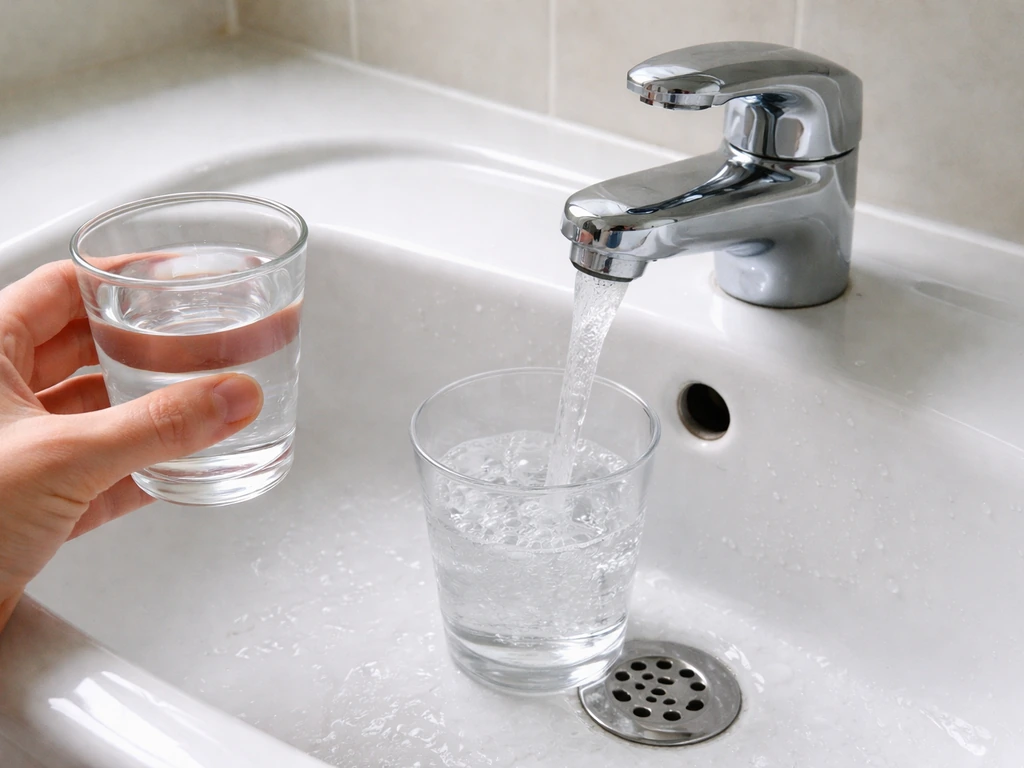
If you've just had a close encounter, whether you smelled strong fumes, got droppings near your mouth, or had prolonged skin contact, here's what to do immediately.
- Spit and rinse: If anything got in your mouth, spit it out, then rinse your mouth thoroughly with water. Do not swallow.
- Wash your hands and face: Soap and water, scrubbing for at least 20 seconds. The CDC specifically advises washing hands immediately after any contact with birds, droppings, or cage items.
- Rinse skin thoroughly: If droppings landed on bare skin, wash the area with soap and water right away.
- Get fresh air: If you were in an enclosed space with strong ammonia fumes from accumulated droppings, move outside immediately and breathe fresh air.
- Call Poison Control if unsure: In the US, you can call 1-800-222-1222 or use webPOISONCONTROL.org. They will walk you through whether the specific exposure warrants any further action. Call even if you currently have no symptoms, because the guidance depends on details like quantity and the person exposed.
- Monitor for symptoms: Watch for fever, cough, or respiratory issues over the next few days to three weeks if the exposure was significant.
- Seek medical attention for serious symptoms: Difficulty breathing, high fever, or anything that feels like a respiratory infection developing should prompt a call to your doctor, with a mention of the bird droppings exposure so they can assess for histoplasmosis, psittacosis, or other relevant conditions.
Safe cleanup for cars, patios, and around your home
The biggest cleanup mistake people make is dry-sweeping or vacuuming dried droppings. Both methods throw particles into the air where you breathe them. Washington State University's environmental health guidance is explicit: never sweep, vacuum, or disturb droppings dry. Bird droppings can also create an inviting food and odor source for insects, which is one reason people want to remove them quickly attract flies. WorkSafe Queensland adds blank" rel="noopener noreferrer">compressed air and high-pressure hosing to the list of methods to avoid for large accumulations, since they aerosolize material just as effectively.
For a fresh dropping on your car
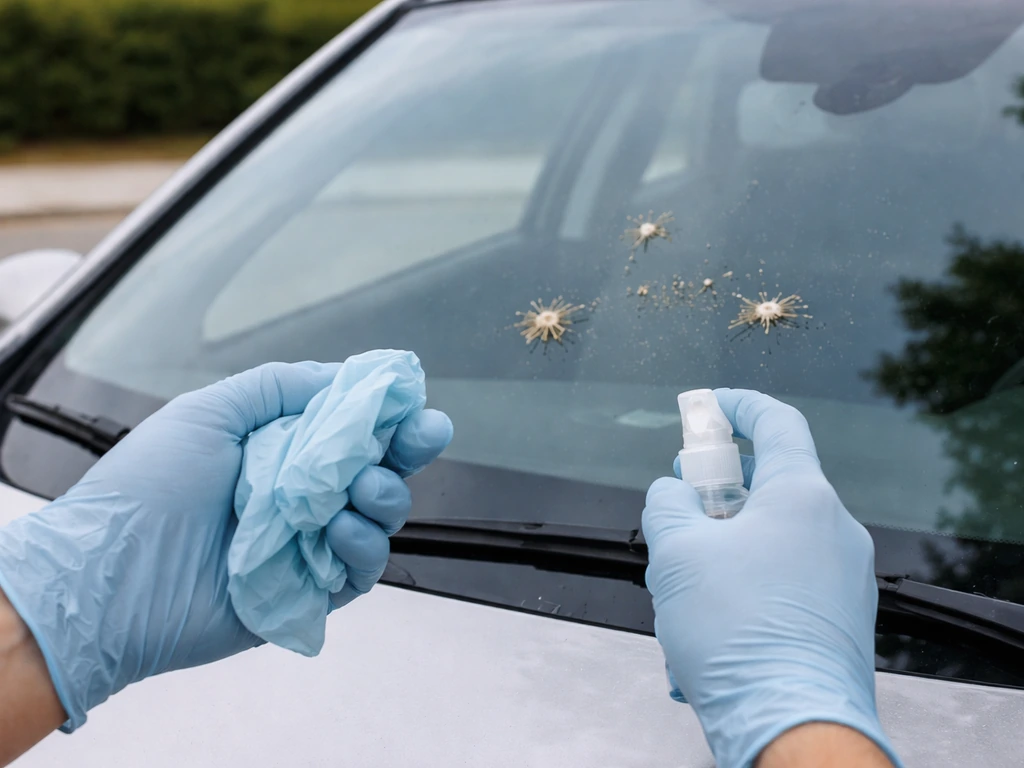
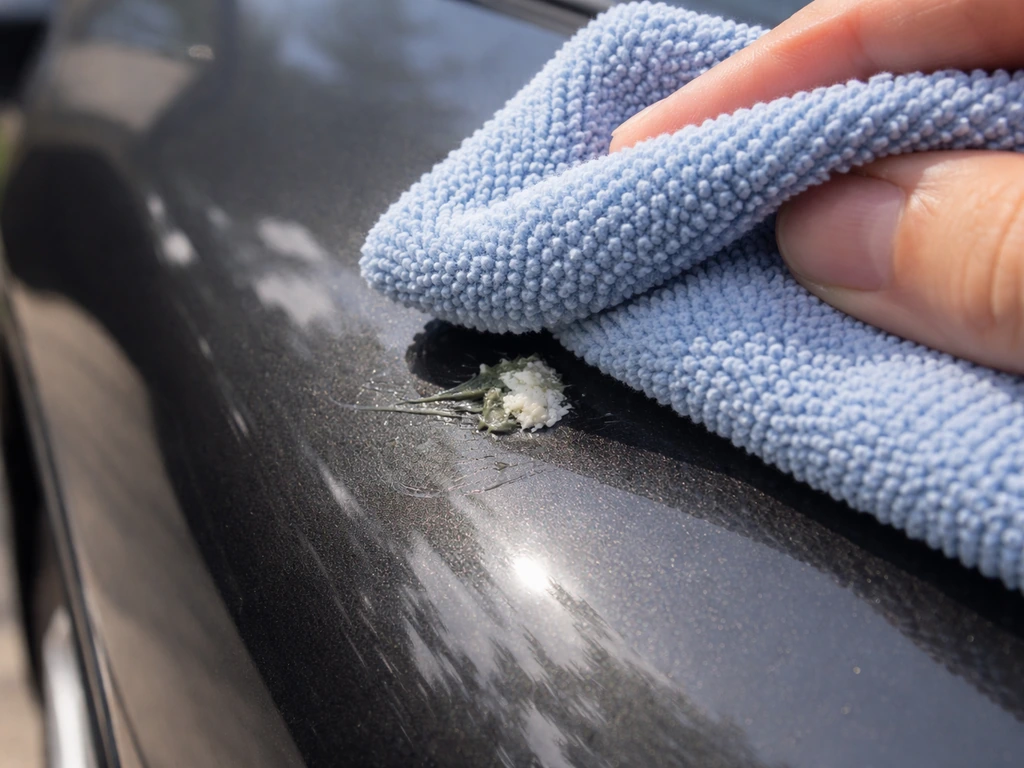
Fresh droppings on paintwork are a separate concern because uric acid etches clear coat fast, sometimes within hours in warm weather. Soak the spot with water first to soften it, then blot or wipe gently with a wet cloth or car-safe paper towel. If you’re dealing with bird poop on clothing, you can usually remove it by soaking and pretreating first, since dry cleaning alone may not be enough. If you’re wondering whether does bird poop come out in the wash, treat the spot quickly and pre-soak before laundering bird poop on clothing. Don't scrub dry. Rinse thoroughly. A quick detailer spray after cleaning helps. The smell and staining issue on car surfaces is something worth acting on quickly regardless of health risk, simply because the acidity damages paint.
For accumulated droppings on patios, ledges, or outdoor surfaces
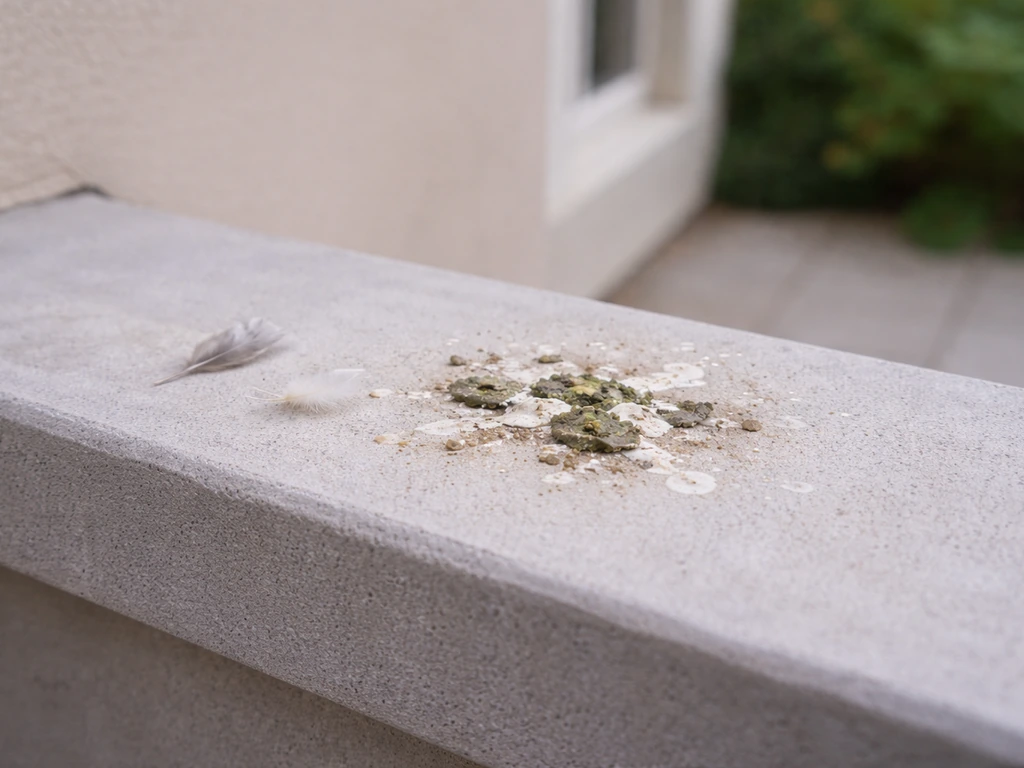
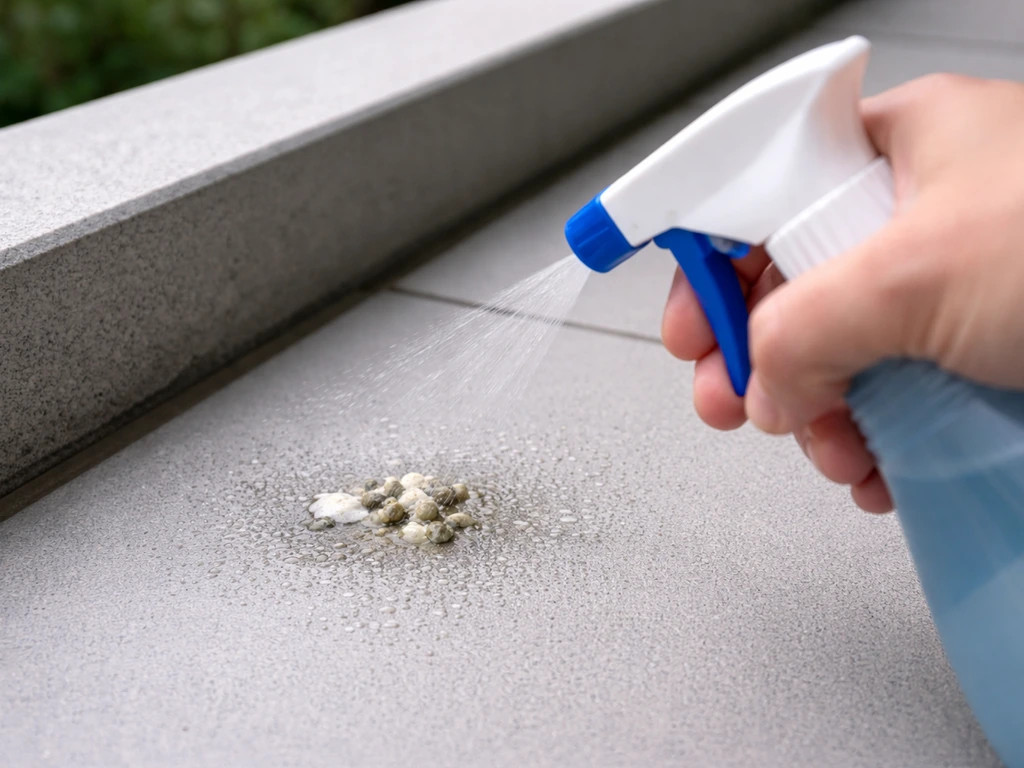
Wet the area first with water and, ideally, a diluted surfactant or detergent. This suppresses dust and prevents aerosolization. Let it soak for a few minutes, then carefully scrape or wipe up the material without generating splatter. Bag it securely and dispose of it. Avoid mixing cleaning chemicals carelessly: the GSA specifically notes that bird droppings contain ammonia, and mixing ammonia with bleach creates toxic gases, so don't combine those two products when cleaning.
For large or heavily accumulated droppings (attics, roosting sites)
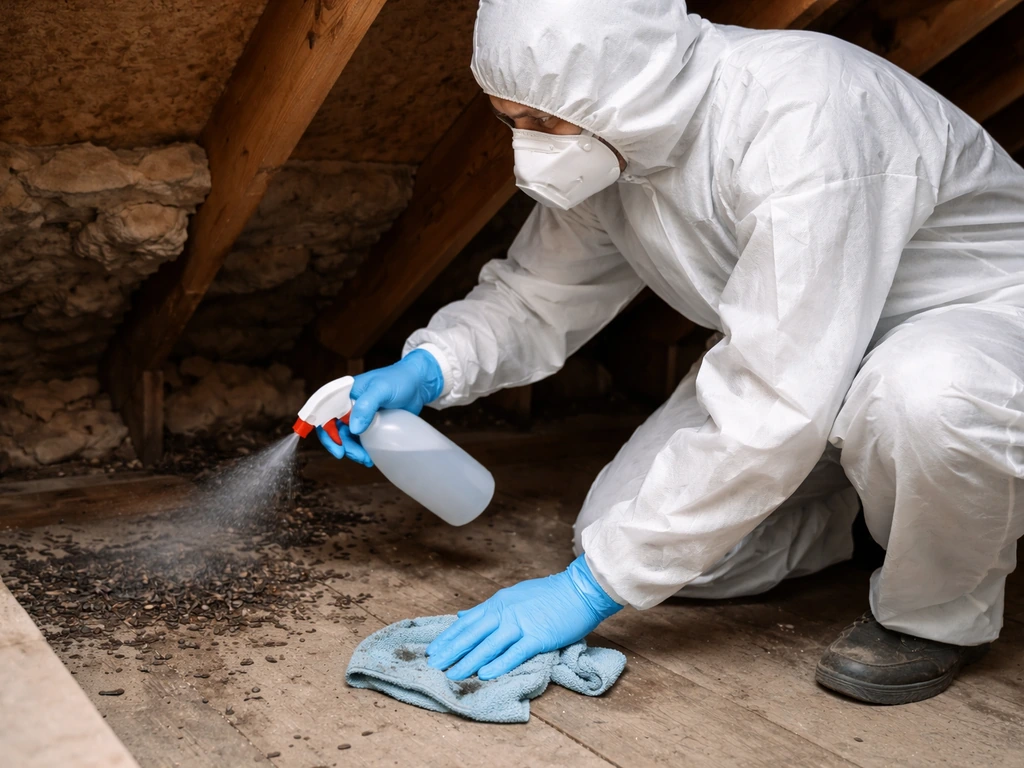
This is where basic precautions aren't enough. Large accumulations from ongoing roost sites warrant a respirator (N95 minimum), disposable gloves, protective clothing, and wet cleaning methods throughout. The CDC recommends industrial vacuums with high-efficiency filtration rather than household vacuums when collection is necessary. Wetting material with water and surfactant before disturbing it is the core engineering control recommended by both the CDC and occupational health agencies. If the accumulation is significant, like an attic with years of pigeon roost material, professional remediation is genuinely worth considering.
Quick reference: do this, not that
| Situation | Do this | Avoid this |
|---|---|---|
| Fresh single dropping on car or patio | Wet, soak, blot or wipe gently, rinse | Dry scrubbing, leaving it to bake in heat |
| Dried droppings on hard surfaces | Wet thoroughly with water/detergent first, then clean | Dry sweeping, vacuuming without HEPA, compressed air |
| Large accumulations or roost sites | Wear N95 respirator and gloves, wet the material, use HEPA vacuum if vacuuming is needed | Household vacuum, leaf blower, pressure washing in enclosed space |
| Any cleaning work | Wash hands thoroughly after, avoid touching face | Eating, drinking, or smoking while handling droppings |
| Mixing cleaners | Use water, detergent, or appropriate disinfectant separately | Never mix ammonia-based cleaners with bleach |
One last practical note: if you notice bird droppings appearing regularly in and around your home or patio, addressing the roosting situation itself is the best long-term fix. Prevention of accumulation is the number one recommendation from both the CDC and occupational health bodies, because it eliminates the cleanup risk entirely. Bird deterrents, physical barriers on ledges, and removing food sources are all worth looking into before droppings become a recurring problem rather than a one-time nuisance.
FAQ
Is bird poop smell worse in summer or winter, and how long does it usually last?
It tends to be worse in warm, dry weather and indoors because ammonia off-gassing increases as droppings dry and break down. If droppings are fresh and you clean them quickly with wet methods, the odor often fades within hours, but roost-site buildup in attics or under eaves can linger for weeks until the source is removed.
What should I do if I accidentally inhale it while cleaning or wiping?
If you already disturbed material, move to fresh air and avoid further dusting. Wash hands and exposed skin, rinse eyes if needed, and monitor for symptoms over the next 1 to 3 weeks if the material was old or you were in an enclosed area (fever, fatigue, cough or breathing trouble). If symptoms develop or you have breathing conditions, contact a clinician promptly.
Can I tell whether the droppings are fresh just by smell?
Smell gives clues but not certainty. Fresh droppings are usually sharper but less overpowering, while older accumulations often smell musty and more ammonia-like. For a more reliable check, look for moisture and color (wet sheen versus dried crust), since odor intensity alone can vary with diet and species.
Is bird poop on a car ever dangerous if I only got a whiff?
For most people, a brief odor exposure from a single outside dropping is low risk. The main higher-risk situation is inhaling dust from dried accumulations when cleaning or scraping old material, especially in enclosed spaces. If you clean it, wet the spot first and avoid dry wiping that turns it into residue.
Should I wear a mask for quick cleanup of one small dropping on a patio?
Usually, careful wet cleanup is enough for a single small droppings. Still, if it is dried and you cannot avoid disturbing it, or you have multiple droppings, a properly fitted N95 (at minimum) and disposable gloves reduce exposure to airborne particles.
Can household disinfectants or vinegar remove the smell safely?
They may reduce odor, but do not replace the key step, wetting and removing material first. Also avoid mixing chemicals, bird droppings contain ammonia, and combining ammonia-based cleaners with bleach can create toxic gas. If you use a cleaner, choose one product at a time and rinse thoroughly after.
Why do some bird droppings smell more ammonia-like than others?
Ammonia dominance is often linked to uric acid chemistry plus how long the droppings have accumulated, when they dry and break down ammonia off-gasses more strongly. Roosting birds in groups and older, repeated buildup also create more concentrated odor than single-bird visits.
Does washing bird poop off skin prevent illness, or is it mainly about the lungs?
The biggest documented concern is inhaling spores or dust from disturbed dried accumulations, but skin and mouth contact still matters for general hygiene. Wash with soap and water, avoid touching your face, and rinse eyes if contacted. If you swallowed some by accident, rinse your mouth and monitor, but the risk is still typically low unless there was heavy exposure to old material.
What cleanup method is safest if droppings are dried and stuck to surfaces?
Start by wetting the area thoroughly (water, and ideally a diluted surfactant or detergent) to suppress dust. Let it soak, then gently wipe or scrape without creating splatter. Bag waste securely and keep the area from drying out and becoming dusty again while you finish.
When should I call a professional instead of DIY cleanup?
Consider professional remediation if you have years of buildup in an attic, crawlspace, or enclosed ledge area, if there are many droppings spread over a large surface, or if you cannot clean without dry disturbance. Heavy accumulation increases the chance of airborne particles and odor that may return unless the roost site is addressed.
Can bird poop cause flies or other pests, and does that relate to the smell?
Yes. Droppings can act as an odor and food source for insects, which is why smell and pest activity often increase together. Removing the droppings quickly and reducing attractants helps, but it will not solve the root problem if birds continue to roost or food remains accessible.
If I keep finding droppings, how do I reduce smell without spreading dust during cleanup?
Do the timing and method first. Plan wet cleanup when birds are not present if possible, keep people away from roost zones, and address the roosting trigger with barriers or deterrents after cleaning. Reducing the recurring deposit prevents odor escalation and lowers exposure risk over time.