Yes, bird poop can smell, but it usually does not smell as strongly as you might expect. If you are wondering what does bird poop smell like in real terms, fresh droppings are usually only faint and not very noticeable. Fresh droppings from a single bird are often nearly odorless. The sharp, unpleasant stench people associate with bird waste mostly comes from accumulated droppings, especially in warm, enclosed, or poorly ventilated spaces where microbial breakdown is in full swing.
Does Bird Poop Smell Like Ammonia and How to Clean It

Marcus Fielding
20 Apr 2026
So if you have noticed a strong smell, there is a real chemistry reason for it, and it tells you something useful about what you are dealing with. If you want to know what bird poop smells like in real life, start by thinking about whether the odor is fresh and faint or more like sharp ammonia from older droppings what does bird poop smell like.
What bird poop actually smells like
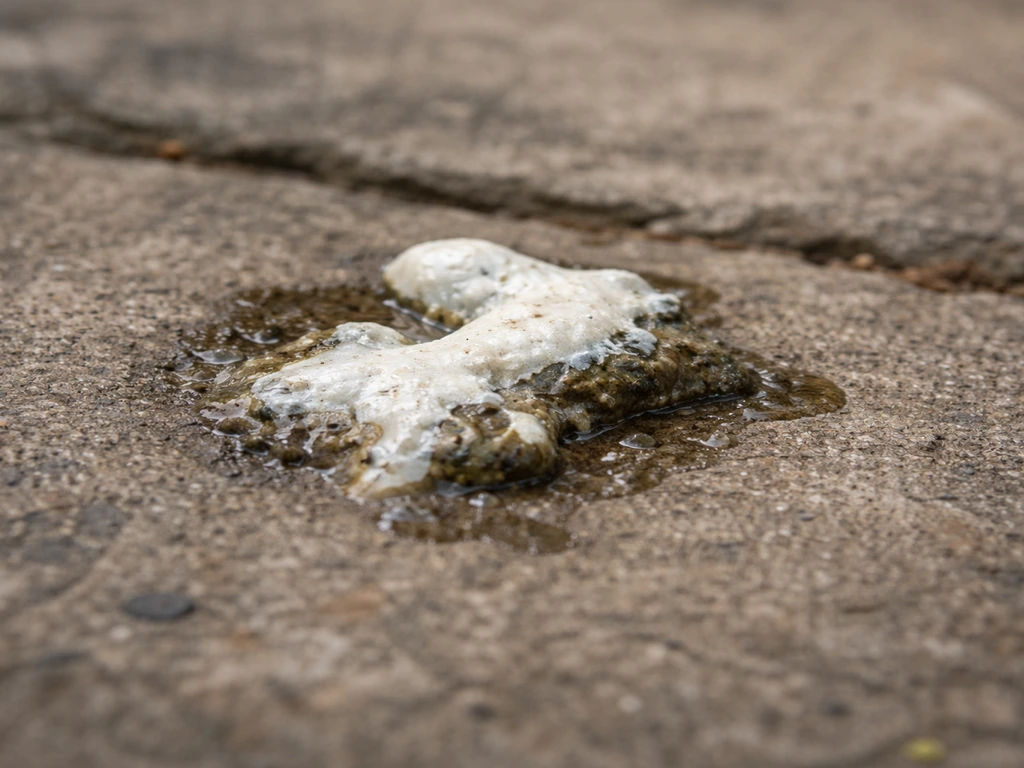
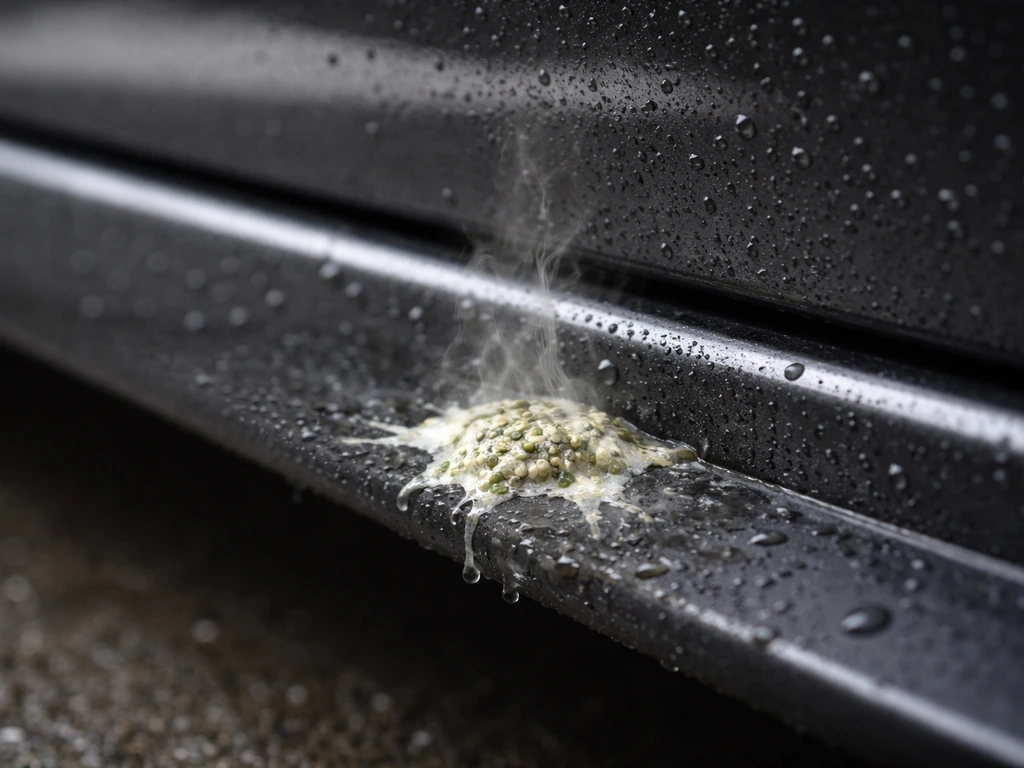
Fresh droppings from a healthy bird have a faint, slightly earthy or sour scent that most people would barely notice at arm's length. The white or chalky portion of a dropping is uric acid, which is how birds excrete nitrogen. Uric acid in its fresh form is largely odorless. The smell problem starts when that uric acid breaks down. Bacteria decompose uric acid into ammonia and carbon dioxide, and ammonia is what you are actually smelling when bird droppings hit you with that sharp, eye-watering bite.
Moisture, warmth, and pH all accelerate that microbial breakdown and drive up ammonia production. This is well-documented in poultry science, where managing litter moisture and temperature is specifically used to control ammonia levels in commercial operations. The same chemistry plays out under a city bridge or in a poorly ventilated attic where pigeons have been roosting for months: warm, damp conditions equal faster decomposition, equal stronger smell.
Healthy pet bird droppings, for comparison, generally should not have a noticeable smell. If your parrot or budgie's droppings suddenly smell strong, that is actually a flag worth paying attention to, and something a vet should hear about. On the other hand, a pigeon colony under a highway overpass is going to produce a very different sensory experience. If you are comparing real-life accounts and want community input, you can also check what people on reddit say about what does bird poop smell like what does bird poop smell like reddit.
Why bird poop doesn't always smell
A few factors determine whether you even notice a smell at all, and they are worth understanding because they also tell you how much care to take during cleanup.
- Freshness: Very fresh droppings have barely begun to decompose, so ammonia levels are low and the smell is minimal.
- Volume: One dropping on your car hood is a very different situation from a pile under a roosting spot. Small amounts simply do not generate enough gas to register strongly.
- Ventilation: Outdoors with a breeze, any odor dissipates quickly. Indoors or in a confined space like an attic, garage, or balcony corner, it concentrates fast.
- Temperature and humidity: Cold, dry conditions slow microbial activity dramatically. The same accumulation that barely smells in winter can become quite pungent by July.
- Diet: Birds eating protein-heavy diets (fish, insects, meat scraps) produce droppings that smell more intensely than those eating seeds or fruit. Seabird colonies around fishing areas are famously odorous for this reason.
- Surface type: Porous surfaces like wood, unsealed concrete, or fabric hold droppings and trap decomposing material much longer than smooth painted or glass surfaces, so the smell lingers.
What makes bird droppings smell especially bad
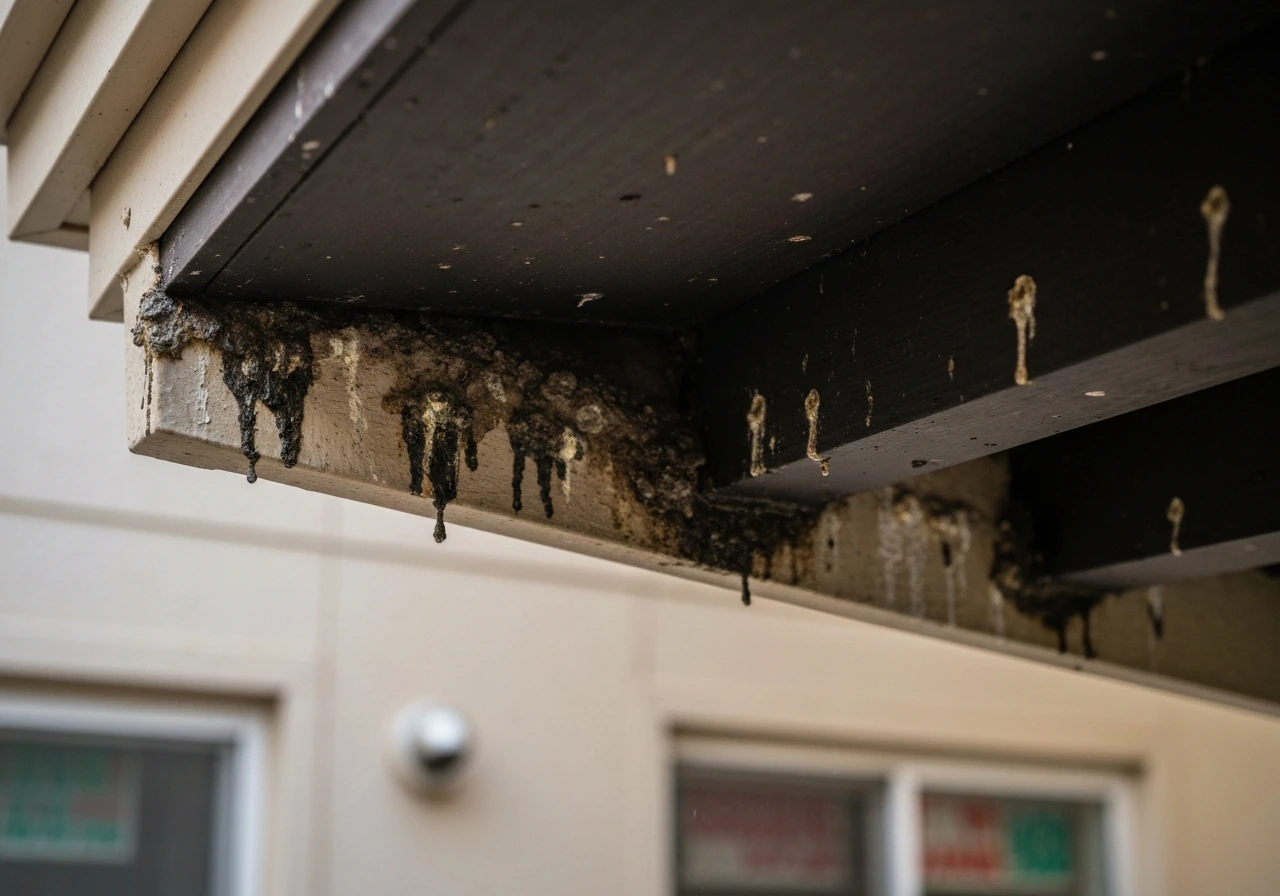
The strongest odors come from a combination of the factors above hitting at once: a large buildup of droppings in a warm, poorly ventilated space, especially if the surface is porous or if the droppings have gotten wet repeatedly and dried multiple times. Each wet-dry cycle re-activates microbial decomposition and ammonia production.
Active roosting sites are the worst offenders. Pigeons, starlings, and swallows that return to the same spot daily build up accumulations that can become genuinely thick over weeks and months. An attic, a barn, a balcony overhang, or an enclosed patio cover with an active roost can develop a strong, persistent ammonia smell that you notice from several feet away. If you are smelling something sharp and eye-irritating near one of these spots, a significant accumulation is almost always the cause.
Droppings from birds with certain infections can also smell different or stronger, but for most people in most situations, volume and environmental conditions are the main drivers, not disease.
How to clean bird droppings safely (especially when they smell)
The smell itself is not the main hazard. The bigger concern is that dried droppings, when disturbed, can release dust particles that carry fungi, bacteria, or viruses into the air. This is why the cleanup method matters more than most people realize. The single most important rule is this: [never dry-sweep, dry-brush, or use a leaf blower](https://www.
cdc. gov/monkeypox/caring/cleaning-and-disinfecting. html) on bird droppings. If you are dealing with bird poop on clothing, you might wonder whether dry cleaning will remove it, but the safest approach is to treat the stain quickly and follow proper cleaning steps will dry cleaning remove bird poop.
If you are dealing with bird droppings indoors and notice that strong indoor smell, this guides your cleanup choices alongside the question of what does bird poop smell like in the house. If you are wondering specifically about laundering, bird droppings on clothing are often handled best by pre-treating and washing promptly rather than letting them dry does bird poop come out in the wash. [Always wet them down first. ](https://www.
cdc. gov/healthy-pets/rodent-control/clean-up. html)
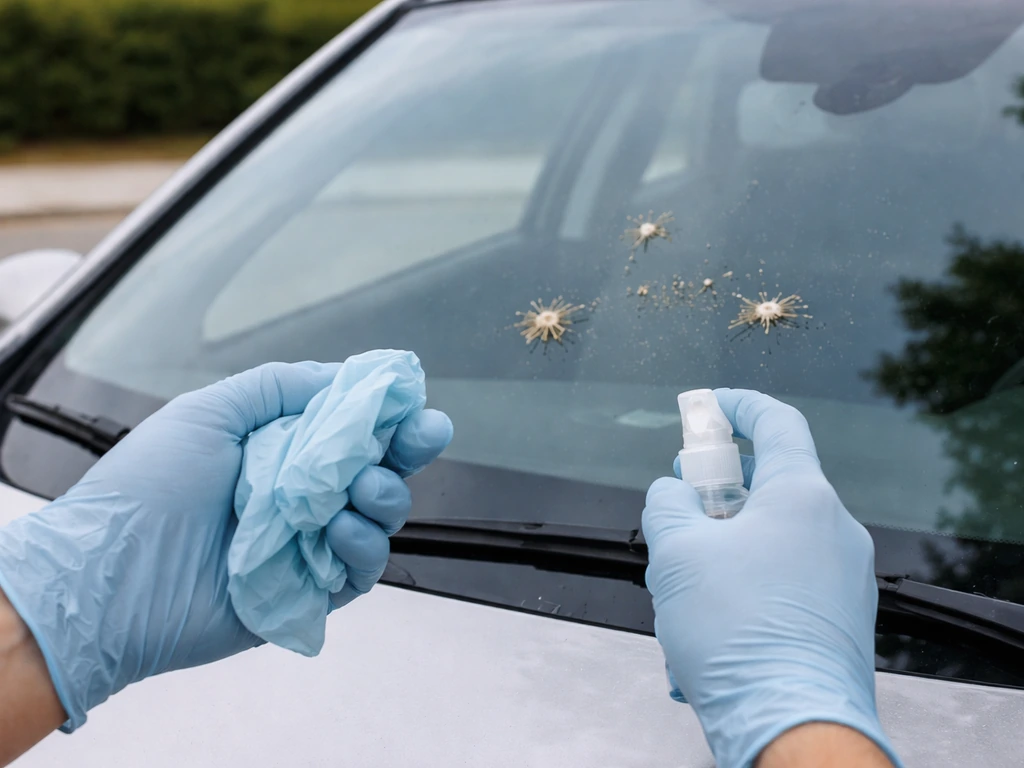
For small, routine cleanups (a car, a patio table, a windowsill)
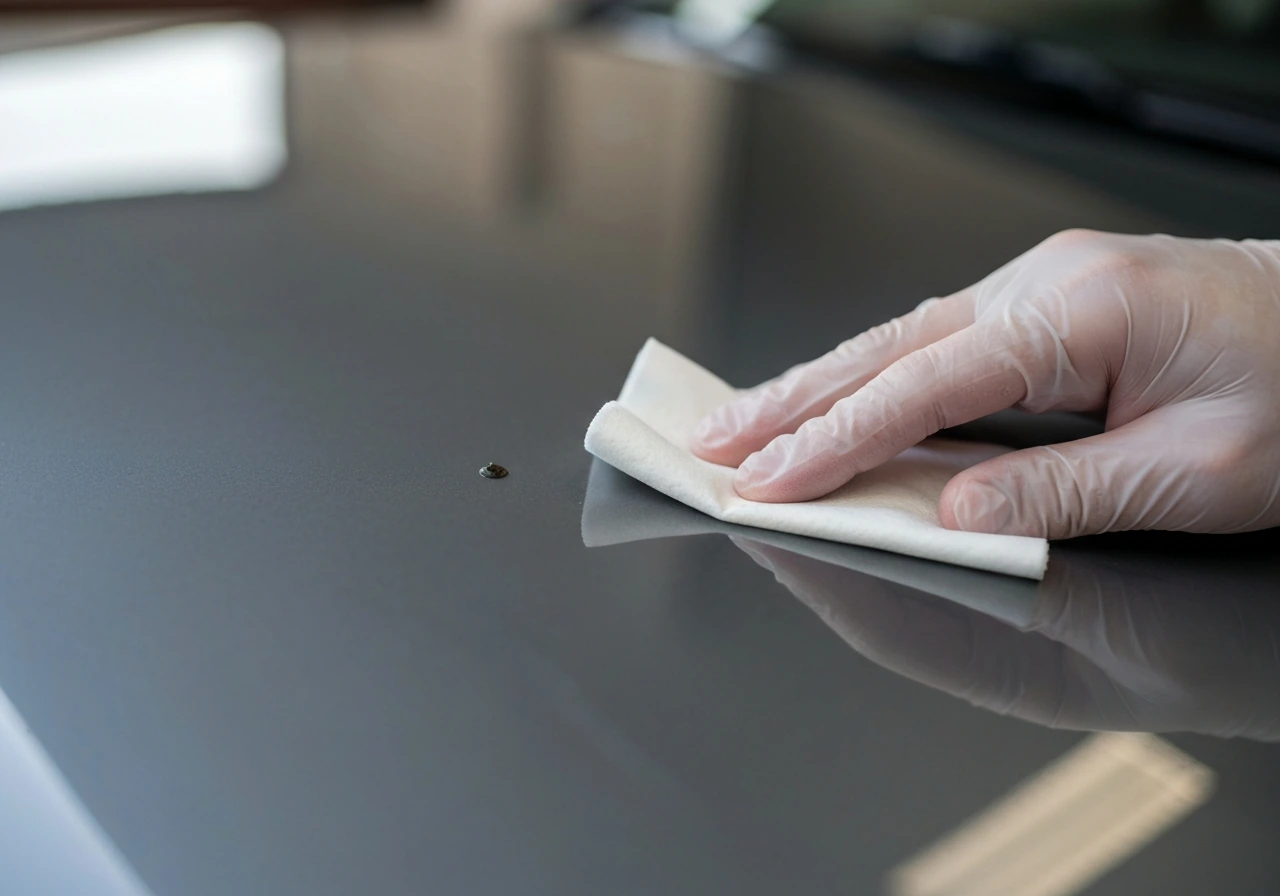
- Put on disposable gloves before you touch anything. This is not overcautious; it is just the baseline recommended by public health agencies including the CDC and NYC Department of Health.
- Wet the droppings with water or a spray disinfectant before you start scraping or wiping. This prevents any dry dust from becoming airborne.
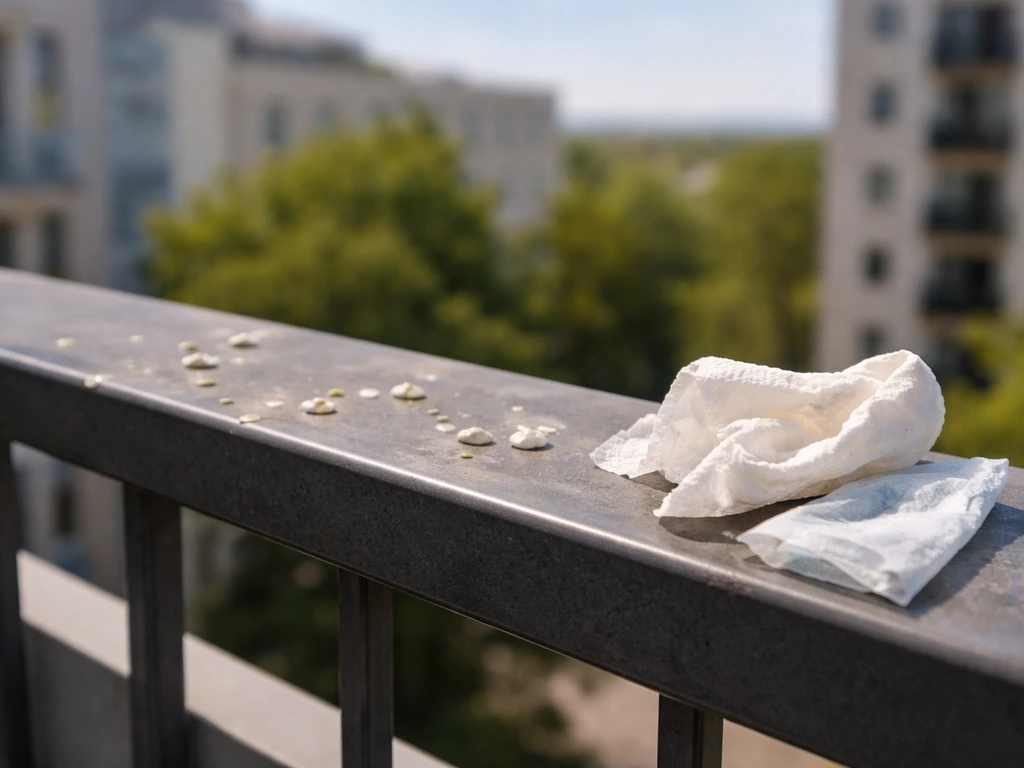
- Wipe up the wetted material with a disposable cloth or paper towel. Bag it and put it in the trash.
- Clean the surface again with a disinfectant spray or solution.
- Wash your hands thoroughly with soap and water when you are done, even if you wore gloves.
For a bird dropping on your car's paint, acting sooner rather than later is also good advice for the paint itself, since the acidic uric acid etches clear coats over time. Wet it, let it soften for a minute, then lift it gently rather than scrubbing. This is one place where the smell question and the staining question overlap practically. It can also stain fabrics and clothing, especially if the droppings are fresh and you let them sit does bird poop stain clothes.
For larger accumulations or roosting sites
This category requires more care. WorkSafe Queensland and the CDC both frame large accumulation cleanup as a higher-risk activity, primarily because of the potential to aerosolize Histoplasma fungal spores and other pathogens. The wet method still applies, but you need more than just gloves.
- Wear disposable or washable clothing that you can immediately launder separately after the job.
- Use waterproof gloves (not just latex exam gloves if the accumulation is thick).
- Wear a properly fitted N95 respirator at minimum. For a very large accumulation in an enclosed space, higher-efficiency respiratory protection may be warranted.
- Wet the droppings with a light mist of plain water or soapy water and keep them wet throughout the entire removal process. Do not let them dry out again while you are working.
- Use a HEPA vacuum or wet removal method rather than dry sweeping or brushing.
- Bag waste in sealed bags before carrying it out.
- Ventilate the space as much as possible during and after cleanup.
- Shower and change clothes after finishing.
If you are dealing with a truly large roost, for example an attic or building space with months or years of accumulation, seriously consider hiring a professional remediation service with appropriate equipment. This is not a DIY job with a dust mask and a broom.
When the smell (or your exposure) might be a health concern
For most people, a quick outdoor encounter with bird droppings, or cleaning a small fresh deposit while wearing gloves, is genuinely low risk. Routine cleaning of a windowsill or patio chair generally does not pose a serious health risk to healthy adults, as the NYC Department of Health puts it. That said, there are situations worth taking more seriously.
The main disease risk associated with bird droppings is histoplasmosis, a fungal lung infection caused by inhaling Histoplasma spores that thrive in soil and material contaminated with bird or bat droppings. The CDC is clear that risk increases specifically when activities disturb accumulated droppings, which is why the wet-down rule and respiratory protection are so important for larger jobs. Most healthy people exposed to a small amount of Histoplasma will either not get sick or experience only mild, flu-like symptoms. Immunocompromised individuals face significantly higher risk of serious illness.
Psittacosis (from Chlamydia psittaci) is another concern, primarily for people in close contact with infected birds, particularly parrots, cockatiels, and other psittacine birds. If you keep pet birds and are cleaning their cage, the CDC specifically recommends wetting the surfaces with water or disinfectant before wiping, and not picking up droppings with bare hands.
Pay attention to symptoms in the days following a significant exposure, especially if you were in a dusty or enclosed space with large accumulations. Warning signs to watch for include:
- Fever, chills, or body aches within one to two weeks of exposure (possible histoplasmosis)
- Persistent cough or shortness of breath after a dusty cleanup job
- Eye irritation or redness that does not resolve within a day
- Respiratory irritation that gets worse rather than better after leaving the area
If you experience any of these after cleaning a significant accumulation, especially indoors or in a poorly ventilated space, it is worth mentioning the exposure to a doctor. Histoplasmosis is treatable, but it tends to get misidentified as a common respiratory illness, so telling your doctor specifically that you were cleaning bird droppings makes a real difference in getting the right diagnosis quickly.
Quick reference: smell strength vs. what to do
| Situation | Likely smell level | What to do |
|---|---|---|
| Single fresh dropping on a car or outdoor furniture | Minimal to none | Wet, wipe with gloves, disinfect, wash hands |
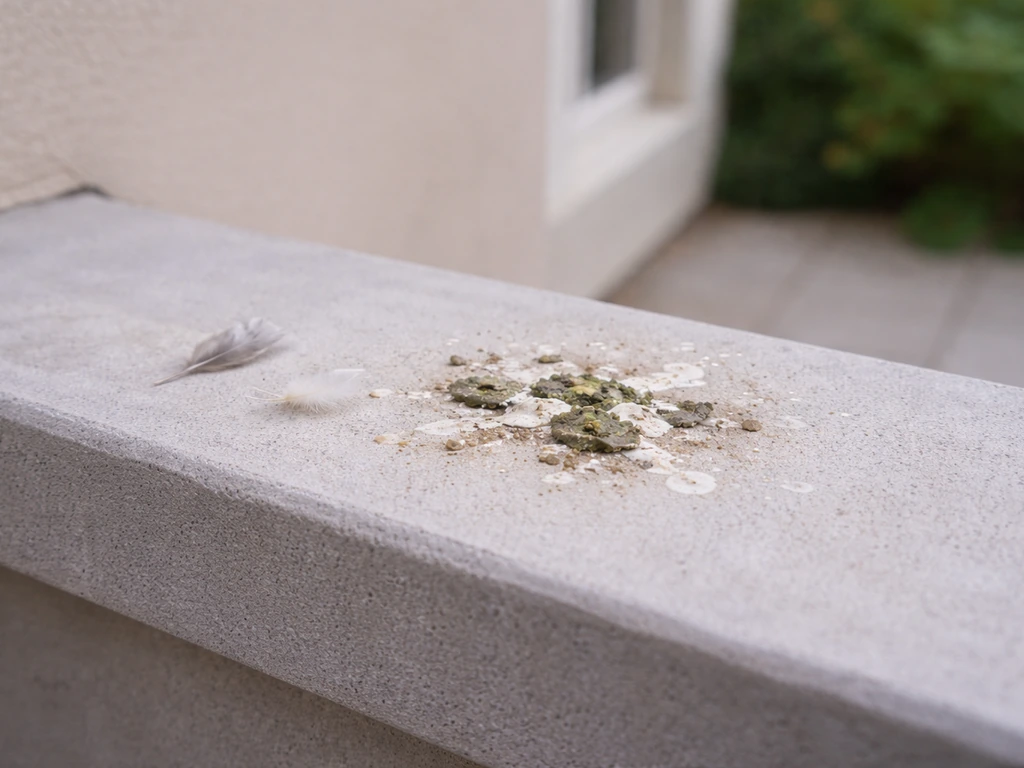
| A few dried droppings on a patio or ledge | Mild, slightly sour | Wet thoroughly before wiping, gloves, disinfect surface |
| Small active roost on a balcony or window ledge | Moderate ammonia odor | Gloves, N95 mask, wet method, ventilate, bag waste |
| Large accumulation in enclosed space (attic, barn, underpass) | Strong ammonia, eye-irritating | Full PPE (N95+, gloves, coveralls), wet method, HEPA vacuum, consider professional remediation |
| Pet bird cage (healthy bird) | Little to no smell | Wet surfaces before cleaning, gloves, wash hands afterward |
The bottom line is that bird poop does smell, but whether it registers as a minor inconvenience or a genuine sensory assault depends almost entirely on volume, age, and environment. Bird droppings can attract flies, especially when the area is warm and there is a buildup of waste. A single dropping is a non-event with the right cleanup habits. A long-neglected roost in a warm, enclosed space is a different matter and deserves both the right PPE and a bit of respect for what might be living in it. Start with the wet method every time, wear gloves as a baseline, and scale up your precautions based on how much material you are actually dealing with.
FAQ
Does bird poop smell like ammonia every time?
Not every time. Fresh droppings from a healthy bird are usually faint or barely noticeable, the strong eye-watering ammonia smell mainly shows up when droppings have been sitting long enough for uric acid to break down (often in warm, damp, poorly ventilated conditions).
Why does the smell get worse when droppings dry out?
When droppings repeatedly get wet, then dry, microbes can keep breaking down nitrogen compounds, and the buildup can become more concentrated. Also, once dried, disturbing the area can release odor-carrying dust into the air, making the smell seem stronger even if the chemistry has not changed.
Is it safe to clean bird droppings if the smell is strong?
Strong odor is a warning sign that an accumulation and decomposition have likely been going on. That means you should not use dry tools like brooms or blowers, and you should increase ventilation and protection for enclosed or large areas, not just rely on the fact that you can tolerate the smell.
Can a small fresh dropping smell bad indoors?
Yes, sometimes the issue is the setting rather than the bird waste. Even a small amount can smell noticeable if the area is enclosed (bathroom, closet) or has poor airflow, or if there is residue from previous days that is now re-wetting during cleanup.
Do different bird species make different-smelling droppings?
They can, but the biggest driver is still time, moisture, and buildup. You may notice differences (for example, active roosters under bridges often create persistent odor), but chemistry and accumulation typically outweigh species for most people.
Should I worry about health risk if the smell is “sharp,” but I only cleaned a tiny spot?
For a tiny, fresh spot cleaned promptly with wetting first, the risk is generally low for healthy adults. The more important red flags are working in a dusty enclosed space, disturbing thick accumulations, or being immunocompromised.
What if I already dry-swept or wiped the droppings before I knew better?
Stop further dry disturbance. Wet the area thoroughly before any additional handling, and ventilate the space. If you ended up creating visible dust, and you are immunocompromised or exposed in an enclosed area, consider contacting a clinician for guidance.
How do I get rid of the smell after cleaning bird poop?
First remove residue using the wet method so you eliminate the source. For lingering odor, improve ventilation and allow the area to fully dry, then consider a surface cleaner appropriate for the material. Avoid spraying strong fragrances over dust, since the smell often returns if residue remains.
Does bird poop smell mean there is ammonia fumes in the air?
Usually it is ammonia-like odor from breakdown byproducts rather than a visible gas cloud. Still, sharp irritation or worsening smell in an enclosed space can indicate that conditions are actively producing ammonia, so you should ventilate and protect yourself during cleanup.
Can bird poop smell damage paint, and does the smell level predict damage?
Paint and clear coats can be etched by the acidic uric acid even if the droppings are fresh. Smell strength does not reliably predict etching, so for cars act quickly: wet it, let it soften briefly, then lift without scrubbing.
If I detect a smell under a roost, when should I stop DIY and hire help?
If you are dealing with months or years of accumulation (attics, barns, balcony overhangs), thick buildup, or areas where you cannot avoid disturbing debris, professional remediation is the safer choice. The decision is less about the odor intensity and more about the scale and dust risk.