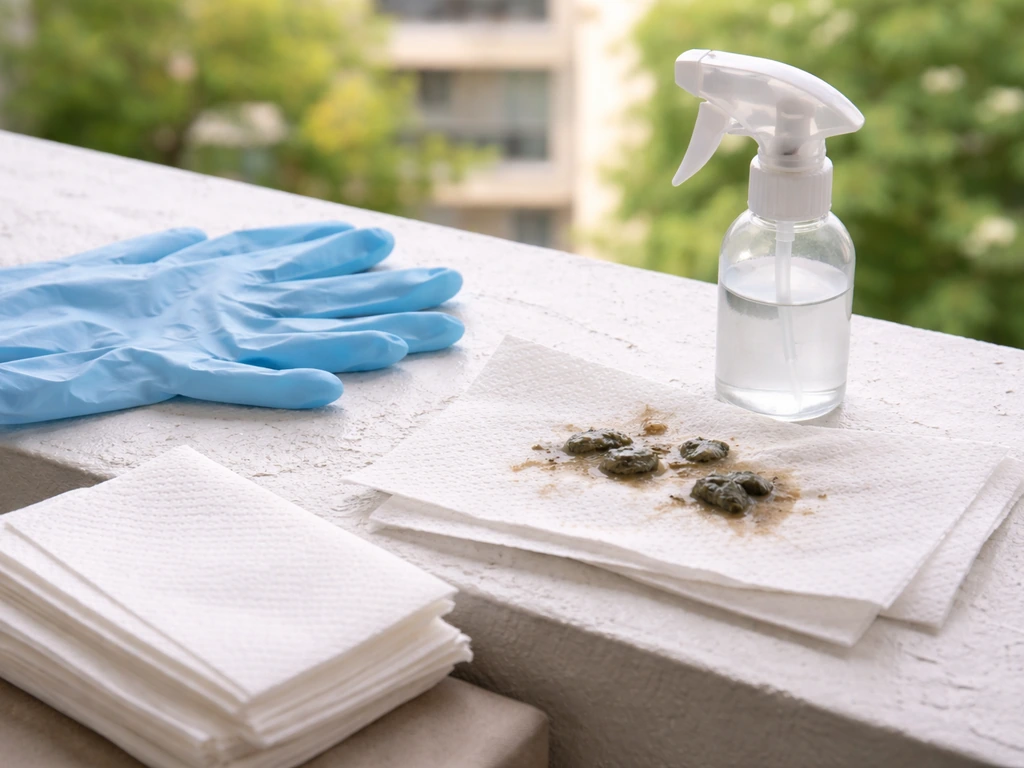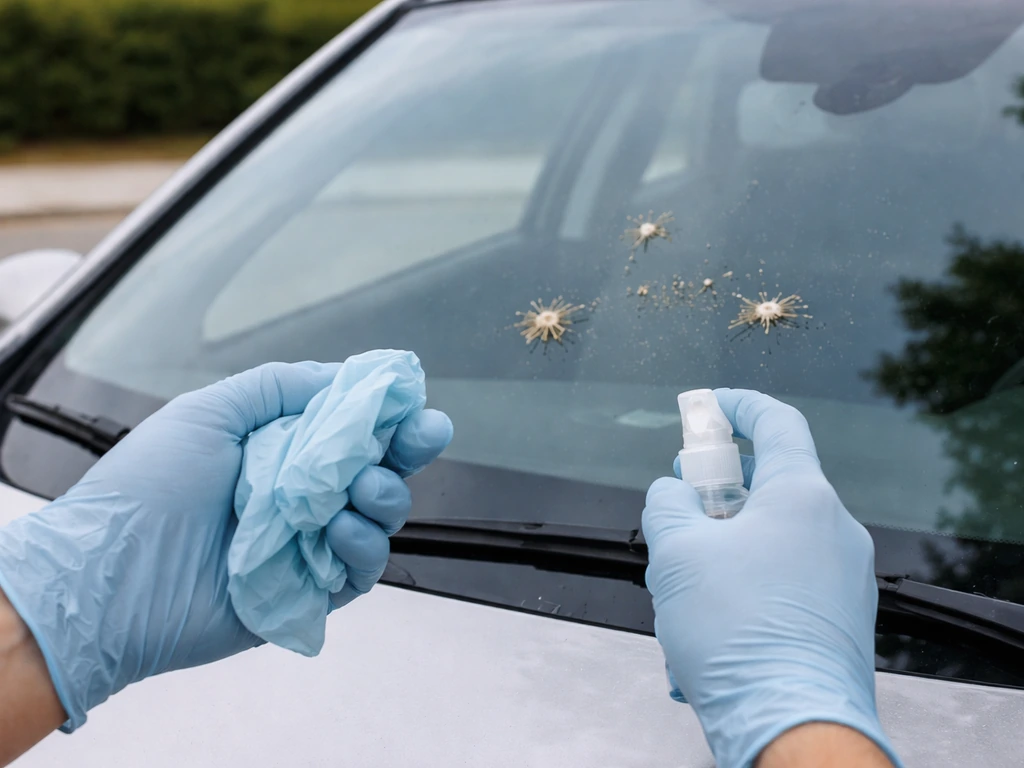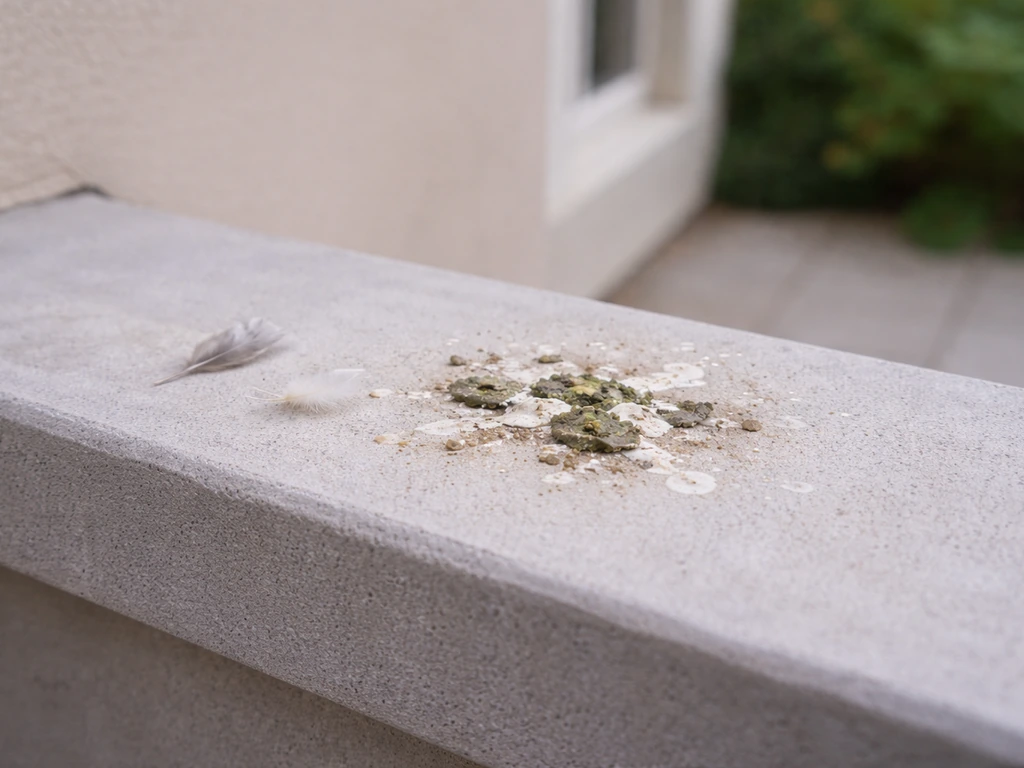
Yes, bird droppings can carry disease-causing pathogens including bacteria, fungi, and viruses. That said, a single splat on your car or a brief contact with fresh droppings is unlikely to make a healthy adult seriously ill. However, this does not mean bird poop causes cancer; known risks are mainly infectious diseases and irritation when particles are inhaled or particles get into mucous membranes does bird poop cause cancer.
Do Bird Droppings Carry Disease? Risks and Cleanup Tips

Marcus Fielding
23 Apr 2026
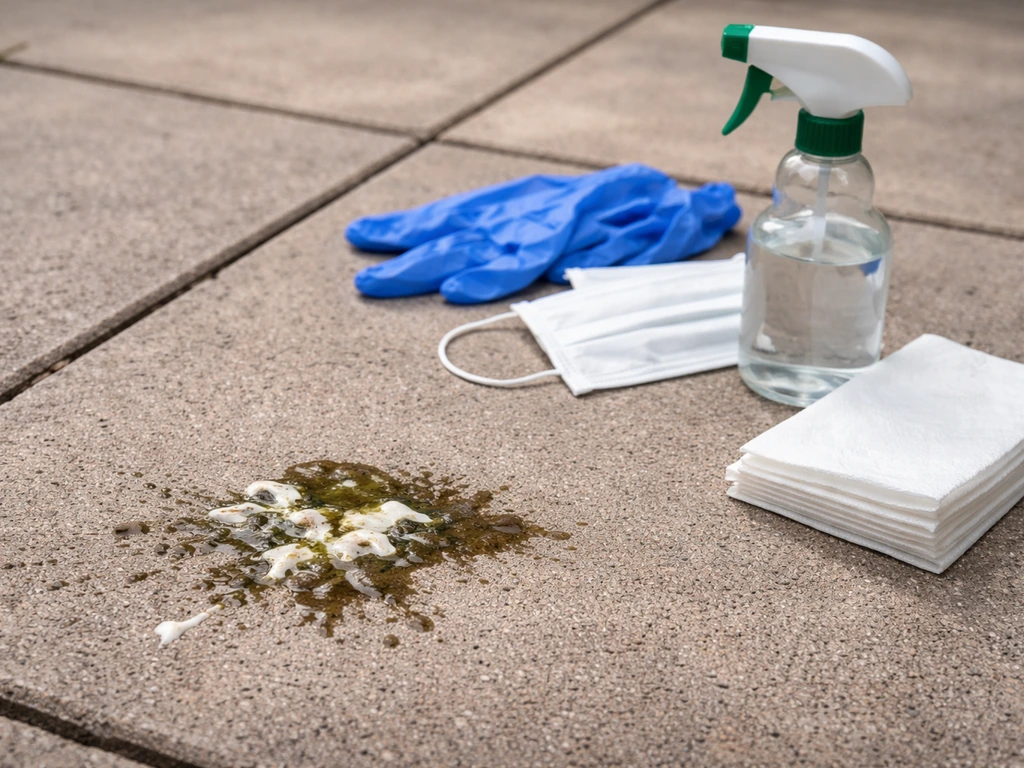
The real risk goes up when droppings are dried and dusty, when there's a large accumulation, when you're cleaning in an enclosed space without protection, or when the person exposed is immunocompromised, very young, or elderly. Bird feathers can also carry germs, especially if droppings or contaminated dust collect on them do bird feathers have germs.
Knowing exactly how disease transmission works here makes it much easier to take the right precautions without panicking every time a pigeon decides your windshield looks like a target.
What's Actually in Bird Droppings
Bird droppings are a mixture of feces and urine (birds excrete both together), and they can host a surprising range of microorganisms. The three main categories of concern are fungi, bacteria, and viruses.
Fungi
Histoplasma capsulatum is the fungus behind histoplasmosis, a lung infection you get by breathing in its spores. The spores thrive in soil and organic material enriched by bird (and bat) droppings. Starlings, pigeons, and blackbirds are especially associated with this because their roosting sites can build up heavy droppings deposits over time. The fungus isn't actually inside the birds themselves, but it grows abundantly in the droppings-enriched environment they leave behind. Cryptococcus neoformans is another fungus found in pigeon droppings that can cause serious illness, particularly in people with weakened immune systems.
Bacteria
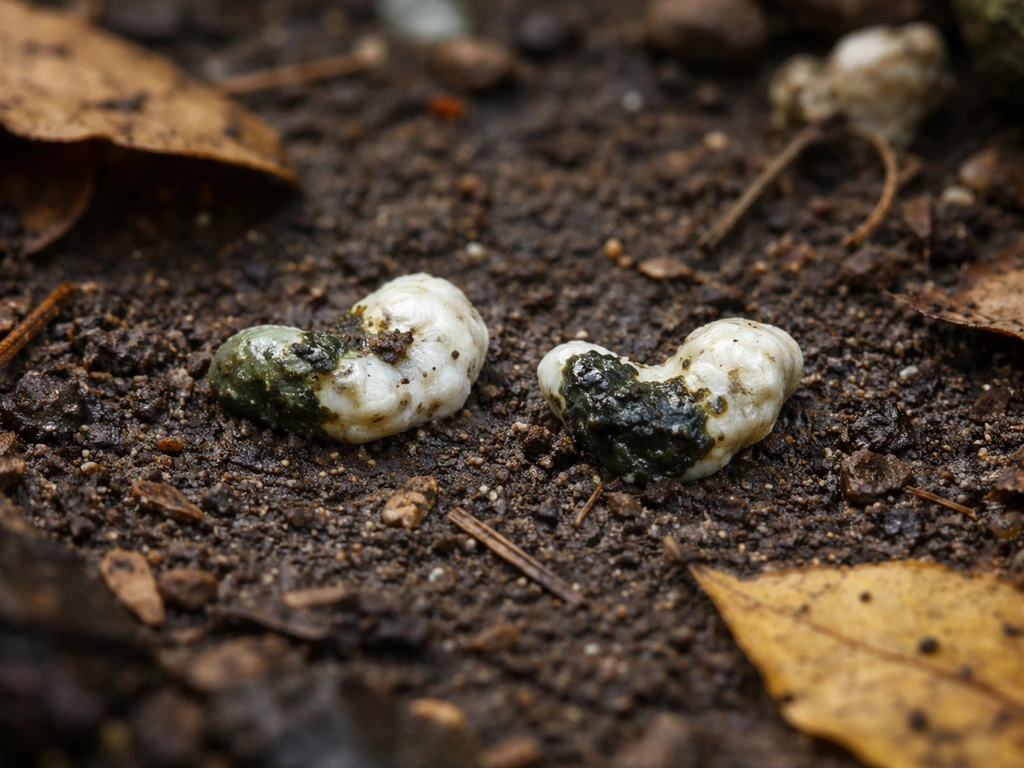
Chlamydia psittaci is the bacterium responsible for psittacosis (also called ornithosis or parrot fever). The CDC confirms that the most common way people get infected is by breathing in dust from dried bird secretions or droppings, particularly from parrots, parakeets, cockatiels, and pigeons. Salmonella is another bacterial concern, more relevant when bird droppings contaminate surfaces where food is prepared or where pets or children might touch and then mouth things. Hand-to-mouth contact is the key pathway for Salmonella.
Viruses
Avian influenza (bird flu) is the virus that gets the most media attention. The CDC notes that people can be infected if they touch surfaces contaminated with infected bird mucus, saliva, or feces and then touch their eyes, mouth, or nose. The overall public risk is currently low, but it's a real pathway worth knowing about, especially for people who work around poultry or wild waterfowl. Importantly, casual contact with a random pigeon dropping on a park bench carries far lower risk than direct exposure to sick birds on a farm.
When the Risk Goes Up (or Drops Way Down)
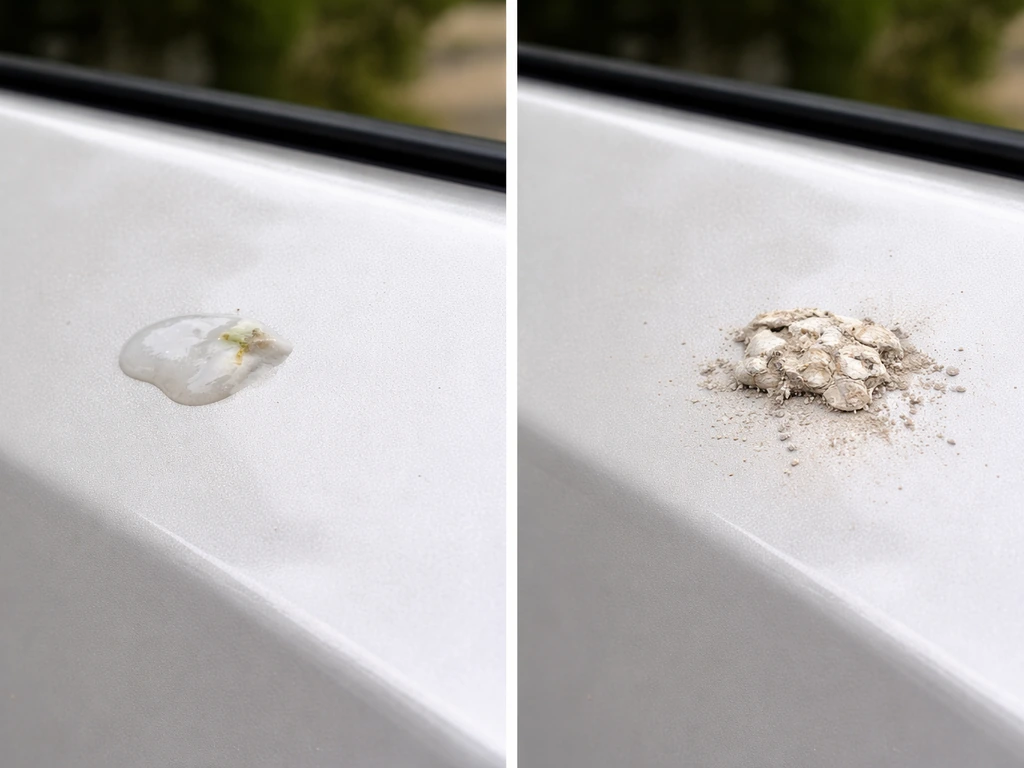
Not all bird poop encounters are equal. Several factors dramatically change how much risk you're actually facing in a given situation.
| Situation | Risk Level | Why |
|---|---|---|
| Single fresh dropping on car/clothing, outdoors | Very low | Fresh droppings haven't dried into dust; outdoor air dilutes any particles quickly |
| Dried, crumbling droppings on a balcony or ledge | Low to moderate | Dried droppings can become airborne dust when disturbed; inhalation risk rises |
| Large accumulation in an attic, shed, or enclosed space | Moderate to high | Heavy fungal spore load, poor ventilation, significant dust generation during cleanup |
| Dry sweeping or vacuuming dried droppings indoors | High | Actively aerosolizes spores and bacteria; the method itself is the main hazard |
| Immunocompromised person, child, or elderly adult exposed | Higher than baseline | Reduced immune defenses mean lower infectious dose needed to cause illness |
| Pet bird owner cleaning cage without PPE | Low to moderate | Repeated daily exposure to psittacosis-associated bacteria; risk rises with poor hygiene habits |
| Construction/demolition disturbing old droppings deposits | High | Bulk disturbance of aged material sends massive spore counts airborne |
The bottom line: dried and accumulated droppings in confined spaces are where the serious risk lives. A single fresh splat on an outdoor surface is a nuisance more than a health emergency for a healthy adult.
How Diseases Actually Spread from Droppings to People and Pets
There are three main transmission routes to understand: inhalation, hand-to-mouth contact, and surface-to-mucous-membrane contact.
- Inhalation: This is the most important route for histoplasmosis and psittacosis. When dried droppings are disturbed by sweeping, scraping, or even wind, microscopic particles become airborne. Breathing them in is how fungal spores and Chlamydia psittaci reach the lungs.
- Hand-to-mouth: Touching droppings (or a surface contaminated by them) and then touching your mouth, nose, or eyes transfers pathogens. This is the key pathway for Salmonella and is also relevant for bird flu. Kids are especially vulnerable here because they touch everything and then their faces.
- Surface-to-mucous-membrane (eyes/nose/mouth): The CDC specifically calls this out for avian influenza. You touch a contaminated surface, then touch your face before washing your hands.
- Pet ingestion: Dogs and cats that sniff, lick, or eat bird droppings can pick up Salmonella and other bacteria. Pets don't get psittacosis the same way humans do, but they can become ill from bacterial exposure and can potentially bring contaminated material back into the home on their paws or fur.
What doesn't transmit disease from droppings: casual visual contact, droppings landing on intact unbroken skin that you immediately wash, or a quick outdoor exposure where you don't generate any dust. Context matters enormously here.
How to Clean Up Bird Droppings Safely
The cleanup process itself is where most people inadvertently raise their risk. The good news: following a straightforward method based on CDC and NIOSH guidance makes cleanup both safe and effective.
Gear Up First (PPE)
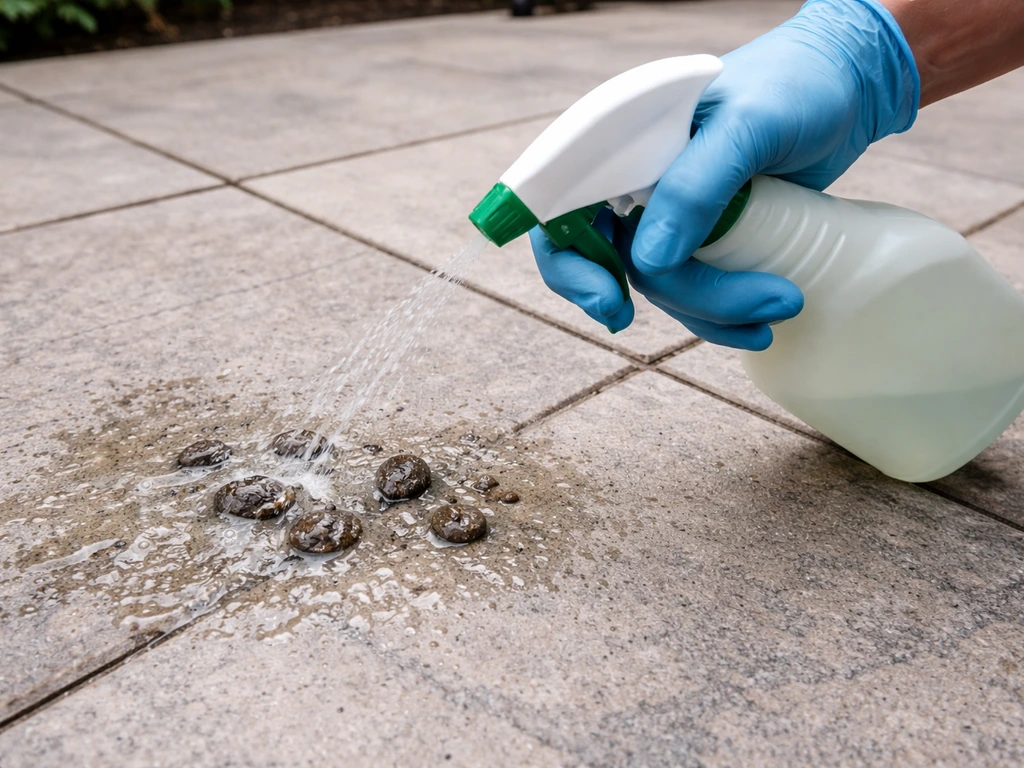
- Respiratory protection: For small outdoor jobs (a few droppings on a car or patio), an N95 filtering facepiece respirator is sufficient. For larger accumulations or enclosed spaces, an N95 is the minimum recommended by CDC/NIOSH, and a higher-rated respirator is better.
- Gloves: Disposable gloves for any cleanup involving droppings. Nitrile gloves work well. CDC/NIOSH specifically recommends gloves when removing large amounts or when hands will contact contaminated surfaces.
- Eye protection: Goggles or safety glasses for indoor or dusty cleanup to prevent particles from reaching your eyes.
- Shoe coverings: Useful for working in heavy accumulation areas so you don't track contaminated material out.
- Disposable coveralls or old clothes: For larger jobs. Bag the clothing afterward.
The Wet Method: Do This, Not That
The single most important rule from both the CDC (for psittacosis) and NIOSH (for histoplasmosis) is to wet the droppings before disturbing them. Spray the area with water or a diluted disinfectant solution first. This prevents particles from becoming airborne. Then wipe or carefully scoop the wetted material rather than sweeping or vacuuming it dry. Never dry-sweep or vacuum dried droppings, especially indoors. Vacuuming without a HEPA filter actively shoots fine particles into the air you're breathing.
Step-by-Step Cleanup Process
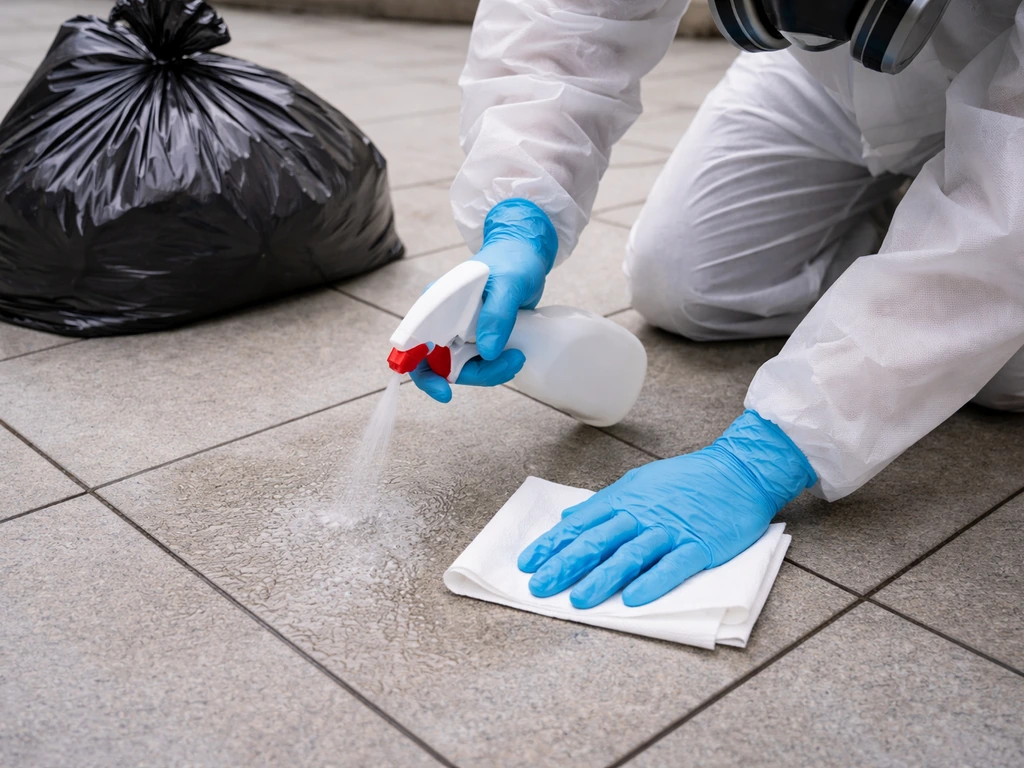
- Ventilate the area if indoors: Open windows and doors before starting.
- Put on all PPE before approaching the droppings.
- Spray droppings thoroughly with water or a diluted disinfectant. Let it soak for a few minutes.
- Wipe or scoop the wetted material using disposable paper towels, rags, or a damp mop. Do not sweep dry.
- Place all waste material into a plastic bag, seal it, and bag it again (double-bag).
- Apply an EPA-registered disinfectant to the cleaned surface. Allow the full label contact time (typically at least 5 to 10 minutes depending on product).
- Wipe the surface clean and allow to dry.
- Remove gloves by turning them inside out, bag them with the waste, seal everything.
- Wash hands thoroughly with soap and water immediately after removing gloves. Even if you think your hands are clean.
- If clothing was exposed, change and wash separately in hot water.
On the disinfectant question: use EPA-registered products. For surfaces where pets or children might have contact, check the label for food-contact safety or rinse thoroughly after the contact time. Formaldehyde-based products are not recommended for decontamination, per NIOSH guidance, due to their own significant health risks.
For Pet Owners Specifically
The CDC advises washing hands after touching birds, their droppings, or anything in their cages. Don't pick up droppings with bare hands when cleaning a birdcage. Keep enclosures clean and don't let droppings accumulate. For dogs that have eaten or rolled in bird droppings outdoors, wipe their paws and muzzle before they come inside, and wash your hands thoroughly after doing so. If a dog or cat shows signs of illness (vomiting, diarrhea, lethargy) within a few days of known droppings exposure, call your vet and mention the exposure.
What to Do After You've Already Been Exposed
If you've already touched droppings, breathed dust during cleanup, or think your pet has eaten droppings, here's what to do right now.
Immediate Steps
- Wash hands and any exposed skin thoroughly with soap and water for at least 20 seconds.
- If droppings contacted your eyes, rinse with clean water for several minutes.
- Change clothes if droppings landed on them and wash separately.
- If you inhaled dust during cleanup without protection, note the date and monitor for symptoms.
Symptoms to Watch For
Most healthy people who have a brief, incidental exposure will not get sick. But it's worth knowing the timeline and symptoms for the main diseases so you can make an informed decision about seeing a doctor.
| Disease | Incubation Period | Key Symptoms |
|---|---|---|
| Histoplasmosis | 3 to 17 days after breathing in spores | Fever, cough, chest pain, fatigue, chills, headache, muscle aches |
| Psittacosis | 5 to 14 days after exposure | Upper respiratory symptoms, fever, headache; pneumonia can occur in some cases |
| Salmonellosis | 6 hours to 6 days after ingestion | Diarrhea, stomach cramps, fever, nausea |
| Avian influenza (bird flu) | 2 to 5 days typically | Fever, cough, sore throat, muscle aches; eye infections possible |
The CDC notes that only about 1% of histoplasmosis infections are symptomatic in otherwise healthy people, meaning most exposures don't result in noticeable illness. But if you develop respiratory symptoms (persistent cough, chest pain, difficulty breathing) in the days to weeks after a significant exposure to bird droppings, especially in an enclosed space, tell your doctor about the exposure. Early evaluation matters for psittacosis particularly, and treatment with antibiotics is effective when the infection is caught early.
When to Seek Medical Help
- You develop fever, cough, or chest pain within 3 to 17 days after cleaning up a large accumulation of droppings in a confined space.
- You are immunocompromised, pregnant, elderly, or have a chronic lung condition and had any significant exposure.
- A child had contact with a large amount of droppings or was in an area with visible dust from dried droppings.
- Your pet is showing signs of illness after eating or heavily contacting bird droppings.
- You develop symptoms after purchasing or handling a new pet bird, particularly parrots or parakeets (psittacosis risk).
Preventing the Problem in the First Place
The CDC and NIOSH both emphasize that the best strategy for histoplasmosis and related risks is simply to prevent droppings from accumulating. That's genuinely good practical advice, not just bureaucratic caution. Here's how to actually do it.
Bird Deterrents That Actually Work
- Bird spikes: Installed on ledges, roof edges, gutters, and window sills. Physically prevents perching. Works well for pigeons and starlings.
- Bird netting: Blocks access to larger areas like balconies, eaves, and under solar panels. One of the most effective options for full exclusion.
- Reflective tape or visual deterrents: Spinning reflectors, predator decoys (owls, hawks), or reflective tape can deter birds from specific spots. Effectiveness varies and birds often habituate over time.
- Sound deterrents: Ultrasonic devices have mixed evidence for effectiveness. Distress call speakers can work but may disturb neighbors.
- Removing food and water sources: Don't leave pet food outdoors, secure trash, and address standing water. Reducing reasons birds want to be there is the most sustainable long-term approach.
- Sloped landing guards: Angle boards or commercially made slope attachments on ledges make comfortable perching impossible.
Keeping Cleanup Safer Over Time
- Clean droppings regularly while they're fresh rather than letting them accumulate and dry. Fresh droppings are far easier to wet and wipe safely.
- Apply car wax or sealant to vehicles so droppings are easier to remove without scrubbing (dried bird poop is acidic and can etch through paint if left too long).
- For covered patios and balconies, consider waterproof coverings that can be wiped down easily.
- Keep attic and crawl space vents properly screened to prevent roosting inside structures.
- If you have a backyard bird feeder, position it away from areas where children play or pets roam, and clean up beneath it regularly.
The Luck Myth vs the Reality
You've probably heard that getting hit by bird poop is good luck. This belief shows up across many cultures, from Russian and Turkish folklore to Italian and British traditions. The logic often goes that because the odds of a bird dropping landing on you specifically are low, it must be a sign of fortune. Some interpretations tie it to prosperity or wish fulfillment. It's a charming bit of folklore, and there's nothing wrong with choosing to see the silver lining when a pigeon ruins your dry-clean-only jacket.
But from a health standpoint, the luck symbolism and the actual biological content of bird droppings are completely separate things. The cultural belief has zero bearing on whether Histoplasma spores or Chlamydia psittaci are present in a specific dropping. Getting hit by bird poop is not inherently dangerous for a healthy adult in an outdoor setting (the risk is genuinely low), but it also doesn't confer any special protection or blessing. What it does call for is a practical response: wash up, don't rub your face, and move on with your day.
The biggest myth worth dispelling isn't the luck story but rather the opposite extreme: that any contact with bird droppings is a medical emergency. It isn't. The diseases discussed here are real, but context is everything. If you’re wondering what diseases bird poop carries, the main concerns are infectious fungi, bacteria, and viruses. A healthy person who quickly washes their hands after touching fresh bird droppings from a common songbird on a park bench is not in danger. The risk escalates with accumulation, enclosure, dry dust generation, and compromised immunity. Keep those factors in mind and you have an accurate, proportionate view of the actual risk.
FAQ
I touched bird droppings with bare hands. What should I do immediately? (No cuts, just contact.)
If you touched a fresh dropping and your skin was intact, the fastest risk reduction is to wash with soap and water as soon as you can. If it got on clothing, change it or launder it normally, and avoid rubbing your eyes or face until after washing your hands.
Why is sweeping or dry mopping a bad idea for bird droppings cleanup?
Avoid sweeping and dry mopping because they aerosolize dried particles. If you must use a disposable method, use wetted paper towels or a disposable scoop after spraying first, then seal waste in a trash bag and wash the area again.
Can I vacuum bird droppings with a normal vacuum?
A regular household vacuum without a HEPA filter can spread fine dust you cannot see. If you do use a vacuum, only use one with a true HEPA filtration system, and still wet the area first to minimize airborne particles.
What protective gear should I use when cleaning dried droppings indoors?
For significant accumulations, indoor cleanup, or when you are immunocompromised, use at least eye protection and an N95 or higher respirator to reduce inhalation risk. If the area is heavily soiled or dusty, consider outsourcing or using a professional service.
Is it safe to disinfect bird-dropping areas with bleach, and can I mix cleaners?
Do not mix cleaners such as bleach with other products (especially acids or ammonia), because dangerous gases can form. Use a single EPA-registered disinfectant per the label, keep the area ventilated, and follow the contact time before wiping.
What should I do if bird droppings splashed into my eyes?
If droplets got into your eyes or you wear contact lenses, remove contacts and rinse the eyes with clean water or saline for several minutes, then seek medical advice if you have pain, redness, or vision changes. Mention that it involved bird droppings or contaminated dust.
How should I handle bird droppings that landed on a kitchen counter or food-prep surface?
Yes. If the droppings contaminated food-prep surfaces, follow the steps of wet removal first, then clean with soap and water, then disinfect if recommended by the disinfectant label. Afterward, rinse thoroughly where pets or kids may touch and where the label requires it.
My dog ate or licked bird droppings outdoors. What’s the right next step?
Pets can act as a bridge to your face and mouth. Wipe paws and muzzle with a damp cloth, then wash your hands after, and launder any bedding they contacted. If your pet swallowed droppings and develops vomiting, diarrhea, or unusual lethargy, contact your vet and mention the exposure.
If do bird droppings carry disease, when would symptoms start after cleanup exposure?
Histoplasmosis and psittacosis are not typically immediate, so there can be a delay before symptoms show up. As a practical guide, if you develop respiratory symptoms like persistent cough, chest pain, or trouble breathing in the days to weeks after a major dusty exposure, seek medical evaluation and disclose the exposure.
When should I contact a doctor after bird-droppings exposure, and when is it usually unnecessary?
If you had only a single small outdoor splat on a car and washed hands afterward, you usually do not need medical care. Make an urgent call instead if symptoms appear after a significant enclosed-space cleanup, especially if you are immunocompromised, elderly, or have severe respiratory issues at baseline.
Why can repeated small droppings in one place be riskier than one big event?
The risk is driven more by dust generation and accumulation than by the number of visible drops. A covered patio, garage, attic, or balcony with roosting birds can create repeated dusty exposures even if each single droplet seems minor.
What are practical ways to prevent bird droppings buildup in the future?
Prevent recontamination by removing attractants, blocking roosting areas, and scheduling regular inspection before droppings build up. Use safe, non-toxic deterrents appropriate for your area and avoid disturbing a large buildup dry during removal.