Yes, bird poop can carry disease-causing pathogens, but for most healthy adults a brief, everyday encounter with a dropping on your car hood or patio chair is genuinely low risk. The real danger comes from inhaling dust from dried, accumulated droppings during cleanup, or from hand-to-mouth contact after touching contaminated surfaces without washing up. Knowing which situations actually raise your risk, and how to handle cleanup the right way, is what matters most here.
Does Bird Poop Carry Disease? Safe Cleanup and Health Risks

Marcus Fielding
23 Apr 2026
Dried vs fresh: does drying make bird poop safer?
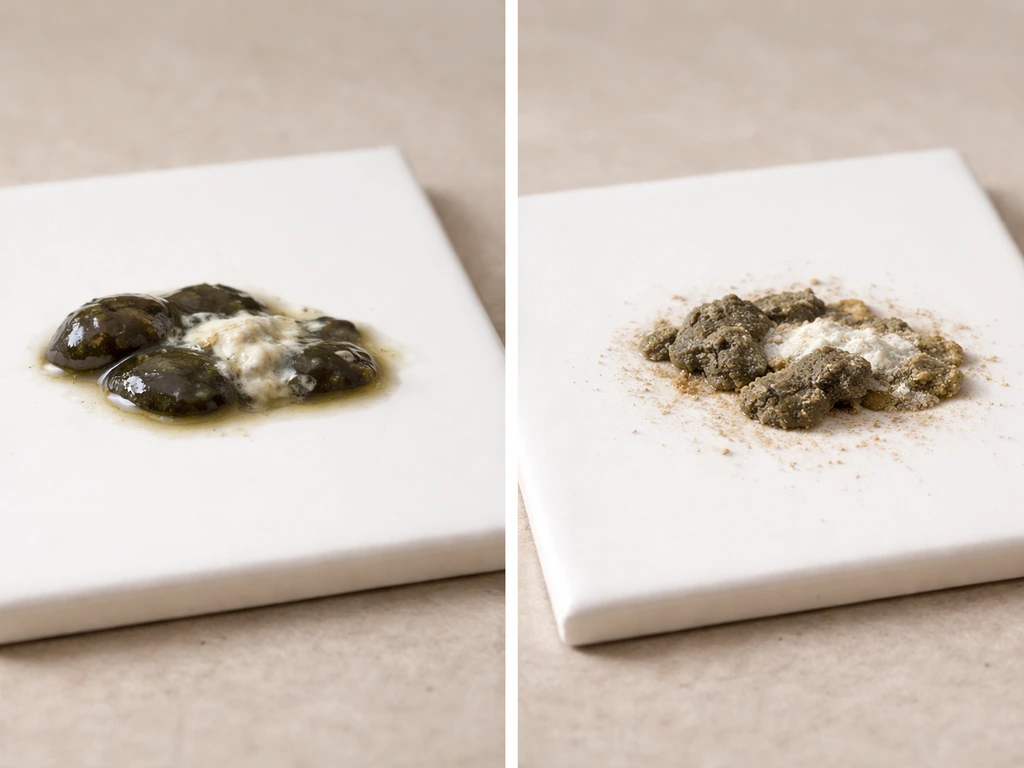
A lot of people assume that once droppings have dried out in the sun they're basically harmless. That's not quite right. Fresh droppings are messy and unpleasant, but dried droppings are arguably more hazardous in one specific way: when they crumble or get disturbed, they release fine dust particles into the air. That dust can carry live pathogens, and you breathe it in without even realizing it.
Chlamydia psittaci, the bacterium behind psittacosis, has been shown to persist and remain viable in dried material across a range of temperatures and time periods. Histoplasma spores, the fungal culprit behind histoplasmosis, are specifically resistant to drying and can remain infectious for long periods in soil and debris enriched with bird or bat droppings. So drying doesn't sterilize the material. It just changes how the hazard reaches you, shifting it from direct contact to airborne dust.
The practical takeaway: don't sweep or scrape dry droppings without wetting them first. The goal is to keep the material from becoming airborne, not just to get it off your surface.
What diseases bird droppings can actually spread
When people ask whether bird poop carries disease, they're usually picturing something dramatic. If you're wondering what diseases bird poop carries, the next section breaks down the specific pathogens and how they spread. The reality is more nuanced. Bird droppings can harbor several types of pathogens, and understanding what each one actually does helps you size up your real risk rather than catastrophize.
| Disease | Pathogen Type | Primary Route from Droppings | Who's Most at Risk |
|---|---|---|---|
| Histoplasmosis | Fungus (Histoplasma) | Inhaling spores from dry, accumulated droppings or contaminated soil | People with weakened immune systems; those in high-exposure jobs |
| Psittacosis (parrot fever) | Bacterium (Chlamydia psittaci) | Inhaling dust from dried bird secretions or droppings | Bird owners, pet shop workers, vets; any direct handling without PPE |
| Cryptococcosis | Fungus (Cryptococcus) | Inhaling spores from aged pigeon droppings | Primarily immunocompromised individuals |
| Salmonellosis | Bacterium (Salmonella) | Hand-to-mouth contact after touching contaminated surfaces or bird feeders | Anyone; linked to wild songbird feeders and soiled environments |
| Campylobacteriosis | Bacterium (Campylobacter) | Contact with birds or contaminated environments, then hand-to-mouth | Anyone; birds can carry it without showing illness |
It's worth noting what 'carrying disease' actually means here. A dropping doesn't automatically infect you on contact. Transmission requires a route, either breathing in contaminated dust, touching a soiled surface and then touching your mouth, nose, or eyes, or in rare cases, ingesting contaminated water or food. Healthy skin is a decent barrier. Intact immune systems handle a lot. The risk escalates when accumulation is heavy, when you're doing something that kicks material into the air, or when your immune system isn't at full strength.
If you're also curious about whether bird droppings might be linked to cancer risk, that question gets into very different territory involving chronic infection and immune status rather than direct carcinogenicity from droppings themselves. If you’re wondering, does bird poop cause cancer, the evidence is limited and any risk is more about rare chronic infections and inflammation than the droppings acting as a direct carcinogen bird droppings might be linked to cancer risk.
How exposure actually happens in everyday life
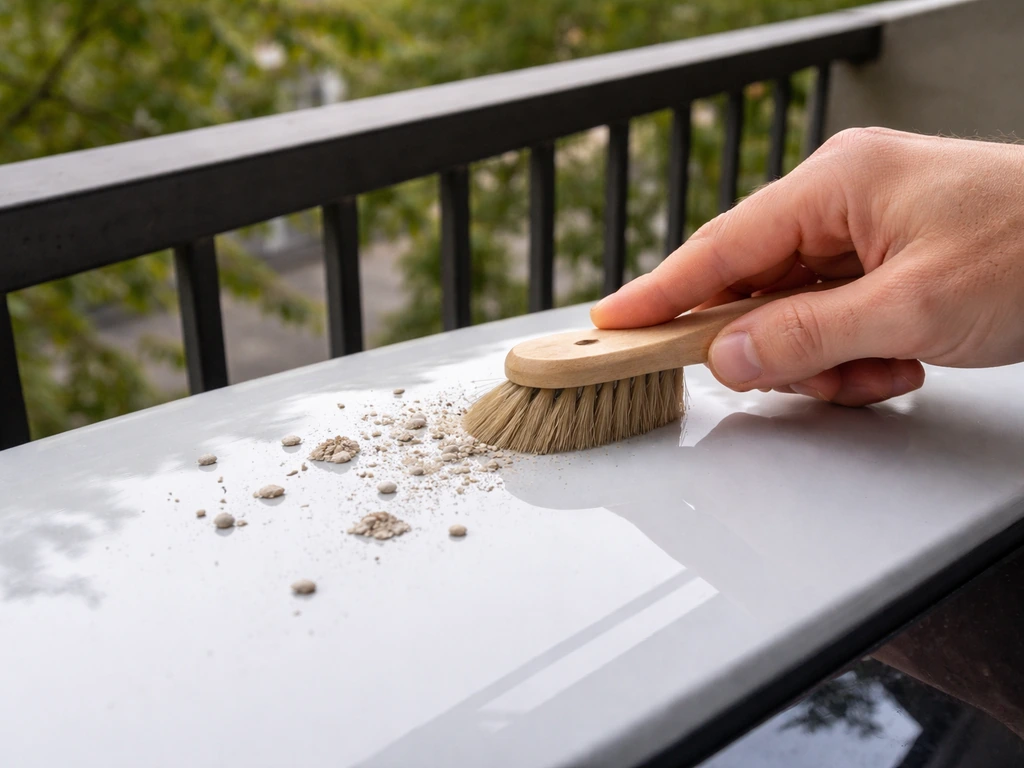
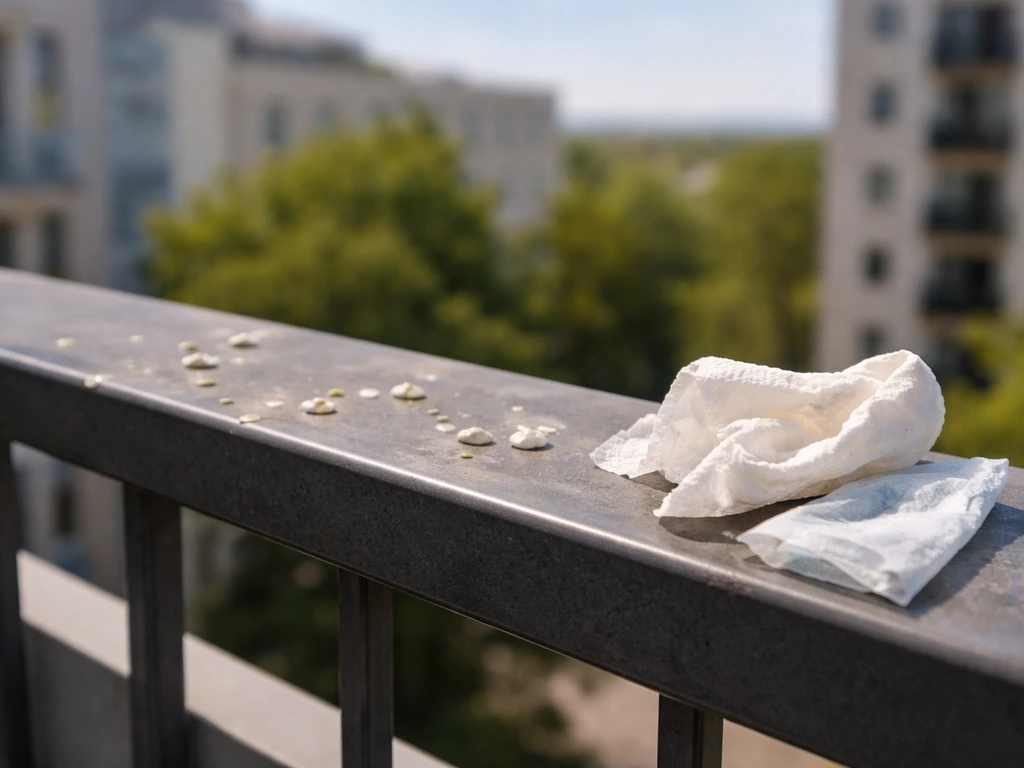
Most people encounter bird droppings in pretty predictable places: the car parked under a tree, the balcony railing, the patio furniture left out overnight, a backyard bird feeder, or a windowsill ledged with pigeon residue. The risk in these settings isn't usually from looking at the droppings. It comes from what you do next.
- Scraping or dry-brushing droppings off a car or hard surface without wetting them first, which aerosolizes fine particles
- Reaching into a bird cage, nest area, or feeder with bare hands and then touching your face before washing up
- Letting pets (especially dogs) sniff, lick, or roll in areas with heavy bird dropping accumulation
- Sweeping a balcony, attic, or enclosed space where droppings have built up over time without any respiratory protection
- Cleaning a bird cage or enclosure without using water or disinfectant to dampen the material before wiping
- Handling wild bird feeders that have become soiled and then preparing food without washing your hands
The settings that genuinely raise the risk are enclosed or poorly ventilated spaces (attics, barns, crawl spaces under eaves) where droppings accumulate undisturbed over months or years. In those situations, even walking through can stir up enough dust to cause real inhalation exposure. Outdoor, open-air spots are much lower risk because the concentration of airborne material stays low.
Low risk vs worth-being-careful: how to read your situation
New York City's health department puts it plainly: cleaning a windowsill with a small amount of pigeon droppings does not pose a serious health risk to most healthy people. That's a reasonable benchmark. One dropping, or a few, on an outdoor surface that you clean up with basic precautions? That's genuinely low risk for a healthy adult.
Here's when you should take it more seriously:
- You have a compromised immune system (from HIV/AIDS, cancer treatment, organ transplant medication, or similar conditions): in these cases, NYC Health specifically advises not cleaning droppings yourself
- The accumulation is large, old, or covers a significant area, especially in an enclosed space like an attic, shed, or under an overhang
- You're doing the kind of cleanup that kicks up a lot of dust (shoveling, dry sweeping, pressure-washing dry material)
- You're working in or near a roost site, barn, or any area with heavy, repeated bird traffic over time
- You're dealing with droppings from confirmed sick birds or birds that died on the premises
- Your pets have had repeated contact with heavily soiled areas and are showing signs of illness
For most casual encounters with bird droppings, the key is just not being careless about it. Wash your hands, don't dry-sweep, and you've handled the main risk vectors.
How to clean it up safely right now
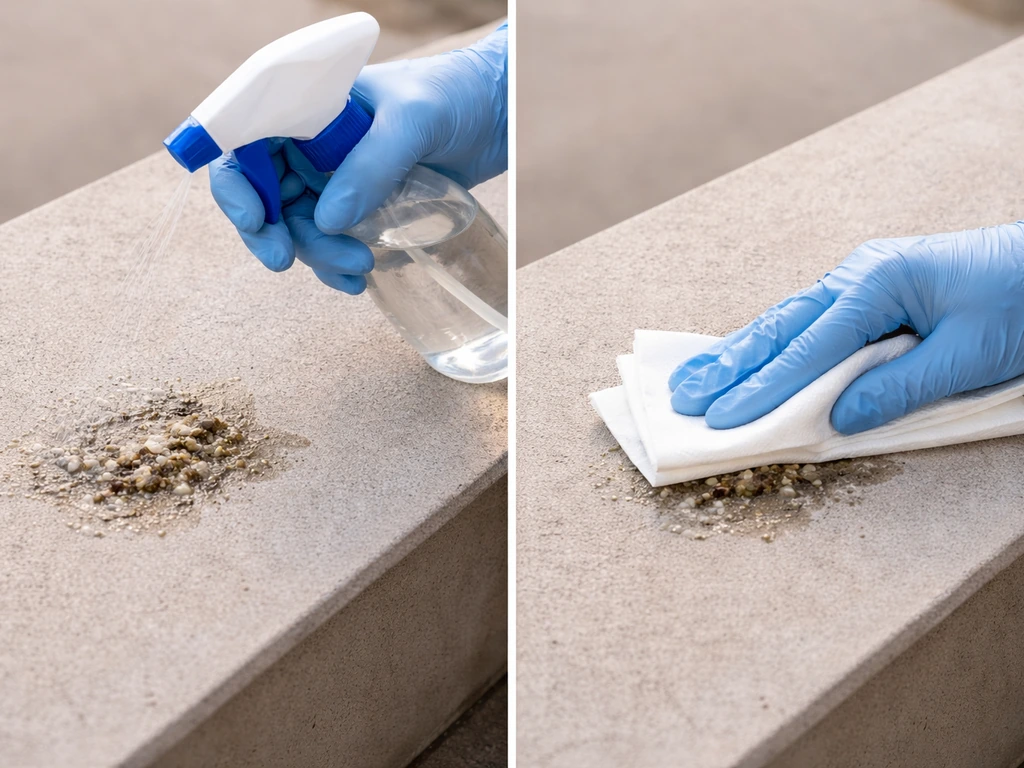
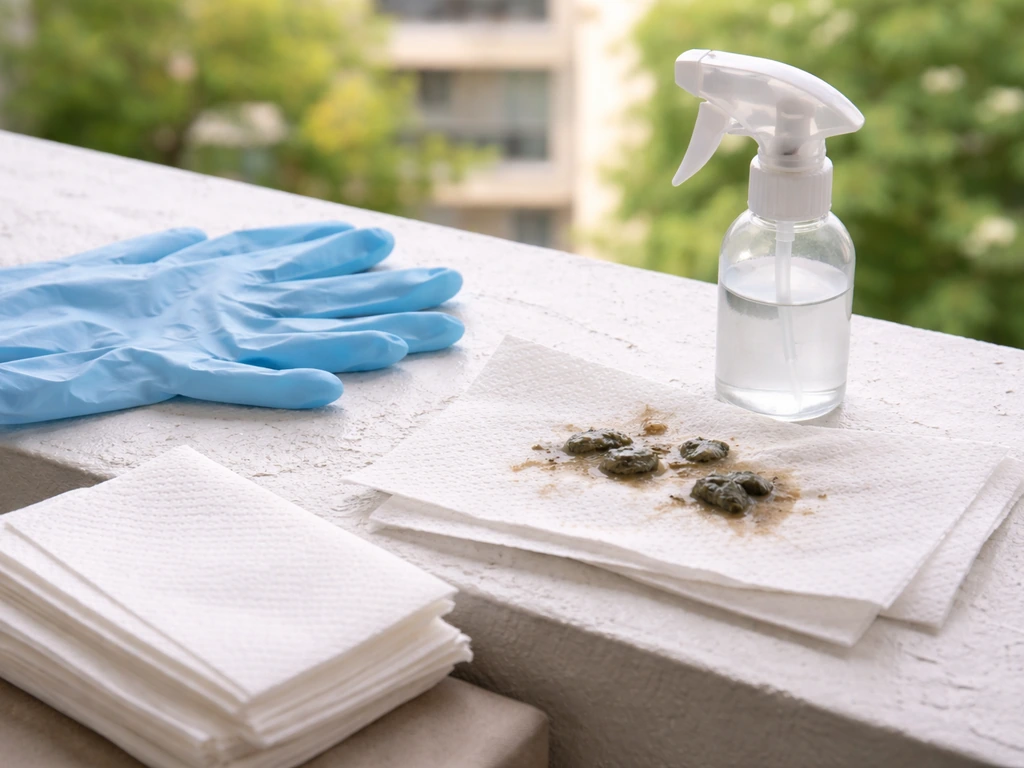
The single most important rule in cleaning up bird droppings is this: wet it before you touch it. Wetting droppings prevents them from becoming airborne dust, which is the primary route for inhaling pathogens like Histoplasma spores and Chlamydia psittaci. This is consistent guidance from the CDC, NIOSH, and public health departments across the US. Do bird feathers have germs? The main concern is less about feathers themselves and more about any dried droppings or debris that may be stuck to them.
- Put on gloves before you start. Disposable nitrile gloves work well. If you're cleaning an enclosed space or a large accumulation, add a properly fitted N95 respirator and eye protection.
- Spray the droppings with water or a disinfectant solution (a diluted bleach solution works: roughly 1 part bleach to 9 parts water) to thoroughly wet the material before you touch or scrape it.
- Let it soak for a minute or two, then wipe or scrape the wetted material into a plastic bag. Do not dry-sweep, dry-scrape, or use compressed air to blow it off.
- Seal and dispose of the bag in your regular trash. For large accumulations in enclosed spaces, double-bag.
- Disinfect the surface with your bleach solution or another appropriate disinfectant and let it air dry.
- Remove gloves by turning them inside out and dispose of them. Wash your hands thoroughly with soap and water immediately after. Do not touch your face, phone, or food during the process.
- If you used a cloth or sponge, either discard it or wash it separately with hot water and detergent.
- For large-scale infestations or heavy accumulations in enclosed spaces, contact a professional hazardous-waste or remediation company. This isn't overkill: it's what CDC/NIOSH specifically recommends in those scenarios.
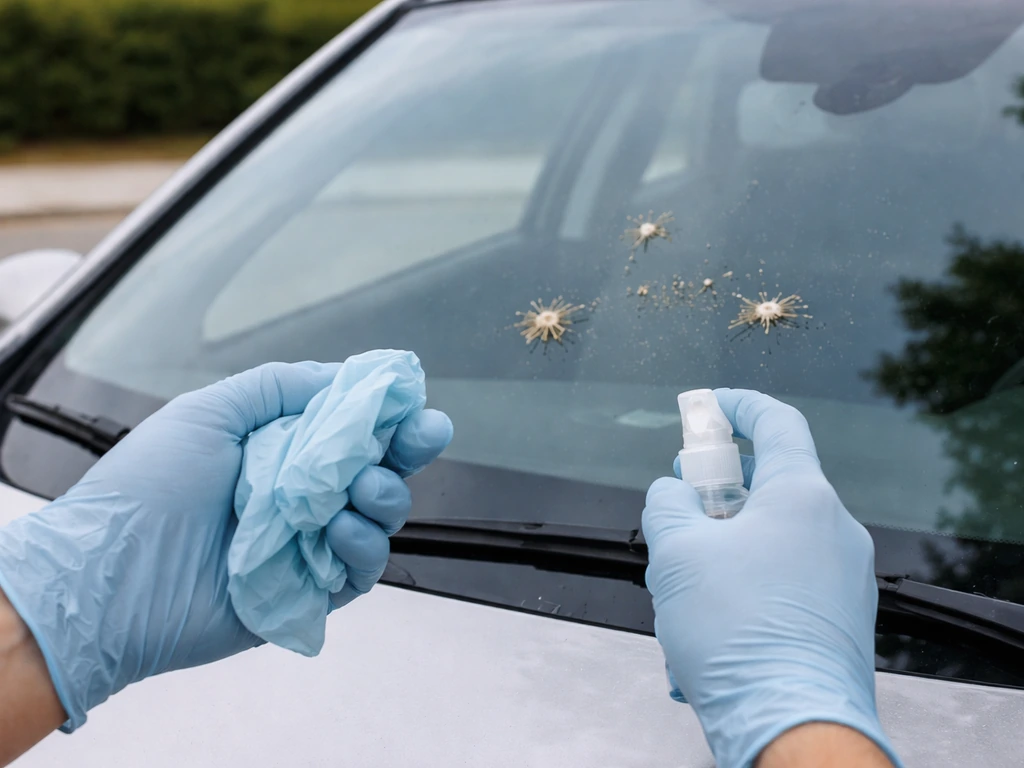
On cars specifically, wet the droppings with water first (a spray bottle does the job), let it soften for 30 seconds to a minute, then wipe with a disposable cloth. The main risk on a car is honestly to the paint rather than your health, but the wetting step still keeps you from flicking dry particulates around.
When to see a doctor and what symptoms to watch for
For the vast majority of casual exposures, you don't need a doctor. Clean up, wash your hands, and move on. CDC NIOSH workplace strategy guidance recommends that healthcare providers consider histoplasmosis for patients with activities that expose them to soil contaminated with bird or bat droppings. But there are real scenarios where a medical conversation makes sense, particularly if you had a higher-risk exposure (enclosed space, large accumulation, no respiratory protection) or if symptoms develop in the days or weeks after.
Seek medical evaluation if you develop any of the following after a known or suspected exposure to bird droppings, especially in an enclosed or heavily contaminated area:
- Fever, chills, or sweating that starts within a week or two of the exposure
- Persistent dry cough, chest tightness, or shortness of breath
- Fatigue and muscle aches that feel out of proportion to any other illness
- Headache combined with any respiratory symptoms
- Symptoms that initially seem like a mild flu but don't resolve within a week
Histoplasmosis and psittacosis both have incubation periods of roughly one to three weeks, so symptoms don't always show up immediately. If you had a significant exposure (say, you spent time in a bat- or bird-roosted attic without a mask), it's reasonable to mention this to your doctor proactively rather than waiting for symptoms. Tell them what you were doing, how long you were exposed, and whether you used any protective equipment. Testing for histoplasmosis is available and your provider can advise on whether it's warranted based on your specific situation.
If you're immunocompromised and you've had any contact with bird droppings, even what seems like a minor exposure, it's worth a call to your healthcare provider. NYC Health advises that people with compromised immune systems should not clean pigeon droppings themselves, including those with HIV or cancer. The risk profile is genuinely different for people with weakened immune systems, and earlier evaluation is always the smarter call.
FAQ
Does bird poop carry disease if it’s only a tiny smudge on a car or patio chair?
Usually the risk is very low for healthy adults if it was just a small amount and you clean it promptly. The higher concern is preventing contact with residue on your hands or inhaling disturbed dust, so wetting the area and washing hands after cleanup matters more than the number of spots.
Is it safe to clean dried bird droppings with a paper towel or dry rag?
Dry wiping can still kick up dust and make more particles airborne, especially if the material is crusted. Wet the droppings first (spray bottle, then wait briefly) before wiping, and discard the cloth promptly so you are not re-contaminating your hands or surroundings.
Can my pet get sick from bird poop on the ground?
Pets can be exposed if they lick residue or track contaminated dust into the home. Dogs that sniff or eat droppings are at higher risk than those that only walk past them, so use gloves if cleaning, and keep pets away from the area until you have wet-cleaned and removed the residue.
What if the bird poop is on windows, screens, or siding and I can’t fully “wet” it?
You can still reduce dust by applying water gently with a spray rather than blasting or scrubbing dry. Avoid dry scraping, and work with good ventilation, then wash your hands and any tool handles afterward since residue can transfer even if you do not see it.
Does bird poop carry disease through bird feeders or bird bath water?
The main issue with feeders and bird baths is contaminated droppings mixing with water or being aerosolized when debris is disturbed. Empty and scrub feeders and bowls regularly, use fresh water, and do not hose off dried messes in a way that makes spray mist, since mist can carry particles you inhale.
Do bird feathers themselves carry disease?
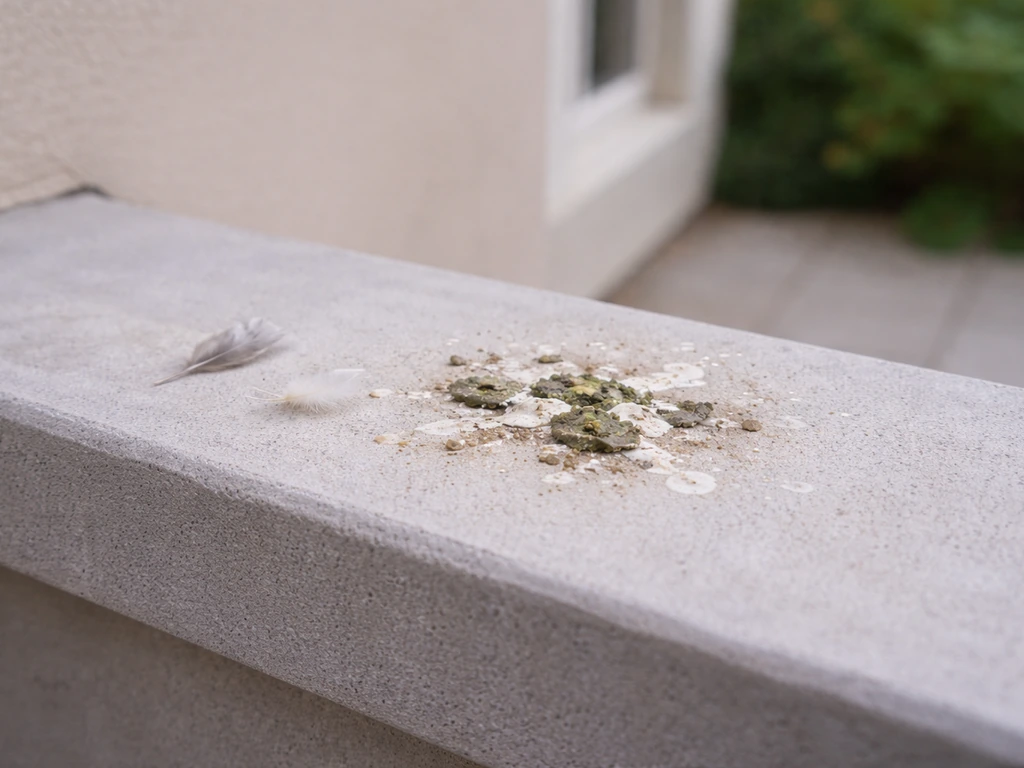
Feathers are not usually the main route, but they can hold dried droppings and dust on their surface. If you pick up feathers or sweep feather debris, treat it as contaminated material, wet it if possible, and avoid creating dust in the process.
How can I tell if I had a “high-risk” exposure and should call a doctor?
Consider it higher risk if you were in an enclosed, dusty space with heavy buildup, you performed cleanup without respiratory protection, or you stirred material that became airborne. If symptoms develop within about one to three weeks after such an exposure, tell your clinician about the setting and duration so they can judge whether testing is appropriate.
What symptoms should make me worry after cleaning bird droppings?
Watch for signs consistent with respiratory or systemic infection, such as persistent fever, cough, shortness of breath, unusual fatigue, or worsening illness that appears days to weeks after a suspected significant exposure. If symptoms start after a major cleanup in an attic, barn, crawl space, or other enclosed area, it is reasonable to seek medical advice rather than waiting.
Should I wear gloves and a mask, and what kind?
Gloves are a good idea for preventing hand-to-mouth transfer. For casual outdoor spots, a mask is usually not necessary, but for enclosed spaces or large accumulations where dust could be generated, use respiratory protection and avoid any dry-sweeping. If you do not have a fit-tested respirator, prioritize wetting first and consider professional help for heavy buildup.
Is it safe to use a pressure washer to remove bird droppings?
Pressure washing can create fine mist and aerosolized particles, which increases inhalation risk. Wetting first and using gentle cleanup methods is safer, and you should avoid high-pressure spray directly on dried residue, especially in enclosed or poorly ventilated areas.