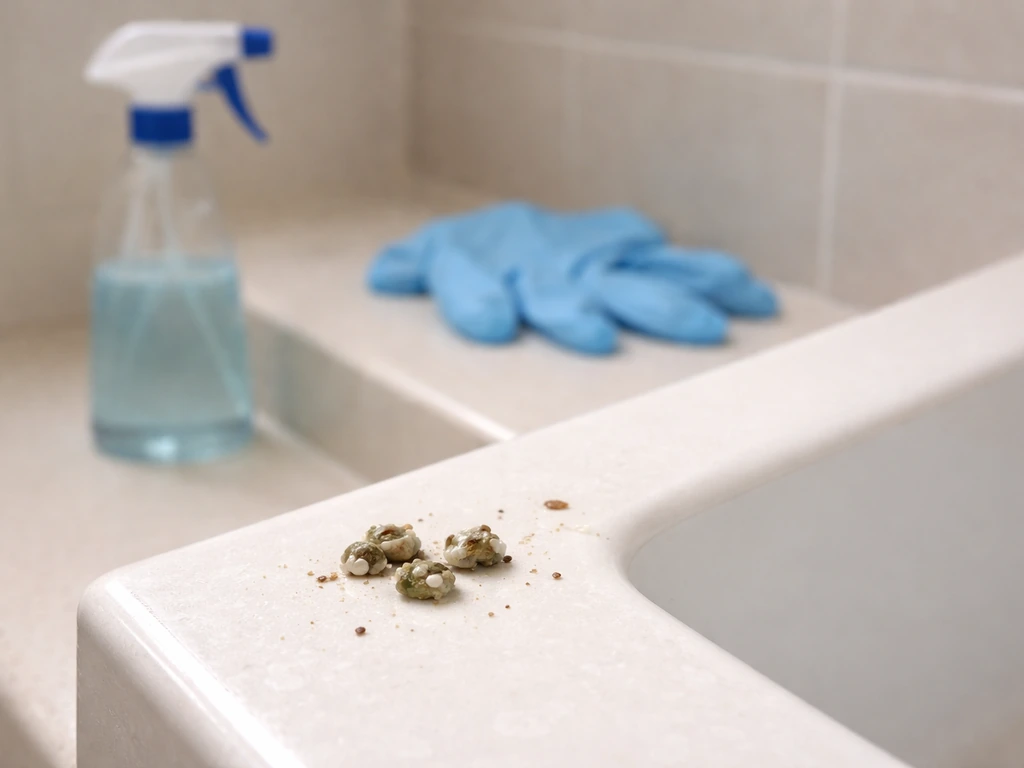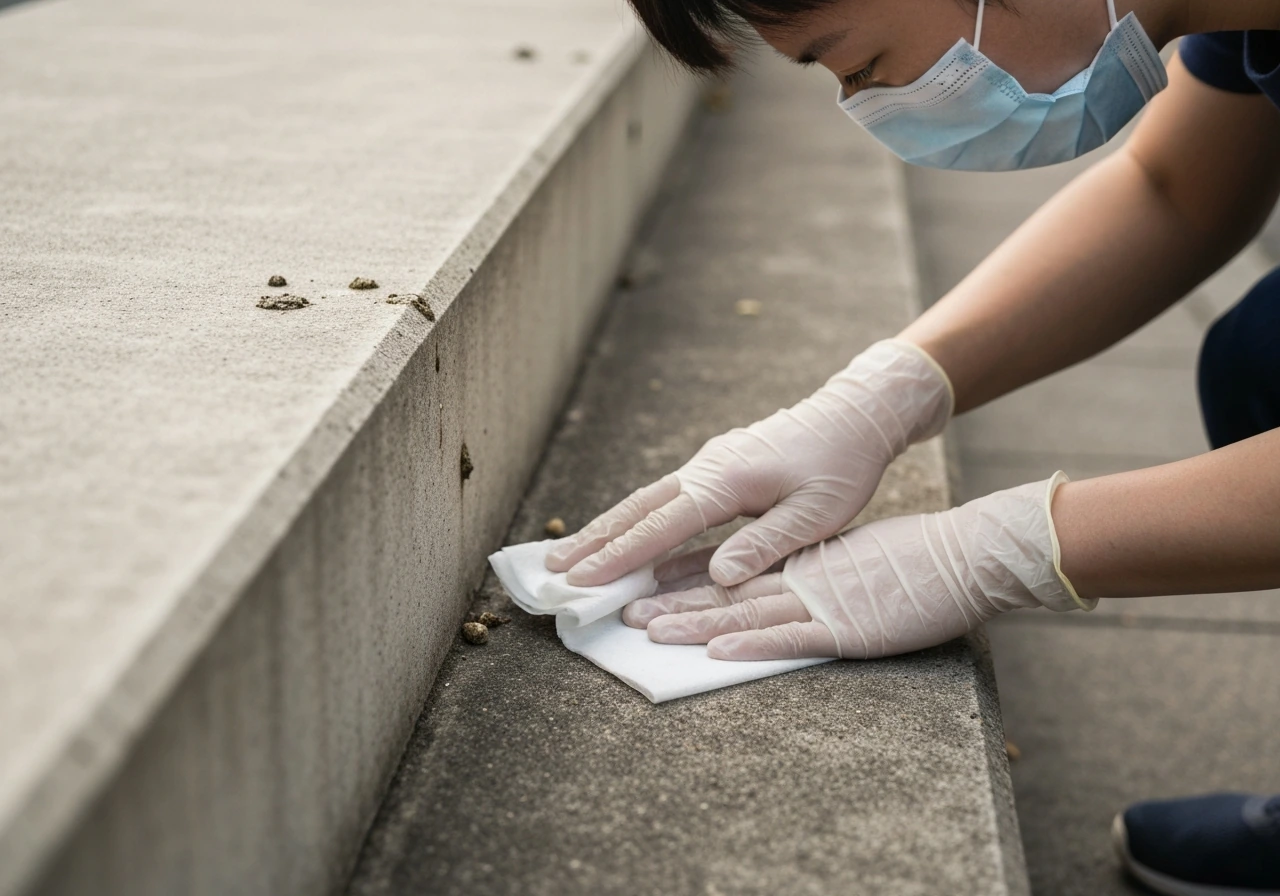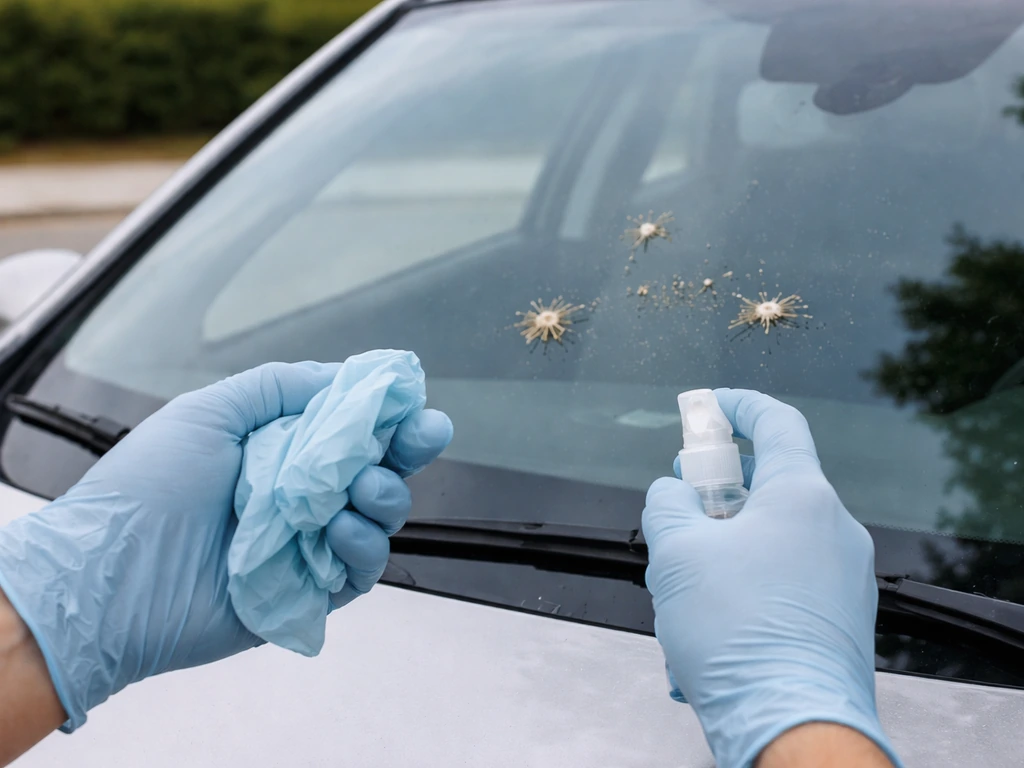
Bird droppings can carry real health risks, but the level of danger depends heavily on how you're exposed. A single splat on your jacket is very different from sweeping up a year's worth of dried pigeon mess in an attic. The main threats are fungal spores (especially Histoplasma), bacteria like Chlamydia psittaci and Salmonella, and allergenic proteins that can irritate your lungs. Most healthy adults who have a brief, one-time contact with fresh droppings will be fine after washing up. But if you're cleaning up large or old accumulations, have a weakened immune system, or spend a lot of time around birds, the risks are worth taking seriously and preparing for.
Health Risks of Bird Droppings: Symptoms and Cleanup Steps

Marcus Fielding
26 Apr 2026
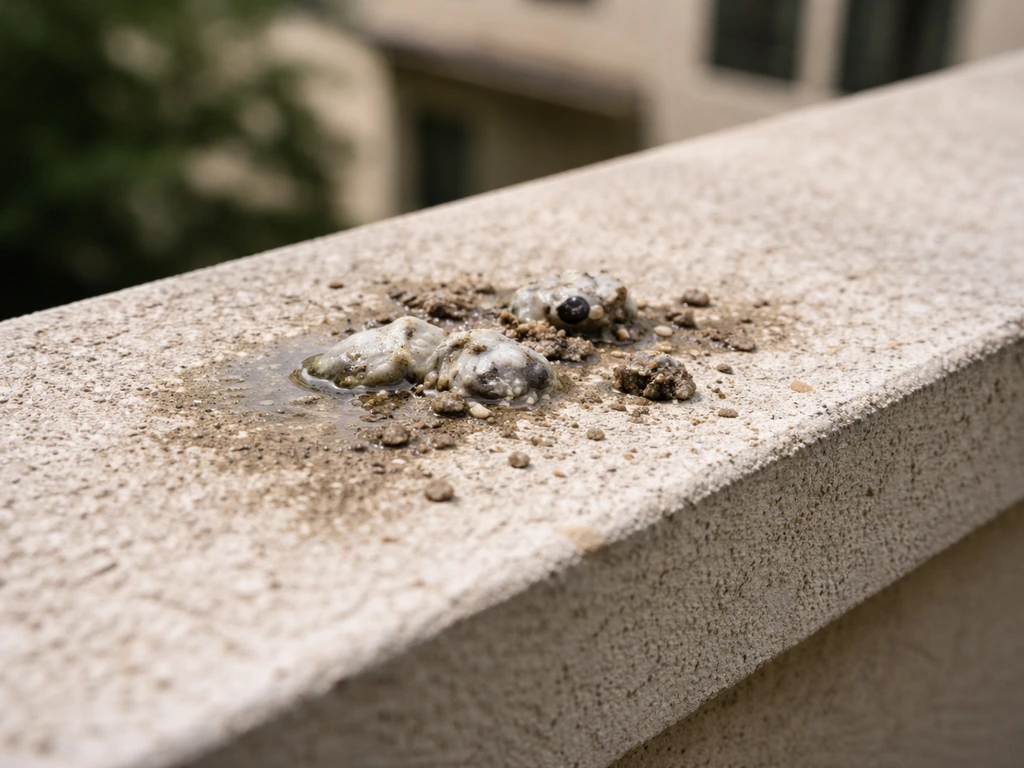
What's actually in bird droppings and why it matters
Bird droppings are a mix of feces and urine (birds excrete both together), and that combination can contain a surprisingly varied cast of pathogens, allergens, and irritants. The big three you'll hear about most are Histoplasma capsulatum, Chlamydia psittaci, and Salmonella.
Histoplasma is a fungus that thrives in soil heavily contaminated with bird or bat droppings. It produces spores that are tiny (1 to 5 micrometers), which means they float easily in air and can travel deep into your lungs when inhaled. The CDC notes that fresh droppings on sidewalks or windowsills probably don't pose a histoplasmosis risk on their own, but when droppings accumulate over time and mix with soil, the fungus can establish and grow. CDC advises eliminating exposure to bird or bat droppings to reduce the risk of histoplasmosis. Disturbing that buildup, by sweeping, digging, or demolishing a structure, is when you're actually at risk.
Chlamydia psittaci is the bacterium behind psittacosis (sometimes called parrot fever), and it's found most commonly in parrots, parakeets, cockatiels, and other psittacine birds, though pigeons and other species can carry it too. The bacteria can survive in dried droppings and respiratory secretions for weeks, which is why old, dusty bird areas are a legitimate concern.
Salmonella is a more familiar name, and wild birds at contaminated feeders or birdbaths can shed it. You're not going to catch it by being near a bird. You catch it the old-fashioned way: touch a contaminated surface (feeder, birdbath, feces), then touch your mouth without washing your hands.
Beyond pathogens, bird droppings also contain proteins from feathers, dander, and excreta that act as allergens. These can trigger hypersensitivity pneumonitis, commonly called bird fancier's lung, which is a genuine allergic lung condition that develops in people repeatedly exposed to avian proteins. It's most common in pet bird owners and bird handlers, but anyone with ongoing heavy exposure is potentially at risk.
How you actually get exposed: contact vs. breathing it in
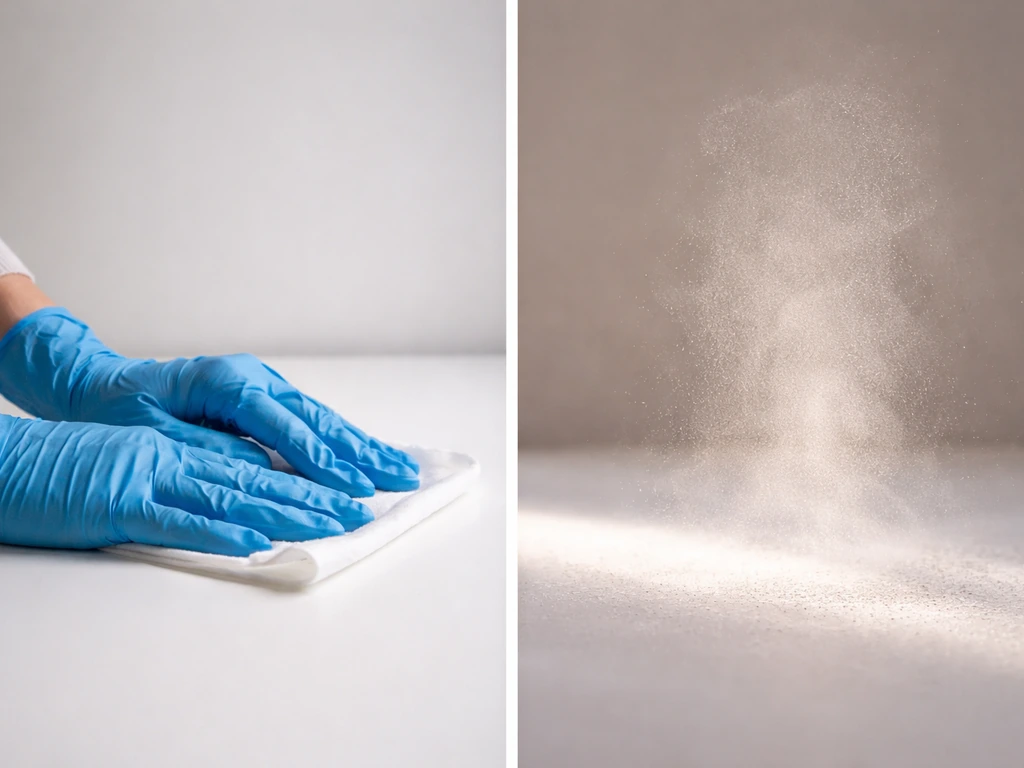
There are a few distinct exposure routes, and knowing which one applies to your situation changes how worried you need to be and what you should do about it.
- Direct skin contact: touching fresh or dried droppings with bare hands is the most common scenario. On its own, intact skin is a decent barrier, but you risk hand-to-mouth transmission if you don't wash up before eating or touching your face.
- Inhalation of aerosolized particles: this is the serious one. When dry droppings are swept, vacuumed (without a HEPA filter), blown with a leaf blower, or disturbed during construction or demolition, microscopic particles become airborne. Histoplasma spores, C. psittaci organisms, and allergenic proteins all travel this way.
- Contaminated surfaces and hand-to-mouth: touching a bird feeder, birdbath, or any surface coated in dried droppings and then touching your face is how Salmonella and some other gastrointestinal pathogens get into your system.
- Splash to eyes or mouth: less common, but cleaning with pressurized water or a spray near concentrated droppings can create splatter. Eyes and mucous membranes are direct entry points for pathogens.
- Indirect contact through pets: dogs that sniff or roll in bird feces can carry organisms on their fur or paws. A dog that contacts infected wild birds could bring Salmonella into your home.
The inhalation route is what separates a minor nuisance from a genuine health hazard. For example, OSHA considers bird droppings a potential biological hazard mainly because of the risk from airborne spores and contaminated dust genuine health hazard. That's why the cleanup method matters so much, and why every credible health authority says the same thing: don't dry sweep or vacuum without proper filtration.
Health effects and symptoms to watch for
Different pathogens produce different symptoms, and the timing varies. Here's what to know about each.
Histoplasmosis
Symptoms typically appear 3 to 17 days after inhaling Histoplasma spores. Most people who inhale a small number of spores won't notice anything at all. When illness does show up, it looks a lot like a respiratory infection: fever, chills, cough, headache, chest pain, muscle aches, and general malaise. Severe or disseminated histoplasmosis is rare in healthy adults but can be life-threatening in immunocompromised individuals.
Psittacosis
Signs and symptoms of psittacosis usually develop within 5 to 14 days of exposure. The illness typically presents as a dry cough, fever, and in more serious cases, severe pneumonia. It's often mistaken for other respiratory infections, which is why telling your doctor about bird exposure matters when you're seeking care.
Salmonella
Salmonella infection usually shows up 6 hours to 6 days after exposure and causes diarrhea, cramping, fever, and nausea. The CDC notes that the incubation period for food poisoning germs including Salmonella is typically 6 hours to 6 days, meaning that time from swallowing the germ to when symptoms start Food Safety. It's self-limiting for most healthy people, but it can be serious for young children, older adults, and anyone immunocompromised.
Bird fancier's lung and allergic reactions
Hypersensitivity pneumonitis from bird protein exposure (bird fancier's lung) typically causes fever, malaise, cough, and shortness of breath within a few hours of a heavy exposure. With repeated lower-level exposures, a chronic form can develop that causes gradually worsening breathlessness. If you have asthma or other respiratory sensitivities, bird droppings and dander can also trigger flare-ups without causing a full-blown infection.
Who's at higher risk and when to be more careful
Most healthy adults can deal with incidental, low-level bird dropping exposure without serious consequence. But certain groups need to be more cautious.
| Group | Main concern | Extra precaution |
|---|---|---|
| Immunocompromised individuals (HIV, cancer treatment, organ transplant) | Severe or disseminated histoplasmosis; serious bacterial infections | Avoid all direct cleanup; consider professional remediation |
| Young children | Salmonella (hand-to-mouth); lower immune resilience | Supervise hand washing after outdoor play near bird areas |
| People with asthma or allergies | Allergenic proteins trigger flare-ups; bird fancier's lung | Wear N95 respirator during any cleanup; avoid lingering in areas with buildup |
| Frequent bird handlers and pet bird owners | Psittacosis from C. psittaci; bird fancier's lung from chronic exposure | Use PPE routinely; schedule regular cage cleaning with wet methods |
| Workers doing demolition, construction, or attic work | High-dose Histoplasma spore inhalation from disturbed accumulated droppings | Full PPE: N95 or higher, gloves, disposable coveralls; consider professional assessment |
| Anyone cleaning large or old accumulations | Aerosolized Histoplasma spores; concentrated C. psittaci | Wet-down material first; full PPE; consider calling professionals |
The quantity and age of the droppings also changes the risk calculation significantly. A fresh single dropping on your car hood is low risk. A decades-old pigeon colony nesting in your attic insulation is a different category of problem entirely, one where calling a professional hazardous waste cleanup service is genuinely the right call.
What to do right now after an exposure
If you've just had an exposure incident, here's what to do based on the type of contact.
Skin contact (hand, arm, leg)
Wash the affected area with soap and water thoroughly for at least 20 seconds. Don't scrub so hard you break the skin. That's genuinely it for most healthy adults with one-time contact. Don't touch your face, food, or any surfaces until you've washed.
Stepped in it or got it on shoes
Remove shoes before entering your home to avoid tracking pathogens inside. Clean shoe soles with a disinfectant wipe or diluted bleach solution before re-wearing. Wash your hands after handling the shoes.
It landed near or on food prep areas
Don't use the area until it's been properly cleaned and disinfected. Remove any food that could have been contaminated, and discard it. Clean the surface first to remove visible material, then apply a disinfectant (diluted bleach is effective, following label instructions). Do not eat food that was directly contacted or that you're unsure about.
Splash to eyes or mouth
For eyes: rinse thoroughly with clean water for at least 15 minutes. For mouth: rinse with clean water and spit. In both cases, contact a healthcare provider, especially if the exposure involved concentrated or old droppings. Be honest about what happened. It sounds embarrassing but the doctor needs to know.
Your pet was exposed
If your dog rolled in or ate bird droppings, wash them with pet shampoo and rinse well. Watch for signs of GI distress (vomiting, diarrhea) over the next few days, and contact your vet if symptoms appear or if the exposure was heavy. Wash your own hands thoroughly after handling the pet.
You inhaled dust while cleaning
Move to fresh air immediately. If you inhaled a significant amount of dust from a large accumulation, especially in an enclosed space, call a healthcare provider and specifically mention the potential for Histoplasma or C. psittaci exposure. They may want to do testing. Symptoms can take days to appear, so don't assume you're fine just because you feel okay right now.
How to clean up bird droppings safely
The number one rule: don't dry-disturb the material. No sweeping, no dry scraping, no regular vacuuming, no leaf blowing. All of those actions aerosolize particles you absolutely don't want in your lungs.
PPE to have ready
- N95 respirator (or higher): Histoplasma spores are 1 to 5 micrometers; N95-class respirators are specifically recommended by NIOSH/CDC because they collect these tiny aerosols with very high efficiency. A basic dust mask or surgical mask is not sufficient.
- Disposable gloves: wear them whenever handling droppings or contaminated material.
- Disposable coveralls and shoe/boot covers: these prevent contaminating your regular clothing and spreading particles elsewhere.
- Eye protection: goggles or safety glasses, especially if using sprays or working overhead.
Step-by-step cleanup
- Put on all your PPE before you start. Don't wait until you're already next to the droppings.
- Ventilate the space: open windows and doors if indoors, or work from upwind if outdoors.
- Wet the droppings down thoroughly using water or a diluted disinfectant spray. This suppresses dust and prevents aerosolization. Let it soak for a few minutes.
- Pick up or wipe the dampened material using paper towels or disposable cloths. Place material directly into a sealed plastic bag.
- Clean the surface with your chosen disinfectant (diluted bleach works well; mix 1/4 cup bleach per gallon of water). Allow adequate contact time per label instructions.
- NEVER mix bleach with ammonia or ammonia-based cleaners. Mixing them produces toxic chloramine gas. This is a genuine danger, not just a label warning.
- Bag and seal all used disposable materials (towels, gloves, coveralls, bags) into plastic garbage bags and dispose of them in outdoor trash.
- Wash your hands thoroughly with soap and water after removing PPE, even if you wore gloves.
- Wash any clothing that may have been contaminated separately from your regular laundry.
For large accumulations (think thick layers covering significant surface areas, or droppings mixed into insulation, attic materials, or soil), the CDC and NIOSH recommend calling a professional company that specializes in hazardous waste cleanup. This is not overcautious; it's genuinely the right call when the volume of material puts you at meaningful risk of high-dose spore inhalation.
How to prevent birds from roosting and stop buildup from recurring
Cleaning up is only half the job. If you don't address why birds are choosing your space, you'll be back doing this again in a few weeks.
Physical deterrents
- Bird spikes: install on ledges, railings, rooflines, and any horizontal surface birds like to perch on. They're inexpensive and genuinely effective for pigeons and large birds.
- Bird netting: the most comprehensive option for covering balconies, roof spaces, or garden areas. Properly installed netting physically blocks access.
- Slope covers: attaching angled boards or covers (at least 45 degrees) to ledges removes the flat surface birds need to land and roost.
- Wire or monofilament lines: strung across ledges and beams at about 2 to 3 inch heights creates an unstable surface most birds won't bother with.
- Reflective tape, pinwheels, or visual deterrents: modestly effective for small birds, less so for determined pigeons. Best used as a supplement to physical deterrents.
Remove what attracts them
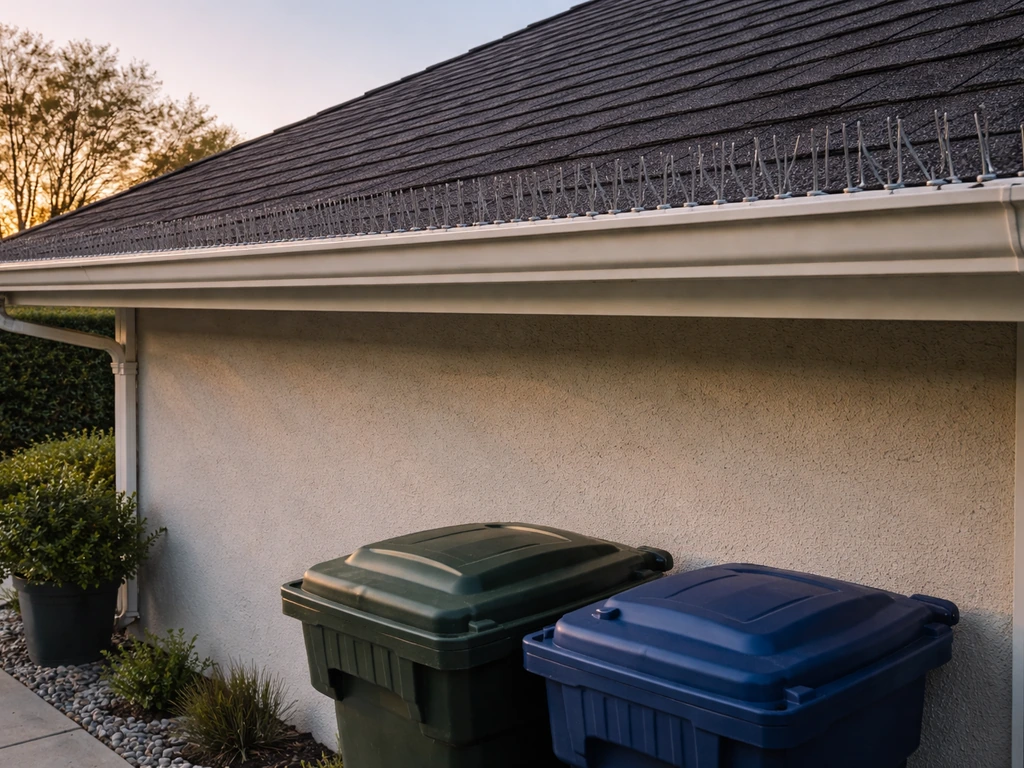
- Secure trash and compost bins with tight-fitting lids.
- Don't leave pet food outdoors, especially overnight.
- If you use a bird feeder, clean it regularly and consider its location relative to areas you need to keep clean.
- Remove standing water sources that aren't intentional birdbaths.
- Trim trees and shrubs near buildings to reduce nesting cover directly above rooflines or ventilation openings.
Routine inspection and maintenance
Check rooflines, attic vents, soffits, and gutters at least twice a year (spring and fall is a good routine). Gaps in fascia boards, damaged vents, and open eaves are common entry points for starlings, sparrows, and pigeons trying to nest. Seal openings larger than half an inch with hardware cloth or appropriate mesh. Catching a nesting attempt early is much easier, and safer, than dealing with an established colony.
The 'good luck' thing: what folklore gets right and wrong about bird poop
If a bird poops on you, there's a reasonable chance someone nearby will cheerfully tell you it's good luck. This superstition shows up across cultures: Russian folklore, Turkish tradition, Hindu belief, and various Western folk sayings all frame a bird dropping on your head as a lucky omen. The logic seems to be something like: the odds are against you, so surviving the indignity must mean fortune is smiling on you.
Here's the thing: the superstition isn't really incompatible with the health facts, they're just answering different questions. Whether a bird dropping is a good luck symbol is a matter of personal belief and cultural meaning. Whether it can make you sick is a matter of microbiology and exposure conditions. Whether you can bird droppings make you sick depends on what pathogens are present and how much you’re exposed to them, especially by inhaling dust can make you sick. Whether you can bird droppings make you sick depends on what pathogens are present and how much you’re exposed to them, especially by inhaling dust, and this is the same exposure route behind whether can bird droppings cause lung problems. Whether you can bird droppings make you sick depends on what pathogens are present and how much you’re exposed to them, especially by inhaling dust can make you sick can bird droppings kill plants. For a single fresh dropping on healthy intact skin in an everyday outdoor setting, the actual health risk is genuinely low. You wash it off, move on, and if that means you also feel lucky today, fine.
Where the good luck framing becomes unhelpful is when it creates complacency around situations that actually warrant care: handling droppings without washing your hands, letting accumulations build up in living spaces without cleaning, or not taking precautions when cleaning enclosed areas with heavy buildup. The cultural belief doesn't change what's in the dropping. Wash your hands, don't inhale the dust, and if you happen to feel a little lucky afterward, that's entirely up to you.
The broader takeaway from all of this is that context is everything. Bird droppings are not automatically dangerous in casual, everyday encounters, and there's no need to spiral into anxiety every time a pigeon does its thing on your car. But they're also not harmless by default, especially in enclosed spaces, with accumulated material, or for people with health vulnerabilities. Know your exposure, take the right precautions for the situation, clean up properly, and you'll handle it well.
FAQ
If I only got bird droppings on my skin, do I need to worry about infections, or is washing enough?
For most healthy adults with a brief contact on intact skin, washing the area thoroughly with soap and water is usually sufficient. The bigger risk is indirect exposure, like touching your face or then eating before washing, or inhaling dust if the droppings were disturbed indoors.
Can I disinfect bird droppings with bleach, and is there a safe way to dilute it?
Diluted bleach can be effective for disinfection, but you should follow the product label for the correct concentration and contact time. Never mix bleach with ammonia or other cleaners, and avoid spraying excessively, since that can aerosolize particles in some conditions.
What is the safest way to clean up if the droppings are dry and stuck to a surface?
Avoid dry sweeping, scraping, or dry vacuuming. Instead, keep material from becoming airborne by applying an appropriate disinfectant to wet it first, then remove visible residue carefully. If it is widespread or embedded in insulation or cluttered areas, consider professional cleanup.
Is it safe to use a regular household vacuum or shop vac for bird droppings?
Not usually. Standard vacuums can blow contaminated dust back into the air, which raises inhalation risk. Use only equipment designed for hazardous particulate containment, or better, use a professional service for large or old accumulations.
How long after cleanup should I watch for symptoms before assuming I am in the clear?
Timing depends on the illness: histoplasmosis symptoms often appear about 3 to 17 days after inhalation, psittacosis about 5 to 14 days, and salmonella about hours to a few days. If you had significant dust exposure indoors, monitor for respiratory symptoms during those windows and seek advice sooner if symptoms worsen.
When should I call a doctor, and what should I specifically mention?
Seek medical guidance promptly if you develop fever, persistent cough, shortness of breath, chest pain, or severe fatigue after being in a dusty enclosed space or cleaning old buildup. Tell them you were exposed to bird droppings and that inhalation of contaminated dust is a concern, since that changes how they assess possible infections.
If I have asthma or allergies, can bird droppings still trigger problems even if I do not get an infection?
Yes. Hypersensitivity pneumonitis and allergen-triggered lung inflammation can cause symptoms like cough and shortness of breath, sometimes within hours for heavy exposure. If you notice asthma flares after exposure or symptoms that keep returning with bird-related work, involve a clinician and plan cleaning with strict dust control.
Are pet birds or wildlife in my yard more dangerous than neighbors’ birds?
The risk is driven by exposure conditions, not just the bird type. Backyard droppings that build up and get disturbed can create inhalation hazards, but a small fresh splash outdoors typically poses far less risk. Large, repeated exposure or old dusty areas indoors raise concern regardless of the species.
What should I do if my dog tracked bird droppings inside, or ate some?
Wash the dog with pet shampoo and rinse well, then monitor you and your pet with hand hygiene afterward. Watch for gastrointestinal signs in your dog over the next few days (vomiting, diarrhea), and contact your vet if symptoms appear or if the exposure seemed heavy. Also, clean and disinfect the areas the dog tracked, prioritizing removal without creating dust.
Do bird droppings contaminate food, and is it safe to eat after a small droplet lands on a counter?
If food directly contacted droppings or you cannot confirm it was not exposed, discard it. For counters and surfaces, remove visible material first and then disinfect following label instructions. Avoid wiping dry material around, since it can spread contamination.
How do I know when it is time to hire a professional cleanup company?
Professional help is warranted when there are thick layers, old and dusty droppings, droppings mixed into insulation or soil, or cleanup in enclosed spaces where you could inhale contaminated dust. If you cannot safely control dust during cleaning, or the area is large enough that precautions cannot be maintained, that is a strong signal to call specialists.
Should I be vaccinated or request testing after exposure?
Routine vaccination is not a universal recommendation for bird droppings exposure. Testing is usually symptom-driven or risk-based. If you had significant enclosed-space dust exposure, ask your clinician whether targeted evaluation is appropriate for your specific exposure history.