Quick answer: yes, bird droppings can make you sick
Bird droppings can absolutely make you sick, but the real risk depends a lot on how you were exposed and what your health situation looks like. For most healthy adults, a brief accidental contact with fresh droppings (a splat on your hand, a streak on your jacket) carries pretty low risk as long as you wash up properly.
The danger goes up significantly when droppings dry out and get disturbed, because the dust that floats up can carry bacteria, fungal spores, and other pathogens directly into your lungs. The three main illnesses linked to bird droppings are histoplasmosis (a fungal lung infection), psittacosis (a bacterial illness also called parrot fever), and salmonellosis. Each one reaches you differently, and knowing that distinction is what tells you whether to simply wash your hands or actually call a doctor.
What's actually in bird poop that can hurt you
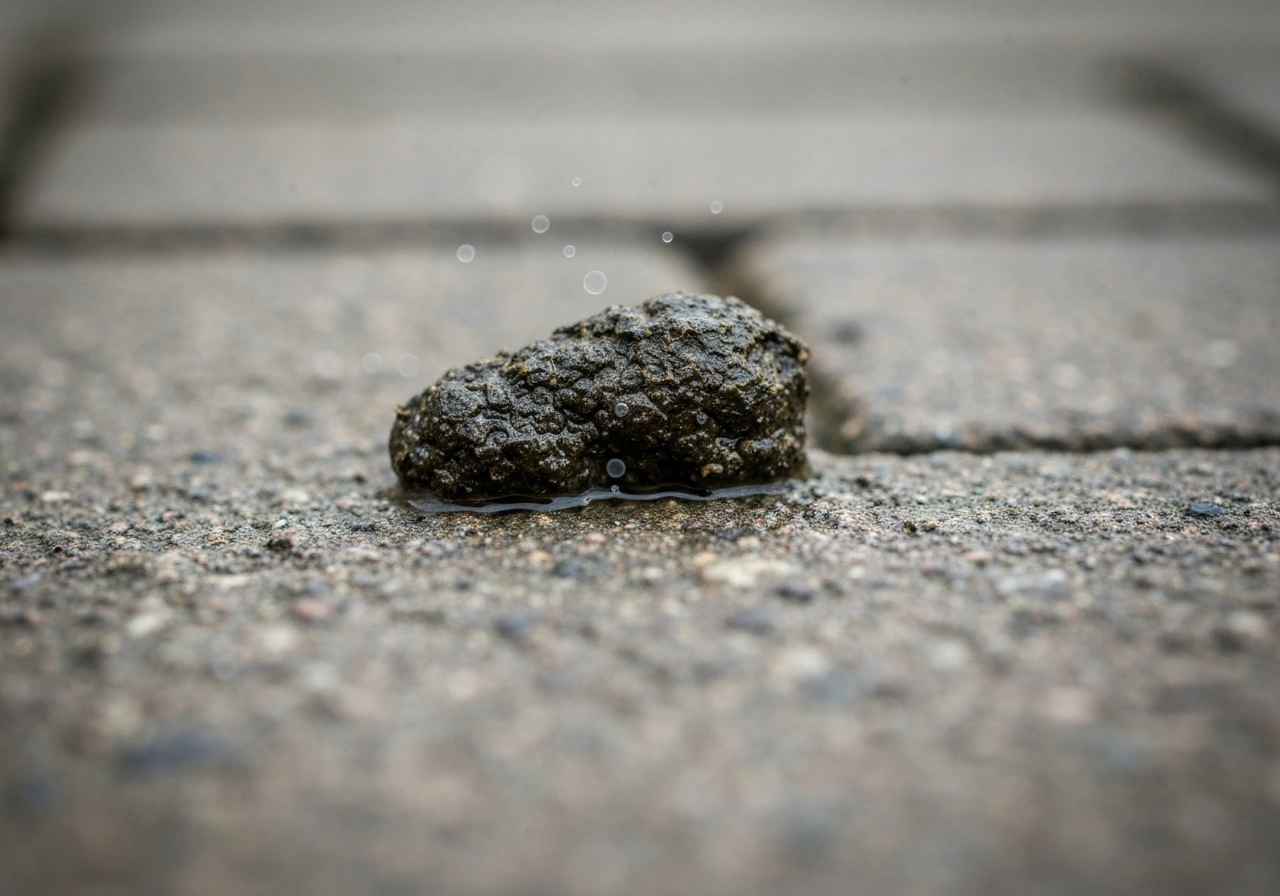
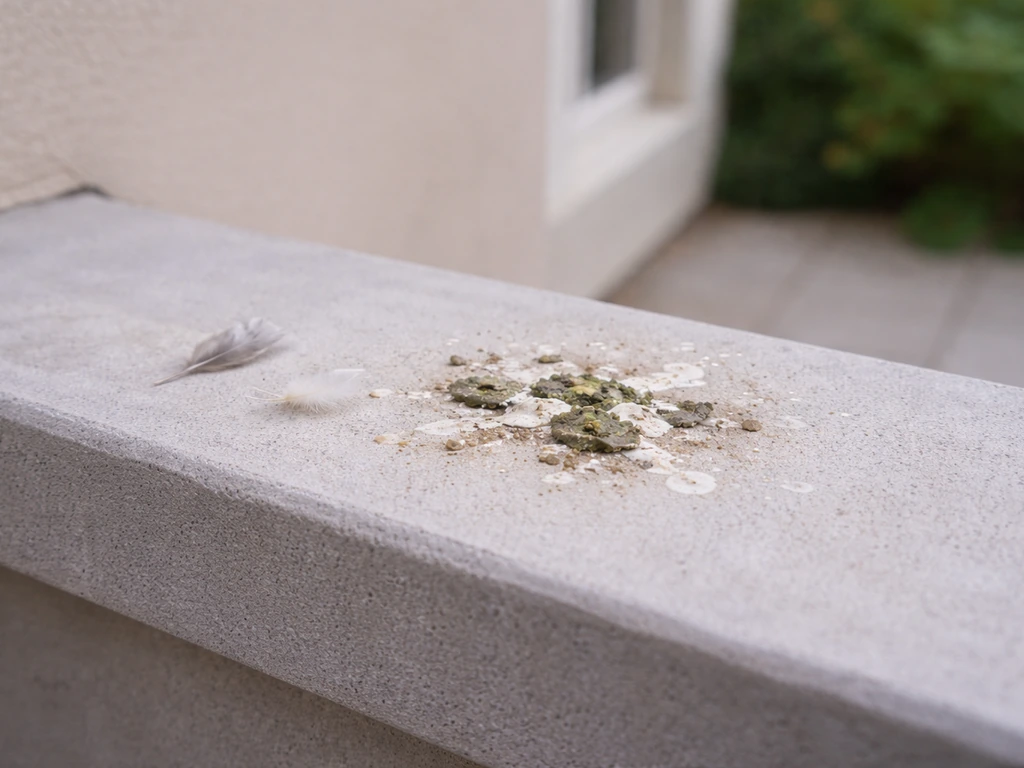
Fresh droppings are mostly water, uric acid, and gut bacteria, but the concerning stuff hides in there too. Here's what matters from a health standpoint:
- Histoplasma capsulatum: a fungus that thrives in soil enriched by bird or bat droppings. When dried droppings are disturbed, the spores become airborne and get inhaled. This is the pathogen behind histoplasmosis, a potentially serious lung infection.
- Chlamydia psittaci: the bacterium that causes psittacosis. It spreads primarily through inhaling dust from dried droppings or respiratory secretions from infected birds. The CDC confirms this is the most common route of infection.
- Salmonella: birds can shed Salmonella bacteria in their feces. A CDC report on a 2020-2021 outbreak linked contaminated bird feeders (soiled with feces, food waste, and carcasses) directly to human salmonellosis cases.
- Hypersensitivity pneumonitis triggers: proteins in feathers and droppings can cause an immune-mediated lung inflammation. This is sometimes called bird fancier's lung and doesn't require any active infection, just repeated exposure to the proteins themselves.
The thing that connects most of these risks is dryness. When droppings are wet and fresh, the pathogens stay contained. When they dry out, crack, and get swept, scraped, or blown around, they become breathable. That's why the cleanup method matters far more than most people realize, and it's covered in detail below.
Who's more likely to actually get sick
Most healthy adults who get a one-time, low-level exposure will either not get sick at all or experience only mild, flu-like symptoms that resolve on their own. But certain groups face genuinely elevated risk and should take bird dropping exposure more seriously.
- Immunocompromised individuals: people on chemotherapy, organ transplant recipients, those with HIV, or anyone on long-term immunosuppressants are at risk of disseminated histoplasmosis, where the fungal infection spreads beyond the lungs to other organs. The CDC specifically flags immunosuppression as a key risk factor for severe disease.
- People with existing respiratory conditions: if you have asthma, COPD, or chronic bronchitis, inhaling contaminated dust can trigger serious flare-ups on top of any infection risk.
- Young children and the elderly: their immune responses are less robust, making infections harder to fight off and more likely to progress.
- Pet bird owners and aviary workers: frequent close contact with birds and their droppings raises cumulative exposure risk, especially for psittacosis and hypersensitivity pneumonitis (bird fancier's lung).
- People cleaning large accumulations: anyone clearing out an attic, barn, chicken coop, or area under a roosting site is at much higher risk than someone who brushes a single dropping off their car. OSHA and the CDC both treat large-scale droppings cleanup as an occupational hazard.
Symptoms to watch for after exposure
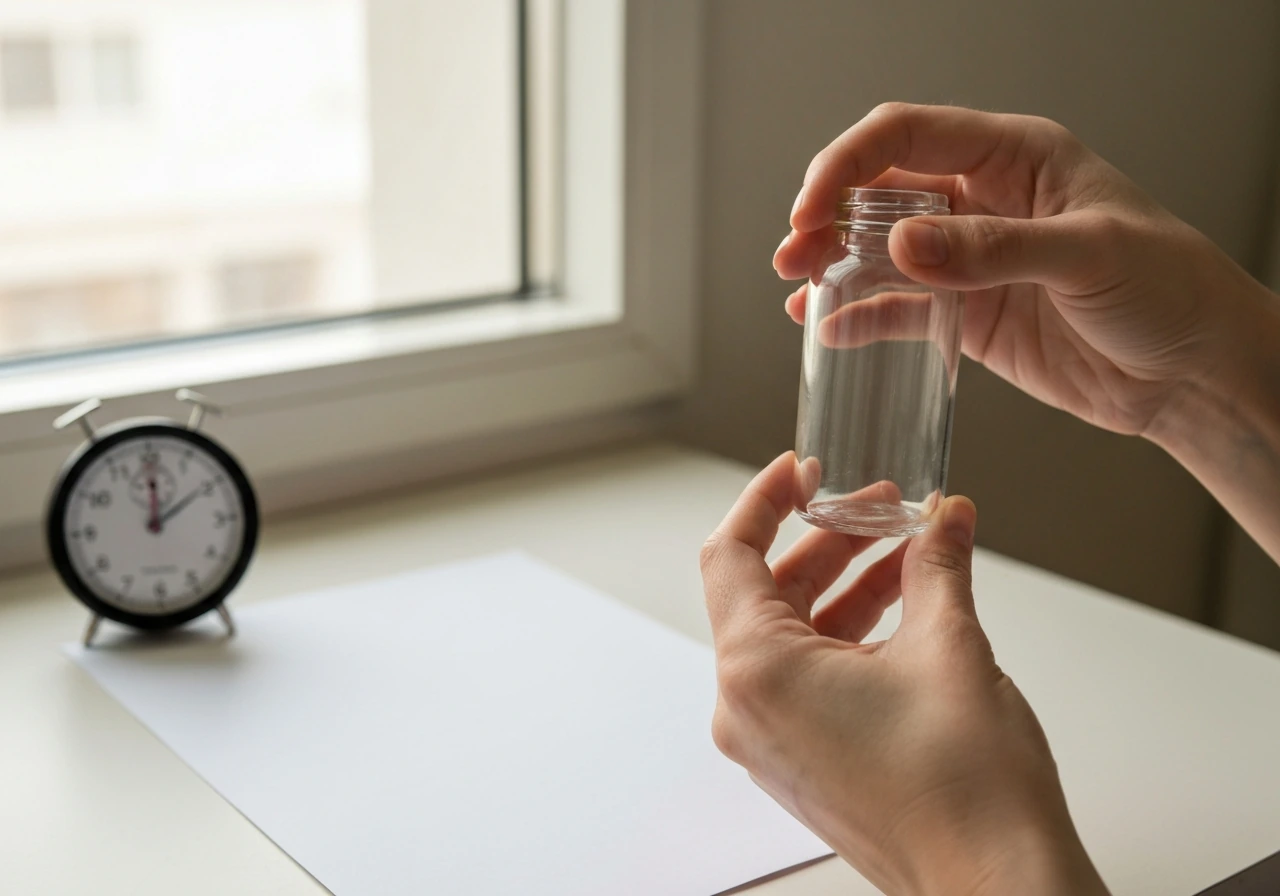
The tricky part is that the illnesses linked to bird droppings don't usually show up immediately, and their early symptoms look a lot like a regular cold or flu. If you develop new or worsening respiratory symptoms after exposure, that can be a sign that can bird droppings cause lung problems in your situation. Here's a practical breakdown of what to expect and when:
| Illness | Typical Onset After Exposure | Key Symptoms |
|---|
| Histoplasmosis | 3 to 17 days | Fever, chills, fatigue, cough, headache, chest pain, muscle aches |
| Psittacosis | 1 to 3 weeks | Headache, fever, dry cough, muscle aches, sometimes pneumonia |
| Salmonellosis | 6 hours to 6 days | Diarrhea, stomach cramps, fever, nausea, vomiting |
| Hypersensitivity pneumonitis | Hours to days after repeated exposure | Shortness of breath, dry cough, fever, fatigue |
The delayed onset of histoplasmosis and psittacosis is worth keeping in mind. If you cleaned out a space with heavy bird droppings and then develop respiratory symptoms two weeks later, connect those dots and mention it to your doctor. Most physicians won't automatically think to ask about bird dropping exposure, so volunteering that history can make a real difference in getting the right diagnosis quickly.
Touching, cleaning, or breathing it in: how the risk actually changes
Touching bird droppings
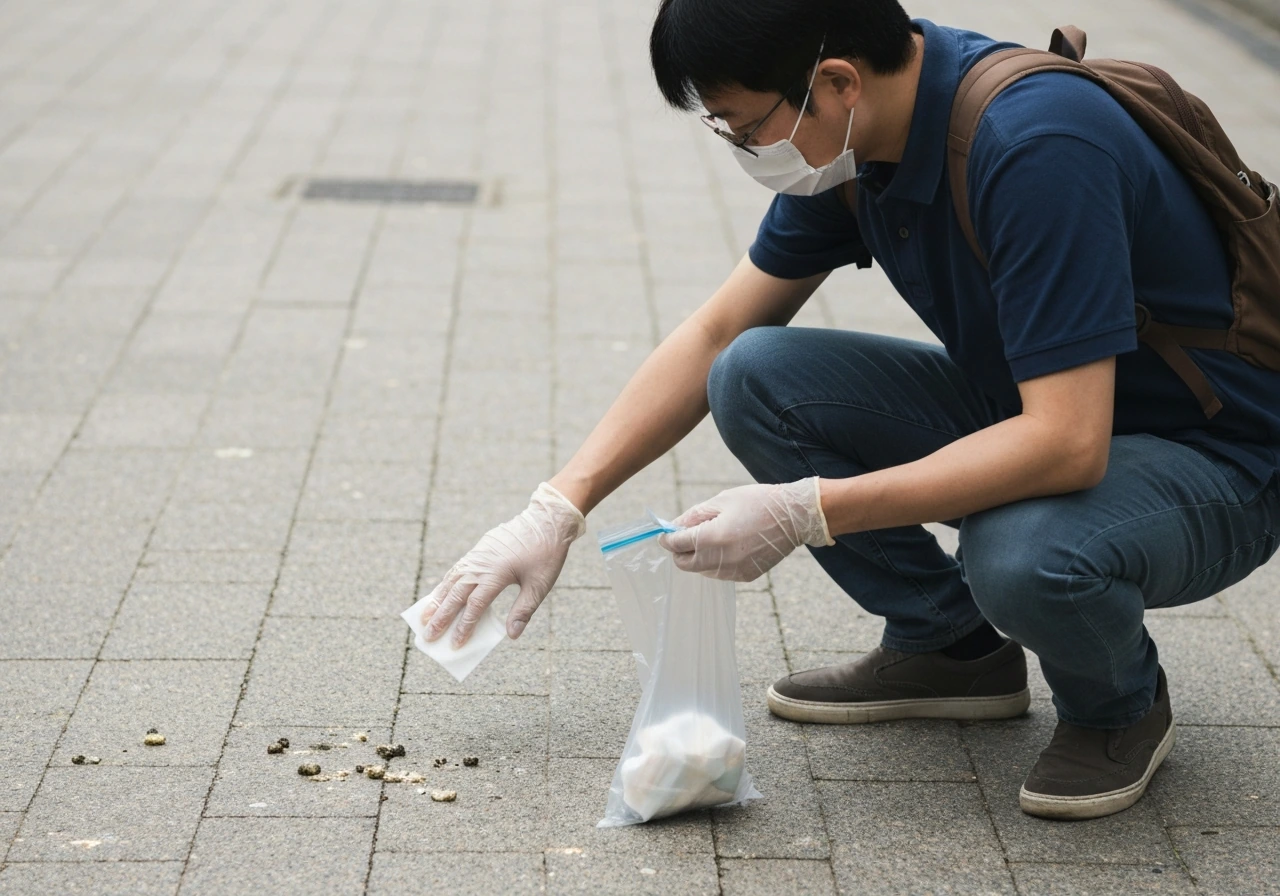
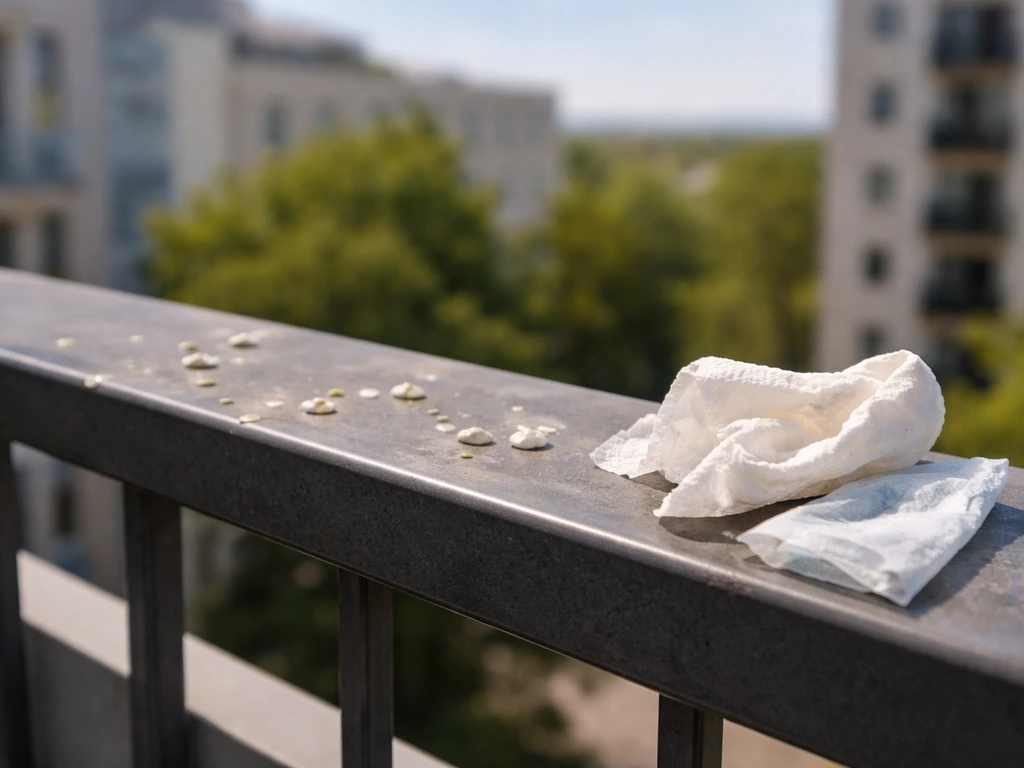
Skin contact with droppings is generally the lowest-risk scenario. Your skin is a pretty effective barrier, and as long as you don't touch your face before washing your hands thoroughly with soap and water, the chance of infection is low. CDC’s 2021 Salmonella outbreak investigation advises washing hands with soap and water after touching bird feeders wash your hands thoroughly with soap and water. The real concern with touching is hand-to-mouth transfer, which can spread Salmonella or Chlamydia psittaci if you inadvertently contact your mouth or eat without washing up first. Wear gloves if you're handling droppings at all, and treat handwashing as non-negotiable afterward.
Cleaning up droppings (especially dry ones)
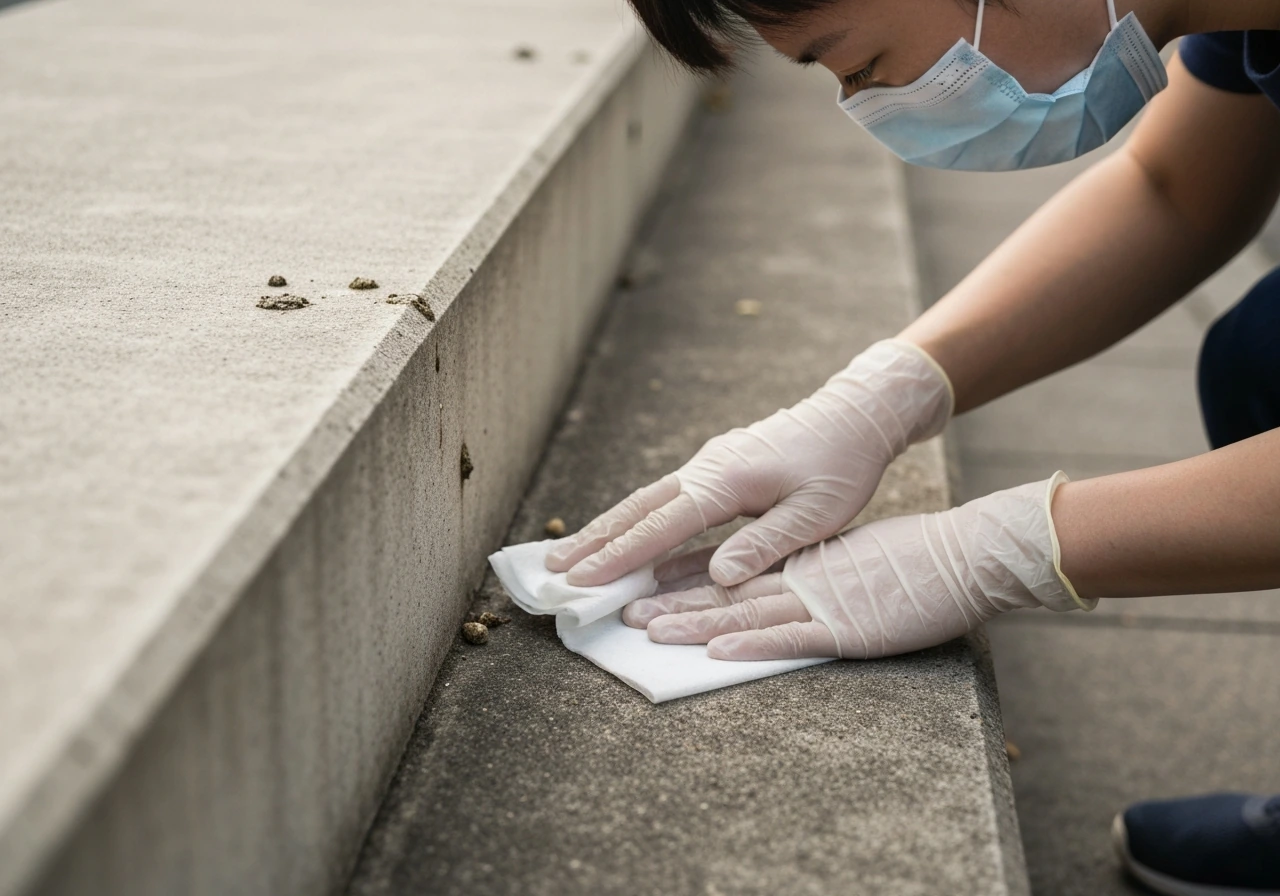
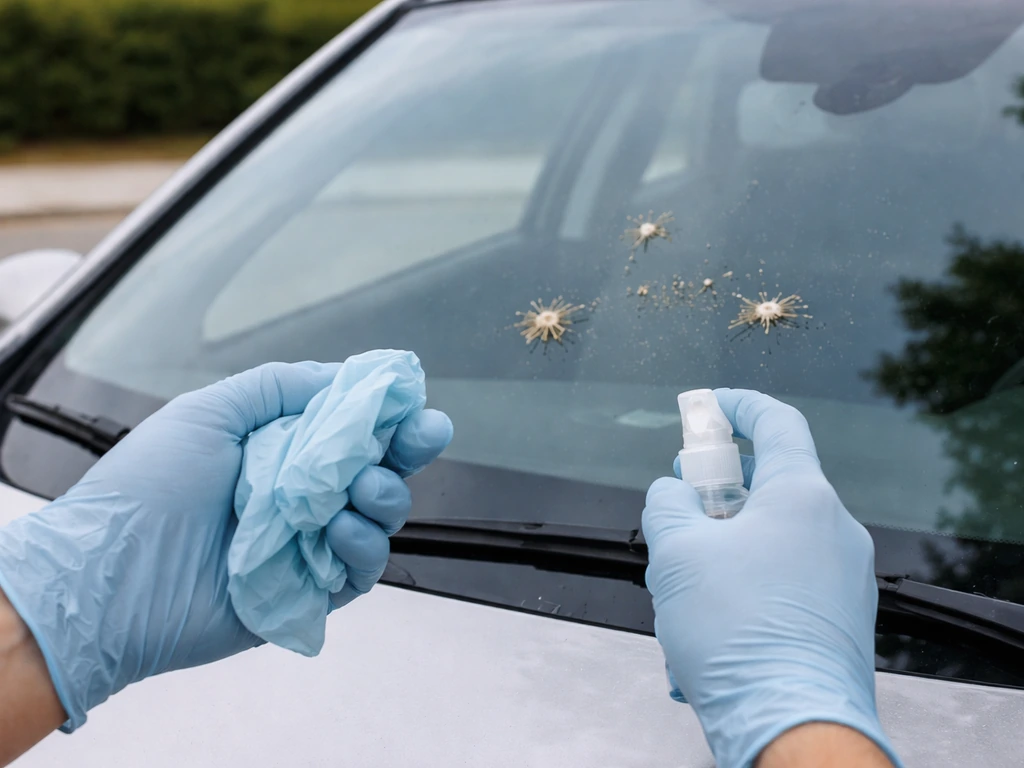
This is where the risk goes up sharply. Dry sweeping, using compressed air, or running a regular household vacuum over dried droppings are all genuinely bad ideas because they launch spores and bacteria into the breathing zone. WorkSafe Queensland and the CDC's NIOSH guidance both strongly recommend wetting droppings first with a light mist of plain or soapy water, keeping them wet throughout removal, and collecting them in a sealed container for immediate disposal.
Wet the droppings with a light mist to reduce aerosolized particles, then collect the wetted material in a secure container for disposal, aligning with CDC/NIOSH engineering-control guidance wetting droppings first with a light mist.
This single step, wetting before you touch anything, eliminates most of the airborne risk. For large accumulations (think attic infestations or years of pigeon roost buildup), the CDC recommends hiring a professional hazardous waste removal company. That's not overcaution; it's the right call.
Inhaling dust and aerosols
Inhalation is by far the highest-risk route and the one most directly linked to all three major illnesses. The CDC's guidance on psittacosis is explicit: the most common way people get infected is by blank" rel="noopener noreferrer">[breathing in dust containing dried droppings](/diseases-from-bird-poop/is-bird-droppings-dangerous) or secretions from infected birds. If you are dealing with droppings on plants or in a garden area, the same contamination concern can matter for plant health as well breathing in dust containing dried droppings.
The same is true for histoplasmosis, where disturbing contaminated soil or dried material in a confined space concentrates spores in the air you're breathing. If you're working in an enclosed area with visible droppings, a basic dust mask doesn't cut it. You need at minimum an N95 respirator, and the CDC and NIOSH also recommend gloves and eye protection (eyecup or cover-type goggles, not open safety glasses) for anyone handling significant amounts of contaminated material.
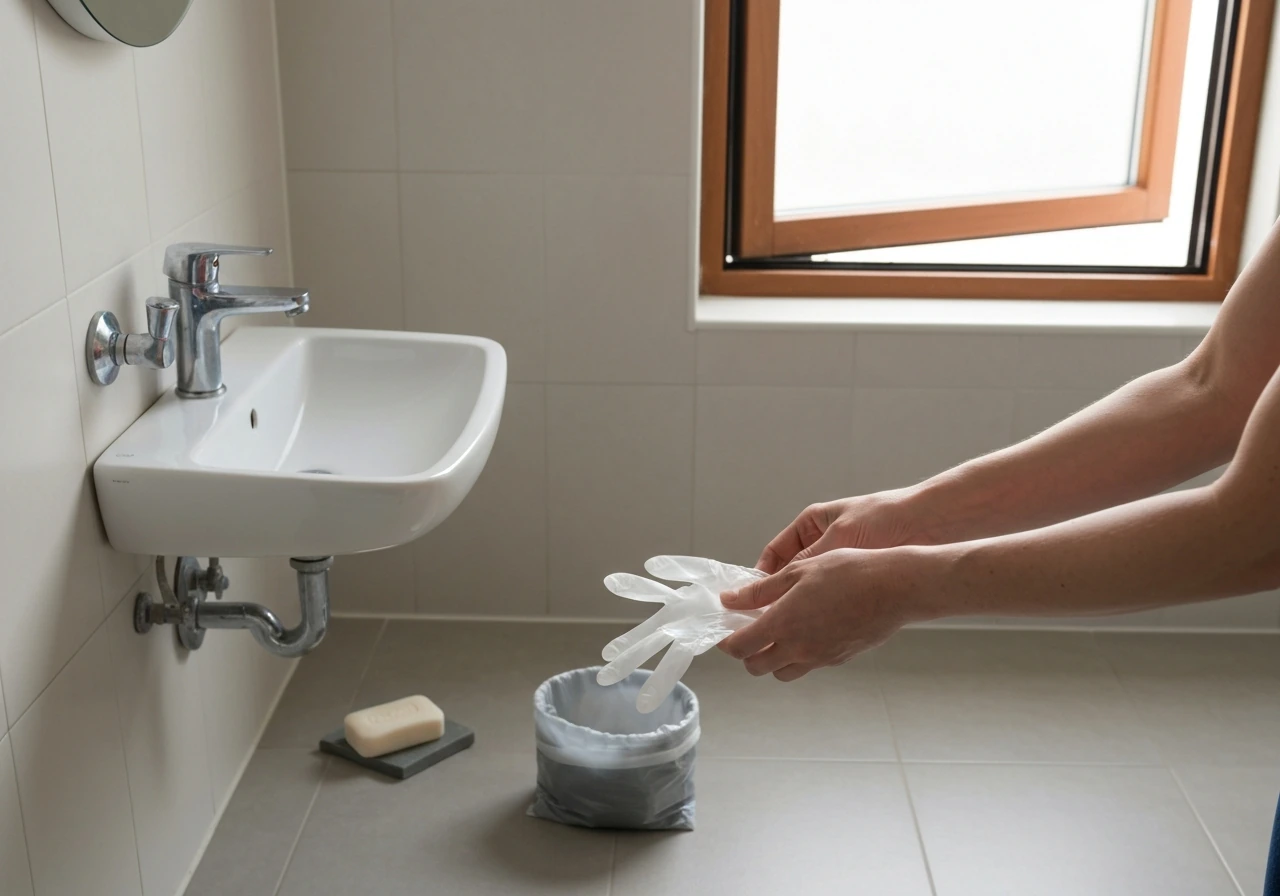
Whether you accidentally touched droppings or just finished cleaning a contaminated area, here's exactly what to do:
- Stop touching your face immediately. If your hands are contaminated, keep them away from your eyes, nose, and mouth until they're clean.
- Remove and bag any contaminated clothing. If you were cleaning without proper PPE and your clothes have dust or droppings on them, take them off carefully, bag them, and wash them separately on a hot cycle.
- Wash your hands thoroughly. Soap and water for at least 20 seconds, scrubbing under nails and between fingers. If you were wearing gloves, take them off carefully (peel them inside-out) and wash your hands anyway.
- Rinse any skin that had direct contact. Use soap and water on any exposed skin that touched droppings or contaminated surfaces.
- If you inhaled dust during cleanup: move to fresh air immediately. Note the date and time of exposure so you have a record if symptoms develop.
- Wet-clean any hard surfaces you contacted. Use a disinfectant cleaner on counters, door handles, or tools that came into contact with droppings.
- Monitor yourself for symptoms over the next 3 to 17 days. Given the delayed onset of histoplasmosis and psittacosis, watch for fever, cough, fatigue, or shortness of breath in the weeks following significant exposure.
When to see a doctor and how to stay protected going forward
When to seek medical care
Not every bird poop encounter needs a doctor visit. A quick splash on your hand that you wash off immediately doesn't warrant a clinic trip. But you should get medical attention if any of these apply:
- You develop fever, cough, or shortness of breath within 3 weeks of significant exposure to bird droppings or contaminated dust.
- You're immunocompromised, elderly, or have a chronic respiratory condition and had any meaningful exposure, especially inhalation.
- Respiratory symptoms appear within hours of cleaning contaminated areas, which could point to hypersensitivity pneumonitis.
- You develop gastrointestinal symptoms (diarrhea, cramps, fever) within a week of handling droppings or touching contaminated surfaces before eating.
- Any symptoms worsen instead of improving after a few days.
When you go, tell your doctor specifically that you were exposed to bird droppings and describe the nature of that exposure (touching, inhaling dust, cleaning an enclosed space, etc.). Psittacosis in particular is underdiagnosed because patients don't always connect it to bird contact and doctors don't always think to ask. That context can lead directly to the right tests and the right treatment.
Practical prevention going forward
The best way to avoid getting sick from bird droppings is to prevent buildup and use the right technique when cleanup is unavoidable. Health and safety best practices for bird droppings include avoiding aerosolizing dust and using appropriate protection during cleanup. A few habits that actually help:
- Clean pet bird cages, food bowls, and water bowls daily. This is a direct recommendation from Washington State DOH: droppings that don't get a chance to dry out can't become airborne. It's one of the simplest ways to protect yourself if you keep birds.
- Never dry-sweep bird droppings. Always wet them first with a light mist of water or soapy water, whether you're cleaning a birdcage, a patio, or a workspace.
- Wear an N95 respirator, gloves, and eye protection any time you're dealing with more than a few isolated droppings, especially indoors or in enclosed spaces.
- Keep bird feeders clean and relocate them away from high-traffic areas of your yard. The CDC linked a multistate Salmonella outbreak to feeders contaminated with bird feces and food waste, so regular cleaning with soap and water (and drying before refilling) makes a real difference.
- Call a professional for large accumulations. This isn't just cautious advice: OSHA classifies large-scale bird dropping cleanup as a biohazard. If you're dealing with an attic, crawl space, or building with heavy roosting activity, professional remediation is the right answer.
The lung-specific risks from bird droppings, including histoplasmosis and hypersensitivity pneumonitis, are worth understanding in more depth if you're regularly around birds or have ongoing respiratory concerns. OSHA workplace guidance typically focuses on controlling airborne hazards, using proper cleaning methods, and the right respiratory protection when needed. The health risks of bird droppings extend beyond the scenarios covered here, and if you're dealing with a workplace exposure situation, there are specific OSHA-level guidelines that apply to how those cleanups need to be handled. The core message stays the same though: bird droppings are manageable if you treat them with the right level of respect and use basic protective measures every time.