Yes, blank" rel="noopener noreferrer">bird droppings can be dangerous to humans, but the level of risk depends heavily on how you're exposed, where it happened, how much was involved, and who you are. For most healthy adults, a one-time splash on the arm or a quick encounter outdoors is a low-stakes situation that soap and water handles just fine. But bird droppings can carry real pathogens, and in the wrong conditions, especially when dried droppings get disturbed and the dust goes airborne, that risk climbs considerably. The short version: bird poop isn't a toxin you need to panic about, but it's not harmless either, and how you handle it matters.
Is Bird Droppings Dangerous? Risks and Safe Cleanup Steps

Marcus Fielding
22 Apr 2026
How People Actually Get Exposed
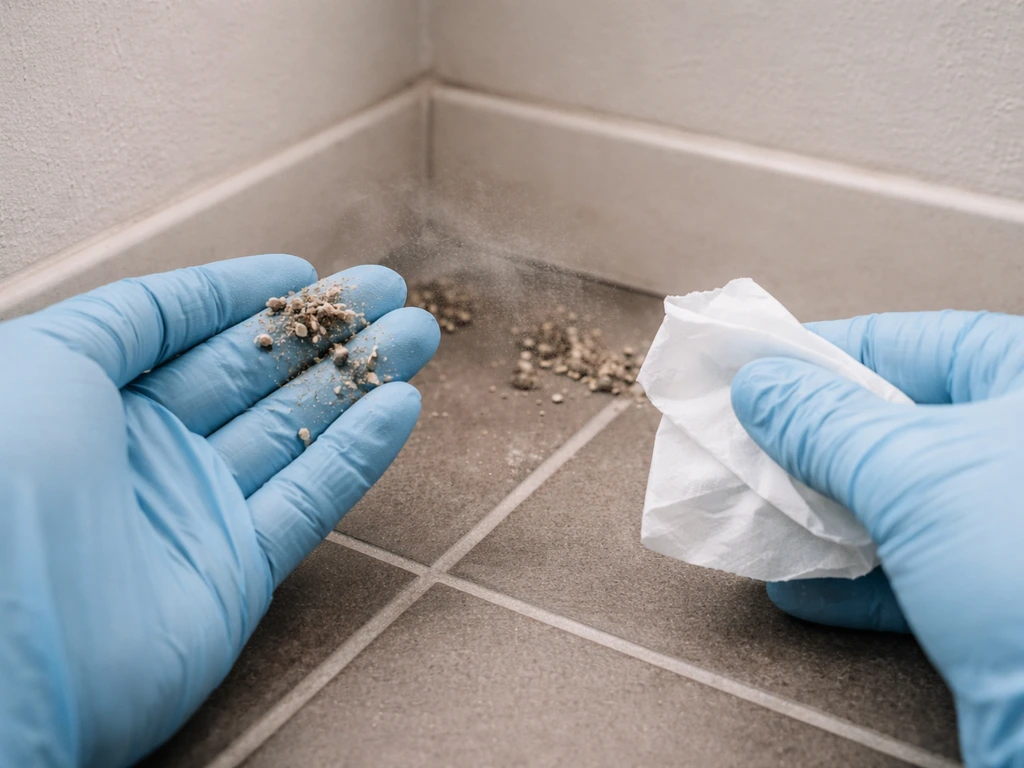
There are three realistic ways bird droppings get into your body, and they are not all equally risky. The first is direct skin contact, which is by far the most common scenario. Someone walks under a tree, a pigeon makes its contribution, and now there's bird poop on your jacket or hand. This route carries the lowest risk because intact skin is a good barrier, as long as you don't then touch your eyes, nose, or mouth before washing your hands.
The second route is inhalation, and this is where things get more serious. When dried droppings are disturbed, they can break apart into fine particles and become airborne. Breathing that dust in is how most droppings-related infections actually happen. This is especially relevant when you're sweeping, scraping, or pressure-washing an area with accumulated droppings, or when you're working in an enclosed space like an attic, barn, or bridge underpass where droppings have built up over time.
The third route is splash to the eyes or mouth, which matters most if you're cleaning an active roosting spot without proper protection. This is uncommon in everyday life but worth mentioning because the eyes and mucous membranes are more permeable than skin. Bottom line: the exposure route shapes your actual risk almost as much as what was in the droppings to begin with.
When Bird Poop Is Actually Risky vs. When It's Mostly Just Gross
Not every bird dropping situation carries the same risk level. Here's how the variables stack up.
Fresh vs. dried droppings
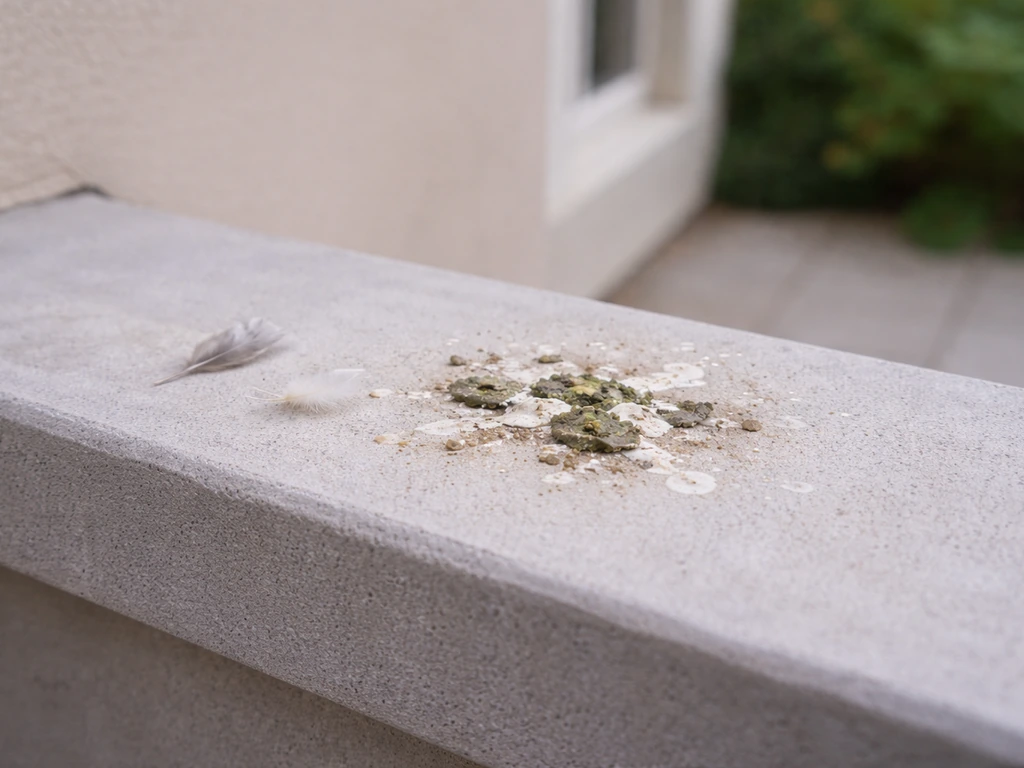
Fresh bird droppings have not been shown to present a significant health risk for histoplasmosis, which is the lung infection most commonly associated with bird and bat droppings. The real danger kicks in when droppings dry out, because that's when fungal spores and bacteria can become part of fine dust that gets disturbed and inhaled. So fresh splatter is more of a hygiene issue. Dried, crusted droppings in an accumulation zone are where you need to be more careful.
Indoor vs. outdoor
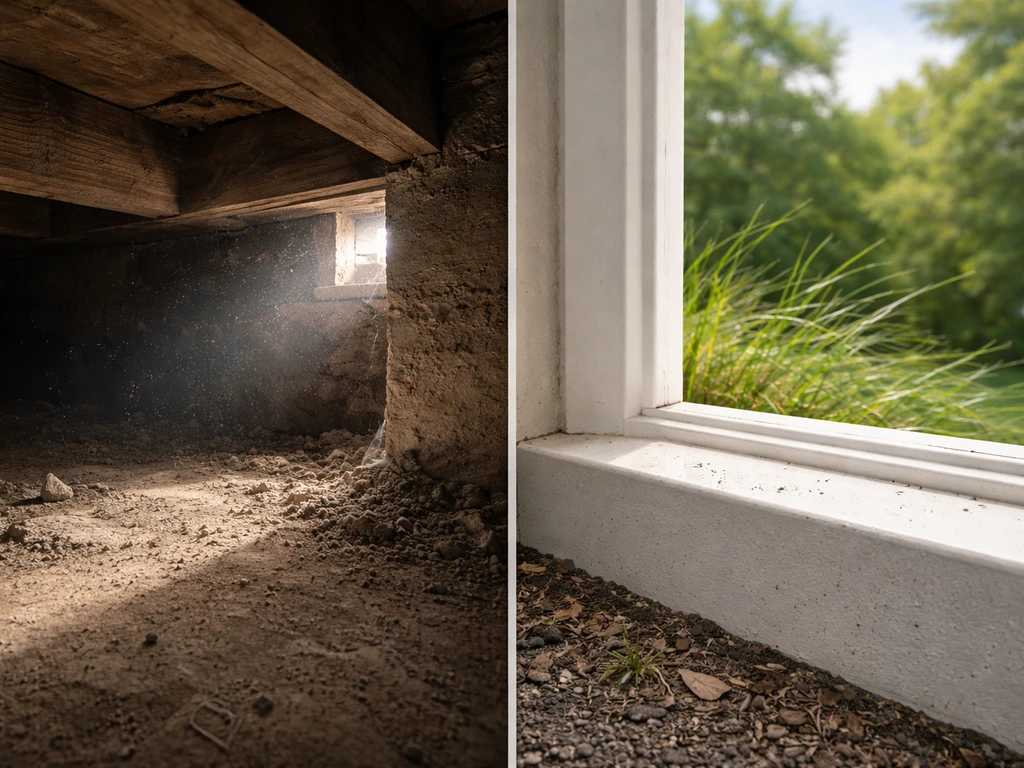
Outdoors, airborne particles from a small amount of droppings dilute quickly. Indoors, especially in enclosed spaces like attics, crawl spaces, chicken coops, or lofts with poor ventilation, disturbed dust has nowhere to go. This is why indoor cleanup scenarios carry a higher risk profile than scraping bird poop off an outdoor bench.
Who is most at risk
Healthy adults have immune systems that generally handle low-level fungal and bacterial exposures well. Vulnerable groups face a different equation. People with weakened immune systems (from HIV, chemotherapy, organ transplants, or long-term steroid use), older adults, young children, and people with pre-existing respiratory conditions like asthma or COPD have a much harder time fighting off infections like histoplasmosis or psittacosis if exposure is significant. Vulnerable people may be at higher risk for the health risks of bird droppings, especially when exposure involves airborne dust. If someone in those groups needs to be around a droppings cleanup, it's genuinely worth having someone else do the work.
Are Bird Droppings Actually Toxic? What That Word Really Means Here
Here's a distinction worth making: bird droppings are not a chemical toxin in the traditional sense. They don't contain a venom or a poison that acts the moment it enters your body. The danger is biological, not toxic. Droppings can harbor pathogens, meaning bacteria, fungi, and sometimes parasites, that under the right circumstances cause infection.
The three pathogens most commonly associated with bird droppings are Histoplasma capsulatum (the fungus behind histoplasmosis), Chlamydia psittaci (the bacterium behind psittacosis, also called parrot fever), and Cryptococcus neoformans (another fungus that can cause respiratory and neurological illness, particularly in immunocompromised people). All three primarily enter the body through the respiratory route, meaning disturbed, dried, aerosolized droppings are the common thread. If you want to dig deeper into how these pathogens translate into specific illnesses, the health risks of bird droppings and whether bird droppings can cause lung problems are worth exploring as their own topics.
So when someone asks if bird droppings are hazardous, the honest answer is: yes, under specific conditions, they meet the definition of a biological health hazard. OSHA addresses bird droppings in occupational health guidance precisely because workers who regularly handle or disturb droppings face a documented and measurable risk. But the everyday splash from a passing pigeon? That falls into the 'wash it off and move on' category for most people.
| Pathogen | Disease Caused | Route of Exposure | Onset After Exposure |
|---|---|---|---|
| Histoplasma capsulatum | Histoplasmosis (lung infection) | Inhaling disturbed dried droppings/dust | 3–17 days |
| Chlamydia psittaci | Psittacosis (parrot fever) | Inhaling aerosolized dried droppings | 5–14 days |
| Cryptococcus neoformans | Cryptococcosis (lung/CNS infection) | Inhaling airborne fungal particles | Variable; often weeks |
How to Clean Up Bird Droppings Safely Today
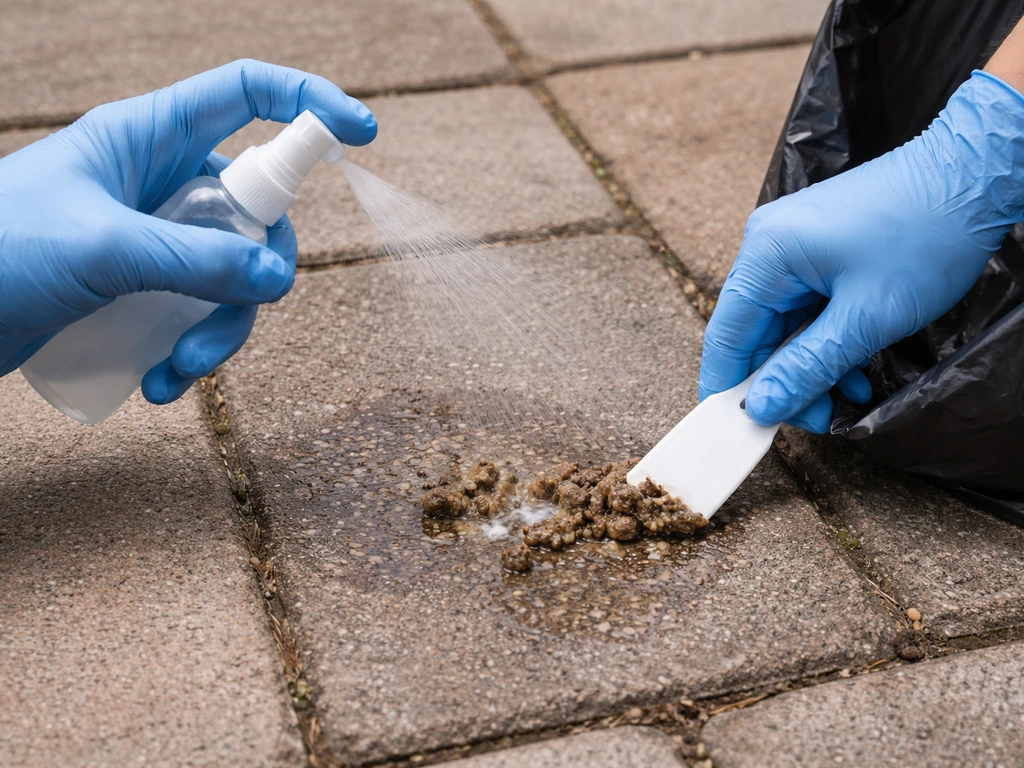
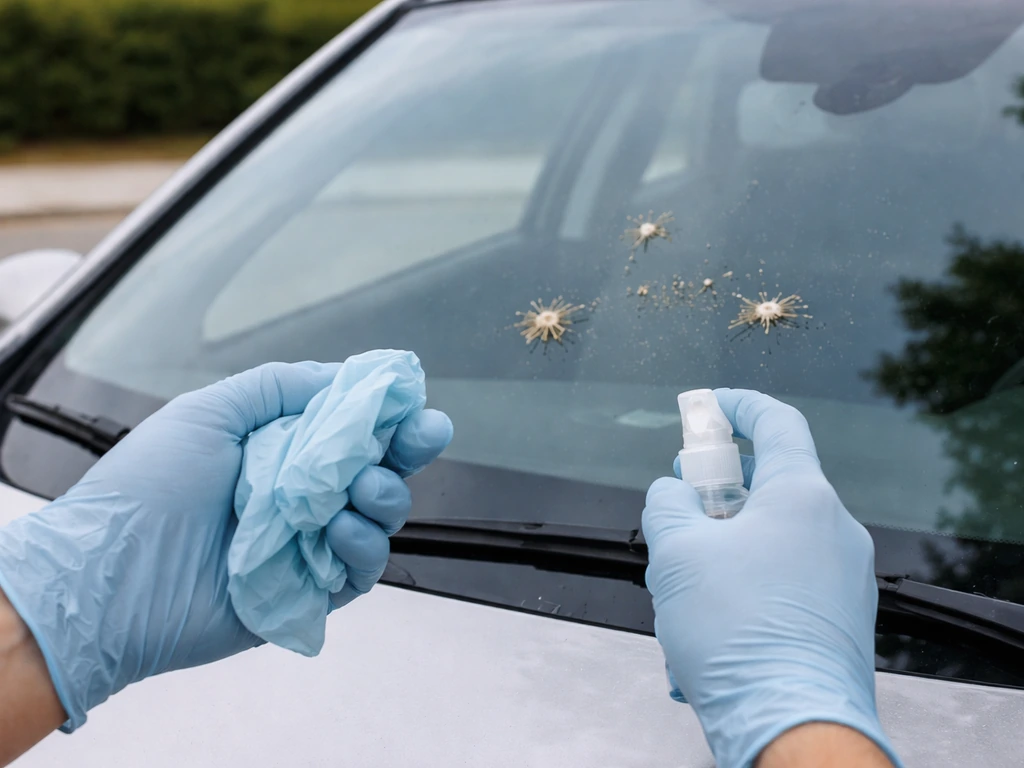
The core principle of safe cleanup is simple: don't let the droppings go airborne. Everything else follows from that. Here's how to do it right, whether you're dealing with a splatter on your car or a larger accumulation in a covered area. For deeper bird droppings health and safety guidance, especially around cleanup and exposure control, follow the full safety-focused breakdown.
Gear up first
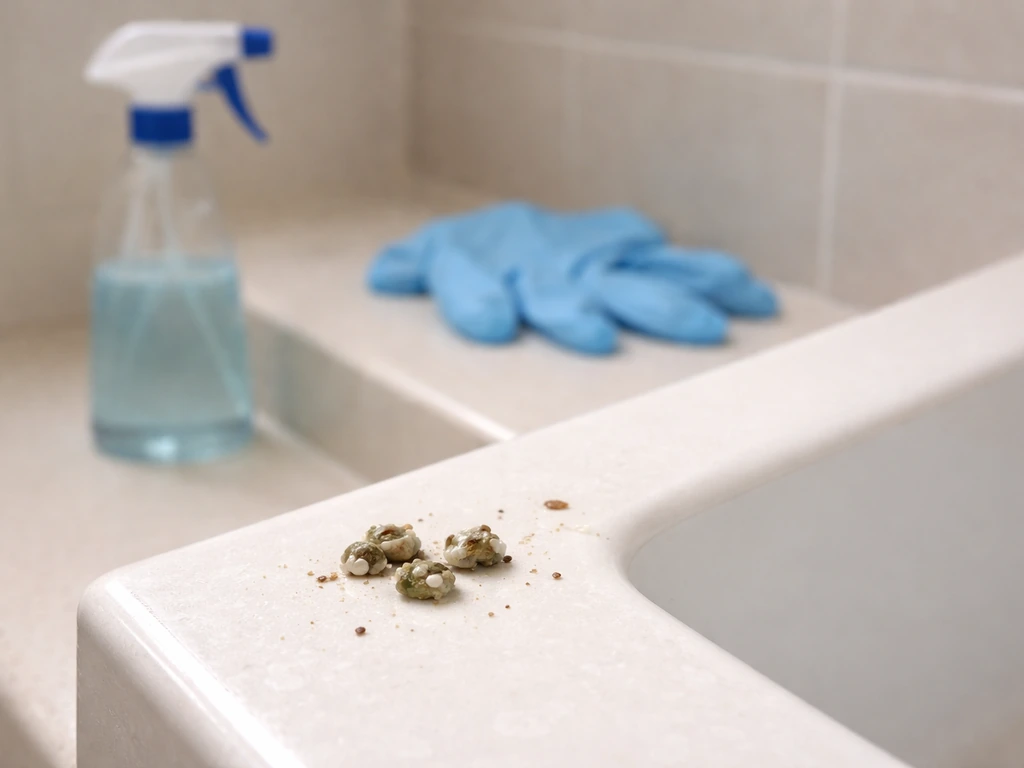
For small cleanups outdoors, disposable gloves and washing your hands afterward is usually sufficient. For larger accumulations, an enclosed space, or any situation where you'll be disturbing dried droppings, step up your protection: nitrile or rubber gloves, eyecup goggles or safety goggles (not just glasses, which don't seal), and a NIOSH-approved respirator rated N95 or higher.
When working in areas where histoplasmosis risk could be present, CDC/NIOSH advises using proper respiratory protection such as N95 filtering facepiece respirators as part of PPE to reduce inhalation of disturbed contaminated particles [a NIOSH-approved respirator rated N95 or higher. ](https://www. cdc. gov/niosh/histoplasmosis/prevention/personal-protective-equipment.
html). A basic dust mask is not adequate when fungal spores are a concern. Wear older clothes or a disposable coverall that you can bag immediately after.
Step-by-step removal
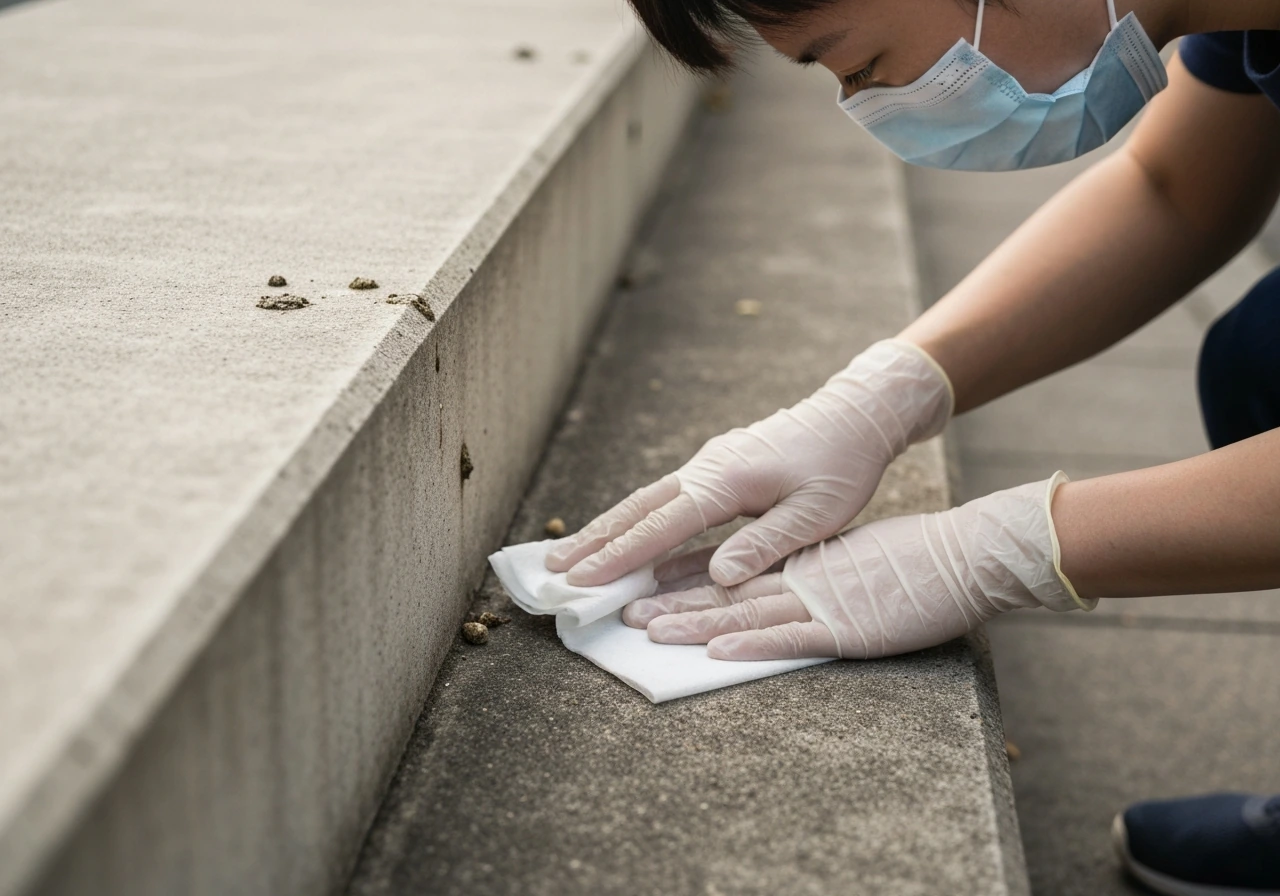
- Wet the droppings first using a low-pressure mist or spray bottle. This is the single most important step. Wetting binds the particles and stops them from becoming airborne dust. Do not use a high-pressure stream, because that can actually aerosolize material rather than contain it.
- Let the moisture soak in for a minute or two so the droppings are fully saturated.
- Scrape or wipe the material into a sealed plastic bag or container. Use a disposable scraper, paper towels, or damp rags, not a dry brush or broom.
- Do not dry sweep or vacuum without a HEPA filter. Both methods can fling fine particles into the air. This is specifically highlighted in CDC guidance for psittacosis prevention.
- Double-bag the waste in heavy-duty plastic bags, seal them, and dispose of them promptly.
- Disinfect the surface using an EPA-registered disinfectant. Apply it and let it stay visibly wet for the full contact time listed on the label, which is often around 10 minutes for many pathogens.
- Remove gloves by peeling them inside-out to contain contamination, then bag them with your other disposables.
- Bag your protective clothing and dispose of or launder it separately. Wash your hands thoroughly with soap and water.
One note on disinfectants: follow the label's contact time. It's not enough to spray a surface and immediately wipe it dry. The surface needs to stay wet for as long as the label specifies for the disinfectant to actually kill pathogens. Skipping this step turns a disinfection step into just a wipe-down.
If You've Already Been Exposed: What to Do Right Now
If bird poop landed on your skin, wash the area immediately and thoroughly with soap and water. That's the first and most important step. If it got in your eyes, rinse with clean running water for several minutes. If you think you may have swallowed some (unlikely but possible during messy cleanups), rinse your mouth and drink some water. Avoid touching your eyes, nose, or mouth until your hands are clean.
For most people, that's where the story ends. But if you were cleaning up a significant accumulation of dried droppings without adequate protection, particularly in an enclosed space, it's worth paying attention to how you feel in the days and weeks that follow. The health risks of bird droppings are mainly tied to exposure routes like inhalation of dried droppings dust.
Histoplasmosis symptoms typically appear 3 to 17 days after exposure and can look a lot like the flu: fever, cough, fatigue, headache, chest pain, and muscle aches. Psittacosis symptoms, including headache, fever, and cough, tend to show up within 5 to 14 days. Both can be mild and self-resolving, but both can also progress to more serious illness in some people.
If you develop those symptoms after a known exposure to bird droppings, especially respiratory symptoms that feel like a flu that won't quit, tell your doctor about the exposure. If you develop symptoms after a known exposure, the key is to take the possibility seriously and follow medical guidance can bird droppings make you sick. That context matters for diagnosis.
Don't just assume it's a cold and wait it out if you were in a genuinely high-risk scenario, like cleaning out an attic full of dried pigeon droppings without a respirator. The question of whether bird droppings can make you sick goes hand in hand with this, and it's worth understanding the full picture if you're dealing with ongoing symptoms.
The Good Luck Myth vs. the Real Hygiene Picture
In plenty of cultures around the world, getting hit by bird poop is considered a sign of good luck. The symbolism varies, but the general idea is that it's a rare random event with positive meaning. That's a charming belief, and there's no reason to argue with anyone's superstitions. But it does create a bit of a practical problem if someone decides not to clean up the splatter because they're waiting for the luck to soak in.
The symbolism doesn't change the biology. A dropping on your shoulder from a passing bird is low-risk, yes, but the good hygiene response is still to wash it off as soon as you can, especially before touching your face. The luck, if any, doesn't require you to leave the poop on your jacket. Think of it this way: clean it up, pocket the good luck, and move on. The cultural belief and the health guidance are not actually in conflict as long as you treat the cleanup as a reasonable next step rather than something to skip.
FAQ
Is bird droppings dangerous if it was only fresh and it dried quickly on my clothes or skin?
Fresh splatter is usually a low-risk hygiene issue, but the risk increases after it dries because dried material is more likely to become airborne if you brush, shake, or vacuum it. If it dried on fabric, avoid dry-brushing or shaking the item outdoors, wash it promptly, and handle it with gloves if you need to move it before washing.
What if I accidentally touched bird droppings and then touched my phone or keys, am I still at risk?
The main concern is transferring biological material from your hands to your face. If you touched your phone or keys before washing, clean those high-touch surfaces (especially the screen) with an appropriate cleaner, then wash your hands thoroughly and avoid touching eyes, nose, or mouth until you do.
Is sweeping or vacuuming safe for bird droppings?
Sweeping and dry vacuuming can disturb dried droppings and spread dust, which increases inhalation risk. For larger messes, use a wet-cleaning approach (for example, lightly dampen before removal) and use the appropriate respirator and sealed waste disposal. If using a vacuum, only use equipment designed to filter fine particulates, and avoid running it unless you can keep dust contained.
Can I disinfect without wearing a respirator if the area looks clean?
Disinfection does not reduce inhalation exposure if you are still going to disturb dried material. If the droppings are crusted or in an accumulation zone, the key safety action is preventing airborne particles, so respiratory protection and eye protection are important before you start disturbing the material.
Do I need to throw out clothing or just wash it?
For small splatters, laundering is usually sufficient. Bag the clothing if you must transport it, avoid shaking it, wash with detergent on a normal cycle, and let it dry fully. For heavily soiled items, consider double-bagging and handling with gloves to prevent spreading dust.
What should I do if droppings get on my pet or in the pet’s sleeping area?
Pets can track droppings and also be exposed through dust. Remove waste promptly, dampen before wiping to limit dust, and clean nearby bedding and surfaces. If your pet has coughing, breathing changes, lethargy, or neurological signs after exposure, contact a veterinarian and mention the droppings cleanup.
Are bird droppings on a balcony or patio still risky if they are outdoors?
Outdoor risk is typically lower because particles dilute, but it is not zero. If the area has an accumulation and it is crusted, foot traffic or cleaning can aerosolize dust. Wear gloves, avoid dry sweeping, and consider lightly dampening and using gentle removal methods to keep dust down.
How long should I watch for symptoms after a high-risk cleanup?
For illnesses linked to droppings, symptom timing can be delayed. Histoplasmosis symptoms often appear about 3 to 17 days after exposure, and psittacosis symptoms about 5 to 14 days. If you developed respiratory or flu-like symptoms after a significant buildup cleanup, seek medical advice and mention the exposure window.
When should I call a doctor urgently after exposure to bird droppings?
Seek urgent care if you have trouble breathing, chest pain, persistent high fever, worsening symptoms instead of improvement, or severe headache or neck stiffness (neurological concern in rare cases). If you are immunocompromised, have significant lung disease, or cleaned a large enclosed accumulation without proper respiratory protection, contact a clinician sooner rather than waiting for symptoms to pass.
If I already cleaned the area once, do I need to do it again to be safe?
Often you only need a proper cleanup if it was done with minimal dust disturbance. If you dry-swept, scraped, or pressure-washed dried buildup without protection, treat it as a higher-exposure event. Re-clean using dust-minimizing methods (dampening, controlled removal, sealed disposal) and proper PPE, especially in enclosed spaces.
Are bird droppings from different birds more dangerous than others?
The droppings can carry similar categories of pathogens, and the biggest driver of risk is how much material is present and whether dried material becomes airborne. However, certain exposure contexts, like working around poultry or areas with frequent roosting, often involve higher buildup, which raises the practical risk level regardless of the specific bird species.
Is it safe to use a leaf blower or pressure washer on areas with bird droppings?
Usually no. Both tools can blast dried droppings into fine particles, making inhalation exposure more likely. For droppings, avoid high-velocity air or water that redistributes dust, and instead use dust-minimizing removal and controlled wiping with appropriate PPE.