Yes, bird poop can cause pink eye, but it's not a given. The real risk comes from how the droppings reach your eye, either directly (a splat, a splash during cleanup, or dried dust getting airborne) or indirectly through the classic hand-to-eye route where you touch contaminated droppings and then rub your eye without washing your hands first. Bird droppings can carry bacteria like Chlamydia psittaci, plus fungi and other pathogens, any of which can trigger conjunctivitis if they make contact with the eye's surface. It's not an everyday occurrence, but it's real enough that if bird poop got near your eyes, you should pay attention.
Can You Get Pink Eye From Bird Poop? What to Do Now

Marcus Fielding
3 May 2026
Can bird poop actually cause pink eye?
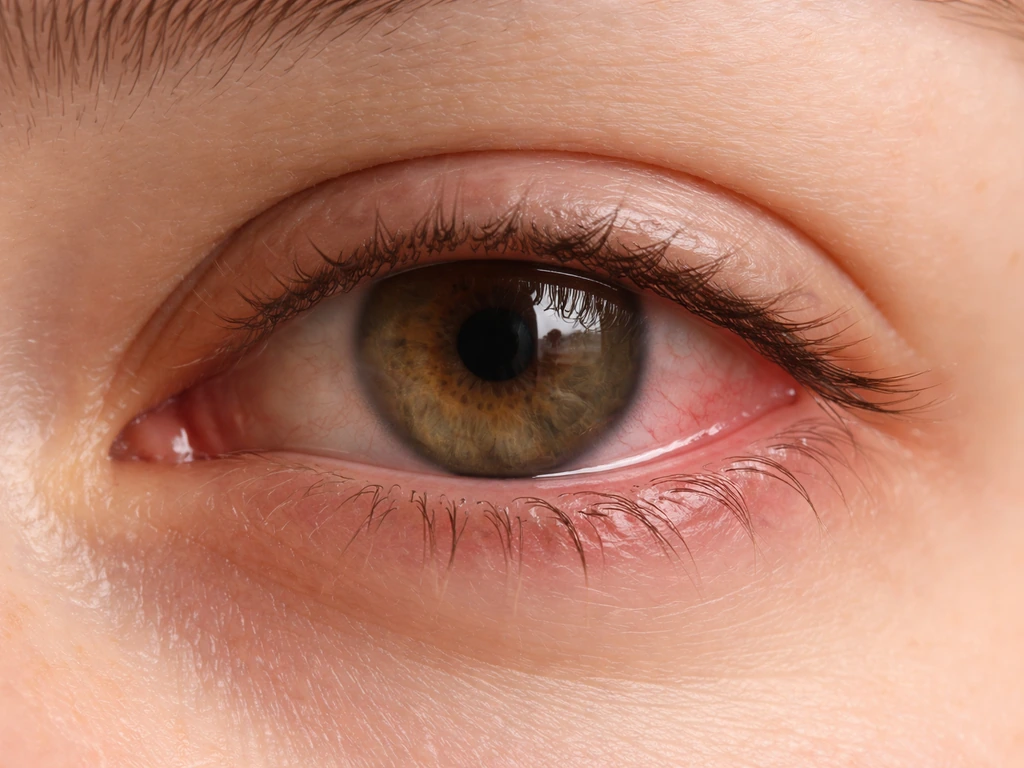
Pink eye (conjunctivitis) is an inflammation of the thin membrane covering the white of your eye and inner eyelids. It can be viral, bacterial, or even allergic. Bird droppings are most relevant to the bacterial kind, since droppings can carry bacteria capable of infecting the eye if they get there. One notable example is Chlamydia psittaci, the bacterium behind psittacosis (also called ornithosis), which the CDC recognizes as a genuine zoonotic risk from exposure to infected birds and their droppings. A related chlamydial species is a known cause of bacterial conjunctivitis in humans. That said, most bird droppings you encounter aren't necessarily loaded with this particular pathogen. The risk scales up with how much contact you had, whether the material was fresh or dried (dried droppings that aerosolize into dust are especially concerning), and whether you have any open cuts or are wearing contact lenses.
It's also worth knowing that pink eye from bird poop isn't the same as the super-contagious viral conjunctivitis that spreads through schools. Bacterial conjunctivitis tied to bird exposure is more of a direct-contact or inhalation situation, not something that jumps from person to person easily. So while it's a real risk, it's a contained one once you take sensible precautions.
How would bird poop actually get into your eye?
There are a few realistic paths here, and understanding them makes prevention obvious.
- Direct hit: A bird scores a direct splat on or very near your eye. It happens, especially to people who work outdoors, keep backyard flocks, or have pet birds that perch on their shoulder.
- Cleanup splashback: You're hosing down a bird cage, wiping a car hood, or scraping a patio, and contaminated water or debris flicks up toward your face.
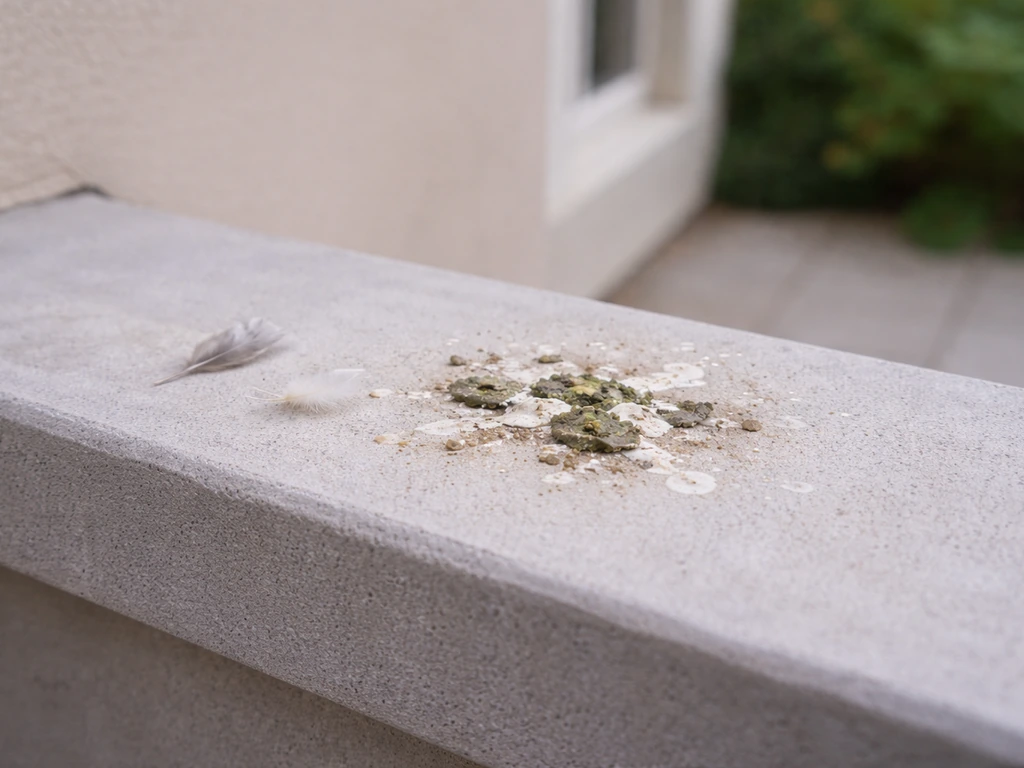
- Dust inhalation and eye contact: Dried droppings crumble into fine particles that float in the air. If you're cleaning without eye protection, that dust can settle directly on the eye's surface. This is the route most flagged in occupational and wildlife-handling guidance.
- Hand-to-eye transfer: You touch droppings (on a car, a fence, a cage, a park bench) and then touch your eye before washing your hands. This is probably the most common pathway for most people, and it mirrors how viral conjunctivitis spreads in general.
- Contaminated surfaces: You lean against a railing or rest your face near a surface covered in dried droppings, and residue transfers to your eye area.
Contact lens wearers face extra risk here because lenses can trap pathogens against the eye surface for extended periods. Kids are also higher risk simply because they're more likely to touch things and then rub their eyes without thinking.
What symptoms should you watch for?
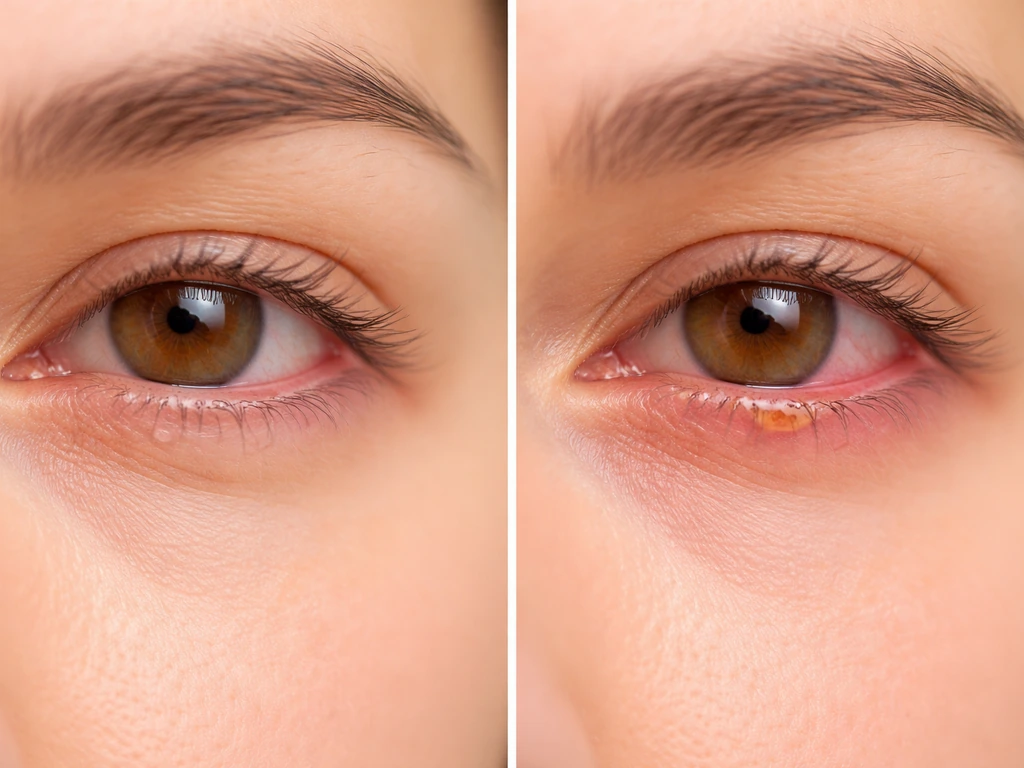
If something got in or near your eye after bird poop exposure, you'd typically start noticing symptoms within a day or two. Classic signs of conjunctivitis include redness in the white of the eye, a gritty or uncomfortable feeling, increased tearing, discharge (watery or thick and yellowish), and swollen eyelids. Bacterial conjunctivitis specifically tends to produce a more pronounced mucopurulent (thick, yellowish-green) discharge and significant swelling. You might wake up with your eye crusted shut, which is a hallmark of bacterial pink eye.
Whether it affects one eye or both matters too. One-eye involvement is more typical with direct-contact infections, while both eyes being affected at once is more common with viral forms. That said, bacterial infections can spread to the second eye if you touch the infected eye and then rub the other one.
Red-flag symptoms that mean go now, not tomorrow
- Eye pain (not just irritation, but actual pain)
- Blurred vision that doesn't clear up after gently wiping discharge away
- Sensitivity to light (photophobia)
- Severe swelling of the eyelids or surrounding area
- Symptoms that are rapidly getting worse over hours
- You wear contact lenses and your eye is red or irritated
- A child has these symptoms, especially an infant or toddler
- You can see something embedded in the eye that won't flush out
These red flags can signal something more serious than ordinary conjunctivitis, such as a corneal infection, keratitis, or a more aggressive bacterial involvement. The American Academy of Ophthalmology notes that eye pain, vision changes, and light sensitivity are red-flag symptoms that can indicate a more serious condition and should be evaluated promptly eye pain, vision changes, and light sensitivity are red flags. Don't wait on these. Get to an eye doctor or urgent care today.
What to do right now after possible exposure
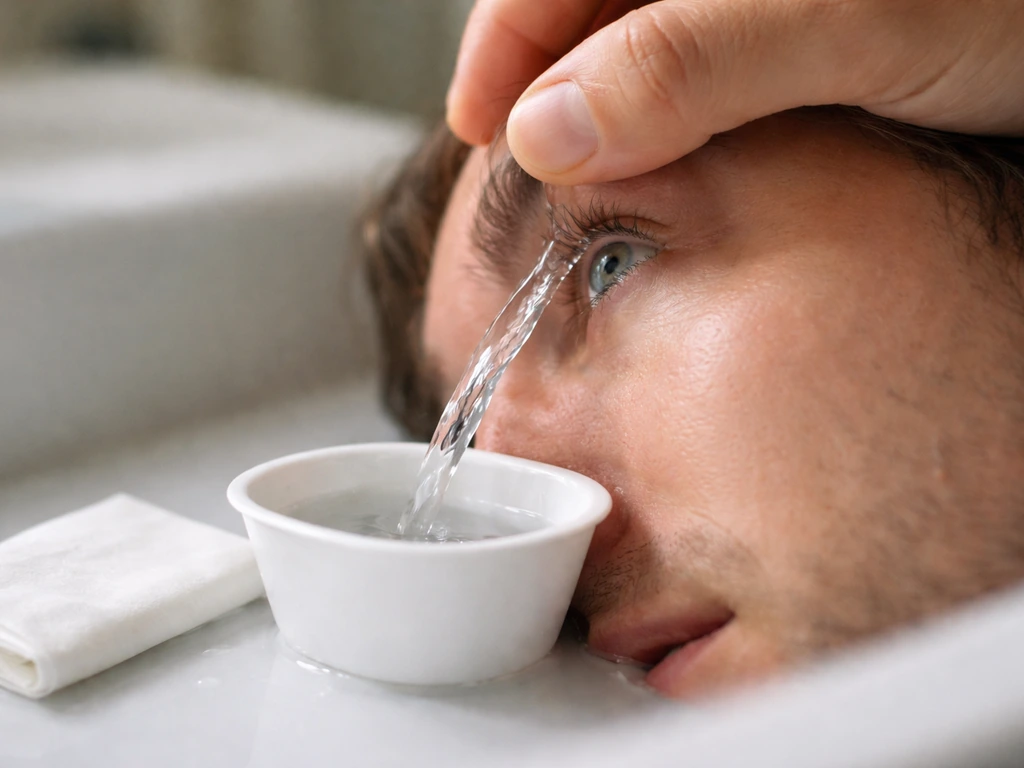
If bird poop just got near your eye or you realize you've been rubbing your eyes after handling droppings, here's the order of operations:
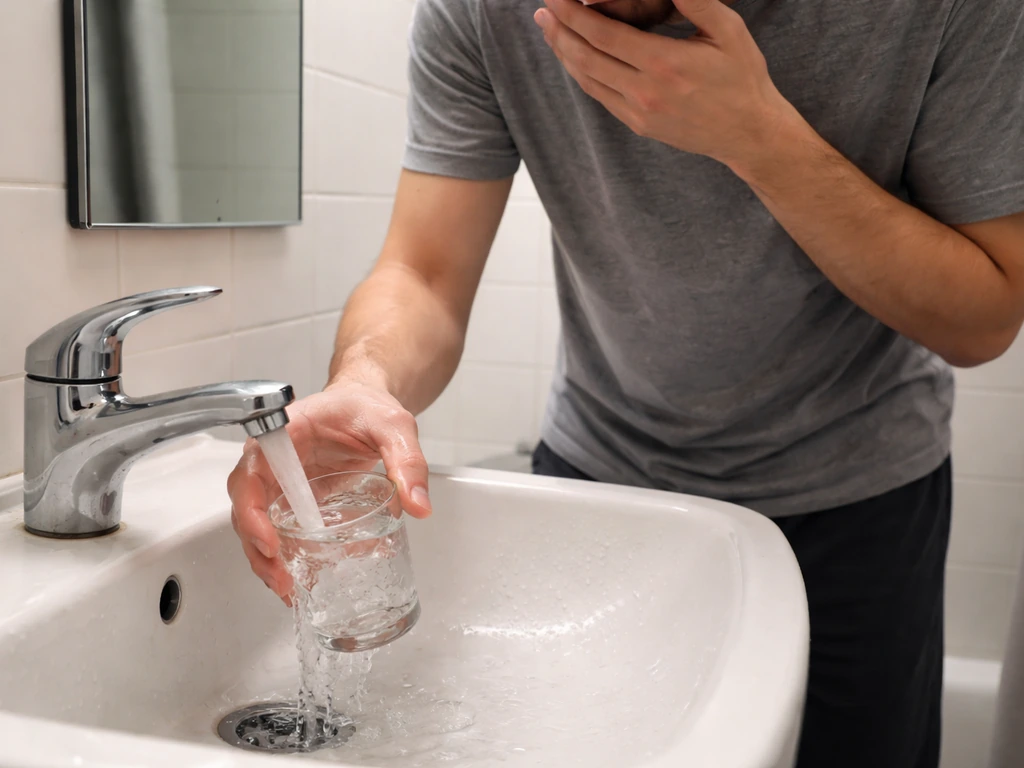
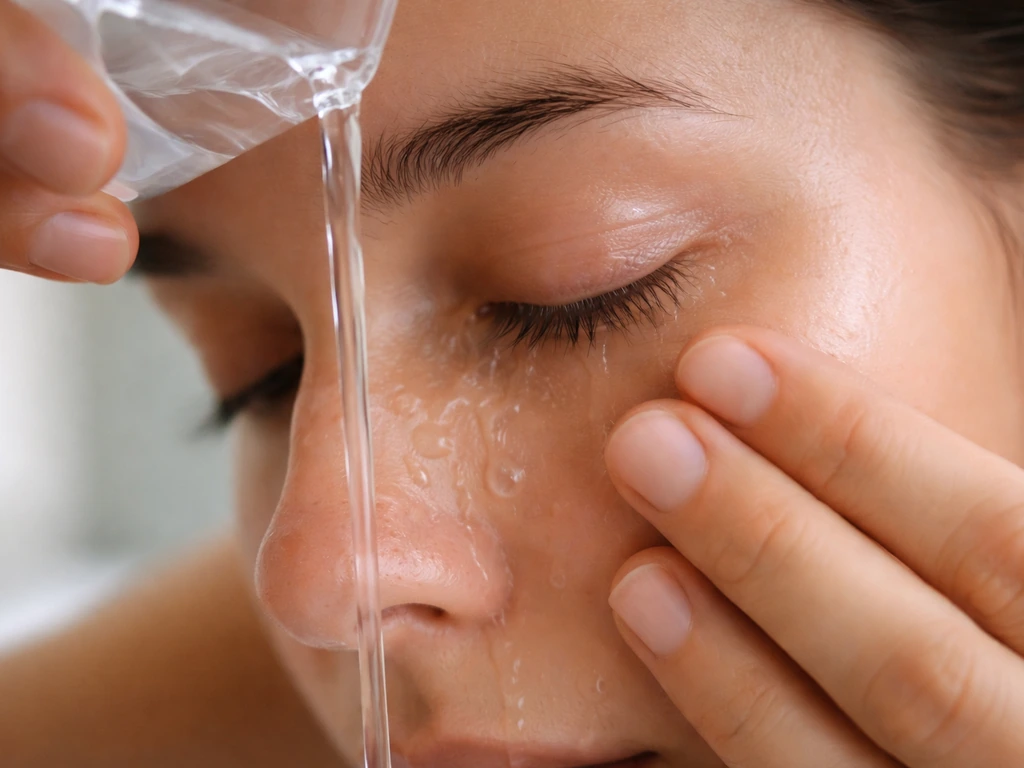
- Flush your eye immediately with clean, lukewarm water. Hold your eyelid open and let water run gently over the eye for at least 10 to 15 minutes. A clean cup, an eyewash station if you have one, or even a gentle stream from a tap or bottle all work.
- Don't rub your eye. Rubbing spreads contamination further across the eye surface and can scratch the cornea if there are any particles present.
- Wash your hands thoroughly with soap and water before and after touching your face or eye area. This is the single most effective step for preventing spread.
- Remove contact lenses if you're wearing them. Don't put them back in until you've been evaluated and cleared. Use glasses in the meantime.
- Don't share towels, washcloths, pillowcases, or eye drops with anyone else in your household until you know what you're dealing with.
- Apply a clean, cool compress to your closed eye if there's swelling or irritation. This helps with comfort but doesn't treat an infection.
- Avoid eye drops, ointments, or leftover antibiotic drops from old prescriptions without medical guidance. Using the wrong drops, or viral conjunctivitis with bacterial drops, won't help and can sometimes cause additional irritation.
If the exposure was minimal (say, you brushed your cheek near some droppings and think you may have touched your eye), washing your hands and flushing the eye is usually enough immediate action. Then keep an eye on how things feel over the next 24 to 48 hours.
When you actually need to see a doctor
Here's the honest breakdown: a lot of mild conjunctivitis, even bacterial cases, can improve on its own within a week or two. The CDC notes that many mild bacterial conjunctivitis cases are self-limited. But that doesn't mean you should always wait it out, especially when bird droppings are the source.
| Situation | What to do |
|---|---|
| Red-flag symptoms (pain, vision changes, light sensitivity) | Go to an eye doctor or urgent care today |
| Contact lens wearer with any redness or irritation | See an eye doctor before wearing lenses again |
| Child or infant with eye symptoms after exposure | See a pediatrician or urgent care promptly |
| Thick yellow/green discharge, eye crusting shut, significant swelling | See a doctor, likely needs antibiotic drops |
| Mild redness and irritation only, no pain, no vision changes | Flush, monitor, and follow up if not improving in 2 to 3 days |
| Symptoms not improving after 3 to 5 days of home care | Medical evaluation to determine if antibiotics are needed |
| Known exposure to birds with psittacosis risk (parrots, cockatiels, poultry) | See a doctor and mention the bird exposure specifically |
If a doctor confirms bacterial conjunctivitis, they'll likely prescribe topical antibiotic drops or ointment. These work well for bacterial cases. If the pink eye turns out to be viral, antibiotics won't help and you'll mainly be managing symptoms and waiting it out. This is why a proper diagnosis matters, and why you shouldn't assume one drop fits all.
If you mention that your eye symptoms followed bird poop exposure, specifically with pet birds like parrots or cockatiels (which carry higher psittacosis risk), tell your doctor. Chlamydial conjunctivitis from psittacosis is treated with systemic antibiotics like doxycycline, not just eye drops, so your doctor needs that context to treat you correctly.
How to clean up bird droppings safely (eyes first)
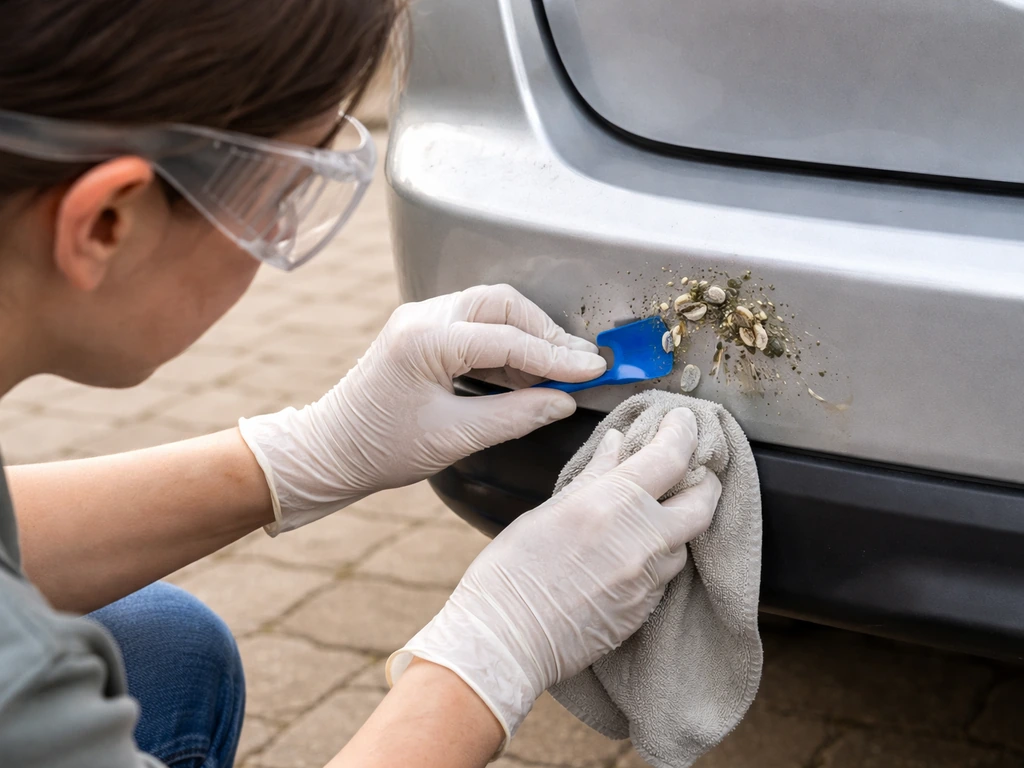
Eye protection during cleanup is genuinely important and often skipped. Before you start scraping, hosing, or sweeping droppings off your car, patio, cage, or anything else, think about what you're releasing into the air. Dried droppings crumble into fine particulate dust that can carry bacteria and fungal spores. Breathing that in can cause respiratory illness like histoplasmosis or psittacosis. Getting it in your eyes adds a direct infection route. This isn't meant to scare you out of cleaning your car hood. It just means a little prep goes a long way.
- Wear safety glasses or goggles. Regular glasses offer some protection; wrap-around goggles offer more, especially in windy conditions or enclosed spaces like a garage or shed.
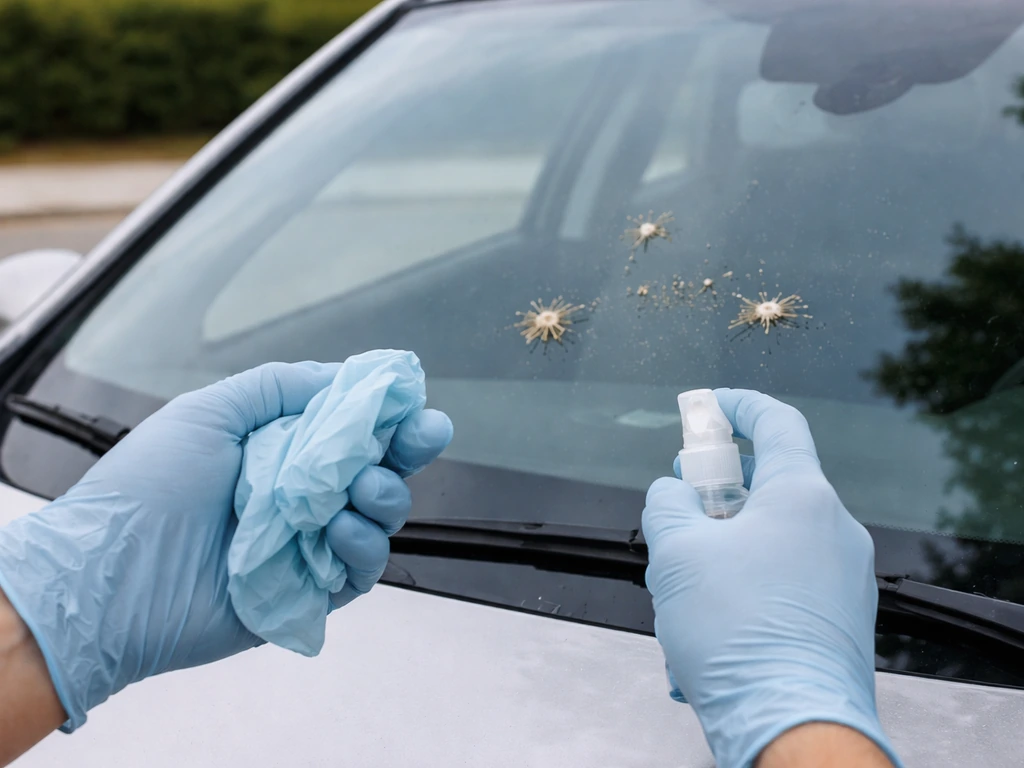
- Wet the droppings before you disturb them. Spraying with water or a diluted disinfectant solution first prevents dried material from going airborne. This is the standard recommended approach for reducing aerosolization during any type of bird or bat dropping cleanup.
- Wear gloves. Nitrile or latex disposable gloves keep residue off your hands and reduce the hand-to-eye transfer risk.
- If you're cleaning a large accumulation (a roost, a coop, a heavily soiled attic), an N95 respirator and goggles are the appropriate PPE. CDC guidance for bird flu and histoplasmosis prevention both emphasize respiratory and eye protection for these situations.
- Don't use a dry broom or brush that will kick particles into the air. A dampened cloth or paper towel, or a wet mop for larger areas, keeps contamination down.
- Don't clean bird cages or equipment in your kitchen sink. Use an outdoor hose or a utility sink, and disinfect the area after.
- Wash your hands with soap and water immediately after handling anything contaminated, even if you wore gloves. Gloves aren't foolproof.
For car owners dealing with bird droppings baked onto paint in the sun, the safest approach is to soften them with water or a detailing spray before wiping. Don't scrape dry droppings aggressively, and keep your face away from the work area. Wash your hands before you touch your face, steering wheel, or anything else you'll handle regularly.
Preventing this from happening again
For pet bird owners
If you keep parrots, cockatiels, pigeons, or backyard poultry, your exposure risk is ongoing and worth managing consistently. The CDC is specific about this: don't pick up bird droppings with bare hands, and wash your hands every time after handling birds or cleaning cages. Wear gloves and eye protection when doing a full cage cleaning. Let birds perch on your shoulder if that's your thing, but be mindful that droppings near your face are a real possibility. If your bird seems sick (discharge from the beak or eyes, ruffled feathers, lethargy), get it checked by an avian vet, because sick birds shed more pathogens.
For parents and people with kids
Kids touch everything and then touch their faces. Bird droppings on park benches, playground equipment, and railings are genuinely common. Teaching kids to wash their hands after playing outside (especially before eating) is your best prevention tool. If a child gets something near their eye in a park or outdoor setting, don't panic, but do rinse gently with clean water and watch for symptoms over the next day or two.
For car owners
Bird droppings on cars are mainly a paint problem rather than a health hazard in most situations, as long as you handle cleanup sensibly. Keep a bottle of water and a few paper towels in the car for quick cleanup. If you're wiping droppings off frequently, gloves are worth keeping in your glovebox. The bigger risk isn't the car itself but the habit of wiping something off and then touching your eyes, nose, or mouth before washing your hands.
General habits that cut your risk significantly
- Make hand washing the non-negotiable step after any outdoor activity involving birds or wildlife areas.
- Use hand sanitizer with at least 60% alcohol when soap and water aren't available.
- Keep your hands away from your face, especially your eyes, when you've been outdoors near birds.
- Wear sunglasses or safety glasses when you know you'll be around large bird populations (outdoor markets, bird feeders, wildlife areas).
- Don't share eye drops, makeup, or anything else that touches your eye with other people.
The same general logic applies if you're concerned about other types of exposure from bird droppings. Whether you've touched droppings with your hands or you're worried about what happens if droppings get in your mouth, the underlying principle is consistent: your eyes, mouth, and any mucous membrane are the vulnerable entry points, and keeping those clean and away from contamination is the whole game. If you touched bird poop and wonder what happens to your eyes, the same prevention rules apply: wash up and avoid rubbing until you’re sure nothing got in what happens if droppings get in your mouth. To reduce your risk, avoid getting bird droppings in your mouth or on your hands before eating. Sensible hygiene after exposure, paired with knowing which symptoms actually need a doctor, is all you really need to handle this well. If you’re worried about which bird poop can cause issues coming out of your mouth, focus on avoiding hand-to-mouth contact and practicing strict hand hygiene after cleanup bird poop coming out of your mouth.
FAQ
If I got bird poop on my hands but not directly in my eye, should I still worry about pink eye?
Yes, indirectly. The main risk is hand-to-eye transfer, so wash your hands thoroughly and avoid touching or rubbing your eyes for at least a day. If you think you touched your eye before washing, rinse the eye with clean water or sterile saline and monitor for redness, gritty feeling, discharge, or eyelid swelling over the next 24 to 48 hours.
What’s the best way to rinse my eye after bird droppings exposure?
Use clean, steady water or sterile saline to flush the eye gently for several minutes, especially if you suspect you rubbed your eye after contamination. Avoid using eye makeup remover, lotions, or “DIY” solutions. After flushing, wash your hands again before touching your face.
Should I stop wearing contact lenses if I’m worried about pink eye from bird poop?
Stop wearing them immediately and use glasses instead. Lenses can trap pathogens and also delay clearing of any inflammation. If you already used the lenses after the exposure, discard the current lens and your lens case solution (and consider replacing the case), then get evaluated if symptoms develop.
Can I use leftover antibiotic eye drops if I think it’s bacterial pink eye?
You should not. Leftover meds may be expired, the wrong type for your situation, or insufficient if you need systemic treatment. If symptoms persist, are severe, or you have risk factors (contact lenses, significant swelling, thick discharge), get a same-day or next-day exam to confirm the cause.
Is bird poop conjunctivitis contagious to other people in my household?
Usually it is less likely to spread person to person than highly contagious viral conjunctivitis. Still, treat it as potentially contagious until you know what type it is: don’t share towels, wash hands often, and avoid touching your eyes. If you have close-contact symptoms, an eye clinician can guide whether your situation needs extra precautions.
What symptoms mean I should seek urgent care rather than waiting?
Go urgently if you have eye pain (not just irritation), light sensitivity, reduced vision, a contact-lens wearer with redness, significant eyelid swelling, rapidly worsening symptoms, or if you suspect something scratched your cornea. Also get prompt care if there is a lot of thick discharge that keeps recurring.
How long after exposure should symptoms show up?
Often within 1 to 2 days, but the timeline can vary. If you see no redness, tearing, discharge, or gritty discomfort after 48 hours, the risk becomes much lower, though not zero. New symptoms later still deserve evaluation, especially if you touched your eye repeatedly after exposure.
If only one eye is red after exposure, does that rule out bacterial infection?
No. One-eye involvement often fits direct contamination routes, including the hand-to-eye mechanism. Bacteria can still be present in one eye and spread if you touch that eye and then rub the other, so avoid touching and wash hands frequently.
Does cleaning up dried bird droppings increase the risk of eye infection?
Yes, because dried droppings can aerosolize into dust while you scrape, sweep, or hose them off. That dust can reach your eyes directly and also encourage hand-to-eye transfer. Wear eye protection and gloves, and soften debris with water or an appropriate spray before wiping to reduce dust.
I have mild redness and tearing after exposure. When should I get checked even if it might be mild?
Get checked if symptoms are worsening, you develop thick yellow-green discharge, you wear contact lenses, you have significant swelling, or you’re not improving after 1 to 2 days. If you have any red flags for corneal involvement (pain, light sensitivity, blurred vision), don’t wait.
If I keep birds and this keeps happening, what should I change in my routine?
Make hygiene and barrier protection consistent. Avoid bare-hand cleanup, wear gloves and eye protection during full cage or perch cleaning, and wash hands right after handling birds or cages. Keep cleaning away from your face, and teach kids to wash hands before eating, since they often rub eyes without thinking.