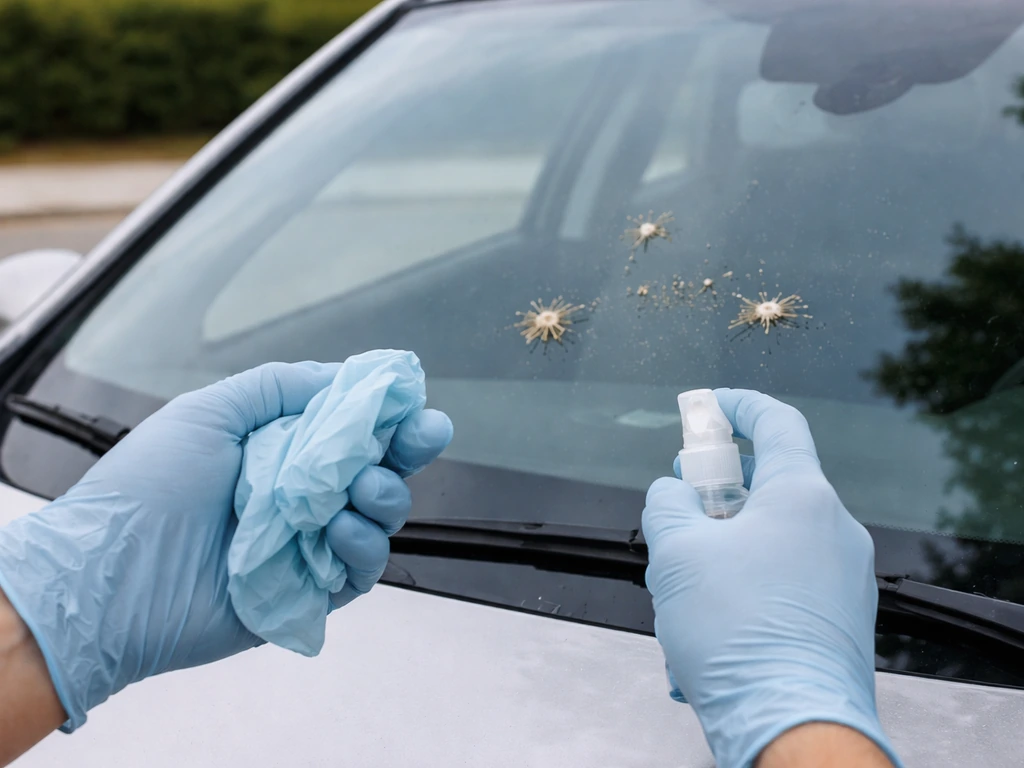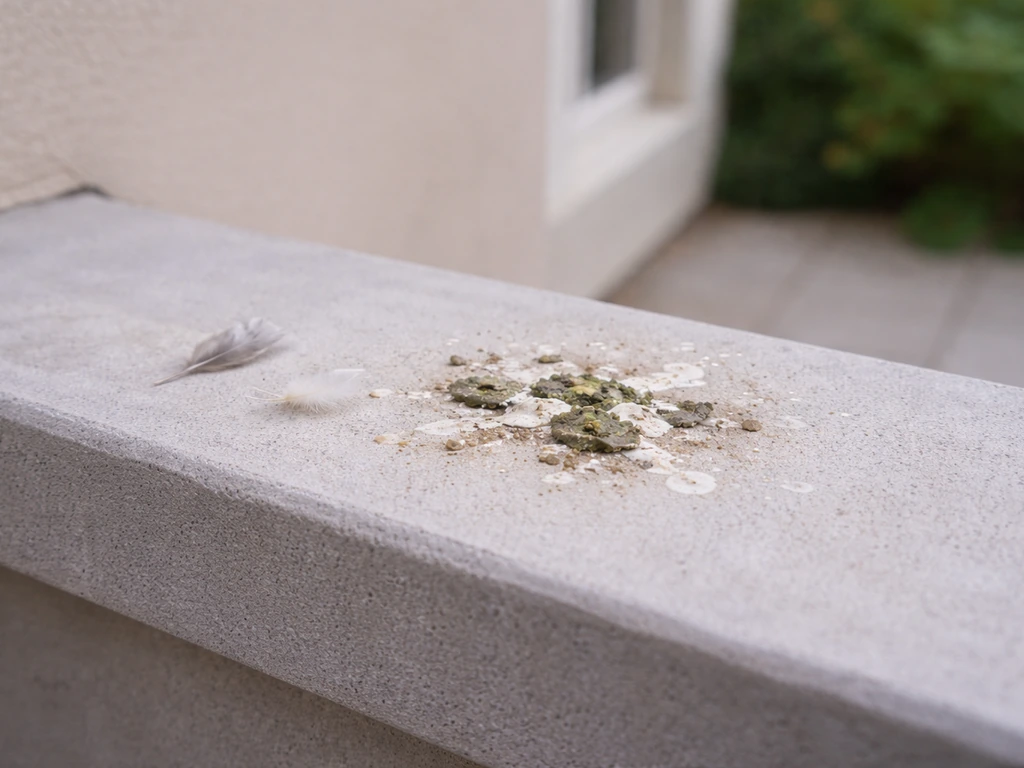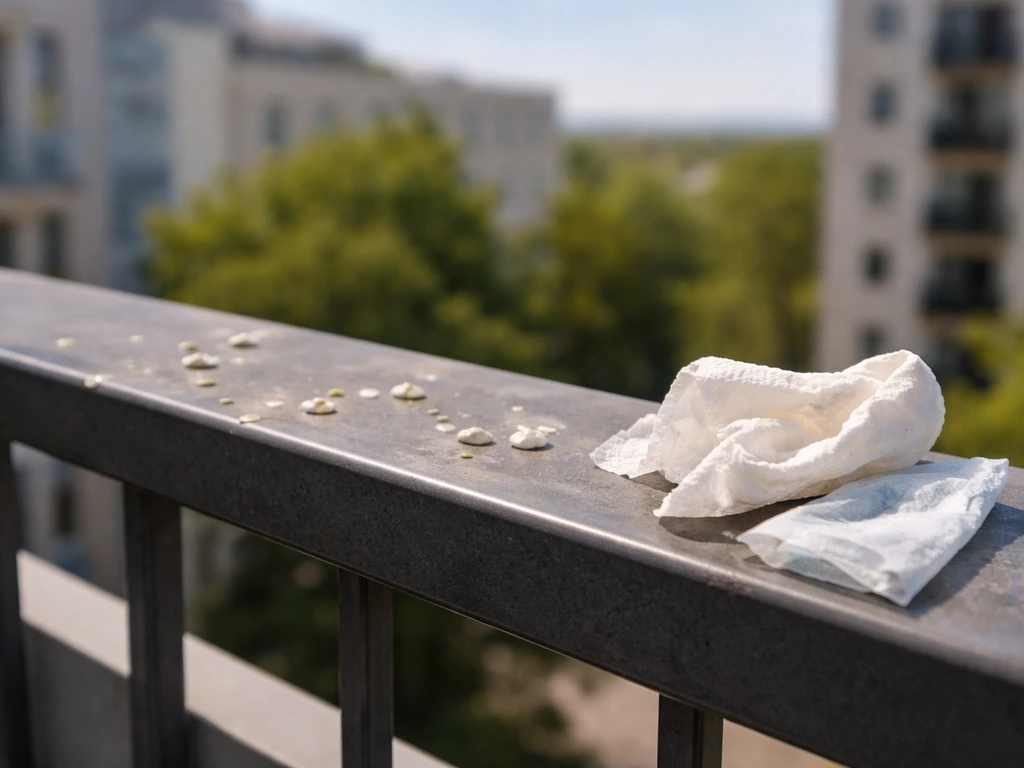
If you accidentally ate bird poop, the most likely outcome is nothing at all, especially if it was a small, incidental amount. Rinse your mouth out thoroughly with water right now, wash your hands with soap and water, and keep an eye on how you feel over the next few days. If you are trying to figure out which bird poop from mouth exposures are most likely to cause trouble, rinsing your mouth thoroughly right now is the key first step. Touching bird poop is usually lower risk than eating it, but you should still wash your hands and avoid touching your eyes or mouth afterward. If you are worried about pink eye after contact with bird droppings, rinse your eyes with clean water and contact a clinician, especially if you develop redness, pain, or discharge. Most healthy adults who accidentally ingest a tiny bit of bird dropping won't develop any symptoms. That said, bird droppings can carry real pathogens, Salmonella, Campylobacter, and others, so it's worth knowing what to watch for and when to actually call a doctor. The CDC also notes that duck and goose droppings can contain germs such as E. coli, Salmonella, Campylobacter, and Cryptosporidium and advises using a fecal-incident style response approach blank" rel="noopener noreferrer">bird droppings can carry real pathogens, Salmonella, Campylobacter, and others.
What Happens If You Eat Bird Poop and What to Do Now

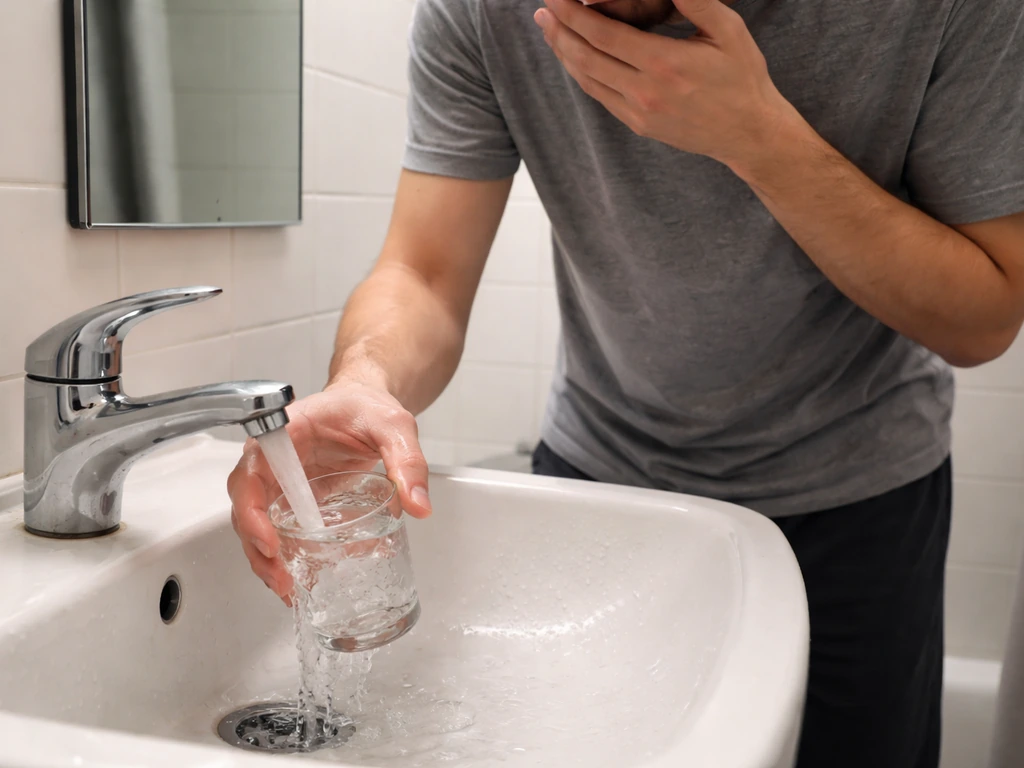
What to do right now
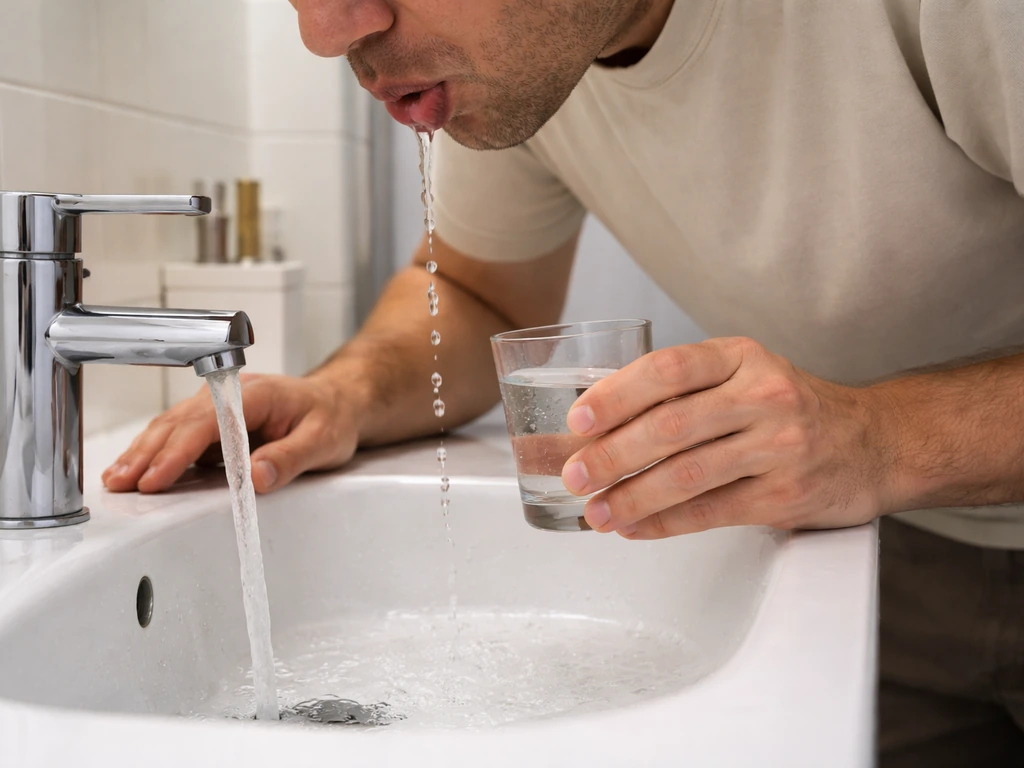
The first few minutes matter mostly for basic decontamination, not panic. Here's what to do immediately after realizing you've ingested bird droppings:
- Rinse your mouth out with clean water several times. Spit it out each time. If you have mouthwash handy, use it as a follow-up, but water is the priority.
- Do not induce vomiting. Bird poop is unpleasant but it's not a corrosive chemical — vomiting isn't necessary and won't meaningfully reduce exposure.
- Wash your hands thoroughly with soap and running water for at least 20 seconds, even if your hands don't look dirty.
- If you were handling bird cages, feathers, or dried droppings and some got in your mouth, note that detail — dried material carries different risks than a fresh dropping (more on this below).
- If you're genuinely worried or the exposure was substantial, call Poison Control at 1-800-222-1222 (U.S.) or use webPOISONCONTROL online. Give them the specifics: what type of bird, how much, and how it got in your mouth. They can give you real-time triage guidance for free.
- If it happened to a young child, an elderly person, someone who is pregnant, or someone who is immunocompromised, contact Poison Control or a healthcare provider right away rather than waiting to see if symptoms develop.
What will actually happen to your body
Honestly, for most people in most situations: nothing. A bird swoops overhead, something lands in your open mouth, you're grossed out, that's usually the whole story. If you are specifically worried about what happens if you get bird poop in your mouth, the most important steps are rinsing your mouth and watching for symptoms over the next several days. The human gut is reasonably good at handling small microbial exposures, and a tiny incidental amount may not deliver enough of any pathogen to cause illness.
If something does happen, it's most likely to look like a standard foodborne illness. Symptoms would typically show up within hours to a few days and could include nausea, stomach cramps, diarrhea, and possibly a fever. Salmonella, one of the more common concerns, tends to cause symptoms anywhere from 6 to 48 hours after ingestion. Campylobacter usually takes 2 to 5 days to show up. Most cases resolve on their own within a week.
One thing worth flagging separately: if the exposure involved disturbing dried or dusty bird droppings (cleaning a cage, sweeping under a bird feeder, working in a space with accumulated droppings), there's an inhalation risk for things like histoplasmosis and psittacosis that's actually more concerning than the ingestion angle. But if we're talking about a fresh dropping that ended up in your mouth, respiratory illness from that specific event is very unlikely.
Symptoms to watch for over the next several days
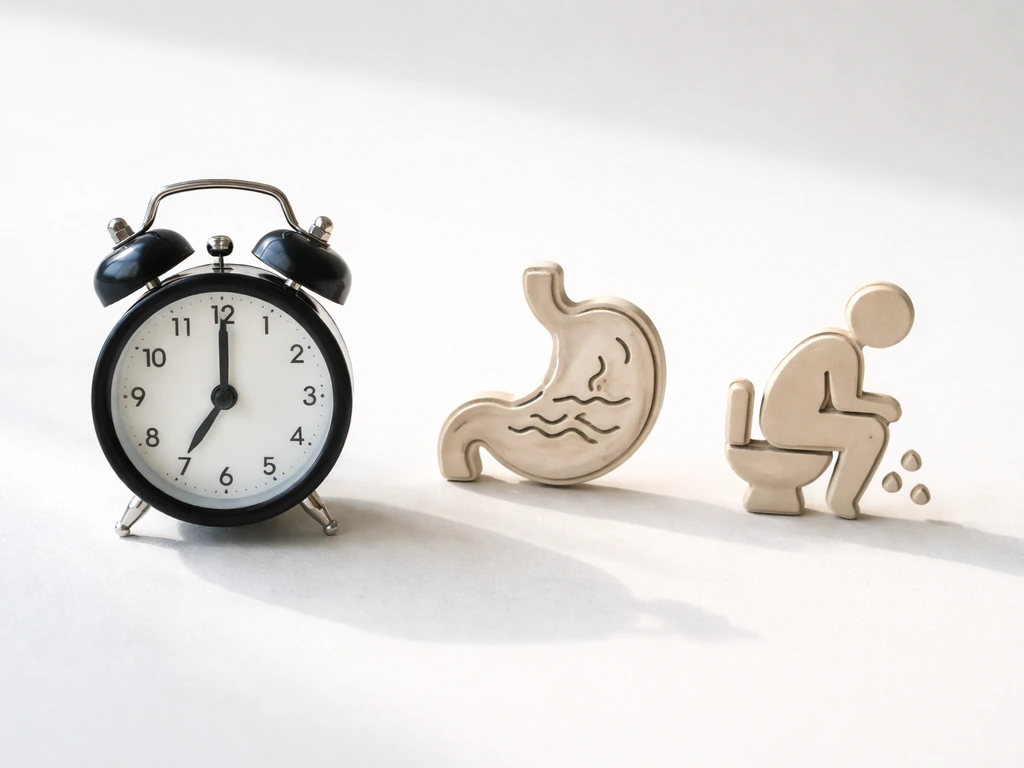
- Nausea or stomach cramping starting within the first 6–48 hours (could suggest Salmonella)
- Diarrhea, possibly watery or with blood, appearing within 1–5 days (Campylobacter, Salmonella, E. coli)
- Fever above 101°F (38.3°C)
- Vomiting
- Fatigue or body aches accompanying GI symptoms
- Any symptom that starts mild but gets noticeably worse after day 2 or 3
The real health risks in bird droppings
Bird poop is not benign, it can harbor a real list of pathogens. But the actual risk to you depends heavily on the circumstances. Here's a practical breakdown of what's actually in there and how worried you should be.
| Pathogen | Type | Typical Onset After Exposure | Main Symptoms | Realistic Risk from Single Accidental Ingestion |
|---|---|---|---|---|
| Salmonella | Bacteria | 6–48 hours | Diarrhea, fever, cramps | Low to moderate; depends on dose |
| Campylobacter | Bacteria | 2–5 days | Diarrhea, cramps, fever | Low; usually requires meaningful exposure |
| E. coli O157:H7 | Bacteria | 1–10 days | Bloody diarrhea, cramps | Low; mainly an animal fecal concern |
| Chlamydophila psittaci (Psittacosis) | Bacteria | 5–19 days | Fever, headache, respiratory symptoms | Low via ingestion; primary route is inhaling dried droppings |
| Histoplasma capsulatum (Histoplasmosis) | Fungus | 3–17 days | Flu-like, lung infection | Very low via ingestion; requires inhaling spores from dried/disturbed droppings |
| Cryptococcus | Fungus | Weeks to months | Respiratory, neurological (severe cases) | Rare; mostly affects immunocompromised people |
| Toxocara (roundworm eggs) | Parasite | Weeks | Often none; rarely organ involvement | Low; eggs must be mature to be infective |
The important context here: fresh bird droppings on a sidewalk or from a bird flying overhead carry a lower practical risk than dried, accumulated droppings in a cage or under a roost. Dried droppings are more likely to contain concentrated fungal spores (like Histoplasma) and aerosolize into a form you can inhale. Wild bird droppings and pet bird droppings carry somewhat different risk profiles too, pet birds, especially parrots and other psittacines, are the main psittacosis concern. Wild birds are more associated with Salmonella and Campylobacter through the fecal-oral route.
When to see a doctor
For a healthy adult who accidentally got a small amount of bird poop in their mouth, watchful waiting is usually appropriate. But there are clear situations where you should not wait it out at home.
Get medical help right away if:
- You are pregnant, elderly, immunocompromised (including HIV, cancer treatment, organ transplant, long-term steroid use), or have a child under 5 who was exposed
- You develop bloody diarrhea at any point
- You have a high fever (above 102°F / 39°C) that persists or worsens
- GI symptoms are severe or you can't keep fluids down
- You were cleaning a cage or disturbing large amounts of dried droppings from psittacine birds (parrots, cockatiels, parakeets) and develop respiratory symptoms like cough, chest pain, or shortness of breath
- Symptoms that seem to improve then get worse again after a few days
- The exposure involved a sick bird or a bird that died unexpectedly
When you do call or visit a doctor, tell them specifically that you ingested bird droppings, approximately when it happened, what kind of bird was involved if you know, and whether the droppings were fresh or dried. This helps them narrow down likely pathogens and appropriate incubation period windows. Salmonellosis usually lasts four to seven days and most people recover without treatment, but a doctor can confirm the cause and recommend treatment if needed.
For any uncertainty in the immediate aftermath, U.S. Poison Control (1-800-222-1222) is genuinely useful here, they handle these calls routinely and can tell you whether your specific situation warrants a clinic visit or just monitoring at home.
Aftercare: monitoring yourself and cleaning up
Once you've done the immediate rinse and handwash, the main job is paying attention to your body for the next several days. Most bacterial GI illnesses will announce themselves within 48 hours; Campylobacter can take up to 5 days. Fungal illnesses tied to inhalation of spores take longer, sometimes weeks, but again, those are far less of a concern from a one-time incidental ingestion.
Keep a mental note of when the exposure happened so that if symptoms do appear, you and a doctor can connect the dots accurately. Stay well hydrated. If you develop diarrhea, replace fluids and electrolytes consistently. Most cases, if they happen at all, will resolve within a week without medical treatment.
Cleaning up the environment
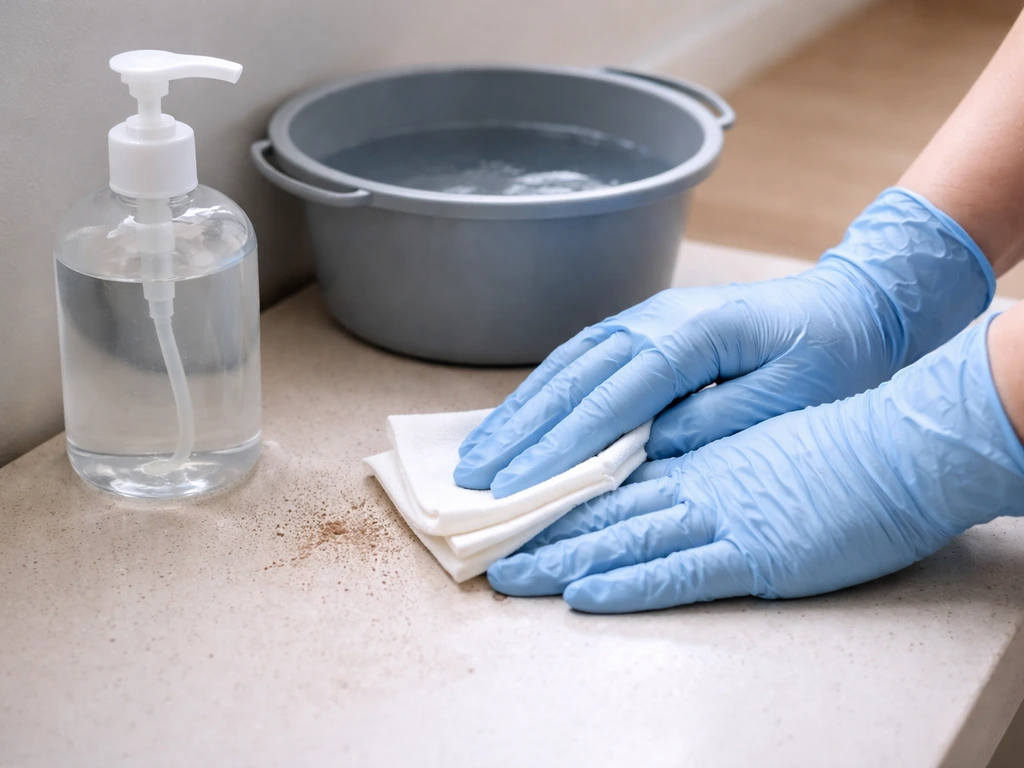
If there's a mess to deal with, a contaminated surface, a bird cage, or an area under a roost, handle it carefully. Before cleaning dry droppings, lightly wet the surface with water or a disinfectant to minimize dust and aerosolization. Wear gloves. Wash your hands thoroughly with soap and water afterward. If you're dealing with a large accumulation of dried droppings (think: a barn, attic, or heavy cage buildup), a proper respirator (N95 or better) is worth it, not just a cloth mask. The inhalation risk from disturbing dry accumulated droppings is meaningfully higher than a simple touch-and-clean scenario, and this applies to the topics of touching droppings and getting droppings in your mouth via aerosol as much as it does to direct ingestion.
How to avoid this happening again
Most accidental bird poop ingestion happens in predictable ways: eating outdoors without noticing a dropping on food or a surface, cleaning cages or bird areas without thinking about hand-to-mouth transfer, or getting splashed during cleanup. A few consistent habits take most of the risk off the table.
- Wash your hands with soap and running water every time after handling birds, cleaning cages, or working in areas with bird activity — before touching your face or eating anything.
- If soap and water aren't available, use a hand sanitizer with at least 60% alcohol as a stopgap, then wash properly as soon as you can.
- When cleaning bird cages or areas with accumulated droppings, wet surfaces first before scrubbing to keep dust and particles from becoming airborne.
- Wear gloves when handling droppings directly, especially dried ones.
- Don't eat or drink in areas where birds are kept or where droppings are present.
- If you own pet birds (especially parrots or other psittacines), keep their cage cleaning routine consistent and handle sick birds with extra care — psittacosis is a genuine, if uncommon, concern with these species.
- Keep children from playing in areas known to have heavy bird or bat droppings, particularly in older structures or under large roosts.
The bottom line is that eating bird poop is gross but rarely dangerous for healthy people in small, accidental doses. Clean up promptly, watch for symptoms over the next week, and call Poison Control or a doctor if anything feels off, especially if you're in a higher-risk group. The situations that deserve real concern are repeated or high-volume exposure, exposure involving sick birds, and scenarios where dried droppings were disturbed and potentially inhaled alongside being ingested.
FAQ
Should I induce vomiting or take antibiotics after accidentally eating bird poop?
Usually no. Focus on rinsing your mouth and monitoring symptoms, antibiotics are not recommended unless a clinician suspects and confirms a specific infection. Inducing vomiting can irritate your throat and increase aspiration risk, especially if you feel nauseated already.
How long should I watch for symptoms after eating bird poop?
Track symptoms for at least 5 to 7 days, since common bacterial causes can show up within hours to a few days (and up to around 5 days for some organisms). If you had exposure to dusty, dried droppings that could be inhaled, respiratory symptoms may take longer, but that scenario is less about swallowing a fresh speck.
What symptoms mean I should call a doctor right away instead of waiting?
Call urgently if you have blood in stool, severe or worsening abdominal pain, signs of dehydration (very low urine, dizziness, inability to keep fluids down), persistent high fever, or symptoms that rapidly escalate. Also seek care sooner if you are pregnant, immunocompromised, or the person affected is an infant or older adult.
Does rinsing my mouth completely remove the risk?
It can significantly reduce it for the portion that had not yet been swallowed, but it does not guarantee zero risk. That is why handwashing and symptom monitoring still matter, especially if the droppings were on food, in a sandwich, or splashed into your mouth.
I only touched bird poop with my finger, then ate, is that the same as eating it?
It is still a fecal-oral exposure, but risk is typically lower than swallowing a larger amount. Wash hands thoroughly with soap and water immediately, rinse your mouth if you think contamination reached it, and watch for GI symptoms over the next several days.
What should I tell Poison Control or a clinician during the call?
Include when it happened, your approximate age and health status, whether the droppings were fresh or dried, where they came from (wild sidewalk, bird cage, feeder area), and whether there was any inhalation from sweeping or cleaning. Mention the amount estimate, even if it is vague (speck vs visible smear).
Is bird poop from wild birds riskier than from pet birds?
Both can cause illness, but the likely concerns differ. Pet birds, particularly psittacines, raise more concern for psittacosis with certain exposures, while wild bird droppings are more often discussed in relation to Salmonella and Campylobacter. The key detail for either is whether you swallowed it, and whether dried material was disturbed and inhaled.
If I clean a cage after eating bird poop, could I get sick from inhaling dust?
Yes, that separate inhalation risk can matter, especially with dried accumulated droppings. Wet down surfaces lightly before wiping, wear gloves, avoid creating dust, and use at least a well-fitting N95 or better respirator for heavy dried cleanup.
Can exposure cause pink eye, even if I did not eat it?
Yes. If bird droppings contact your eyes, rinse with clean water immediately and seek medical advice if you develop redness, pain, swelling, or discharge. Preventive handwashing and avoiding touching your face afterward reduce the chance of transfer to the eye.
Should I disinfect surfaces where bird droppings landed on food or countertops?
Yes, especially if there was visible droppings. Remove the contamination carefully, then disinfect according to the product directions, and wash your hands after. Avoid dry wiping before disinfection when droppings are dried, since that can aerosolize dust.