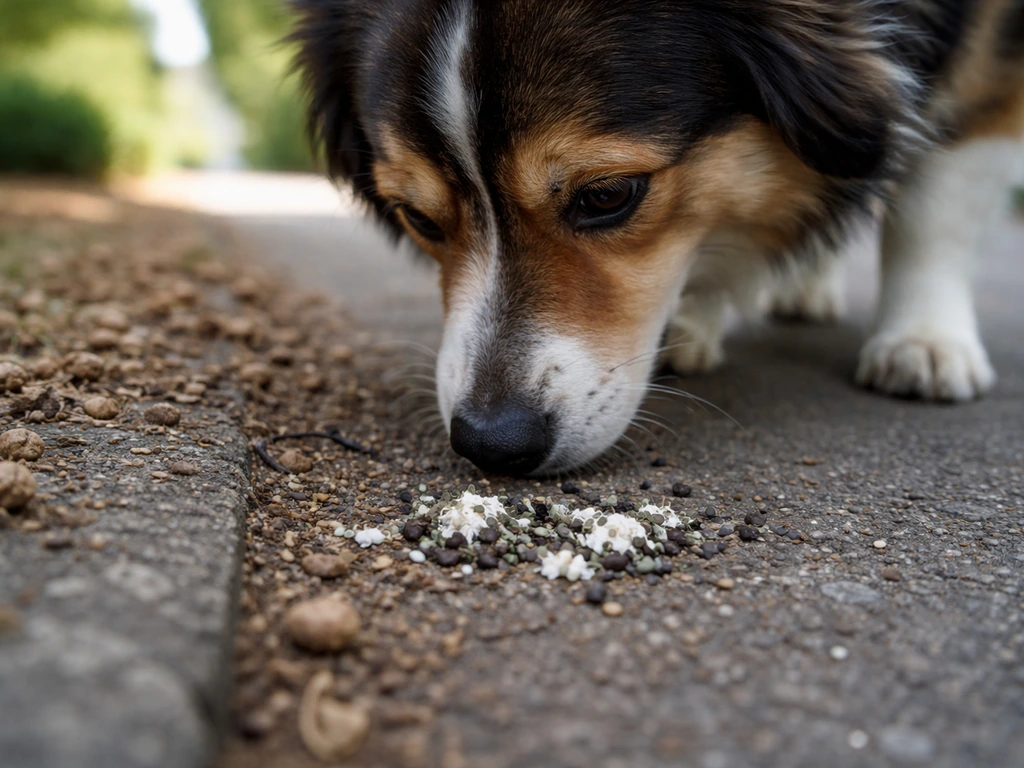
Dogs eat bird poop mainly because they are scavengers by nature, and bird droppings smell interesting, contain partially digested food, and trigger the same foraging instincts that have served dogs for thousands of years. It is gross, but it is usually not random or defiant, there is almost always a reason behind it, whether that is curiosity, hunger, a nutritional gap, stress, or a medical issue that is quietly increasing their appetite.
Why Do Dogs Eat Bird Poop? Causes and What to Do

Marcus Fielding
28 Apr 2026
Common reasons dogs eat or lick bird poop
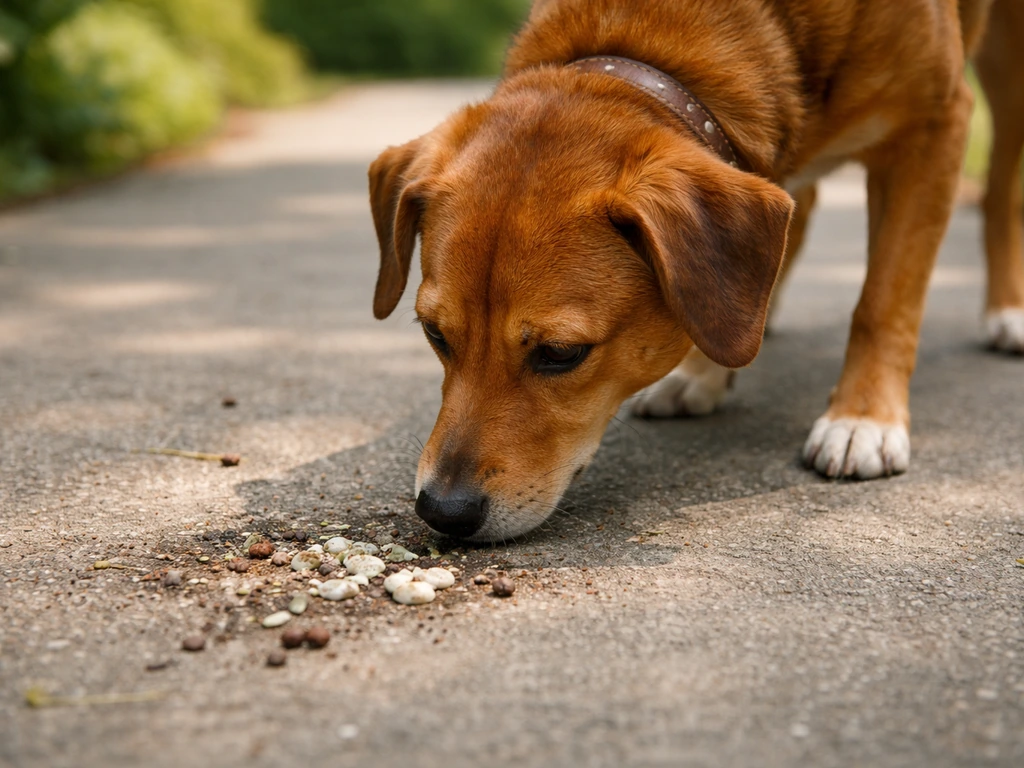
Coprophagia, the technical term for stool eating, has no single cause, which is part of why it is so frustrating to deal with. But when it comes to bird droppings specifically, a handful of reasons come up again and again.
- Scavenging instinct: Dogs are opportunistic eaters. Bird droppings, especially from seed-eating birds, smell like partially digested food to a dog's nose. That scent triggers the same foraging drive that pushes them to investigate garbage, compost, and dead things on walks.
- Curiosity and exploration: Dogs use their mouths the way we use our hands. Licking or mouthing an unfamiliar substance is just how they gather information, especially outdoors where everything is new.
- Hunger or underfeeding: A dog that is not getting enough calories or is being fed a poorly digestible diet may start supplementing on anything available. Bird droppings are an easy target in a yard or park.
- Nutritional deficiency: If a dog's diet is missing specific enzymes, vitamins, or minerals, the body sometimes drives them toward unusual food sources. Digestive enzyme deficiencies, for example, can make stool (including bird feces) smell more appealing.
- Attention-seeking: If your dog has learned that eating poop makes you react — even with a firm 'no' — some dogs will repeat the behavior just to get that response. Negative attention is still attention.
- Stress, boredom, or anxiety: Dogs with under-stimulated minds or elevated anxiety sometimes develop pica-like behaviors, including eating non-food material. If your dog is left alone for long stretches or lacks enrichment, this becomes more likely.
- Scent attraction: Bird droppings from pigeons, starlings, or backyard chickens have a strong, layered smell. Some dogs are simply more scent-driven than others, and the smell is enough to make them want a closer taste.
It is also worth being direct about something you may have heard: in some cultures, birds pooping on you or your belongings is considered good luck. That superstition has been around for a long time and comes from a place of making the best of an unpleasant situation. But it has no bearing on whether bird poop is safe for your dog to eat, it is not a health endorsement, and your dog's behavior is driven by biology, not fortune.
Dog vs. puppy differences, and why it may start suddenly
Puppies eating bird poop (or any kind of poop) is so common that it is considered developmentally normal. Young dogs explore their entire world through taste, and they have not yet learned what is off-limits. Mother dogs also instinctively clean up after newborns by consuming their waste, so there is a deep biological thread here. In most puppies, the behavior fades on its own between 4 and 9 months as they mature and get more dietary and behavioral structure.
Adult-onset behavior is a different story. If your adult dog has never done this before and suddenly starts eating or obsessively licking bird droppings, that shift deserves medical attention. If you are wondering why your dog rolls in bird poop, it can be a mix of natural scavenging behavior and scent-driven curiosity suddenly starts eating or obsessively licking bird droppings. According to VCA Animal Hospitals, sudden stool-eating in adult dogs is associated with conditions that blank" rel="noopener noreferrer">decrease nutrient absorption or increase appetite, including intestinal parasites, malabsorption syndromes, diabetes, Cushing's disease, thyroid disease, and steroid medications. A dog that 'keeps eating bird poop' as a new habit is telling you something has changed internally, and a vet visit to rule out these causes is the right first move before focusing purely on training.
Why licking happens even when they do not fully eat it
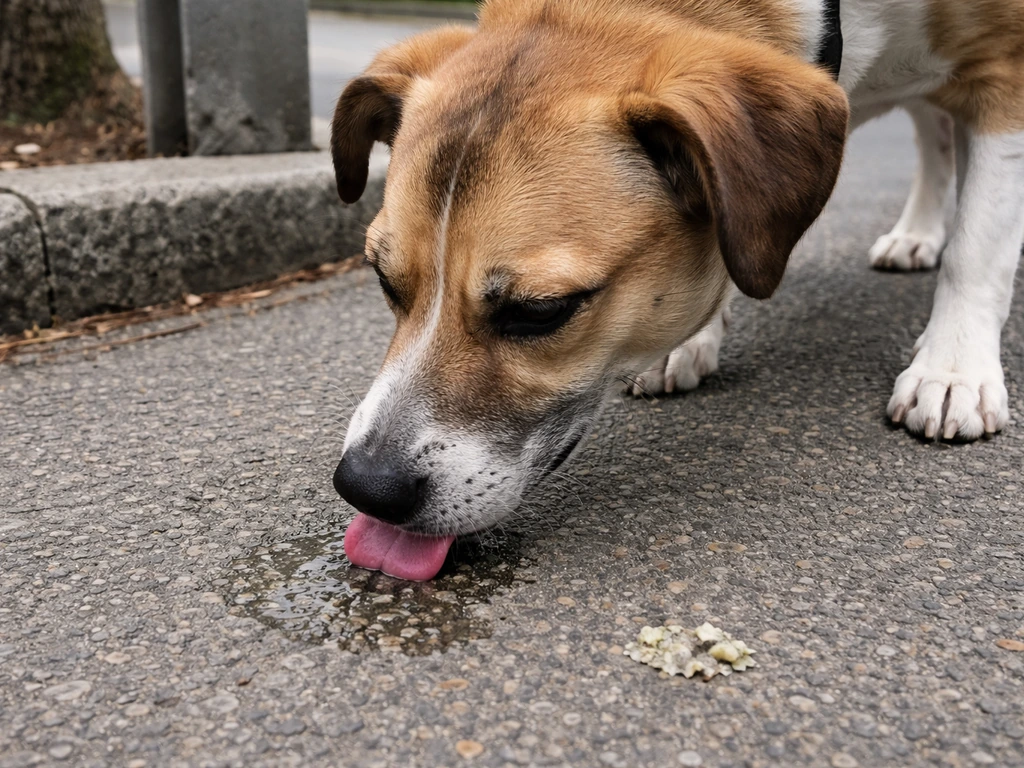
Some dogs will sniff and lick bird droppings without swallowing a visible amount. This still matters for two reasons. First, licking is enough to transfer pathogens, bacteria, fungal spores, and parasites do not need to be swallowed in quantity to cause infection. Second, licking that becomes repetitive or compulsive may overlap with anxiety-driven behaviors. The Merck Veterinary Manual categorizes repetitive licking and ingestion of non-food materials under compulsive-disorder differentials, which means persistent licking at droppings (or surfaces where droppings were) is worth flagging if it is happening daily or is hard to interrupt.
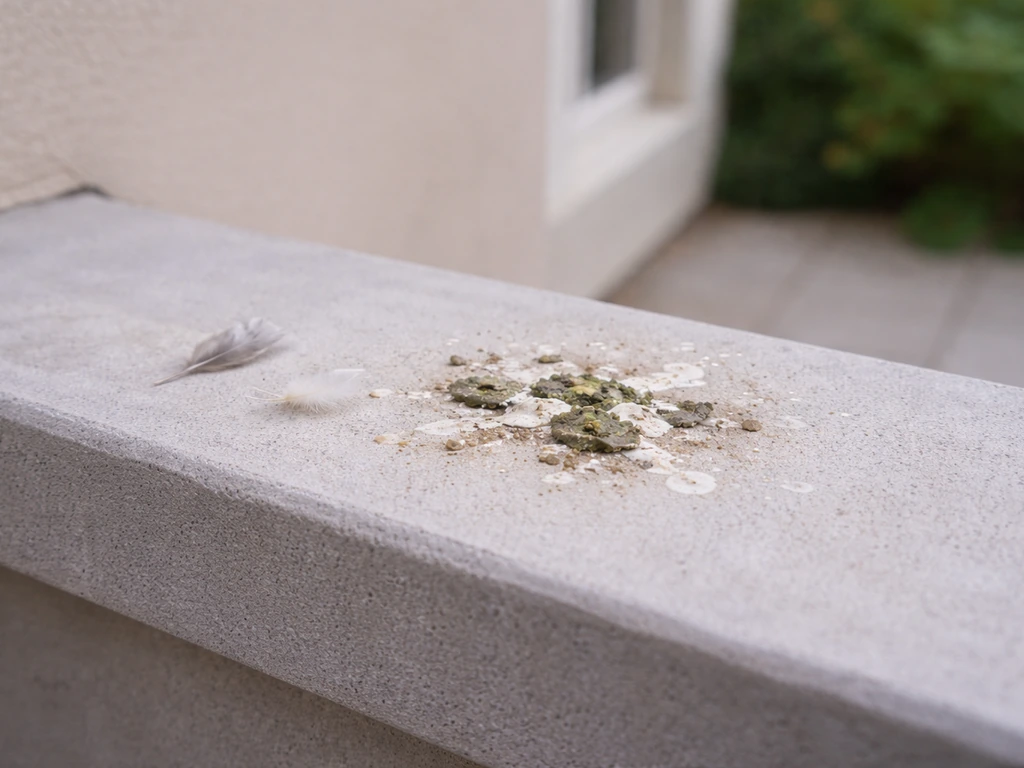
If your dog is licking concrete, pavement, or fence posts where birds congregate, they may be chasing the residue long after the droppings have dried. Dried bird feces is actually more concentrated in terms of potential fungal spores, which makes this habit worth redirecting even if nothing visible is going into their mouth.
Health risks from bird droppings and what to watch for
Bird poop is not automatically toxic, but it is not safe either. In rare cases, bird droppings can cause serious illness, so it is natural to wonder whether can bird poop kill a dog. Yes, it can also make dogs sick, especially if they pick up pathogens from the droppings can bird poop kill a dog. The risk depends on what bird species left the droppings, the local environment, and how much your dog ingested or was exposed to.
The main risks worth knowing
- Histoplasmosis: This is the one that vets take seriously. Histoplasma capsulatum is a fungus that thrives in warm, moist soil enriched with bird or bat droppings — particularly from pigeons, starlings, and blackbirds. Dogs can contract it by inhaling or ingesting fungal spores from contaminated droppings. It affects the lungs, GI tract, and other organs, and it can become serious if left untreated.
- Intestinal parasites: Bird droppings can carry parasites that are transmissible to dogs, which can cause malnutrition, GI upset, and weight loss if established infections are not treated.
- Bacterial pathogens: Droppings from infected birds can contain Chlamydia psittaci (the cause of psittacosis) and other bacteria. While this disease is more commonly discussed as a human risk from inhaling dried droppings, the exposure route through ingestion is still a concern worth taking seriously.
- GI irritation: Even without a specific pathogen, foreign material in the gut can cause vomiting, diarrhea, or stomach upset — especially in dogs with sensitive digestion.
Symptoms to watch for after exposure
Most dogs that snag a quick lick of bird poop will be completely fine. But monitor for the following, especially in the 24 to 72 hours after exposure:
- Vomiting that repeats or does not stop within a few hours
- Diarrhea, especially if bloody or lasting more than 12 to 24 hours
- Lethargy or noticeably reduced responsiveness
- Loss of appetite combined with any GI symptom
- Coughing, labored breathing, or nasal discharge (can indicate histoplasmosis in early stages)
- Weight loss over days or weeks in a dog that regularly accesses droppings
VCA's emergency guidance flags continuous vomiting, blood in stool, and persistent GI signs beyond 6 to 12 hours as red flags that need veterinary attention promptly, not next-week scheduling.
What to do today to stop it
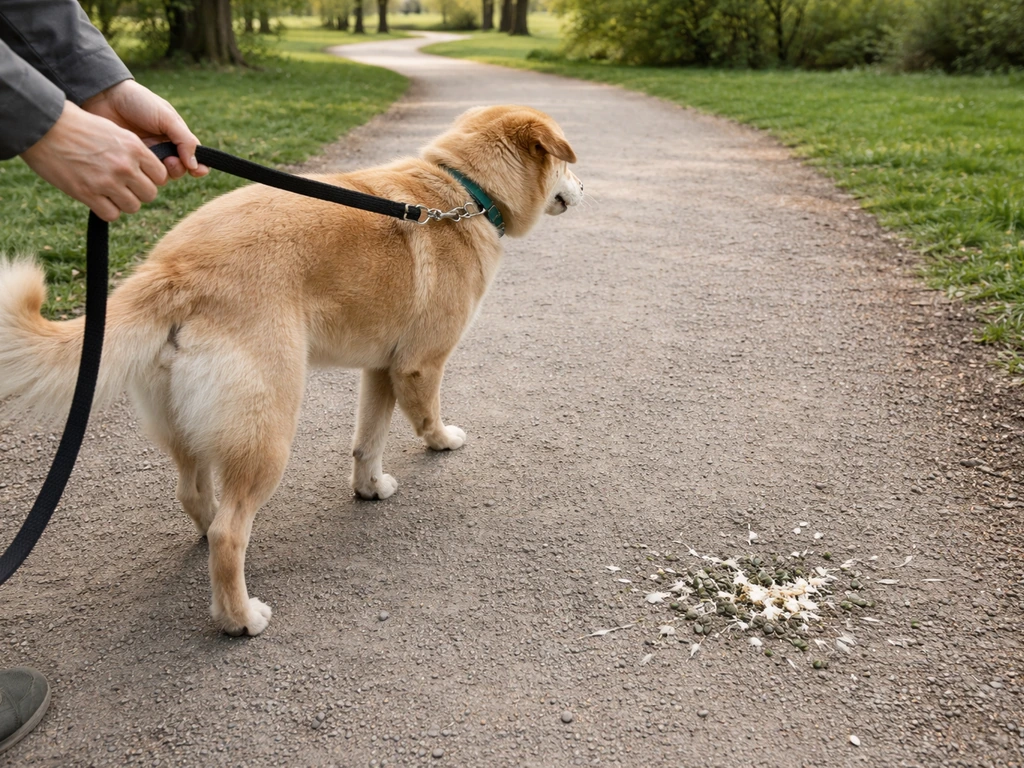
The honest answer is that you need to do two things in parallel: manage the environment so the opportunity disappears, and train an alternative behavior so the dog learns what to do instead of going for the droppings. Relying on only one of these approaches tends to fail.
Management first
- Keep your dog on a leash in areas where bird droppings are common — parks under roosting trees, near bird feeders, or alongside pavement where pigeons gather.
- Scan the ground ahead of your dog during walks. If you see droppings, steer wide before your dog has a chance to investigate.
- Remove accessible droppings from your yard regularly. A yard with no droppings available removes the temptation entirely.
- If your dog is unsupervised in a yard where birds land, consider a covered or fenced-off zone until the behavior is under control.
- Review your dog's diet with your vet. If underfeeding or a low-quality diet is part of the problem, adjusting their food and feeding schedule can reduce the drive to scavenge.
Training an alternative
The two cues that make the biggest practical difference here are 'leave it' and 'come.' AKC and AVSAB both describe 'leave it' as training the dog to walk away from an item on the ground and redirect their attention to you, expecting something better. AKC’s leave-it training guidance also emphasizes using a consistent marker and offering the dog a better option so they learn to walk away from items on the ground 'leave it' as training the dog to walk away from an item on the ground. Practice it at low distraction levels first and build up to real-world situations near droppings. The goal is that your dog hears 'leave it' and looks at you immediately, before they make contact with the target.
The Oregon Veterinary Medical Association specifically recommends distraction at the first sign of sniffing or investigation, not after the dog has already started licking. That means your intervention timing matters. If you wait until they are already mid-lick, you have missed the window for redirection to work cleanly.
Another useful habit: immediately after your dog eliminates in the yard, call them over and reward them with a treat before they have a chance to sniff around. This builds a pattern where coming to you right after going outside is the more rewarding option.
Addressing the underlying drive
- If boredom or under-stimulation is a factor, increase daily exercise and add puzzle feeders or enrichment toys.
- If anxiety is suspected, speak with your vet about behavior modification options or whether an assessment by a veterinary behaviorist would help.
- Do not chase, shout at, or physically correct your dog for the behavior in the moment. This often backfires by making the behavior more exciting or reinforcing attention-seeking.
Cleanup and prevention around yards, parks, and car rides
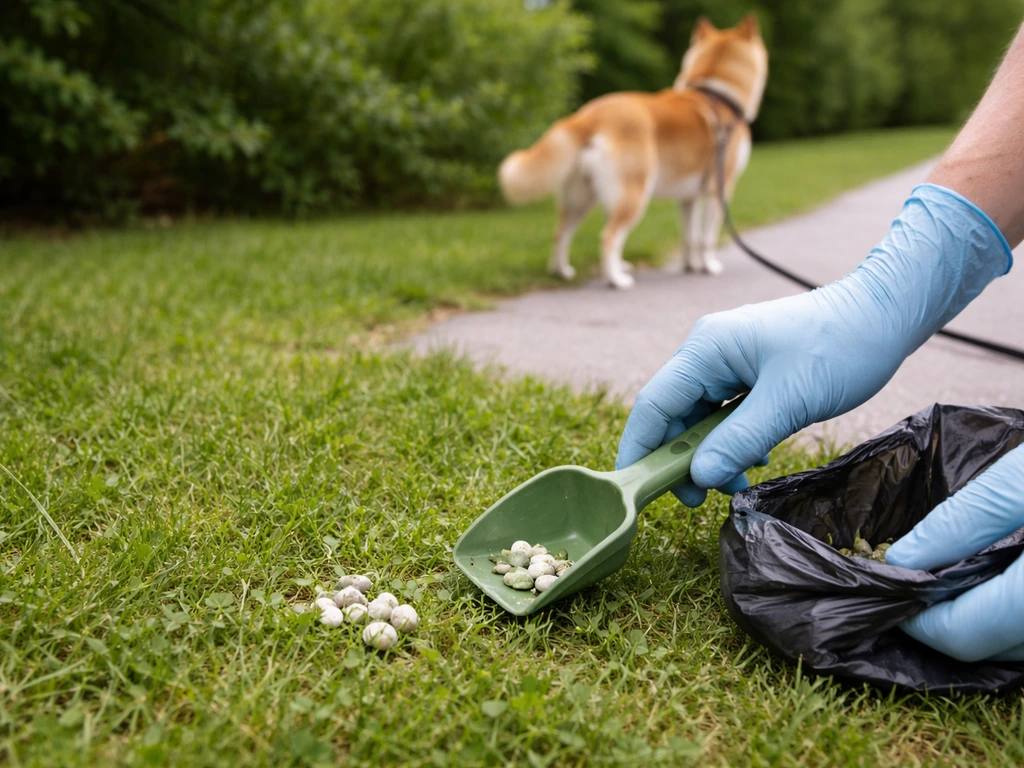
If your yard, porch, or car is regularly hit by birds, keeping up with cleanup is not just about aesthetics, it reduces the daily exposure opportunity for your dog (and the fungal risk from dried, accumulating droppings).
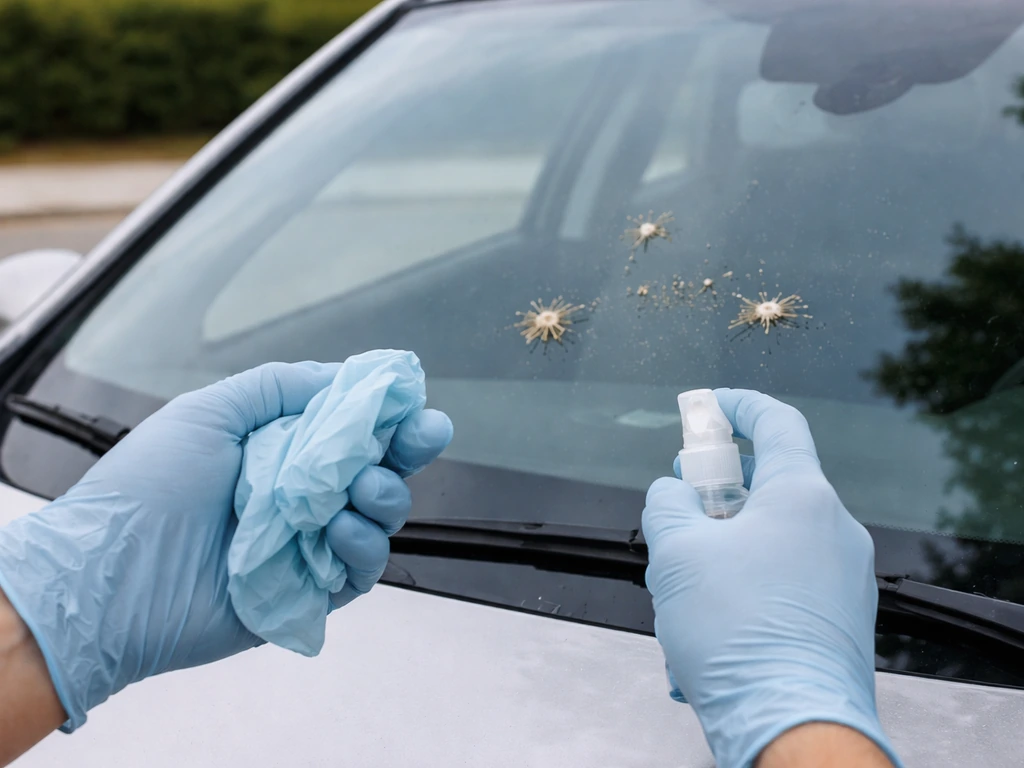
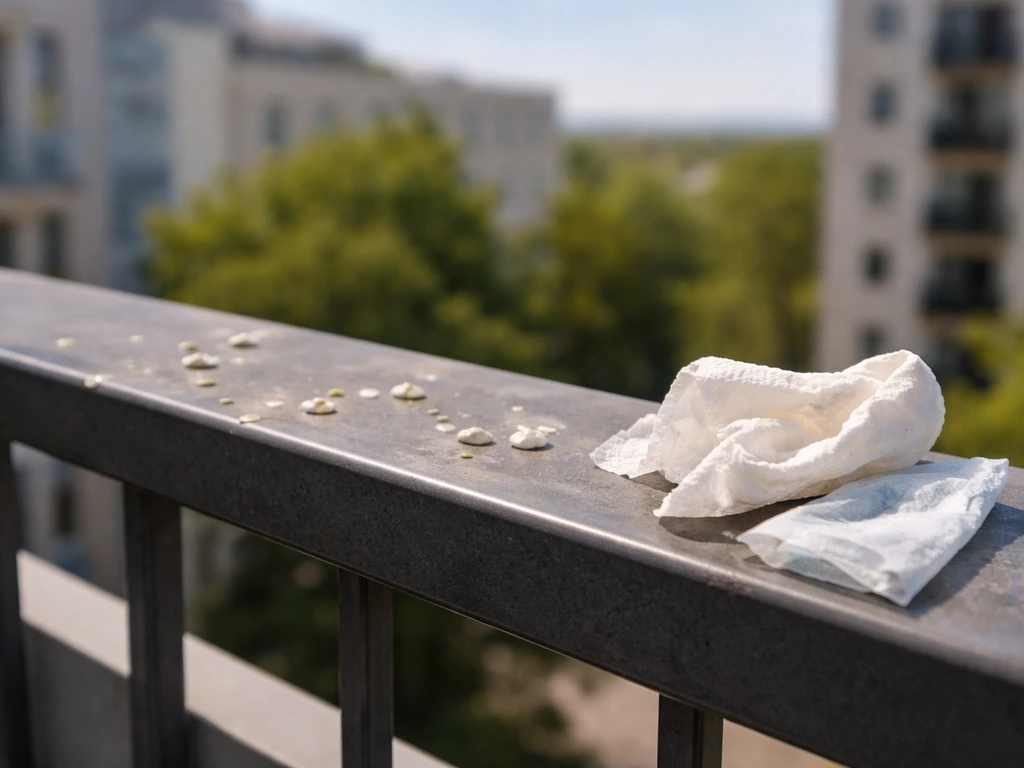
- Yard and patio: Remove droppings as soon as you spot them using gloves and a paper towel or hose rinse. Do not let droppings dry and accumulate in areas your dog has access to. Histoplasma spores become more concentrated in dried, aged droppings.
- Under bird feeders: Either relocate feeders to areas your dog cannot access, or clean beneath them every few days if birds are regulars.
- Parks and sidewalks: These are harder to control, so leash management and the 'leave it' cue are your main tools here.
- Car rides: If your car gets hit by birds regularly in a parking spot, rinse the area before loading your dog. Dogs sniffing or licking car surfaces where dried droppings collect is more common than owners realize.
- Bird-roosting trees: If you have trees in your yard that attract large flocks (starlings, pigeons, crows), consider bird deterrent products like reflective tape, predator decoys, or netting to reduce the volume of droppings below.
When cleaning up droppings yourself, wear gloves and avoid dry sweeping, which kicks up particles into the air. Dampen droppings before wiping, and dispose of materials in a sealed bag. This protects you as much as it protects your dog.
When to call the vet and how to decide urgency
If your dog ate bird poop and is acting completely normal, chances are they will be fine, but watching them for 24 to 72 hours is the smart move. If you are asking, “my dog ate bird poop, what should I do,” the safest next step is to monitor for symptoms and call a vet if anything seems off or symptoms don’t improve within 24 to 72 hours my dog ate bird poop what should i do. The decision about whether to call the vet right now versus monitor at home comes down to a few specific things.
| Situation | What to do |
|---|---|
| Single small exposure, dog acting normal | Monitor at home for 24 to 72 hours. Note any GI symptoms that develop. |
| Vomiting or diarrhea that starts within hours of exposure | Call your vet. If symptoms persist beyond 6 to 12 hours or involve blood, treat as urgent. |
| Dog is lethargic, weak, or unresponsive after exposure | Go to an emergency vet now. Do not wait. |
| Large amount ingested, or exposure to known contaminated area (pigeon roosts, bat areas) | Call your vet or the ASPCA Animal Poison Control Center (24/7) to assess risk before symptoms appear. |
| Repeated or chronic exposure (dog keeps accessing droppings regularly) | Schedule a vet visit to rule out histoplasmosis, parasites, and underlying medical causes of the behavior. |
| Adult dog that suddenly started this behavior with no history of it | Vet visit within a few days to rule out medical causes like parasites, malabsorption, or hormonal conditions. |
| Puppy under 6 months doing it occasionally | Normal behavior — focus on management and training, mention it at your next routine visit. |
The ASPCA Animal Poison Control Center runs a 24/7 hotline that can help you assess whether home monitoring is enough or whether you need to go in right away. If you are ever unsure, calling them is a reasonable first step, they can triage based on what your dog actually ate and how much.
When you do call the vet, be ready to tell them: what type of bird likely left the droppings, approximately how much your dog ingested, when it happened, and your dog's weight. That information helps them assess exposure level quickly, especially for concerns like histoplasmosis or bacterial contamination.
A quick troubleshooting checklist
- Identify when the behavior started — puppy phase, or sudden adult onset?
- Rule out medical causes with your vet if the behavior is new, persistent, or compulsive.
- Audit your dog's diet — are they getting enough calories and digestible nutrients?
- Remove accessible droppings from your yard and regular spaces immediately.
- Start 'leave it' and 'come' training with consistent daily practice.
- Use a leash in high-risk areas until training is reliable.
- Redirect your dog at the first sniff, not after contact.
- Monitor for GI symptoms for 72 hours after any known exposure.
- Call your vet or ASPCA Poison Control if symptoms appear, the exposure was large, or you are unsure.
FAQ
My dog ate a small amount of bird poop and seems fine. When should I stop monitoring and call the vet?
If your dog is acting normal, you can usually monitor at home for 24 to 72 hours, but skip the “wait and see” if symptoms start or escalate. Call a vet sooner if vomiting and diarrhea begin, if stool has blood, if appetite drops noticeably, or if your dog seems weak, repeatedly retches, or won’t settle normally. Timing matters because persistent GI signs beyond about 6 to 12 hours are treated as urgent rather than routine.
Is bird poop ever safer than other animal droppings, or are there still meaningful risks?
Bird droppings can carry more than one type of problem, so the goal is to reduce exposure, not assume the only risk is “poisoning.” Even without eating a lot, licking can transfer germs, and dried material can hold fungal spores. If your dog was exposed repeatedly or from a heavy accumulation, treat it as higher risk than a single quick nibble.
What if my dog won’t stop licking bird droppings, even when I try to interrupt it?
Yes. If you are dealing with compulsive licking, redirection may take longer than normal training. Keep sessions short, reward immediate “look at me” moments, and watch for triggers like specific areas where birds congregate. If the behavior is daily, hard to interrupt, or paired with anxiety signals, ask your vet about a medical and behavioral evaluation rather than assuming it is only curiosity.
How do I redirect my dog in the moment, without making the behavior worse?
If you can safely do so, remove your dog from the area before they can investigate further, then reward a replacement behavior you’ve trained (most effectively “leave it,” followed by “come”). Don’t scold while they’re sniffing or already engaged, because that can increase fixation. The win is to get reinforcement for walking away immediately after the cue.
Does licking bird poop matter if my dog never actually swallows it?
If they only lick without swallowing, the risk is not zero. Pathogens and parasite eggs can be transferred through the mouth and tongue during licking, and repetitive licking can overlap with compulsive behavior. Also, if they lick surfaces where droppings have been, they may ingest residue without any obvious “bite” happening.
If the vet thinks it is medical, what might they do besides telling me to monitor?
Many dogs do not need medication, but your vet may recommend treatment if there are signs of GI illness, dehydration, or a suspected underlying driver like parasites or malabsorption. Avoid giving human meds or using home “deworming” products without guidance, since dosing and appropriateness depend on the dog’s weight, symptoms, and likely cause.
Why does my “leave it” training sometimes fail around bird-dropping areas?
Start by training “leave it” at low distraction and proof it step by step, because the same cue works better when your dog already understands it. In real-world situations near bird areas, intervene at the first sign of investigation, then reward after your dog looks at you or backs away. If you’re consistent for a couple of weeks, you should see improvement, but if it worsens suddenly in an adult dog, prioritize a medical check first.
My adult dog suddenly started doing this. What clues suggest it is more than just scavenging?
Consider an evaluation sooner if the behavior is newly developed in adulthood, if your dog is suddenly more interested in many non-food items, or if you notice increased thirst, weight loss, or chronic stool changes. These patterns can point to appetite or digestion problems that training alone will not fix.
What is the safest way to clean up bird droppings when I have a dog at home?
Use gloves, dampen droppings before wiping, and seal waste in a bag to keep particles and odors contained. Skip dry sweeping or aggressive brushing, since it can aerosolize dust and particles you do not want either you or your dog breathing in. If it is a heavily used area, consider keeping your dog out during cleanup and returning only after surfaces are fully cleaned and dry.
When I call poison control or my vet, what exact information should I have ready?
The most helpful details are bird type if you can identify it, approximate amount ingested or how long exposure lasted, your dog’s weight, and the exact timing. Also note any symptoms and how soon they started, plus whether your dog has access to the area every day. This helps the clinic triage for risks like fungal exposure and GI infection based on realistic exposure level.