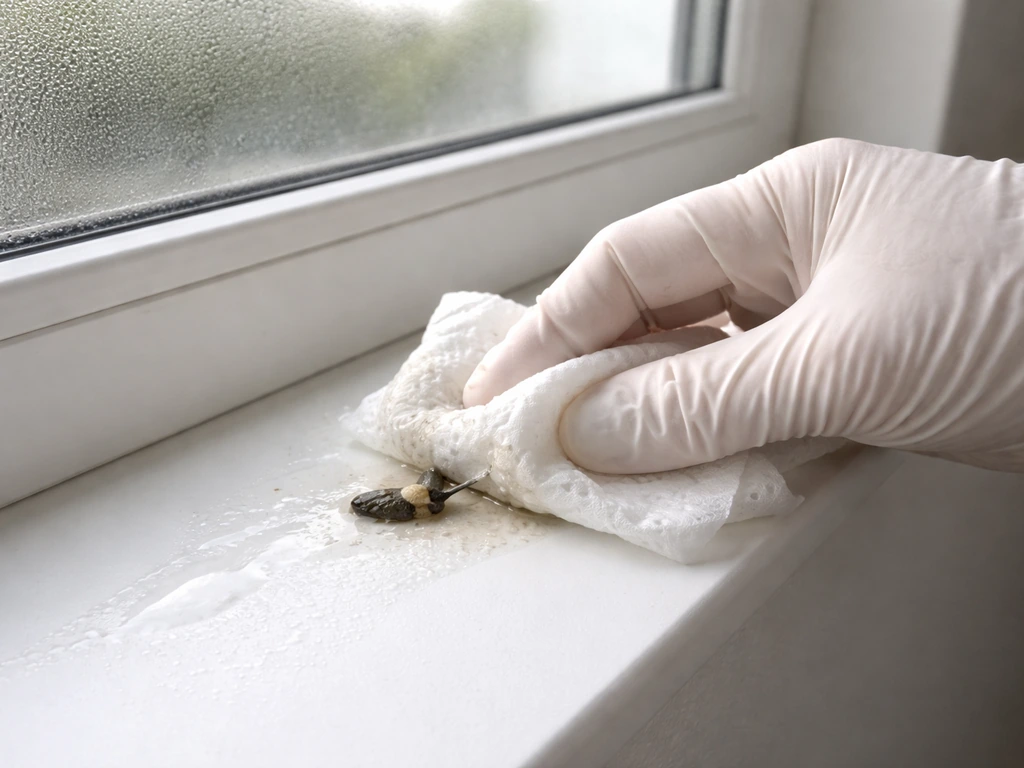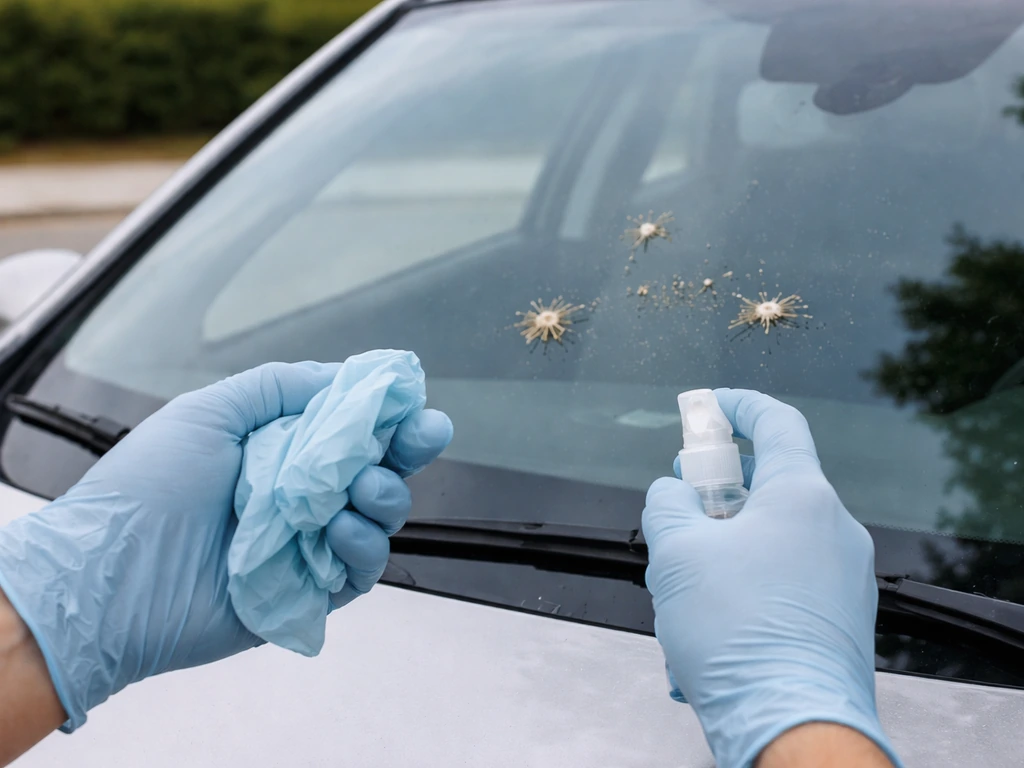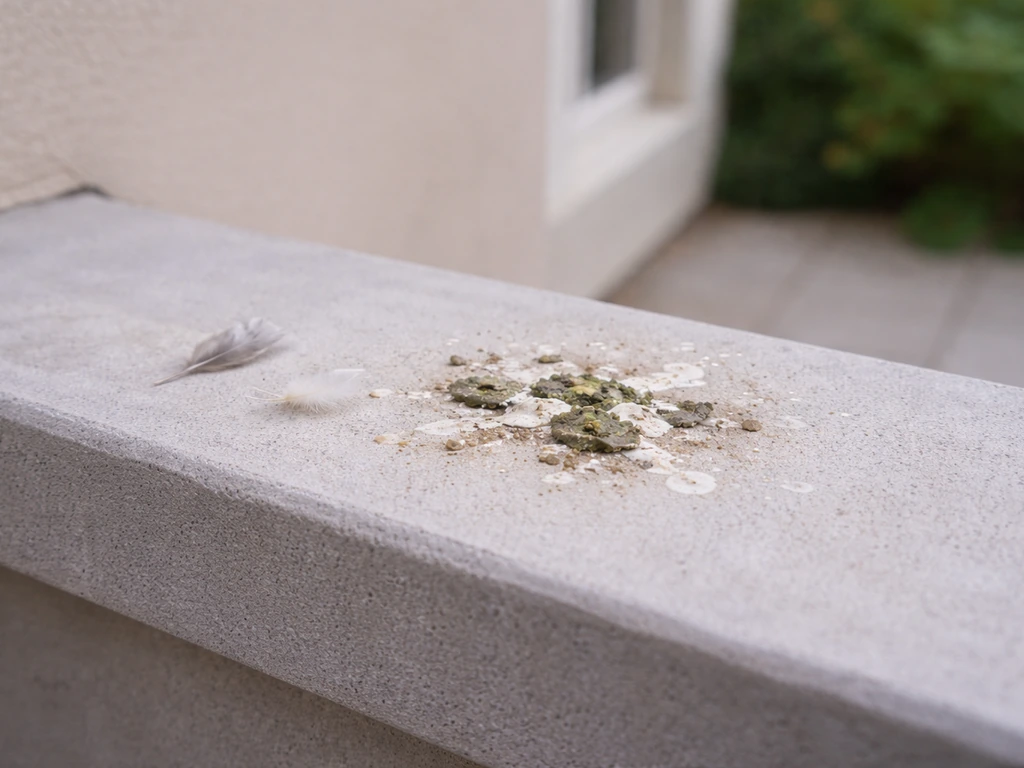
Yes, bird poop can make you sick, but the actual risk depends a lot on how you were exposed, which bird species was involved, and your own health situation. For most people, a quick splat on the hand that gets washed off promptly is not going to send you to the hospital. But breathing in dust from a pile of dried droppings, getting it in your eyes, or handling contaminated material without protection is a genuinely different story. If you are wondering whether can bird poop kill you, the answer depends on how much exposure you had and whether you develop concerning symptoms. Here is what you actually need to know, broken down by exposure type and disease, with real cleanup guidance so you can handle the situation safely and move on.
Can Bird Poop Make You Sick? Risks and Safe Cleanup

Marcus Fielding
21 Apr 2026
How bird droppings can actually make you sick
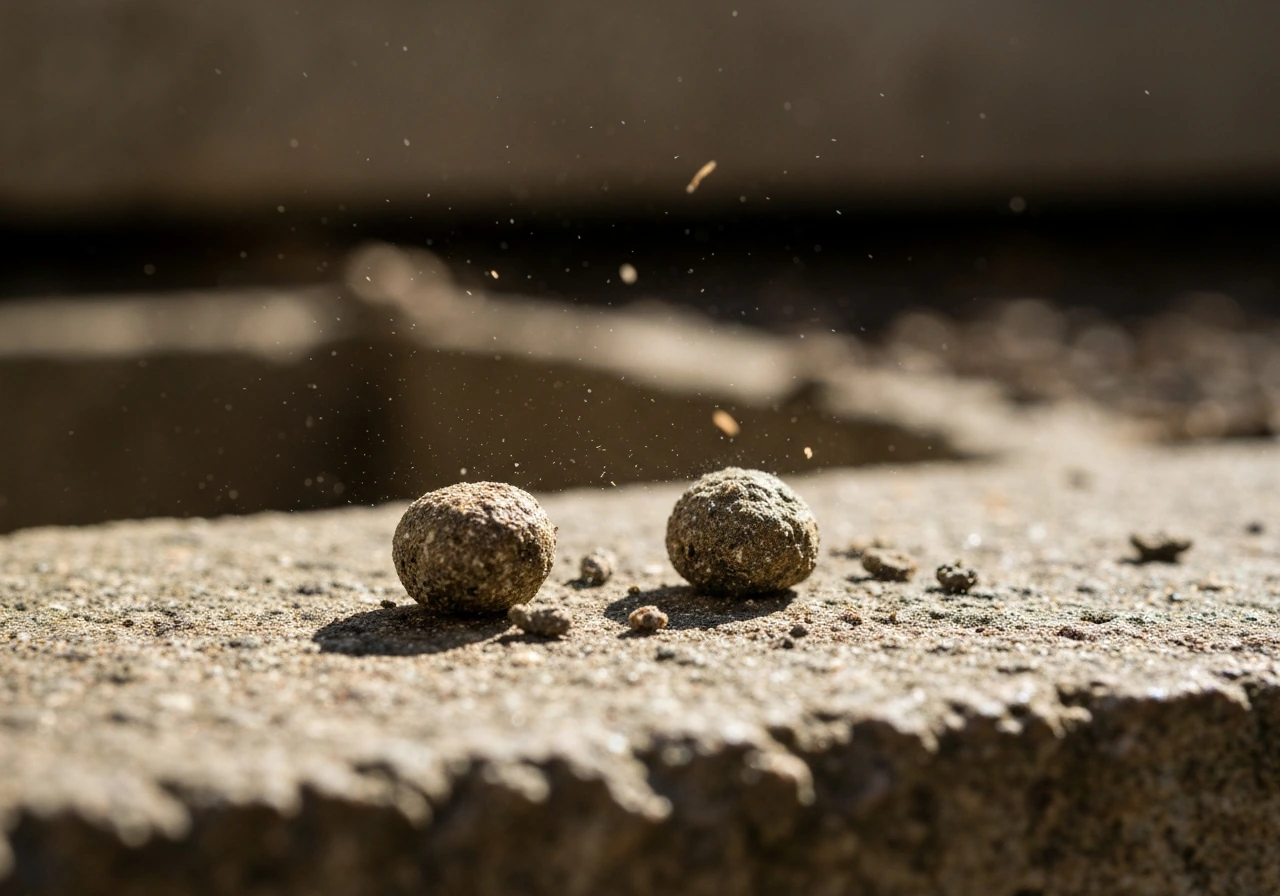
Bird feces can carry bacteria, fungi, and viruses. The mechanism that causes illness depends on what is in the droppings and how it gets into your body. Fresh droppings can contain live pathogens, but dried droppings are often the bigger practical hazard because they crumble into fine dust particles that carry fungal spores, bacteria, and viral material into the air. When you sweep, scrape, or vacuum dry droppings without precautions, you can inhale that dust without even realizing it. Skin contact is lower risk than inhalation for most bird-related diseases, but it becomes relevant if you then touch your face, eyes, or mouth before washing your hands. Ingestion is uncommon but possible in young children or through contaminated food or water near bird roost sites.
The key idea is aerosolization. Fungi like Histoplasma produce microscopic spores that are released when contaminated material is disturbed. Bacteria like Chlamydia psittaci (which causes psittacosis) travel in dried secretion dust. These particles are small enough to bypass your nose and land deep in your lungs before you even register that anything happened. That is why the way you clean matters just as much as the fact that you clean.
Risk by exposure type: skin, inhalation, ingestion, and eye contact
Skin contact
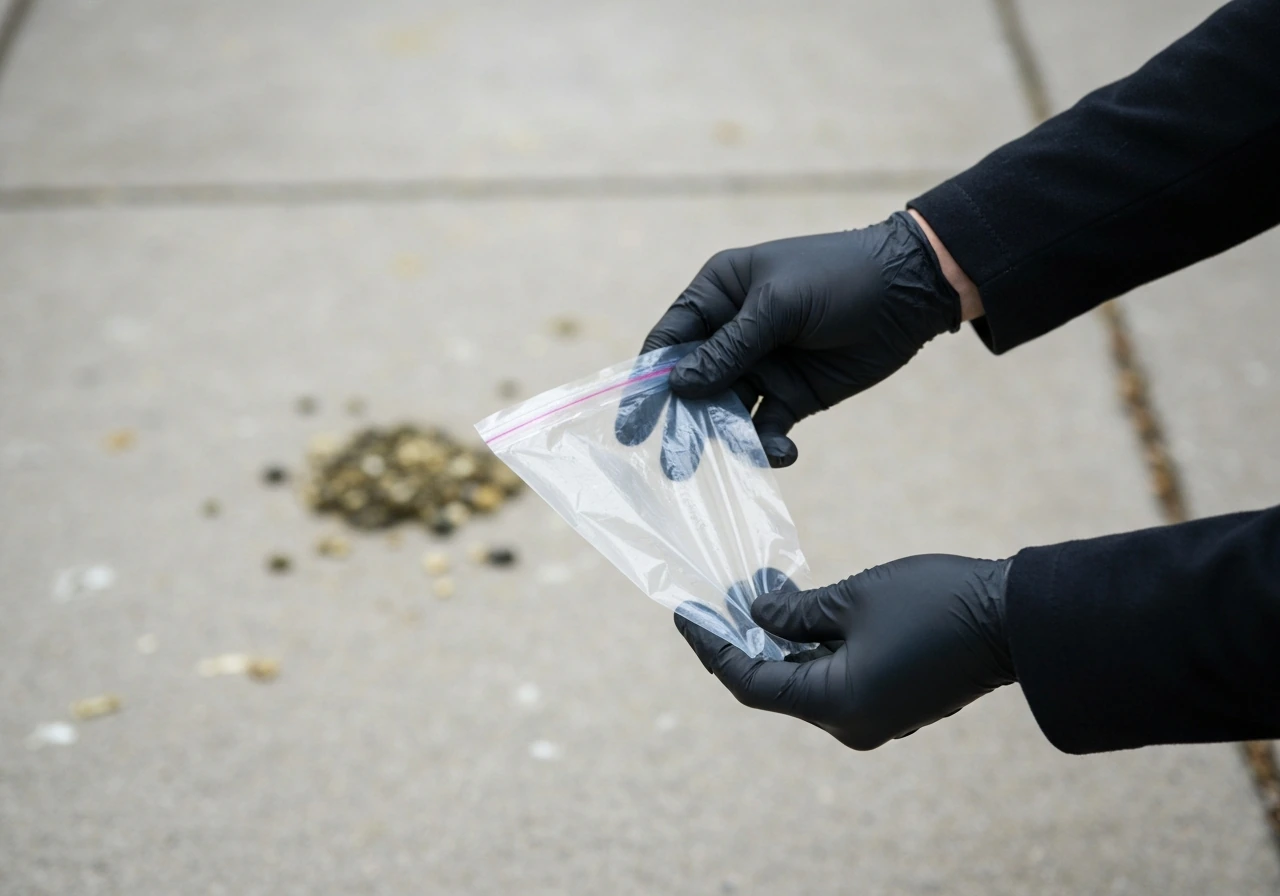
Intact skin is a reasonable barrier for most of the pathogens in bird droppings. Getting splattered on your arm or hand is unpleasant but rarely leads to illness if you wash thoroughly with soap and water soon after. The risk rises if you have cuts, abrasions, or open skin, or if you use your hands to touch your face before washing. Routine hand washing after any contact with bird droppings is the single most effective thing you can do.
Inhalation
This is the exposure route that public health agencies are most concerned about, and for good reason. Inhaling airborne particles from disturbed, dried droppings is the primary route for histoplasmosis, psittacosis, and potentially avian influenza. CDC describes histoplasmosis as a lung infection caused by breathing in spores of the fungus Histoplasma in the environment, including areas with bird or bat droppings primary route for histoplasmosis. The CDC specifically warns that the most common way people get psittacosis is by breathing in dust from dried bird secretions or droppings. Histoplasmosis spores are in the 1 to 5 micrometer range, small enough to travel deep into lung tissue. Anyone cleaning up accumulated droppings on a roof, in an attic, around a poultry operation, or near a large bird roost should treat inhalation as the main hazard to manage.
Eye contact
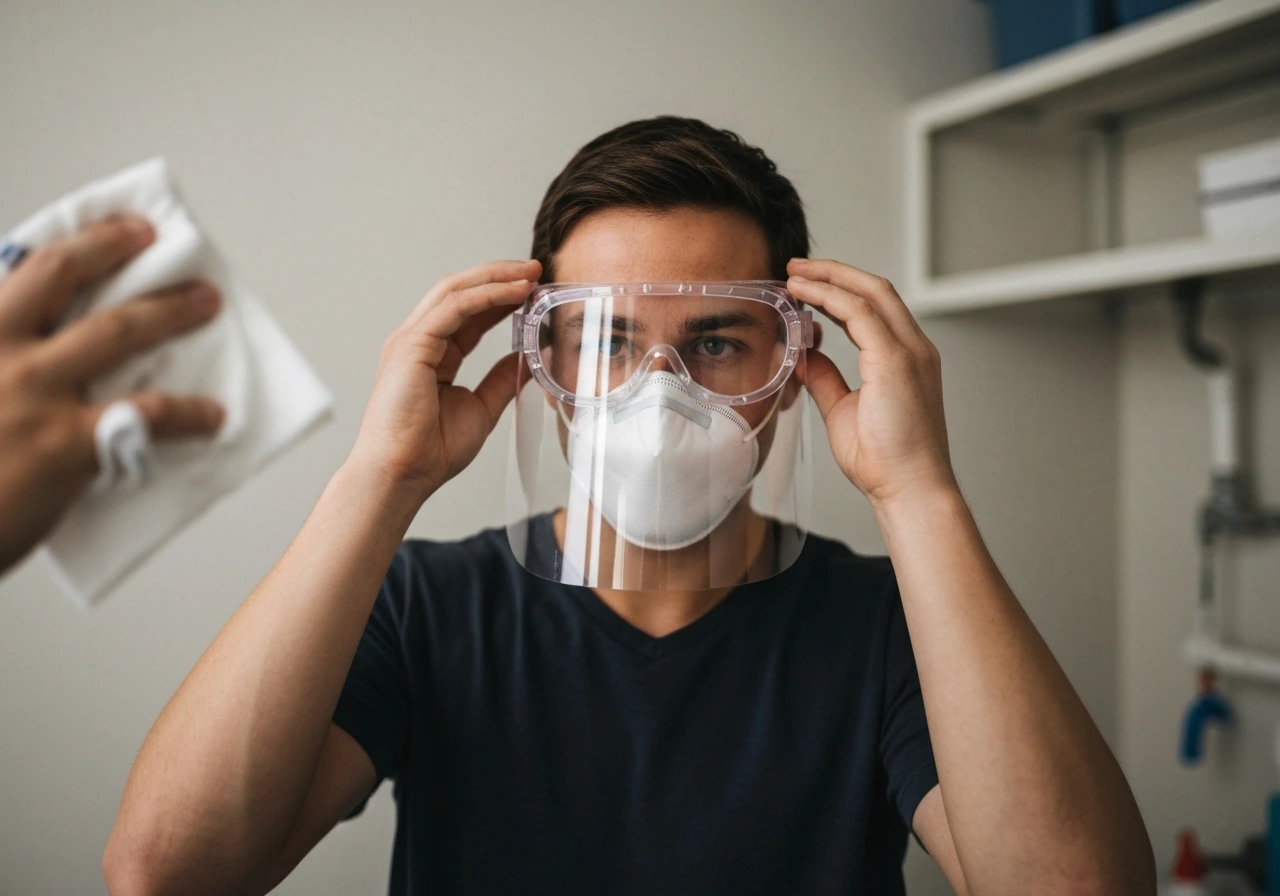
Eyes are a direct mucous membrane route into your body. Splashes of liquid droppings or dusty particles getting into your eyes can introduce pathogens including avian influenza virus. The CDC notes that touching your eyes after handling infected bird material is a recognized route of exposure for bird flu. Flush eyes thoroughly with clean water immediately after any direct contact, and if you are doing any kind of cleanup work around bird droppings, wear goggles or a face shield.
Ingestion
Swallowing material contaminated with bird droppings is how most bacterial infections like Salmonella and Campylobacter actually occur. This can happen indirectly by touching contaminated surfaces and then eating without washing hands, through contaminated water sources near bird roost areas, or in the case of young children who put hands and objects in their mouths. It is less likely from a casual outdoor encounter with bird poop than from environments with heavy droppings buildup near food or water.
Which diseases are actually possible, and how likely are they
| Disease | Cause | Main Route | How Likely for Average Person | Typical Illness Duration |
|---|---|---|---|---|
| Histoplasmosis | Histoplasma fungal spores | Inhaling disturbed dried droppings | Low for casual exposure; higher for cleaners near large accumulations | Mild cases resolve in weeks; severe cases need antifungal treatment |
| Psittacosis | Chlamydia psittaci bacteria | Inhaling dust from dried droppings or secretions | Low overall; higher with pet birds (parrots, parakeets) or poultry | Weeks with antibiotics; can be severe without treatment |
| Salmonellosis | Salmonella bacteria | Ingestion via contaminated hands or surfaces | Low from casual contact; higher around backyard poultry | 4 to 7 days; most recover without treatment |
| Campylobacteriosis | Campylobacter bacteria | Ingestion; droppings from many bird species | Low; linked to poultry and farm environments | Usually 2 to 5 days incubation; resolves within a week |
| Avian Influenza (Bird Flu) | Avian influenza virus | Contact with feces, respiratory droplets of infected birds | Very low for general public; higher risk near infected poultry | Variable; some strains cause severe illness |
Histoplasmosis deserves extra attention because it is common in certain U.S. regions (particularly the Ohio and Mississippi River valleys) and people often do not connect their respiratory symptoms to a bird dropping cleanup they did weeks earlier. The CDC notes it is typically acquired by inhaling airborne spores after contaminated material is disturbed, like during cleaning, shoveling, or scraping. Many infections are mild and self-limiting, but in people with weakened immune systems or after heavy exposure, it can become serious.
Psittacosis is particularly relevant for pet bird owners, especially those with parrots, cockatiels, or parakeets. The CDC states there is no vaccine to prevent psittacosis in humans, so prevention through careful hygiene and proper cage cleaning is the only reliable protection. Avian influenza infection in humans remains rare, and the WHO notes that sustained human-to-human transmission has not been identified, but it is worth knowing that feces from infected birds are a recognized exposure route.
Who is at higher risk, and what warning signs matter
Most healthy adults who have a brief, low-level exposure to bird droppings will not get sick. The risk picture changes meaningfully for certain groups.
- Immunocompromised individuals: People on chemotherapy, organ transplant recipients, those with HIV/AIDS, or anyone on immunosuppressive medications are at much higher risk for severe or disseminated histoplasmosis and other infections.
- Older adults and young children: Both groups have less robust immune responses and are more vulnerable to respiratory and gastrointestinal infections.
- People with asthma or chronic lung disease: Pre-existing lung conditions can make respiratory infections from inhaled spores or bacteria more severe.
- Pet bird owners and frequent cleaners: Regular, repeated exposure to droppings (cleaning cages, coops, or heavily soiled areas) increases cumulative inhalation risk over time.
- Poultry workers and farmers: Occupational exposure near potentially infected birds carries a higher avian influenza risk than casual encounters with wild birds.
- Backyard chicken keepers: The CDC has linked multiple Salmonella outbreaks to backyard poultry, making hygiene practices around coops especially important.
Warning signs that suggest you should get medical advice rather than just waiting it out include: fever, chills, or night sweats appearing within 3 to 14 days of a cleanup or exposure event; a dry cough, chest pain, or shortness of breath; severe headache or muscle aches; nausea, diarrhea, or stomach cramping that starts within 6 hours to 6 days of a possible ingestion exposure; or any eye redness, pain, or discharge after getting droppings in your eyes. The timing of these symptoms in relation to the exposure is exactly what your doctor needs to know.
Safe cleanup: car, home, and around pets
The general rules before you start
The two biggest mistakes people make cleaning up bird droppings are going in without any protection and dry-sweeping or vacuuming dried material. Do not vacuum dried droppings. The CDC explicitly warns against this because vacuuming increases the number of airborne particles. Instead, the approach is to wet the material first, then remove it, then disinfect the surface.
- Put on nitrile or rubber gloves before touching anything. For heavy accumulations or enclosed spaces with lots of dried material, add an N95 respirator (not just a cloth mask) and eye protection like goggles or safety glasses.
- Lightly spray the droppings with water or an EPA-registered disinfectant until the material is visibly wet. This step suppresses dust and aerosolization before you disturb anything.
- Use paper towels, a damp cloth, or a disposable scoop to pick up the wetted material. Place it directly into a sealed plastic bag for disposal.
- Wipe or scrub the surface with an EPA-registered disinfectant or a dilute bleach solution and allow appropriate contact time.
- Bag all used paper towels, gloves, and disposable materials and seal the bag before putting it in the trash.
- Wash your hands thoroughly with soap and water for at least 20 seconds. If you used washable clothes during the cleanup, launder them separately.
On your car
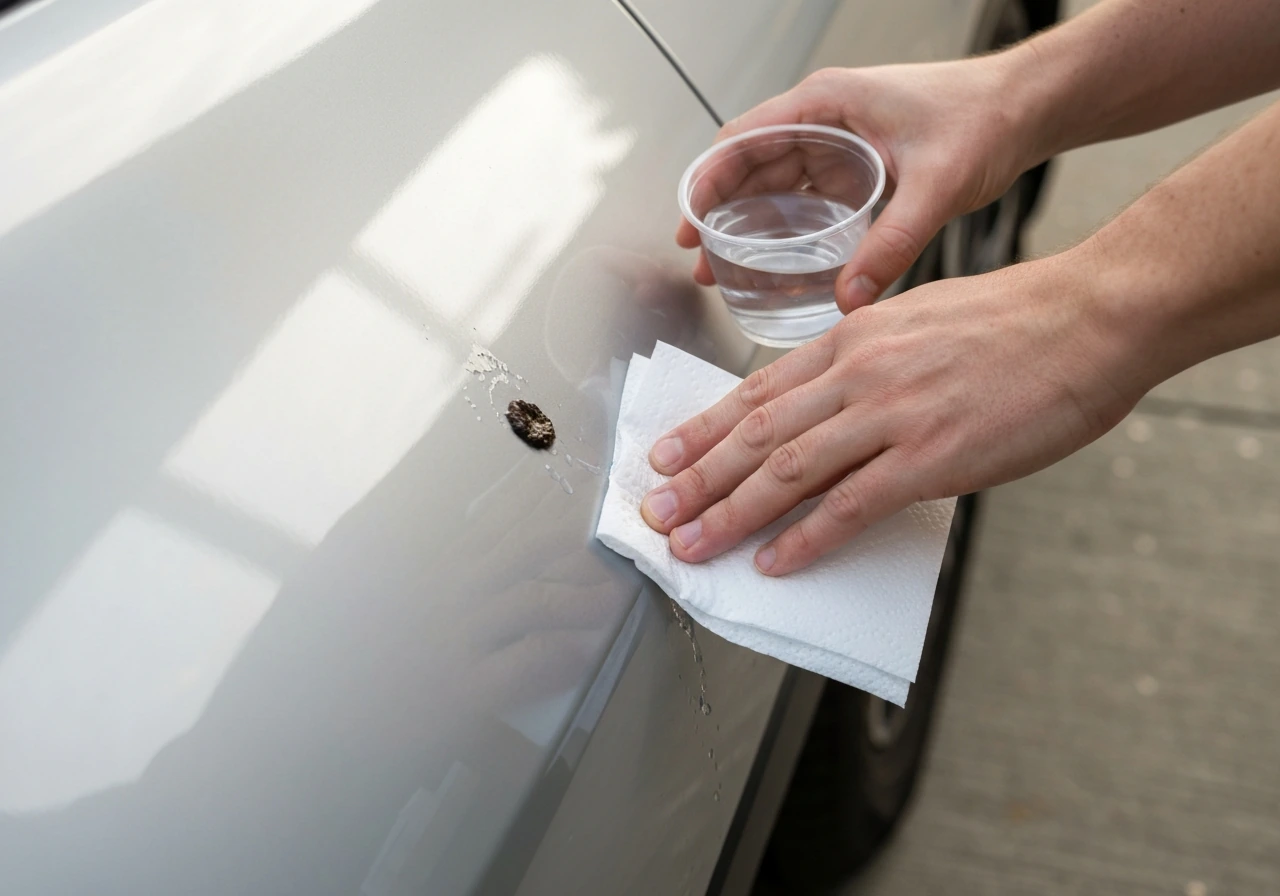
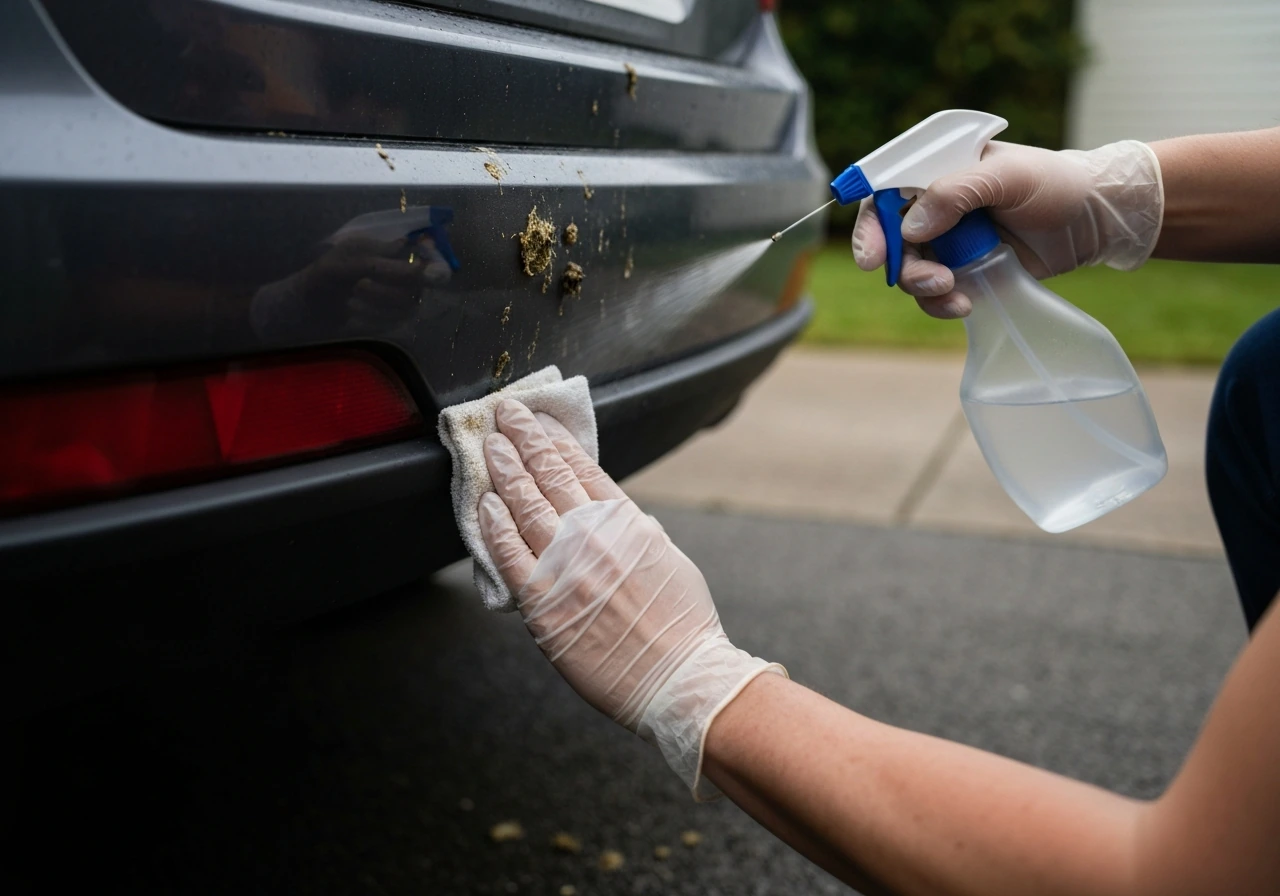
Fresh droppings on a car are mainly a paint concern rather than a serious health hazard, but basic hygiene still applies. Wet the spot before wiping, do not rub dry droppings with a dry cloth (it spreads particles), use a damp microfiber cloth or detailing wipe, and wash your hands after. For dried, crusty deposits, soften them with warm water spray first so you are not sending particles into the air while scrubbing.
Around the home (patios, rooflines, vents)
Attics and enclosed spaces with roosting birds can accumulate large volumes of droppings and are among the higher-risk cleanup situations for histoplasmosis. For anything more than a small, isolated area (say, more than a few square feet of heavy accumulation), an N95 respirator is a smart choice rather than an optional one. Ensure the space is ventilated before you work in it, and consider opening windows or using a fan directed outward so that disturbed particles are moved away from you. Outdoor patio or deck droppings can be hosed off with water first, then cleaned with a standard disinfectant cleaner.
Pet birds and backyard coops
The CDC recommends wetting the surface of bird cages or equipment with water or disinfectant before cleaning, specifically to reduce dust generation. Cage bottoms should be cleaned daily to prevent droppings from drying and building up. For backyard chickens, wearing gloves during coop cleaning is a basic, sensible habit, and dedicated shoes or boot covers that stay outside will limit what gets tracked into the house. The CDC recommends that backyard flock owners use personal protective equipment when dealing with potentially contaminated areas, including gloves, safety goggles or a face shield, and an N95 respirator or well-fitting facemask when available wearing gloves during coop cleaning. Wash hands every time after handling birds or their environment, especially before eating.
When to call a doctor and what to say
If you develop any of the warning signs described above within two weeks of a bird dropping exposure or cleanup, contact your healthcare provider and do not wait to see if it resolves on its own. When you call or go in, be specific about three things: what you were doing (cleaning a bird cage, clearing an attic, a wild bird pooped on you), what type of bird was involved if you know it (pet parrot, wild pigeon, backyard chickens, waterfowl), and when the exposure happened relative to when your symptoms started. That timeline is clinically useful because different illnesses have different incubation windows. Salmonella symptoms typically appear within 6 hours to 6 days. Campylobacter usually shows up within 2 to 5 days. Psittacosis and histoplasmosis can take longer to appear, sometimes 1 to 3 weeks after inhalation exposure.
If you are immunocompromised and had any meaningful exposure to bird droppings (especially dry, dusty material in an enclosed space), call your doctor proactively rather than waiting for symptoms. For eye splashes with fresh droppings from potentially infected birds, an urgent care visit makes sense the same day, especially if you develop any pain, redness, or vision changes. Emergency care is warranted if you develop severe difficulty breathing, high fever with chest pain, or other signs of serious illness after a cleanup.
The good luck myth and the "it is just bird poop" assumption
There is a long-standing belief across multiple cultures that being pooped on by a bird brings good luck, and while that is a fun piece of folklore to know, it probably traces back to the simple rarity of the event and the human tendency to find silver linings in unpleasant surprises. No serious harm done in believing it, and it is genuinely a more pleasant reaction than panic. If you are asking whether bird poop is dangerous to humans, the short answer is that it can be harmful mainly through inhalation of dust from dried droppings or when exposure is heavy is bird poop dangerous to humans. If you had a meaningful exposure or you handled dried droppings in dusty conditions, the details in is bird poop dangerous to humans are a helpful comparison for what level of risk to expect is cleaning bird poop dangerous. But the dirtier and more dried-up the droppings are, the more dust they can release into the air how dirty is bird poop. The superstition does not, however, mean you should skip washing your hands after the fact.
On the other end of the spectrum is the assumption that bird poop is totally harmless because it looks small or because nothing bad ever happened before. For everyday exposures in healthy adults, the risk is real but low enough that it does not justify anxiety. The risk becomes genuinely relevant when you are dealing with large accumulations, enclosed spaces, repeated exposures, or a compromised immune system. That is not fear-mongering; that is just knowing when to take basic precautions. Cleaning up dried droppings around a bird feeder in the backyard is different from shoveling out a pigeon-infested attic, and treating them the same way in either direction (ignoring all risk, or wearing a hazmat suit for the backyard) misses the point.
It is also worth noting that questions like whether bird poop can make you blind or whether cleaning it up poses its own distinct risks are worth understanding separately. Bird droppings can cause eye infections or inflammation, so it is important to flush your eyes promptly and watch for vision changes can bird poop make you blind. Eye exposure and inhalation during active cleanup are two of the more significant risk scenarios, and both have specific steps you can take to protect yourself. The bottom line is: bird droppings are not inherently catastrophic, but they are not inert either. Wash your hands, wet before you clean, wear an N95 if there is a lot of dry material, and know the warning signs. That covers the vast majority of situations most people will ever encounter.
FAQ
Can bird poop make you sick if it only touched my skin for a second?
It is usually low risk if it was a brief splat and you wash right away. Wash with soap and water (including under fingernails), and avoid rubbing your eyes or touching your mouth until your hands are clean. If you have an open cut, thoroughly rinse it and cover it, then monitor for fever or flu-like symptoms in the following days.
Is an N95 respirator enough, or do I need a full face mask or gloves every time?
For small, fresh droppings that you can wipe up wet, you usually do not need full hazmat gear. An N95 is most useful for dusty, dried accumulations where you cannot easily avoid disturbing material. Use eye protection (goggles or a face shield) whenever splashes or dusty particles could reach your eyes, and gloves help most when you have to handle droppings directly or disinfect surfaces.
What should I do if bird poop gets on my car, and can it still make me sick later?
The main concern on cars is usually damage to paint, not serious illness. Still, do not dry-rub the spot. Wet the area first, wipe gently with a damp microfiber, then wash your hands after. If the droppings have dried for a long time, be extra careful when removing residue because crust can generate dust.
Can I get sick from cleaning up dried droppings with a shop-vac if I put a filter on it?
You should not vacuum dried droppings for cleanup, even with filters. Vacuuming can blow fine particles into the air. The safer approach is wet the area first to suppress dust, remove with paper towels or a damp cloth, then disinfect the surface.
If I washed my hands after, do I still need to worry about symptoms later?
If symptoms do not develop and the exposure was brief, the risk is typically low. However, monitor anyway if you were cleaning a dusty buildup, working in an enclosed space, or getting splashed into your eyes. Symptoms that start days to weeks later (especially breathing symptoms or fever) are the situations to take seriously.
Can bird poop make you sick from breathing in odor or being near the area?
The illness risk is usually tied to inhaling dust or disturbed particles from dried droppings, not from smell alone. Being near a roost without disturbing material is generally less risky. If you clean, sweep, scrape, or ventilate poorly, that is when airborne exposure increases.
How soon after exposure would symptoms start, and when should I not wait?
Timing depends on the type of exposure. Food or hand-to-mouth ingestion symptoms can start within hours to days, while respiratory illnesses linked to inhalation can take longer, sometimes 1 to 3 weeks. If you develop fever plus cough or shortness of breath, or eye pain and discharge after eye exposure, seek medical guidance promptly rather than waiting for it to resolve.
Can bird poop make you sick if my child touched it and then put their fingers in their mouth?
Yes, it can, because ingestion through dirty hands is a realistic pathway for gastrointestinal bacteria. Wash the child’s hands and face immediately, rinse any affected skin, and if vomiting, diarrhea, fever, or severe stomach cramps develop, call a clinician and mention the timing and type of exposure (wild bird, pet bird, or poultry setting).
What is the safest way to disinfect after cleaning if I do not know which pathogen it could contain?
Use wet cleanup first to prevent dust, then disinfect the cleaned surface. Concentrate on surfaces that were contaminated and anything your hands touch afterward (railings, doorknobs, gloves). After disinfecting, let the surface dry and wash your hands again before eating or touching your face.
Can bird poop affect people with asthma, COPD, or weakened immunity more severely?
Yes. People with chronic lung disease or weakened immune systems can be more vulnerable to respiratory infections and complications from inhaled particles. If you fall into either group and there was meaningful dry, dusty cleanup in a confined area, contact a healthcare professional for tailored advice rather than waiting for symptoms.
Do I need to throw away contaminated items, like bird cage liners or outdoor cushions?
Often you can clean non-porous items safely, but porous items (like heavily soiled fabric) may be harder to decontaminate. If droppings soaked into cushions or liners and drying was extensive, consider discarding or thoroughly laundering with hot water if the material allows. When in doubt, prioritize hygiene, avoid dry shaking, and treat cleanup as a dust-control problem.