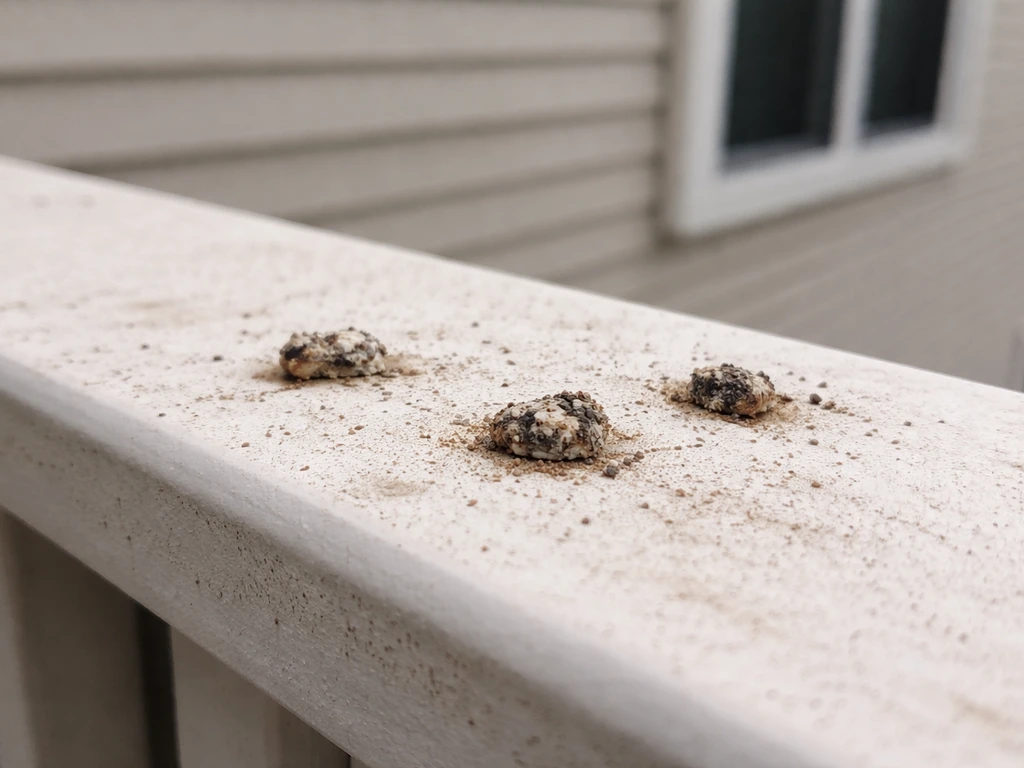
Yes, cleaning bird poop can be dangerous, but the risk depends almost entirely on how you do it. If you're wondering whether bird poop can be dangerous to humans, the answer depends on how much exposure you get and whether the droppings are disturbed enough to release germs into the air is bird poop dangerous to humans. If you handle bird droppings the wrong way, you can get sick because they may contain germs that spread especially through inhaling airborne particles can bird poop make you sick. If the exposure is significant or involves dried, accumulated droppings, it may be possible for bird poop-related germs to become airborne and cause serious illness can bird poop kill you. Touching a fresh splat on your car hood and wiping it off with a damp cloth? That's a low-risk chore. Dry-scraping a crust of old droppings off a shed roof while standing in the dust cloud? That's where real problems can start. The danger isn't really about touching bird poop, it's about breathing in what gets released when droppings are disturbed, especially when they're dried out and can go airborne as fine particles.
Is Cleaning Bird Poop Dangerous? Safe Cleanup Steps

The real health risks: what's actually in bird droppings
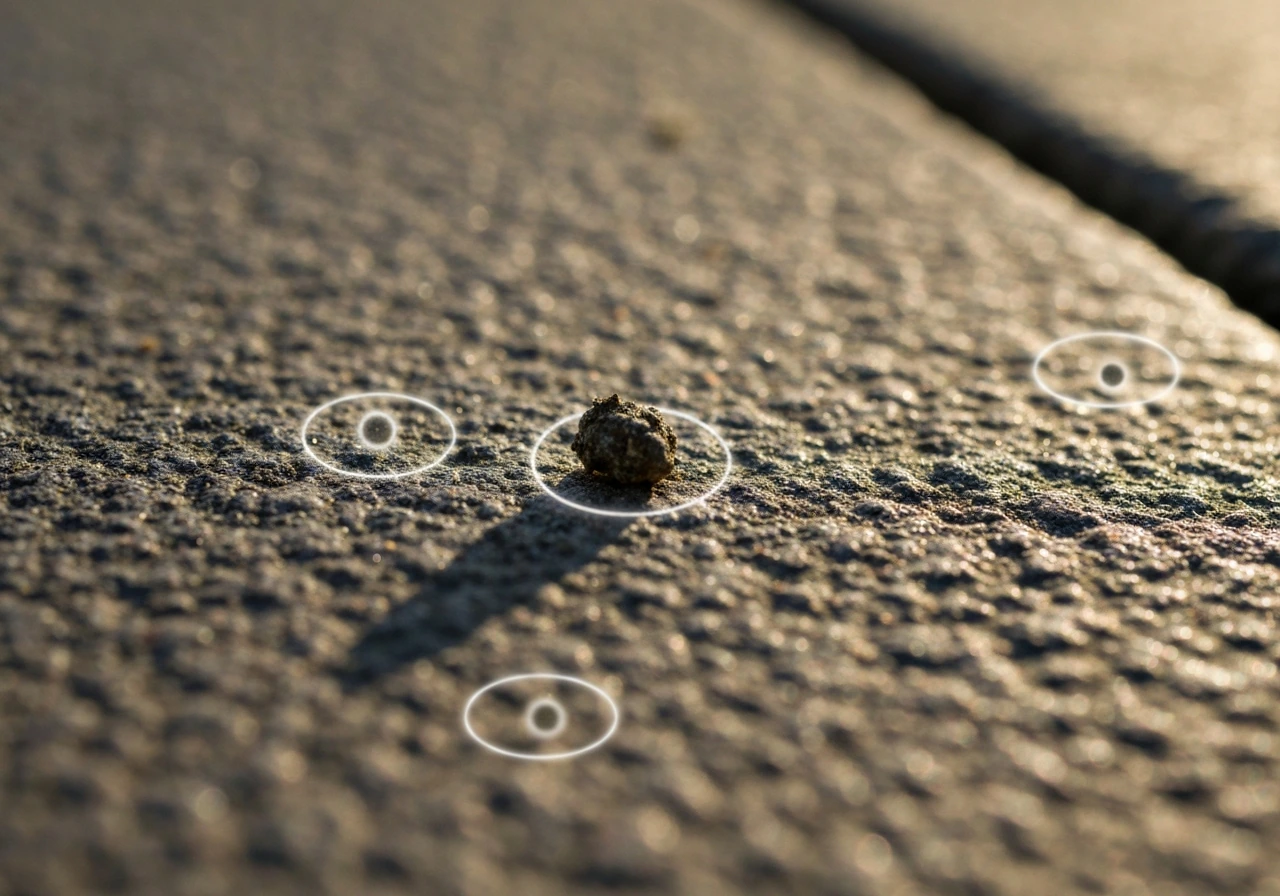
Bird droppings can carry a handful of pathogens that infect humans, and the main route of infection isn't skin contact, it's inhalation. When dried droppings get disturbed, microscopic particles can become airborne and get breathed in. The three most relevant diseases for anyone doing a cleanup are histoplasmosis, psittacosis, and salmonellosis.
Histoplasmosis is caused by a fungus called Histoplasma, which grows in soil and material enriched by bird or bat droppings. The CDC specifically warns that activities that disturb accumulated droppings can release spores into the air, and breathing those spores is how people get infected. Most healthy people who inhale a small number of spores never develop symptoms, but larger exposures can cause a flu-like respiratory illness, and in rare cases it becomes serious.
Psittacosis (also called parrot fever) is caused by the bacterium Chlamydia psittaci, which is found in the droppings and respiratory secretions of infected birds, particularly parrots, pigeons, and doves. The CDC notes that humans can become infected by breathing in aerosolized dried droppings. Symptoms typically look like an atypical pneumonia: fever, headache, muscle aches, and a dry cough that shows up one to four weeks after exposure.
Salmonella is the third concern, and this one is more about hand-to-mouth contamination than breathing. Handling droppings and then touching your face or food without washing your hands thoroughly is how it typically spreads. It causes the gastroenteritis most people know well: nausea, vomiting, diarrhea, and cramps. The good news is that thorough handwashing after any cleanup handles this risk almost entirely.
Worth noting: bird poop related to broader health concerns, including questions about whether it can make you sick in other ways or affect your eyes, is covered in more detail in related articles on this site about how dirty bird poop actually is and whether it can make you sick or cause blindness. If you want the practical answer to “how dirty is bird poop,” see our guide to how dirty it is and what that means for risk how dirty bird poop actually is. If you are wondering about the eye-related risk from bird droppings, that topic is addressed separately, including whether bird poop can cause blindness. The short version here is that the aerosol route is the one that deserves the most attention during any cleanup job.
Who's most at risk and when to call a doctor
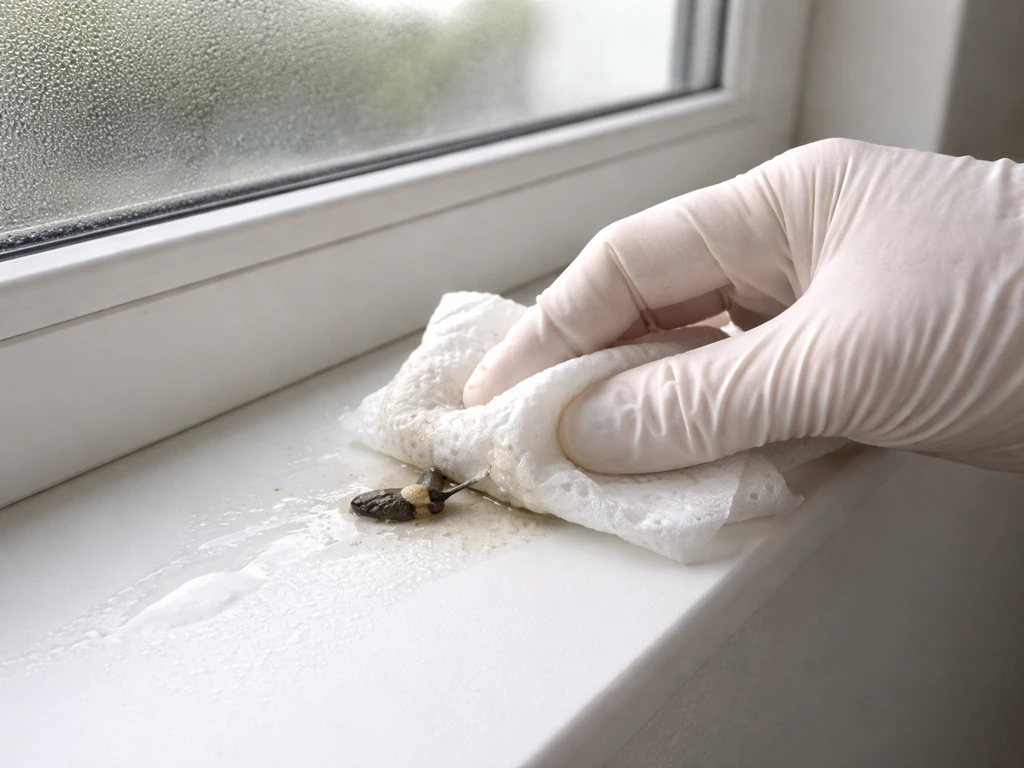
For most healthy adults doing a routine small cleanup, like wiping a bird dropping off a windowsill or a car, the risk is genuinely low. The NYC Department of Health explicitly distinguishes between routine small cleanings (low risk) and larger accumulations (higher risk requiring more precautions). That said, some people face a meaningfully higher risk from the same exposure.
- People with HIV/AIDS, cancer, or other conditions that suppress the immune system
- People undergoing chemotherapy, radiation, or immunosuppressant medications
- Older adults, whose immune response may be weaker
- Young children, who are more vulnerable to respiratory and gastrointestinal infections
- People with asthma or other chronic lung conditions, who are more sensitive to airborne particles
NYC Health is direct about this: if you have a compromised immune system, don't clean up bird droppings yourself. Delegate the job, or at minimum take every precaution listed below. WorkSafe Queensland echoes the same guidance, specifically calling out the elderly, young children, and people with conditions that lower immunity as the groups who need the most protection.
As for when to see a doctor: if you've done a significant cleanup (especially of dried or accumulated droppings) without proper precautions and develop respiratory symptoms, fever, or flu-like illness within two to four weeks, mention the exposure to your doctor. Psittacosis is treatable with antibiotics, and early treatment matters. Histoplasmosis in otherwise healthy people often resolves on its own, but a doctor can monitor and treat if needed. Don't wait and wonder if you're in a higher-risk group.
Safe cleanup methods for common situations
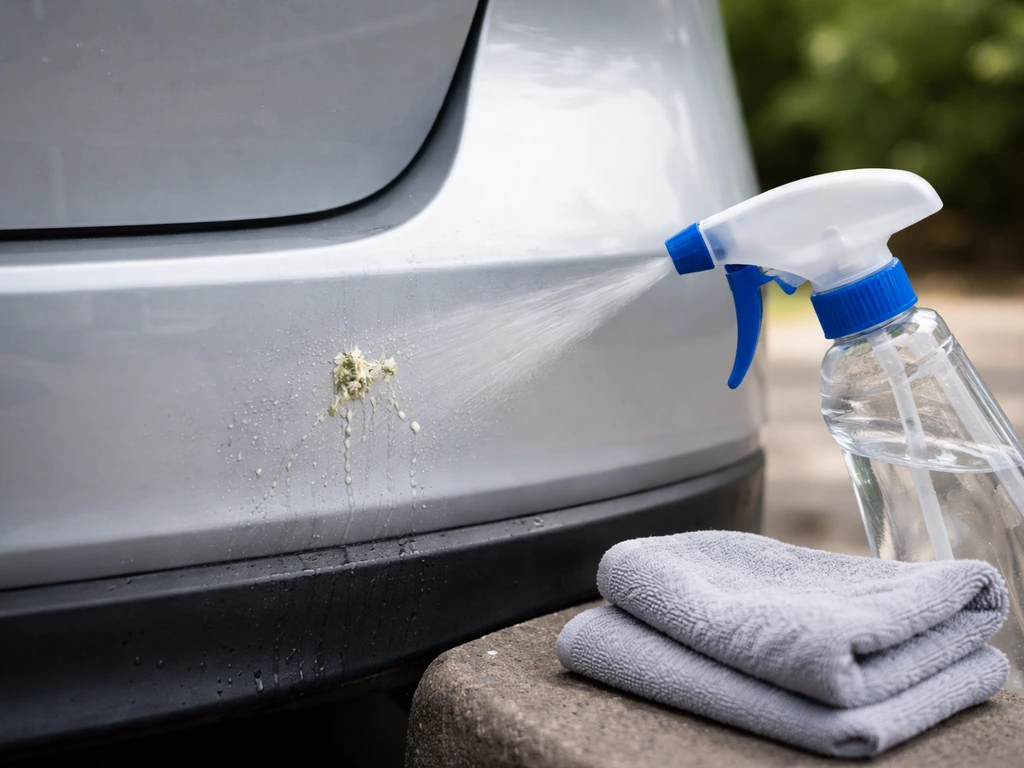
The single most important rule across every cleanup situation is the same: wet it before you touch it. Never sweep, scrape dry, or vacuum bird droppings. All three methods launch particles into the air. Wetting the material down first suppresses that dust and dramatically reduces your inhalation risk. Here's how that plays out in the most common real-world scenarios.
Cleaning bird poop off a car
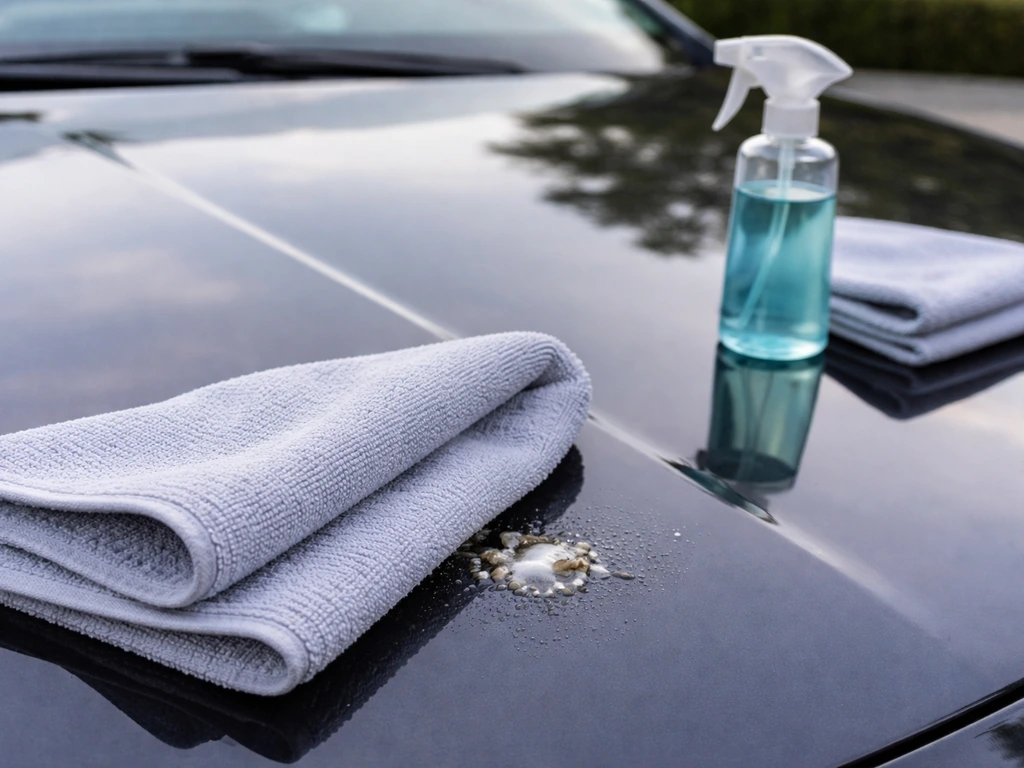
Fresh droppings on a car are mostly a paint concern rather than a health concern, but the same wet-first principle applies. Soak a cloth or paper towel with warm water (or a diluted detergent solution), lay it over the dropping for a minute or two to soften it, then wipe gently. Never scrape it dry, which scuffs your clear coat and sends particles airborne. Rinse the area with water and dispose of the used cloth or paper towel in a sealed bag. Wash your hands thoroughly afterward.
Cleaning outdoor areas: patios, decks, and pavement
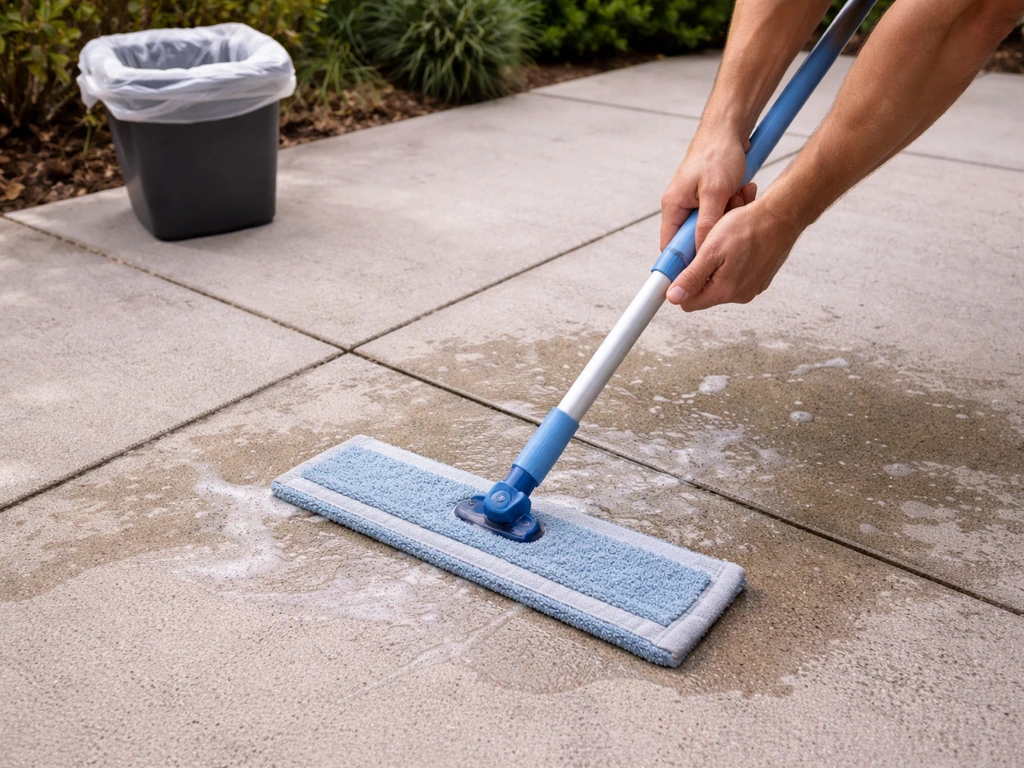
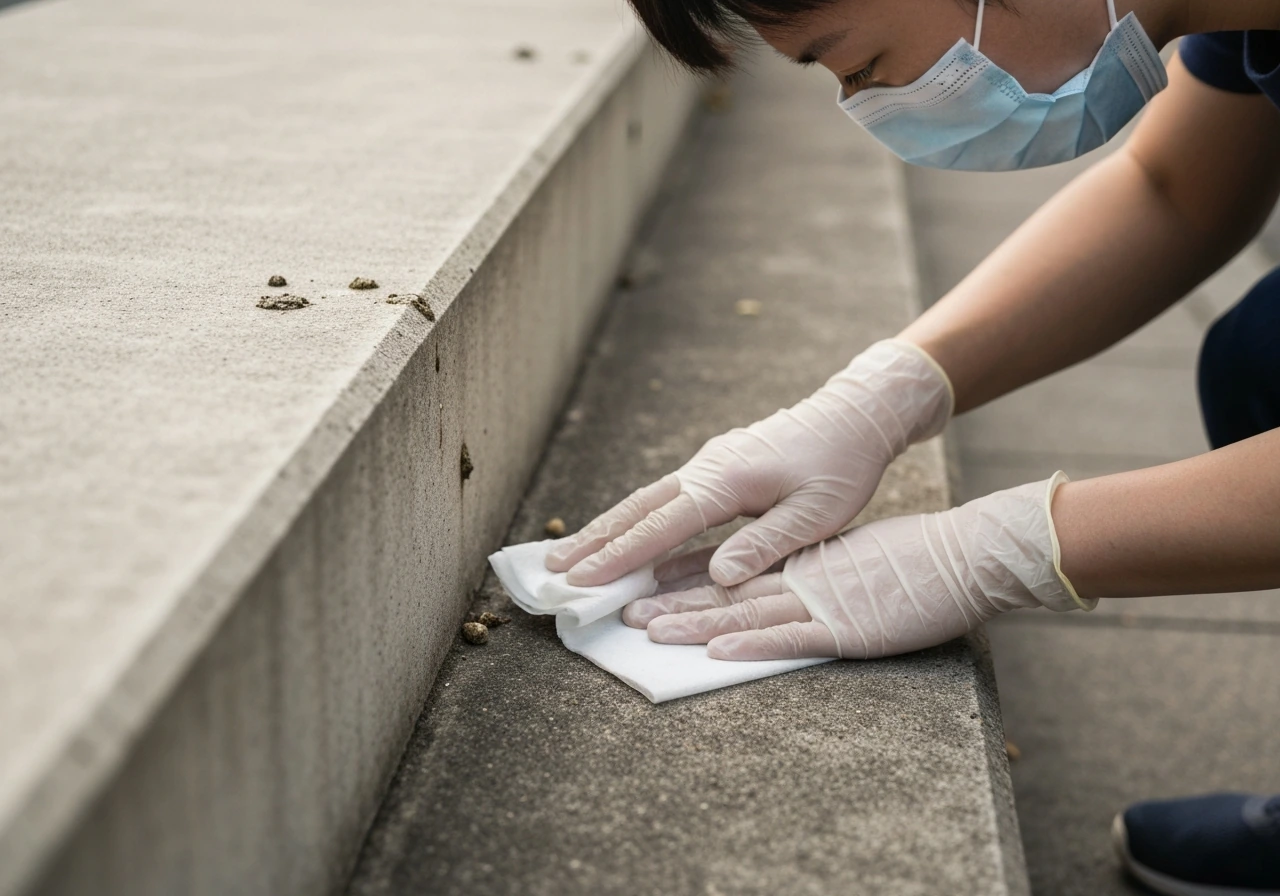
For small amounts on a patio or deck, wet the droppings with a disinfectant solution or water with a squirt of detergent, let it soak for a minute, then wipe or mop up. Bag the waste and dispose of it. Avoid high-pressure washing for large dry accumulations because power-washing can aerosolize material at high velocity, which is genuinely a hazard. If you need to use a hose, use a gentle flow rather than a jet, and make sure the area is already soaked first.
Cleaning bird droppings indoors
Indoor cleanups deserve more care because there's less air movement to dilute any particles. Open windows and doors for ventilation before you start. Spray the droppings thoroughly with a disinfectant solution or a mix of water and detergent until visibly wet. Let it sit for a few minutes, then wipe up using disposable cloths or paper towels soaked in the same solution. Never sweep. Bag everything immediately in a sealed plastic bag and wash your hands well with soap and water.
Cleaning bird cages
The CDC recommends wetting cage surfaces and perches with water or disinfectant before cleaning, specifically to reduce airborne dust. After wetting, scrub with detergent to remove fecal debris, rinse, then apply an EPA-registered disinfectant and allow the full labeled contact time before rinsing again. For bird owners who clean cages regularly, this is a routine that becomes second nature quickly.
Protective gear, hygiene, and the do/don't list
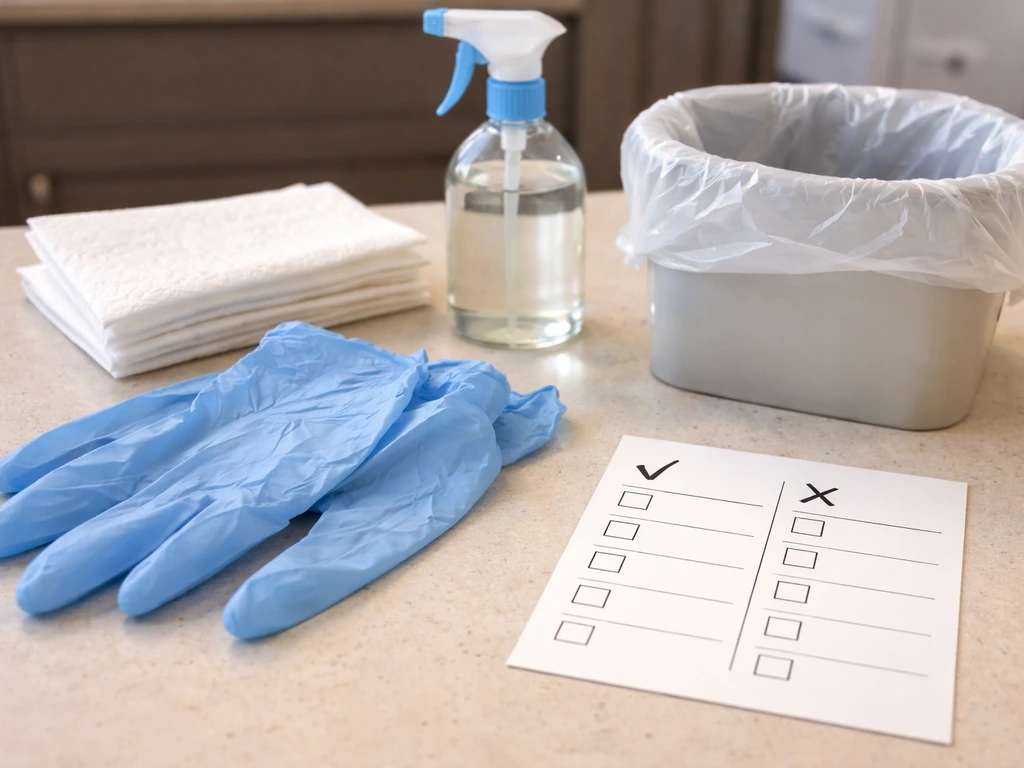
For a single small dropping on a hard surface, the minimum is disposable gloves and handwashing afterward. For anything involving accumulated droppings, dried crust, or enclosed spaces, you need more. Here's what the evidence actually supports.
| Item | When you need it | Notes |
|---|---|---|
| Disposable gloves (nitrile or latex) | Any bird dropping cleanup | Single use, bag and discard after |
| N95 respirator or better | Dried/accumulated droppings, enclosed spaces, large cleanups | Must be properly fitted to work; a dust mask is not sufficient |
| Eye protection (goggles) | Large cleanups or any situation generating splatter | Protects from contaminated spray or particles |
| Disposable coveralls or old clothing | Large or heavy infestations | Bag and wash (or discard) immediately after |
| Closed-toe shoes | Any outdoor cleanup | Avoid sandals or open footwear |
| Soap and water (handwashing) | After every single cleanup, no exceptions | 20 seconds minimum; wash before touching face or food |
The CDC and NIOSH are clear that an N95 filtering facepiece respirator is appropriate when disturbing or cleaning up bird droppings, particularly dried or accumulated material. A regular paper dust mask doesn't cut it for fine biological particles. If you're doing a one-off small cleanup in the open air, you may reasonably skip the respirator, but if there's any dust generation, any enclosed space, or any significant quantity, wear one.
- DO wet all droppings before touching them
- DO use disposable gloves every time
- DO bag all waste materials and seal immediately
- DO wash hands thoroughly with soap and water after cleanup
- DO open windows and doors for ventilation when cleaning indoors
- DON'T sweep or dry-scrape droppings
- DON'T vacuum bird droppings (this launches particles into the air)
- DON'T use high-pressure washing on large dry accumulations
- DON'T touch your face, food, or drink during cleanup
- DON'T let children or immunocompromised people do the cleanup
Dried vs fresh droppings, and handling large messes
Fresh droppings are messier but actually lower risk. They're still moist, which means they won't become airborne on their own. A fresh dropping is mostly about avoiding direct contact and washing up afterward. Dried droppings are a different story. Once droppings dry out, they can be easily crumbled into fine powder by scraping, sweeping, or even walking through them. The California Department of Public Health specifically notes that bird droppings present the greatest infection risk when dried and capable of being stirred up. This is why the age and condition of what you're cleaning matters.
Large accumulations (think rooftops, attics, underpasses, or anywhere birds roost habitually) are in a completely different category from a single dropping on a windowsill. When droppings have built up over months or years, the volume of potential spores and pathogens is much higher, the material is likely deeply dried and crusted, and the cleanup process itself creates more disturbance. For large infestations, the precautions escalate significantly: full PPE including an N95 or better respirator, coveralls, gloves, and eye protection are all warranted. For infestations covering large areas (attics, commercial spaces, industrial sites), hiring a professional remediation service with proper equipment is genuinely the smarter call, not just the lazy one.
How to disinfect properly, and when wiping is enough
There's an important distinction between cleaning and disinfecting. Cleaning (removing the visible material with a wet cloth or mop) physically removes the bulk of the pathogens from the surface. Disinfecting uses a chemical agent to kill any remaining microorganisms on the cleaned surface. For most routine bird dropping cleanups on hard surfaces, cleaning thoroughly with a detergent solution and rinsing is adequate. For higher-risk situations (large volumes, enclosed spaces, bird cages, or if someone in the household is immunocompromised) follow cleaning with disinfection.
The practical workflow recommended by WSU Environmental Health and Safety and consistent with CDC guidance looks like this: spray the droppings with a disinfectant solution until thoroughly wet, wait a few minutes, then wipe up with cloths soaked in the same solution. After the debris is removed, apply a fresh coat of EPA-registered disinfectant to the cleaned surface and let it remain visibly wet for the full contact time listed on the product label (often around 10 minutes, but check the label). Then rinse if needed and allow to dry.
- Suit up: gloves, respirator (if needed), eye protection
- Ventilate the area: open windows and doors
- Wet the droppings: spray thoroughly with water or disinfectant solution
- Wait 2 to 5 minutes to let the material soften and pathogens begin to be neutralized
- Wipe up with disposable cloths soaked in disinfectant solution; bag immediately
- Apply fresh disinfectant to the cleaned surface; maintain wet contact for the full label time
- Rinse surface if needed; allow to dry
- Remove gloves by turning inside out, bag with all used materials, seal the bag
- Wash hands thoroughly with soap and water for at least 20 seconds
When is simple wiping enough? For a fresh, small dropping on an outdoor hard surface in open air, cleaned by a healthy adult using gloves and followed by handwashing, that's a reasonable low-risk cleanup that doesn't require a full disinfection protocol. Scale your response to the actual situation. A single pigeon dropping on your car door handle and a season's worth of accumulated droppings in an attic are not the same problem, and they don't need the same response.
Bottom line: the cleanup itself is only dangerous if you do it the wrong way. Wet it, bag it, wash your hands, and you've handled the vast majority of the real risk. Add the right protective gear when the situation calls for it, keep higher-risk people away from the job, and don't hesitate to call a professional when the mess is genuinely large. That's all it takes to do this safely today.
FAQ
Is it dangerous to step in or walk through bird poop, even if I don’t intentionally clean it?
Yes, if the poop is already dried and you disturb it. Kicking or sweeping outdoor droppings, even small amounts, can break them into fine powder that gets breathed in. The safer approach is to wet it first (water or a detergent mix), wait about a minute, then wipe or pick up with disposable materials and seal them in a bag.
Can cleaning bird poop off a car damage the surface or increase the health risk?
If it is on a car hood or other car surfaces, you should avoid aggressive dry wiping or scraping. Wet-first is still the priority for health, but for the surface you want to use a soft cloth, a brief soak to soften the spot, and then rinse, to reduce paint damage. If you already scuffed the clear coat, treat it as a cosmetic repair issue, but still handle residue with gloves and handwashing to reduce exposure.
Is it more dangerous to clean bird poop indoors, and what should I do differently?
It can be, especially indoors or in enclosed areas. If you clean indoors, use ventilation before you start, and avoid methods that create dust (sweeping, dry vacuuming, pressure spraying). Also consider leaving the space after cleanup for a short period until it air clears, then wash hands thoroughly before touching shared surfaces.
Is a paper dust mask enough to protect me when cleaning bird droppings?
A regular paper dust mask is generally not adequate when you are dealing with dried or accumulated droppings or any visible dust cloud. For higher-risk situations, an N95 or better respirator reduces inhalation of fine particles. For small one-off cleanups outdoors with no dust being created, skipping respiratory gear can be reasonable, but if you see dust or you are in an enclosed space, use one.
Should I disinfect right away, or is cleaning first better?
Don’t clean and disinfect the area without separating the two steps when risk is higher. Cleaning with detergent and removing the fecal material reduces what chemicals need to kill. Then, if you are dealing with larger volumes, enclosed spaces, cages, or higher-risk people in the home, follow with an EPA-registered disinfectant using the contact time on the label.
Is it safe for kids and pets to be around during bird poop cleanup?
Yes. If you have a baby or toddler crawling nearby, or someone immunocompromised in the home, you should prevent access to the area during cleanup and for the period right after (when dust could still be present). Bag waste immediately, ventilate, and only then let people and pets return, because the main hazard is inhaling disturbed particles.
If inhalation is the main risk, do I still need to worry about hand-to-mouth contamination?
Most risks are inhalation-related, but hand-to-mouth transmission still matters. If you touch droppings and then eat, smoke, touch your face, or handle phones and utensils before washing, you can increase the chance of stomach illness. Wear disposable gloves during cleanup, avoid touching your face while wearing them, and wash hands with soap and water when finished.
What should I do if I accidentally swept or vacuumed bird poop dry?
If you already did a dry cleanup (for example, you swept or vacuumed dry droppings), assume there may be airborne residue and treat it as a higher-risk cleanup. Re-wet the area if possible, wipe with detergent, bag the debris, and wash hands. For enclosed spaces or significant amounts, consider upgrading precautions next time (respirator, eye protection, and more ventilation). If anyone develops fever or flu-like respiratory symptoms within a few weeks, contact a clinician and mention the exposure.
Can I use bleach or other household cleaners to clean and disinfect bird poop?
Using bleach is not always the right solution. The safer plan is detergent cleaning first, then an EPA-registered disinfectant appropriate for the surface, following the product label contact time. Mixing cleaning chemicals can be hazardous, so avoid combining disinfectants with other cleaners.
When should I stop DIY cleanup and hire a professional?
Yes, if the droppings are from a health-risk species or the situation is high exposure. You do not need to wait for symptoms if the mess was large or dried and you are in a high-risk group (immunocompromised, elderly, very young children). Delegate to a professional for large infestations, attics, or commercial scale cleanups, since proper containment and respiratory protection are critical.