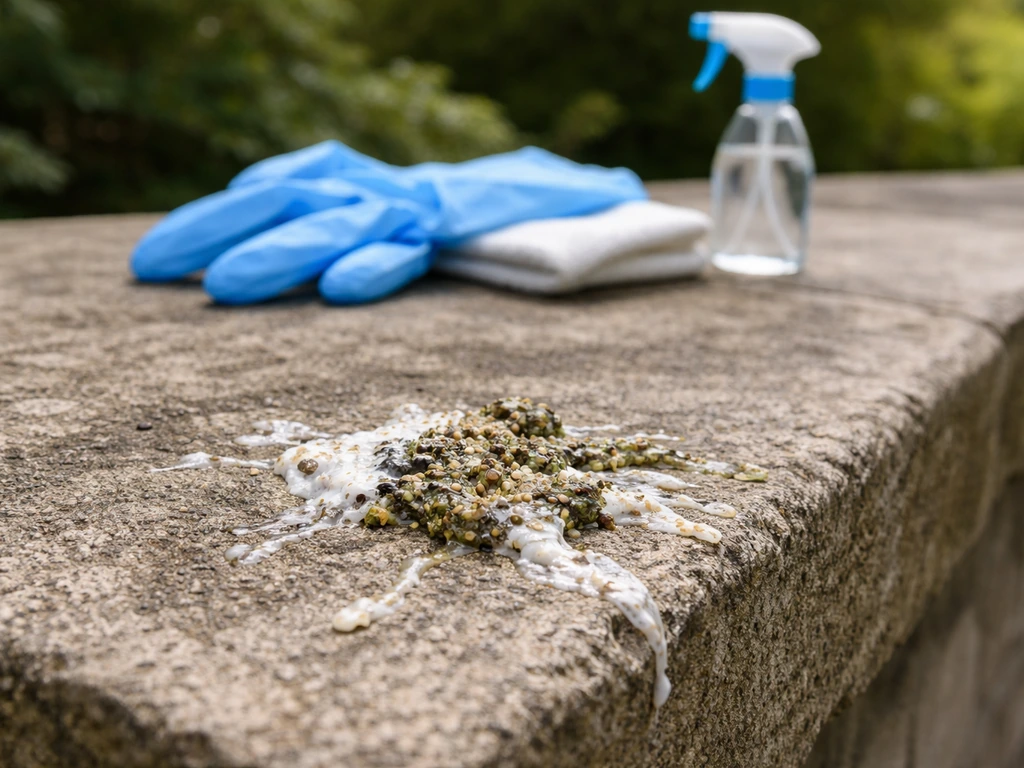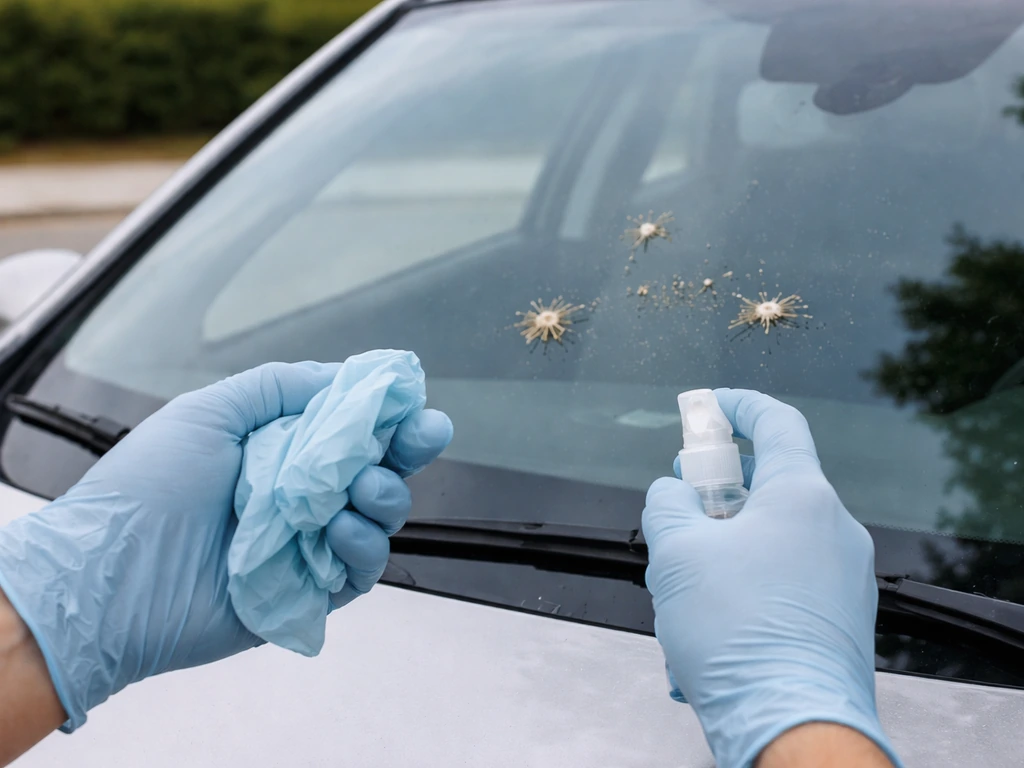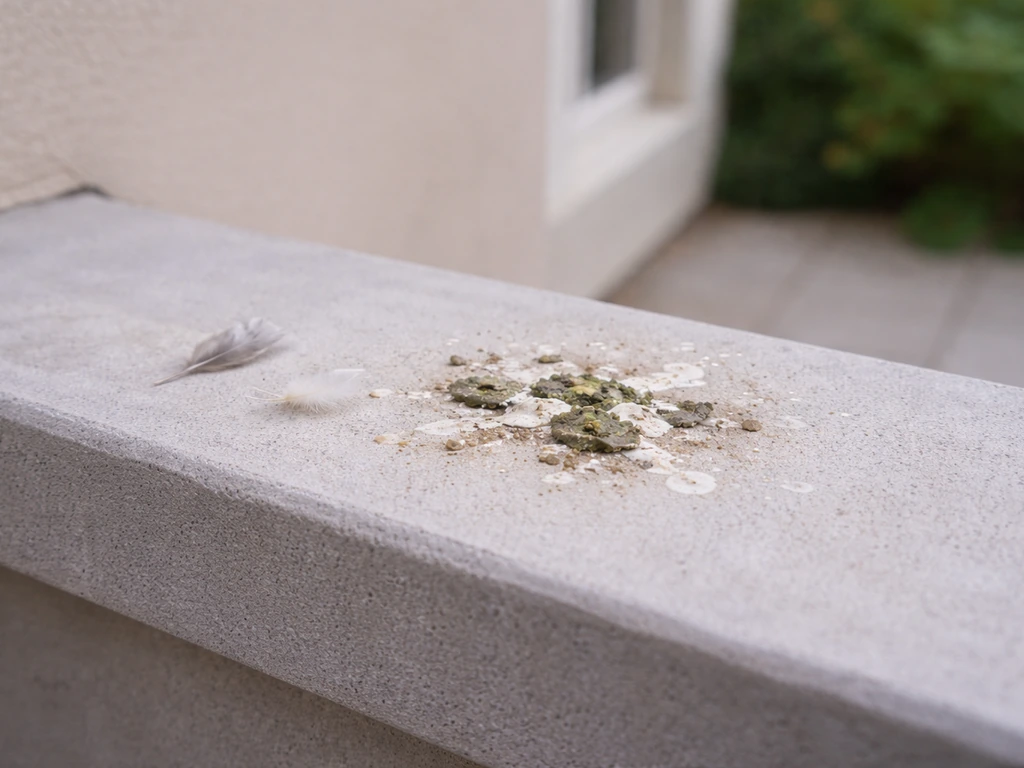
Bird poop is mildly acidic. Research measuring pigeon excreta puts the pH at roughly 5.5 to 5.8, which is in the same ballpark as black coffee or a light acid rain event. It is not a strong acid like battery acid, but it is acidic enough to matter for paint, fabrics, and skin if you leave it sitting long enough. For most casual encounters, the pH itself is not your biggest concern. The real risks come from what else is living in those droppings.
Is Bird Poop Acidic or Alkaline? Cleanup Safety Guide

Marcus Fielding
28 Apr 2026
Acidic or alkaline? The actual answer
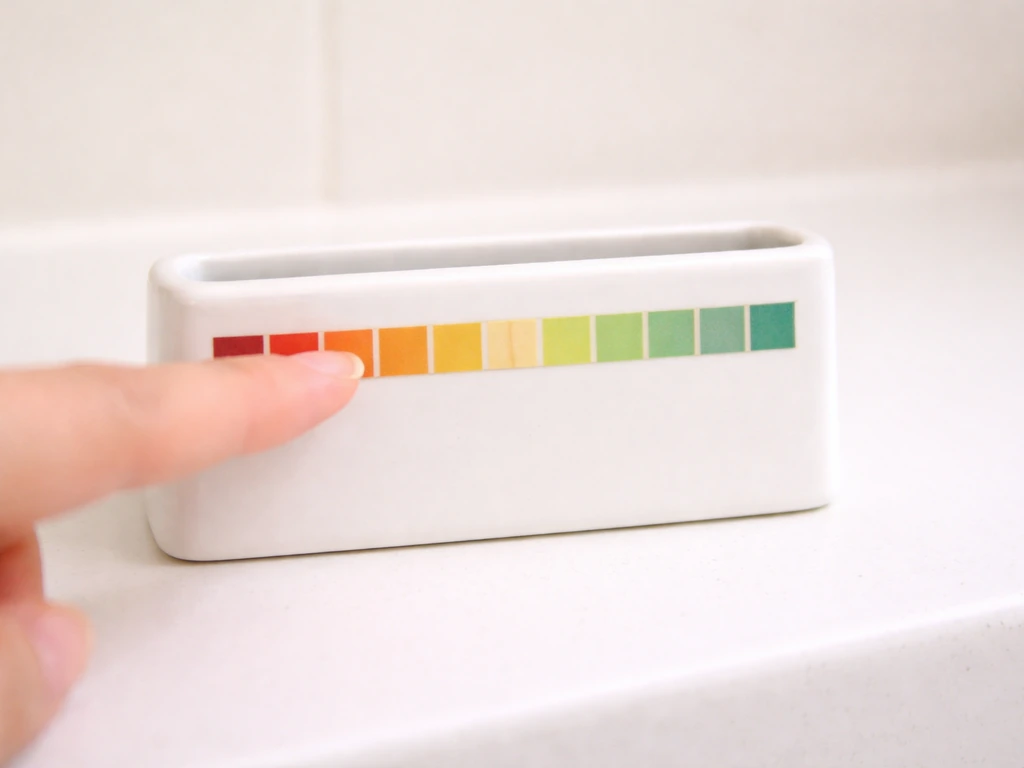
The pH scale runs from 0 (strongly acidic) to 14 (strongly alkaline), with 7 being neutral. Fresh bird droppings from pigeons, the most studied species, consistently test between 5.5 and 5.8. That lands them in mildly acidic territory. For comparison, pure water sits at 7.0, vinegar sits around 2.5, and baking soda solution sits around 8.3. Bird poop is a long way from the dangerous end of the scale, but it is definitely not neutral.
The acidity comes primarily from uric acid. Birds excrete nitrogen as uric acid rather than urea (which is what mammals, including us, use). Uric acid is a weak acid, and it sticks around in dried droppings, which is part of why old, dried splats on your car can cause more damage than a fresh one you wipe off immediately.
What is actually inside bird droppings
Bird droppings are a combination of three things: fecal matter from the digestive tract, urates (the white or cream-colored pasty portion, which is the concentrated uric acid from kidney processing), and watery urine. Unlike mammals, birds do not have a separate urethra, so everything exits together through the cloaca. That white chalky coating you always notice is not paint, it is solidified uric acid.
Beyond uric acid, droppings can contain undigested seeds and plant material, bacteria from the gut, and in some cases fungal spores picked up from the environment. The pH reading of 5.5 to 5.8 reflects the chemical environment created by all of this combined, not just one ingredient. So when people say bird poop 'feels acidic' on skin or acts corrosive on surfaces, they are reacting to this mix rather than any single chemical agent.
Why pH varies between birds, diets, and conditions
The 5.5 to 5.8 range is well-documented for pigeons, but it is not a universal bird poop pH. Several factors shift the number in either direction.
- Species: Seabirds like gulls and cormorants eat almost exclusively protein-rich fish, which produces more nitrogenous waste and tends to push droppings toward higher acidity. Seed-eating birds produce droppings with a somewhat different chemical profile.
- Diet: A bird eating sugary fruit produces more fermentable material in its droppings, which bacteria can convert to organic acids, lowering pH further. A bird on a high-insect protein diet produces more uric acid.
- Age of the droppings: Fresh droppings are slightly less acidic than dried ones. As moisture evaporates, uric acid concentrates and the pH can drop. This is why old, baked-on droppings are more corrosive to car paint than a fresh splat.
- Environmental conditions: Heat and UV light accelerate drying and chemical breakdown. In humid conditions, droppings may partially rehydrate, which can change the effective pH at the surface.
- Accumulation: Large piles of droppings (like in a roost or attic) can develop microbial activity that produces additional acidic or alkaline byproducts depending on what organisms are present.
The bottom line is that most bird droppings you encounter in everyday life will sit somewhere in the mildly acidic range, but if you are dealing with a large accumulation or an unusual species, the properties can shift. Do not assume all bird poop behaves identically.
Health and safety: what the acidity actually does to you
For a single, brief skin contact, the mild acidity of bird droppings is not going to cause a chemical burn. Your skin is slightly acidic itself (around pH 4.5 to 5.5), so a brief encounter with something at 5.5 to 5.8 is not dramatically different from your skin's own environment. That said, prolonged skin contact or repeated exposure can cause irritation, especially on sensitive areas or broken skin. If you have been working near a roost and have been repeatedly getting droppings on you, wash up promptly every time.
Eyes are a different story. The mucous membranes of the eye are far more sensitive than skin, and getting droppings in your eyes warrants immediate rinsing with clean water for at least 15 minutes. This is not just about acidity but also about the bacteria and other biological material present.
The risk that actually concerns public health authorities is not pH-related at all. It is inhalation. The CDC identifies Histoplasma capsulatum, a fungus that grows in soil enriched by bird (and bat) droppings, as a serious inhalation hazard. When dried droppings are disturbed, they can become airborne dust carrying fungal spores. Breathing those spores can cause histoplasmosis, a lung infection that ranges from mild flu-like symptoms to severe illness in people with weakened immune systems. This risk is especially relevant when cleaning out attics, barns, or any space with accumulated droppings. A single fresh dropping on your windshield is not this kind of hazard. A decade's worth of pigeon droppings in a loft is.
It is also worth noting that bird droppings can carry Salmonella, Campylobacter, and Chlamydophila psittaci (the cause of psittacosis). These are bacterial risks, not acid risks. The pH question matters most for surfaces and materials. The pathogen question matters most for your health.
How to clean it up safely and effectively
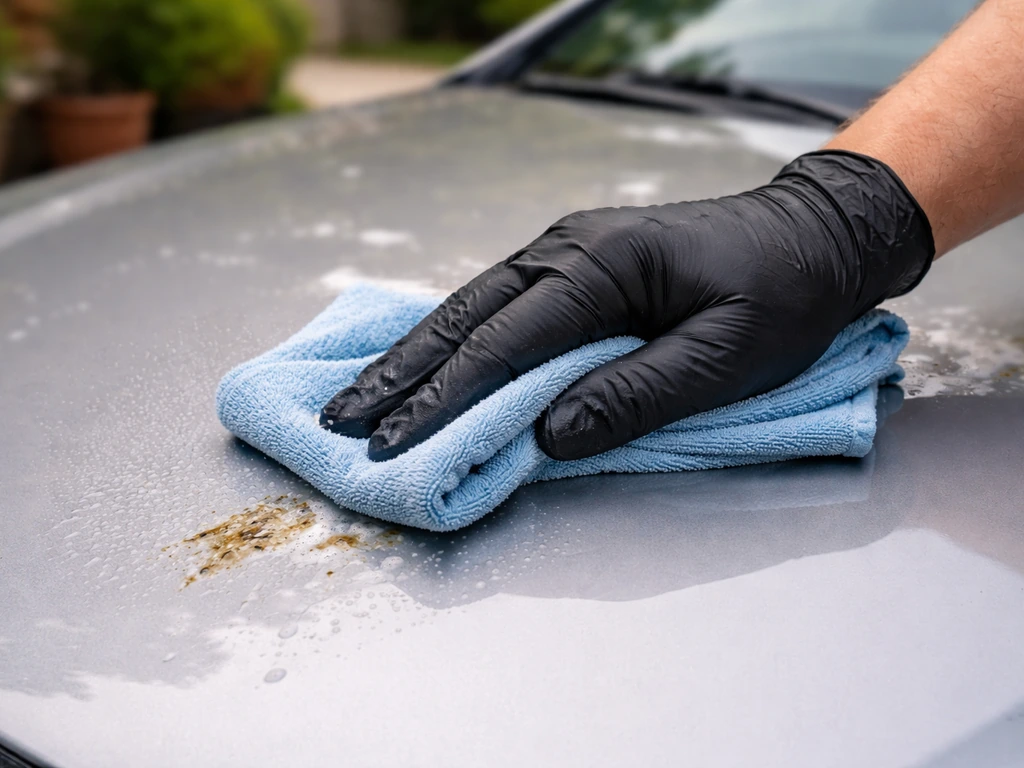
For a single dropping on a surface (car, patio, clothing)
- Act quickly. The longer bird poop sits, especially in heat, the more the uric acid concentrates and bonds to surfaces. On car paint, a fresh dropping is far easier to remove without damage than one that has baked on for hours.
- Soften before wiping. Wet a cloth or paper towel with warm water and lay it over the dropping for 30 to 60 seconds. This rehydrates the uric acid and makes it release from the surface without you scrubbing and causing micro-scratches.
- Wipe gently, do not scrub. Use a clean, soft cloth (microfiber works well for cars) and lift rather than rub.
- Rinse the area with clean water to remove residue.
- For car paint specifically, follow up with a quick-detail spray or wax to restore the protective layer if the dropping has been sitting for a while.
- Wash your hands thoroughly with soap and water after cleanup, even if you wore gloves.
Do you need to neutralize the acidity?
People sometimes ask whether they should use an alkaline solution (like a baking soda and water mix) to neutralize the acid in bird droppings. For most household surfaces, this is not necessary and can actually cause problems. Baking soda is abrasive and can scratch car paint or delicate surfaces if not rinsed away completely. For hard non-porous surfaces like concrete, a diluted baking soda rinse after removing the bulk of the dropping can help neutralize residue, but it is not strictly required for a single incident. Plain water and gentle wiping does the job for the vast majority of situations.
What to avoid
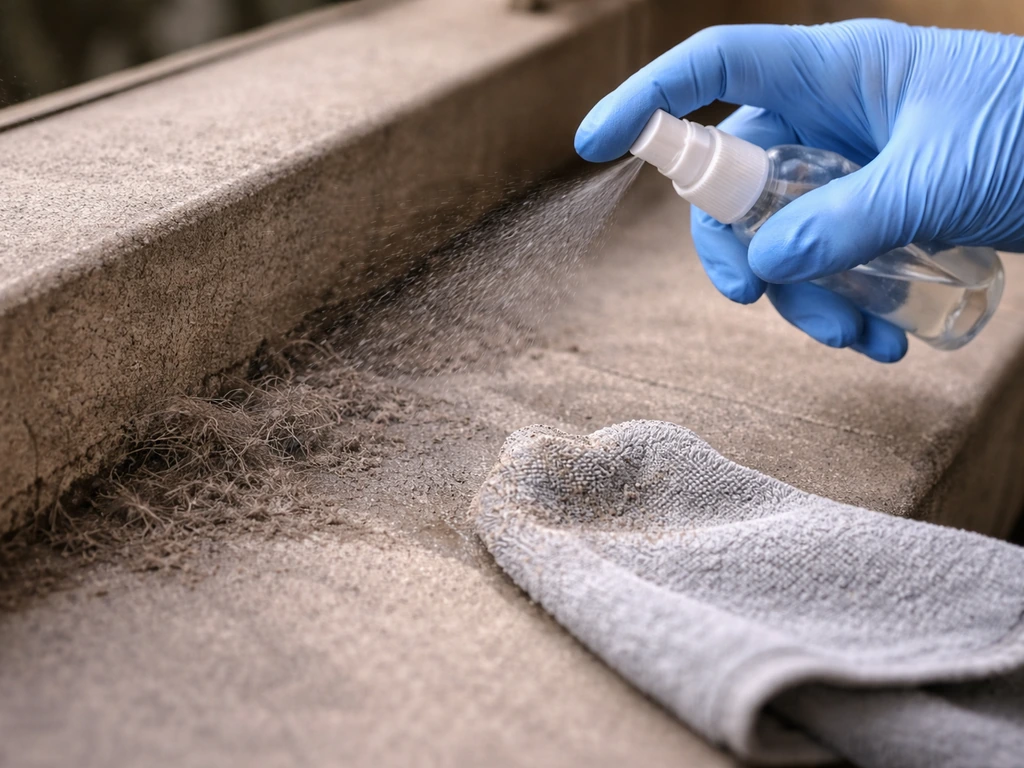
- Dry brushing or scraping dry droppings without wetting them first, especially indoors or in enclosed spaces. This aerosolizes particles and dramatically increases your inhalation risk.
- High-pressure hosing of large dried accumulations in confined spaces for the same reason.
- Bleach directly on bird droppings in enclosed spaces without ventilation. Bleach can kill surface bacteria but does not eliminate fungal spores effectively and creates fumes in enclosed areas.
- Abrasive scrubbers on painted surfaces, which cause scratches even before the acidity does further damage.
Cleaning up large accumulations (attics, ledges, barns)
If you are dealing with a significant buildup rather than a single dropping, the approach changes considerably. The CDC and NIOSH recommend using N95 filtering facepiece respirators (at minimum) when disturbing large accumulations of bird or bat droppings because of the histoplasmosis risk. You should also wear disposable gloves, eye protection, and clothing you can bag up and wash immediately. Wet the area down thoroughly before disturbing it to keep dust from becoming airborne.
The CDC (through NIOSH) notes that preventing accumulation of bird or bat droppings and reducing dust generation helps reduce histoplasmosis risk during work that disrupts those droppings [Wet the area down thoroughly before disturbing it to keep dust from becoming airborne. ](https://www. cdc. gov/niosh/histoplasmosis/prevention/elimination-and-engineering-controls.
html). Bag the material in heavy-duty trash bags and seal them before disposal. For very large infestations, professional remediation is the right call.
When to take extra precautions (pets, kids, car surfaces)
Kids who touched or mouthed bird droppings
Wash hands immediately and thoroughly with soap and water. If a young child has put droppings in their mouth, rinse the mouth with water and contact your pediatrician or Poison Control (1-800-222-1222 in the US). In most cases, a single brief exposure does not cause serious harm, but bacterial risks like Salmonella are real, and a doctor should know what happened. Watch for vomiting, diarrhea, or fever in the days following and report those symptoms.
Pets (dogs and cats) that contacted droppings
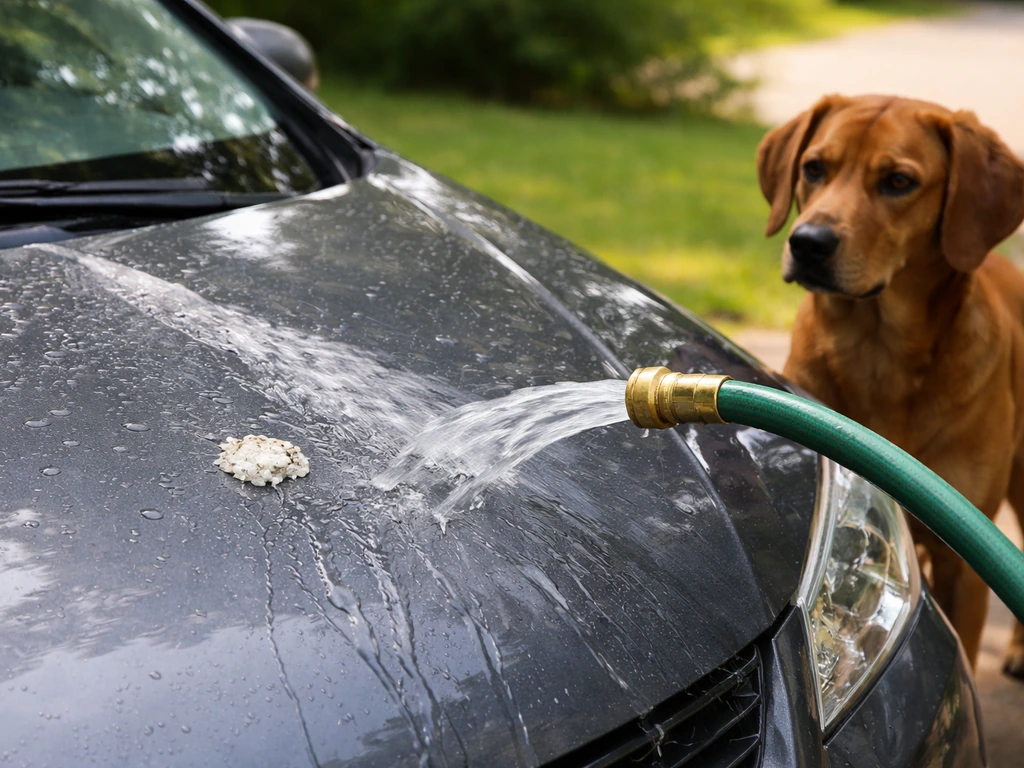
Dogs are notorious for investigating (and sometimes eating) bird droppings. A dog that sniffs or licks a single fresh dropping is unlikely to become seriously ill, but Salmonella, Campylobacter, and certain parasites are a genuine concern with repeated exposure or large quantities. If your dog ate a significant amount or you know the droppings came from an area with large accumulations, call your vet. Cats face similar bacterial risks and an additional concern if droppings came from a bird that was itself ill. For pets, the acidity of the droppings is much less of a concern than the microbial content.
Car paint and other surfaces
Bird droppings are genuinely bad for car paint, and the acidity is part of the reason. The uric acid in concentrated, dried droppings can etch clear coat, especially in warm weather when the paint softens slightly and the acid works faster. Yes, the key issue is moisture and residue: bird poop itself is not usually treated as a fire-starting material, but dried buildup can contribute to hazards in specific conditions.
The longer a dropping sits, the deeper the potential damage. If you find an old, baked-on dropping that has already left a dull or etched mark, a clay bar treatment followed by light polishing compound can often restore the finish. Severe etching may need professional attention. Maintaining a coat of wax or paint sealant gives you a protective buffer that buys time between the dropping landing and damage occurring.
When to call a doctor or seek medical help
- You got droppings in your eyes and rinsing does not relieve irritation within a few minutes, or your vision is affected.
- You develop respiratory symptoms (cough, shortness of breath, chest pain) within days to weeks of cleaning up a large accumulation of bird droppings. Histoplasmosis symptoms can take 3 to 17 days to appear after exposure.
- A child or pet ingested droppings and develops gastrointestinal symptoms.
- You have a weakened immune system and had any significant exposure to bird droppings, even a seemingly minor one. Histoplasmosis can be much more severe in immunocompromised individuals.
- You develop a skin infection or rash at a site that had prolonged contact with droppings.
The acidity of bird poop is real but modest. The uric acid content is the main chemical actor, it concentrates as droppings dry, and it can damage surfaces and cause mild irritation. But in almost every real-world situation, the pathogen risk (bacteria, fungi) outweighs the pH risk. Clean it up promptly, protect yourself when dealing with large quantities, and know when to call in a professional or a doctor. That covers the vast majority of bird poop situations you will ever actually face. In most cases, bird poop is not considered truly poisonous, but it can still cause illness by carrying bacteria, fungi, and other microbes.
FAQ
Is bird poop more acidic when it is fresh or when it is dried?
The pH often stays in the mildly acidic range, but dried droppings usually cause more damage because uric acid concentrates as the material dries and becomes harder to remove. So even if acidity is similar, the residue is more likely to etch paint or irritate fabric after it sits.
Can bird poop ruin car paint, and does “rinsing it fast” really matter?
Yes, it can dull or etch clear coat, especially with warm weather that speeds up chemical action. Rinsing quickly helps because the acid has less time to concentrate and soak into microscopic surface texture.
What should I use to clean bird poop off glass or a painted surface without scratching it?
Start with gentle removal, then rinse with clean water and wipe with a soft microfiber cloth. Avoid dry wiping first, and if you use any soda-based rinse, apply it only after the bulk is removed and rinse thoroughly to prevent grit or residue from remaining on the finish.
Is it safe to hose off bird droppings on a balcony or patio?
It is generally safer than dry disturbance, because wetting reduces airborne dust. Still, wear gloves and avoid splashing onto areas where food is handled, and keep kids and pets away until the area is fully cleaned.
Does bird poop acid etch work like “corrosion,” and how can I tell if I already damaged the finish?
Look for persistent dull spots, a rough or matte halo where the dropping was, or visible etching that does not come off with normal washing. If washing does not restore the shine, you may need a clay bar followed by light polishing, but deep etching often requires professional refinishing.
If bird poop gets on my skin, should I use an acid or alkaline cleaner to neutralize it?
No. For small contact, plain soap and water is best. Using neutralizers is mainly about chemicals on surfaces, and they are not necessary for brief skin exposure, plus some cleaners can worsen irritation if they are harsh or scented.
What is the fastest safe way to respond if it splatters in my eyes?
Rinse immediately with clean running water for at least 15 minutes and remove contact lenses if you can do so safely during rinsing. After the flush, seek medical advice, because eye exposure involves more than pH, it can include microbes and irritants.
How do I reduce the histoplasmosis risk when cleaning a loft or attic?
Treat it like a dust-control job: dampen the droppings thoroughly before disturbing, wear at least an N95 filtering facepiece respirator, and use sealed bag disposal. Ventilation matters too, but do not rely on fans alone, because spores can still become airborne as material dries or is disturbed.
Do I need a respirator for a single small dropping?
Usually not. The major inhalation hazard is from large, accumulated, dried droppings that can create airborne dust when disturbed. For a single fresh spot, careful wiping and prompt cleanup with basic protection (gloves) is typically sufficient.
Is bird poop on outdoor furniture safer than on indoor surfaces?
It is not automatically safer. Outdoor surfaces still contain uric acid residue and potential microbes, but the inhalation risk from dust is usually lower if material is not dry and disturbed. If you are scraping or power-washing dried buildup, use similar precautions to avoid aerosolizing particles.
Can bird droppings be dangerous to kids even if I clean right away?
Yes, especially if they touch then rub eyes, or if droppings are transferred to mouths. The key extra step is handwashing every time and supervising children during cleanup, because ingestion risk comes from bacteria, not just acidity.
What should I do if my dog ate bird poop?
Monitor for symptoms like vomiting, diarrhea, fever, or lethargy over the next several days, and call your vet if the amount was significant or if you know the droppings came from a heavily contaminated area. Do not rely on the fact that it is “mildly acidic,” because the main concerns are bacterial and parasitic risks.
Why does bird poop sometimes smell strong, and does that affect the health risk?
Strong odors usually come from bacterial activity in organic waste and the environment, not from acid strength. While smell is not a reliable indicator of pH, it can suggest active microbial contamination, so gloves and thorough washing still matter.