Bird poop is not poisonous in the traditional sense. It does not contain a venom or chemical toxin that attacks your body on contact. But that does not mean it is harmless. Bird droppings can carry bacteria, fungi, and other pathogens that cause real illness, mostly through inhalation rather than skin contact. So the honest answer is: not poisonous, but genuinely hazardous under the right conditions. The distinction matters because it changes how you should handle it.
Is Bird Poop Poisonous? Health Risks, Timing, and Cleanup

Marcus Fielding
18 Apr 2026
What 'Poisonous' vs 'Hazardous' Actually Means Here
When most people ask if bird poop is poisonous, they are picturing something that works like a toxin: touch it, absorb it, get sick. That is not what happens. Bird droppings do not contain a venom or chemical poison that harms you through skin absorption the way, say, a toxic plant might. What they can contain is a cocktail of infectious agents, including the fungus Histoplasma capsulatum, the bacterium Chlamydia psittaci (which causes psittacosis), and in some cases Salmonella. These cause illness through infection, not poisoning. The difference matters practically because the biggest risk is breathing in dried particles, not touching fresh droppings. If you are wondering whether bird poop is also corrosive or acidic (relevant if you are worried about car paint or skin irritation), those are related but separate questions worth exploring on their own.
Why Bird Droppings Are Actually Dangerous
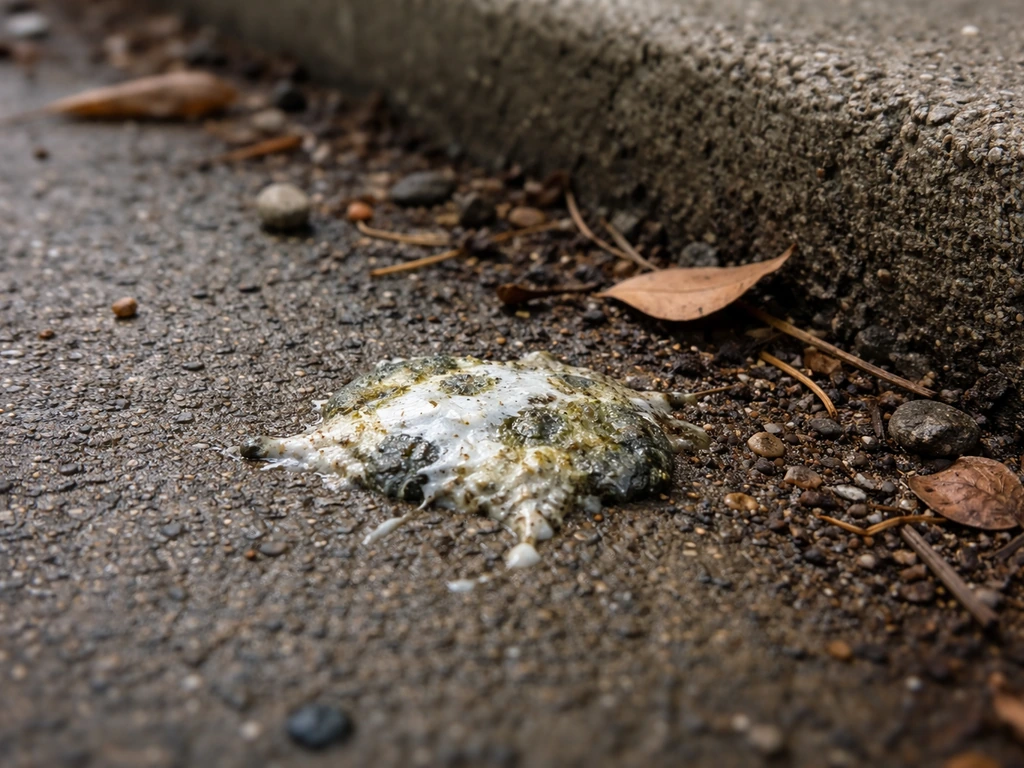
The three main health hazards from bird droppings are fungal infection, bacterial infection, and allergic lung disease. Each has a different source and pathway.
Histoplasmosis (Fungal)
Histoplasma capsulatum is a fungus that grows in soil and organic material enriched by bird or bat droppings. When dried, contaminated material is disturbed, the fungal spores, which measure just 1 to 5 micrometers in diameter, become airborne and can be inhaled deep into the lungs. The CDC notes that breathing in these spores can cause histoplasmosis, a lung infection that ranges from a mild flu-like illness to a serious respiratory condition in immunocompromised people. The good news is that the CDC also states most people who are exposed do not get infected. Risk is strongly tied to how much disturbed, contaminated material you breathe in.
Psittacosis (Bacterial)
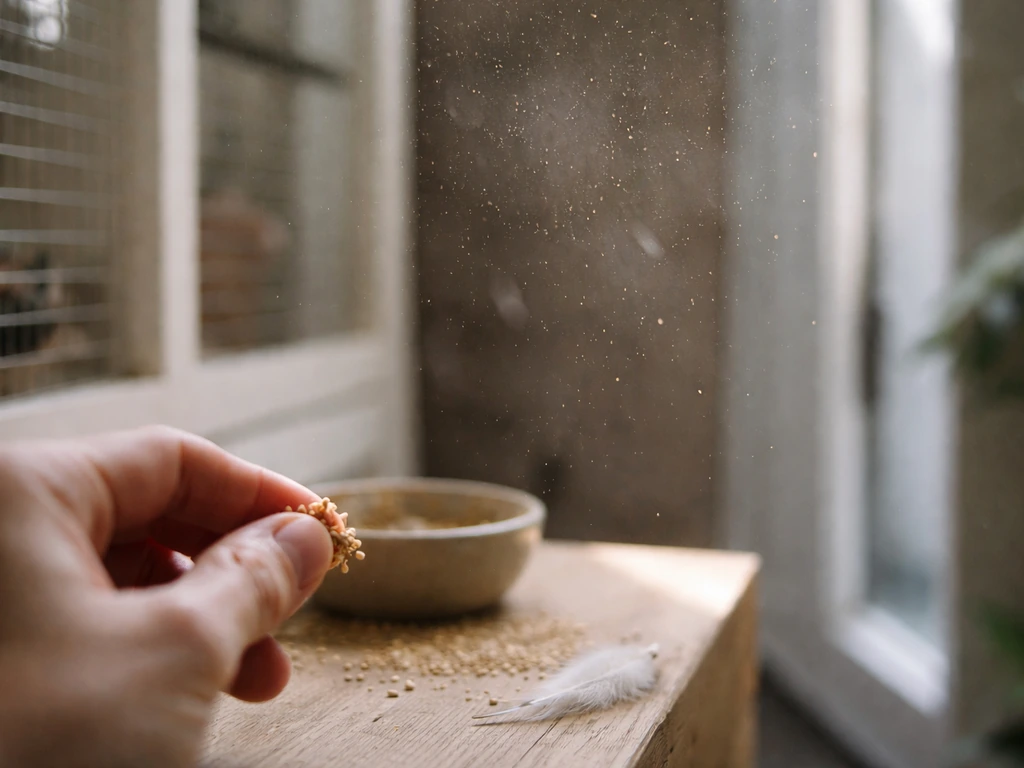
Psittacosis is caused by the bacterium Chlamydia psittaci and is passed from birds to humans almost entirely through inhalation. The CDC is specific about this: the most common way people get infected is by breathing in dust containing dried droppings or respiratory secretions from infected birds. Parrots, pigeons, and other birds can shed the bacteria even when they look perfectly healthy, meaning you cannot judge safety by how the bird appears. Symptoms include fever, headache, and pneumonia-like illness.
Bird Fancier's Lung (Allergic)
This one is not an infection at all. Bird fancier's lung is a form of hypersensitivity pneumonitis, an immune-mediated reaction triggered by repeatedly breathing in fine particles from bird feathers and droppings. The American Lung Association describes it as a condition where the lungs become inflamed in response to those inhaled particles. It tends to affect people with prolonged, repeated exposure, such as pigeon keepers or pet bird owners, rather than someone who walked under a tree once.
Salmonella
Wild birds, particularly songbirds, can carry Salmonella Typhimurium and shed it in their droppings. Transmission to humans is usually indirect, through contaminated surfaces, water, or even via pets like cats that have been in contact with bird droppings tracking bacteria into the home. For cats, the bigger concern is indirect exposure, such as bacteria being tracked into the home on a pet’s paws or fur after contact with bird droppings is bird poop toxic to cats. It is a real pathway, but it requires the bacteria to reach your mouth, typically through unwashed hands.
Wet vs Dried Bird Poop: Which One Should You Worry About More
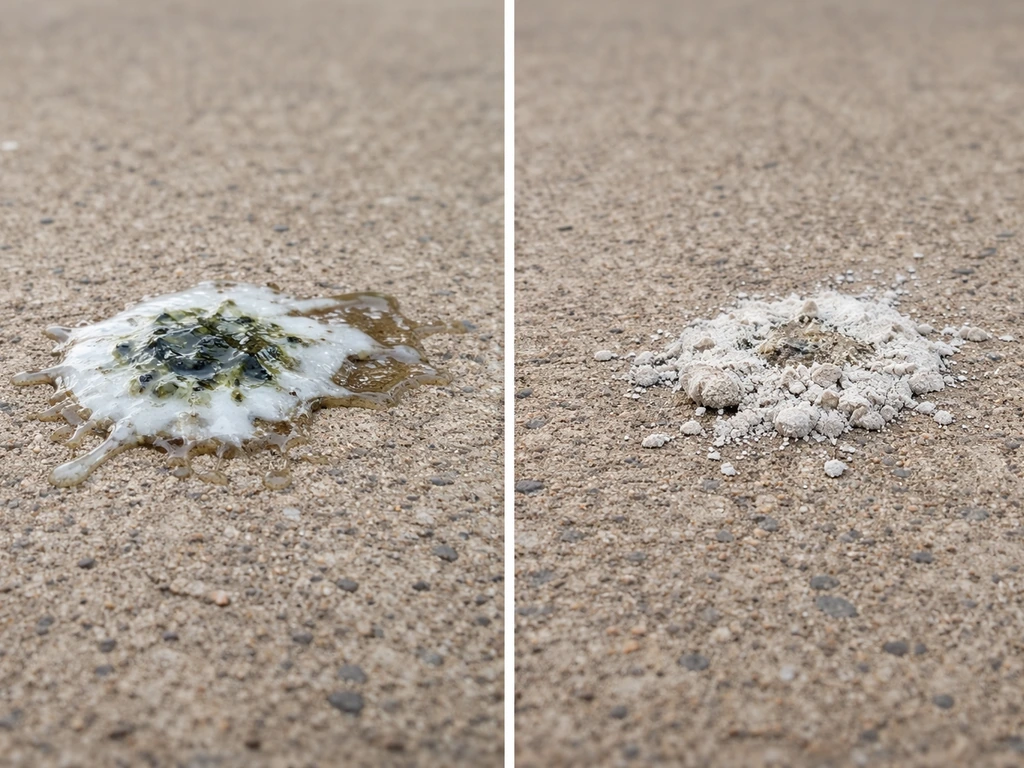
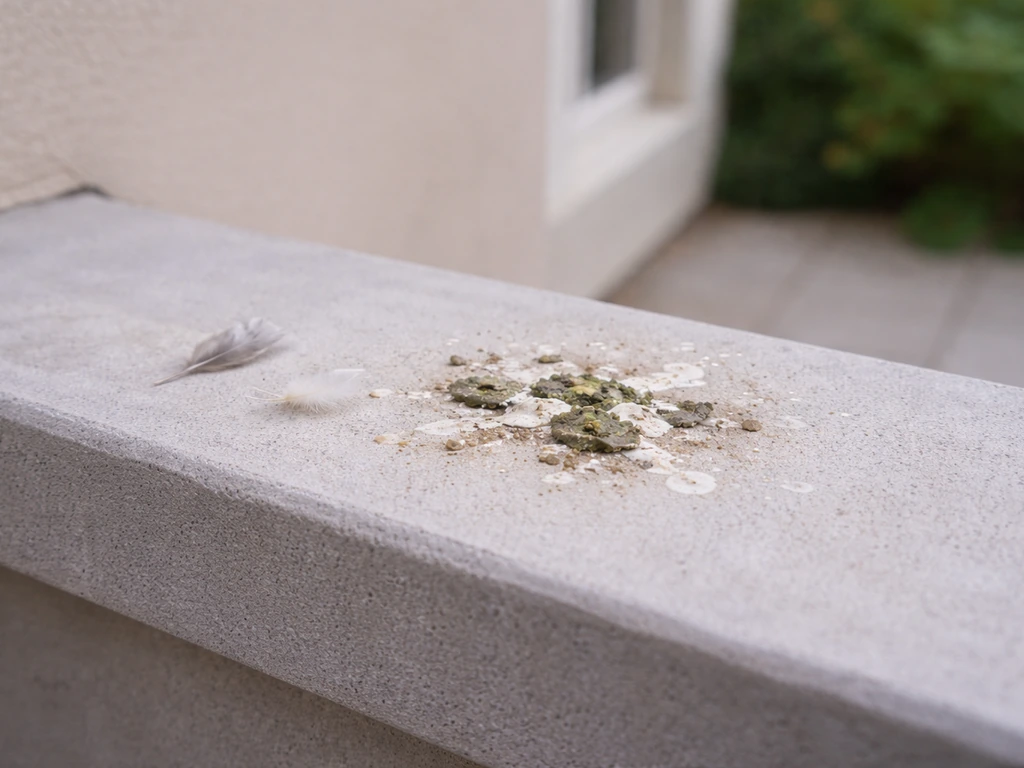
Dried droppings are significantly more dangerous than fresh, wet ones, and the reason comes down to airborne particles. Because dried droppings can become airborne and create inhalation hazards, some people also ask if bird poop is flammable is bird poop flammable. Fresh bird poop is moist and heavy. It sits where it lands. Dried droppings crumble easily into fine dust, and that dust can carry Histoplasma spores or Chlamydia psittaci bacteria directly into your lungs if disturbed. Both the CDC and institutional safety programs like Washington State University's bird and bat waste guidelines explicitly identify dried, disturbed droppings as the key exposure risk.
Fresh droppings still carry pathogens, but the risk is lower because the material is less likely to become airborne. The main concern with fresh poop is skin and hand-to-mouth contamination, which is manageable with basic hygiene. Dried accumulations, especially in enclosed or poorly ventilated spaces like attics, rooftops, or barns, are where real respiratory risk concentrates. This is also why bird poop's acidity matters differently depending on whether it is wet or dry: wet droppings are more actively corrosive to surfaces, while dry droppings create the inhalation hazard. That is why bird droppings can be corrosive to surfaces when they are wet, while the biggest risk from dried droppings is inhalation of contaminated dust is bird poop corrosive.
How Long Does Bird Poop Stay Dangerous
Longer than most people expect. Histoplasma capsulatum is exceptionally persistent in the environment. Canadian pathogen safety data indicates the fungus can survive in soil and organic material for more than 10 years under favorable conditions. That means a pigeon roost that has been abandoned for years can still harbor active fungal spores in the dried debris. The spores do not degrade quickly just because time has passed.
For psittacosis, Chlamydia psittaci in dried droppings can remain viable for weeks to months outside a host. Once droppings are aerosolized, the CDC notes that Histoplasma spores can travel long distances carried by wind currents, meaning the hazard is not confined to the exact spot of the original dropping. Practically speaking, any accumulation of dried bird droppings, regardless of age, should be treated as potentially hazardous until cleaned up properly.
Is Touching Bird Poop Dangerous? Skin, Eyes, Mouth, and Lungs
The risk depends heavily on how you are exposed. Here is a straightforward breakdown:
| Exposure Route | Risk Level | Main Concern | Key Action |
|---|---|---|---|
| Skin contact (intact) | Low | Bacteria like Salmonella via hand-to-mouth | Wash hands thoroughly with soap and water |
| Eyes (splash or rubbing) | Moderate | Bacterial or fungal contamination of mucous membranes | Flush with clean water for 15 minutes; seek advice if irritation persists |
| Inhalation (dried dust) | Highest | Histoplasmosis, psittacosis, hypersensitivity pneumonitis | Avoid disturbing dried droppings without respiratory protection |
| Ingestion (accidental, hand-to-mouth) | Moderate | Salmonella, Chlamydia psittaci | Rinse mouth, wash hands; seek advice if symptoms develop |
| Open wounds or cuts | Moderate | Bacterial infection | Clean wound immediately; seek medical advice |
Healthy, intact skin is a reasonable barrier. The CDC's guidance for bird owners is straightforward: wash your hands after touching birds, their droppings, or anything in their cage. That simple step eliminates the most common transmission pathway. Eye exposure is more serious because mucous membranes are far more permeable than skin. If bird droppings splash near your eyes, especially during cleanup, flush immediately with clean water. The concern with inhalation cannot be overstated relative to the others. It is the mechanism behind both histoplasmosis and psittacosis, and it is the exposure route that healthy adults most often underestimate.
How Much Bird Poop Is Actually Dangerous
A single bird dropping on your shoulder is not a medical emergency. Dose and context matter enormously here. The CDC and NIOSH frame histoplasmosis and psittacosis risk in terms of disturbing large accumulations of droppings, particularly during cleanup or maintenance activities in spaces with significant buildup. A single dropping from a passing bird outdoors presents minimal risk to a healthy person. A rooftop covered in years of pigeon accumulation that you start sweeping without protection is a very different situation.
For infectious disease risk, the relevant factors are: how much dried material was disturbed, how enclosed the space is (affects how concentrated airborne particles become), how long you were exposed, and your immune status. Immunocompromised individuals, including people with HIV, those on immunosuppressive medications, and the elderly, face higher risk from smaller exposures. For a healthy adult, a brief, incidental outdoor exposure is very unlikely to cause illness. The CDC itself notes that most people who breathe in Histoplasma spores do not get infected. That said, 'most people do not get infected' is not a reason to take unnecessary risks.
How to Clean It Up Safely and What to Do After Contact
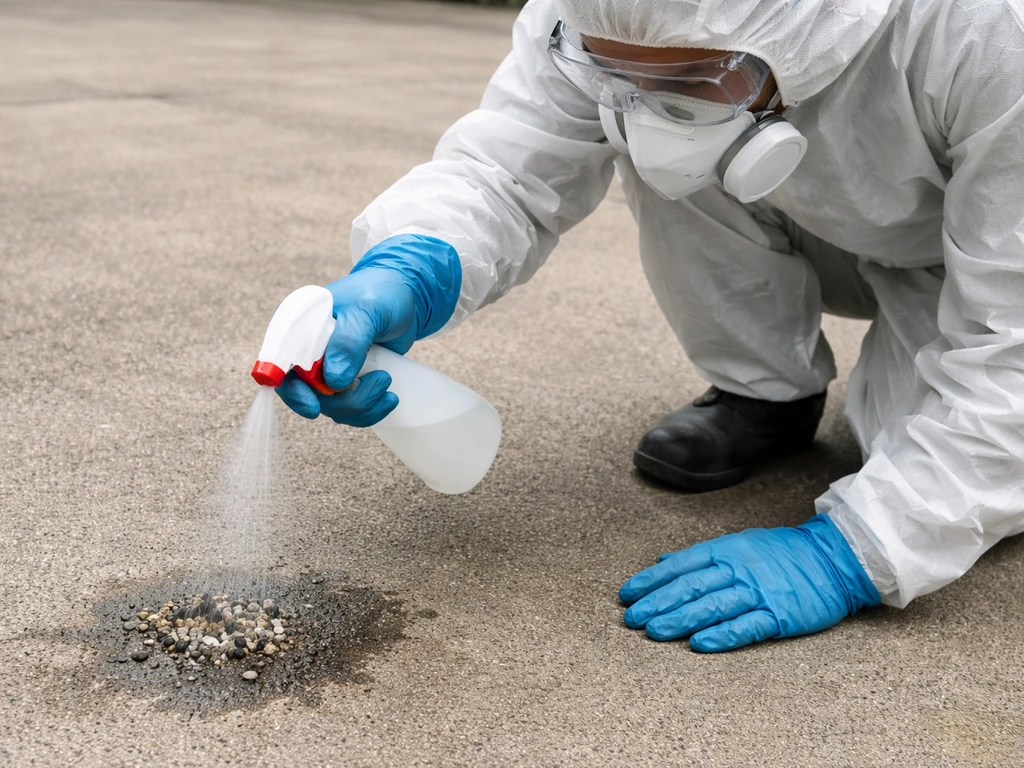
For Small, Everyday Amounts (a spot on your car, a bench, a windowsill)
- Do not sweep, brush, or vacuum dry bird droppings. This turns them into airborne dust.
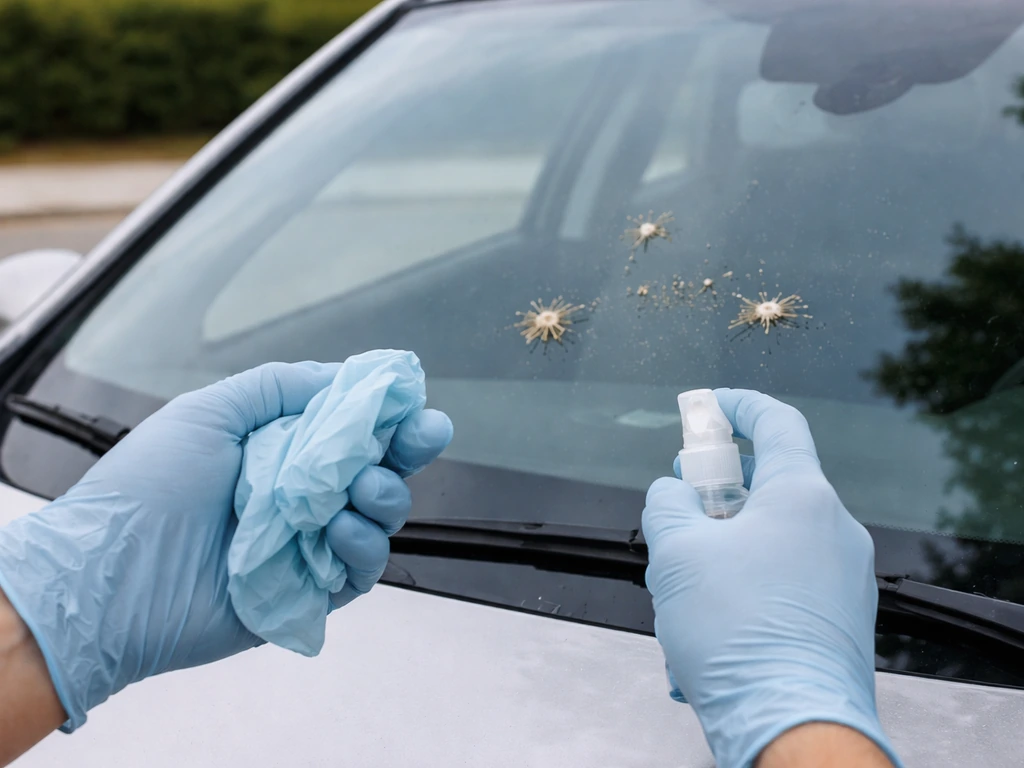
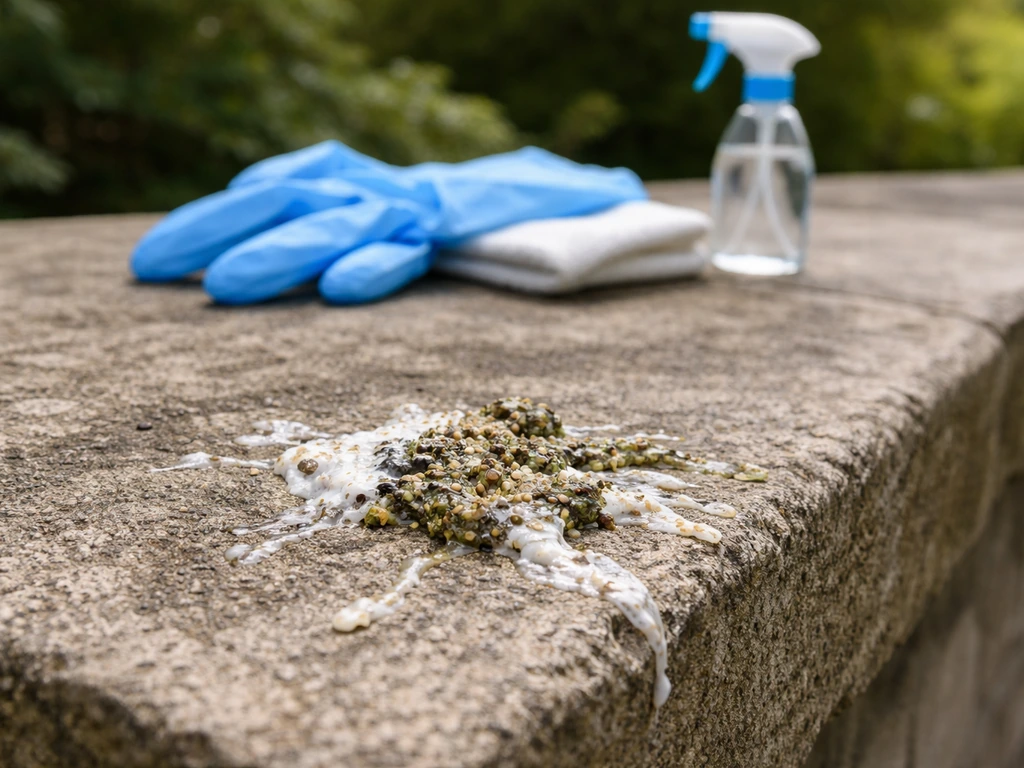
- Wet the droppings first with water or a dilute disinfectant solution (a 10% bleach solution works well) and let it soak for a minute or two.
- Wipe up with a disposable cloth or paper towel. Dispose of it in a sealed bag.
- Wash your hands thoroughly with soap and water afterward, even if you wore gloves.
- Clean the surface again with disinfectant if it is a high-touch area.
For Larger Accumulations (attics, ledges, rooftops, under bridges)
- Wear an N95 respirator at minimum. For heavy accumulations, a NIOSH-approved N100 particulate respirator is recommended.
- Add disposable gloves, goggles, and coveralls if disturbing material extensively.
- Wet everything down with a disinfectant solution before disturbing any dried material.
- Work in a ventilated area or use forced ventilation to prevent spore buildup indoors.
- Bag all waste securely and dispose of according to local guidelines.
- For very large accumulations, the CDC and NIOSH recommend calling a professional hazardous waste cleanup company rather than doing it yourself.
After Accidental Contact: What to Do Right Now
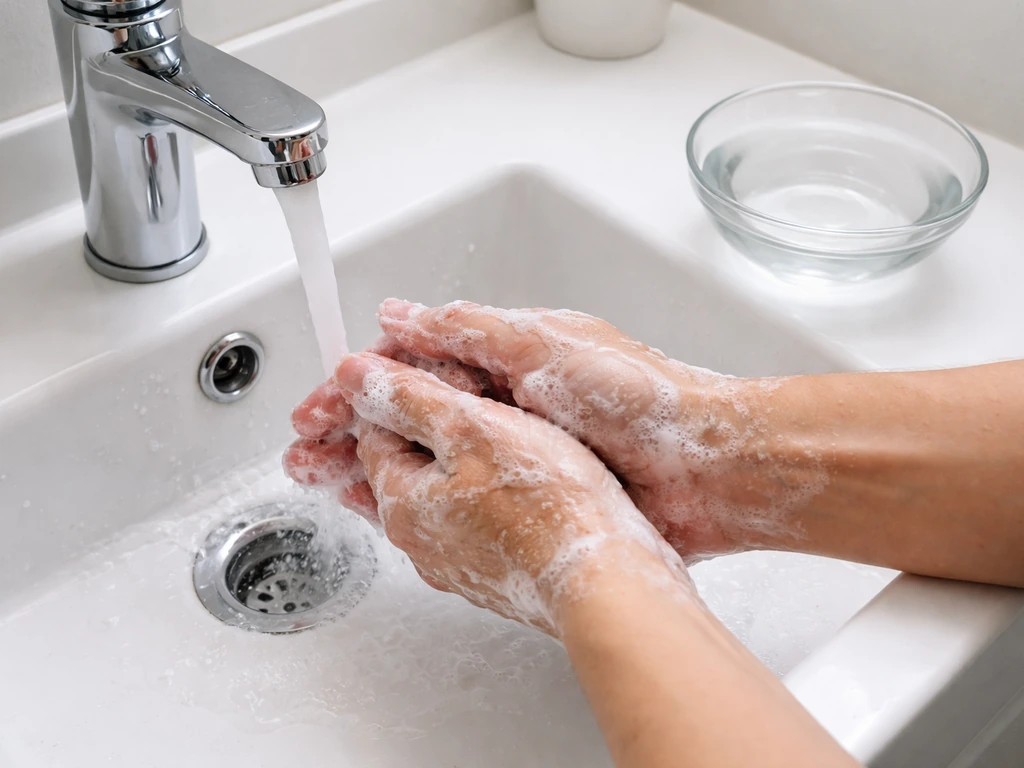
- Skin contact: Wash the area with soap and water for at least 20 seconds. No special treatment needed in most cases.
- Eye contact: Flush with clean running water for at least 15 minutes. See a doctor if irritation, redness, or pain persists.
- Inhalation of dust: Move to fresh air immediately. If you develop fever, cough, chest pain, or difficulty breathing within two weeks of significant exposure, see a doctor and mention the bird dropping exposure specifically.
- Accidental ingestion: Rinse your mouth with water. Wash hands. Watch for gastrointestinal symptoms over the following days. Seek medical advice if symptoms appear.
- If you have a compromised immune system and had significant exposure, contact a healthcare provider proactively rather than waiting for symptoms.
Common Myths Worth Correcting
A few misunderstandings about bird poop circulate persistently online, and getting them wrong can actually increase your risk rather than reduce it.
Myth: Bird poop is poisonous like a toxin
It is not. Bird droppings do not contain chemical toxins that act like venom or poison. The hazard is biological, meaning infectious agents that need to enter your body and replicate to cause illness. The framing matters because it changes how you protect yourself: the solution is hygiene and dust control, not antidotes or decontamination showers.
Myth: Sweeping or vacuuming is a fine way to clean it up
This is probably the most dangerous common misconception. Sweeping or vacuuming dried droppings launches the exact particles you do not want to breathe into the air. Both Washington State University's safety guidance and CDC-adjacent institutional protocols are explicit: do not sweep or vacuum bird or bat droppings. Always wet the material first. For cleanup of large, concentrated droppings, the CSUCI EHS procedure also calls for continuously wetting the droppings during cleanup and bagging/containing the waste, with disinfecting of reused contaminated tools using a 10% bleach solution continuously wet the droppings during cleanup. If you must vacuum, use a HEPA-filtered industrial vacuum, not a standard household one.
Myth: Old or dry droppings are safer because the pathogens are dead
Actually the opposite is true in terms of inhalation risk. Old, dried droppings are more likely to become airborne when disturbed, and as noted, Histoplasma can survive in soil and organic material for more than a decade. Age does not sanitize bird droppings. It just dries them out and makes them easier to inhale.
Myth: You will definitely get sick if you touch bird poop
The CDC is clear that most people exposed to Histoplasma spores do not get infected. Healthy adults with intact immune systems who have brief, incidental contact with bird droppings outdoors face very low risk. The populations at genuine elevated risk are people with weakened immune systems, those with prolonged or repeated exposure (like pigeon handlers or bird owners), and anyone disturbing large, enclosed accumulations without protection. Casual contact outdoors, handled with basic hygiene, is not cause for panic.
Myth: Bird poop is only a problem if the bird looked sick
The CDC explicitly notes that birds can shed Chlamydia psittaci through their droppings even when they show no signs of illness. You cannot assess the infectious status of a bird by looking at it. This is especially relevant for pet bird owners who may be more relaxed about hygiene around birds that appear healthy.
FAQ
If I touched fresh bird poop with my hands, do I need medical treatment or just wash up?
Usually just wash. Use soap and running water, clean under nails, and avoid touching your eyes or mouth until hands are washed. Seek medical advice if material got into your eyes, you have significant splashing to mucous membranes, or you later develop fever, unusual cough, or pneumonia-like symptoms.
Is bird poop contagious person to person, for example from my shoes or clothing?
Direct person to person spread is not the usual concern. The more common issue is bringing dried contamination indoors on clothing, footwear, or pet fur, which can then be inhaled or transferred to hands. Remove contaminated clothing, bag it if it is dusty, and launder separately, then disinfect surfaces you can reach safely.
What should I do if I accidentally breathe in dust while cleaning bird droppings?
Stop the job, get to fresh air, and avoid further disturbance until the area is properly handled. If you are immunocompromised, have lung disease, or you were exposed to a large, enclosed accumulation, call a clinician for guidance even if you feel fine. For others, monitor for symptoms over the next couple of weeks, especially fever, chest tightness, and persistent cough.
How long do symptoms take to show up after exposure?
Timing varies by illness and immune status. Histoplasmosis can become symptomatic weeks after exposure, psittacosis may cause symptoms over days to weeks, and allergic lung disease can flare after repeated exposures rather than a single event. Because symptom onset can be delayed, a key clue is whether you disturbed a large amount of dried droppings in an enclosed space.
Can I disinfect after cleanup, and will that make it safe to use the area right away?
Disinfection helps surfaces, but the safest first step is dust control (wet methods, minimal disturbance). After cleaning, wipe with an appropriate disinfectant for the surface type, but avoid dry sweeping afterward. If the area was heavily contaminated and dusty, wait until it has been cleaned and ventilated, and consider professional help for attics, barns, or large roost sites.
Is it safe to hose off bird poop on a balcony or sidewalk?
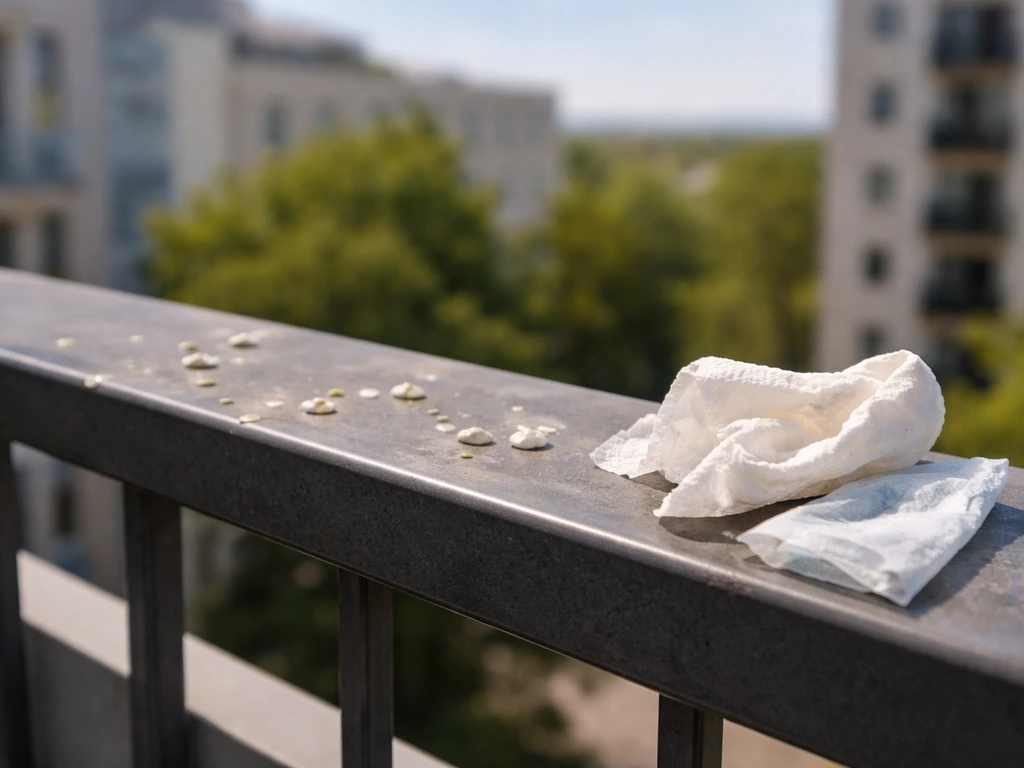
Sometimes, but do it to reduce airborne spread. Prefer wetting with a gentle spray before removal, then wipe up, and avoid pressure washing that can aerosolize material. Keep people and pets away, and wash hands afterward. If you see a heavy buildup that turns into visible dust, treat it as an inhalation risk and use HEPA vacuuming rather than hosing.
Are pigeon droppings and other wild bird droppings treated the same as pet bird droppings?
Inhalation and hygiene principles are similar, but the exposure patterns differ. Wild bird droppings are often found as outdoor accumulations on ledges and roofs, while pet bird droppings can be present continuously indoors, increasing repeated exposure. In both cases, avoid disturbing dried material and use eye protection during cleanup if splashing is possible.
What if I’m immunocompromised, pregnant, or elderly and need to clean droppings, what’s the safest approach?
Avoid DIY cleanup for large or enclosed accumulations. If cleaning is unavoidable, use appropriate respiratory protection (not a simple cloth mask), gloves, eye protection, and wet methods, and ensure good ventilation. Plan for medical advice in advance, because you may need lower exposure thresholds and faster symptom evaluation.
I have asthma or allergies, does bird poop increase my risk of asthma attacks?
It can, mainly through inhalation of airborne particles that trigger inflammation or hypersensitivity. Even if it is not an infection, symptoms like wheezing, shortness of breath, and chest tightness can worsen during cleanup, especially with dried debris. Use your asthma action plan, stop exposure immediately, and seek urgent care if breathing symptoms escalate quickly.
Should I use a regular vacuum with a bag for small amounts of bird poop?
No, not for dried droppings. Regular vacuums can blow fine particles back into the air, increasing inhalation exposure. For any dried accumulation, use a HEPA-filtered industrial vacuum, or better, wet the material and wipe up to prevent it from becoming dust.