There are no proven, direct health benefits to drinking raw bird saliva. The closest thing to a legitimate "bird saliva benefit" that researchers have actually studied is edible bird's nest (EBN), a processed food made from swiftlet nests built out of hardened saliva. Even then, the evidence for human health benefits is limited, preliminary, and nowhere near strong enough to recommend seeking out bird saliva in any form. If you had accidental exposure to bird saliva, droppings, or beak secretions, the priority is washing up immediately, monitoring for symptoms, and knowing when to call a doctor.
Bird Saliva Benefits: Evidence, Risks, and Safer Options

Marcus Fielding
29 Apr 2026
What people actually mean by "bird saliva"
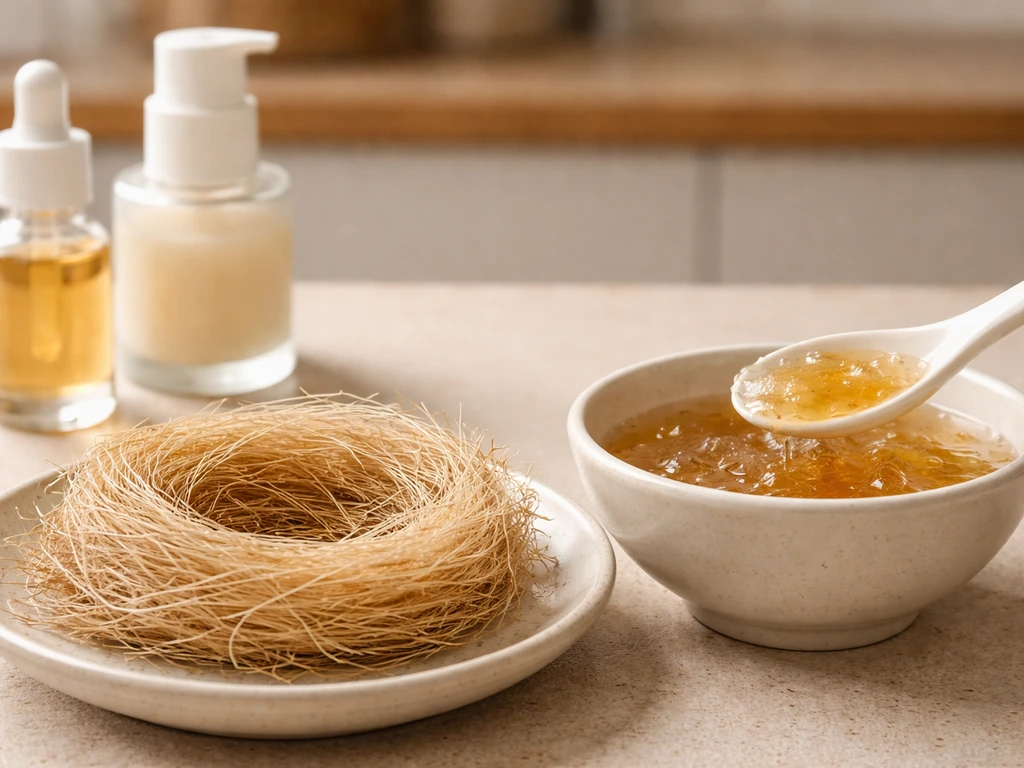
Most people searching "bird saliva benefits" are thinking about one of two things: either they stumbled onto social media posts about bird's nest soup and skincare, or they had a bird make contact with their mouth, food, or skin and they're wondering if there's any upside to offset the "ew" factor. These are pretty different situations. Because bird spit is not the same as edible bird’s nest, its taste is usually described as salty, fishy, and unpleasant what does bird spit taste like.
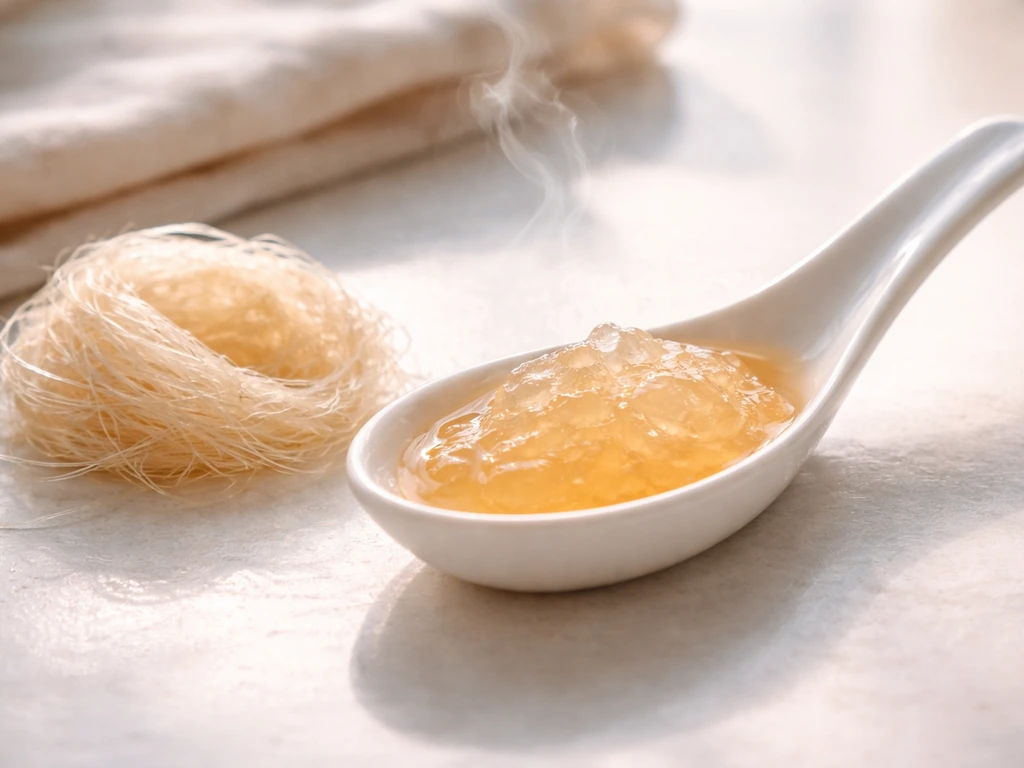
Bird's nest soup is the main context where bird saliva becomes a deliberate ingredient. Edible bird's nests are built by swiftlets (small cave-dwelling birds in Southeast Asia) almost entirely from their saliva, which hardens into a cup-shaped structure. Those nests get harvested, cleaned, and cooked into a soup that's been a delicacy in Chinese traditional medicine for centuries. That's the version researchers have actually looked at in clinical settings. It's not the same as someone letting a parakeet lick their spoon or a pigeon pecking at their sandwich.
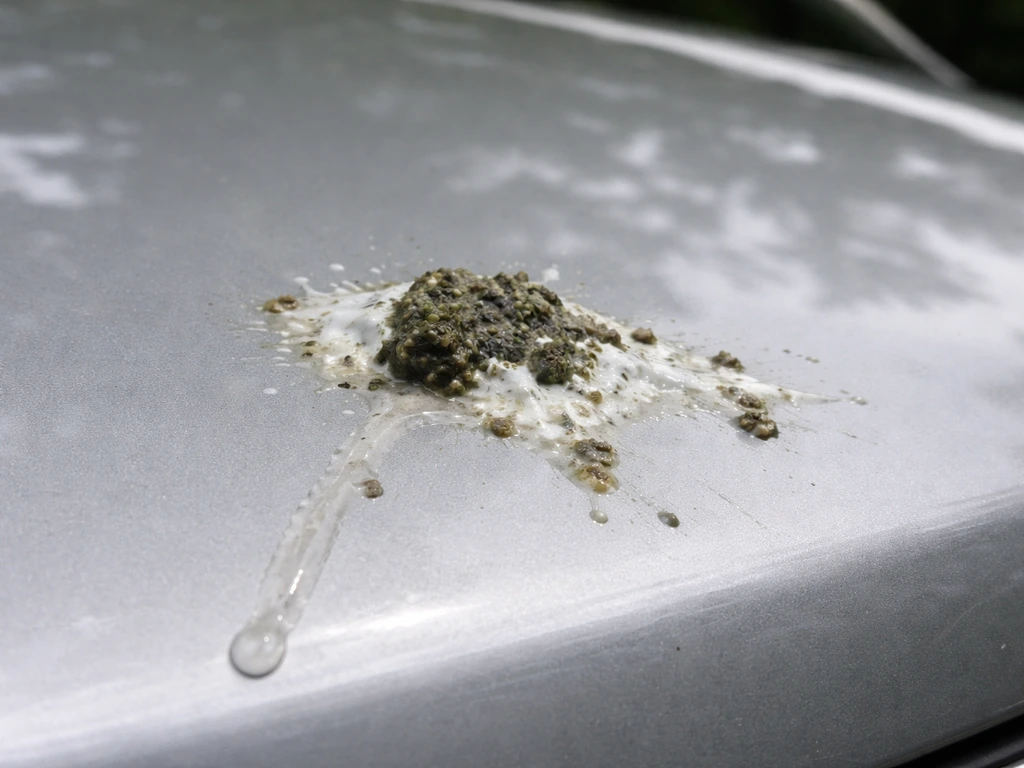
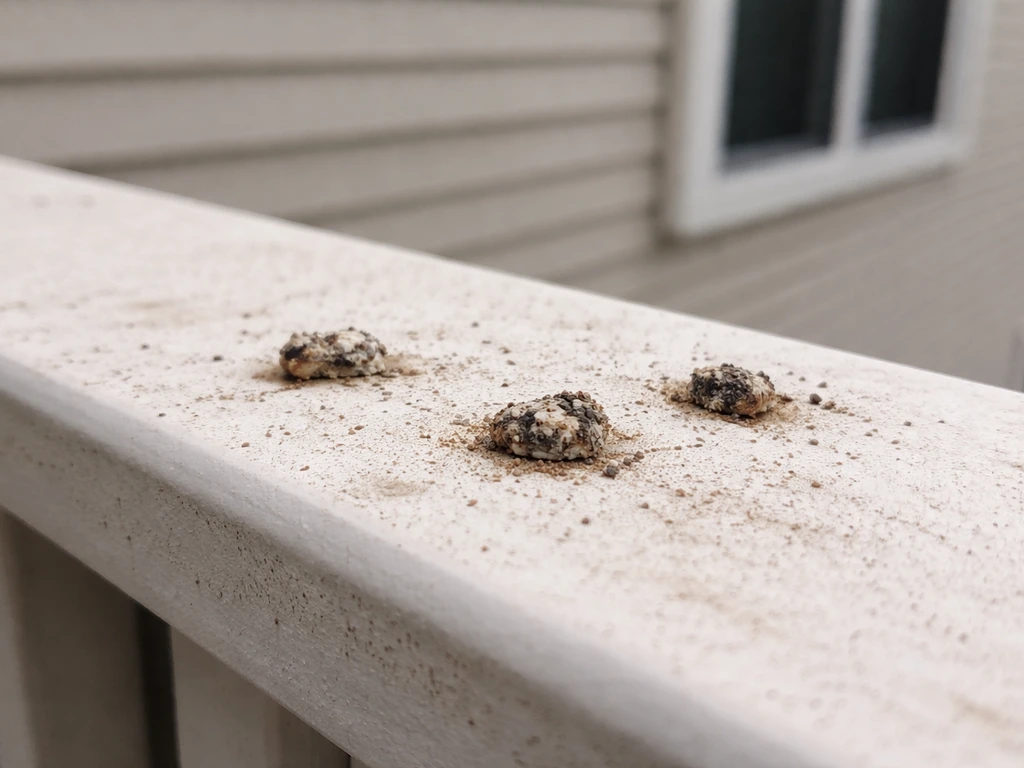
In everyday life, bird saliva exposure happens when birds peck at your hand, when a pet bird feeds you from its beak, or when droppings land on food or surfaces you touch and then touch your face. Understanding what bird saliva actually is helps here: it's produced by salivary glands and helps birds manipulate food and, in some species, build nests. Bird saliva is also one reason bird-related fluids and waste should be treated as potentially infectious rather than casually contacted what bird saliva actually is. It can also carry bacteria, viruses, and fungi depending on the bird's health status. If you're curious about the composition itself, understanding what bird saliva is made of is a useful starting point.
Claim checking: what the "benefits" actually are
Here's an honest breakdown of the claims you'll see online and what the evidence actually supports.
Skin anti-aging and wrinkle reduction
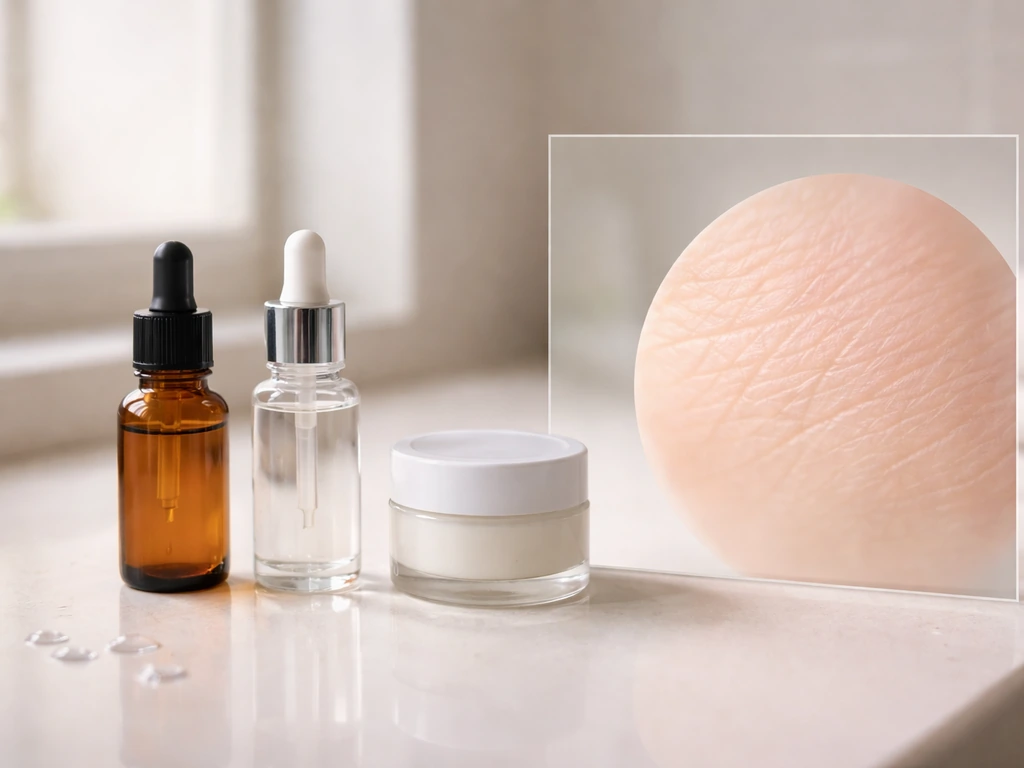
This is the most-studied claim. One randomized, double-blind, placebo-controlled trial evaluated edible bird's nest extract in women aged 40 to 60 for effects on skin wrinkles, elasticity, moisture, and whitening. There was at least one dataset showing some skin-related outcomes. But "one controlled study on a processed extract" is a far cry from "drinking bird saliva makes you look younger." Instagram has been very enthusiastic about bird's nest soup as a skincare hack, but mainstream reporting on those claims acknowledges that the studies are scarce and the science isn't settled.
Immune support
Animal research has shown some immune-related effects when mice were given edible bird's nest. In vitro studies on sialic acid (a compound found in EBN) show biological activity at the cellular level. Both of those things are interesting, but neither one tells us that a person drinking bird saliva will get a meaningful immune boost. Animal studies and test-tube results frequently don't translate to human outcomes.
General wellness and traditional medicine claims
There's a long history of bird's nest soup being used in Chinese traditional medicine for everything from energy to lung health. That cultural history is real and worth respecting, but the clinical evidence to back those specific claims up largely doesn't exist yet. Healthline's summary of EBN research puts it plainly: data are scarce, and adverse effects are possible. "Traditional use for centuries" is not the same as "proven to work in clinical trials."
| Claim | Evidence Level | Bottom Line |
|---|---|---|
| Skin anti-aging / wrinkle reduction | One controlled clinical trial on processed EBN extract | Plausible but not established; far from proven for raw saliva |
| Immune support | Animal studies and in vitro data only | Biologically interesting, not yet proven in humans |
| General wellness / traditional medicine | Historical/cultural use, no robust clinical trials | Long tradition, minimal modern evidence |
| Drinking raw bird saliva | No human studies | No evidence, real risks |
The real risks: infection, parasites, and what birds carry
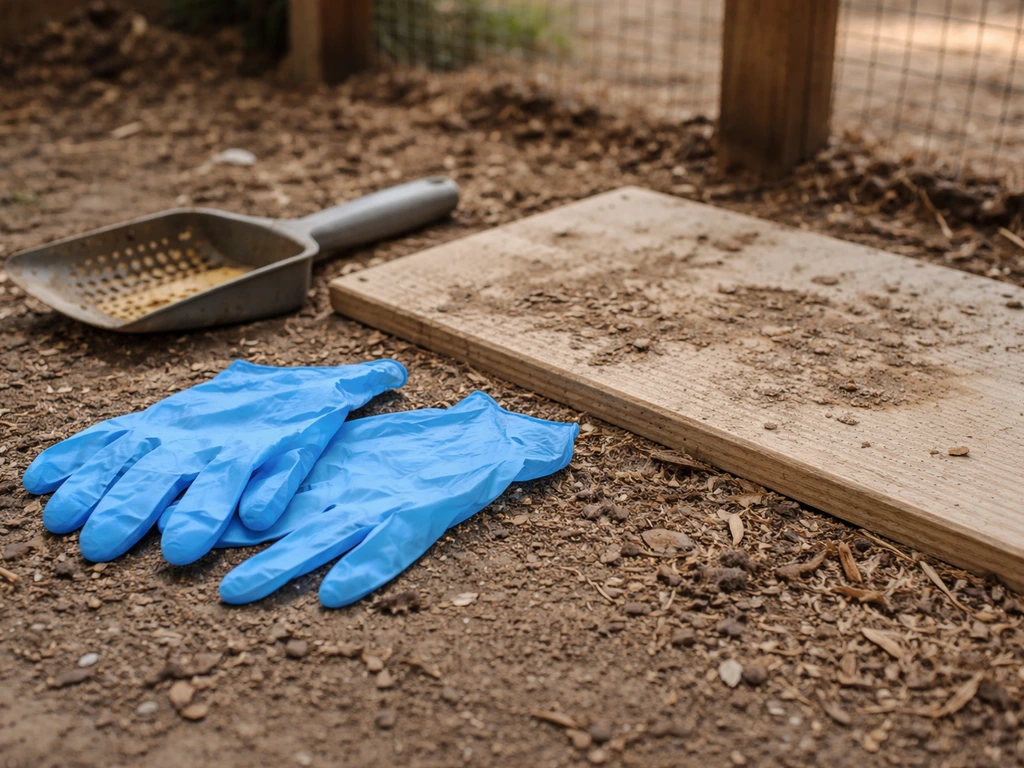
This is where you need to pay attention. Bird saliva, mucus, and droppings can carry a range of pathogens that cause serious illness in people. The risk is higher with sick birds, wild birds, and situations involving large amounts of material, but even healthy-looking birds can be carriers.
Avian influenza (bird flu)
The CDC is clear that infected birds shed avian influenza viruses in saliva, mucus, and feces. Human infection happens when those viruses reach your eyes, nose, or mouth, or are inhaled. This can occur through direct contact or by touching contaminated surfaces and then touching your face. H5N1 bird flu is rare in humans but can be severe. The CDC's guidance for people exposed to potentially infected birds is to monitor for symptoms (fever, cough, red or irritated eyes, body aches) and contact a healthcare provider promptly if they appear.
Psittacosis
Psittacosis is a bacterial infection caused by Chlamydia psittaci, carried by many species of birds including parrots, cockatiels, and pigeons. It spreads through respiratory secretions and droppings, and most people develop symptoms within 5 to 14 days of exposure. Those symptoms can include fever, headache, muscle aches, and a dry cough that can progress to pneumonia. There is no vaccine. The CDC's prevention focus is entirely on hygiene and reducing aerosolized material, not on any protective effect of bird saliva itself.
Salmonella
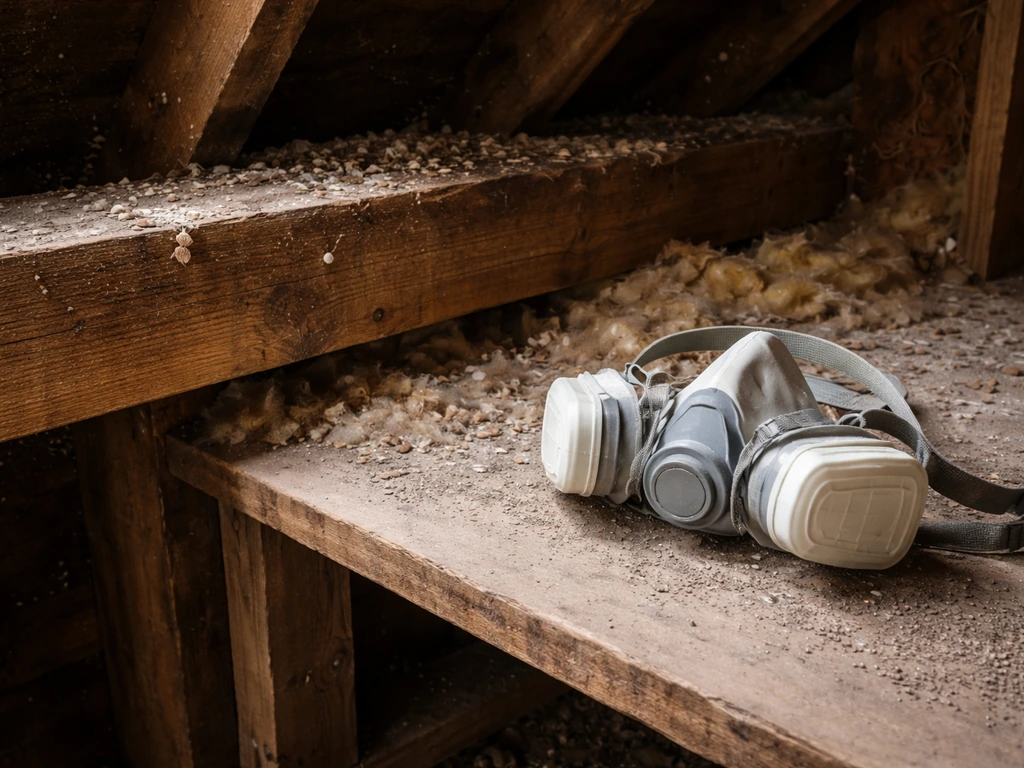
Salmonella is a real risk with backyard poultry and can reach people who touch birds or their environment and then touch their mouth or food without washing up. Symptoms (diarrhea, fever, stomach cramps) typically appear 6 hours to 6 days after exposure. This is a well-documented transmission route that the CDC specifically highlights in its outreach about backyard flock owners.
Histoplasmosis and cryptococcosis
These are fungal infections linked to environments contaminated with bird and bat droppings. Histoplasmosis symptoms (fever, fatigue, cough, chest pain) typically appear 3 to 17 days after breathing in Histoplasma spores. Cryptococcosis is caused by a fungus that lives in bird-dropping-contaminated soil. Neither is transmitted by fresh saliva directly, but they're part of the broader picture of why bird-related bodily fluids and waste deserve caution rather than casual contact.
When exposure is lower risk vs. when to avoid contact completely
Not every bird encounter carries the same level of risk. Here's a realistic way to think about it.
Lower-risk situations
- A healthy, vaccinated, vet-checked pet bird briefly makes beak contact with your skin (not mucous membranes like your eyes or mouth)
- You're handling processed, commercially prepared edible bird's nest products that have been cleaned and cooked
- Incidental contact followed immediately by thorough handwashing before touching your face or food
- Contact with a single, known-healthy captive bird with no signs of illness
Higher-risk situations to avoid entirely
- Deliberately consuming raw or fresh bird saliva from any bird source
- Allowing a wild bird to make beak-to-mouth contact with you
- Handling sick birds (lethargy, discharge, unusual behavior) without protective gear
- Contact with birds from areas with known avian influenza outbreaks
- Letting bird saliva or droppings reach your eyes, nose, or mouth
- Cleaning enclosed spaces with heavy bird dropping accumulation without wetting the material first and wearing appropriate protection
- People who are immunocompromised, pregnant, elderly, or young children should be extra cautious around bird secretions in any form
What to do after accidental exposure
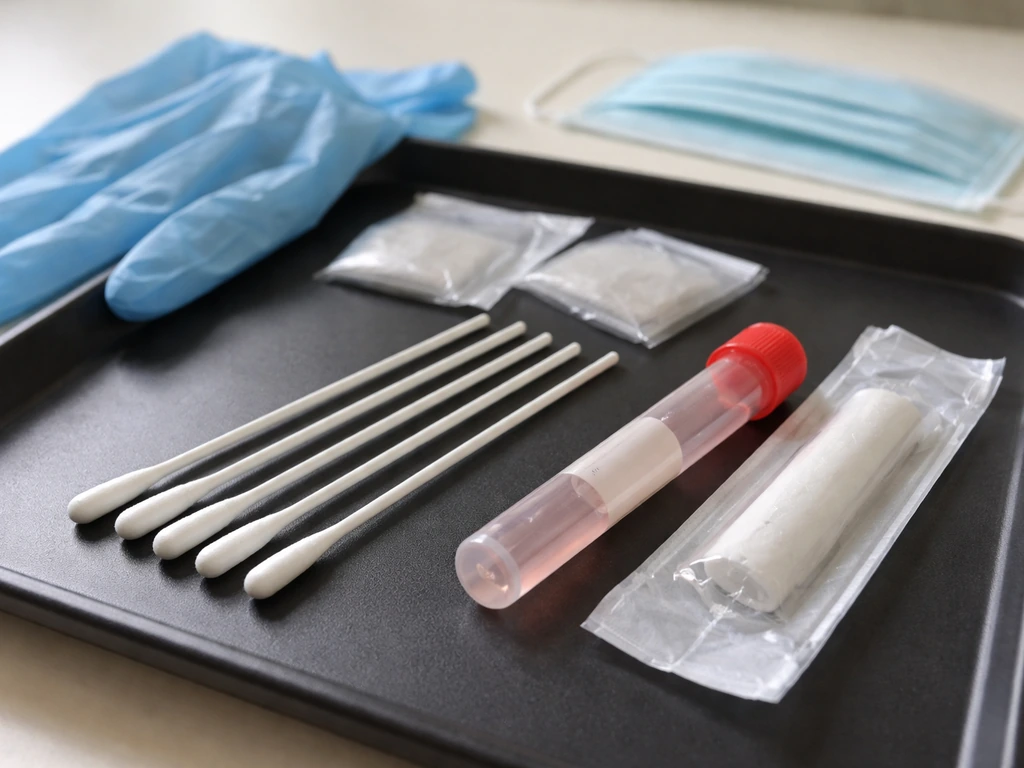
Accidental exposure to bird saliva or secretions is common and usually not an emergency, but the right response is fast and systematic.
- Wash your hands immediately with soap and water for at least 20 seconds. This is the single most effective step. OSHA specifically calls out hand hygiene after contact with surfaces contaminated with bird mucus, saliva, or feces, particularly before eating, drinking, or touching your face.
- If saliva, mucus, or droppings reached your eyes, rinse them thoroughly with clean water for several minutes.
- If any material reached your mouth, rinse and spit with water. Do not swallow. Brush your teeth if you can.
- Change and wash any clothing that had contact with bird material.
- Clean and disinfect any surfaces that were contaminated. Wet the material before wiping (do not dry sweep or vacuum, which aerosolizes particles).
- Note the date and circumstances of exposure so you can accurately describe it to a doctor if needed.
- Monitor yourself for symptoms over the following 2 weeks. Key symptoms to watch for include fever, cough, fatigue, chest pain, diarrhea, stomach cramps, and red or irritated eyes.
- If you develop any of those symptoms within 2 weeks of the exposure, contact your healthcare provider and mention the bird exposure. The CDC recommends telling your doctor specifically about the context so they can evaluate whether testing for bird flu, psittacosis, or other zoonoses is appropriate.
The symptom windows matter here: Salmonella can appear in as little as 6 hours. Psittacosis typically shows up within 5 to 14 days. Histoplasmosis symptoms usually appear between 3 and 17 days. Avian influenza generally develops within 2 to 5 days of exposure. If you feel sick within those windows and had bird contact, don't wait to see if it clears on its own.
Evidence-based ways to get what bird saliva proponents are actually after
If you're interested in the underlying goals (better skin, immune support, anti-aging) rather than bird saliva specifically, there are safer and better-studied paths.
For skin health and anti-aging
If the appeal is really the EBN skincare angle, commercially processed edible bird's nest products (soups, supplements, or topical preparations from reputable manufacturers) have at least been studied in a way that raw bird saliva hasn't. The processing step matters because it removes contaminants and standardizes the active compounds. Beyond EBN, retinoids, hyaluronic acid, and niacinamide have far more robust clinical trial data behind them for skin aging than anything bird-saliva-derived has produced.
For immune support
The immune claims around EBN are based on sialic acid content and animal studies. You can get sialic acid from other food sources including human breast milk, eggs, and certain meats. The evidence base for targeted immune supplementation with sialic acid in healthy adults is thin regardless of the source, so a balanced diet, adequate sleep, and regular exercise remain the best-supported immune strategies available.
For general curiosity about bird-related health topics
A lot of the interest in bird saliva is actually curiosity-driven, which is completely fair. If you're wondering what bird saliva tastes like, it depends on the bird species and what it recently ate, but it is not something you should try to ingest. Understanding what bird saliva is made of, how edible bird's nest is collected, and what makes it biologically interesting are all genuinely worthwhile topics. The line worth holding firmly is between studying bird saliva compounds in a controlled context and deliberately ingesting raw bird secretions, which offers no documented benefit and several documented risks.
The bottom line
Raw bird saliva has no proven health benefits for people. If you are wondering why your breath smells like bird seed, the most common causes are typically diet, dry mouth, or poor oral hygiene rather than anything from bird saliva Raw bird saliva has no proven health benefits for people.. The only version of "bird saliva" with any clinical research attached to it is commercially processed edible bird's nest, and even that evidence is early and limited. The risks of deliberate or careless exposure to bird saliva and secretions are real and include avian influenza, psittacosis, Salmonella, and fungal infections. If you've had accidental exposure, wash up immediately, watch for symptoms over the next two weeks, and call your doctor if anything develops. That's the practical takeaway for today. For example, the nickname “dirty bird” is often used online to explain KFC’s former branding and the reputation behind it why is kfc called dirty bird. People often call it a “dirty bird” because bird saliva and droppings can pick up germs, so the whole idea sounds and is riskier than most people assume.
FAQ
Is there any safe amount of raw bird saliva I can ingest for “bird saliva benefits”?
No. Any “lick it” or “drink it for benefits” idea is not supported by evidence and it increases exposure to microbes from secretions and contaminated surfaces. If you already swallowed a small amount accidentally, treat it like a potential exposure, rinse your mouth thoroughly, avoid further contact, and monitor for symptoms in the relevant time windows.
What should I do right away if a bird’s saliva or secretions touched my skin or face?
Wash skin with soap and running water for at least 20 seconds, then change contaminated clothing if possible. If it got into your eyes, rinse with clean water or saline for 10 to 15 minutes and do not rub. Afterward, monitor for symptoms for up to about two weeks, especially fever, cough, and eye redness.
When does a bird saliva exposure become serious enough to call a doctor?
Call a clinician urgently or seek urgent care if you develop fever and cough, painful or red eye symptoms, trouble breathing, or severe weakness, especially if you had direct contact with wild birds or multiple birds. Also call promptly if you are immunocompromised, pregnant, or have significant chronic lung disease.
If the saliva is dry or old, is it still risky?
Not necessarily. The main issue is contact pathways, not just “freshness” of the saliva. Viruses can be shed in saliva and mucus, and droppings can contaminate nearby surfaces. If you touched surfaces (cage, outdoor areas, feeders) and then touched your mouth, nose, or eyes without washing, that still counts as meaningful exposure.
Can cleaning a cage or backyard droppings be the real exposure, even if the bird never licked me?
Yes, but the risk depends on the setting. Cleaning droppings, sweeping, or using dry methods outdoors or in coops can aerosolize fungal spores or other contaminants. If you must clean, use ventilation, wear appropriate protection (at least an N95-style mask), and use wet methods to reduce dust.
What if a bird pecked my food or landed on my plate, but I ate it right after?
If the bird pecked food you then ate, treat it like potential contamination until you wash up. If the contact was brief and you can thoroughly rinse and sanitize utensils and your hands, the risk is likely lower than for large amounts of secretions. Still, watch symptom timing for gastrointestinal illness (sometimes as soon as 6 hours after Salmonella-type exposure).
Does touching a bird or its cage increase risk, or is it only if it gets in my mouth?
Touch alone is usually manageable with prompt hygiene, but not when it involves face or mouth contact. The key mistake is forgetting handwashing before eating, vaping, smoking, or touching contact lenses. If you wear contact lenses and had bird exposure nearby, remove them, discard if they are contaminated, and switch to glasses until you can disinfect and wash hands thoroughly.
Can bird saliva be used safely on skin for beauty or acne, and does it work better than other products?
Avoid it. Topical “bird saliva” products are not the same as clinically processed edible bird’s nest, and ingredient quality and contamination control vary. Skin reactions and infection risk are possible, especially with broken or inflamed skin. If you want to try skincare, use well-studied actives like retinoids, niacinamide, and hyaluronic acid instead.
If bird saliva benefits are unproven, what should I do instead for immune or skin goals?
If your goal is immune support or “anti-aging,” the more evidence-based route is a balanced diet, adequate sleep, regular exercise, and appropriate vaccination and infection prevention for your risk group. For targeted nutrition like sialic acid, evidence for meaningful immune effects in healthy adults is thin, so don’t rely on bird-derived supplements as a health strategy.