Bird spit, on its own, tastes like almost nothing. Most people who have accidentally gotten bird saliva on their lips or in their mouth describe it as faintly bland, maybe slightly sour or faintly metallic, with an occasional 'off' or musty note depending on what the bird recently ate. It is not dramatic. What makes things more complicated is that what you think is bird spit is often not pure saliva at all. It is usually a mix of saliva, food residue, nasal secretions, or dried droppings, and that mixture is what gives the unpleasant taste or smell most people actually notice.
What Does Bird Spit Taste Like? Safety and Cleanup Guide

Marcus Fielding
1 May 2026
Bird spit vs bird droppings: what you actually touched
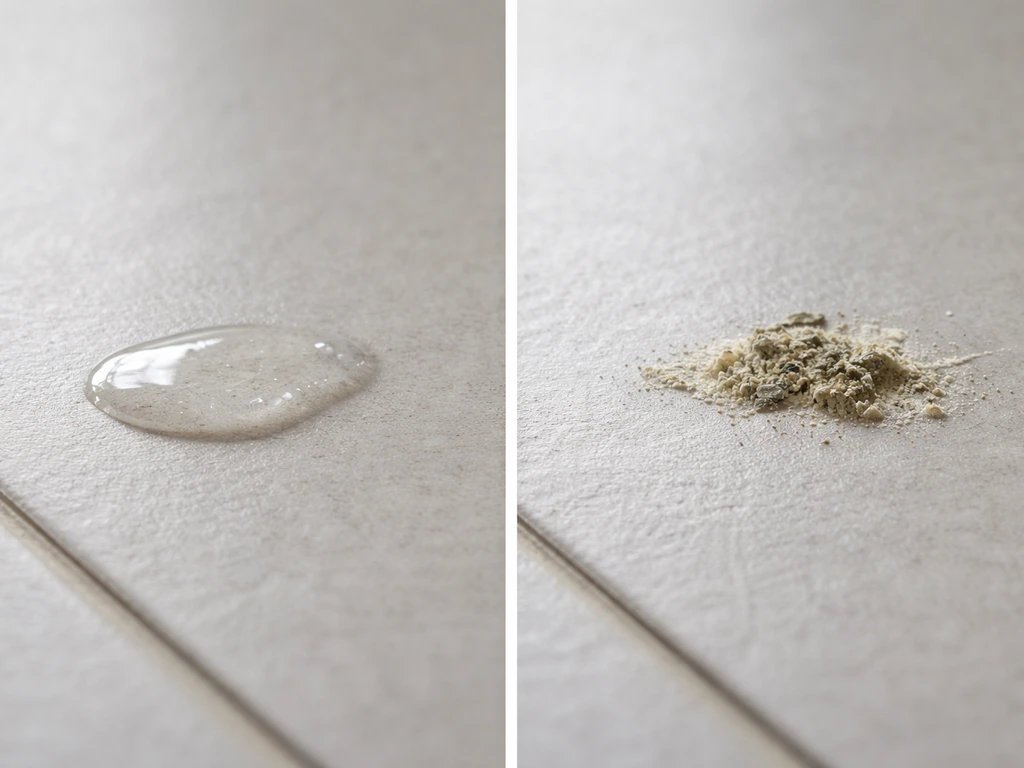
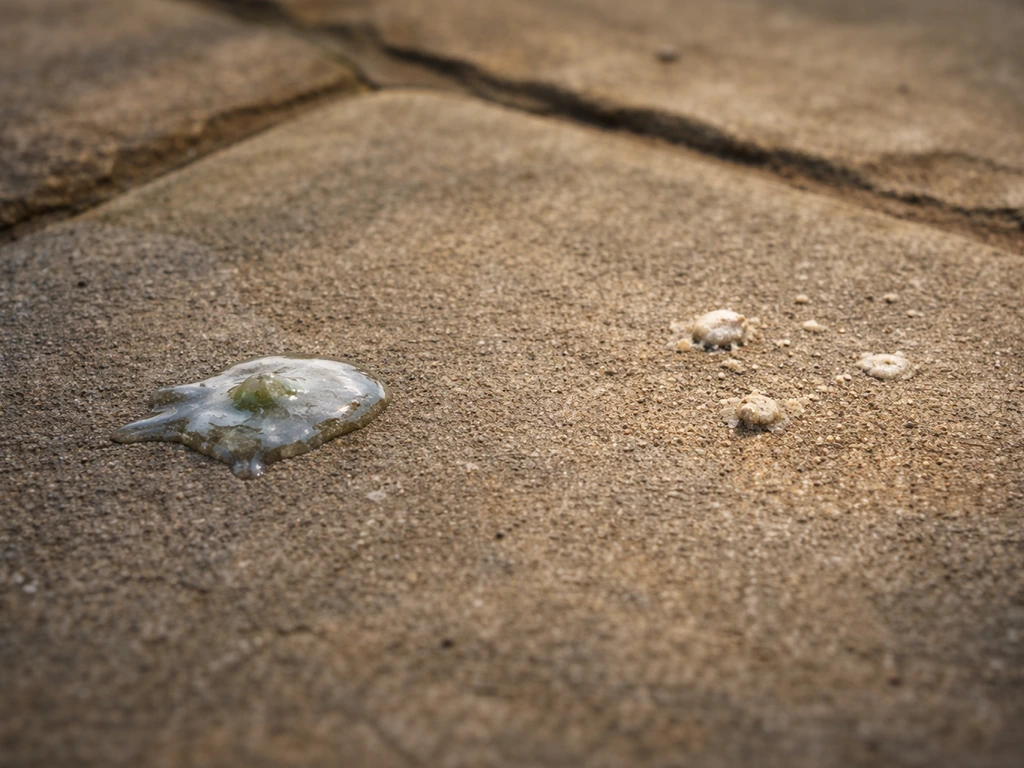
This is the most important thing to sort out first. Birds do not spit in the way humans do. They do not hawk and spit like a baseball player. When bird 'spit' lands on you, it is almost always one of these things: saliva mixed with regurgitated food (common in parent birds feeding chicks), mucus or nasal discharge from a sick or stressed bird, or the wet portion of a fresh dropping.
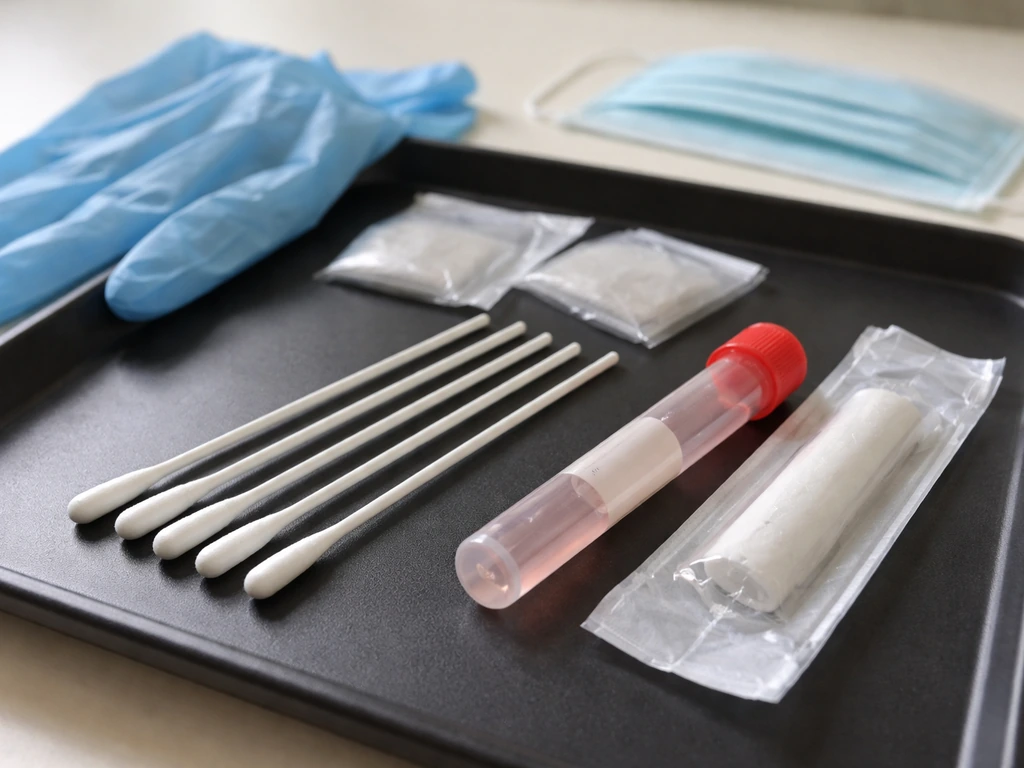
Because bird saliva is collected for research and wildlife care, it is usually obtained with swabs, gentle collection from the beak, or noninvasive sampling methods depending on the species how bird saliva is collected. Bird droppings are actually a combined waste product, urine and feces together, and the white or cream-colored part many people mistake for 'spit' is uric acid, not saliva at all.
If a parrot or pet bird pressed its beak to your face, you got genuine saliva. If something landed on you from a bird flying overhead, you almost certainly got a dropping, not spit. If your bird 'kissed' you and left a wet smear, that is beak-to-skin saliva transfer. The distinction matters because the composition, taste, and health risk are different in each case.
What bird saliva is actually made of
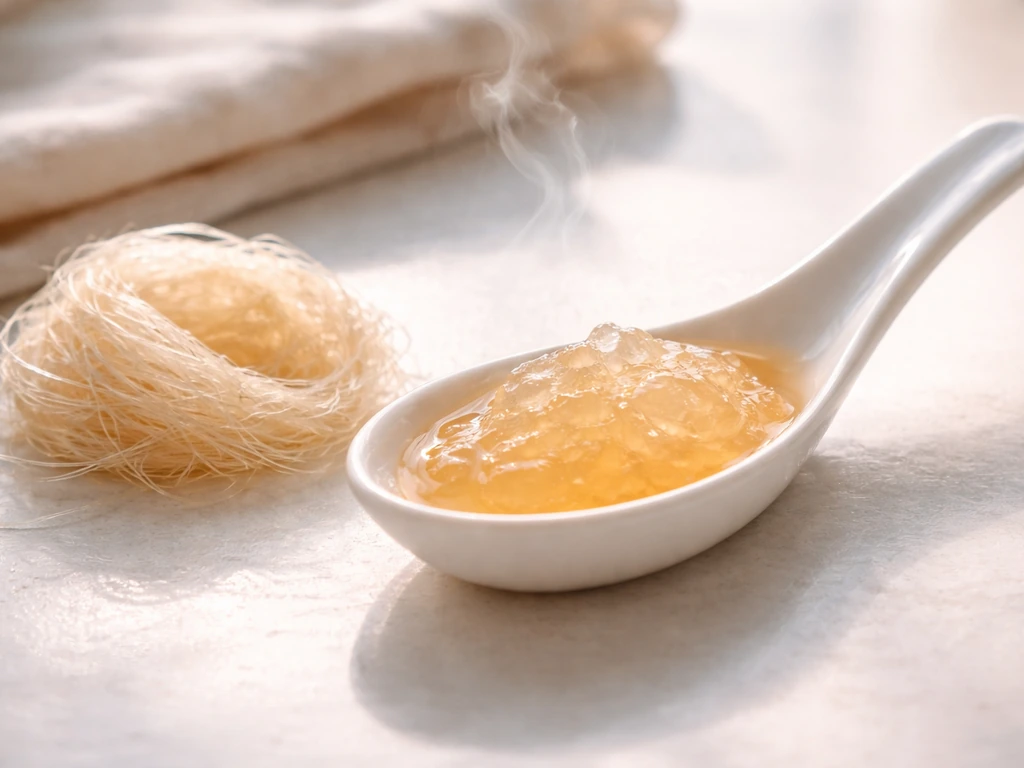
Bird saliva is a watery secretion produced by salivary glands in the mouth and throat. Like mammal saliva, it contains water, enzymes (primarily amylase to start breaking down starches), mucins for lubrication, and small amounts of proteins and electrolytes. In most common birds, the saliva is thin and not particularly abundant since birds rely more on swallowing food whole or tearing it apart than chewing. Some species, like swiftlets, produce thick, sticky saliva that hardens on contact with air to build their nests, and that is the basis of bird's nest soup, a topic worth exploring if you are curious about bird saliva benefits in a culinary or wellness context.
The taste of pure bird saliva varies by species primarily because of diet. A parrot that eats sweet fruit will have saliva that smells faintly sweet or vegetal. A bird that eats insects may have a faintly earthy or mineral taste from proteins in the food. Seed-eating birds often leave a faint grassy or starchy residue. In every case the flavor is subtle because saliva itself has very little taste. When it smells or tastes noticeably bad, something else is mixed in, usually food particles, crop secretions, or contamination from droppings.
What people actually report: taste and smell
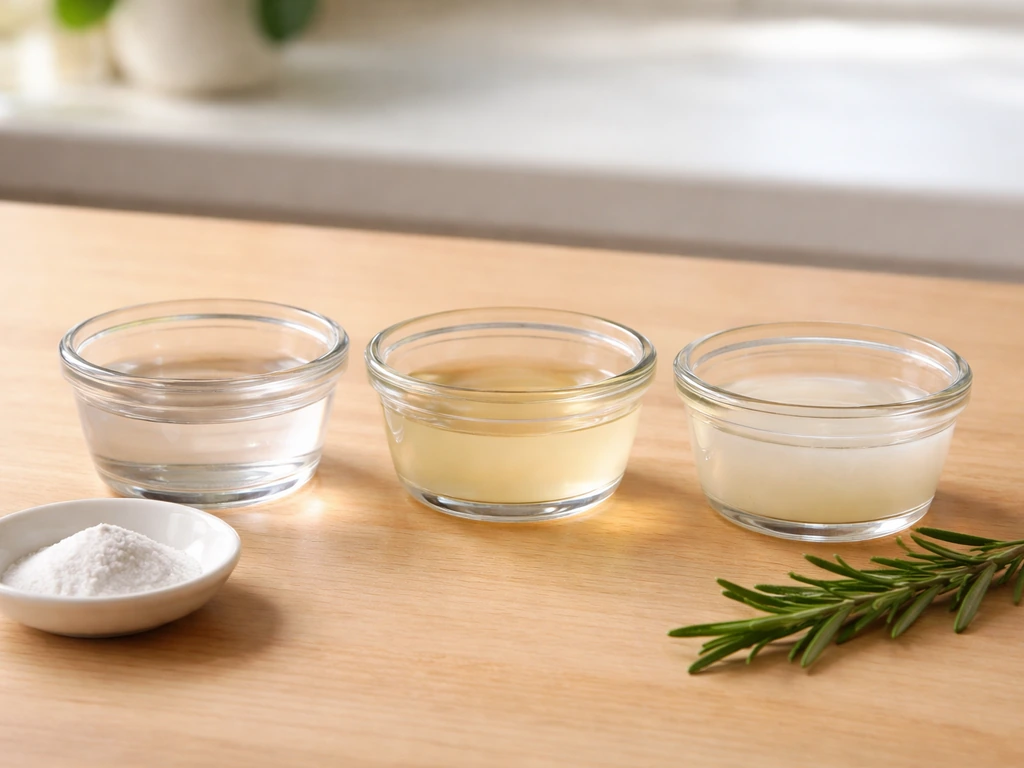
Based on what pet bird owners and researchers commonly describe, here is the realistic flavor spectrum of bird saliva and related secretions:
| What you encountered | Likely taste/smell | Notes |
|---|---|---|
| Pure fresh saliva from a pet bird | Bland to very faintly sour | The bird's diet is the biggest variable |
| Regurgitated food (feeding behavior) | Sour, fermented, slightly acidic | Crop bacteria cause rapid fermentation |
| Fresh droppings (wet portion) | Sharp, ammonia-like, acrid | Uric acid is the main culprit |
| Dried secretion or dried dropping | Musty, dusty, mildly foul | Drying concentrates compounds and bacteria |
| Swiftlet nest saliva (edible species) | Neutral, faintly sweet | Cleaned and processed before consumption |
| Sick bird secretions | More pronounced foul or metallic | Bacterial or viral illness can alter secretions |
If you noticed a sharp ammonia-like or acrid smell, you almost certainly had droppings contact, not saliva. If it was subtle and faintly sour or starchy, that is consistent with genuine saliva or regurgitated food. A musty or dusty smell from dried material on a surface is common with dried secretions and droppings mixed together, and that dried dust form is actually the one that carries the most health risk.
Is bird spit actually dangerous?
For most people in most situations: no, a brief exposure to bird saliva or a small dropping contact is low risk, especially with a healthy pet bird. That said, there are real and well-documented risks you should take seriously.
The CDC identifies psittacosis (also called parrot fever) as a bacterial infection spread mainly by breathing in dust from dried bird secretions or droppings, not typically by direct saliva contact. However, less commonly it can occur through beak-to-mouth contact, which means kissing your parrot on the beak or letting it put its beak in your mouth is a real, if small, risk for transmission. Symptoms include fever, headache, and respiratory illness.
Avian influenza is the higher-profile concern. The CDC states that infected birds shed avian influenza virus in their saliva, mucus, and feces. People can become infected by touching contaminated surfaces and then touching their eyes, nose, or mouth.
OSHA notes that infection can occur through unprotected contact with infected poultry secretions or excretions, such as saliva, mucus, or feces, and through contact with contaminated surfaces followed by touching your eyes, nose, or mouth touching contaminated surfaces followed by touching your eyes, nose, or mouth. The virus can also be present in droplets or dust that deposit in eyes or are inhaled.
This is not a reason to panic about your pet parakeet, but it is a very good reason to wash your hands thoroughly after handling any wild or unknown bird.
Skin contact alone with bird saliva from a healthy bird is very low risk. The real concern is mouth, nose, or eye contact, and inhaling dried secretion dust. If you got bird saliva directly in your mouth or eyes, or you were near a sick or wild bird, the risk level goes up and the steps below matter more.
What to do right now
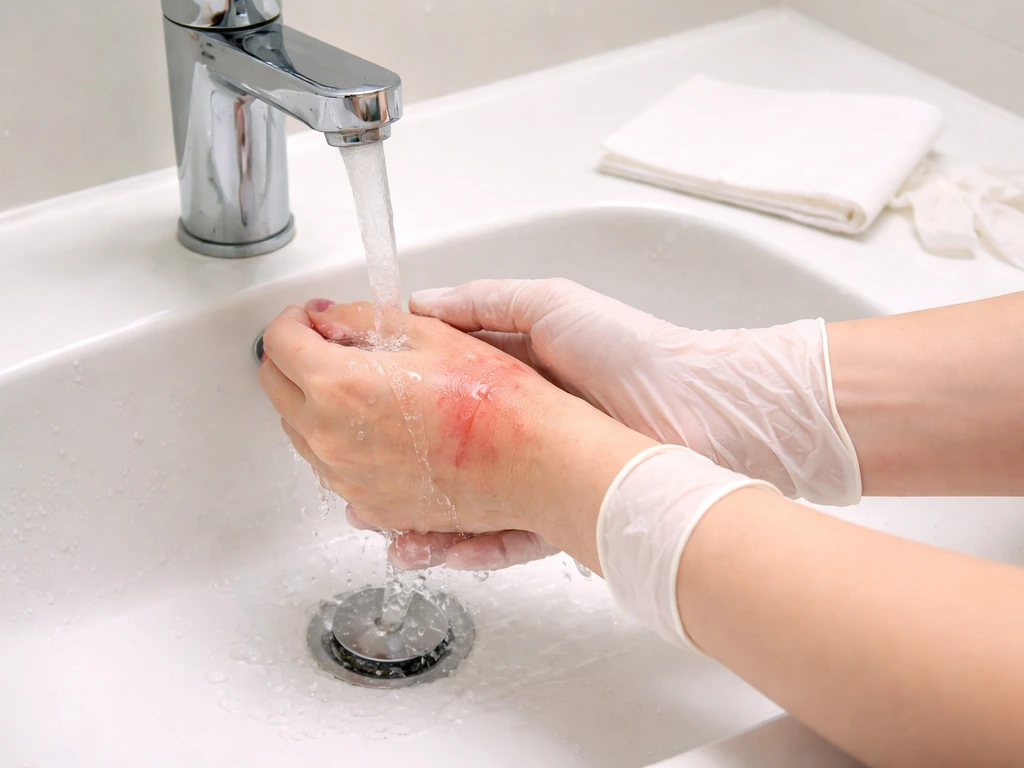
Act within the first few minutes and keep it simple. Here is the practical sequence:
- Do not touch your eyes, nose, or mouth until your hands are clean. This is the most important step.
- Rinse the affected skin area with clean running water for at least 20 seconds.
- Wash with soap and water thoroughly, including under fingernails if your hands were involved.
- If it got in your mouth: spit, rinse your mouth with water several times, and then brush your teeth if you can. Do not swallow water used for rinsing.
- If it got in your eyes: flush immediately with clean water or sterile saline for at least 10 to 15 minutes.
- If it was from a wild bird or a bird of unknown health status, note the date and your symptoms for the next 10 to 14 days.
Seek medical advice if: you develop fever, chills, or respiratory symptoms within two weeks of significant bird secretion exposure; the exposure involved a known sick bird or a bird from an area with an active avian influenza outbreak; the contact was with a large volume of material, especially in your eyes or mouth; or you are immunocompromised, pregnant, or elderly. For a healthy adult who had minor saliva contact with a known healthy pet bird, a thorough wash is almost always enough.
Cleaning bird spit off cars and outdoor surfaces
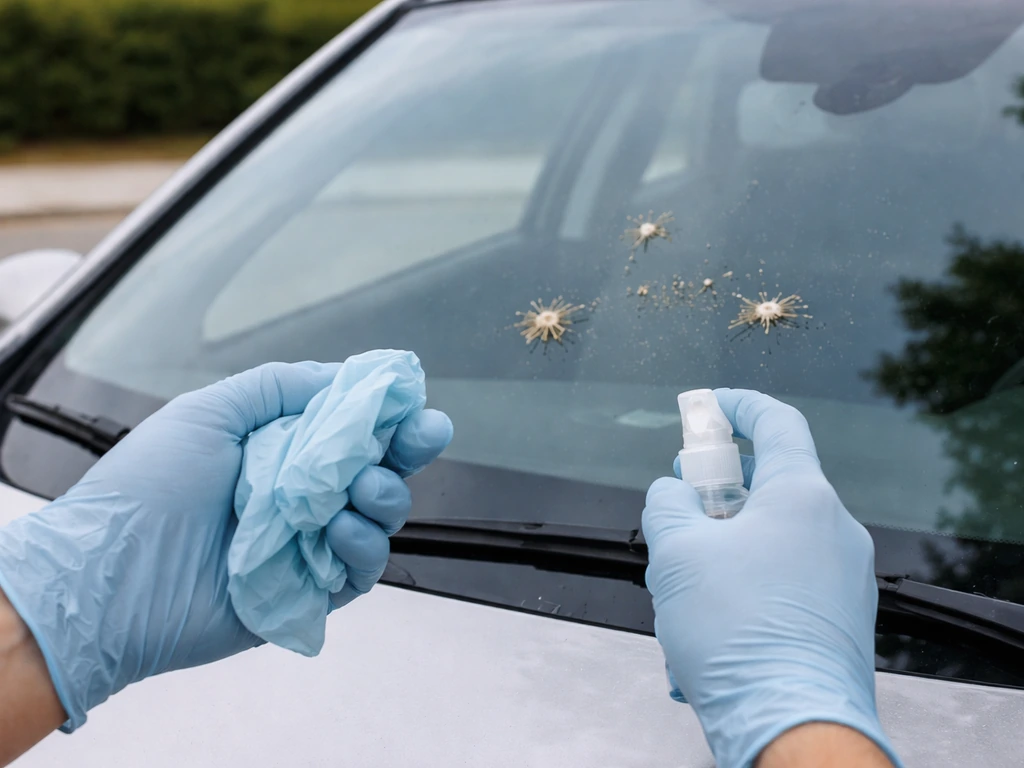
Bird secretions, whether saliva or droppings, are acidic enough to etch car paint if left to dry in sun. On a car, time matters as much as technique. Fresh material is far easier to remove and less damaging than dried residue.
- Soften first: Mist the affected area with water or a quick detailer spray and let it sit for 30 to 60 seconds. Never scrub dry material because it scratches paint.
- Blot, do not wipe: Use a soft microfiber cloth and blot from the outside edge inward. Wiping spreads the material and can scratch the surface.
- Rinse thoroughly: Follow with a rinse of clean water to remove residue completely.
- Disinfect if health is a concern: For patio furniture, outdoor tables, or children's play equipment, follow with a diluted household disinfectant (check label for surface compatibility) or a 1:10 bleach-to-water solution, then rinse again.
- Protect with wax or sealant: On cars, a layer of wax or paint sealant makes future contamination easier to remove and reduces acid etching time.
- Avoid vacuuming dry droppings from surfaces: The CDC advises against using a vacuum on bird droppings because vacuums cannot be disinfected properly and they aerosolize particles. Wet cleaning is always safer.
For pool areas where bird droppings land in the water, the CDC recommends washing your hands thoroughly with soap and water immediately, removing as much of the dropping material as possible without aersolizing it, and then following up with appropriate pool disinfection steps. The same logic applies to bird baths and garden water features: clean wet, disinfect, rinse.
Prevention, good luck myths, and where the line is
You have probably heard that a bird pooping or spitting on you is good luck. If you have heard the term "dirty bird" for chicken, it comes from a long-running myth about what the bird symbolizes rather than anything about actual hygiene why is chicken called the dirty bird. This is a widespread belief across many cultures, and it is a fun one. The practical reality is that it is just a bird doing what birds do, and while there is nothing wrong with laughing it off and pocketing the good omen, the hygiene steps above are still worth doing before you forget entirely. Good luck and washing your hands are not mutually exclusive.
If you have pet birds, the most practical prevention steps are routine and simple. That same nickname connects to the origin of why KFC is called the dirty bird. Wash hands every time after handling a bird, its cage, food dishes, or droppings. The CDC specifically recommends this as a basic precaution.
Do not encourage beak-to-mouth contact, even with a bird you know and trust, because of the psittacosis risk. Keep cages clean and damp-wipe surfaces rather than dry dusting, which sends particles airborne. The CDC MMWR compendium on controlling Chlamydia psittaci (psittacosis) advises using disinfectant or water to reduce dust contamination before sweeping and not using vacuum cleaners because they can aerosolize infectious particles [Keep cages clean and damp-wipe surfaces rather than dry dusting, which sends particles airborne. ](https://www.
cdc. gov/mmwr/preview/mmwrhtml/rr4908a1. htm).
For car owners and patio dwellers, covering vehicles and furniture when not in use is the simplest prevention. Reflective tape, predator decoys, and removing nearby food sources can reduce how often birds congregate on and around your property. If you are interested in how bird secretions are used intentionally in traditional food or wellness contexts (like edible bird nests), that gets into a very different and fascinating side of bird saliva that is worth a separate look. The short version: those applications use carefully cleaned and processed material from healthy birds in controlled conditions, which is a world away from random street exposure.
Bottom line: bird spit tastes like almost nothing if it is genuinely pure saliva, and something noticeably sour or foul if food, crop material, or droppings are mixed in. Wash promptly, avoid touching your face until you do, and treat wild bird exposure with a bit more caution than pet bird exposure. That covers about 95 percent of real-world situations.
FAQ
How can I tell whether what hit my mouth was bird saliva or droppings/regurgitated food?
If you truly tasted pure saliva, it is typically bland and barely flavored. A clearly strong “bad” taste usually means something mixed in, such as dried droppings residue, regurgitated crop food, nasal mucus from a sick bird, or dust formed when the material dried on a surface.
Is smell enough to figure out whether it was saliva, mucus, or droppings?
Do not rely on smell alone. Ammonia or an acrid odor points more toward droppings contact, but a musty or dusty smell can also come from dried mixed residue. The most reliable clue is how the material appeared (wet smear versus dried specks) and the source (bird overhead often means droppings, direct beak-to-skin suggests saliva).
What should I do right after bird secretion gets on my lips, teeth, or face?
If it got on your lips, rinse your mouth with water first, then wash your lips and surrounding skin. Avoid brushing immediately if it is still wet and contaminated, since brushing can spread residue. If it touched your eyes, flush with clean running water or saline for at least several minutes and remove contact lenses if applicable.
Does bird spit exposure change what I should do if I wear contact lenses?
If you are wearing contact lenses, remove them after flushing your eyes with water or saline, then continue flushing. Put the lenses back only after your eyes feel fully clear and you have washed your hands thoroughly, since dried dust can cling to the lenses and be rubbed into the eye.
Is the risk the same if it happens multiple times or in bigger amounts?
Yes. Repeated or high-volume exposure increases risk even if each single event feels minor. Consider extra caution if you regularly feed birds, clean droppings frequently, work near aviaries, or frequently handle birds you do not know well.
Is touching bird saliva on my hands enough, or do I need to worry about airborne dust too?
If a bird pecked or regurgitated onto your skin or hands, wash with soap and water and avoid touching your eyes, nose, or mouth until you are clean. Mouth-to-beak contact or letting a bird get its beak in your mouth is a different situation and is best avoided even with pet birds.
What’s the right way to clean dried bird residue without spreading germs or particles?
When material is already dried on a surface, do not dry-dust it or wipe it with a dry cloth, since that can aerosolize particles. Pre-wet the area, remove residue gently, then clean and disinfect (and rinse if it contacts skin, food, or water).
How should I handle bird spit or droppings in a pool or bird bath area?
If it happened in a pool or bird bath, remove visible material first while minimizing splashing or aerosolization, then follow pool-specific disinfection guidance. For small household water features, drain if practical, clean surfaces, disinfect, and rinse before refilling.
When should I contact a doctor after bird exposure?
For a healthy adult, medical care is usually only needed if symptoms develop. Seek advice promptly if you get fever, chills, or respiratory symptoms within two weeks, especially after exposure to a sick bird, wild bird, a known outbreak area, or significant material in eyes or mouth.
Who should treat exposure as higher risk and be more proactive about medical advice?
Take extra precautions if you are immunocompromised, elderly, pregnant, or if the exposure involved your eyes or mouth, or involved a sick or unknown bird. In those cases, cleaning and avoidance of face-touching should be more strict, and you should consider earlier medical advice even if symptoms are mild.