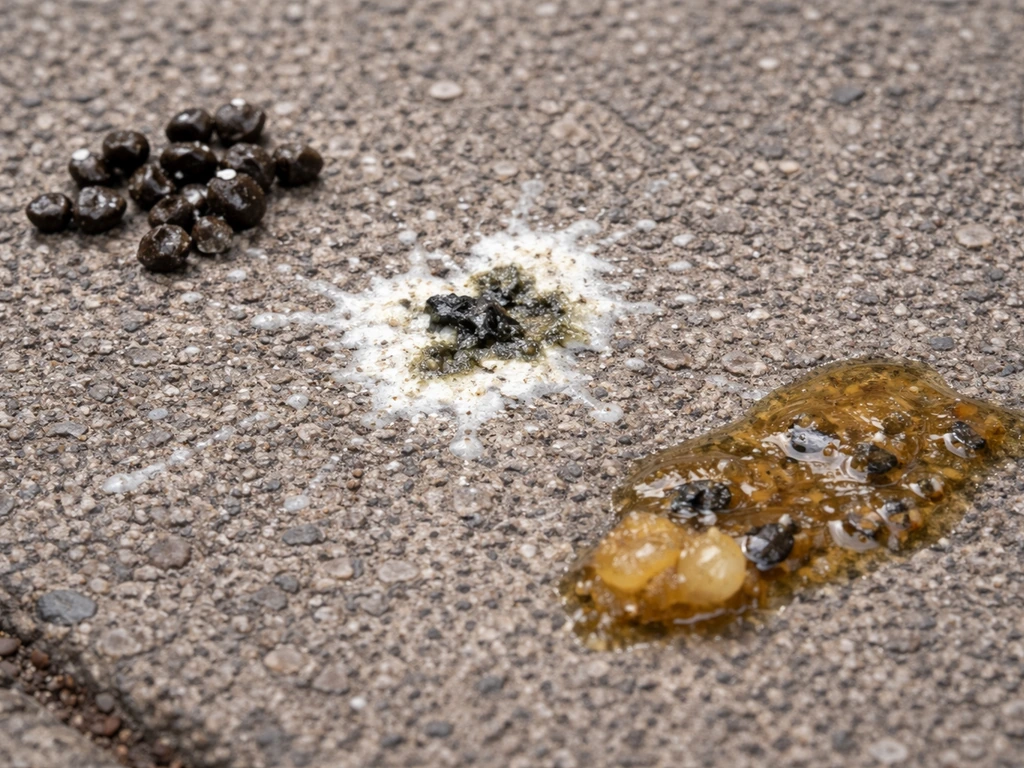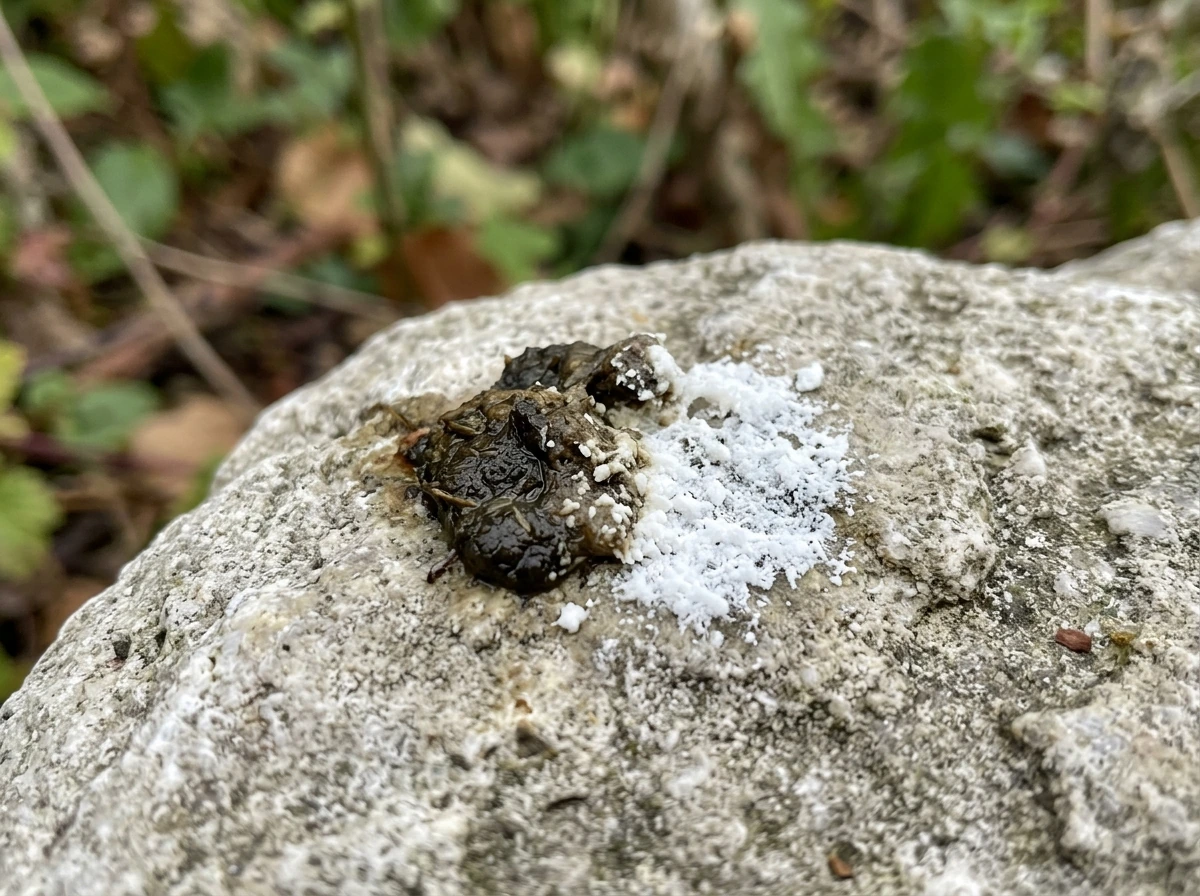
Bird droppings are the combined waste output of a bird's digestive and urinary systems, expelled together through a single opening called the cloaca. Merriam-Webster defines guano as droppings, especially those of birds (often used for large accumulations) Bird droppings are the combined waste output of a bird's digestive and urinary systems.
What Is Bird Droppings? Risks, Cleanup, and Prevention Steps

Marcus Fielding
27 Apr 2026
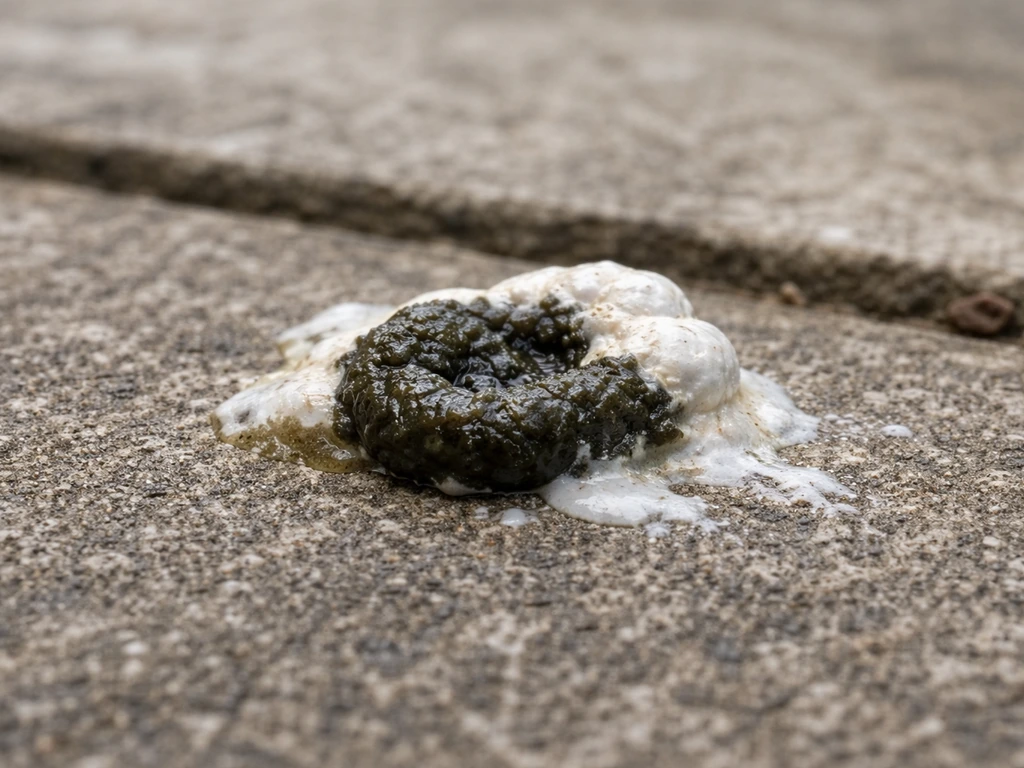
For related context on the white part, note that uric acid salts (urates) form the creamy portion of bird droppings white or cream-colored portion made of uric acid. What you see on your car, jacket, or patio is two things at once: a darker fecal portion (digested food waste) and a white or cream-colored portion made of uric acid, which is how birds excrete nitrogenous waste instead of liquid urine.
For most people, a splat from above is a nuisance. For a small number of situations, especially enclosed spaces with heavy accumulations, it's a genuine health concern worth taking seriously.
What bird droppings are actually made of
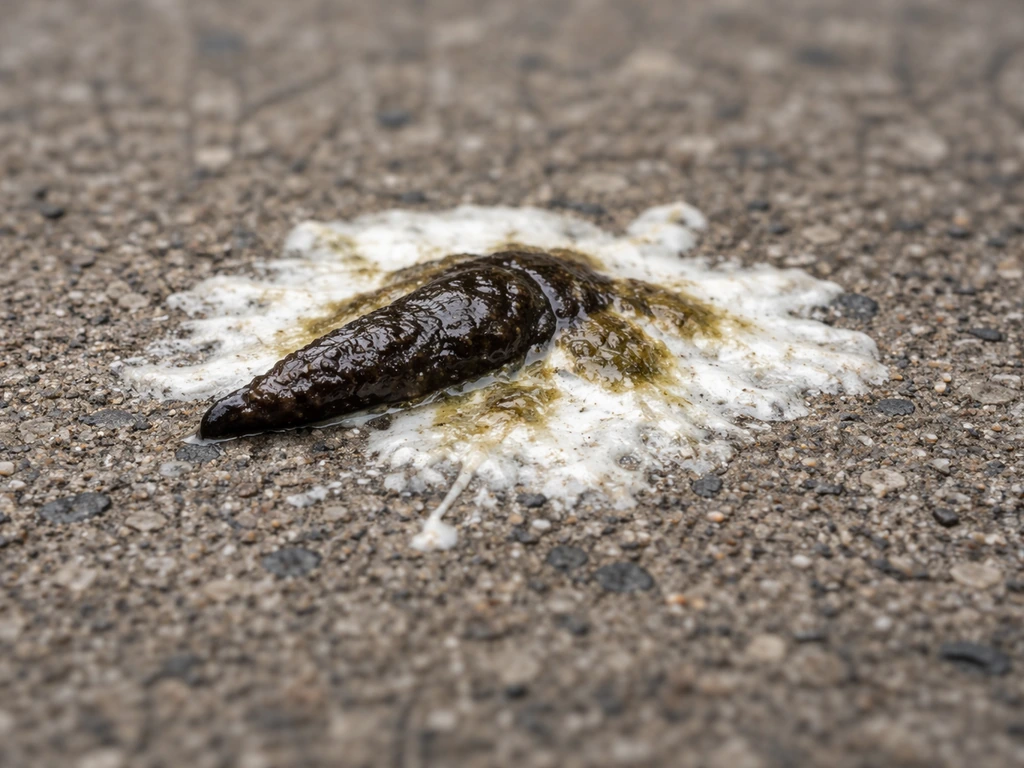
The classic dropping has two visible parts. The darker center is the fecal portion, the byproduct of digestion. The white cap or surround is urates, which are uric acid salts. white cap or surround is urates, which are uric acid salts, closely related to the question of what is the white stuff in bird poop.
Birds don't produce liquid urine the way mammals do. Instead, they convert nitrogenous waste into uric acid, which is far less water-soluble and exits the body as a white paste after water is reabsorbed in the cloaca. That's why bird droppings look the way they do: dark center, white surround. The proportion of each can vary quite a bit depending on the bird's diet, health, and species.
You'll sometimes hear droppings called guano, especially when referring to large accumulations from wild birds (or bats). In everyday language, bird poop, bird droppings, and bird waste all refer to the same thing. Pet bird owners pay attention to the color and consistency of the urate portion specifically, because changes in the off-white or cream-colored urates can be an early sign of illness in a pet bird.
The composition also matters practically. Uric acid is corrosive. On a car's clear coat, it starts etching the paint within 48 hours in warm weather. On stone, concrete, or metal, repeated exposure degrades the surface over time. Fresh droppings are also slippery, which creates a real fall hazard on steps, decks, or rooftops.
Real health risks vs. what's overblown
Bird droppings can carry pathogens, and the main ones worth knowing about are histoplasmosis, psittacosis, and avian influenza. But context matters enormously. A single fresh dropping on your arm from a pigeon flying overhead is a very different situation from cleaning out an attic that's been accumulating starling droppings for three years.
Histoplasmosis
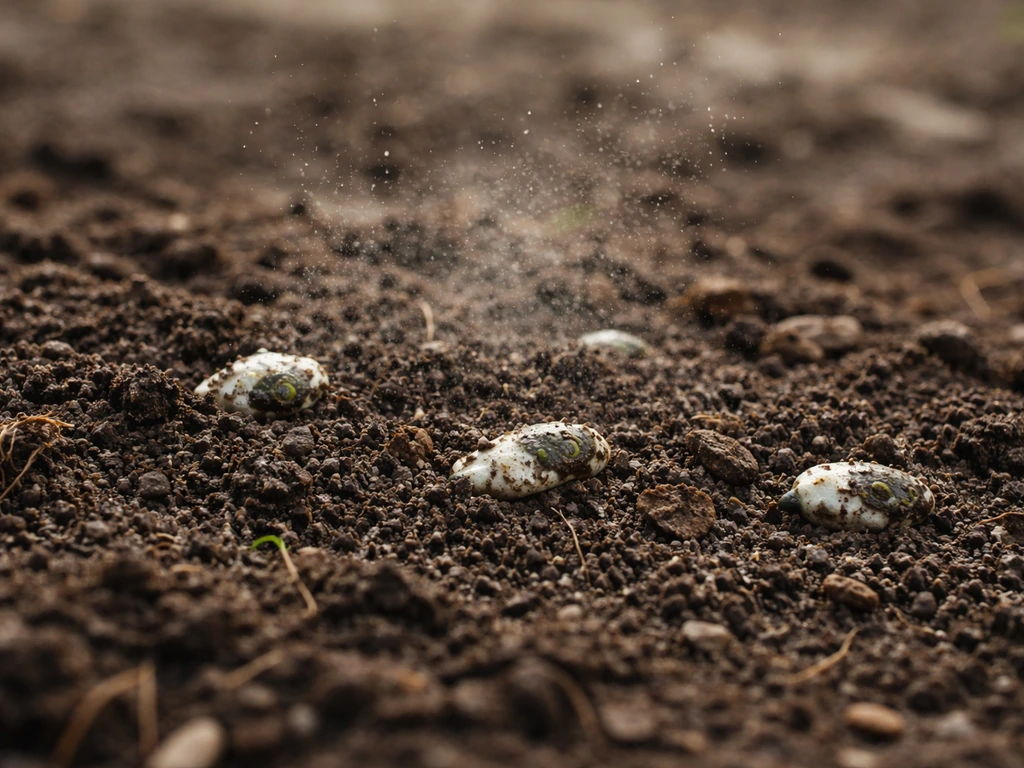
Histoplasmosis is caused by the fungus Histoplasma, which grows in soil enriched by bird or bat droppings. The risk comes from breathing in spores, not from skin contact. This is why disturbance is the danger: shoveling, sweeping, or pressure-washing dry droppings sends spores airborne. Most healthy people who inhale a small number of spores never know it. Larger exposures, or exposure in people with compromised immune systems, can cause a flu-like respiratory illness. The CDC is explicit: large accumulations of bird or bat droppings should be handled by a professional hazardous waste company, not a homeowner with a broom.
Psittacosis
Psittacosis is caused by Chlamydia psittaci, a bacterium shed in droppings and respiratory secretions from infected birds. It's most associated with parrots and other pet birds, but pigeons and other wild birds can carry it too. Again, the transmission route is inhalation of aerosolized dust from dried droppings. The CDC's prevention guidance is direct: don't dry sweep or vacuum bird droppings, because doing so puts infectious dust in the air. Wet the surface first, always.
Avian influenza (bird flu)
H5N1 and other avian influenza strains are a legitimate concern in backyard flock settings or areas with known outbreaks. The CDC's guidance for flock owners specifically warns against stirring up dust or waste during cleanup, for the same reason: you want to avoid aerosolizing anything that could carry virus particles. For most urban or suburban people dealing with wild bird droppings on a car or deck, the risk from bird flu is low, but the cleanup precautions are identical.
What's actually unlikely
Skin contact with fresh droppings, while unpleasant, carries much lower risk than inhalation. Diseases like histoplasmosis and psittacosis are not transmitted through intact skin. The realistic risk from a bird pooping on your hand or shirt is minimal if you wash up promptly. The fear is usually disproportionate to the actual exposure. What you want to avoid is creating dust from dry droppings in an enclosed space with poor ventilation.
Is bird poop dangerous indoors or for your pets?
Indoors, the stakes are higher. Enclosed spaces have less ventilation, so any aerosolized spores or particles stay concentrated near you for longer. If you have droppings inside your home, from a bird that got in through an open window, from a pet bird's cage, or from accumulation in an attic or crawl space, treat the cleanup more carefully than you would an outdoor situation. Keep the area well ventilated, wet the material before touching it, and wear a proper respirator, not just a paper dust mask.
For pet owners, the CDC has flagged that cats and dogs who go outside and contact sick or dead birds, or areas contaminated with their droppings, can potentially be exposed to avian influenza. Dogs that eat droppings (a frustratingly common habit) face a higher exposure risk than those that simply sniff around. If your dog has eaten bird droppings and develops respiratory symptoms or lethargy in a region with a known bird flu outbreak, call your vet. For everyday wild bird droppings with no outbreak context, the risk to pets is low but worth monitoring.
Pet birds are a separate category. If your parrot or cockatiel has droppings that look unusual, especially abnormal urate color or consistency, that's a health flag for the bird itself. When cleaning a pet bird's cage, the CDC specifically recommends wetting surfaces with water or disinfectant before wiping and avoiding dry sweeping entirely.
How to clean up safely right now
The single most important rule: never sweep or vacuum dry bird droppings. That's what turns a harmless cleanup into an inhalation hazard. Everything else follows from there.
Gear you need
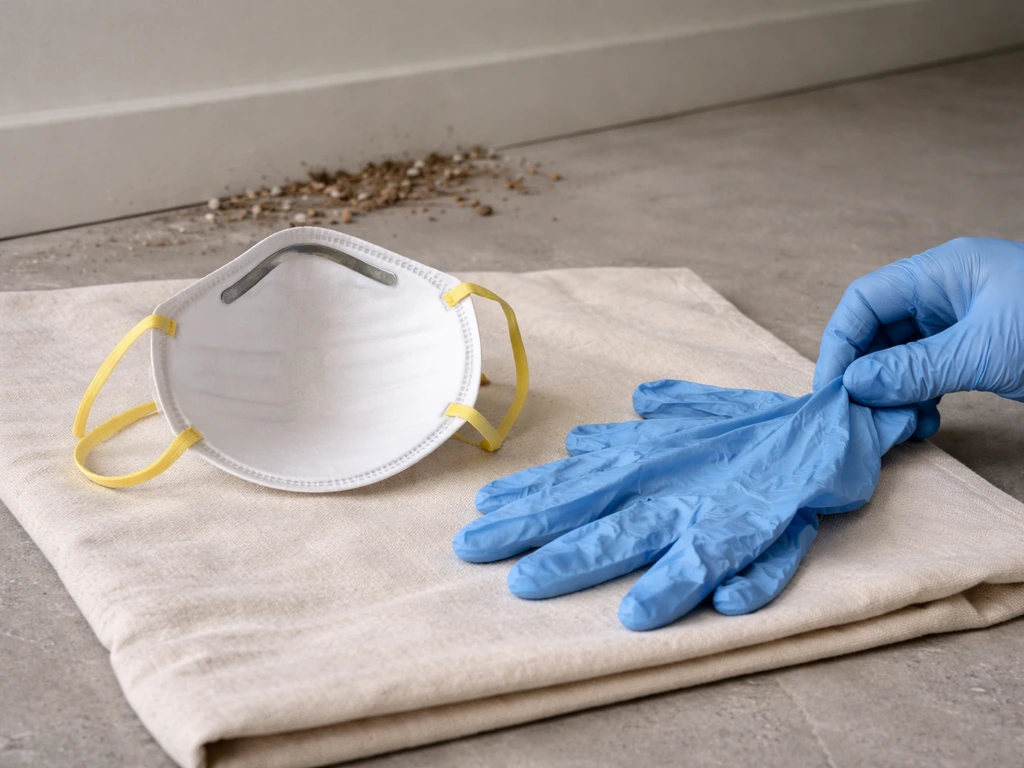
- N95 respirator or higher (not a cloth mask or basic dust mask) — required whenever droppings are dry or you're working in a semi-enclosed space
- Disposable gloves (nitrile preferred)
- Eye protection if there's any risk of splashing
- Old clothes or a disposable Tyvek coverall for large jobs
- Spray bottle with water and a small amount of dish soap, or a commercial disinfectant
- Paper towels or disposable rags
- Sealed plastic bag for disposal
Step-by-step cleanup
- Put on your gloves and respirator before you get close to the droppings.
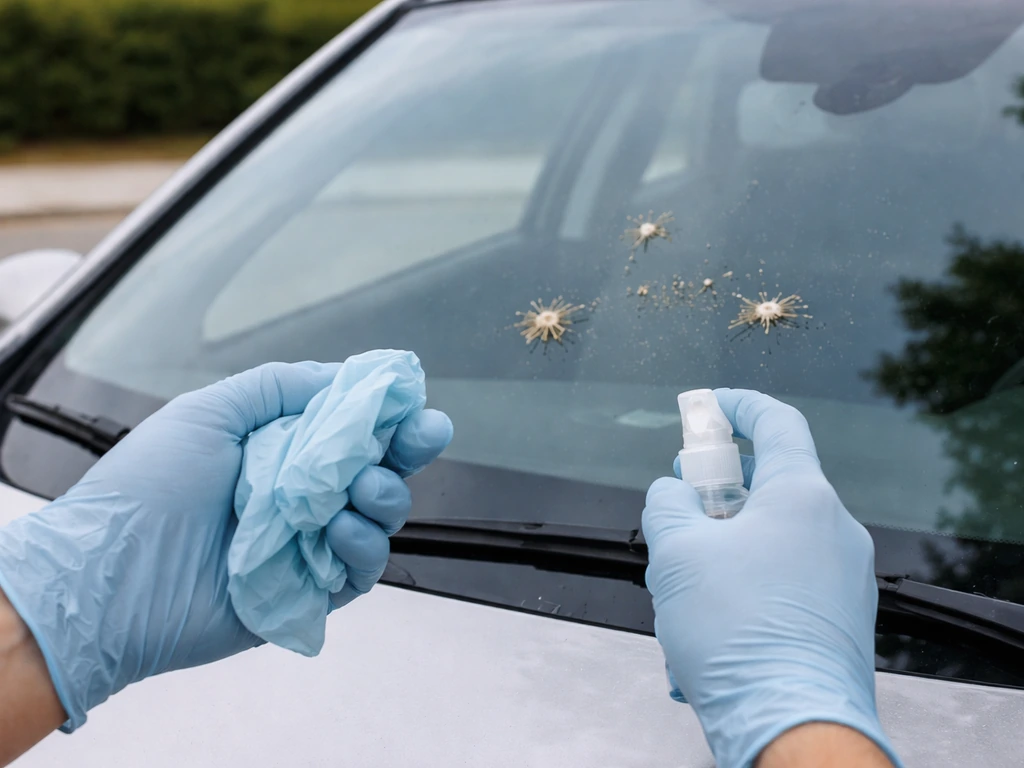
- Spray the droppings thoroughly with soapy water or disinfectant spray. Let it soak for 30 to 60 seconds. The goal is to wet the material completely so no dust can become airborne.
- Wipe or scrape the softened material into a paper towel or disposable rag. Do not sweep.
- Place used materials directly into a sealed plastic bag. Double-bag for larger amounts.
- Spray the surface again with disinfectant and wipe clean.
- Remove your gloves by turning them inside out, bag them too.
- Wash your hands thoroughly with soap and water for at least 20 seconds.
- Wash any clothing that may have been contaminated on a normal hot-water cycle.
For large accumulations, meaning more than what fits comfortably in a couple of paper towels, call a professional. This is especially true in attics, crawl spaces, or anywhere with poor ventilation. The CDC is clear that large amounts of bird or bat droppings warrant professional hazardous waste removal.
Cleaning droppings off specific surfaces
Cars
Get to it fast. Uric acid starts etching clear coat within hours in warm weather. Wet the dropping with a damp cloth or specialized car bird-dropping remover spray and let it soften for a minute. Then blot (don't rub) it off. Rubbing grinds the gritty fecal material into the paint. After removing the bulk of it, wash the area with a proper car soap and inspect for paint damage. If the clear coat is already etched, a paint correction or polish may be needed. Avoid pressure washing directly on fresh droppings on a car: it risks splashback into your face.
Outdoor furniture, patios, and sidewalks
Soak first, remove second. Spray the area with soapy water, let it sit, then wipe or scrape into a bag. For concrete or stone, a stiff brush is fine after the material is fully wet and contained. Rinse with a gentle flow of water. Avoid blasting with a high-pressure hose directly on the dropping, as the CDC notes pressure washing can aerosolize particles.
Windows and balconies
Balcony ledges and window sills often accumulate repeated droppings in the same spots. Use the same wet-wipe method. For glass, a wet paper towel soak followed by a standard glass cleaner works well once the bulk is removed. If you're on a higher floor balcony with significant accumulation, wear your N95 and work with the wind at your back if possible, so any disturbed material blows away from you.
Roofs
Roof accumulations are where homeowners should be most cautious. A heavy buildup of droppings on a flat roof, in gutters, or around rooftop HVAC units represents both a slip hazard and a genuine inhalation risk when disturbed. If the volume is significant, call a professional pest or remediation service. If you're handling a small amount yourself, wear full PPE including an N95, wet everything thoroughly before touching it, and work slowly. Never dry-brush a roof covered in droppings.
How to stop birds from pooping in your space
Prevention is easier and cheaper than repeated cleanups. Birds tend to return to the same spots, especially if those spots offer shelter, warmth, or a good view. Here are the most effective deterrents:
- Bird spikes: metal or plastic spikes installed on ledges, railings, rooflines, and gutters physically prevent birds from landing. They work well for pigeons and larger birds.
- Bird netting: effective for balconies and larger open areas. It blocks access entirely.
- Reflective tape or flash tape: hanging strips of reflective material in problem areas disturbs birds visually. Works better in outdoor windy spots than enclosed areas.
- Fake predators: plastic owls and hawk decoys work temporarily but birds learn quickly. Move them every few days or they become furniture.
- Slope modifications: birds can't land comfortably on steep surfaces. Adding sloped covers to flat ledges removes landing spots.
- Remove food sources: open trash, pet food left outside, and accessible water all attract birds. Removing these reduces how much time birds spend in your area.
- Car covers: the simplest fix for a car parked under a favorite perch is a fitted car cover.
When to worry and what to do after exposure
Droppings on skin, eyes, or clothes
If you get fresh droppings on your skin, wash the area with soap and water immediately and thoroughly. There's no need to panic: intact skin is not a significant route of transmission for histoplasmosis or psittacosis. If it gets in your eyes, rinse with clean water for several minutes. If you were cleaning and got a splash of wetted material in your eyes or mouth, that's more concerning and worth a call to your doctor to describe the situation, especially if you were in an enclosed space with a large accumulation.
After cleaning in an enclosed space
If you cleaned droppings in a poorly ventilated space without proper PPE, monitor yourself for flu-like symptoms over the following one to two weeks. Histoplasmosis symptoms, if they develop, typically include fever, fatigue, and respiratory symptoms. Psittacosis can present similarly. If symptoms appear, tell your doctor what you were doing and where, because these infections are treatable but require the right diagnosis and early treatment. The CDC's psittacosis compendium notes that early and specific treatment matters when exposure is followed by respiratory illness.
When to call a professional
- Any accumulation larger than a square foot in an enclosed or semi-enclosed space (attic, crawl space, air shaft, rooftop unit)
- Droppings near HVAC intakes, ductwork, or ventilation systems
- Visible mold-like growth associated with the droppings
- Droppings in a space used by immunocompromised individuals, infants, or elderly people
- Any situation where you are not confident you can wet and contain the material without creating dust
The good luck thing: what it means and how to think about it
The belief that bird droppings bring good luck is genuinely widespread across many cultures. In some European and North American folklore, getting pooped on by a bird is considered a sign of incoming fortune, the logic being something like: the odds are so slim, it must be fate. There are similar beliefs in parts of Russia and Turkey. People who've been hit and then won the lottery or landed a big deal that same day swear by it.
Is there any evidence for it? No, not in the way that matters scientifically. It's a classic example of confirmation bias: the times you got hit and nothing special happened don't make it into the story. But that doesn't mean the belief is worthless. If it reframes an annoying moment into a positive one and helps you laugh it off before you go wash your jacket, that's genuinely useful. Superstitions that make people feel better and don't cause harm are fine.
Where it would cause harm is if belief in good luck made someone skip washing off the droppings or delay cleaning up a large accumulation on their roof. The public health reality, well established by the CDC and city health departments, is that breathing the dust from bird droppings in enclosed or high-accumulation settings carries measurable risk. You can believe in the luck and still wear the gloves. In fact, maybe that's the move: accept the omen, then clean it up properly.
FAQ
Is “bird droppings” the same thing as “guano,” and does that change the health risk?
In everyday use, guano and bird droppings refer to the same waste, but guano usually implies larger accumulations (often from wild birds or bats). Larger buildup generally means more material and more airborne particles if disturbed, so the cleanup should be treated more cautiously, especially indoors or in poorly ventilated areas.
What if the droppings are old or dried out, is it still hazardous?
Yes. Dry material is more likely to create dust when disturbed, which increases inhalation risk for pathogens associated with dried droppings. The safest approach is the same rule as fresh cleanup: keep it wet, avoid sweeping or vacuuming, and use appropriate PPE if there is more than a small amount.
Can I use bleach or disinfectant, or will it make things more dangerous?
Disinfectants can help after you remove the bulk, but they do not replace the core safety step of wetting first to prevent dust. Also, avoid mixing household chemicals (for example bleach with other cleaners). For car and many surfaces, a car-safe soap and water cleanup is often better than harsh chemicals unless the surface manufacturer recommends something specific.
What should I do if I already cleaned up by sweeping or pressure-washing and I’m worried?
If it was a small, outdoor incident, the risk is usually low, but avoid further disturbance and keep the area damp if you need to re-clean. If it happened indoors, in an enclosed space, or with a lot of material, consider contacting a clinician for advice, especially if you develop flu-like respiratory symptoms over the following 1 to 2 weeks.
What’s the difference between a paper dust mask and a respirator for droppings cleanup?
A basic paper dust mask is not reliable for preventing inhalation of fine particles and aerosols from dried contaminated material. Use a properly fitted respirator as recommended in the article’s PPE guidance, particularly for indoor cleanup or roof and attic situations with significant buildup.
How do I clean bird droppings off clothing without spreading contamination?
Keep the fabric damp while removing it, blot rather than rub, and bag soiled items if you need to transport them. Wash promptly with detergent. If the fabric is delicate, rinse gently with water first, then blot and launder, and avoid shaking the clothing dry to prevent dust clouds.
Is skin contact really low risk, and do I still need gloves?
Intact skin contact is generally lower risk than inhalation, but you may still want gloves because droppings are corrosive and unpleasant, and you can accidentally touch your face or eyes. Gloves are also practical for preventing irritation and for keeping your cleanup method consistent, especially when dealing with older, dried material.
What should I do if bird droppings got into my eyes or mouth?
Rinse eyes with clean water for several minutes and avoid rubbing. If material splashed into your mouth, rinse thoroughly. In an enclosed space or with a large accumulation, it’s reasonable to call a doctor and describe what happened so they can advise based on potential inhalation or exposure routes.
How can I tell if a pet bird’s droppings are a health concern?
Watch for changes in the urate portion, including unusual off-white to colored urates, thick paste that looks markedly different than usual, or a shift in consistency over multiple droppings. If the bird’s droppings look abnormal, treat it as a symptom for the bird itself and follow up with a veterinarian rather than focusing only on cage cleaning.
Do cats and dogs get sick from bird droppings, and what symptoms mean I should call the vet?
Pets can be exposed if they contact contaminated areas or lick paws after sniffing or eating droppings. For dogs that eat droppings, exposure can be higher. Call your vet promptly if your pet develops respiratory symptoms, lethargy, or any sudden illness, and mention possible contact with bird droppings and your local bird flu outbreak status.
Is there a safe way to remove droppings from a car without damaging paint?
Yes. Wet the droppings first, let them soften briefly, then blot and remove the bulk gently. Rubbing can grind grit into the clear coat, and uric acid can etch quickly in warm weather. After removal, wash with car soap and inspect for any hazing or etched spots that may need polishing.
When is it time to call a professional rather than handling it myself?
If the amount is more than what fits comfortably in a couple of paper towels, or if it’s in an attic, crawl space, roof area with significant buildup, or any location with poor ventilation, professional hazardous waste or remediation help is the safer choice. The key factor is not only quantity, but how hard it is to prevent dust from becoming airborne.