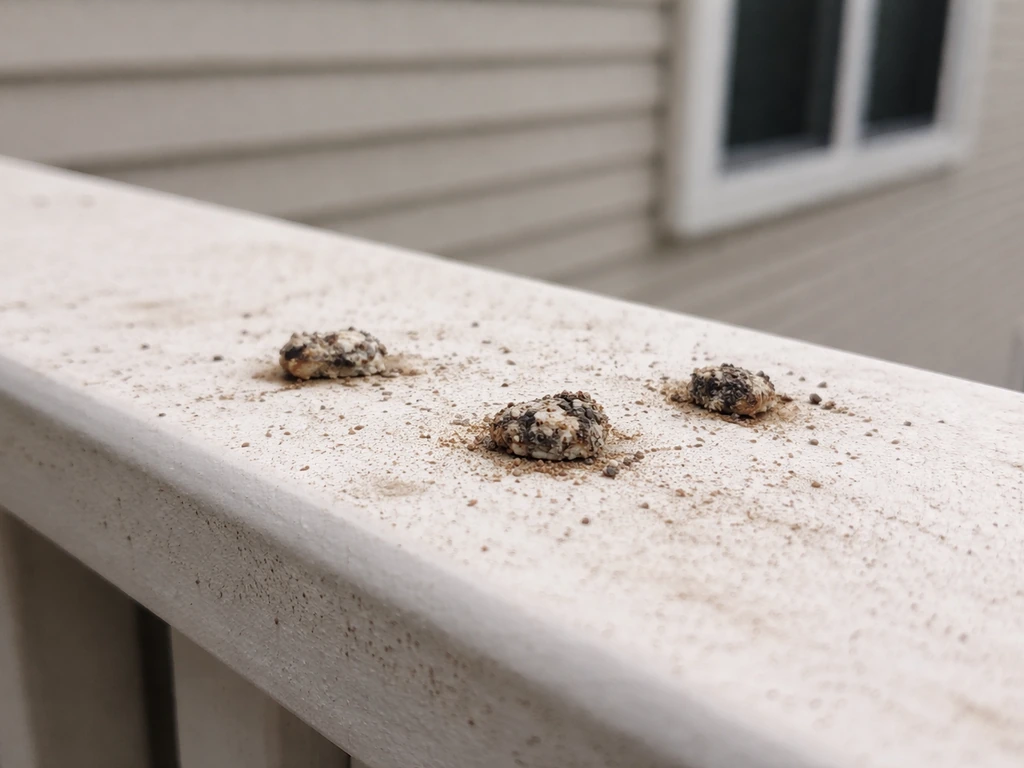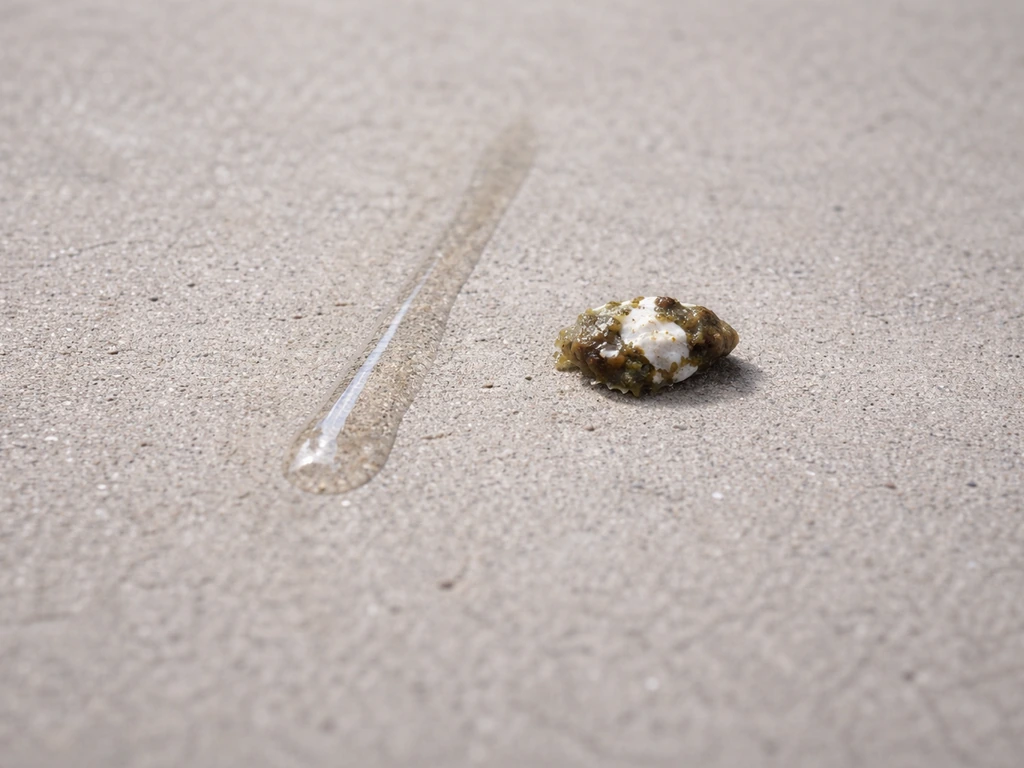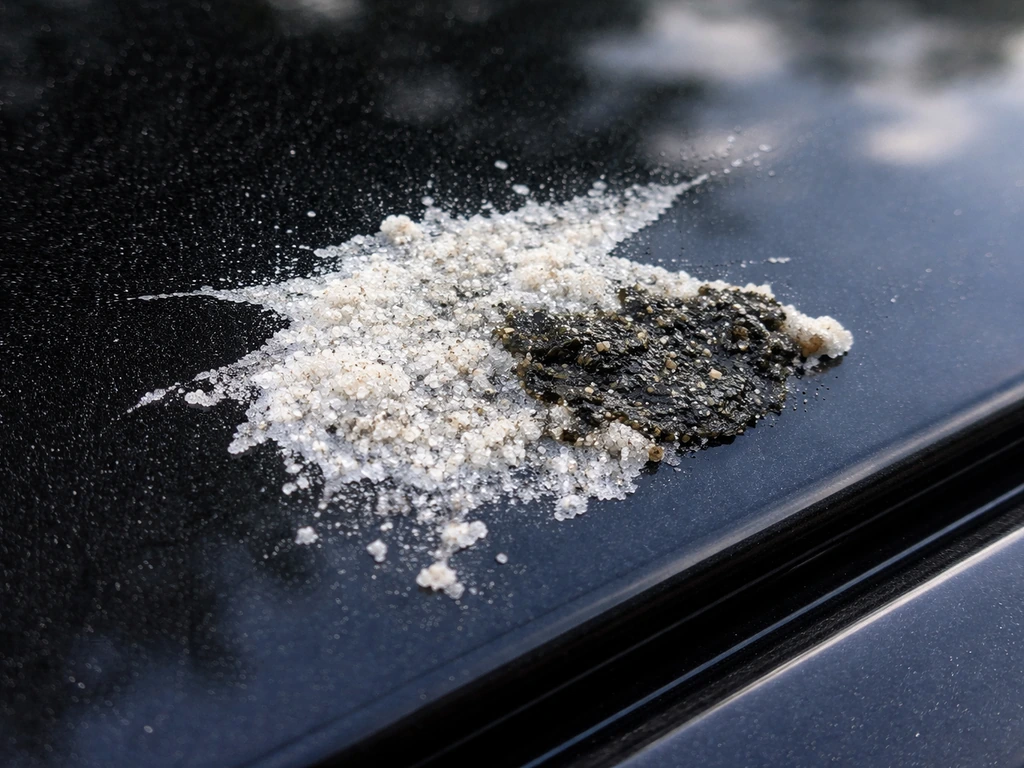
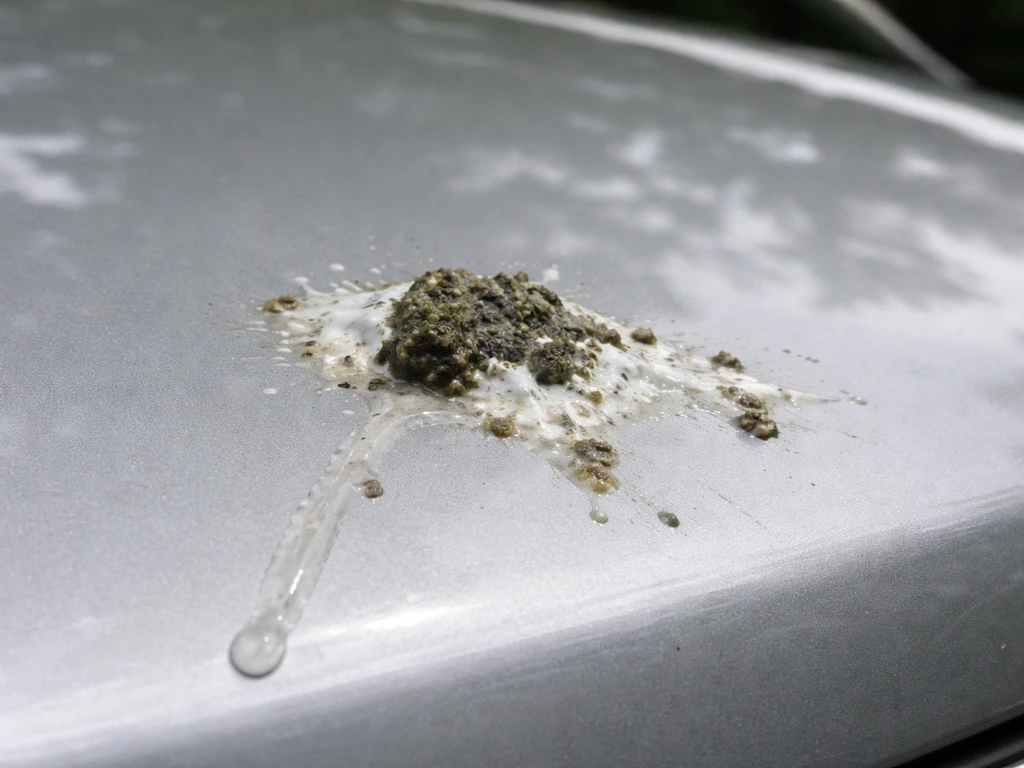
Bird poop is the combined waste product that birds expel in a single deposit: it contains uric acid (the white or cream-colored paste), actual fecal matter (the darker center), and sometimes urine all mixed together, since birds have one exit point called the cloaca. It goes by several names including droppings, guano, and splat, but whatever you call it, it is mildly acidic, can carry pathogens, and starts damaging car paint or skin within minutes if left unaddressed. It goes by several names including droppings, guano, and splat, but if you are specifically asking what is bird guano, that term is used for collected droppings.
What Is Bird Poop? Safety, Health Risks, and Cleanup

Marcus Fielding
26 Apr 2026
What people mean when they ask about bird poop
When someone types "what is bird poop" they usually want one of three things: a plain-language explanation of what the stuff actually is, reassurance about whether it is safe to touch, or a fast cleanup plan. This article covers all three. A smaller group is curious about the cultural angle, specifically the persistent belief that getting hit by bird poop is good luck. That one gets its own section below.
Context matters a lot here. A single splat on your car hood is a cleaning inconvenience. A thick accumulation under a roost on your patio or in an attic is a genuine health hazard requiring proper protective equipment. Knowing which situation you are dealing with changes everything about how you should respond.
What bird droppings are actually made of
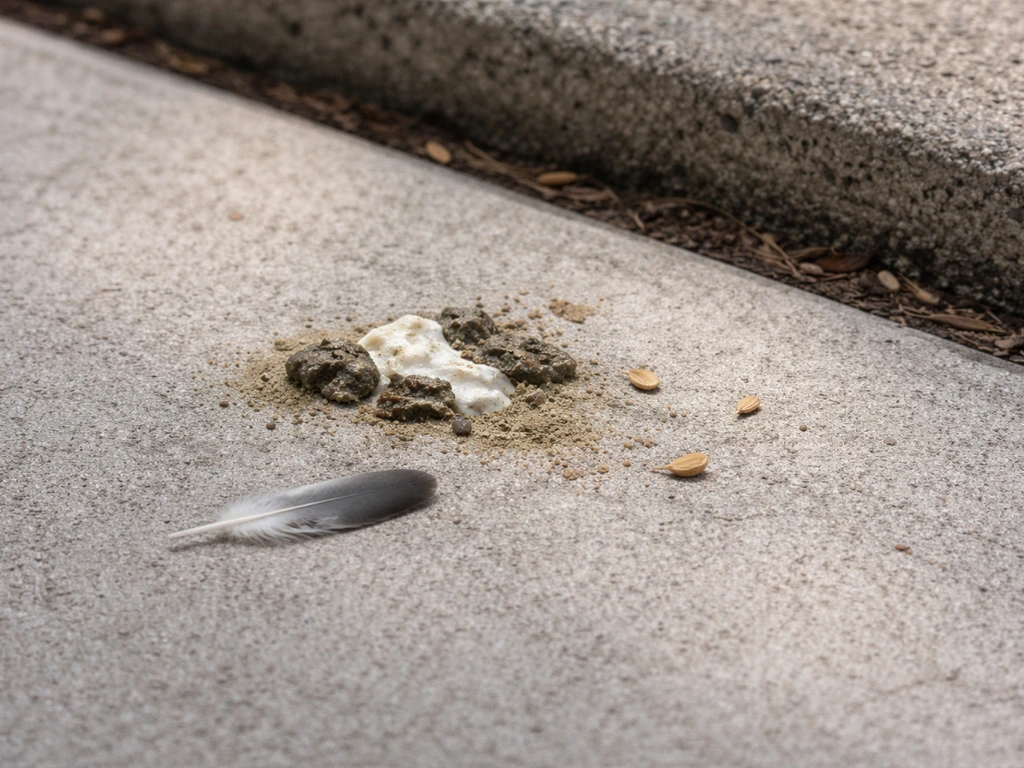
Birds do not produce liquid urine the way mammals do. Instead, they convert nitrogenous waste into uric acid, which comes out as a white or pale yellow semi-solid paste. That paste is what gives bird droppings their distinctive look: a dark core (the actual feces, made up of digested food material, gut bacteria, and bile pigments) surrounded by or mixed with the white uric acid component. Some species produce a more liquid third component that resembles urine.
Color varies depending on diet. A pigeon eating seeds will leave grayish-brown feces with white paste. A berry-eating bird can leave purple or reddish droppings. Seagulls eating fish often produce more pungent, wetter droppings. The smell is usually mild when fresh but becomes noticeably sharper as the uric acid concentrates during drying. A large accumulation under a roost can smell strongly of ammonia.
The texture starts soft and wet, then dries into a chalky, brittle crust within 30 to 60 minutes depending on temperature and humidity. That dried state is exactly when it becomes most hazardous to breathe around, because the particles can become airborne when disturbed.
If you want a deeper look at the chemistry or are curious about what bird poop is called in different contexts (guano, for instance, has a more specific meaning), those topics get their own detailed coverage elsewhere on this site. Guano is the more specialized term people use for bird droppings when they are collected and used, often as fertilizer.
Is bird poop dangerous to touch or be around?
A single fresh splat on your arm is low risk for most healthy adults. The main concern is not skin contact itself but what happens next: touching your face, mouth, or eyes before washing your hands. Bird droppings can carry bacteria like Salmonella and Campylobacter, the fungus Cryptococcus neoformans, and the organism responsible for psittacosis (Chlamydia psittaci), which is particularly associated with parrots and pigeons.
The bigger risk comes from dried droppings. When the material dries and you disturb it by sweeping, scraping, or walking through it, fine particles go airborne. Breathing those particles is how the most serious infections happen. This is why a roosting area under a bridge or in an attic is in a completely different risk category than a single dropping on your windshield.
Health risks and how disease transmission actually works
There are a few realistic transmission pathways worth knowing. Inhalation is the most significant one. Histoplasmosis, caused by the fungus Histoplasma, is acquired by breathing in spores from soil or material contaminated with bird or bat droppings. According to the CDC and NIOSH, risk increases sharply when activities disturb that contaminated material, and spores can become aerosolized even during routine construction, excavation, or demolition near roosting sites. You do not need a massive accumulation to be exposed.
Hand-to-face contact is the second most common route. If you clean up droppings without gloves, then rub your eye or eat something without washing your hands first, you have created a direct transmission path for whatever bacteria or fungi were in that material.
Eye and mouth exposure is less common but worth noting. A splat landing directly in your eye is unlikely but not impossible, particularly if you are near a roost or a flock is overhead. Contaminated water or food (from droppings falling into garden produce or open containers) is another real, if less dramatic, route.
Pets face specific risks too. Dogs who sniff or lick droppings can pick up Salmonella or Campylobacter. Birds like backyard chickens or pet parrots are vulnerable to diseases carried in wild bird droppings landing in their enclosures or food areas.
| Disease/Pathogen | Transmission Route | Risk Level for Healthy Adults |
|---|---|---|
| Histoplasmosis (Histoplasma fungus) | Inhaling aerosolized spores from dried droppings | Low for a single dropping; moderate to high near large accumulations |
| Cryptococcosis (Cryptococcus neoformans) | Inhaling airborne particles, especially from pigeon droppings | Low generally; elevated risk for immunocompromised people |
| Salmonella / Campylobacter | Hand-to-mouth contact after handling droppings | Low with proper handwashing |
| Psittacosis (Chlamydia psittaci) | Inhaling dust from dried droppings, especially from parrots and pigeons | Low to moderate depending on exposure duration |
How to clean it up safely: car, patio, home, and pet areas
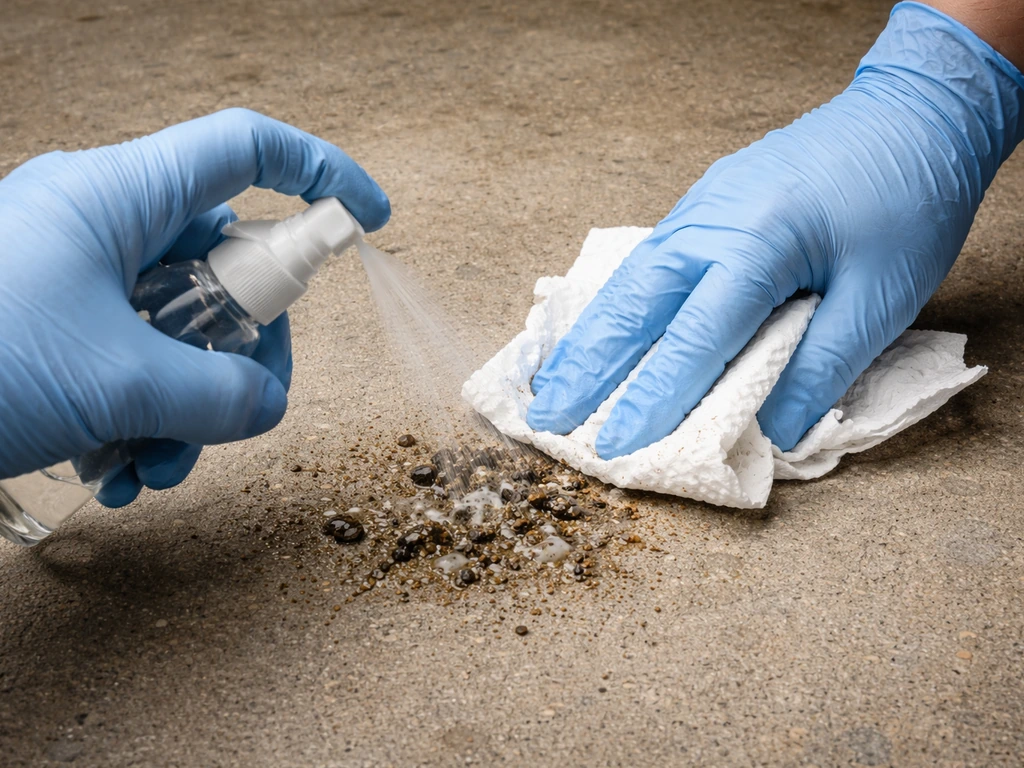
The golden rule for any cleanup is to wet the droppings before you touch or scrape them. NIOSH and CDC prevention guidance notes that work-related histoplasmosis often involves disruption of bird or bat droppings and recommends reducing aerosolized material by carefully spraying to wet the material before collection or disposal wet the droppings before you touch or scrape them. Wetting prevents particles from becoming airborne and makes removal much easier. Never dry-sweep or dry-scrape a large accumulation.
Car surfaces
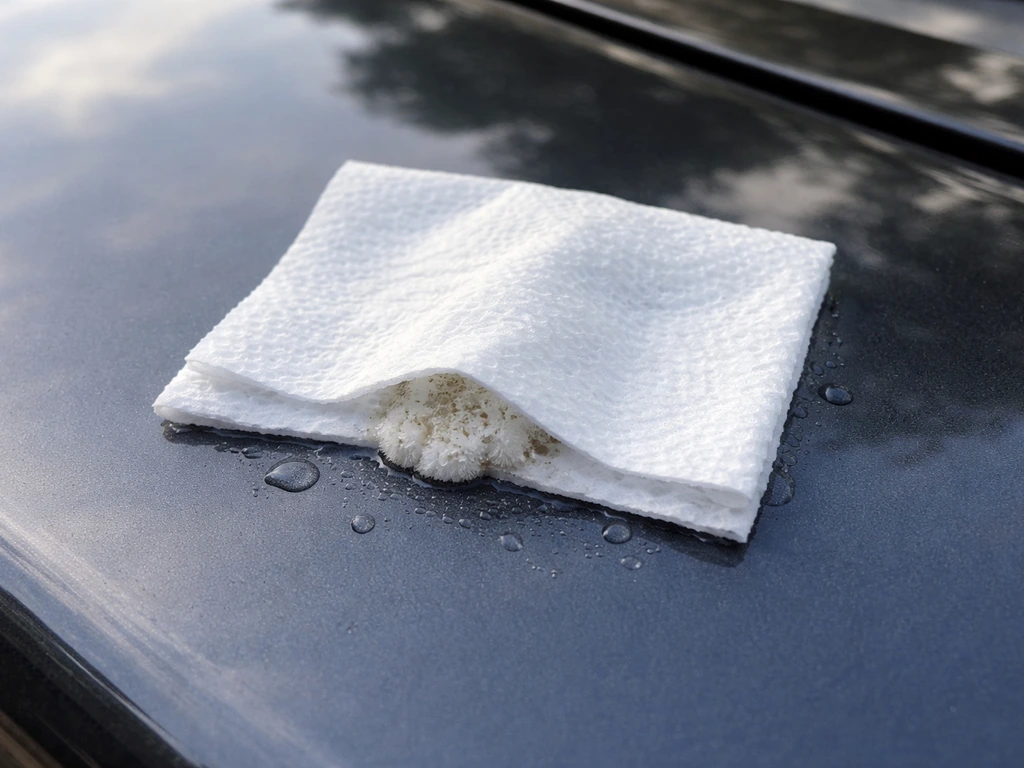
Car paint is particularly vulnerable because uric acid starts etching the clear coat within 30 to 90 minutes in warm weather. The longer it sits, the deeper the damage. Here is the fastest safe approach.
- Soak a paper towel or soft cloth in water and lay it directly over the dropping for 30 to 60 seconds to rehydrate it.
- Gently lift and wipe without pressing hard or scrubbing side-to-side, which drags abrasive particles across the paint.
- Follow with a clean damp cloth to remove residue, then dry with a microfiber towel.
- For stubborn dried splats, use a dedicated car detailing spray or a diluted car wash solution rather than household cleaners, which can strip wax.
- Wash your hands thoroughly with soap and water immediately after, even if you wore gloves.
Patio, entryways, and hard outdoor surfaces
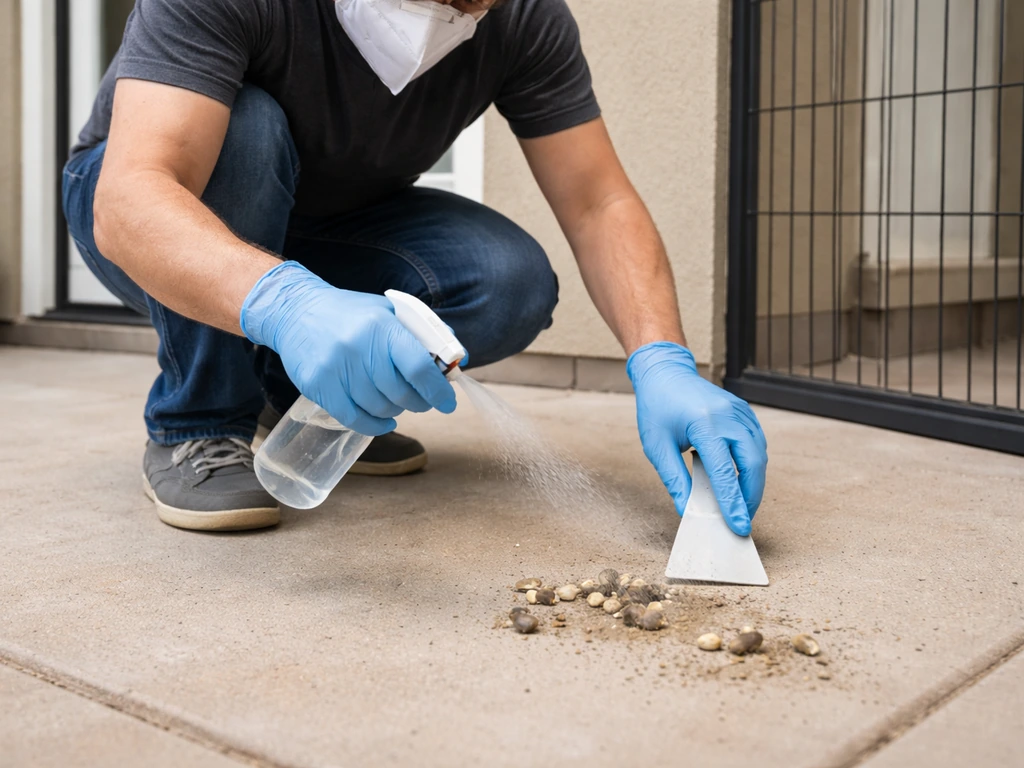
- Put on disposable gloves and, for any significant accumulation, an N95 or P100 respirator mask.
- Mist the droppings with water using a spray bottle or garden hose on a gentle setting. Do not use a high-pressure jet that can aerosolize the material.
- Use paper towels or disposable rags to pick up the bulk of the material.
- Disinfect the surface with a diluted bleach solution (1 part bleach to 10 parts water) or a commercial disinfectant safe for the surface type.
- Place all used materials in a sealed plastic bag before putting in the trash.
- Wash gloves before removing them, then wash your hands thoroughly.
Pet areas and enclosures
If wild birds are roosting near your pet's food, water, or enclosure, remove and clean those items daily. For bird cages or chicken coops, dampen droppings before scraping, disinfect with a poultry-safe disinfectant, and allow surfaces to fully dry before returning animals. Keep your dog away from areas with concentrated droppings, and talk to your vet if you think your pet has eaten or rolled in bird waste.
What to avoid during cleanup
- Never dry-sweep or use a leaf blower on dried droppings: both send particles into the air you are about to breathe.
- Do not use abrasive scrubbing pads on car paint.
- Avoid high-pressure hosing that can splatter material onto your face or nearby surfaces.
- Do not handle large accumulations (a roost site, attic deposits, under a bridge) without professional-grade respiratory protection.
When to call a professional or see a doctor
For a typical one-off splat on your car or jacket, standard cleanup and handwashing is all you need. But there are situations where you should escalate.
Call a professional wildlife or biohazard remediation service if you discover a roost or accumulation larger than a few square feet, especially in enclosed spaces like attics, crawl spaces, or HVAC ducts. These situations require proper containment, respirators rated for fungal spores, and disposal protocols beyond what a homeowner should attempt without training. CDC NIOSH also notes that NIOSH-approved respirators can collect airborne aerosols and that Histoplasma spores are about 1, 5 µm, which matters for respirator selection.
See a doctor if you develop symptoms within a few days to two weeks after a significant exposure to bird droppings, particularly in an enclosed space. Symptoms to watch for include fever, chest pain, cough, fatigue, or muscle aches, which can indicate histoplasmosis or another respiratory infection. Most healthy adults who get histoplasmosis experience mild or no symptoms, but immunocompromised individuals, the elderly, and young children face higher risks of serious illness.
If a dropping landed directly in your eye, rinse it with clean running water for at least 10 to 15 minutes and contact a healthcare provider, especially if the eye becomes red, painful, or blurry. If you accidentally ingested material (more likely with young children), call Poison Control or your doctor for guidance.
The good luck thing: superstitions and what they actually mean
Getting hit by bird poop is widely considered good luck across many cultures: in Russia, Turkey, and parts of Western Europe, the belief is especially strong. The logic, if you can call it that, seems to run something like this: the odds of a bird hitting you directly are low enough that it feels like a cosmic event, and humans have long been wired to find meaning in random coincidences. Some interpretations tie it to prosperity (especially financial luck) or protection.
There is also a practical thread buried in this folklore. Historically, birds roosting near crops or on ships were seen as useful omens, and their droppings were literally valuable as fertilizer (guano was a major commercial commodity in the 19th century and still is). Associating birds with abundance made cultural sense, and the idea that their droppings carried some of that positive energy followed naturally.
What is actually true: being hit by bird poop is not a reliable predictor of financial windfalls, and there is no scientific evidence connecting it to good fortune. What it is, is a random event caused by a bird flying overhead at an inconvenient moment. Whether you choose to find that funny, lucky, or annoying is entirely up to you. Just clean it up properly either way.
If you are curious about the deeper cultural history and symbolism around what bird poop is considered a sign of, that topic gets a fuller treatment separately. If you are wondering what bird poop is considered a sign of, the health-focused comparison below explains the practical risk behind the superstition. If you want the practical health context behind the superstition, check whether bird droppings might indicate a contamination or exposure risk what bird poop is considered a sign of. The short version: the "good luck" belief is widespread, old, and not going anywhere, even if the science on bird droppings points in a different direction.
The quick takeaway
Bird poop is a mix of uric acid, fecal matter, and sometimes liquid waste, all expelled through the cloaca. A single splat is low risk for a healthy adult as long as you wash your hands before touching your face. The real hazard is dried, accumulated droppings in enclosed spaces, where aerosolized particles can cause respiratory infections like histoplasmosis. Wet it before you clean it, wear gloves, and skip the dry-sweeping. If you were exposed to a large accumulation and develop flu-like symptoms within two weeks, see a doctor. And if a bird got you on the way to work this morning: clean it up, laugh about it, and maybe buy a lottery ticket if it makes you feel better.
FAQ
Is bird poop safe to touch if I wash right after?
Usually yes for a single fresh spot on intact skin, but the key is preventing transfer. Wash with soap and running water immediately, then avoid touching your eyes, mouth, or food until your hands are clean and dry. If the material got onto broken skin, switch to thorough washing and consider calling a clinician if you develop redness, swelling, or worsening irritation.
What should I use to clean bird droppings off my patio or steps?
Start by wetting the area (don’t just spray once), then remove the droppings with disposable towels or a scraper while keeping everything damp. After removal, clean the surface with detergent and water, and if it is a high-risk spot for pets or people with immune conditions, use a disinfectant labeled for pathogens on the surface type. Let the area fully dry before allowing foot traffic.
Can I use bleach to disinfect after cleaning bird poop?
It depends on the surface. Bleach can be effective but it is easy to damage fabrics, metals, and some finishes, and mixing it with other cleaners can create dangerous fumes. Use a disinfectant appropriate for the material (for example, poultry-safe products for coops), and always follow the label directions for contact time.
How long should I keep people or pets away from an area with dried droppings?
Until the cleanup is complete and the site is fully wetted, removed, and dried. For enclosed spaces like attics or crawl spaces, treat disturbed areas as higher risk and keep doors closed during cleanup, then ventilate after cleaning before anyone re-enters. If droppings are in an HVAC path, delay use until it is professionally assessed.
Is it safe to pressure wash bird droppings?
Generally no for large or dried accumulations. High-pressure spray can aerosolize particles even if the surface looks clean, increasing inhalation risk. For small fresh spots, wetting plus gentle cleaning is safer, for larger areas use a damp-removal method and avoid blasting the material into the air.
What’s the safest way to clean bird poop from car paint or glass?
Do not let it air-dry before wiping. Wet the area, allow it to soften, then wipe with a clean microfiber and rinse thoroughly. For paint, avoid abrasive pads, because uric acid etching can leave microscopic roughness that scratches easily. If you see dull spots after cleaning, a professional paint correction or polish may be needed.
Do gloves and a mask matter for small messes?
For a single fresh splat on a manageable surface, gloves are helpful but a mask is usually unnecessary if you do not disturb dried material. For any dried droppings, or if you might scrape or sweep, consider respiratory protection and avoid stirring the area. The bigger mistake is dry-sweeping, which turns into airborne dust.
If bird poop stains my clothes, is it safe to wash them normally?
Yes in most cases, but avoid shaking the fabric, because that can release dust from dried material. Launder promptly after wetting and blotting. Wash separately if heavily soiled, and rinse the sink or washer area to avoid transferring residue.
What if bird poop fell into my garden bed or on produce?
Remove visible droppings carefully, keep hands away from your face, and wash produce thoroughly under running water. If the area is heavily soiled or droppings landed directly on leafy crops, it is safest to discard that portion and avoid harvesting until you are confident the contamination is removed. For water storage or open containers, clean and sanitize immediately.
My pet licked bird droppings, what should I do right now?
Rinse your pet’s mouth with water if they will tolerate it, prevent more contact with the area, and watch for vomiting, diarrhea, lethargy, or decreased appetite. Because pets can get infections from contaminated material, contact your veterinarian for advice, especially for young, senior, or immune-compromised pets.
When should I be concerned about histoplasmosis risk?
Be more cautious if droppings are dried and concentrated, especially in enclosed spaces like attics, basements, sheds, or areas near ventilation, where disturbance can aerosolize spores. If you had significant exposure there and develop flu-like symptoms within about two weeks, seek medical care and mention the bird or bat droppings exposure so clinicians can consider respiratory fungal infections.
What signs suggest I should call a professional instead of DIY?
Escalate when the area is larger than a few square feet, the material is in enclosed or hard-to-reach spaces, or there is heavy accumulation under roosts or within HVAC-related areas. If you cannot clean without scraping dry dust, or you do not have proper PPE and disposal guidance, a remediation service is the safer choice.