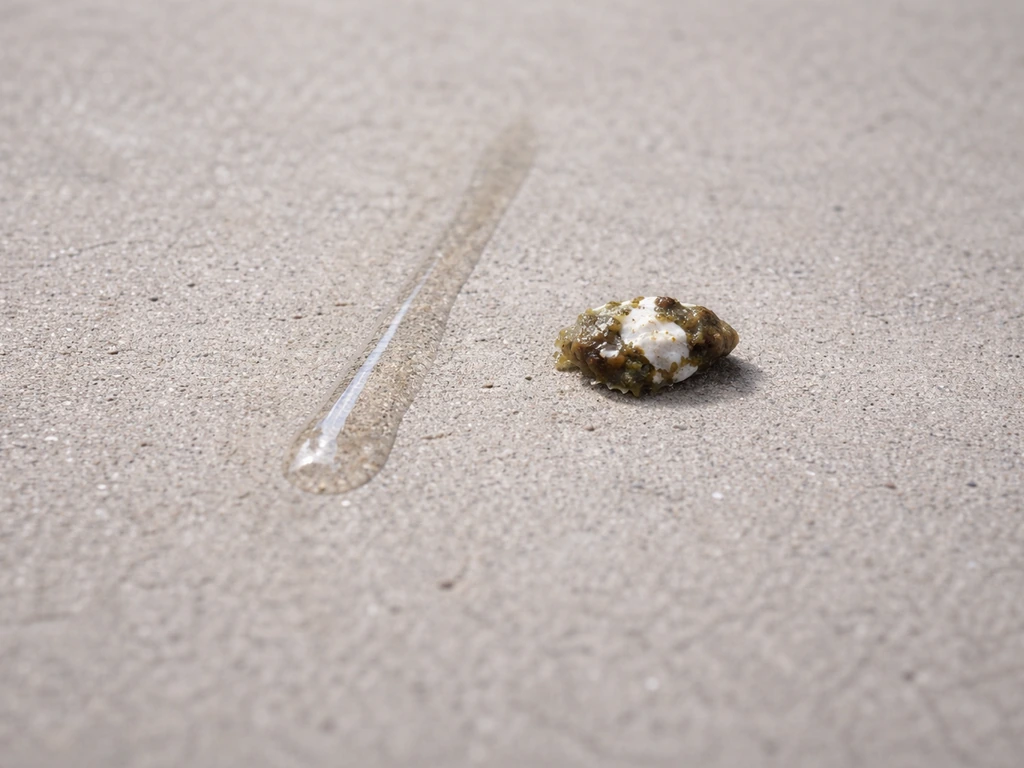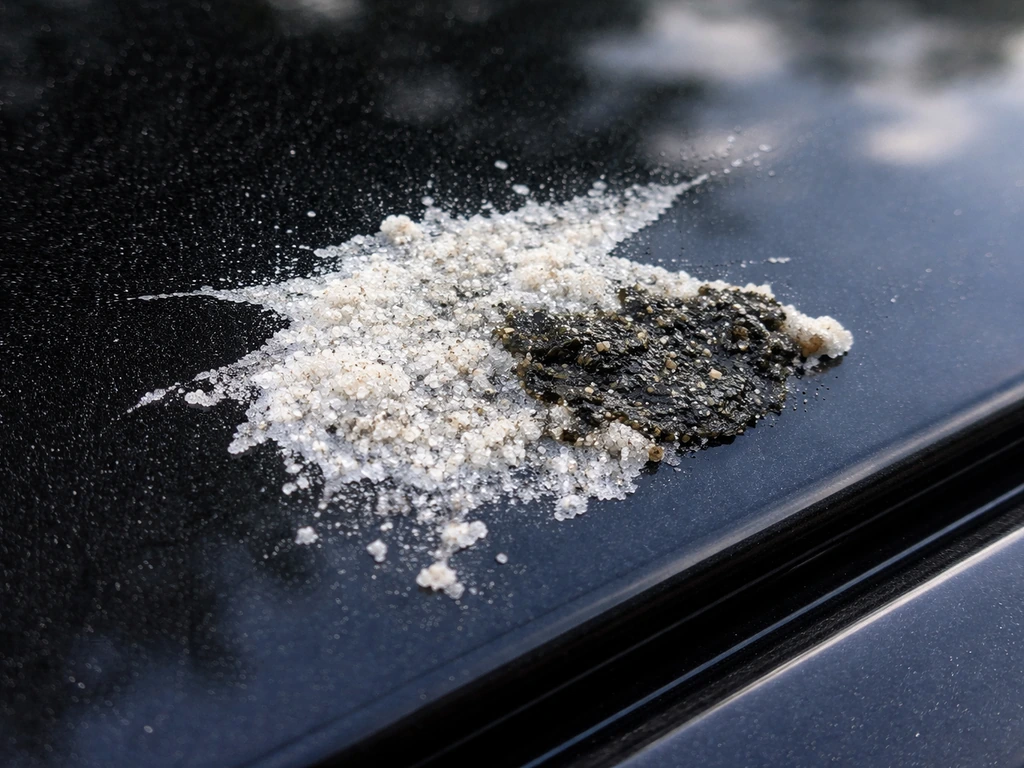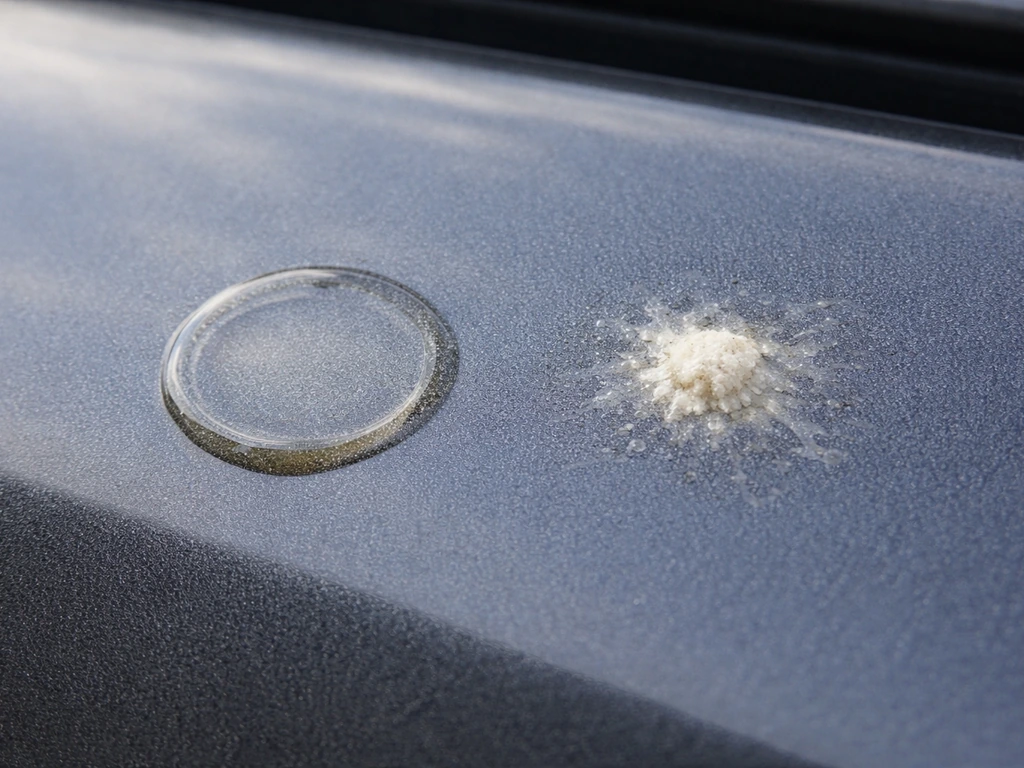
Bird poop is most commonly called 'bird droppings' in everyday English, and that is the term you will see on health agency websites, cleaning product labels, and veterinary guides. Informally, people also say 'bird poop,' 'bird dung,' or just 'droppings.' All of those refer to the same thing: the waste a bird deposits. The word 'guano' gets used a lot too, but it carries a more specific meaning that is worth understanding, especially if you are trying to figure out whether what you are looking at is a health concern.
What Is Bird Poop Called? Droppings vs Guano Safety Tips

Marcus Fielding
19 Apr 2026
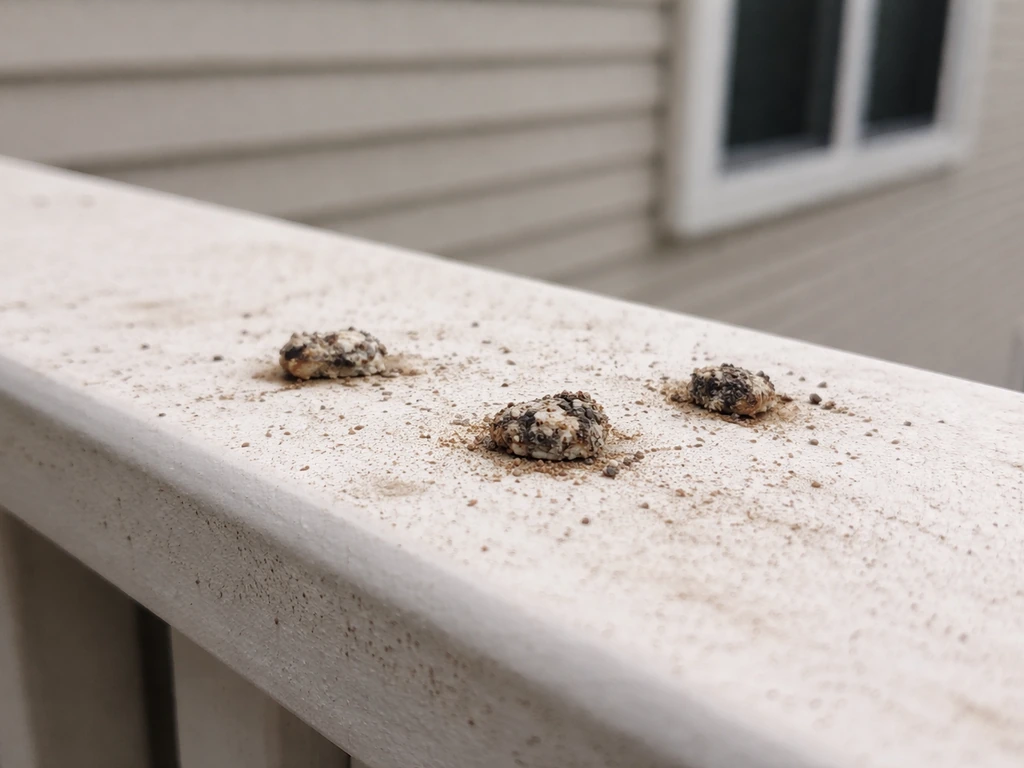
The everyday words for bird poop
In plain conversation, 'bird poop' and 'bird droppings' are completely interchangeable. Oxford Learner's Dictionaries lists 'droppings' as the standard noun for this context, and it is the term most health and wildlife organizations default to. 'Excrement' also works and means the same thing, but it sounds clinical and is rarely used in casual speech. If you are writing a complaint letter to your landlord about a pigeon problem, 'droppings' is probably your best word. If you are texting a friend about what just landed on your coffee, 'bird poop' is fine.
Droppings vs. guano: what is the actual difference?
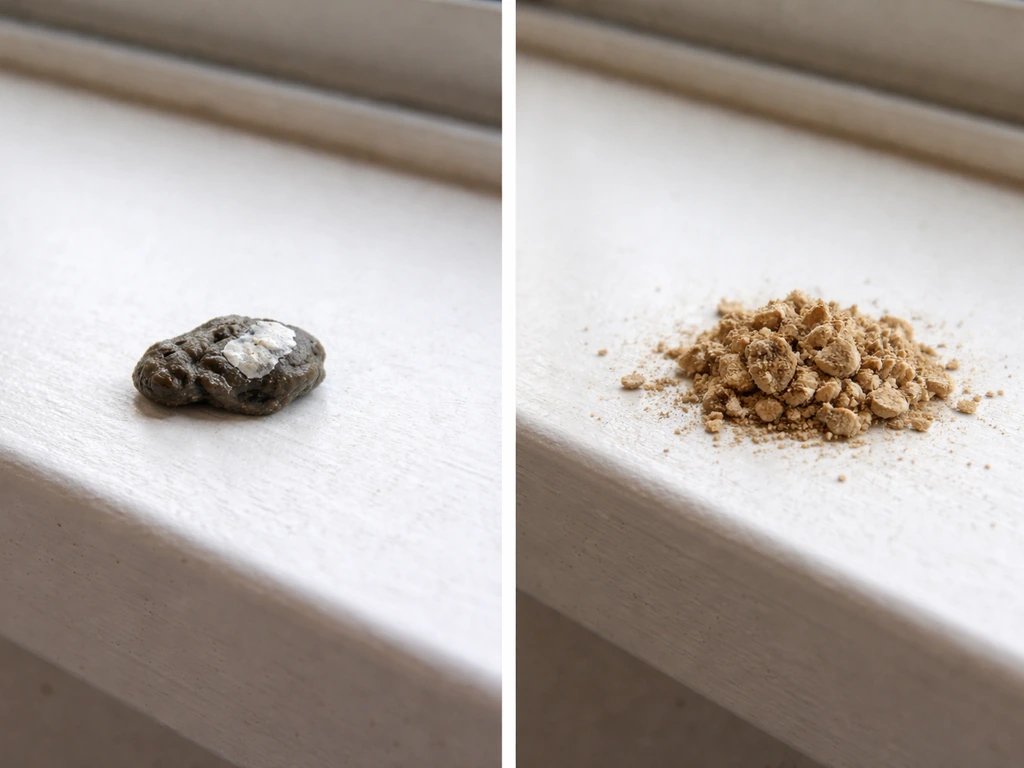
Here is where people get confused. '<a data-article-id="82192920-CBC8-4038-A167-AE45A591D4E4">Guano'</a> is not just a fancier word for bird poop. Merriam-Webster defines guano specifically as 'fertilizer containing the accumulated excrement of seabirds or bats.' The key word there is accumulated. Guano refers to large deposits of dried, built-up droppings, often from seabirds or bats in nesting colonies, and it has historically been harvested and sold as a high-nitrogen fertilizer. The Smithsonian's National Museum of American History points out that bird guano usually means desiccated (dried) droppings from seabirds, not the fresh splat on your car hood.
So when you are looking at a single pigeon dropping on your windowsill, calling it guano is technically a stretch. If you are wondering what is bird guano, note that it usually refers to dried, accumulated deposits rather than a single fresh dropping. Guano implies a substantial, aged accumulation, which matters more in a commercial or environmental context. In practice though, the words blend together in everyday speech, and nobody is going to correct you at a dinner party. What matters practically is knowing that the health risks associated with 'guano' in scientific literature often relate to large, old, dried deposits rather than fresh individual droppings, which is a meaningful distinction when you are assessing risk.
| Term | What it means | When people use it |
|---|---|---|
| Bird poop | Informal term for bird waste | Casual conversation, everyday situations |
| Bird droppings | Standard formal/everyday term for bird waste | Health sites, pest control, cleaning guides |
| Guano | Accumulated, dried deposits from seabirds or bats; used as fertilizer | Agriculture, ecology, large infestations, historical contexts |
| Excrement | General biological term for any animal waste | Clinical writing, formal documents |
| Urates / uric acid | The white, chalky component specific to birds | Veterinary and scientific contexts |
What bird droppings actually look like
Most bird droppings have a recognizable two-tone appearance: a darker mass (the fecal component) with a white or off-white cap on top. That white part is not paint or chalk, it is uric acid crystals, also called urates. Unlike mammals, birds excrete nitrogen waste as uric acid rather than urea, so they combine their solid waste and their urine equivalent into a single dropping. The main ingredient in bird droppings is uric acid, which is why the white cap often looks crystalline. The Merck Veterinary Manual describes urates as 'white, semisolid, and gritty,' which is exactly what you see on your car door.
Feral pigeon droppings, probably the most common ones most people encounter, are typically a brown to greenish-brown mass with that white urate cap. Size and consistency vary by bird species, diet, and hydration. A well-hydrated bird produces wetter, more liquid droppings. A bird eating mostly seeds produces firmer, darker waste. Larger birds like geese produce much bigger, greener, almost grass-like droppings. Songbirds leave tiny, semi-liquid white-tipped spots. If you are not sure what you are looking at is bird droppings, the two-tone structure (dark body, white topping) is the most reliable identifying feature. Fresh droppings have almost no odor. Dried, accumulated droppings in enclosed spaces like attics can develop a strong ammonia-like smell.
Quick visual guide by common bird type
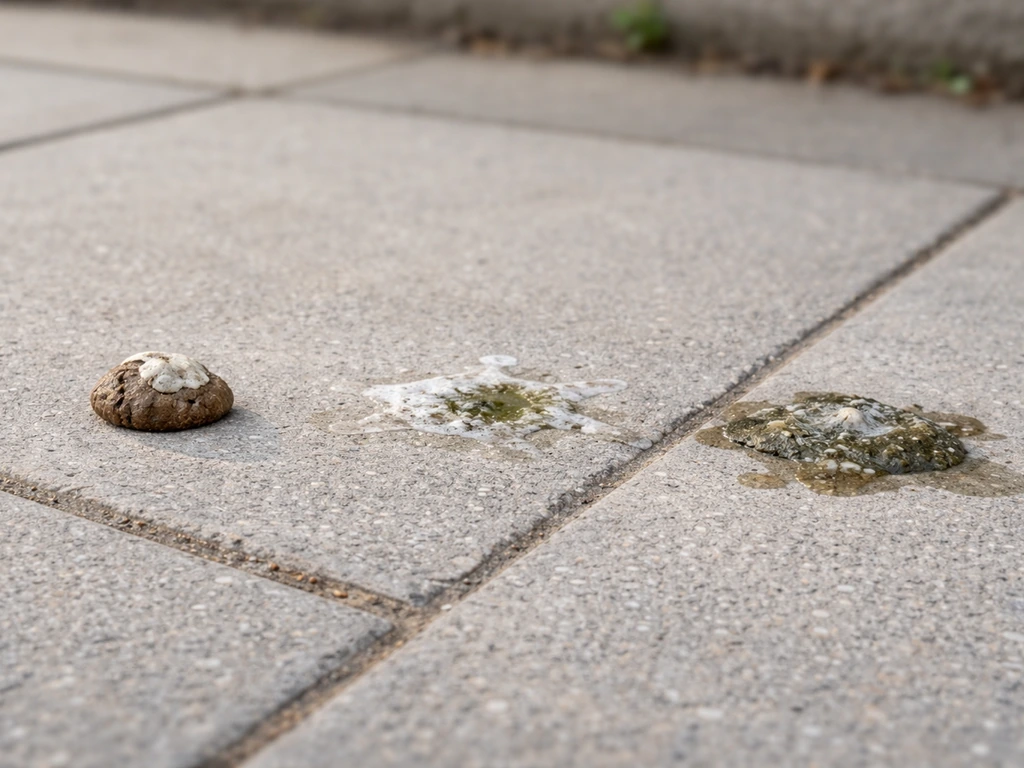
| Bird | Typical appearance | Size |
|---|---|---|
| Pigeon | Brown/greenish-brown mass, white urate cap, semi-firm | 1–3 cm |
| Seagull | Whitish, more liquid, streaky | 2–5 cm |
| Canada Goose | Large, green/brown, tubular, grass-like texture | 5–8 cm |
| Songbird (sparrow, finch) | Tiny white-tipped liquid spot | Under 1 cm |
| Crow / Raven | Dark, more liquid, often with seed or berry fragments | 1–3 cm |
Real health risks you should know about
Bird droppings are not automatically dangerous, but they are not harmless either. Understanding what bird poop is a sign of can also help you decide whether you are dealing with a harmless spot or an indication of birds roosting nearby. The risk goes up significantly when droppings are blank" rel="noopener noreferrer">dry, disturbed, and aerosolized, meaning when particles become airborne and you breathe them in. The CDC specifically notes that the most common way people get psittacosis is by breathing in dust containing dried bird droppings or respiratory secretions from infected birds when droppings are dry, disturbed, and aerosolized, meaning when particles become airborne and you breathe them in. Three diseases come up consistently in public health guidance around bird droppings.
- Histoplasmosis: A fungal lung infection caused by Histoplasma, which grows in soil enriched by bird and bat droppings. The CDC notes that fresh droppings on sidewalks or windowsills likely pose low risk, but older, accumulated deposits in soil or enclosed spaces are the real concern. Breathing in disturbed dust from those sites is the main transmission route.
- Psittacosis: A bacterial infection caused by Chlamydia psittaci. The CDC states it is acquired most commonly by breathing in dust containing dried bird droppings or respiratory secretions, particularly from infected parrots, pigeons, and other birds.
- Cryptococcosis: A fungal infection caused by Cryptococcus, which the CDC links to inhaling spores from the environment, including sources like soil and bird dung. It primarily affects people with weakened immune systems.
To be clear, a single fresh pigeon dropping on your shoulder is very unlikely to make you sick. The risk scales with the amount of material, how dried and disturbed it is, how long you are exposed, and your own immune status. Casual, brief contact with fresh droppings and thorough handwashing afterward is a very different situation from shoveling out a pigeon-infested attic without protection.
When to treat cleanup as urgent and who needs extra caution
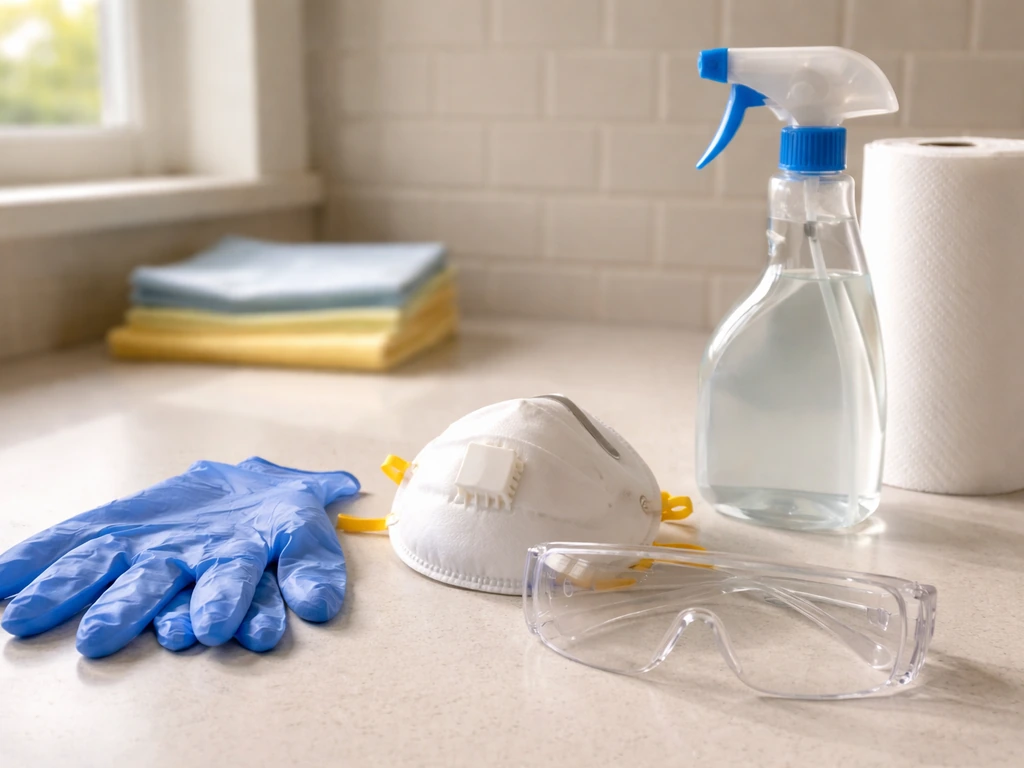
Most single-dropping cleanup jobs are low urgency. Wet it, wipe it, wash your hands. But a few situations call for more careful handling, and some people should not be doing this cleanup at all.
NYC Health explicitly advises that people with compromised immune systems, including those with HIV/AIDS or cancer, should not clean up bird droppings. Mayo Clinic's guidance on histoplasmosis echoes this, noting that people receiving cancer chemotherapy face higher risk of severe infection. If that describes you or someone in your household, have someone else handle the cleanup or call a professional.
For everyone else, here are the situations that require more than a quick wipe:
- Large accumulations in enclosed or poorly ventilated spaces (attics, sheds, crawlspaces): Disturbing dry, old droppings in these spaces generates aerosolized fungal spores. This is the scenario the CDC and Washington State University occupational safety guidance is most concerned about.
- Droppings that have been there a long time and are visibly dry and dusty: Old, desiccated droppings are more likely to contain viable Histoplasma or Cryptococcus spores than fresh ones.
- You have pre-existing respiratory conditions like asthma, COPD, or lung disease: The CDC notes that people with underlying lung disease have higher risk of severe histoplasmosis.
- You are cleaning up after a sick bird: If a bird in your care died or showed signs of illness and you are cleaning its cage or droppings, treat the material as higher risk and use PPE.
- Any cleanup that involves sweeping, blowing, or otherwise stirring dry droppings: The aerosolization is the hazard. The CDC's bird flu cleanup guidance specifically warns against stirring up dust, bird waste, and feathers.
How to safely clean up bird droppings, step by step
The core rule across every piece of health and safety guidance is the same: wet it first, never dry-sweep or blow it. Wetting the droppings with a disinfectant solution before you touch or move them prevents particles from becoming airborne. Here is how to handle the most common situations.
For patios, balconies, railings, and outdoor surfaces
- Put on disposable gloves. For larger or older accumulations, add an N95 respirator and eye protection.
- Spray the droppings thoroughly with a disinfectant solution (diluted bleach, a commercial disinfectant, or even soapy water for small fresh deposits). San Diego County health guidance recommends letting disinfectant sit for 15 to 20 minutes before cleaning to allow proper dwell time.
- Wipe or scoop the wetted material using paper towels or disposable cloths. Do not scrub dry material or use a broom on unmoistened droppings.
- Seal the waste in a plastic bag and dispose of it in an outdoor trash bin.
- Disinfect the surface again with your cleaning solution.
- Remove gloves, bag them, and wash your hands thoroughly with soap and water for at least 20 seconds.
For cars
Bird droppings on cars are both a health-adjacent issue and a paint damage issue. The uric acid in bird droppings is corrosive and can etch clear coat within hours in warm weather, so speed matters here beyond just hygiene. Use a spray detailer or just water to fully saturate the dropping first, wait a minute or two, then blot (do not rub) with a microfiber cloth. Rubbing dry droppings on paint scratches the surface. After blotting it off, clean the area with a proper car wash solution. From a health standpoint, gloves are a sensible precaution, and washing your hands afterward is enough for routine car cleanup.
For roofs and larger outdoor accumulations
If you are dealing with a substantial buildup on a roof, in a gutter, or in an outbuilding, treat it more seriously. Washington State University occupational safety guidance recommends wet cleaning methods only, soaking and spraying droppings with disinfectant before collection, and using a NIOSH-approved respirator with HEPA cartridges for situations with higher aerosol risk. The CDC's histoplasmosis engineering controls guidance similarly recommends wetting the material before collection and securing it for disposal. For very large accumulations (think years of pigeon roosting in an attic), hiring a professional remediation company is the practical and safest call.
After any cleanup: a quick checklist
- Wash hands with soap and water for at least 20 seconds, even if you wore gloves
- Dispose of gloves, masks, and cleaning cloths in a sealed bag
- Wash any clothing that may have contacted droppings separately from other laundry
- Disinfect any tools (scrapers, brushes) used during cleanup
- If you accidentally inhaled dust from a large accumulation and develop flu-like symptoms, fever, or chest tightness in the days after, mention the exposure to a doctor
Bird droppings are a normal part of living in a world with birds, and the vast majority of encounters with them are no big deal beyond the inconvenience. Understanding what they are called, what makes them a real versus theoretical risk, and how to handle them properly means you can move through the world without either ignoring them entirely or panicking every time a pigeon takes aim at your jacket.
FAQ
Is the white part on bird droppings uric acid or urates?
“Uric acid” refers to the chemical makeup that often forms the white, gritty cap, and “urates” are that white, semi-solid crystalline material itself. In practice, you will see both terms in cleanup and vet materials, but they describe the same bird waste component you are recognizing visually.
When does bird droppings go from “gross” to a real health concern?
If the dropping is fresh and only a tiny spot, you can usually treat it as routine cleanup: wet it, wipe it, and wash hands. The higher-risk scenario is when it is dry, disturbed, or in an enclosed space where particles can linger, like attics or crawlspaces.
What is the most common cleanup mistake that increases risk?
Never use a dry paper towel or brush to remove dry droppings, that tends to dust it and makes airborne particles more likely. Wet it first with water or disinfectant solution, then wipe or blot, and dispose of materials sealed in a bag.
If someone in the home is immunocompromised, can they still wipe up small droppings?
For immune-compromised people, the safest default is to avoid direct cleanup entirely, even if the mess seems small. If you must be around the area, do not enter spaces with heavy buildup or active aerosolization, use a professional, or have another household member handle wetting, bagging, and disposal.
Can bird poop damage things besides causing health concerns?
Yes. Bird droppings can damage surfaces beyond paint, for example staining and pitting on car clear coat, and stubborn residue on outdoor stone or metal. Uric acid is the key reason, it is corrosive, so treat as a “sooner is better” cleanup even when you are not worried about health.
Does smell tell me whether droppings are fresh or a higher-risk buildup?
Odor is a clue, fresh droppings usually have little to no smell, while dry buildup can develop an ammonia-like odor. If you notice a strong smell in an enclosed area, assume there is more material than you initially see and increase respiratory protection and wet-cleaning rigor.
What should I do if bird droppings land on my clothes or upholstery?
On clothing, you can typically handle it as a normal stain cleanup if the fabric is not heavily contaminated. Wet the area to avoid dust, blot, then wash with detergent on the hottest appropriate setting for that fabric, and avoid shaking the item before washing.
If I keep finding one dropping at the same spot, does that change the cleanup approach?
A single dropping on an outdoor surface is usually low risk, especially if you can wipe it up without disturbing a larger dried area. For repeated sites or clusters, the practical step is exclusion and prevention, like identifying roosting spots and blocking access, because recurrence often means ongoing buildup.
If I call it “guano” anyway, will that affect how I should assess risk?
Guano most often describes large, dried deposits, usually seabirds or bats, not a fresh pigeon splat. If what you see is small and fresh, calling it guano can mislead you into thinking it is an aged, accumulated material with the same context and risk factors.
How do I know when I should escalate from DIY cleanup to using a professional or respirator?
For larger jobs, look for signs that aerosolization risk is high: dry material, scrubbing or scraping attempts, work in attics or gutters, and anything that would generate dust. When these conditions apply, wet cleaning plus an appropriate respirator with HEPA cartridges is typically the better safety decision than doing “quick” dry removal.