Birds eat their own droppings more often than most owners realize, and the most common reason is nutritional: your bird is trying to extract nutrients it didn't absorb the first time around. It's called coprophagy, and while it looks alarming, it isn't always a sign that something is seriously wrong. That said, it can also point to a diet that's genuinely missing something, a bored or stressed bird with nowhere to put that energy, or in some cases, an underlying health issue. The good news is that you can usually figure out which one you're dealing with by looking at a few clear signals.
Why Does My Bird Eat His Poop? Causes and What to Do

Marcus Fielding
19 May 2026
What poop-eating (coprophagy) actually is
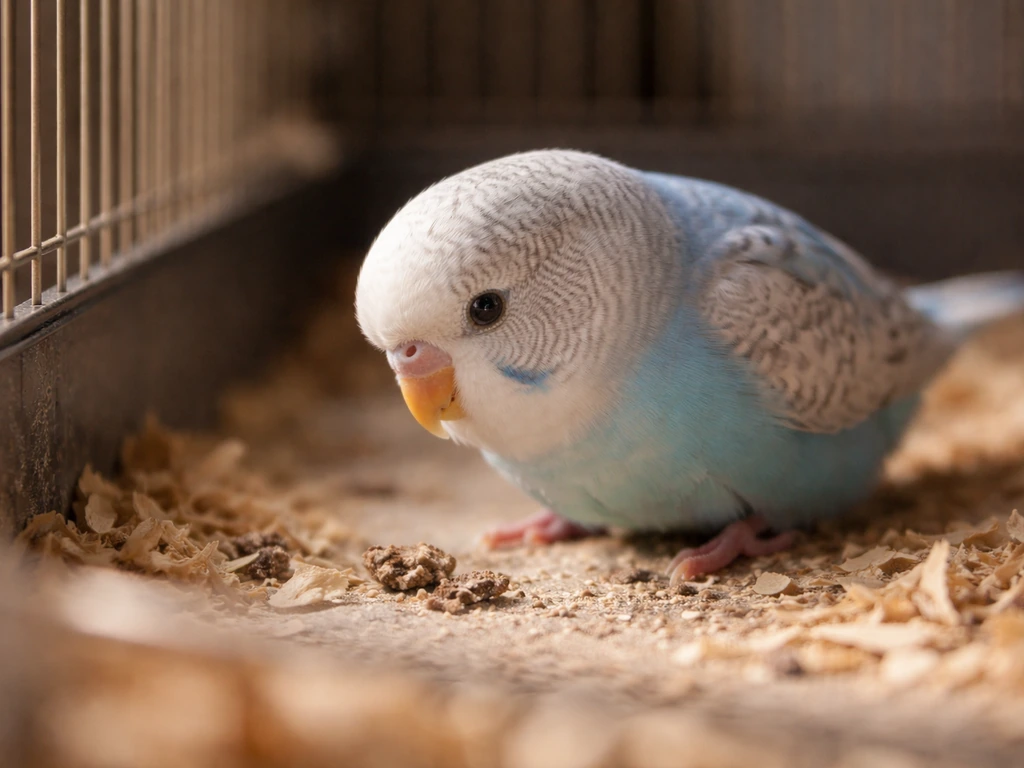
Coprophagy just means eating feces. In birds, it usually refers to re-ingesting their own droppings, and it has a documented biological basis. Cecotropes are reingested after sorting in the colon, and this reingestion is linked to reuptake of nutrients blank" rel="noopener noreferrer">re-ingesting their own droppings. The proposed function, backed by ornithological research, is essentially a blank" rel="noopener noreferrer">second pass at digestion: the bird eats semi-digested fecal material to capture nutrients it missed the first time through. Think of it less as a disgusting habit and more as a workaround for a digestive system that doesn't always absorb everything on the first attempt.
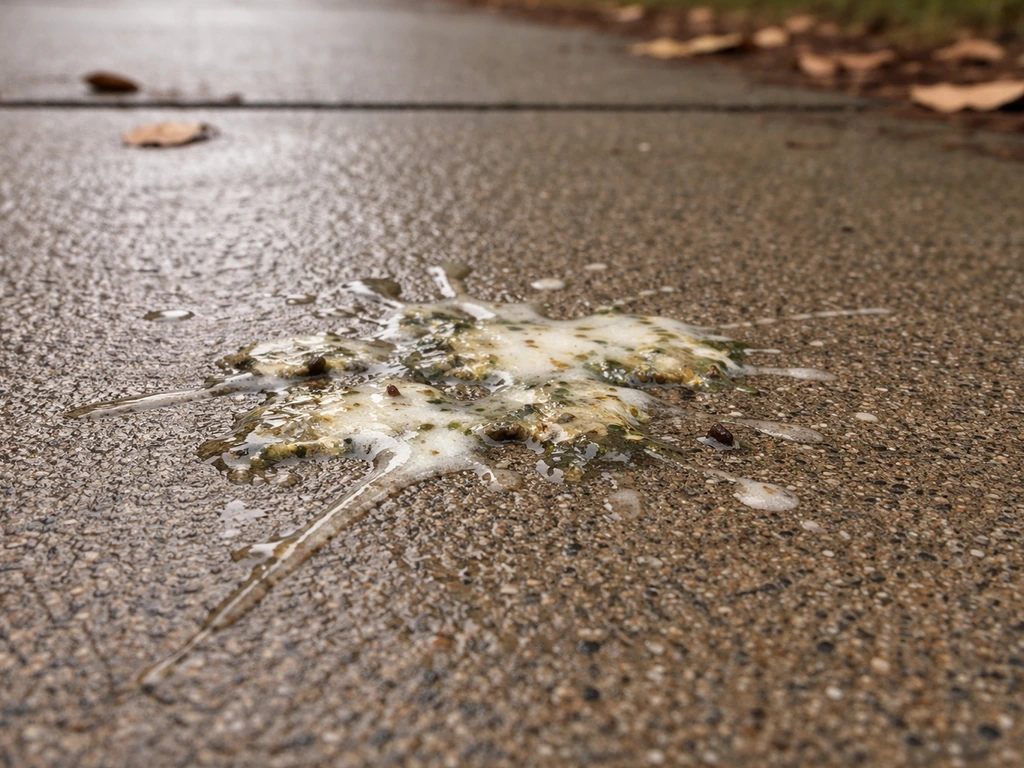
It helps to know what a normal dropping actually looks like so you can tell if your bird's are worth worrying about. Bird droppings have three distinct parts: the feces (the solid green or brown component), the urates (the white or cream chalky part), and the liquid urine. Diet heavily influences what these look like. Seed-heavy diets tend to produce green feces; pellet-based diets tend to produce browner feces.
If you've read anything about why bird poop is liquid or what watery droppings mean, you already know how variable this can be. If you're wondering why bird poop is liquid or watery, it often comes down to the balance of feces, urates, and urine plus what your bird is eating and how well its gut is functioning. The baseline matters here because it helps you spot when something has actually changed.
If you notice watery droppings, it can be a clue that something is off with diet, gut health, or hydration, so it helps to look at the bigger pattern watery bird poop.
Common reasons your bird eats droppings
Nutritional gaps in the diet
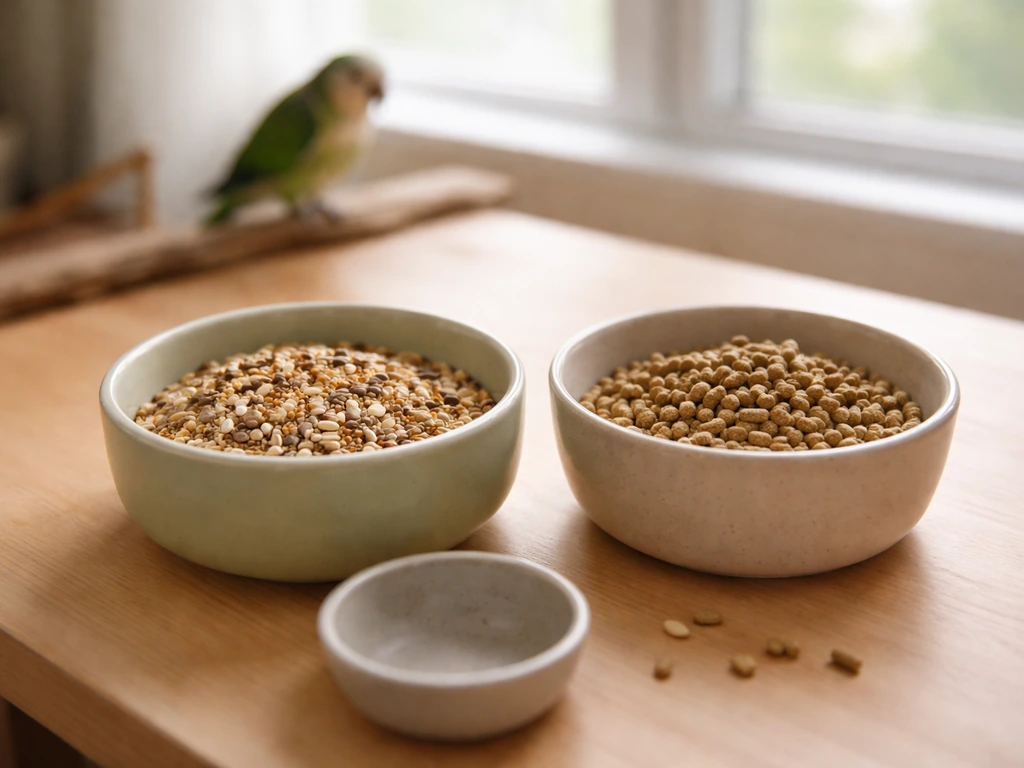
This is the big one. If your bird isn't getting complete nutrition from what you're offering, its instinct is to try again with what's left. A seed-heavy diet is the most common culprit. Seeds are high in fat and low in many vitamins and minerals, and birds that eat mostly seeds often end up deficient in vitamins A, D, calcium, and various amino acids.
The Merck Veterinary Manual recommends a diet of roughly 40 to 50 percent pellets, 30 to 40 percent seed mix, 10 to 15 percent vegetables, and 5 to 10 percent fresh fruit for small pet birds like budgerigars, cockatiels, and lovebirds. If your bird's diet looks nothing like that, a nutritional gap is the most likely explanation for what you're seeing.
Merck also flags that even birds eating a mix of pellets and seeds can end up with nutrient gaps because they selectively eat the parts they prefer and ignore the rest. Your bird might be eating every seed in the dish and leaving the pellets behind, which means it's not getting the benefit of either.
Gut health and microbiome development
Young birds sometimes engage in coprophagy as their gut bacteria are still developing. Parent birds also ingest fecal sacs from chicks early in the nestling period, partly because those sacs contain undigested food and nutrients. This is a normal phase in early avian development and typically decreases as the gut matures. If you have a young bird, this context matters.
Boredom, stress, and compulsive behavior
Purdue University's bird husbandry guidance specifically describes boredom as a frequent cause of obsessive behaviors in pet birds. A bird that doesn't have enough mental stimulation or social interaction will find ways to occupy itself, and that can include fixating on droppings. This is especially common in highly intelligent species like parrots, African greys, and cockatoos, but cockatiels and budgies aren't immune. If the coprophagy is happening repeatedly and you've ruled out diet, boredom is a serious candidate.
Instinct and species-specific behavior
Some level of this behavior is just wired into certain birds. It's not a sign of mental illness or trauma on its own. In the wild, birds sometimes re-ingest material to maximize nutrition from a food-limited environment. In captivity, that instinct doesn't disappear just because the food bowl is always full.
Normal behavior vs. a red flag: how to tell the difference
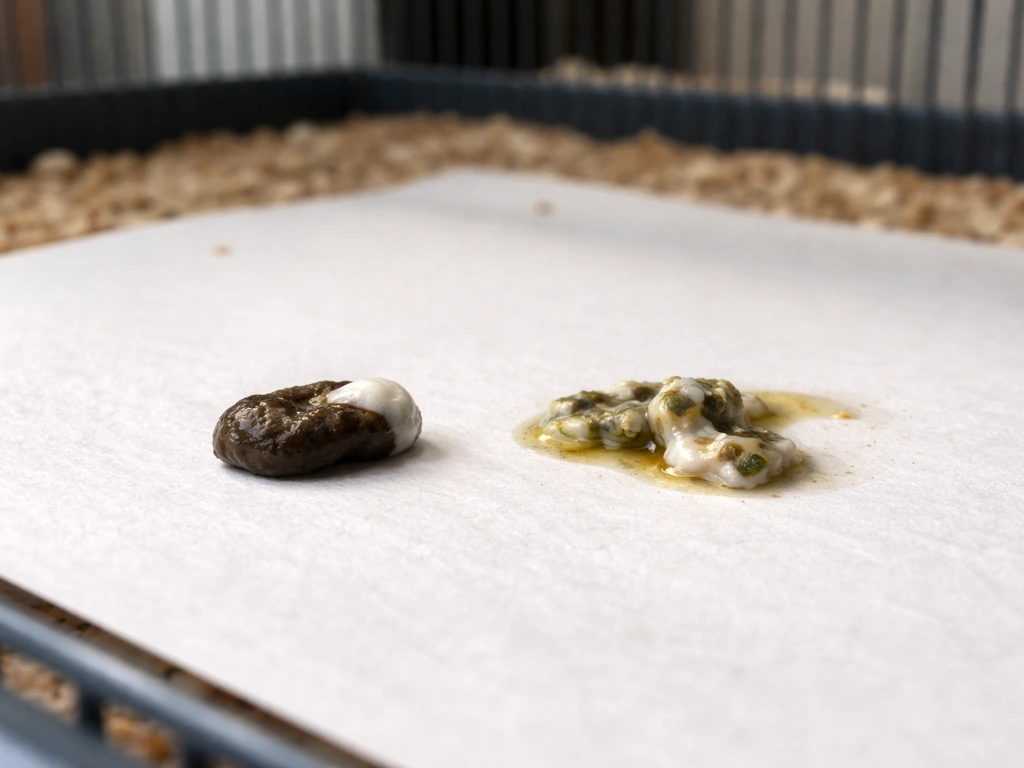
Occasional coprophagy in a bird that is otherwise bright, active, eating normally, and producing normal droppings is much less concerning than a bird doing it constantly, obsessively, or alongside other symptoms. Here's a practical breakdown of what to watch for:
| Signal | Probably normal | Red flag: act now |
|---|---|---|
| Frequency | Occasional, infrequent | Constant, compulsive, daily habit |
| Bird's energy and alertness | Active, engaged, responsive | Lethargic, fluffed, sitting low on perch |
| Droppings appearance | Consistent with usual diet | Bloody, black, very watery, or foul-smelling |
| Eating and drinking | Normal appetite and water intake | Reduced appetite, increased thirst |
| Feather condition | Smooth, full plumage | Feather pulling, patchy areas, dull coat |
| Age of bird | Young bird still developing | Adult bird with sudden new behavior |
| Diet quality | Varied and balanced | Mostly seed, no pellets, no fresh food |
A sudden change in behavior in an adult bird that has never done this before is more concerning than a young bird picking at droppings occasionally. Giardia and other gut parasites can cause behavioral changes alongside GI symptoms, so if you're seeing feather pulling, itching, or digestive symptoms along with poop-eating, that combination warrants a vet visit.
What you can do today: diet and feeding adjustments
If your bird is on a mostly seed diet, today is the day to start changing that. Don't go cold turkey on seeds overnight (birds can become anorexic if their food changes too abruptly), but you can start the transition now. The Merck Veterinary Manual describes a few practical strategies for getting birds to accept pellets:
- Place a thin layer of pellets over the seed so the bird has to pick through them to get to the seed it prefers.
- Sprinkle seed over pellets to encourage digging down into the pellet layer.
- Offer the new pellet diet in the morning when the bird is hungriest, and reserve seed for the evening.
- Offer small pieces of fresh vegetables like leafy greens, carrots, or bell pepper alongside pellets to add variety and improve nutrition.
Avoid filling nutrition gaps with random supplements or treats you've seen online. Merck specifically warns that some non-standard supplement approaches (like certain commercial biscuits) can be nutritionally incomplete and may even promote bacterial overgrowth. Stick to a balanced pellet as your foundation and add whole fresh foods rather than processed extras.
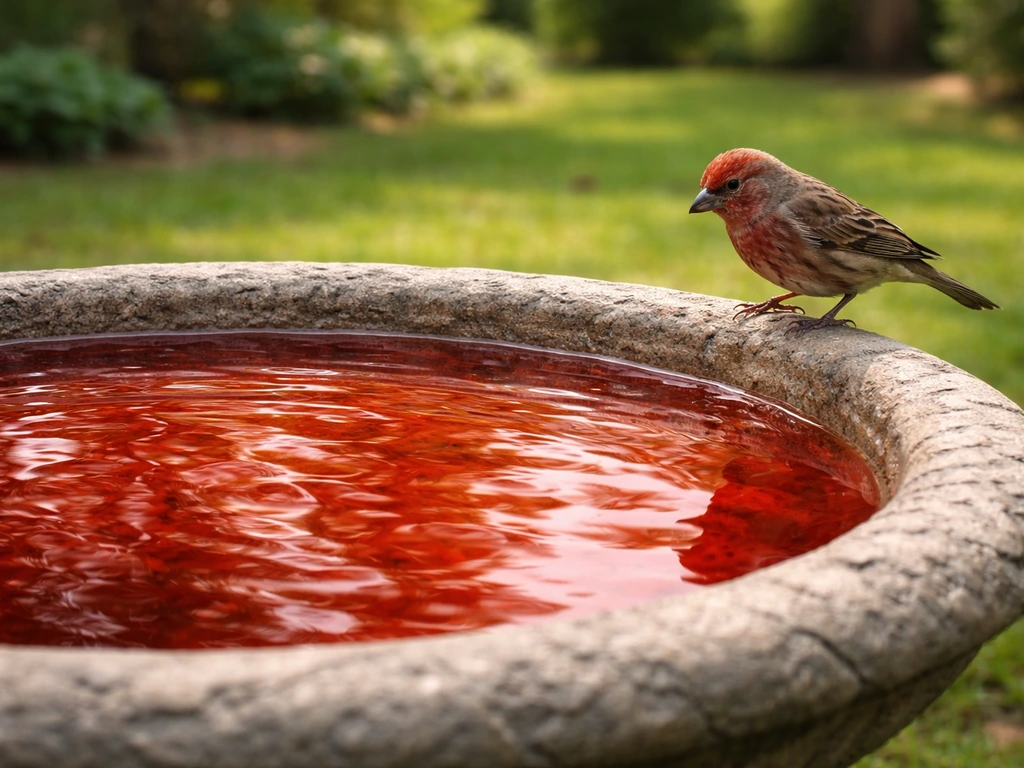
Fresh water should always be available and changed daily. If you are using a bird bath, fresh water and regular cleaning also matter because contaminated water can contribute to gastrointestinal issues Fresh water should always be available and changed daily.. This is relevant because contaminated water can be a vector for GI issues, and a bird that's drinking more or less than usual is telling you something. If your bird bath water is red, it can be a sign of contamination or something in the water that may affect their health, so it is worth checking contaminated water can be a vector for GI issues.
Cage hygiene and cutting off access to droppings
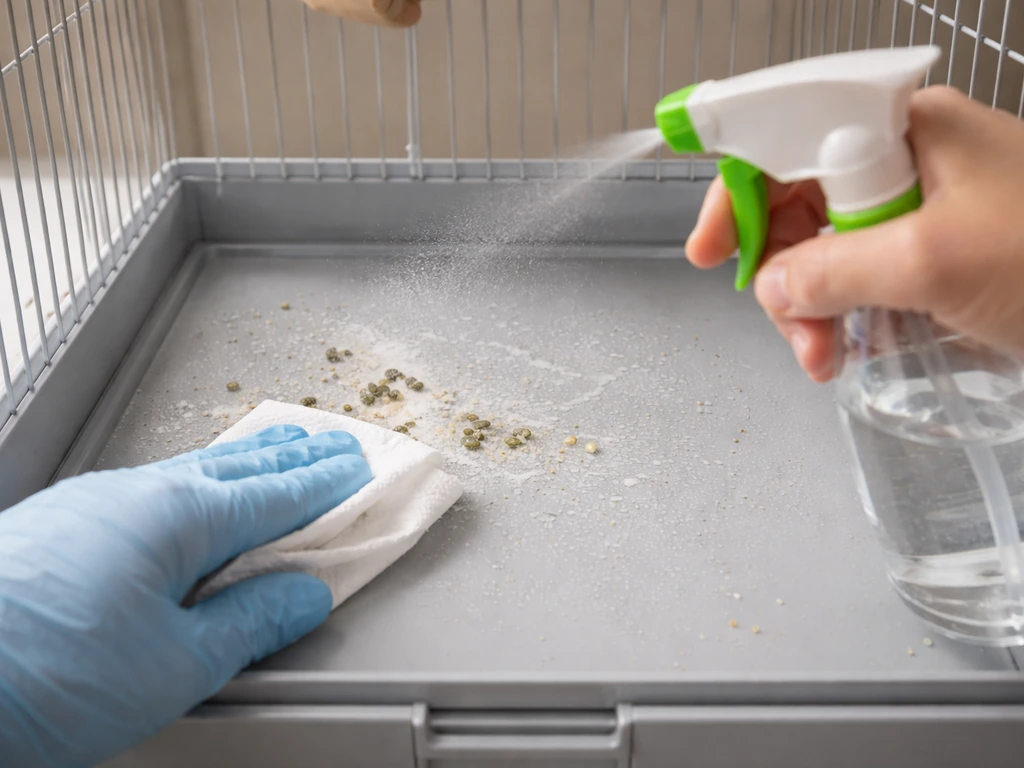
The most direct way to stop a bird from eating its droppings is to remove the droppings before it can get to them. Spot-clean the cage floor at least once or twice daily rather than waiting for a full weekly clean. A cage with a wire grate floor that sits above a removable tray is ideal because droppings fall through and the bird can't reach them easily. If your cage doesn't have one, consider adding a grid insert.
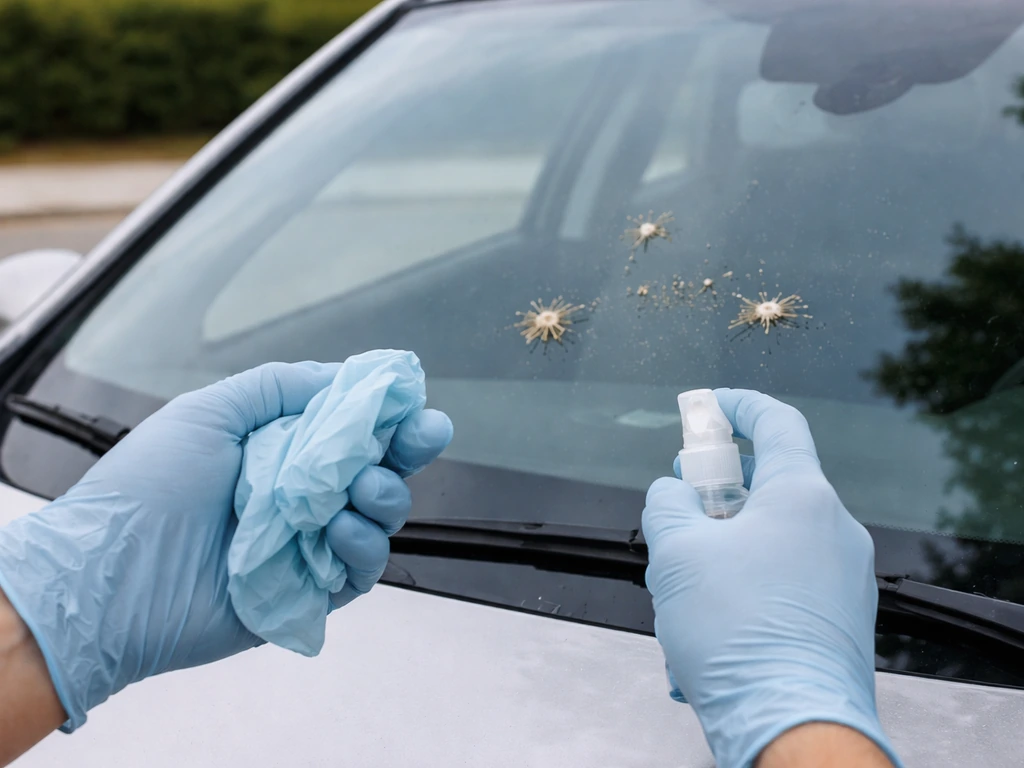
When you do clean, the CDC recommends wetting surfaces with water or a disinfectant before wiping them down. This is important for your safety too: dry scrubbing can aerosolize bacteria and dried fecal particles. Wet the surface, let it sit briefly, then wipe and discard. For a full cage clean, use a bird-safe disinfectant, rinse thoroughly, and let everything dry before the bird goes back in. The CDC also recommends wearing gloves when cleaning cages and avoiding contaminating kitchen surfaces or sinks where you prepare food.
Place food and water dishes well away from perches where the bird typically sits and defecates. This is basic cross-contamination prevention and it matters both for reducing your bird's access to droppings and for keeping the food supply clean.
Mental and behavioral causes: enrichment that actually helps
If diet is solid and your bird is still doing this, look seriously at boredom. Purdue's bird husbandry guidelines highlight two specific types of enrichment that work well: toys that simulate social grooming with other birds, and puzzle-based foraging toys where the bird has to solve a problem to get food. These tap into your bird's natural behavioral drives and give it a productive outlet for that energy.
Rotate toys every week or two so they feel novel. A bird that has had the same three toys for six months has already explored all of them. Foraging toys where you hide pellets or small pieces of vegetable inside are especially useful because they stretch out mealtime and engage the bird's problem-solving instinct.
If your bird spends most of its time alone, increase out-of-cage time with direct interaction when you can manage it. Even 30 to 60 minutes of daily handling, talking, or training makes a meaningful difference for socially wired species. Consider whether a companion bird might be appropriate if your schedule makes consistent interaction difficult.
Stress is harder to identify than boredom but often shows up together with it. Changes in the environment (a new pet, a moved cage, a change in your schedule, loud noise), overcrowding, or insufficient sleep can all produce stress-driven repetitive behaviors. Make sure your bird gets 10 to 12 hours of undisturbed darkness each night.
Health risks: for your bird and for you
Risks to your bird
If your bird's gut is already compromised by parasites, bacterial overgrowth, or yeast, eating its own droppings can reintroduce or amplify those pathogens. Merck notes that infectious GI agents can be transmitted by eating contaminated food or water, and droppings are a direct route for that. Giardia, Chlamydia psittaci (the organism behind psittacosis), abnormal bacteria, and yeast can all cycle back through this route. A bird that is sick and eating droppings is making itself sicker.
Risks to you and your household
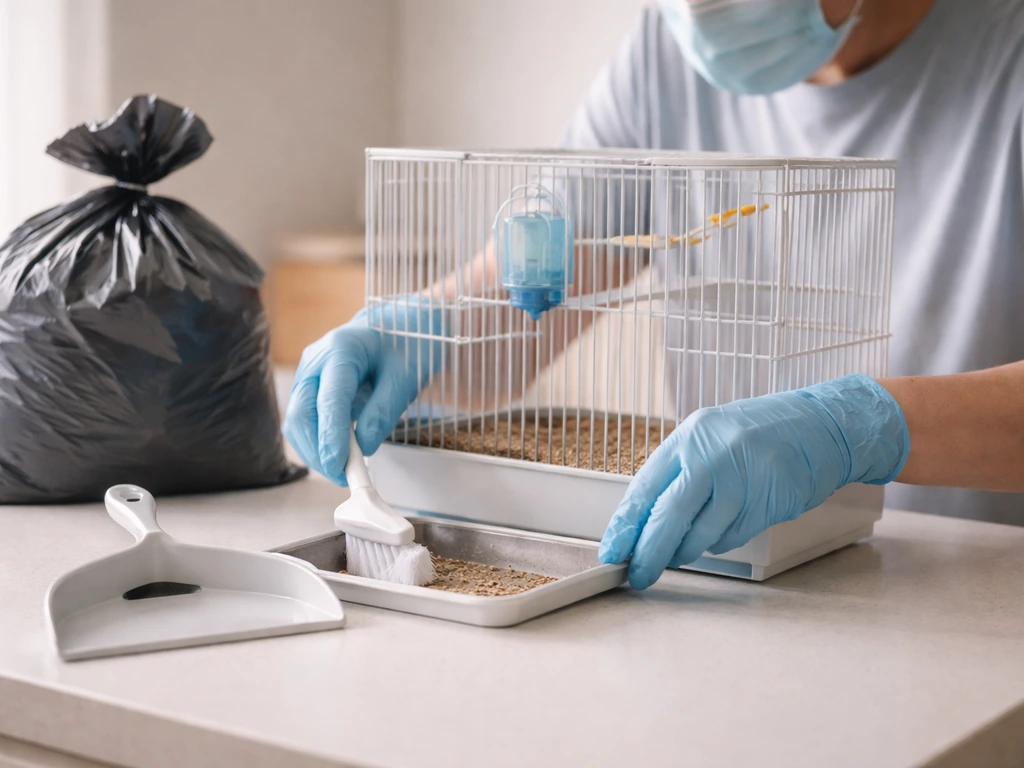
From your perspective as the owner handling the cage and cleanup, the main concern is psittacosis (Chlamydia psittaci), which can be transmitted to humans through inhalation of aerosolized dried feces or secretions from infected birds. The CDC and Pennsylvania Game Commission both emphasize wetting surfaces before cleaning to prevent aerosolization. The CDC's formal guidance for higher-risk situations recommends gloves, a disposable cap, and an N95-rated respirator or better when cleaning cages of potentially infected birds.
For most healthy birds and healthy adults, the risk from routine cage cleaning is low if you use basic precautions: wet before wiping, wear gloves, wash your hands thoroughly afterward, and keep cleaning supplies away from food prep areas. But if your bird is showing signs of illness and you're doing heavy cleaning, the more protective gear the better.
When to see an avian vet and what to track before you go
If you're unsure whether this is a nutritional fix or something more serious, an avian vet is the right call. Not just any vet: a vet with avian experience can evaluate your bird's droppings under a microscope using a Gram stain to look for yeast, abnormal bacteria, and abnormal cells, and can run blood chemistry to check liver and kidney function, protein levels, glucose, and electrolytes. These tests are genuinely useful and can identify the root cause much faster than guessing.
Call an avian vet promptly (don't wait) if you see any of the following:
- Droppings that are red, black, or contain what looks like blood
- Sudden lethargy, fluffed feathers, or the bird sitting low and unresponsive
- Significant loss of appetite or sudden weight loss
- Feather pulling or severe itching alongside the poop-eating
- Droppings that smell unusually foul or have drastically changed color or consistency
- The behavior started suddenly in an adult bird with no obvious change in diet or environment
- You suspect the bird has eaten droppings from another sick bird
Before your vet appointment, track the following for a few days and bring your notes:
- What your bird eats in a typical day and roughly what percentage is seed versus pellets versus fresh food
- How often you're observing the poop-eating and at what times of day
- What the droppings look like (color, consistency, the three-part ratio of feces to urates to liquid)
- Any recent changes in the environment, cage location, schedule, or household
- How much out-of-cage time and social interaction the bird gets daily
- Any other behavioral changes like feather pulling, increased vocalization, or reduced activity
- When the behavior first started and whether it has gotten worse
Most of the time, birds that eat their droppings are responding to a fixable nutritional gap or a boredom problem that enrichment can address. Start with the diet, clean the cage more frequently, add real foraging enrichment, and watch the pattern closely over one to two weeks. If nothing improves or you see any of the red-flag symptoms above, get to an avian vet. You have good information now, so use it.
FAQ
If my bird seems healthy otherwise, can poop-eating still be something serious?
Yes, but there are two big caveats. First, don’t assume it is behavioral if the droppings look off (watery urine, missing urates, mucus, unusual odor). Second, if your bird keeps doing it after diet changes and better enrichment for about 1 to 2 weeks, treat it as a medical or husbandry problem and book an avian vet.
How can I tell if I’m not cleaning often enough to stop him?
Often, and it can be hard to see. If you only remove droppings once daily, birds may already have re-ingested them. A more reliable approach is faster spot-cleaning (at least once or twice daily), and if possible using a cage with a grate and removable tray so droppings fall out of reach.
Does watery poop make this more urgent?
It can, especially if the watery pattern is new and matches diet changes, stress, or illness. If you see watery droppings along with poop-eating, focus on hydration and diet first, but do not delay a vet visit if it lasts more than a day or two or comes with lethargy, appetite changes, or abnormal color.
What’s the best way to judge whether droppings look abnormal, not just different?
Don’t rely on stool color alone. Urates, urine amount, and the feces portion all matter, and seed mixes can shift feces color without meaning disease. The key is the change from your bird’s normal baseline plus any additional symptoms like itching, feather damage, vomiting, or reduced appetite.
When should I stop troubleshooting at home and call the vet immediately?
Contacting an avian vet sooner is wise if there’s constant repetition, rapid weight loss, regurgitation, diarrhea, blood, strong foul smell, or droppings that consistently look abnormal. Also go promptly if your bird is a chick or very young, because nutritional and parasite issues can worsen faster.
Can my bird make his own gut problem worse by re-eating droppings?
Yes, and it can worsen the situation if the bird has a gut imbalance or parasites. Poop-eating can expose them to yeast, abnormal bacteria, and other GI organisms in the droppings, which can keep symptoms cycling. Improving diet and hygiene helps, but persistent behavior with GI signs needs medical evaluation.
What’s the safest way to transition off a seed-heavy diet?
Not exactly. Instead, aim for a consistent diet transition with measured portions and a gradual shift toward pellets plus scheduled fresh foods. If you remove seeds too fast, some birds reduce intake, lose condition, or temporarily worsen droppings, which can then make poop-eating more likely.
How do I know if my bird is selecting foods and still missing nutrition?
Sometimes it is. If your bird is selectively eating preferred items (for example, taking only seeds and leaving pellets), he may still develop nutrient gaps. A practical strategy is to offer measured servings in separate portions or ensure the pellet is part of what he must eat to get his daily ration.
How can I distinguish normal coprophagy from an obsessive habit?
Not everyone. Some birds do it with no obvious health issue, but if it becomes obsessive (frequent, nonstop, hard to redirect) or pairs with other behaviors like biting, feather pulling, or hiding, treat it as either stress, boredom, or illness rather than a harmless quirk.
Is it dangerous for me to be around, or to clean the cage, when he’s eating poop?
Yes. Human exposure risk is highest when cleaning aerosolizes dried feces or secretions. Use the wet-before-wipe approach, wear gloves, keep aerosols down, and avoid cleaning over food-prep areas. If your bird is sick or you suspect infection, use higher protection per your vet’s advice.
Should I try to stop him by scolding or covering the cage?
Punishing or scolding can backfire because it may increase stress, and stress can drive repetitive behaviors. Better options are managing access (spot-cleaning, grate tray), improving enrichment, and adjusting diet, then observing whether the behavior rate drops over 1 to 2 weeks.
What should I write down to help the avian vet diagnose this faster?
Yes, and it helps the vet a lot. Note meal timing, whether the droppings look different that day, frequency of poop-eating, and any accompanying symptoms (itching, regurgitation, reduced appetite, changes in drinking). Short daily logs for 3 to 5 days are usually enough.
What kind of enrichment actually reduces poop-eating, not just distracts him?
Improving enrichment tends to work best when it targets foraging and social interest, not just adding random toys. For example, puzzle feeders, hide-and-seek pellet toys, and grooming-simulation toys provide structured outlets that reduce idle time.