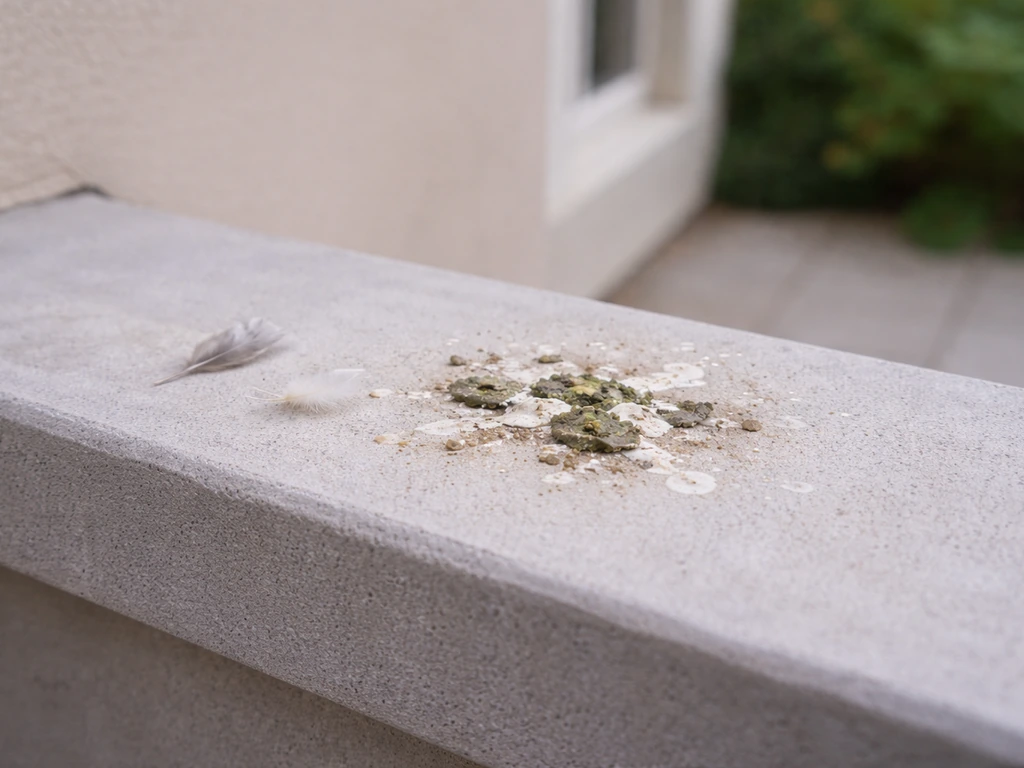
Bird poop looks liquid because bird droppings are actually made of three separate components that land together: a dark fecal portion, white or chalky urate crystals (solidified uric acid), and clear liquid urine. That watery puddle spreading out from the white cap is completely normal. When birds eat a lot of fresh fruit, drink more water, or get a little stressed, the urine portion gets bigger, and the whole dropping looks almost entirely liquid. That is not diarrhea. It is just how birds work.
Why Is Bird Poop Liquid? Causes and Safety Tips

Marcus Fielding
11 May 2026
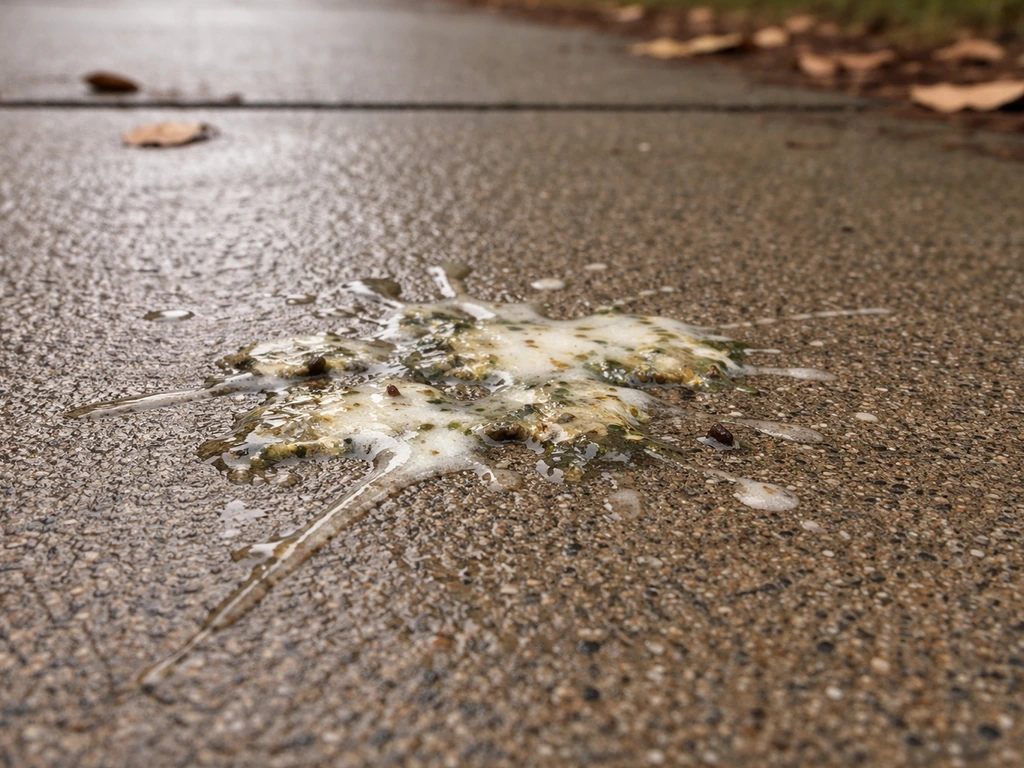
What 'liquid bird poop' usually means
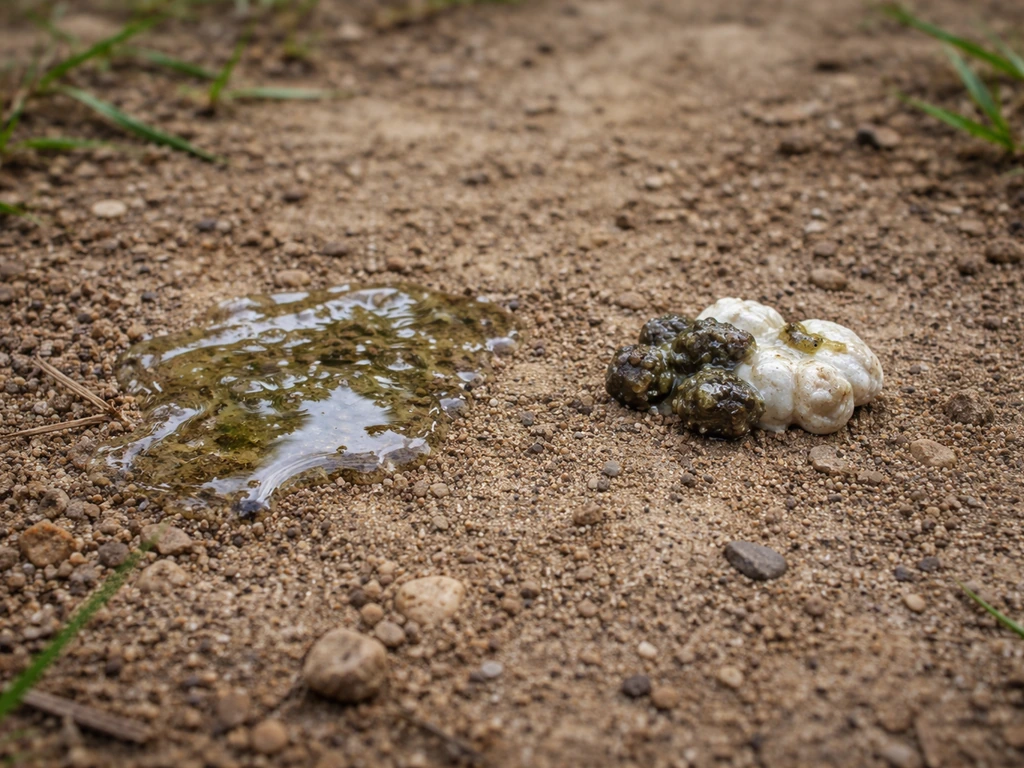
Unlike mammals, birds do not produce separate urine and feces. Everything exits through a single opening called the cloaca, so all three waste products land in one spot at once. Bird urine mixes with feces as it passes through the cloaca, which is why droppings look like a combination of urine and waste rather than separate outputs [everything exits through a single opening called the cloaca](https://www. britannica.
com/story/do-birds-pee). What you are looking at when you see a watery dropping is typically a normal fecal portion sitting inside or on top of a larger-than-usual pool of clear urine, a condition vets call polyuria. The white chalky ring you see around bird droppings is the urate layer, solidified uric acid that replaces the liquid urea mammals excrete.
When the urine portion is large and the whole thing spreads across your windshield, it reads as 'liquid poop,' but the fecal part itself may be perfectly formed underneath.
True diarrhea in birds is different. With actual diarrhea, the fecal portion itself becomes unformed, mushy, and mixed in with the other components so that you cannot distinguish the three parts at all. Most of the time when people say their bird has diarrhea, vets find it is really just more water in the droppings with no real change in the stool component. That distinction matters because polyuria and diarrhea have very different causes and different urgency levels.
Common reasons droppings are watery
Diet and hydration
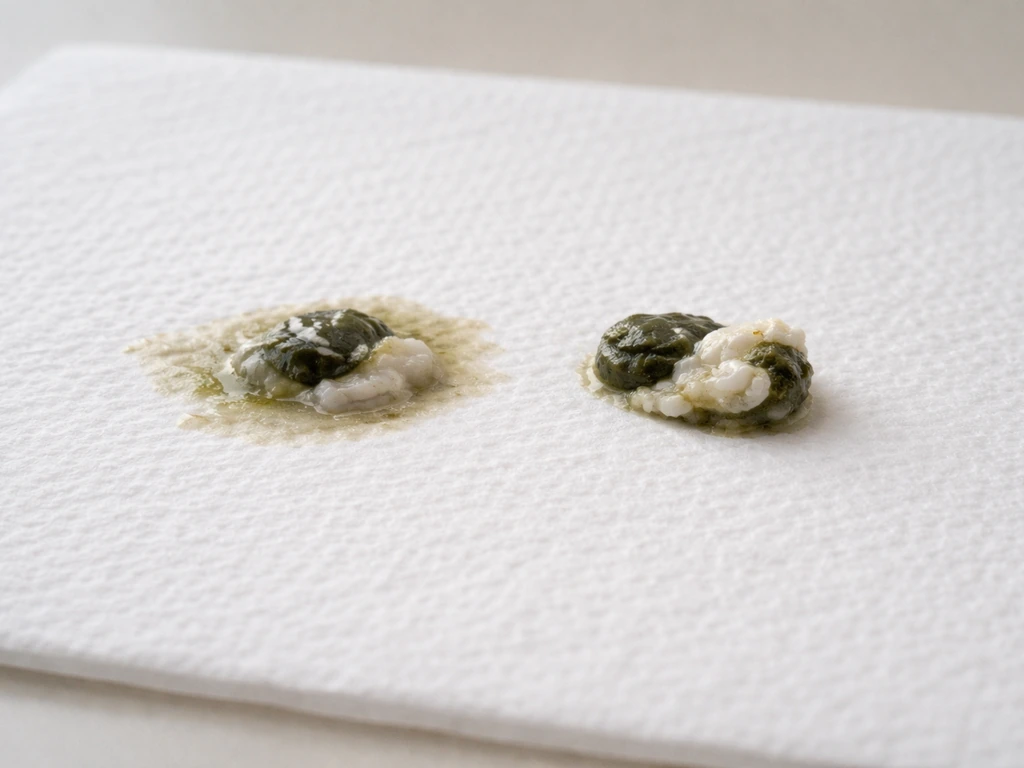
This is the number one culprit for watery-looking droppings, and it is almost always nothing to worry about. Fresh fruit and vegetables have a high water content, and birds that eat them pass noticeably more liquid urine. A parrot that just had a piece of watermelon or a wild bird that has been hitting the berries will produce droppings that spread wide and look almost entirely clear. On a dry seed diet, the same bird's droppings would be much more compact. The more water a bird drinks or absorbs through food, the larger that urine pool becomes. If you keep birds coming to a bird bath, you might wonder why they seem to leave lots of droppings there.
Species differences
Not all birds produce the same consistency of dropping. Fruit-eating species like starlings, waxwings, and many parrots naturally produce wetter droppings than seed-eating species like sparrows or finches. Larger birds like pigeons and geese produce high-volume, loose droppings that splatter more on impact. If you have noticed that different birds leave very different marks on your car, this is why.
Age and juvenile birds
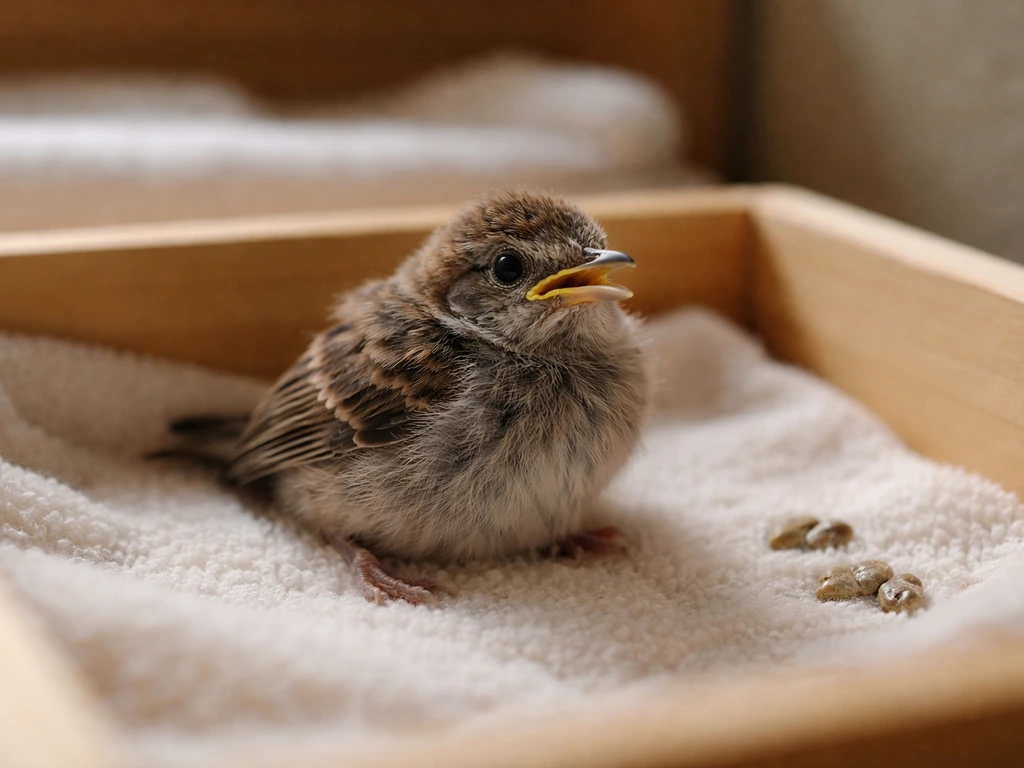
Young fledglings tend to produce wetter, less formed droppings than adults. Their digestive systems are still developing, their diets are often liquid or semi-liquid (regurgitated food from parents), and they process food quickly. If you find very runny droppings near a nest, young birds are a likely explanation.
Stress
Stress is a real and underappreciated cause of watery droppings in both pet birds and wild ones. A bird that has just been handled, chased, or startled can produce noticeably looser droppings for a short time. For pet birds, a new environment, a vet visit, or even a change in the household routine can trigger temporary polyuria. This usually resolves quickly once the bird calms down.
When watery droppings could indicate illness
Watery droppings that persist for more than a day or two, or that come alongside other symptoms, deserve a closer look. If you are seeing red water in a bird bath, it is often due to algae or contaminants and is worth investigating along with any changes in droppings. For pet bird owners especially, the combination matters more than the watery texture alone. Watch for these red flags:
- Lethargy or fluffed-up feathers alongside the watery droppings
- Loss of appetite or noticeably reduced eating
- Actual unformed feces where you cannot distinguish the three parts
- Unusual urate color such as bright yellow or lime green (can signal liver disease or infection)
- Blood in any part of the dropping
- Weight loss over days or weeks
Infections like giardiasis can cause true diarrhea in pet birds along with chronic weight loss and digestive changes. Kidney and urinary tract disorders can increase urine output significantly and may require monitoring. If urate color shifts to bright yellow or green, that can point to liver involvement or systemic infection. These are not the same as a parrot that just ate a bunch of grapes. If watery droppings persist beyond a couple of days without an obvious dietary reason, or if you see any of the signs above, contact an avian vet. Do not wait and watch for two weeks.
If you have a pet bird and you are trying to figure out whether what you are seeing is polyuria (extra urine) or true diarrhea, the most practical test is to look carefully at the dropping on a clean surface. If you can still see a distinct darker fecal portion even surrounded by a large liquid ring, that is polyuria. If everything is one undifferentiated wet mess, that is closer to diarrhea and warrants a vet call sooner.
This question of watery vs. If you are still unsure whether you are dealing with watery polyuria or true diarrhea, read more on why is my bird poop watery for the practical differences to look for next. truly abnormal droppings comes up a lot, and it is closely related to what watery bird poop means for your pet's health overall.
Health risks of liquid bird droppings
Bird droppings do carry real health risks, but context matters a lot. A fresh dropping on your car hood is a very different situation from working around a barn with years of accumulated droppings. The main concerns worth knowing about are:
| Disease | How it spreads | Real-world risk level |
|---|---|---|
| Histoplasmosis | Breathing in fungal spores from soil contaminated by accumulated droppings | Low for casual contact; higher when disturbing large accumulations |
| Psittacosis (Chlamydia psittaci) | Inhaling dust from dried droppings or secretions, mainly from parrots/pigeons | Low for general public; higher for bird handlers |
| Avian influenza (bird flu) | Exposure to infected birds, secretions, or heavily contaminated environments | Very low for typical contact with wild bird droppings |
| Salmonella and other bacteria | Ingestion through contaminated hands touching mouth after contact | Manageable with basic hand hygiene |
A key point from the CDC: fresh bird droppings on surfaces like sidewalks or windowsills are not considered a significant histoplasmosis risk. The fungal risk comes from large accumulations in enclosed spaces where spores build up in contaminated soil over time. For the average person who got splashed by a pigeon or found droppings on their car, the actual risk is low. That said, aerosolized dried droppings are the main route for both histoplasmosis and psittacosis, so the message is always: do not dry-sweep or blow droppings around. Wet them first, then clean.
For pets, the risks run parallel. Dogs that sniff or lick bird droppings can pick up bacterial infections or intestinal parasites. It is worth discouraging that habit, especially around areas frequented by large flocks.
Cleanup fast: car, patio, and splash surfaces
On your car
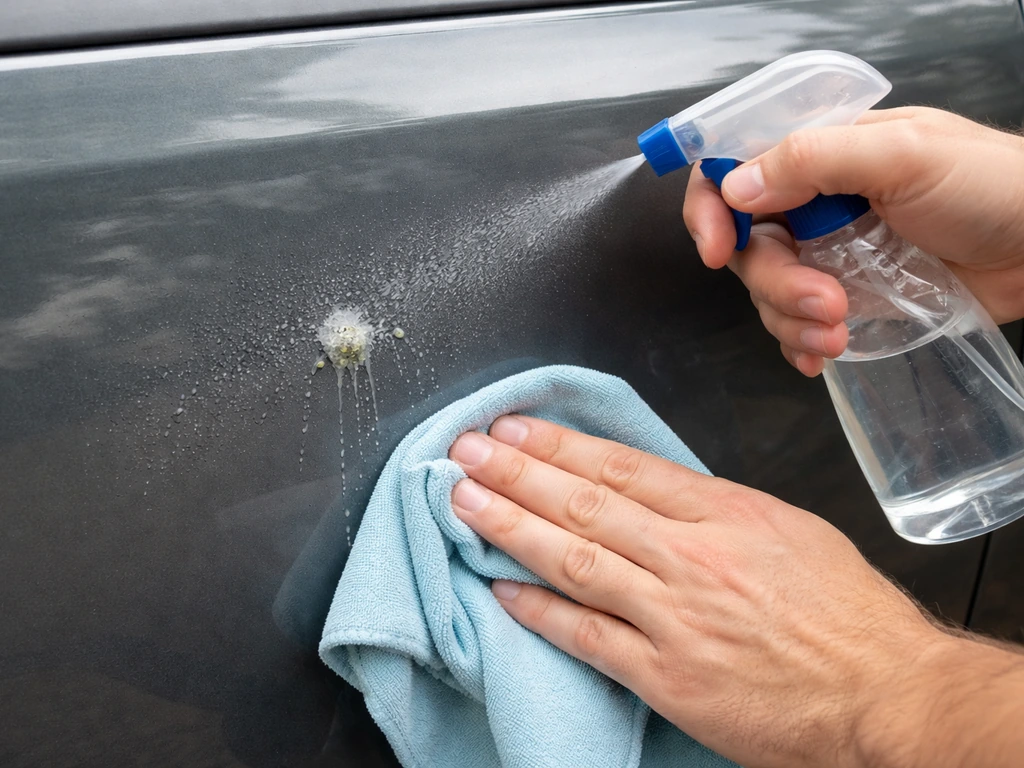
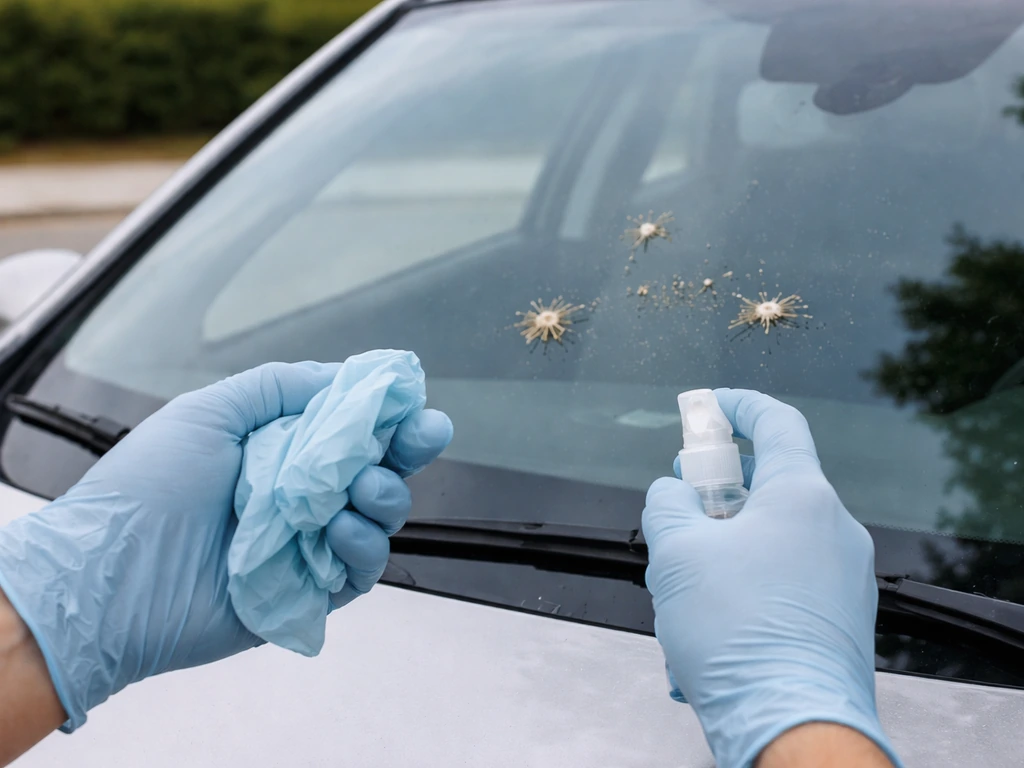
Bird droppings are mildly acidic and can damage car paint within a matter of hours, especially in direct sunlight. Do not let them dry if you can help it. Wet the dropping first with a wet cloth or spray bottle, let it soften for 30 seconds, then wipe gently with a damp microfiber cloth. Do not scrub dried droppings dry because you will scratch the paint and, more relevantly here, you will also aerosolize dried material. Once the dropping is removed, follow up with a quick rinse or a spray-and-wipe with an appropriate car cleaner. Wash your hands after.
On patios, sidewalks, and concrete
For outdoor hard surfaces, the CDC is straightforward: disinfecting sidewalks and roads is generally not necessary or effective for health purposes. What you should do is wet the area first to avoid aerosolizing anything, then clean with soap and water. That removes the material and most of the associated germs. For regular bird activity on a patio, periodic washing with a garden hose and a deck brush is all that is needed. If you are dealing with a large accumulation (a roosting ledge or a covered area that birds have used heavily for a long time), wear an N95 mask and wet the area thoroughly before disturbing it.
On fabric, shoes, or gear
For fabric like outdoor cushions or a jacket, scrape off as much solid material as possible, then treat with soap and warm water. For shoes, the same principle: wet before scraping, then wash. If the dropping has dried, re-wet it with a damp paper towel and let it sit briefly before removal. The goal is always to keep dry material from becoming airborne.
What to do after exposure
Skin contact
Wash the affected area with soap and water immediately and thoroughly. That is genuinely all you need to do in the vast majority of cases. The CDC confirms that cleaning with soap and water removes most germs in typical situations. Do not panic, but do wash properly rather than just wiping it off on your jeans.
Eye contact
If liquid bird droppings splash directly into your eyes (it happens, usually under a bridge or tree), rinse your eyes thoroughly with clean running water for several minutes. If you wear contacts, remove them before rinsing. If irritation persists beyond a few hours, see a doctor and mention the exposure. Cases of eye infection from bird droppings are rare but documented, so it is worth being thorough with the rinse.
Shoes tracking droppings inside
Take shoes off at the door if you suspect you have stepped in bird droppings. Clean the soles outside with water before bringing them inside. This matters most if you have young children crawling on floors or pets that lick surfaces.
Pets that have contact with droppings
If your dog rolled in, sniffed, or ate bird droppings, wipe down the contact area with a damp cloth and wash their paws with soap and water. If your bird is eating its own droppings, that is a common behavior, but it is still smart to check diet, hygiene, and possible health causes with a vet if it continues. Watch for vomiting, diarrhea, or lethargy over the next 24 to 48 hours. If those symptoms develop, call your vet and mention the exposure. A single brief contact is rarely a serious problem, but patterns of repeated exposure (a dog that regularly sniffs pigeon droppings at the park) are worth discussing with your vet.
One note on the cultural side: yes, the old superstition says bird poop landing on you is good luck. You can hold onto that belief if it helps, but it does not change the hygiene recommendation. Wash your hands.
How to prevent bird poop problems going forward
Prevention comes down to discouraging roosting and making cleanup easier and faster when it does happen.
- Park your car in a garage or under a cover rather than under trees or power lines where birds roost.
- Use a car cover if outdoor parking is unavoidable in high-bird-activity areas.
- Install bird deterrents (spikes, reflective tape, or sloped ledge covers) on railings, sills, and rooflines where birds consistently land.
- Keep a small spray bottle and microfiber cloths in your car for immediate fresh-dropping removal.
- For pet birds, clean cage surfaces regularly so droppings do not accumulate and dry out. Never pick up droppings bare-handed.
- Keep bird baths and feeders clean, since accumulated droppings near feeding areas can attract more birds and increase contamination of surfaces nearby.
- Wash hands every time you handle birds, cages, or equipment—no exceptions, even if contact felt minimal.
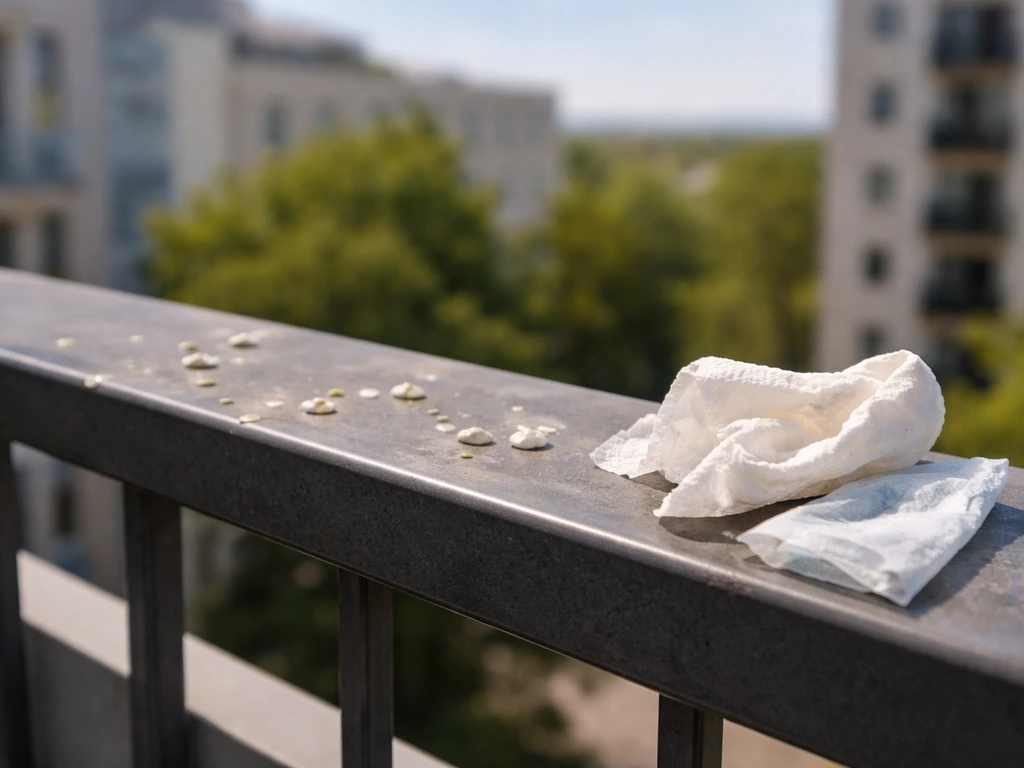
- If your yard or balcony gets heavy bird traffic, hose it down regularly rather than letting droppings dry and crack into dust.
For most people, liquid-looking bird droppings are a cosmetic problem solved with a wet cloth and soap. Understanding that the watery appearance is usually just a diet or hydration effect, rather than evidence of a sick or dangerous bird, takes most of the alarm out of the situation. If you have a pet bird showing genuinely abnormal droppings, that is the scenario where you want to act quickly and talk to a vet. For everyone else, clean it up properly, wash your hands, and move on with your day.
FAQ
How can I tell if watery bird poop is extra urine (polyuria) or true diarrhea?
Liquid-looking droppings alone do not tell you whether a bird is sick. If the dropping still shows a darker fecal center with a clear urine ring, that pattern points to extra urine (polyuria) rather than diarrhea. If the contents look completely blended and unformed, that is more consistent with true diarrhea and should prompt earlier veterinary advice, especially if it continues into a second day.
Can a bird be healthy and still produce mostly clear, watery droppings?
Yes, diet can change the look even if the bird is otherwise normal. A sudden fruit-heavy snack (for example watermelon, berries, or grapes), more drinking after hot weather, or more wet foods like sprouts can quickly increase the urine portion. If the bird’s droppings return to normal within 24 to 48 hours, it strongly suggests a temporary diet or hydration effect.
What if the white part (urate) is a different color, not just watery?
Bright yellow, green, or very unusual urate color is a different clue than “watery.” Color shifts can suggest systemic or liver or kidney-related involvement, even if the fecal shape is not obviously mushy. If the color change lasts more than a day or two, or comes with reduced appetite, fluffed posture, or weight loss, contact an avian vet.
Could the sun or heat make bird poop look liquid even if it is not?
Sunlight and heat can make droppings look thinner because they spread and evaporate differently on car paint and other surfaces. However, true “spread-out liquid” from evaporation should still show some remaining urate ring after it dries. If you consistently see very watery, wide puddles immediately after fresh droppings land, diet or hydration is still the more likely explanation.
Is it normal for fledglings to have runnier droppings than adult birds?
Young birds and some wild species can naturally produce looser droppings due to diet and faster processing, so age and species matter. That said, if fledglings show repeated very watery droppings plus weakness, poor feeding, or a dirty, stuck vent, treat it as potentially abnormal and seek advice rather than waiting.
How long should I wait before calling a vet if my pet bird is stressed and its droppings are watery?
Stress-related polyuria is often temporary, but the pattern helps you decide when to worry. If the bird’s droppings are watery only for a short window after a handling event, transport, or a loud scare, it commonly settles quickly. If the watery pattern persists beyond a couple of days, or increases in frequency, it is safer to have an avian vet assess hydration, kidney, and overall health.
Can a bird have watery droppings but not be sick, and how should I confirm?
Not necessarily. Water content and stool form are different measurements. A bird can pass watery urine without having diarrhea, meaning the darker fecal portion is still distinguishable. If you are unsure, check on a clean, non-absorbent surface and compare multiple droppings from the same day.
What cleaning mistake most often increases health risk?
If you need to clean droppings from a place where people or pets walk frequently, wetting first is the key step to prevent aerosols from dried material. Use soap and water or an appropriate cleaner after wetting and removal. Avoid dry sweeping, brushing, or blowing because that is when airborne particles become more likely.
Do I need to use different cleaning steps if the droppings have dried?
If droppings sit for a while and dry, treat it as higher aerosol risk during cleaning. Re-wet first, let it soften for a short time, then wipe or remove with damp materials. If you are dealing with a large buildup, use proper respiratory protection (like an N95) and keep the area wet while you clean.
Is disinfecting outdoor sidewalks and patios necessary after bird droppings?
For outdoor hard surfaces, disinfectants are usually unnecessary for routine cleanup. The practical goal is to remove the material and avoid aerosolizing it, so wet first, then wash with soap and water. Disinfecting can add fumes and surface damage without improving real-world safety for most typical exposures.
What should I do if my dog sniffs or licks bird droppings?
Yes, there are a couple of “watch your pets” situations. Dogs that lick droppings can pick up intestinal parasites or bacteria, so discourage the behavior and wipe the dog’s mouth if exposure happens. Also keep children from crawling or playing in areas with active droppings, since they may touch surfaces and then touch their face.
What should I do if bird poop splashes into my eyes?
For eye exposure, irrigation is time-sensitive, rinse continuously for several minutes, and remove contacts before rinsing. If you still have redness, pain, light sensitivity, or discharge after the initial rinse, seek medical care and mention the bird droppings exposure so clinicians can consider appropriate causes.