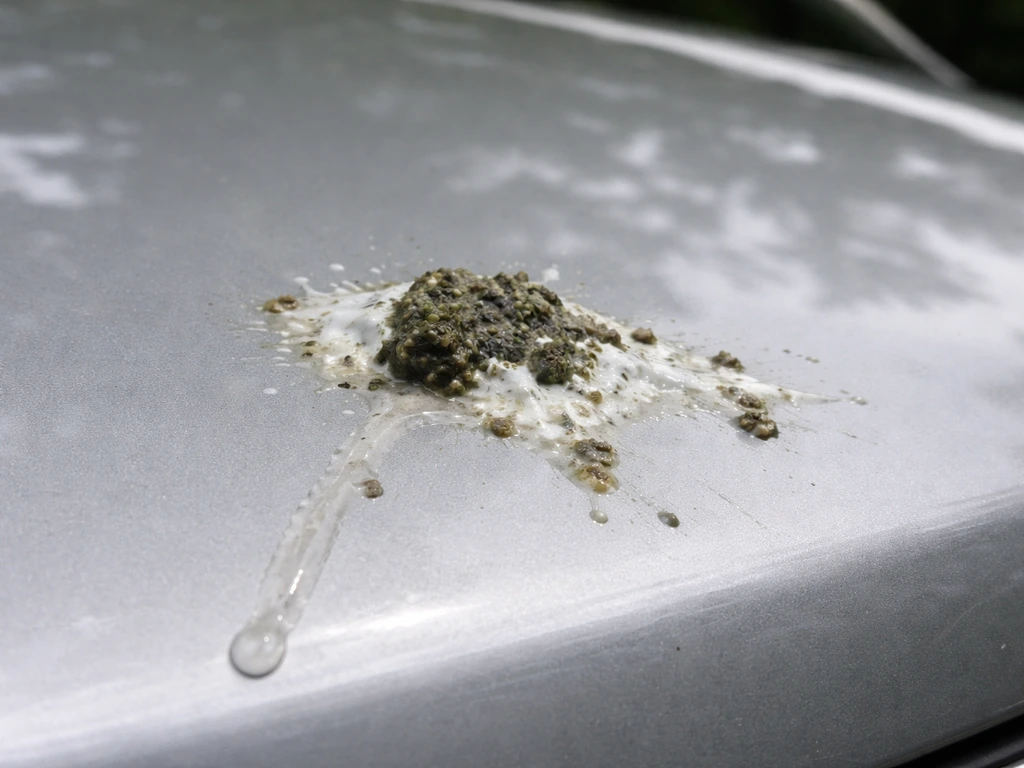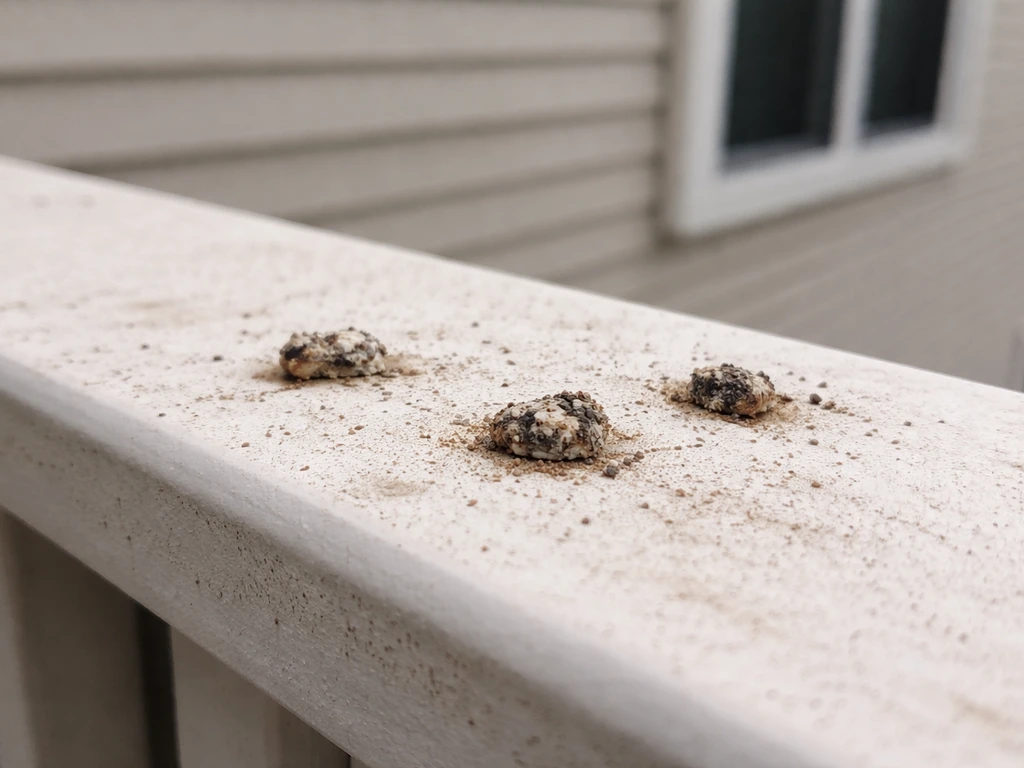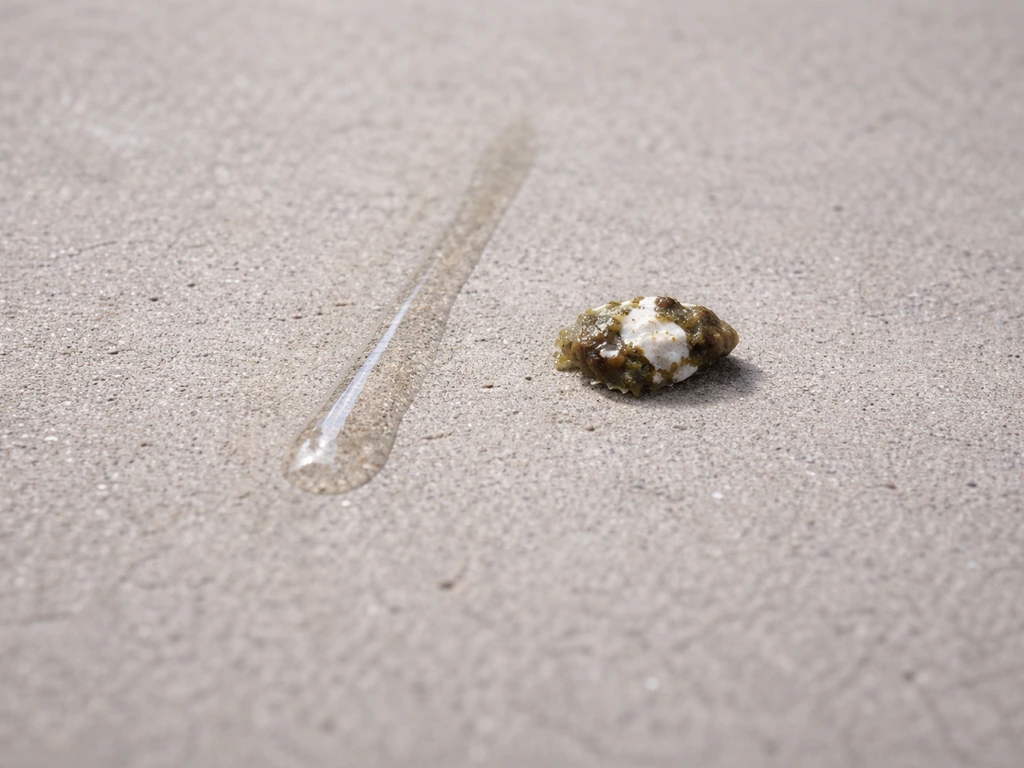
Bird poop is made of three things mixed together: feces (the dark solid part from digested food), urates (the chalky white or cream-colored paste that is the bird's version of urine), and liquid urine. If you want a quick refresher on what is bird poop and why it looks the way it does, the composition sections above spell it out. The white stuff you almost always see is uric acid, which birds produce instead of urea because it uses far less water to excrete. That uric acid is not fully dissolved, it comes out as a thick, whitish suspension of microscopic crystals bound in mucus. So when you look at a fresh dropping, the dark center is gut waste and the white halo is solidified uric acid. That's bird poop in a nutshell. Bird guano is another name for bird droppings, often used in gardening and agriculture to describe the dried material.
What Is Bird Poop Made Of? Composition, Risks, and Cleanup

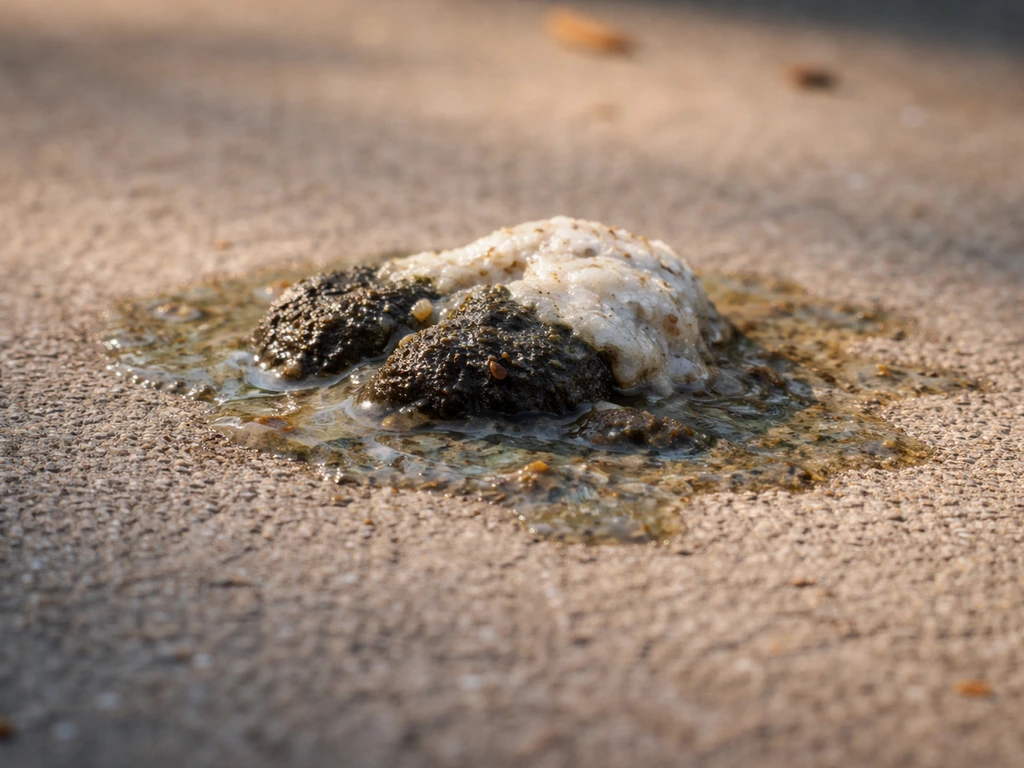
What bird poop is actually made of
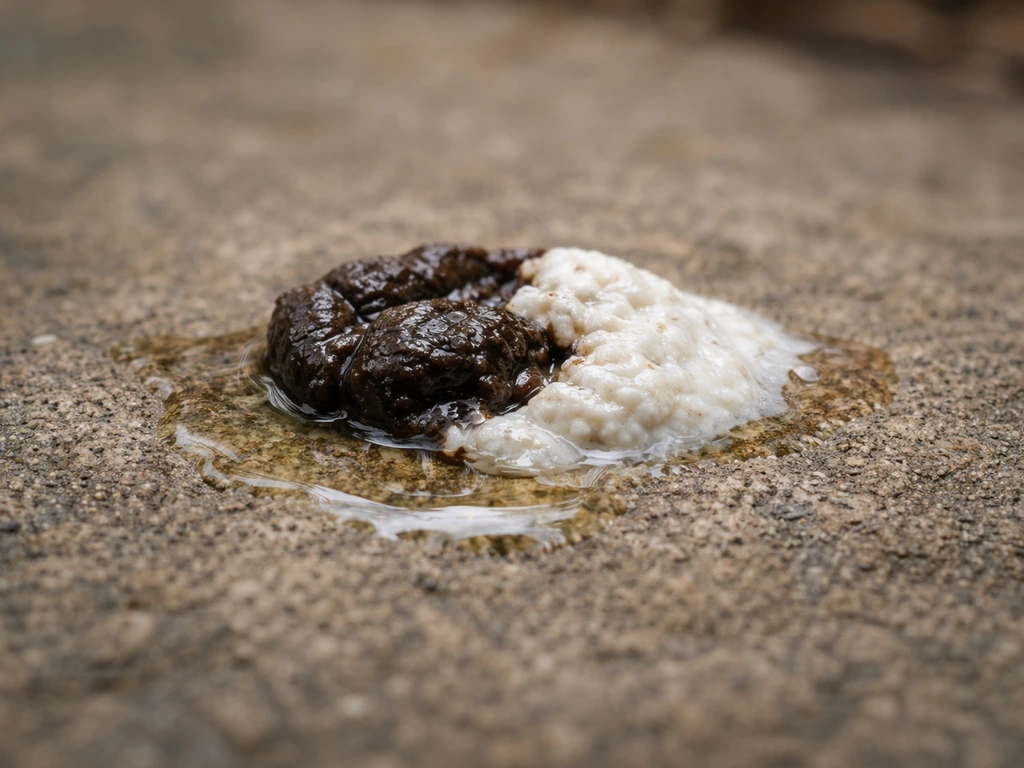
Birds have a single exit point called the cloaca, which means their digestive waste and urinary waste mix together and come out in one go. That is why every dropping has multiple components packed into the same splat. The three main parts are:
- Feces: the darker solid or semi-solid portion made of digested food residue, gut bacteria, bile pigments, and undigested material like seeds or insect parts
- Urates: the white, off-white, or cream-colored opaque paste made of uric acid precipitates and salts bound in mucus — this is the bird's primary nitrogenous waste product
- Urine: a small amount of clear or slightly cloudy liquid that can pool around the other two components
The reason birds excrete uric acid instead of urea (like mammals do) is a water-conservation adaptation. Uric acid is nearly insoluble, so it can be excreted as a thick paste without losing much water. It is an elegant system for animals that evolved to fly and could not afford the weight of a large bladder full of liquid urine. That same chemistry is also why bird droppings are mildly to moderately acidic, with a pH typically ranging around 3 to 4.5, which matters a lot when droppings land on your car's paint.
Beyond those three basic components, droppings also carry gut bacteria from the bird's digestive tract, pigments from food and bile, and whatever environmental contaminants the bird has been exposed to through its diet. A pigeon eating city scraps is depositing something chemically different from a backyard songbird eating berries. The dropping is essentially a compressed snapshot of what the bird has been eating and where it has been.
How composition changes with species, diet, and freshness
Not all bird droppings look or behave the same, and the differences come down to three main variables: what the bird eats, which species it is, and how long the dropping has been sitting there.
Diet and species
Birds that eat a lot of fruit produce droppings with more liquid content and can have pink, purple, or red pigmentation from berry pigments. Seed-eaters tend to produce drier, more compact droppings with a higher fecal proportion. Carnivorous birds (raptors, gulls) produce droppings with more protein-derived nitrogenous waste, so you often see a higher urate-to-fecal ratio, more white, less dark solid. Birds on high-water diets produce noticeably wetter droppings because the urine component increases with fluid intake. Parrots, pigeons, gulls, and raptors all look quite different from each other on your car hood.
Fresh vs. dried droppings
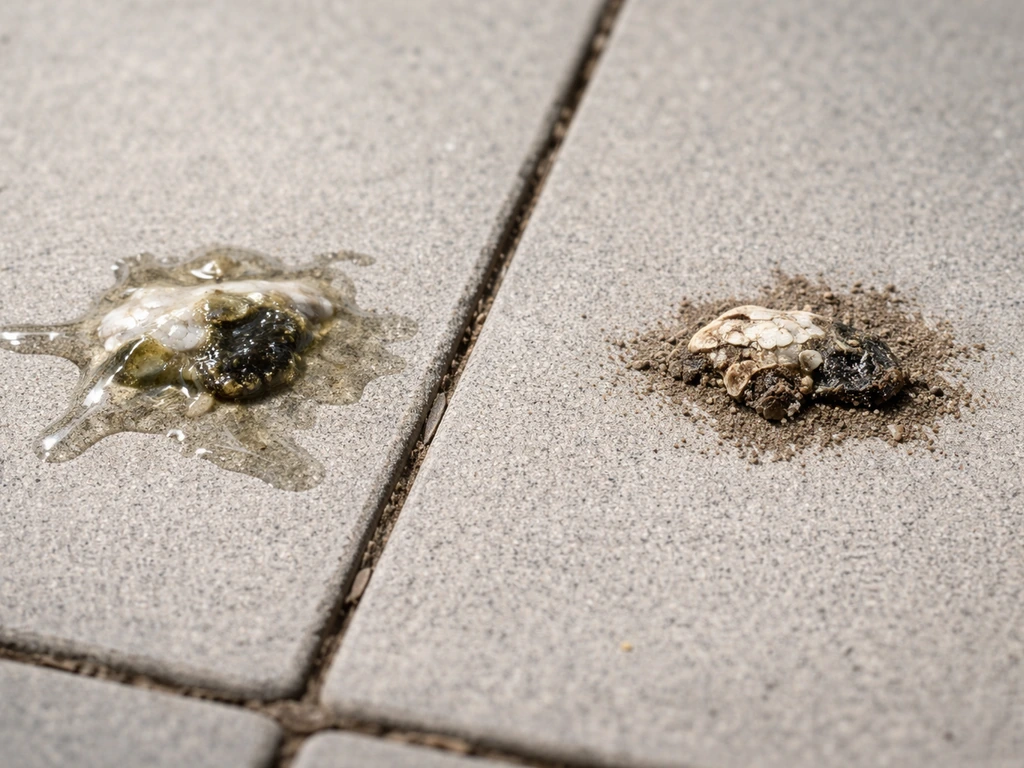
Fresh droppings are moist, easy to see in their three-part form, and actually easier to clean off most surfaces. As they dry, the liquid urine evaporates, the urate paste hardens into a chalky, cement-like crust, and the fecal component desiccates and can become powdery. That drying process is important from a safety standpoint: dried droppings can crumble and become airborne when disturbed, which is where most of the health risk comes from. A fresh dropping on the sidewalk is mostly a hygiene inconvenience. A large pile of old dried droppings under a bridge or in an attic is a different situation entirely.
Why bird droppings can be a health concern
The composition of bird droppings is exactly what makes them a potential health risk. You have gut bacteria, organic material, possible environmental contaminants, and in some cases, pathogens that can survive in dried material for extended periods. The main concerns linked to what droppings are made of include:
- Histoplasma capsulatum: a fungus that does not live in the droppings themselves but thrives in soil enriched by accumulated bird (and bat) droppings; breathing airborne spores from disturbed contaminated soil is the risk
- Chlamydia psittaci: the bacterium behind psittacosis (parrot fever), which can be shed in droppings and respiratory secretions from infected birds, particularly parrots and pigeons; transmission is mainly through inhaling dust from dried droppings
- Avian influenza viruses: potentially present in droppings from infected birds; transmission can happen by touching contaminated surfaces and then touching your eyes, mouth, or nose
- Salmonella and Campylobacter: common gut bacteria that can be present in droppings and cause gastrointestinal illness if ingested
- Cryptococcus neoformans: another fungus associated with pigeon droppings specifically, which can cause illness in immunocompromised individuals
The acidic uric acid content is also a direct physical risk to surfaces, not just a biological one. At a pH around 3 to 4.5, droppings can etch car paint and clear coat, especially when heat accelerates the reaction. Leaving bird poop on your car in summer is the fastest way to end up with permanent paint damage.
How likely are you to actually get sick, and what raises the risk
For a healthy adult who encounters a dropping or two on the sidewalk, a car, or a patio table, the real-world disease risk is low. Casual, incidental contact with fresh or even dried bird droppings in open outdoor spaces is not the same as occupational exposure. That said, there are specific situations where the risk genuinely goes up and where you should take it seriously.
| Scenario | Risk Level | Main Concern |
|---|---|---|
| Single fresh dropping on car or patio | Very low | Surface damage from uric acid; basic hygiene |
| Dried droppings on outdoor furniture or sidewalk | Low (open air) | Minimal aerosolization risk outdoors |
| Cleaning a large accumulation indoors (attic, barn, coop) | Moderate to high | Histoplasma spores, psittacosis dust, aerosolization risk |
| Scraping or dry-sweeping old dried deposits | High | Dust inhalation with potential Histoplasma or psittaci |
| Immunocompromised person with any significant exposure | Elevated regardless of setting | Increased severity risk for fungal and bacterial infections |
| Handling sick or dead birds with bare hands | High | Avian influenza, Salmonella, psittacosis |
The CDC and NIOSH are clear that fresh bird droppings on outdoor surfaces like sidewalks and windowsills are unlikely to pose a histoplasmosis risk on their own. The danger increases significantly when large amounts of old, dried droppings are disturbed indoors or in enclosed spaces, because that is when spores and dried particles become airborne and get inhaled. If you are dealing with a large buildup in an enclosed space, that is a job for professional hazardous material cleaners, not a DIY project.
How to clean up bird droppings safely
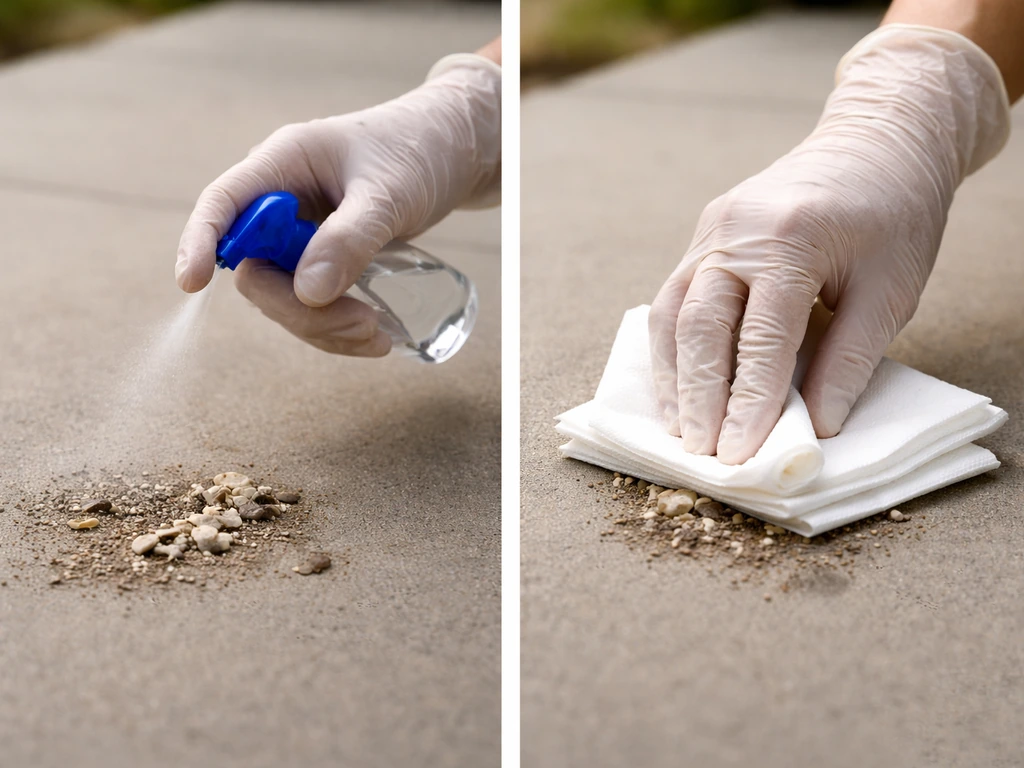
The single most important rule for cleaning bird droppings is: wet it before you touch it. Never dry-sweep, dry-scrape, or vacuum dried droppings without wetting them first. Disturbing dry material sends particles airborne, and that is exactly the exposure route you want to avoid. Here is how to handle it correctly for common everyday situations.
For patios, sidewalks, and outdoor surfaces
- Put on disposable gloves before you start. If there is a lot of dried material or you are in an enclosed space, add an N95 respirator and eye protection.
- Wet the dropping thoroughly with water or a diluted disinfectant solution before doing anything else. A spray bottle works fine. This prevents dust from becoming airborne.
- Let the disinfectant sit and soak for a few minutes to do its work — follow the product label for exact contact time, since that varies.
- Wipe or scrape the moistened material into a plastic bag using paper towels or a disposable scraper. Seal and bin the bag.
- Clean the surface again with soap and water or a disinfectant spray, and let it air dry.
- Remove your gloves inside-out to avoid touching the outer surface, then wash your hands thoroughly with soap and water for at least 20 seconds.
For cars and painted surfaces
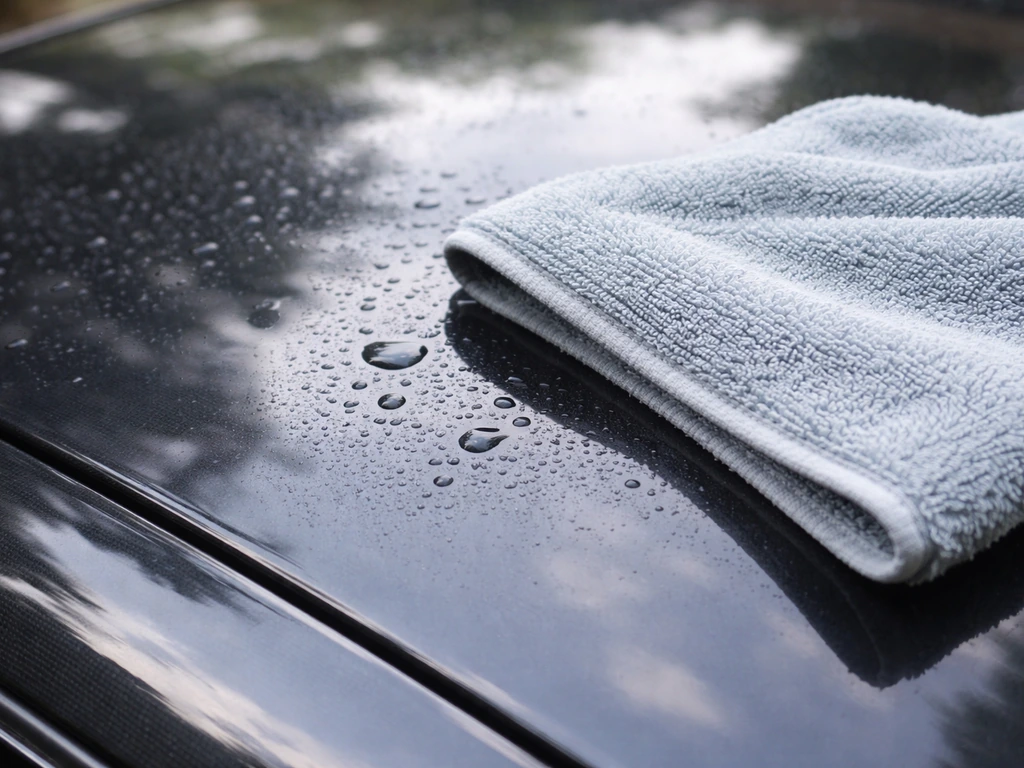
Speed matters more on cars than anywhere else because the uric acid starts attacking your clear coat fast, and heat speeds up the process dramatically. Do not scrape a dry dropping off paint, you will scratch the clear coat. Instead, soak a microfiber cloth or paper towel in warm water and lay it over the dropping for 30 to 60 seconds to rehydrate it. Then gently lift and wipe, working from the outside of the splat inward. Follow up immediately with a car-safe cleaner or detailer spray, then rinse. If you have wax or paint sealant on the car, reapply it to the affected area afterward, since the acidic dropping may have degraded the protection. Do not use household bleach or strong disinfectants on car paint, save those for concrete and non-porous outdoor surfaces.
For large accumulations or enclosed spaces
If you are dealing with more than a few scattered droppings, think a chicken coop that needs a serious clean, an attic where birds have nested, or a ledge with years of buildup, you need to treat it as a higher-risk job. Wear heavy rubber or nitrile gloves, a properly fitted N95 or higher respirator, eye protection, and disposable shoe covers or boots you can clean afterward. Use a low-pressure sprayer to mist the area and keep material wet throughout the entire cleanup. Never dry-scrape or use a leaf blower on accumulated droppings. Consider whether the job is too large or enclosed to handle safely without professional help, the CDC and NIOSH recommend professional hazardous waste contractors for major accumulations.
What to do after you've been exposed
Skin contact with bird droppings happens to everyone eventually. The response is simple: wash the area thoroughly with soap and water. Do not panic, but do wash promptly and do not rub your eyes or touch your mouth beforehand. If droppings get in your eyes, rinse immediately with clean water for several minutes. For most healthy people, this is all that is needed.
You should contact a doctor or healthcare provider if you develop symptoms in the days or weeks after a significant exposure, especially if you disturbed a large accumulation of old droppings. Watch for flu-like symptoms (fever, chills, muscle aches, cough, chest discomfort) that develop within 3 to 17 days after significant exposure, as these can be early signs of histoplasmosis. Psittacosis can also present like an atypical pneumonia. If you are immunocompromised, have a chronic lung condition, or are otherwise in a higher-risk group, be more proactive about seeking medical advice even after what seems like a minor exposure. Tell your doctor about the exposure so they can consider it when evaluating any symptoms.
The good luck belief vs. what you now know
It is genuinely charming that across many cultures, getting hit by bird poop is considered a sign of good luck or incoming fortune. The belief shows up in Russian, Turkish, Italian, and many other traditions, and the logic usually goes something like: the odds of it happening are so low that it must mean something. There is even a version of this tied to the idea that birds represent messages from beyond, which connects to the broader cultural interest in what bird poop is a sign of. If you're wondering what bird poop is actually called, you'll also hear the term guano for bird droppings what bird poop is a sign of.
Here is the honest take: the superstition is harmless and kind of fun, and if it makes you feel better about the indignity of getting splattered on your way to a meeting, embrace it. But it should not stop you from washing up immediately, which is exactly what you should do. Lucky or not, the dropping is still made of uric acid, gut bacteria, and fecal matter. The good luck, if it exists, can absolutely survive a thorough handwashing. Think of it this way: you can believe in the symbolism and still take the health side seriously, because those two things are not in conflict at all.
The cultural fascination with bird droppings, from their names (guano, whitewash, mutes) to their supposed meanings, reflects how much these everyday encounters make people curious. That curiosity is worth following up on. But when the curiosity is triggered by an actual dropping on your car, your arm, or your patio, let the practical side of your brain take over first: wet it, clean it, wash your hands, and then you can look up the folklore.
Your next steps right now
If you are dealing with bird droppings today, here is the short version of what to do: wet the area before cleaning, use gloves, wipe from outside in, disinfect the surface, seal and bin the waste, and wash your hands. On a car, act fast and rehydrate the dropping before wiping. For large indoor accumulations, get professional help. If you have already had skin or eye contact, wash thoroughly now and watch for any flu-like symptoms over the next few weeks. And if a bird just scored a direct hit on you on the way to work, well, apparently that means you have a lucky day ahead. Wash up and enjoy it.
FAQ
If the dropping is mostly white, does that mean it is less dangerous?
Not always. The white part is often urates or uric acid crystals, but the exact look varies by diet and how long it has been sitting. Fresh droppings that are mostly white can still be hazardous for cleanup, because the risk is tied to microscopic dried particles and bacteria, not just the color.
What should I do if bird poop gets on my skin, clothes, or shoes?
For skin, soap and water is usually enough. The key is timing (wash promptly), and avoiding rubbing your eyes or touching your mouth before you do. For fabric, blot first, rinse with cool water, then launder normally, and do not dry heat anything before washing.
Can I use household disinfectant or bleach on everything to “make it safe”?
Yes, and it depends on the surface. Concrete and outdoor non-porous areas tolerate stronger disinfectants, but car finishes should be treated as a paint chemistry problem, not a kitchen-bathroom cleaning problem. Use water first to rehydrate, then a car-safe cleaner or detailer, and rinse, because harsh chemicals can damage trim, sealants, and coatings.
Is it okay to scrape or sweep dried bird droppings if I wear gloves?
You should not. Even if the droppings look “solid,” any dry-sweeping, dry-scraping, or leaf-blowing can aerosolize dried particles. If you must remove it, mist until wet, wipe gently, then bag waste and clean the area again.
How do I judge whether droppings are a low risk or a high risk situation?
Do not rely on smell or appearance. Fresh versus old matters, but the main predictor is disturbance in enclosed spaces. If you are dealing with droppings in an attic, closet, crawlspace, or near HVAC returns, treat it like a contained aerosol risk and consider professional cleanup.
What is the threshold for DIY cleanup versus calling hazardous waste pros?
For a small, accidental mess outdoors, a basic wipe-and-wash routine is typically enough. For large accumulations, especially indoors, the protective gear becomes important because the hazard is inhalation of dried material. If you cannot keep everything wet during cleanup or you cannot contain dust, that is a sign to stop and get help.
Why do some bird droppings look pink, purple, or red, and does that change what they’re made of?
Yes, certain birds and diets can change the ratio of dark fecal material to white urates, and the presence of pigments can make the dropping look pink, purple, or red. Still, the fundamental “made of” chemistry (feces, urates/uric acid, and liquid urine) remains, even when the texture and color shift.
After cleaning bird poop off my car, when should I re-wax or reseal it, and what should I avoid?
If it is on your car, reapply wax or a paint sealant only after the area is fully clean and dry, and only with products compatible with your existing coating. Also, avoid abrasive pads, because the dropping’s acidity may have already softened the protective layer, making scratching easier.
What if bird poop has already etched or stained my car paint?
A car can be stained if you let it sit, and old droppings can leave stubborn residues. After cleaning, check under good light, and if there are etched spots or rough texture, consider a professional decontamination step rather than aggressive rubbing at home.
Can bird poop near my HVAC or vents create a bigger problem than a spot on the ground?
Yes. Birds can deposit droppings on ventilation intakes and outdoor grilles, and that can move contamination indoors. If droppings are near vents, do not just wipe the visible spot, also check around the vent opening and clean after wetting to prevent spread.