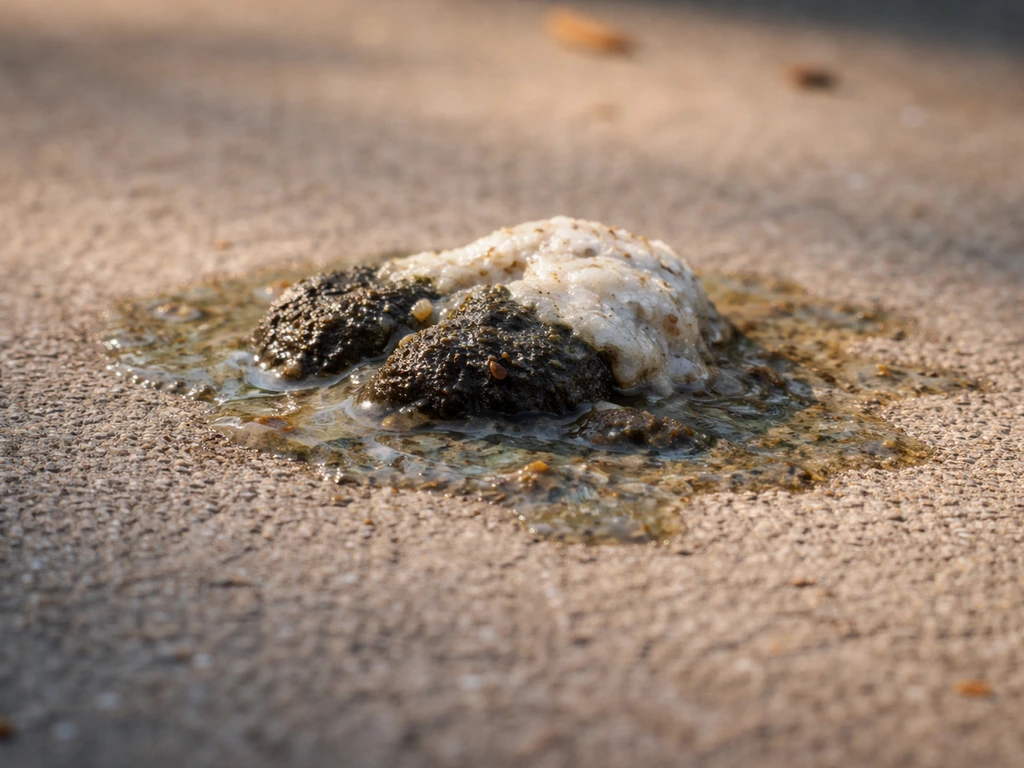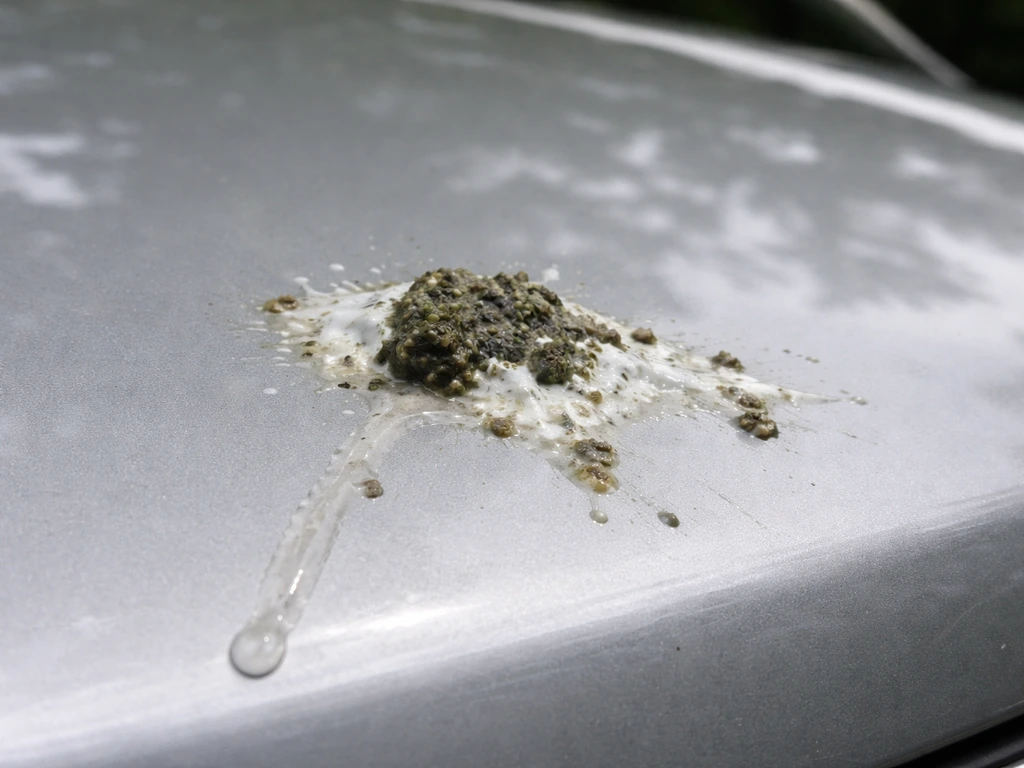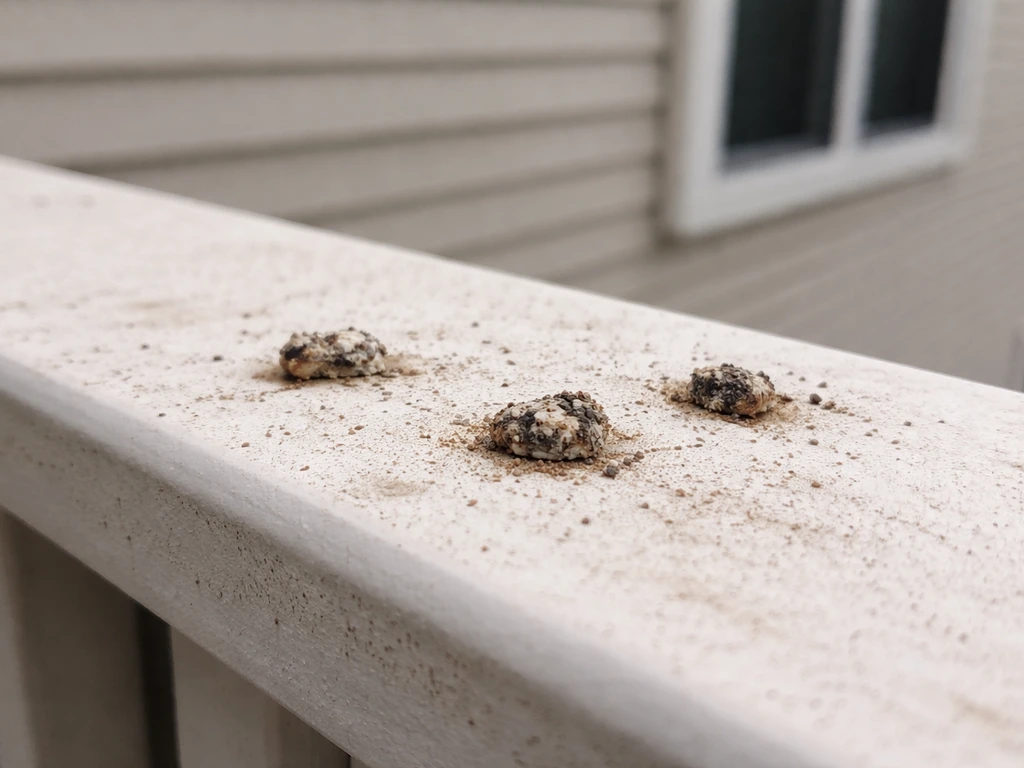
Yes, bird poop is often called guano, but that's not the whole story. Technically, "guano" refers to the accumulated droppings of seabirds, bats, or seals, especially when those droppings have built up in large quantities and are valuable as fertilizer. In everyday speech, people use it as a casual synonym for any bird dropping, and that's fine. But if you want to use the word precisely, guano is really about large-scale accumulation, not the fresh splat on your windshield.
Is Bird Poop Called Guano? Meaning, Risks, Cleanup

Marcus Fielding
7 May 2026
What "guano" actually means
Merriam-Webster defines guano as the accumulated excrement of seabirds or bats, particularly as used for fertilizer. Collins expands that slightly, listing the accumulated droppings of bats and seals as well. Cambridge ties the word to its fertilizer use, noting it comes from birds and bats. None of these definitions treat guano as a general, all-purpose word for bird poop. They all point to something more specific: a concentrated, built-up mass of droppings that has agricultural or commercial value.
Britannica adds another useful layer here. It distinguishes between bird guano and bat or seal guano based on their different nutrient compositions, which matters a lot in agricultural contexts. Bird guano (especially from seabirds like cormorants and boobies) tends to be particularly high in nitrogen and phosphorus, making it a powerful fertilizer. So even within the word "guano," there are meaningful distinctions between types.
Why people say bird poop is guano
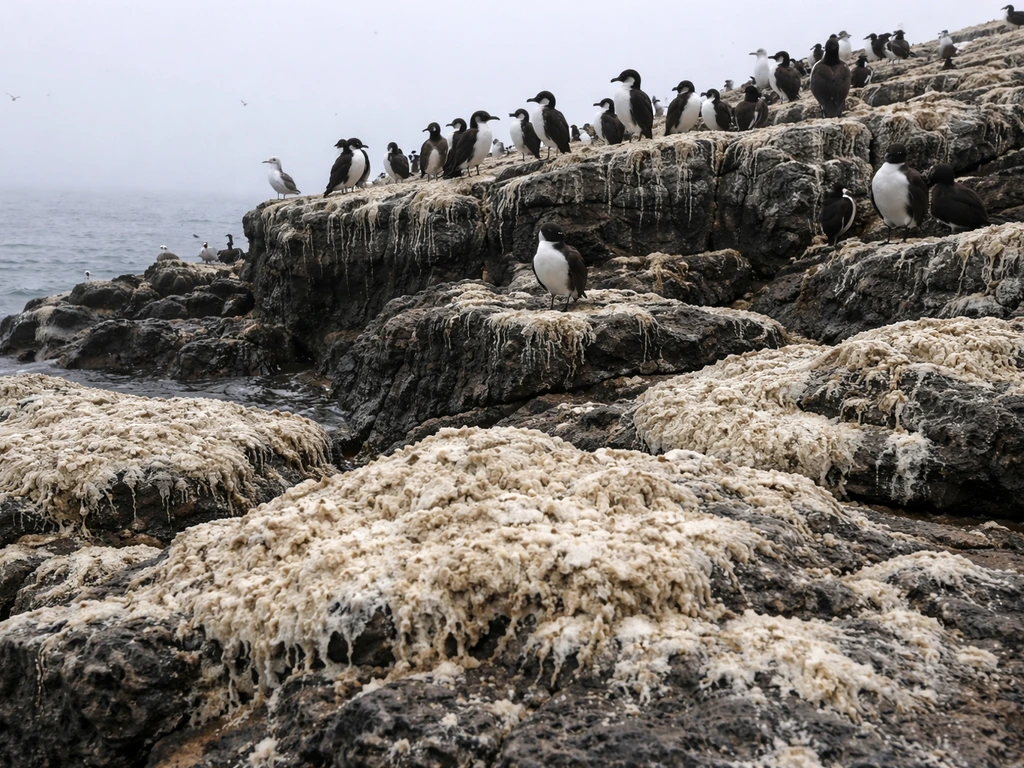
The word guano made its way into popular English usage largely because of its association with a genuine historical industry. In the 19th century, massive seabird colonies on islands off the coast of Peru and Chile left centuries of accumulated droppings that became incredibly valuable as fertilizer. "Guano" entered English conversations about agriculture and trade, and somewhere along the way it became a slightly more polished-sounding stand-in for "bird poop" in general conversation. It sounds more scientific, it's a real word with history behind it, and let's be honest, it's a little more fun to say.
So when someone calls the mess on their car windshield "guano," they're not technically wrong in a casual sense, they're just using the word more loosely than its strict definition allows. Think of it the way people say "Kleenex" for any facial tissue: broadly understood, slightly imprecise.
Different types of bird droppings and related terms
Bird droppings are actually a combination of three things: feces (the dark solid portion), urates (the white or cream-colored chalky part), and a small amount of liquid urine. Bird droppings contain a mix of feces, urates, and a small amount of urine, which is why their makeup can vary by diet feces, urates, and a small amount of liquid urine. Birds excrete nitrogen waste as uric acid rather than urea like mammals do, which is why their droppings look the way they do. The white portion you always notice? That's the urate component, not just bleaching from the sun. Purdue University's veterinary guides describe this mix as feces plus a variable amount of urate "whitewash" plus water.
Beyond "guano," you'll encounter a few other terms depending on context. "Droppings" is the most neutral and widely used term. If you are really asking "what is bird poop called," the most common everyday answer is simply bird droppings, while guano is a more specific name for accumulated fertilizer-grade material. "Feces" or "excrement" is more clinical. "Whitewash" sometimes refers specifically to the white urate component. In agricultural and ecological research, "guano" is reserved for the fertilizer-grade, large-scale accumulations. For a single fresh dropping, "bird poop" or "bird droppings" is the most accurate everyday language.
Where the word guano comes from
The word has a fascinating origin. It traces back to the Quechua language of the Inca civilization, where "huanu" meant dung or fertilizer. From Quechua, it passed into Spanish as "guano" (or "huano" in American Latin Spanish), and from Spanish it entered English in the early 17th century. Etymonline confirms this pathway, noting the Quechua root "wanu" meaning dung, which Merriam-Webster also attributes as the origin. Oxford Learner's Dictionaries dates the English adoption to the early 1600s. So the word has been in circulation for over 400 years, long before it became a casual synonym for any bird mess.
The Quechua connection matters because it reflects how central bird droppings were to Andean agriculture long before Europeans arrived. Indigenous farmers along the Pacific coast recognized the value of seabird droppings as a soil amendment centuries before the 19th-century guano trade made it famous worldwide.
Is guano only from birds?
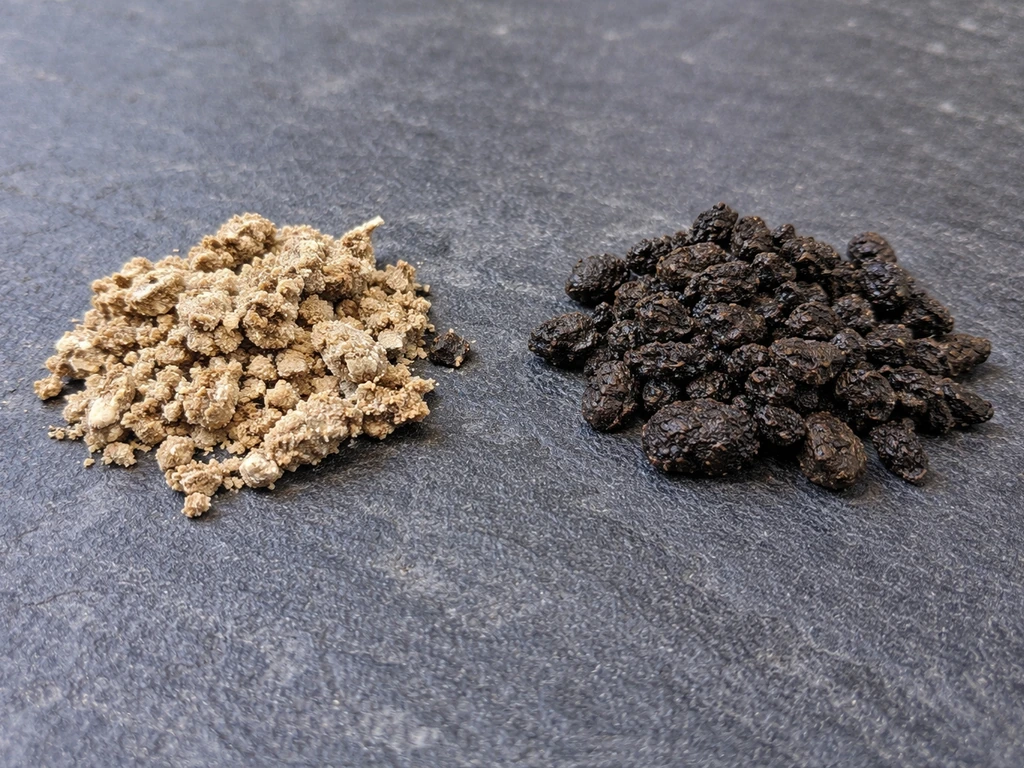
No, and this is one of the more common misconceptions. While seabird guano is the most historically famous variety, the word also applies to bat droppings and, in some definitions, seal droppings. Collins English Dictionary explicitly lists bats and seals alongside birds. Bat guano, in particular, has its own well-documented history as a fertilizer and is the subject of significant ecological and health research. So if you're exploring an old cave or attic and encounter a large accumulation of droppings, those could absolutely be called guano, even if no bird was involved.
| Source | Included in "guano" | Notes |
|---|---|---|
| Seabirds (cormorants, boobies, pelicans) | Yes | Classic, most famous type; high nitrogen content |
| Bats | Yes | Common in caves and attics; significant health risk when disturbed |
| Seals | Yes (some definitions) | Less commonly referenced; mentioned by Collins |
| Common backyard birds (pigeons, sparrows, starlings) | Informally yes, technically borderline | Droppings accumulate under roosts; guano term often applied loosely |
| Single fresh dropping (any bird) | Technically no | Better described as bird droppings or bird poop |
How to handle bird droppings safely
Here's where terminology stops mattering and practical safety starts. Whether you call it guano, droppings, or just bird poop, the health risks are real, particularly when you're dealing with large accumulations or dried material in enclosed spaces.
The main health risks
The two fungal infections most associated with bird and bat droppings are histoplasmosis and cryptococcosis. Histoplasma capsulatum, the fungus that causes histoplasmosis, thrives in soil enriched with bird or bat droppings and is typically acquired by breathing in airborne spores. The CDC notes that fresh bird droppings on some surfaces likely pose less risk than larger, older accumulations where the fungus can establish itself in the soil below. Cryptococcus neoformans, which causes cryptococcosis, also lives in bird droppings and in decaying organic material. Both infections can be serious, especially for people with weakened immune systems.
The risk goes up significantly when droppings dry out and become dusty, because that's when spores become airborne. The National Park Service specifically warns that stirring up dust from areas with large quantities of bird droppings or bat guano increases histoplasmosis risk. This is why cleanup method matters as much as whether you clean up at all.
Safe cleanup steps
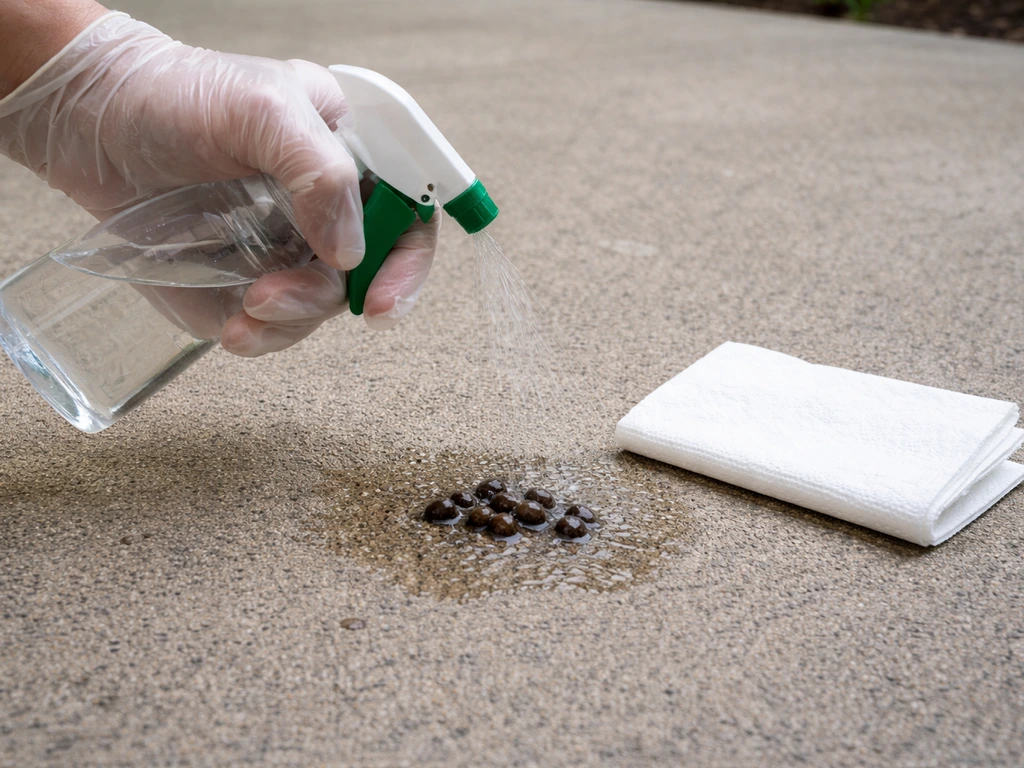
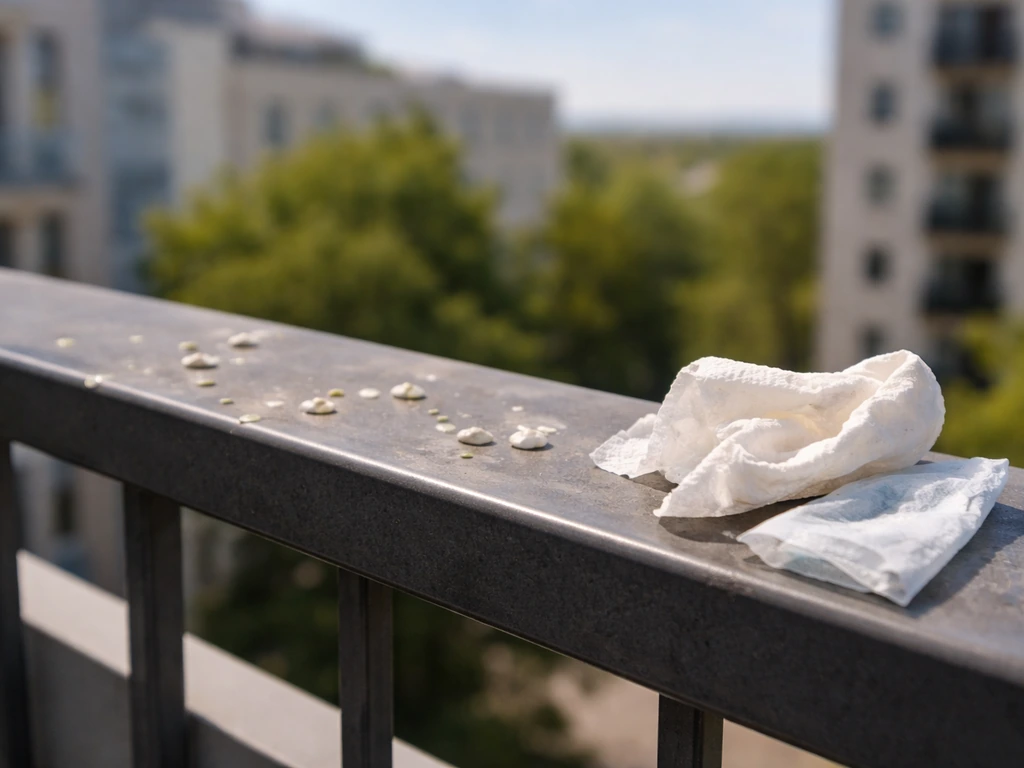
For a small accumulation, like a few droppings on a patio or car, soap and water is generally sufficient. The Illinois Department of Public Health advises that small quantities can be handled with basic cleaning. But do not dry-sweep or shovel dried droppings. The CDC and NIOSH are explicit about this: avoid shoveling or sweeping dry, dusty material. Instead, wet the droppings first to prevent spores from becoming airborne, then collect and dispose of the dampened material.
- Wet the droppings thoroughly with water or a diluted disinfectant spray before touching or disturbing them.
- Wear gloves and, for larger cleanups, an N95 respirator to avoid inhaling any disturbed particles.
- Collect the wetted material carefully and seal it in a plastic bag before disposal.
- Wash hands thoroughly with soap and water afterward, even if you wore gloves.
- For large accumulations under bird roosts, in attics, or in enclosed spaces, contact an environmental consultant or professional cleanup service rather than doing it yourself.
If bird droppings end up in a swimming pool, the CDC recommends treating it the same way you would respond to formed human feces in the pool, which means following standard fecal incident response procedures. That might sound extreme for a bird dropping, but the guidance reflects genuine contamination concerns.
When to call a professional
If you find a large accumulation under a roost, in an attic, barn, or other enclosed space, do not tackle it on your own. The Illinois Department of Public Health recommends contacting an environmental engineering consultant for large quantities. Professional remediators have the right PPE, containment procedures, and disposal methods to handle the job without spreading fungal spores through your home or workspace. Beyond the health risk, the IDPH also notes that nests and accumulations in structures can be a fire hazard and a source of mite and insect parasites, so the problem is often bigger than just the droppings themselves.
Common myths and superstitions about bird poop
No article about bird droppings is complete without addressing the folklore. The most widespread superstition is that being pooped on by a bird brings good luck. This belief appears across multiple cultures, from Russia to Turkey to parts of Western Europe, and the logic seems to be that something so unpleasant and random must be balanced by good fortune. There is no scientific basis for this, but it's a charming way to reframe an annoying experience, and many people genuinely find comfort in it.
On the darker side of bird superstitions, a bird flying into your house is believed in some traditions to signal bad luck or even death. Snopes has addressed this belief directly, categorizing it as folklore rather than anything evidence-based. The reality is usually far more mundane: birds fly into windows and houses because they can't perceive glass as a barrier, not because they're delivering omens. In general, bird droppings can be a sign that birds are nesting or perching nearby, which may increase the cleanup and health concerns what is bird poop a sign of.
There's also an urban legend that icicles forming from roof runoff contain bird poop from droppings on the roof. Snopes has looked into this one too. While it's plausible that roof runoff could pick up contaminants including bird droppings, it isn't a documented public health concern in the way some viral claims suggest. Worth knowing, probably not worth losing sleep over.
The bottom line on superstitions: they're part of a long human tradition of finding meaning in random events. Whether you treat a bird dropping as a lucky charm or just an annoyance to clean up, the practical guidance is the same. Clean it up safely, protect yourself if there's a large accumulation, and don't dry-sweep it.
FAQ
Is it correct to call fresh bird poop guano?
In everyday English, yes, people will often call any bird dropping “guano,” but the more precise usage is for accumulated droppings that build up over time and can be processed as fertilizer (commonly seabird or sometimes bat, and in some definitions seal). If you mean a single fresh splat, “bird droppings” or “droppings” is the safer, more accurate term.
Does it matter whether the mess is actually guano versus “bird poop” for health risks?
Yes. The health concern is tied to the amount and the dryness, not the label. Dried droppings are more likely to generate airborne particles if disturbed, so using PPE and avoiding dry sweeping matters more for large, old accumulations, even if you are unsure whether it is bird, bat, or mixed guano.
How do I decide when “small spot” cleanup is safe versus when I need professional help?
If it is a small fresh spot, you can usually clean with wetting and routine soap-and-water methods. For larger, older, or dusty areas (attics, barns, under roosts), contact is more than “a little cleanup,” because disturbance can aerosolize spores. In practice, if you can see a layer, crust, or heavy buildup, plan for professional remediation or at least follow formal cleanup protocols and PPE.
What is the safest way to clean if the droppings look dried and crusty?
Use a wetting approach. Lightly saturate the area before touching it, then collect with disposable tools (paper towels, disposable wipes), bag it, and clean the surface afterward. Avoid actions that make it airborne, like sweeping, dry wiping, or using compressed air.
What aftercare steps should I take to avoid spreading contamination around my home?
Yes. Even when cleanup seems simple, wash your hands thoroughly afterward, and avoid touching your face during cleanup. Wash clothing and remove protective gear carefully (so you do not spread residues). If you cleaned without gloves or got dust on yourself, consider changing clothes immediately and showering when possible.
Can bird droppings in an attic or near vents make the indoor air riskier?
It can. If droppings are on HVAC returns, ceiling vents, attic insulation, or inside ductwork, disturbing them can distribute particles through the system. In those cases, leave the area, prevent airflow (for example, avoid running the system), and have the contaminated components evaluated and cleaned by professionals.
Should porous materials be cleaned or replaced after droppings contamination?
For porous materials, like unfinished wood, drywall, attic insulation, or some fabrics, a simple wipe may not remove contaminated residue. Porous items can hold particles and contamination in microscopic pores, so replacement or professional assessment is often the practical choice, especially for large accumulations or dusty buildup.
Can I vacuum bird droppings or use a shop-vac to clean up?
Do not use routine household vacuuming on dusty accumulations, since it can aerosolize fine particles if it is not properly sealed and equipped. For small, fresh messes, disposable cleanup tools are usually better than vacuuming. For larger infestations, professionals use appropriate containment and HEPA filtration.
What should I do after the droppings are removed, disinfecting or just cleaning?
Scrub hard surfaces after wetting and removal, then disinfect according to the product label instructions for the specific surface. Focus on removing the material first, because killing germs on top of residue is less effective. For sensitive surfaces (stone, car paint, painted metal), test in an inconspicuous area to avoid discoloration.
If I find guano, what should I check to stop more from happening?
Bird droppings can be a clue that birds are nesting or perching nearby. Look for entry points, damaged vents, and roofline ledges, then use deterrents appropriate for the species and your local rules. If active nests are present, avoid disturbing them and consult a wildlife professional or local guidance before trying exclusion measures.