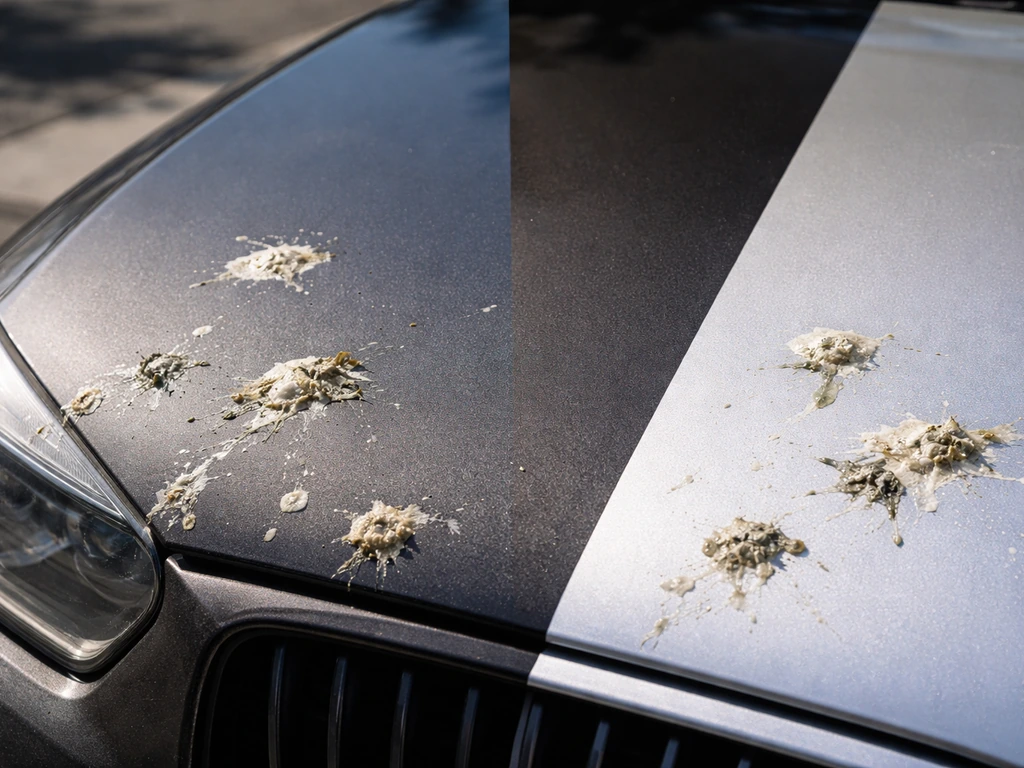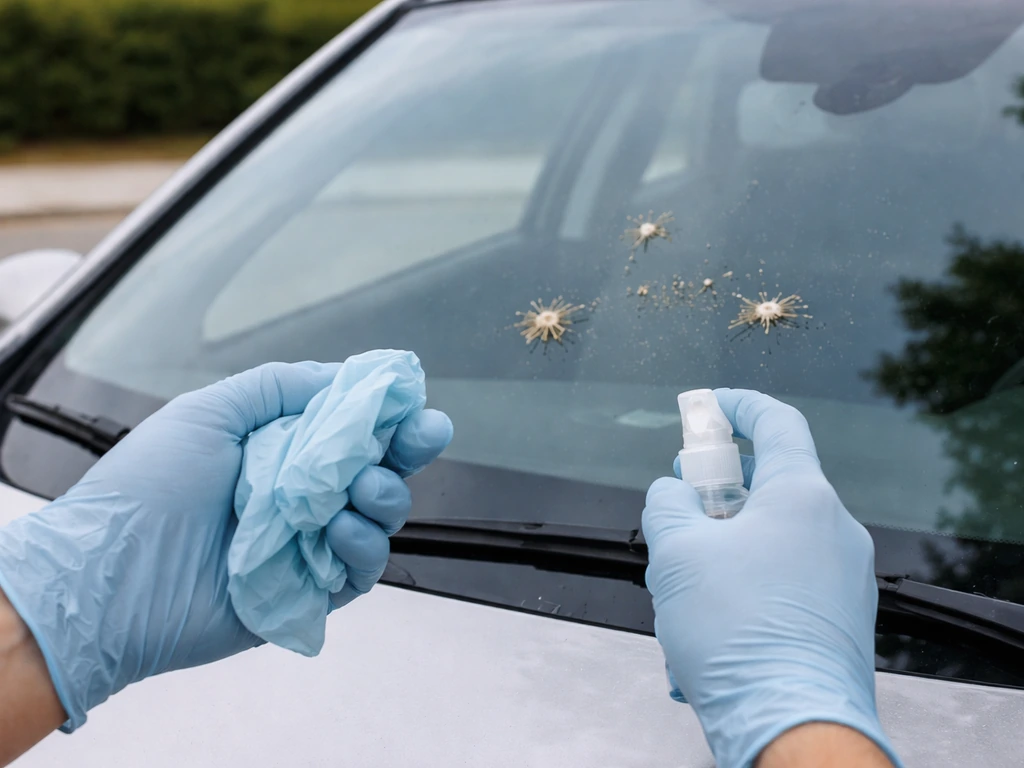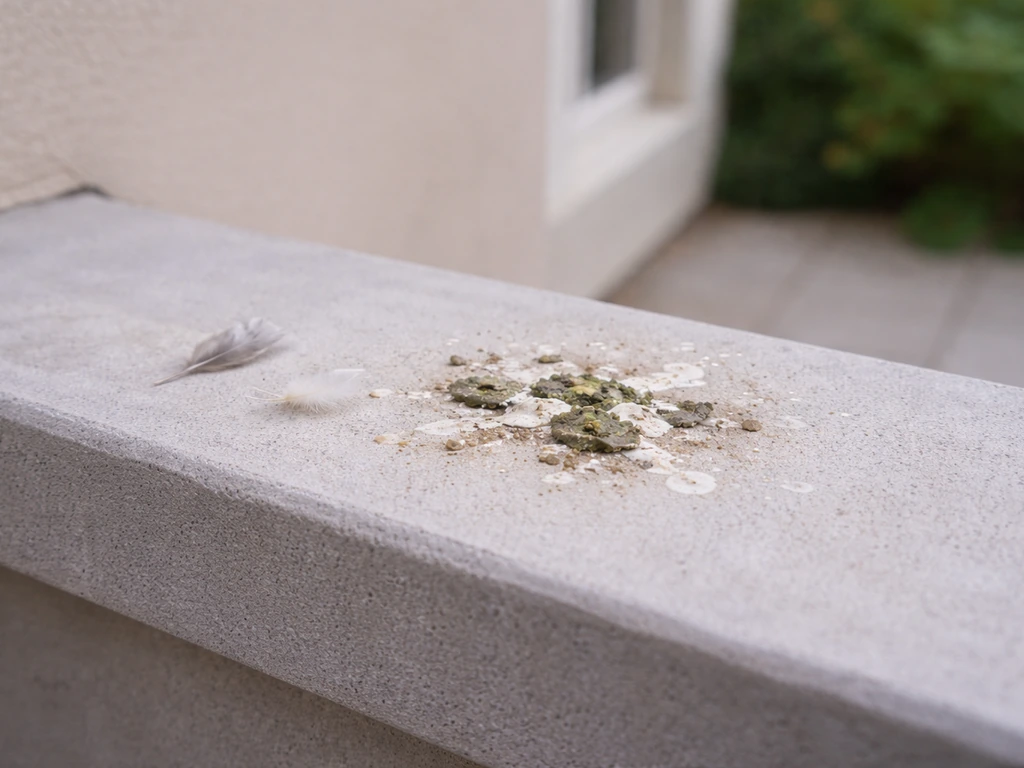
Bird poop can start etching your car's clear coat in blank" rel="noopener noreferrer">as little as a few hours, especially on a hot sunny day. That's not a scare tactic, uric acid, the main corrosive component in bird droppings, goes to work on paint quickly once the moisture evaporates and the acid concentrates on the surface. Bird droppings can etch paint faster when exposed to direct sunlight, because uric acid begins corroding the paint under those conditions blank" rel="noopener noreferrer">especially on a hot sunny day. The safe window before real damage begins is surprisingly short, so if you're looking at a fresh splat right now, the best move is to clean it off today. If you're wondering whether bird poop affects solar panels, the key factor is the same: the longer corrosive residue sits in the sun, the greater the risk of surface damage or buildup does bird poop affect solar panels.
How Long Can Bird Poop Stay on Your Car Before Damage?

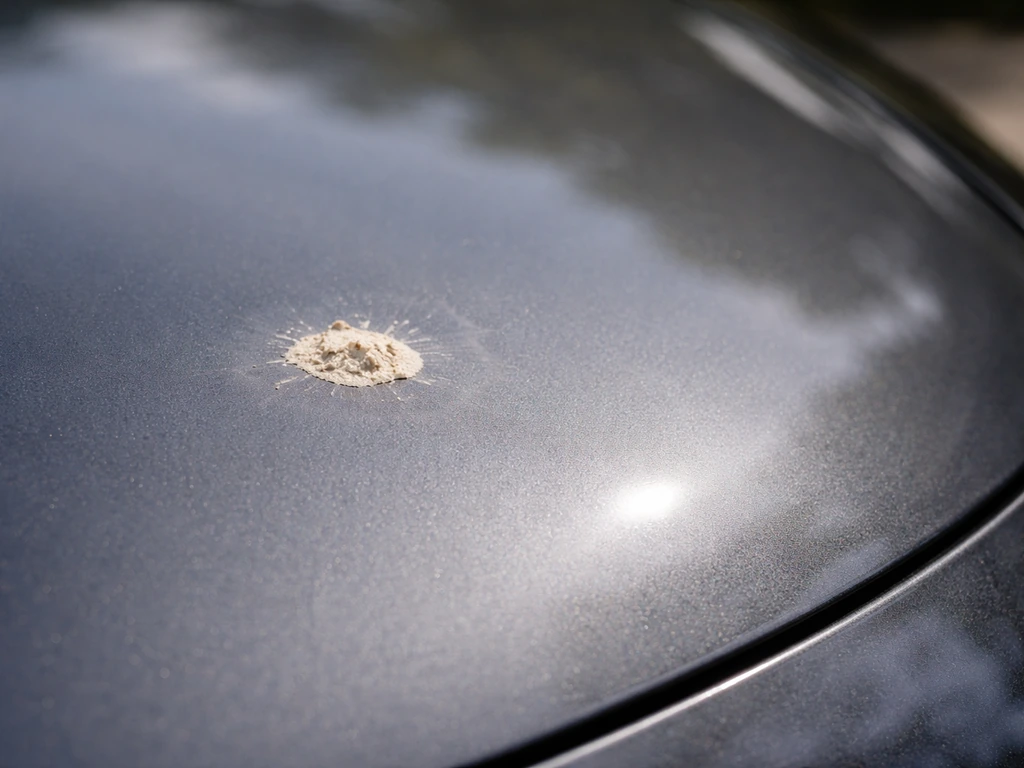
How long before bird droppings actually damage your car
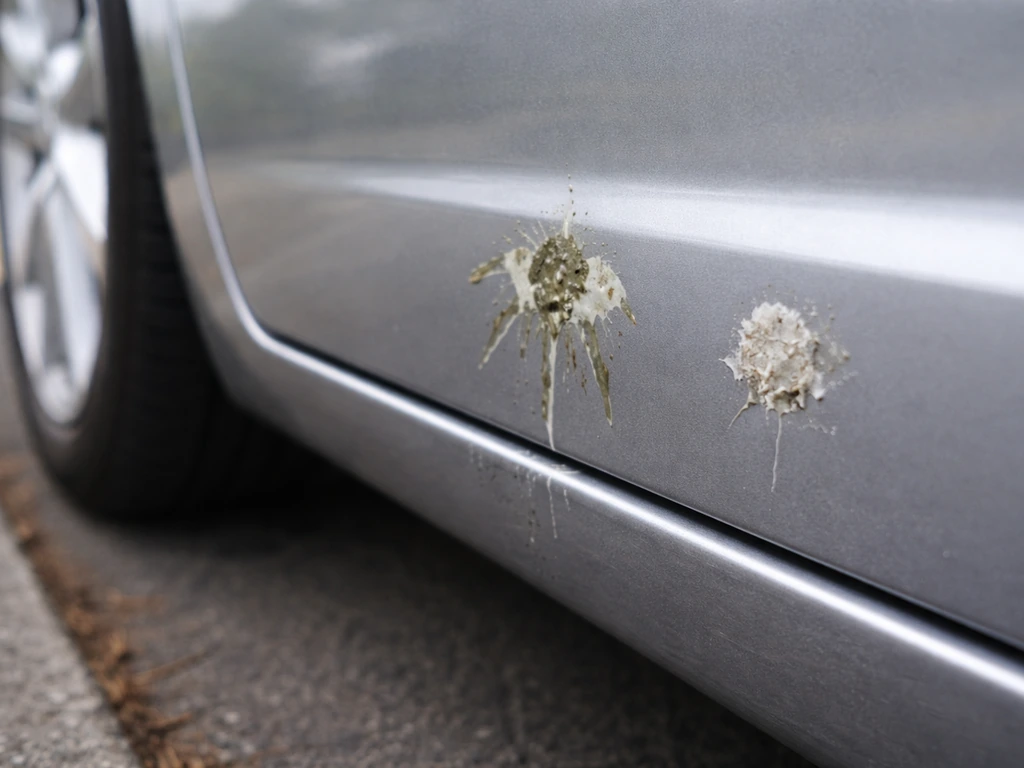
The honest answer is: not as long as most people think. Under cool, cloudy, or shaded conditions, you might have a day or two before etching becomes a real concern. But park your car in direct sunlight on a warm day and that window shrinks dramatically. Heat accelerates the chemical reaction between uric acid and your clear coat, meaning a dropping that lands on a sun-baked hood in summer can begin etching within hours.
Here's a rough breakdown by time elapsed, so you know exactly what you're dealing with:
| Time Since Deposit | Likely Condition | Damage Risk | Urgency |
|---|---|---|---|
| Under 1 hour | Fresh, moist, easy to wipe | Very low (acid hasn't concentrated) | Act soon, but no panic |
| 1–12 hours (shade) | Starting to dry | Low to moderate | Clean today |
| 1–12 hours (sun/heat) | Drying fast, acid concentrating | Moderate to high | Clean immediately |
| 12–48 hours | Dried or crusted | High — etching likely starting | Clean ASAP, inspect paint after |
| Several days to weeks | Hardened, possibly baked in | Severe — deep etching, staining | Professional detail may be needed |
The main takeaway: time plus heat is the real enemy. A dropping that sat on your car overnight in a cool garage is a very different situation from one that baked on your hood during an eight-hour workday in a sunny parking lot.
What bird poop actually does to your paint and clear coat
Modern cars have a layered finish: base coat (the actual color) sitting under a clear coat, which is the protective topmost layer you can see and feel. Bird droppings attack the clear coat first. Uric acid is the main culprit, unlike the stomach acids of mammals, bird uric acid is semi-solid and stays on the surface rather than running off, which means it has prolonged contact with your paint rather than just splashing and dripping away.
As the moisture in the dropping evaporates, the uric acid becomes more concentrated right where it sits. If the car is warm from sun exposure, this process speeds up. The acid starts dissolving the clear coat's polymer structure, a process called etching. At first this looks like a dull, slightly cloudy patch. Left longer, it creates a physical indentation or crater in the clear coat. If it penetrates all the way through the clear coat to the base coat, you're now looking at a much more expensive repair, repainting, not just polishing.
There's also a mechanical damage component people overlook. Bird droppings often contain grit, seeds, and small particles. If you try to wipe them off dry, you're essentially dragging sandpaper across your clear coat, adding swirl marks and micro-scratches on top of any chemical damage already occurring. This is why the removal technique matters as much as the timing.
Health and safety risks: what's actually worth worrying about
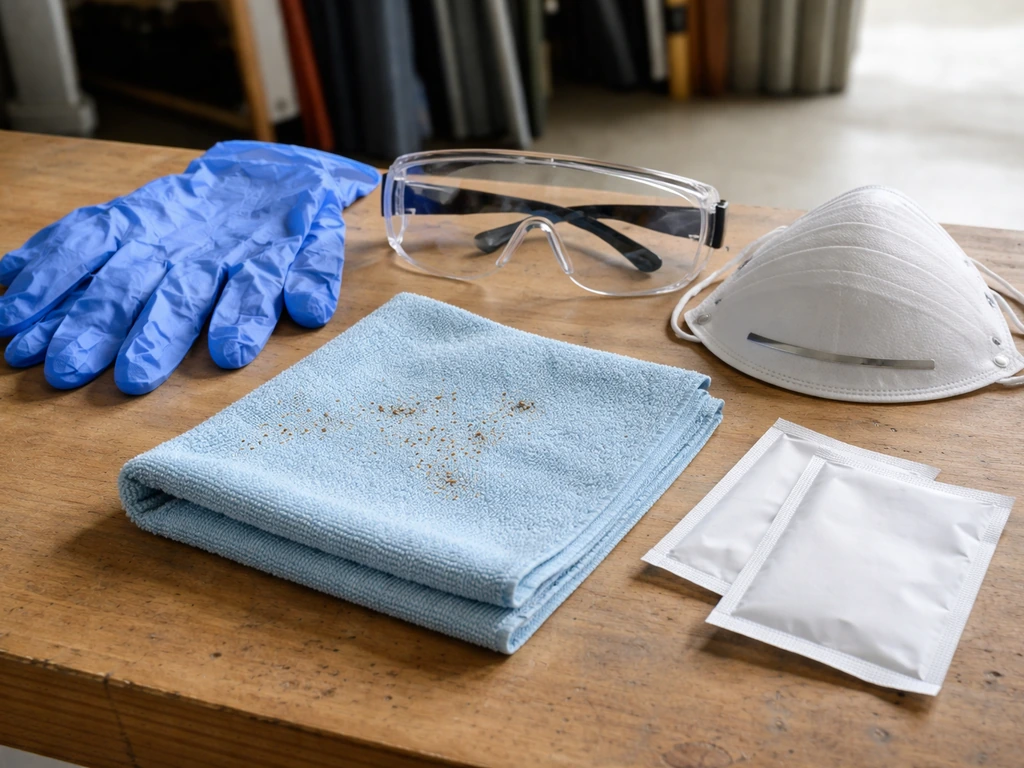
For most car owners doing a quick cleanup, the health risk from bird droppings is low but not zero, and it's worth knowing the specifics. Bird feces can carry bacteria like Salmonella and E. coli, and in some cases pathogens associated with diseases like histoplasmosis (from dried fungal spores in accumulated droppings) or Chlamydiosis. The key word there is 'accumulated', a single fresh dropping on your car hood is a very different exposure level than shoveling out a barn full of pigeon droppings.
The primary risk during car cleanup is from dried droppings. When dry bird poop gets disturbed, scraped, brushed, or blasted with a pressure washer, it can become airborne as fine dust or particles. Inhaling that dust is the main transmission route for respiratory concerns like histoplasmosis. This is genuinely something to take seriously if you're regularly cleaning up large volumes of dried droppings, but for a spot clean of a few bird hits on your car, basic precautions are sufficient.
If you have young children or pets who might touch the car surface or your hands during or after cleanup, keep them away until you've washed up. Dogs especially tend to investigate interesting smells, and licking contaminated surfaces is a real enough concern to warrant keeping pets clear of the area while you work. Wash your hands thoroughly with soap and water after any cleanup, even if you wore gloves.
What to do right now: immediate cleanup steps
If you're looking at a fresh dropping (still moist, under a couple of hours old), you're in luck, this is the easiest and lowest-risk scenario. Here's the fastest and safest approach:
- Soak it first. Don't wipe a dry or semi-dry dropping directly. Spray it with plain water, a dedicated quick detailer spray, or even a few drops of water from your water bottle. Let it sit for 30–60 seconds to rehydrate the dropping. This step prevents scratching.
- Blot, don't wipe. Use a clean microfiber cloth and press gently onto the soaked dropping to lift it. Avoid circular or back-and-forth wiping motions, which drag particles across the paint.
- Rinse the area with water to remove any residue.
- Spray a quick detailer or waterless car wash product onto the spot and buff with a fresh, clean section of your microfiber cloth.
- Inspect the area. In good light (or direct sunlight), look for any dull or slightly etched patch. If it looks normal, you're done. If there's a light haze, a paint polish applied by hand can often fix early-stage etching.
You don't need fancy products for a fresh dropping. A damp microfiber cloth and a rinse will handle most situations. The key investment is in doing it promptly, the longer you wait, the more complicated the cleanup becomes.
Removing dried vs fresh droppings: the approach changes
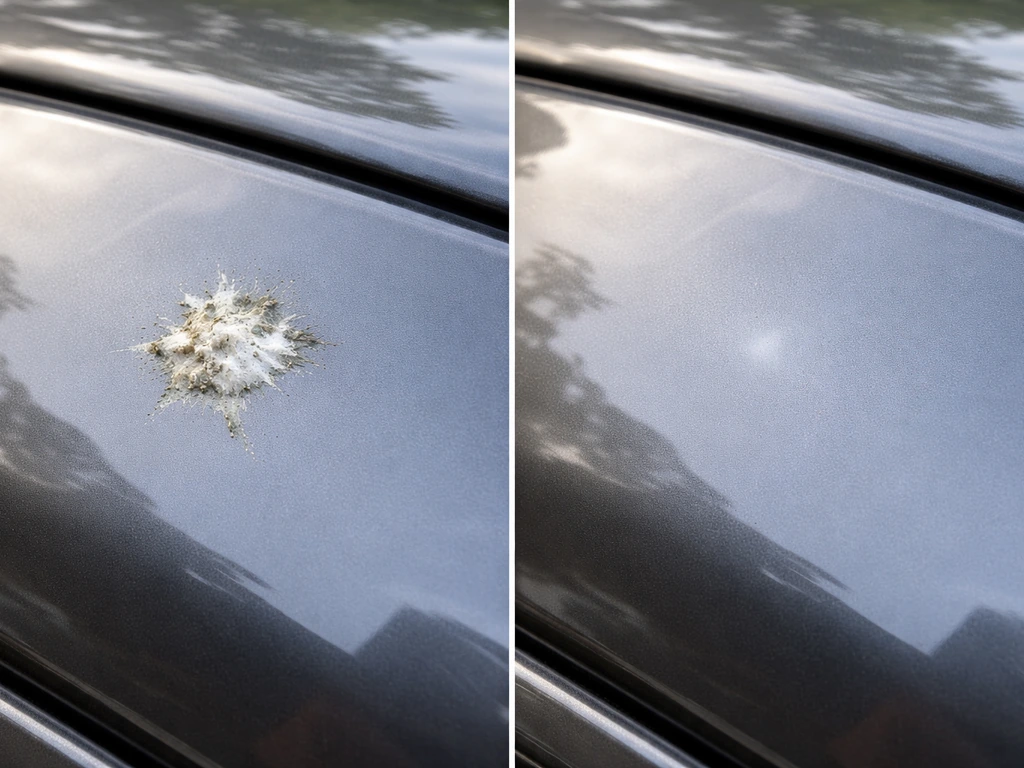
Fresh droppings (under a few hours old)
As described above, soak and blot. A dedicated bird dropping remover spray (widely available at auto parts stores) works well if you have one, but plain water and a clean microfiber cloth does the job for fresh hits. The goal is to rehydrate before any contact to minimize abrasion.
Dried or hardened droppings (hours to days old)
Dried droppings require patience. Rushing this step is how people accidentally scratch their paint. Lay a damp microfiber cloth directly over the dropping and leave it there for several minutes, up to 5 or 10 minutes for a well-baked crust. You want the dropping fully softened before it touches the paint surface with any friction. Once it's soft, blot and lift. Repeat soaking if needed rather than scrubbing harder. After removing the bulk of the material, follow up with a quick detailer spray and a clean cloth to pick up any remaining residue. Then inspect closely for etching.
Heavily crusted or weeks-old deposits
For droppings that have been on the car for weeks or appear heavily baked and discolored, the paint damage has likely already occurred to some degree. Your priority shifts from prevention to damage assessment. Soak and remove the deposit using the same extended soaking method. Once it's off, examine the area carefully. A white or light gray haze suggests clear coat etching. A physical indentation or rough texture means deeper etching. Surface-level etching can sometimes be corrected with a paint compound or cutting polish applied by hand or with a dual-action polisher. Deeper damage usually needs a professional detailer, and in severe cases, a respray of the affected panel.
What to avoid, when to re-wash, and when to call a pro
There are a few common mistakes that turn a minor bird poop problem into a major paint repair bill:
- Don't scrape dried droppings with fingernails, plastic scrapers, or any hard tool — the mechanical abrasion will scratch the clear coat even if the dropping is mostly gone.
- Don't use household glass cleaners, ammonia-based products, or abrasive kitchen cleaners on car paint. They can strip wax and damage clear coats.
- Don't use a dry cloth on any dropping, fresh or dried. Always wet the area first.
- Don't let a washed car sit in the sun and air-dry after a bird poop cleanup without a full rinse — any residue left in the sun will continue to work on the paint.
- Don't delay because 'it's just one dropping.' One dropping in direct summer sun for a full workday can leave a permanent etch mark.
After cleaning, re-inspect the spot 24 hours later in good light. If you can still see faint discoloration or a slight texture difference, re-wash the area with a pH-neutral car shampoo and apply a light paint polish by hand. If the spot looks the same or worse after two rounds of polishing, that's the point to bring it to a detailer. A professional can often correct moderate etching with machine polishing, which goes deeper than hand work. Early correction is significantly cheaper than waiting until the damage reaches the base coat.
One practical thing worth doing if your car regularly attracts birds (certain colors and parking spots seem to invite more attention, a pattern worth paying attention to if it keeps happening) is applying a fresh coat of car wax or a paint sealant. Do white cars attract bird poop? If you notice it happening more often on lighter paint, treat it as a pattern worth addressing. If you keep wondering why birds keep pooping on your car, adding protection like wax can help reduce the damage when it happens applying a fresh coat of car wax or a paint sealant. If you want to prevent bird droppings from sticking, it can help to understand what color car attracts bird poop most certain colors and parking spots seem to invite more attention. A proper wax layer gives the uric acid something to attack before it reaches your clear coat, buying you extra time and making cleanup significantly easier. It's not foolproof, but it's one of the most cost-effective ways to protect your paint long-term.
FAQ
How can I tell if bird poop already etched my clear coat, even after I cleaned it?
If the dropping has been on the car only briefly and the surface feels normal after rinsing, you can usually assume you prevented damage by cleaning promptly. To be sure, inspect the area in bright indirect light (not just sunlight glare). Look for a dull patch, a slight roughness you can feel with a clean fingertip, or a faint gray haze that looks “beneath” the clear coat. These are early signs that chemical etching started, even if the spot is no longer visibly dirty.
What’s the wrong way to clean bird poop if it’s dried onto the paint?
Do not wipe dry bird poop. Dust and grit can scratch the clear coat, and dry removal also increases airborne particles. The safer sequence is rinse first, then lay a damp microfiber cloth over the spot to rehydrate it, wait a few minutes, blot and lift, and only then do a gentle wipe. If it still resists, soak longer instead of adding pressure.
Do I need special bird dropping remover, or is water and microfiber enough?
For fresh droppings, plain water plus a microfiber towel is often enough because the main goal is to rehydrate and lift without friction. For dried, stuck deposits, dedicated bird dropping removers or contact-safe pre-soak products can help, but even with those, you should still use an extended soak and blot method. Avoid aggressive household acids or strong solvents, since they can affect coatings and wax.
Can bird poop damage windshields or plastic trim, not just the painted hood?
Yes, if it is on glass or on the plastic trim around lights. Bird residue can dull certain plastics and leave streaks on glass that are hard to remove once baked. Clean glass promptly with a proper glass cleaner or a diluted automotive cleaner after the initial rinse, and avoid letting residue dry before you rewash. On painted trim and bumpers, treat it like paint, soak first and do not scrub dry.
If the stain looks gone right away, should I still recheck the car later?
After you clean, re-check the spot after the paint has cooled and dried, ideally 24 hours later. If you still see haze or feel texture, do not keep scrubbing, switch to correction. Light etching can sometimes be improved with a hand-applied mild polishing step, but deeper etching usually needs machine polishing or a pro evaluation to avoid making the area worse by unevenly removing clear coat.
Does car wax or a paint sealant really buy me time against bird droppings?
If a dropping lands on waxed or sealed paint, the residue is less likely to reach the clear coat immediately. Wax is not permanent, though, heat and sun can degrade it, so timing still matters. When you clean, consider reapplying wax or a sealant after the spot is fully removed and dried, especially if you used a strong cleaner that may strip some protection.
How does weather and parking conditions change the risk timeline?
Heat is the accelerant, so the practical answer is that your risk window shrinks most in direct sun on a warm day. Shade, a cool garage, and cloudy weather generally slow the etching process because moisture evaporates less aggressively and the acid concentrates more slowly. If you park in sun often, assume “hours” rather than “days,” and clean the moment you can.
Is it safe to use a pressure washer to remove bird poop?
Do not blast dried droppings into the air. High-pressure washing can turn crusted residue into fine particles, and the article notes respiratory risk is mainly from disturbed dried material. If you must use a washer, pre-soak first, use gentler pressure, keep the nozzle moving, and avoid directing the spray at cracked crust. For heavy accumulations on a single panel, manual soak and lift is safer.
What precautions should I take for pets and for my health while cleaning?
For gloves, they help reduce skin contact, but you should still avoid touching your face and then wash hands thoroughly after removing gloves. If you used any damp cloths or sprays, launder or discard them appropriately and rinse any surrounding areas you may have splashed. Pets and kids should be kept away until the car is fully cleaned and the area is dry, since licking or pawing can transfer residue.
At what point is bird poop damage too severe to fix at home?
If the area looks like it has cratered, a rough groove, or it shows through to the base coat, you are likely past “polish it out.” Try a gentle test, but typically you need a detailer to measure how much clear remains before attempting machine correction. In severe cases, repair may require repainting of the affected panel because you cannot safely rebuild missing clear without refinishing.