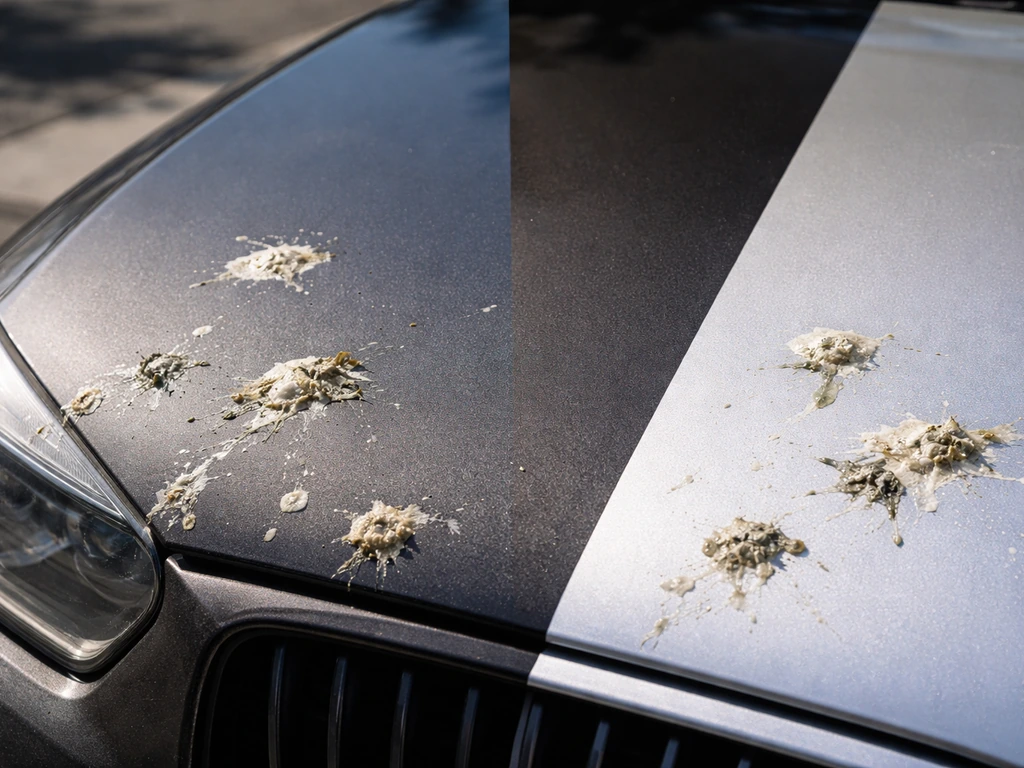
Red cars get hit the most, according to the most-cited study on this topic: a Halfords-commissioned survey of 1,140 vehicles across five British cities found red was the most targeted color, followed by blue and black. White cars came out best, with only about 7% of white vehicles showing droppings in the sample. But here's the honest truth: color is a minor factor. Where you park, what's above you, and how long you leave the car there matters far more than the paint on your hood.
What Color Car Attracts the Most Bird Poop

Marcus Fielding
17 May 2026
Does car color actually change how much bird poop you get?
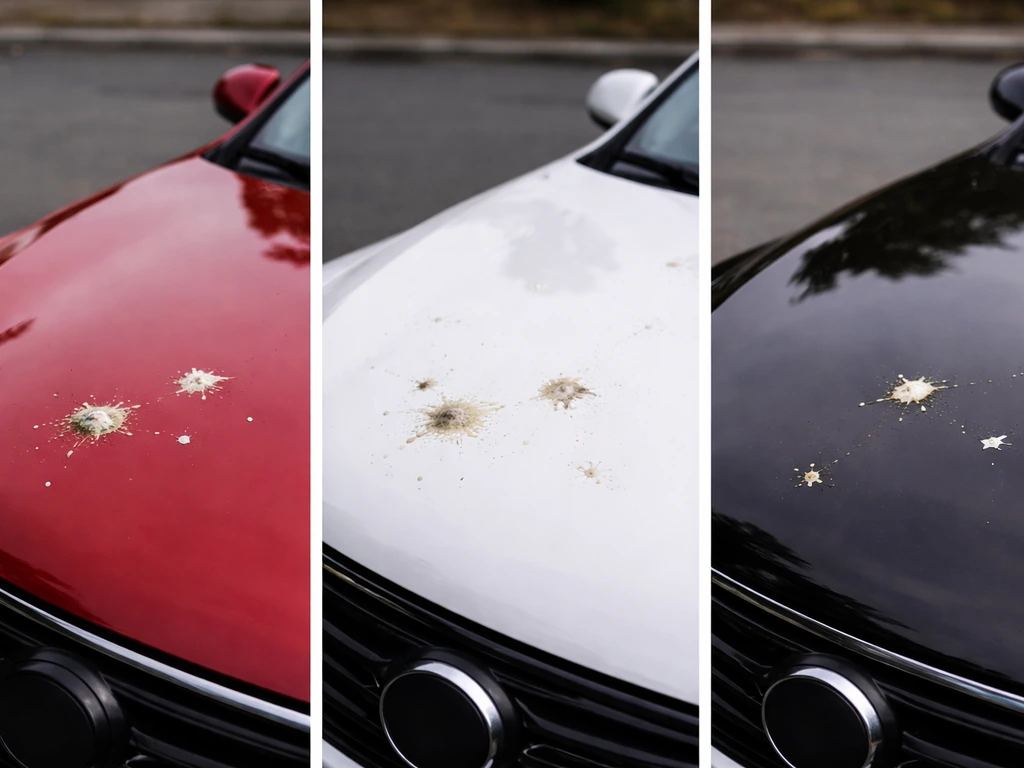
The short version: yes, slightly, but don't repaint your car over it. The data pointing to red cars as the most targeted comes from a real survey, not a controlled lab experiment, and there are a few important caveats. First, the study was commissioned by a car accessories company, so it's observational rather than peer-reviewed science. Second, and this is interesting, researchers and science journalists have noted that white and gray cars may be underreported simply because bird droppings are harder to see on lighter surfaces. You might have just as many splats on a white car and never notice half of them.
There's also the UV angle worth mentioning. Birds can detect ultraviolet light that humans can't see, which means certain paint colors and finishes may look completely different to a bird than they do to you. A bright red car that looks vivid to us could look even more visually salient to a bird with UV vision, potentially explaining some of the color preference patterns. It's a plausible mechanism, but the science on exactly how birds perceive car paint under UV is still thin.
| Car Color | Relative Droppings Rate | Notes |
|---|---|---|
| Red | Highest | Most targeted in the Halfords/Audubon-cited study |
| Blue | High (14% of sample) | Second most affected in the study |
| Black | Moderate-high | Often cited alongside blue as a frequent target |
| White | Lowest (7% of sample) | May also be underreported due to visibility |
What actually controls how much bird poop your car gets
If you've ever parked in the same spot for years and wondered why you always come back to a decorated windshield, color is almost certainly not the main reason. These are the factors that actually drive droppings frequency, and they're all things you can do something about.
Perching spots and roosting areas
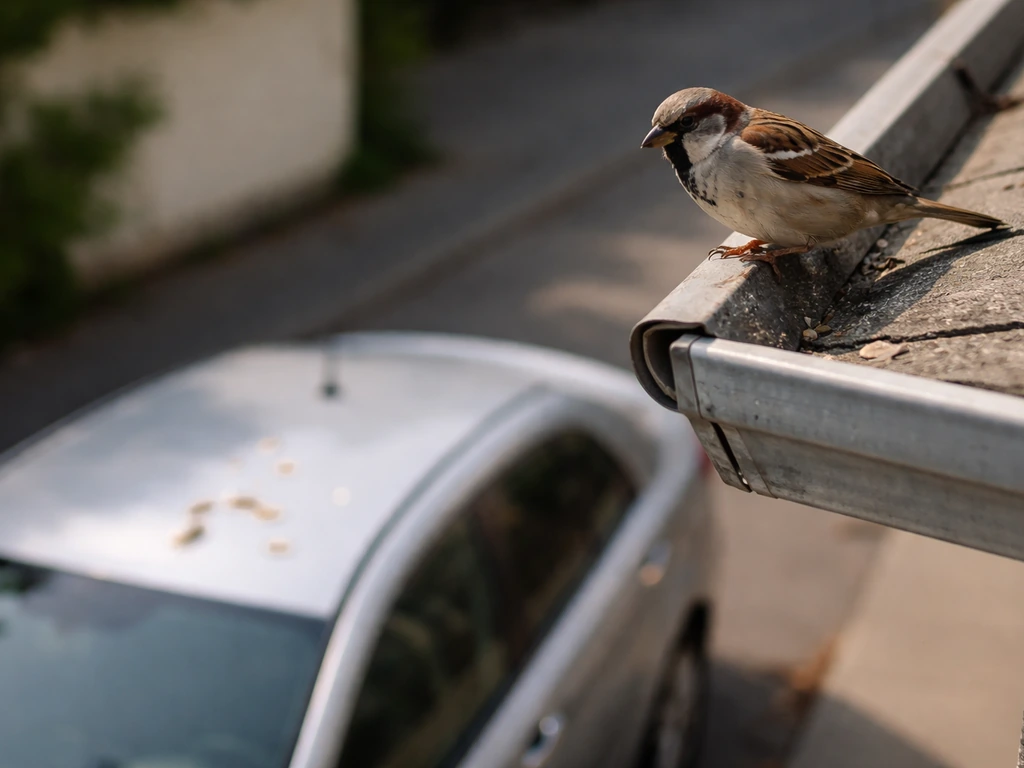
Birds don't look down, spot a red car, and decide to aim. They perch on whatever is convenient: tree branches, power lines, ledges, gutters, and roof overhangs. Whatever vehicle happens to be parked directly below a popular perch is going to get hit, regardless of color. If you're consistently parked under a tree that starlings love, you'll get droppings on a white Tesla just as reliably as on a red pickup. The perch is the problem, not the paint.
Territory and feeding patterns
Birds often poop mid-flight as they travel between feeding and roosting zones, and the car that sits in that flight path takes the hit. Territorial birds like mockingbirds or pigeons also sometimes repeatedly return to the same area. If you've been wondering why a bird keeps pooping on your specific car, that territorial or habitual behavior is often a bigger factor than anything else. If you’re wondering why a bird keeps pooping on your car, this specific pattern of returning to the same spot can explain it why you keep getting bird poop on your specific car. It becomes a recognized spot in their daily circuit.
Shininess and reflective surfaces
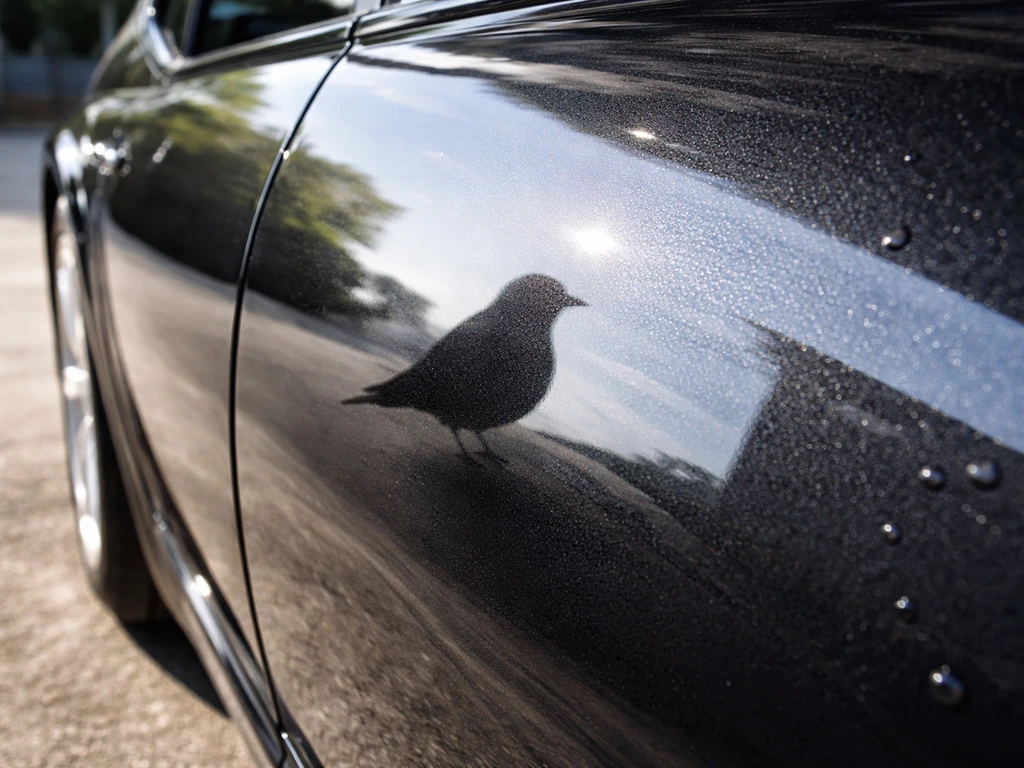
A freshly waxed car, regardless of color, can trigger a response from birds. Some birds interpret their own reflection in a shiny surface as a rival, and aggressive dive-bombing behavior can follow. This is especially common with mockingbirds and some corvids. The shininess and reflectivity of a surface may matter as much as its color when it comes to attracting attention from territorial birds.
How long you park and where
This one is pure math. The longer your car sits in one spot, especially under active bird habitat, the more exposure time it accumulates. A car parked for 8 hours under a busy tree will always outpace a car parked for 20 minutes in an open lot. Duration and position are the two levers you have the most control over.
Are certain colors genuinely more "attractive" to birds?
The color data is real but needs context. The pattern from the survey (red highest, white lowest) could reflect genuine color preference, UV perception differences between paint types, or simply that certain colored cars were more often parked in high-bird zones during the observation period. There's no controlled experiment that isolates color from all other variables. What we can say confidently is that if color does matter, red and blue are the most frequently hit, and white is the least.
If you're shopping for a car and this is somehow a decision factor for you, lighter colors have a slight statistical edge, and the site's dedicated look at whether white cars specifically attract bird poop goes deeper on that narrow question.
Also worth noting: a dark car will show every single dropping very clearly, while a white or silver car may hide them. This visibility difference probably inflates the perceived targeting rate of dark cars in casual observation, since a white car with three small splats looks clean while a black car with the same three splats looks destroyed.
Quick ways to reduce bird droppings starting today
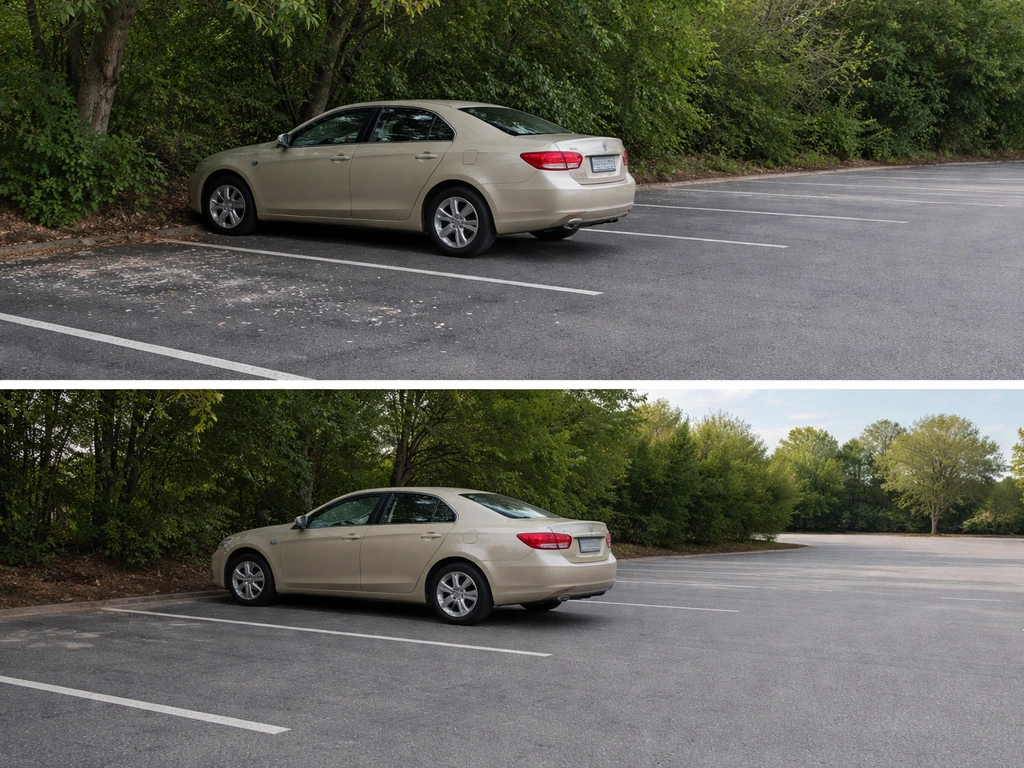
You don't need to change your car's color. These practical steps will make a real difference faster than anything else.
Change where and how you park
- Avoid parking directly under trees, power lines, ledges, or roof overhangs where birds typically perch.
- If open-lot parking is available, choose a spot away from the outer edges where birds tend to fly over from adjacent vegetation.
- Use covered or indoor parking whenever possible, even if it costs a little more. It pays off in paint protection.
- If you always park in the same spot and always get hit, that spot is under a bird flight path. Move the car even a few spaces and see if it helps.
Use a car cover
A fitted car cover is the single most effective protection against bird droppings when you can't control where you park. It's easy to shake off, machine washable in most cases, and protects your paint from UV damage at the same time. For people who park on the street overnight or leave their car in the same outdoor spot for extended periods, a cover is worth every cent.
Deterrents that actually work (and ones that don't)
Visual deterrents like reflective tape, predator decoys (plastic owls, hawk kites), and hanging CDs can disrupt bird behavior, but they tend to lose effectiveness quickly. A commercial visual bird deterrent provider explains that these deterrents rely on highly salient visual stimuli, and effectiveness can drop when spacing or layout does not intercept birds’ approach paths. Birds habituate fast.
They'll figure out that the plastic owl hasn't moved in three days within a week or two. The key if you go this route is to move deterrents around regularly and combine multiple types. Anti-roosting spikes placed on nearby ledges or railings above your parking spot can physically prevent birds from settling in the perch positions that target your car. The RSPB actually recommends spikes for pigeon deterrence, and they're considered humane since they're uncomfortable but not harmful to birds.
Just make sure coverage is complete because birds will find any gap in the spike installation.
The right way to clean bird poop off your car
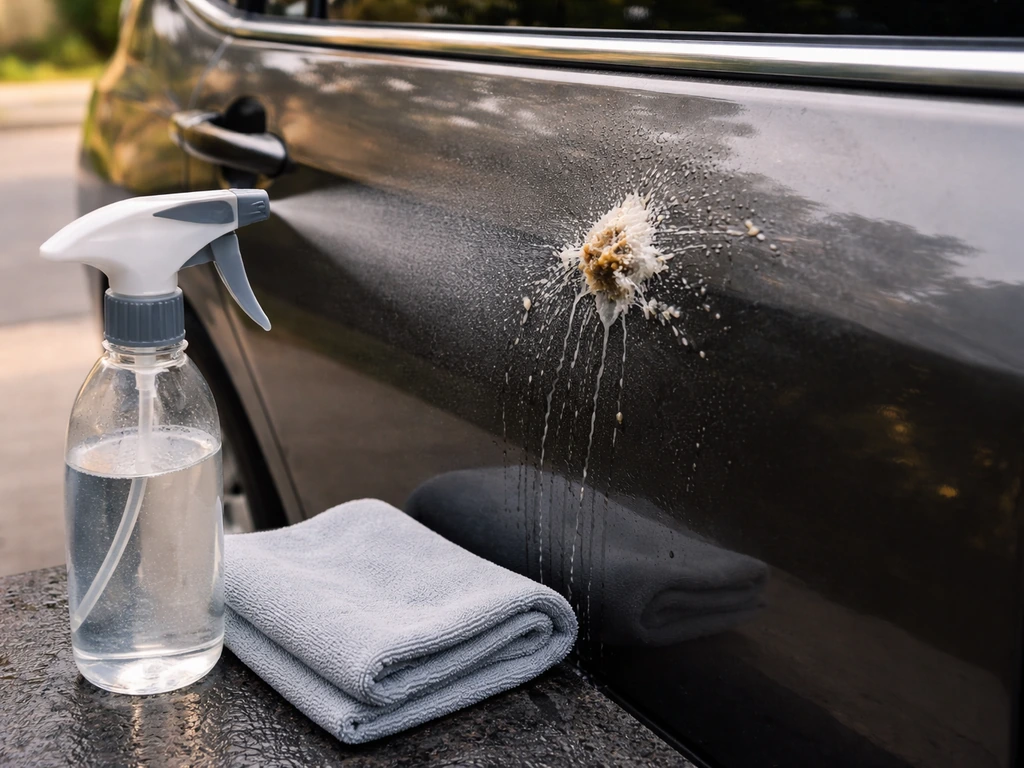
Bird droppings are acidic, and they start etching clear coat within hours on a hot day. Speed matters. The longer you leave it, the deeper the damage. How long bird poop can safely sit on your car before causing permanent paint damage is worth knowing in detail, because the window is shorter than most people expect. If you're dealing with fresh droppings, it's also helpful to know how long bird poop can stay on your car before you should clean it How long bird poop can safely sit on your car.
Safe and effective cleanup steps
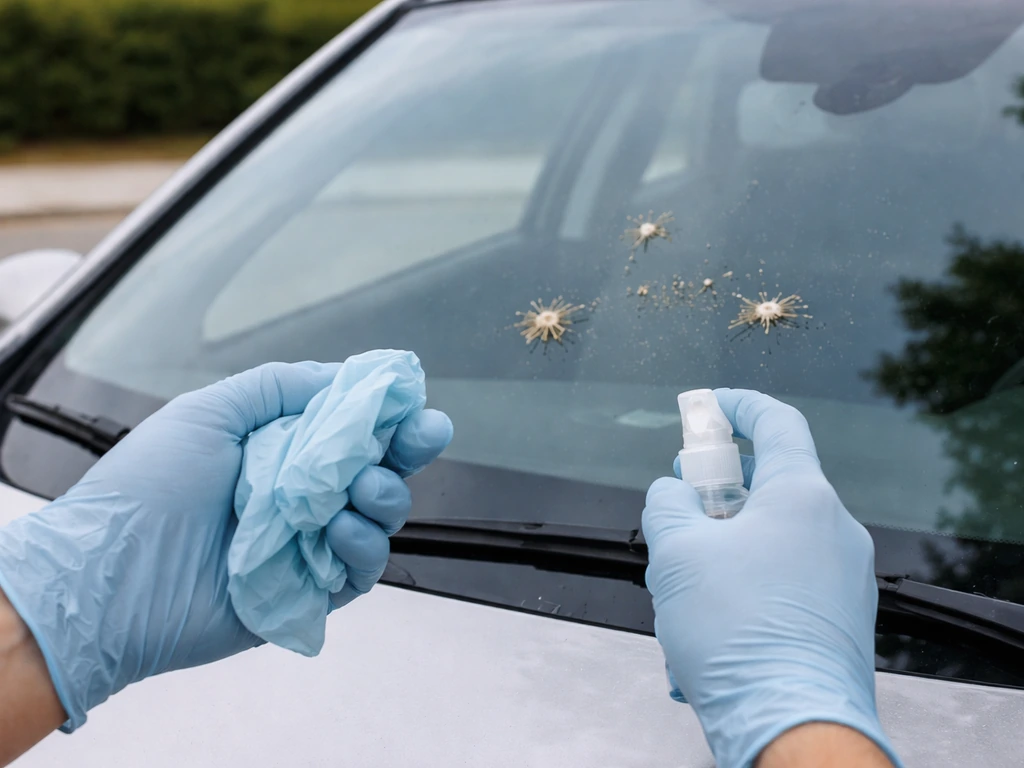
- Wet the droppings first. Never scrape dry bird poop off paint. Soaking it for 30 to 60 seconds with warm water softens it without scratching the clear coat.
- Use a dedicated car detailing spray or a small amount of car wash soap on a soft microfiber cloth. Fold the cloth so you're always using a clean surface, and lift the droppings rather than rubbing them in.
- Rinse the area thoroughly with clean water.
- Avoid harsh household chemicals on car paint. Do not use bleach, which can damage paint, and never mix bleach with ammonia-based cleaners, which is dangerous regardless of the surface you're cleaning.
- Finish with a quick wax or paint sealant application to the cleaned area, which creates a barrier that makes future cleanup easier.
- Wash your hands thoroughly after the cleanup, even if you wore gloves. The CDC specifically recommends hand washing after any contact with birds or bird droppings.
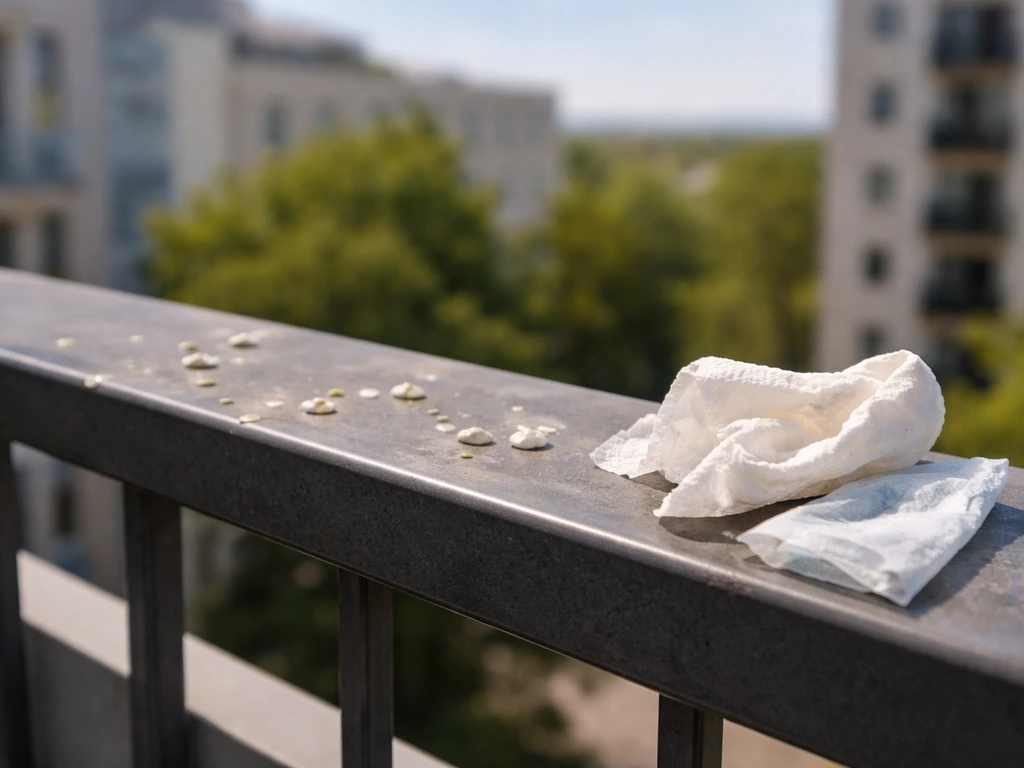
For everyday spot cleaning on the go, keep a pack of dedicated bird dropping wipes or a small spray bottle with diluted car wash soap in the glove box. Getting to a fresh dropping within an hour can mean the difference between a quick wipe and a paint correction appointment.
Health and safety risks from bird droppings
For most car owners wiping up a few sporadic droppings, the health risk is genuinely low, but it's not zero and it's worth knowing what to watch for.
What's actually in bird droppings
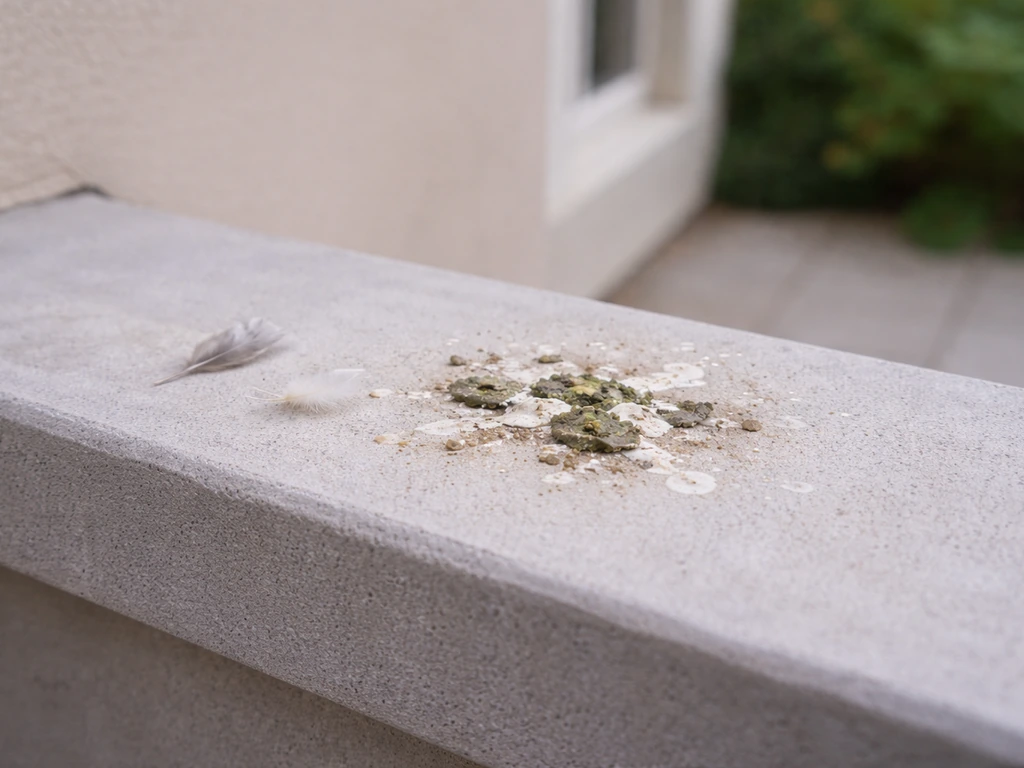
Bird droppings can carry bacteria including Salmonella, E. coli, and Campylobacter, and waterfowl droppings (ducks, geese) in particular are flagged by the CDC as a known source of those pathogens. For car owners, the main concern is avoiding touching your face after handling contaminated material without washing up first. Wear gloves if you're doing any extended cleaning and always wash hands afterward.
The bigger concern: histoplasmosis
The more serious risk comes from large accumulations of bird droppings, not a few splats on a car hood. Histoplasmosis is a fungal lung infection caused by inhaling spores that thrive in soil enriched with bird or bat droppings. The CDC notes the risk is higher when you disturb or aerosolize dry droppings, like when scraping, sweeping, or pressure-washing an area with years of buildup. For a car owner cleaning a couple of fresh droppings, this risk is negligible.
But if you're dealing with a heavy accumulation, such as a car that's been sitting under a heavy roosting site for months, wet the area thoroughly before cleaning to minimize airborne particles, consider wearing a mask, and in extreme cases the CDC and NIOSH recommend professional hazardous waste removal rather than DIY cleanup.
Who should be extra careful
- People with compromised immune systems, including those on immunosuppressive medications or undergoing cancer treatment, face higher risk from fungal exposure and should take extra precautions or avoid direct cleanup.
- People with respiratory conditions like asthma should minimize exposure to any aerosolized material during cleanup.
- Anyone cleaning a large accumulation of droppings (not just a car, but a patio, barn, or attic) should treat it as a hazardous material situation: wet it down, wear gloves and an N95 respirator, and bag the waste carefully.
What's actually true about bird poop and good luck
You've probably heard the superstition: if a bird poops on you or your car, it's good luck. This belief is widespread across many cultures, showing up in Russian, Turkish, and various Western European traditions, and the general idea is that because it's so rare and unexpected, getting hit is a sign of incoming fortune. Some versions specify that it only counts if the bird poop lands directly on you, not your car.
Is there any truth to it? Not biologically or statistically. Birds aren't choosing you for any cosmic reason; they just needed to go and you were below them. The luck angle is purely psychological framing, and it's a pretty good one, honestly. Reframing a mildly disgusting event as a positive omen is a decent coping mechanism. What's genuinely false is the idea that bird poop has any healing or protective property, which pops up in some folk traditions. It's bird waste. Clean it up.
The one practical truth buried in the superstition is that getting pooped on is statistically uncommon for any individual on any given day, so when it happens it does feel notable. That rarity is the grain of truth the superstition is built around. Whether that rarity translates to a lottery win is between you and your own belief system.
FAQ
Should I choose a lighter or specific car color to reduce bird poop on my vehicle?
If you see repeat hits on the same spot, focus on where you park and what sits above you, not the paint color. Birds follow nearby perches like branches, power lines, roof edges, and gutters, so changing parking to avoid the line of the perch is usually more effective than switching colors or trying “safer” shades.
Is it worth repainting my car to a color that attracts less bird poop?
Repainting is rarely worth it. Even the most cited color findings come from observational data with detection bias (droppings are harder to notice on light paint), and they cannot isolate color from parking location, exposure time, and bird behavior. A practical alternative is to use a car cover for the highest-risk situations (street parking overnight or long stationary outdoor parking).
Why does my black car seem to get targeted more than my friend’s white car?
You can get more “hits” on darker cars simply because the mess is easier to see. The same amount of droppings can look minimal on white or silver while looking severe on black, which can make it seem like one color attracts more birds when it may just be a visibility effect.
Can the car’s finish (glossy vs matte) affect how much bird poop it gets?
Mirror like surfaces and strong reflections can play a role, even if the paint color is light. If you notice birds reacting more to your windshield or hood reflections, reduce reflectivity by keeping the car less glossy (non-abrasive, bird-safe products) and using physical barriers like a cover rather than relying on color alone.
How do I figure out why birds keep pooping on the same specific car spot?
If droppings show up repeatedly in the same area, look for a consistent nearby perch or a habitual flight path. Common culprits include a tree directly over the parking space, a ledge where birds land, or birds passing low during commuting or roosting times.
Do birds “aim,” or can they poop on my car after I park briefly?
Yes, birds can poop on a car even when you move it, because they may be in the same area and perch on nearby structures. What matters most is whether your car is positioned under an active perch or in the birds’ travel corridor, plus how long it remains there before they move on.
What bird deterrents actually work long-term, and what should I avoid?
Most deterrents fade in effectiveness as birds habituate. If you use reflective items or decoys, change their position frequently and combine types. For best results, address the actual landing perch with physical prevention like properly installed anti-roosting spikes where birds settle, ensuring complete coverage to eliminate gaps.
What should I do differently if my car is under a heavy roosting site for months?
If you park under heavy roosting or near a known nesting area, expect more buildup and faster damage risk. In that case, prioritize faster cleaning, use protection like a cover, and avoid dry scraping or high-pressure washing that can aerosolize debris. For months of accumulation, consider professional cleanup rather than DIY.
How quickly do I need to clean bird poop to avoid clear-coat damage?
Clean fresh droppings as soon as possible because acids can etch clear coat quickly, especially on hot days. For spot cleaning, keep dedicated bird-wipe products or a gentle soap solution in the car and wipe promptly, then rinse and dry to prevent residue.
Is bird poop dangerous to clean, and when is it more risky?
For routine small messes, the main practical risk is contamination transfer, avoid touching your face until you wash, and consider gloves for longer cleaning sessions. If you’re dealing with large, dried, or heavy accumulations, reduce airborne particles by wetting the area first and consider mask protection, since disturbing dry buildup increases inhalation exposure.
Is there any truth to bird poop being “good luck,” and what should I do next?
If a bird poops on you often, it does not mean the bird “recognized” you. It usually means you keep ending up under the same perch or flight route. The “luck” framing is psychological, and the useful takeaway is to treat it as a cue to adjust parking position, cover the vehicle, or remove convenient perching spots nearby.