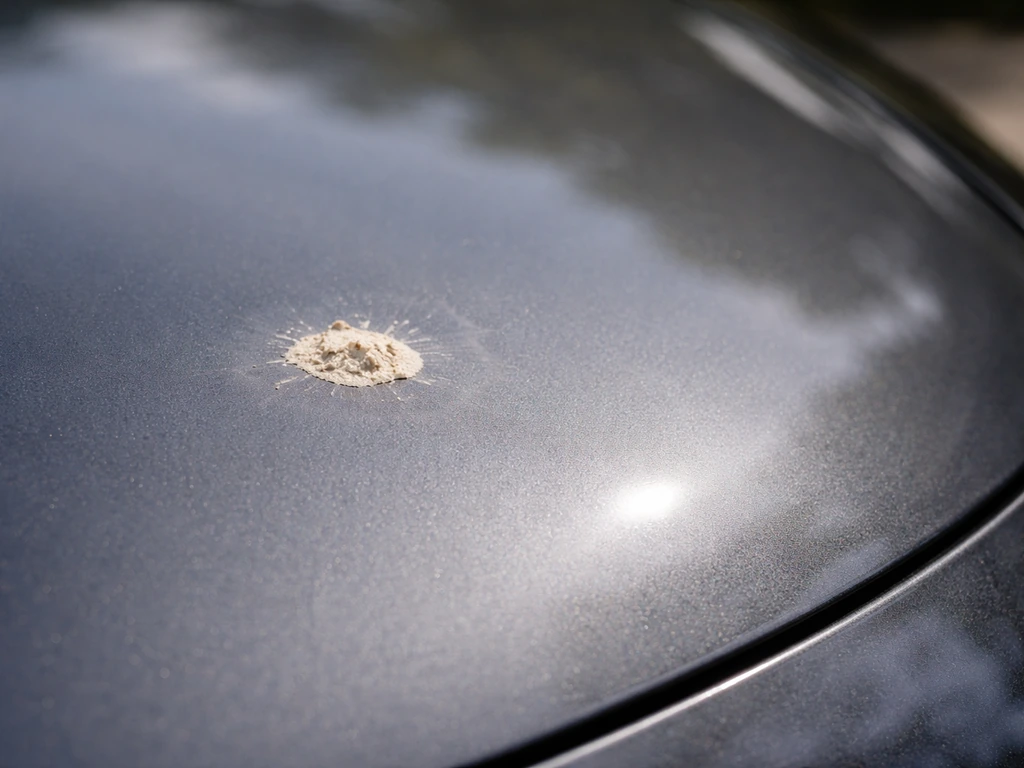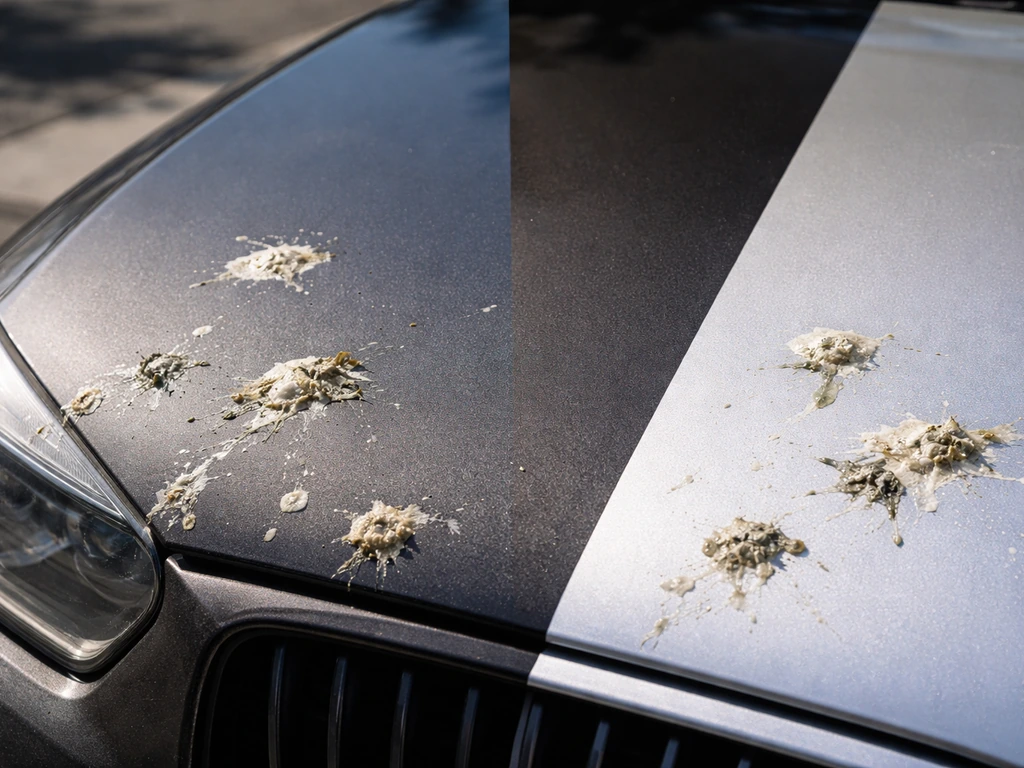
Birds keep pooping on your car because something nearby is attracting them, and your car just happens to be directly below. It's almost always about a perch, a roost, or a food source close to where you park, not your car specifically. Once a bird finds a good spot to sit, it comes back to that same spot every day, and everything underneath that spot gets the same treatment. The fix is usually about changing where you park, removing what's drawing them in, or blocking access to the perch itself.
Why Does a Bird Keep Pooping on My Car? Causes and Fixes

Marcus Fielding
21 May 2026
Why birds target your car in the first place
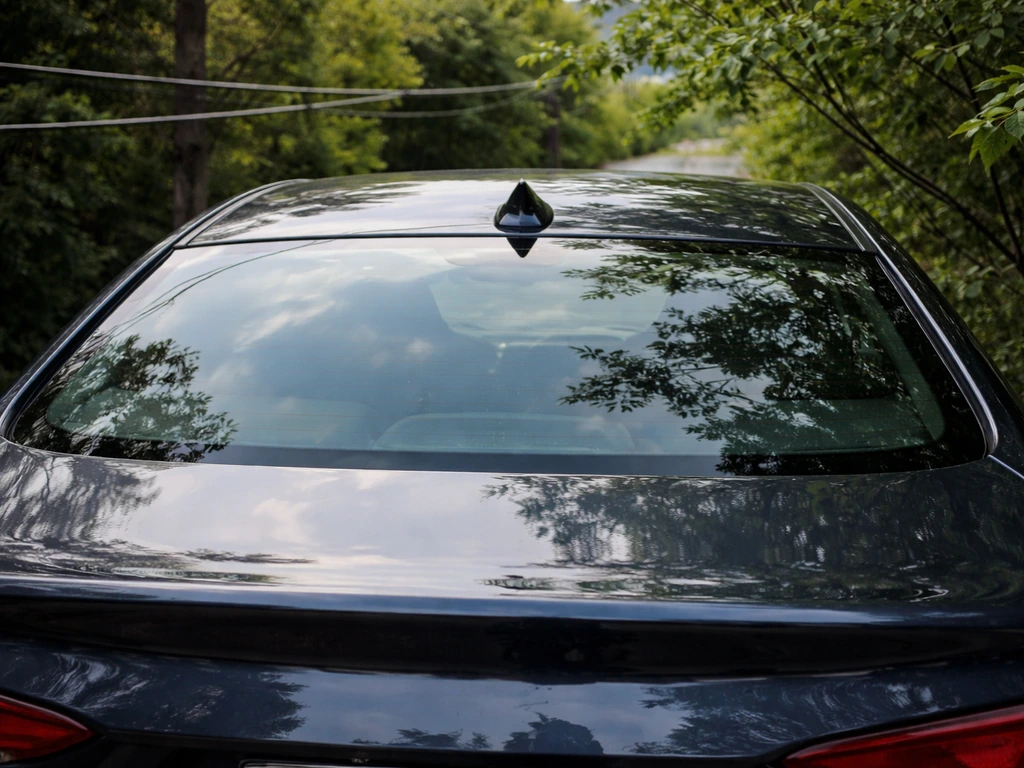
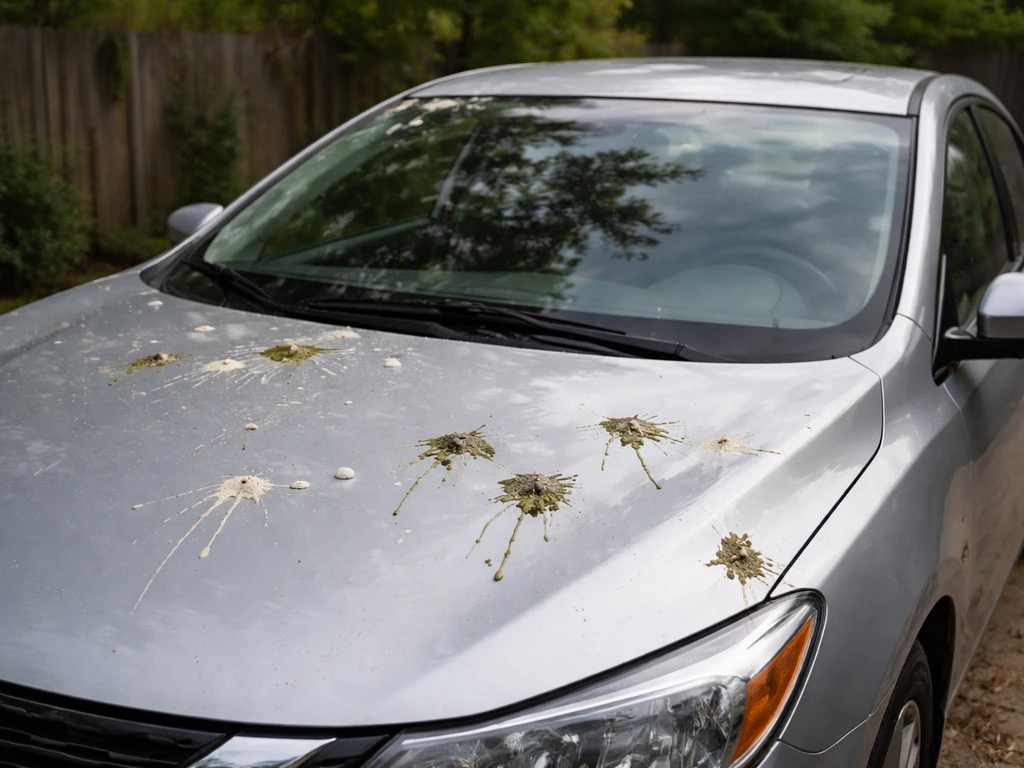
Birds don't have a grudge against your car. They're looking for elevated spots that feel safe, give them a clear view of the ground, and are close to food. Telephone wires, tree branches, roofline ledges, parking structure beams, and conduit pipes all qualify. Your car sits directly below one of those spots, which means it collects whatever the bird drops while it's sitting up there.
Reflective and shiny surfaces can also pull birds in. Glass, glossy paint, and freshly washed or rain-wet metal can look interesting or confusing to a bird, especially species that are territorial and react to their own reflection. Pigeons, European starlings, and house sparrows, the three most common urban and suburban nuisance birds in the U. The PNW Nuisance Birds PDF notes that pigeons and house sparrows commonly scavenge in parking lots, while European starlings are often seen foraging where insects and seeds are available. S., all have this tendency to return repeatedly to the same comfortable spots near human structures. They're not picky about the architecture, so a car roof is a fine substitute for a building ledge.
Heat-absorbing surfaces are another factor. Dark-colored cars parked in the sun warm up faster, and birds sometimes land on warm surfaces or are attracted to the insects that gather near warm, reflective objects. If you are wondering whether do white cars attract bird poop, the key is still what birds perch on and the nearby food and shelter, not the paint color by itself Dark-colored cars. Dark-colored cars can warm up faster in the sun, which may make them more appealing to birds in some situations. The short version: your car is in the wrong place at the wrong time, right under where a bird wants to be.
Why it keeps happening over and over
Birds are creatures of habit. Once a pigeon or starling finds a comfortable roosting or nesting spot near your parking area, it returns to the same location at roughly the same time each day. If there's a nest on a nearby ledge, roofline, or under a beam, droppings will fall in the same pattern on whatever is parked below, day after day. House sparrows in particular are almost always found right next to human buildings and are unlikely to range far from a nesting spot they've already committed to.
Food sources matter too. Garbage cans, bird feeders, and open dumpsters near your parking spot attract pigeons and starlings, which increases the total number of birds in the area and the frequency of droppings. If your neighborhood has a lot of bird feeders or exposed food waste, you're going to see repeat incidents. Parking structures are a specific problem because birds treat the beams and rafters exactly like cliff faces or building ledges, which is what pigeons evolved to use before cities existed.
You can usually figure out the source by looking up. If there's a wire, branch, or ledge directly above where your car sits and you see the same droppings landing in a consistent pattern (mostly on the roof, mostly on one side), that's your culprit spot. The bird is landing in exactly the same place every time.
The health risks are real, but context matters
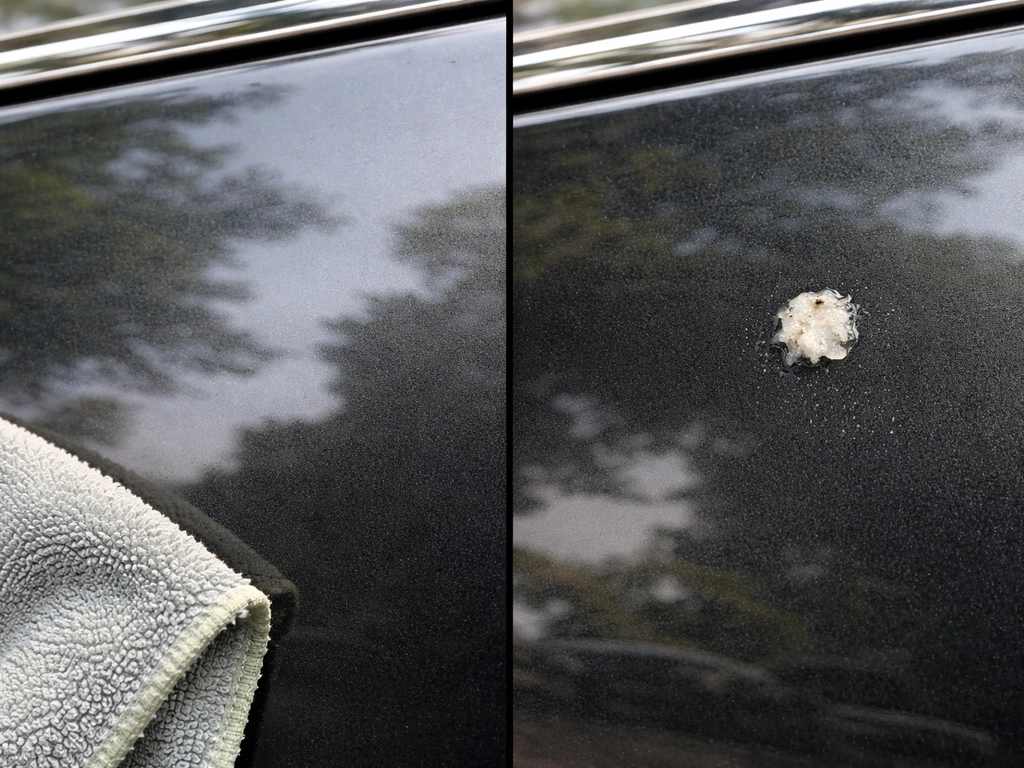
A single fresh dropping on your car roof that you clean up promptly is not a serious health risk for most people. The NYC Department of Health is clear that routine small cleanups don't pose major concerns. But dried, accumulated droppings are a different situation, and the way you clean them up makes a big difference.
Bird droppings can carry fungi like Histoplasma (which causes histoplasmosis, a lung infection) and Cryptococcus, as well as bacteria like Chlamydophila psittaci, which causes psittacosis. The risk goes up significantly when droppings dry out, get disturbed, and become airborne as dust. Breathing in that dust is how most infections happen, not from skin contact. Fresh droppings on a hard surface are generally considered low risk by the CDC and public health agencies, but dry, flaking material that you're about to disturb is a different story.
People with asthma, allergies, or compromised immune systems face higher risk and should be extra careful. If there's heavy buildup under a roost, the risk is meaningfully higher than the occasional splatter on your hood.
How to clean it off today without causing more damage
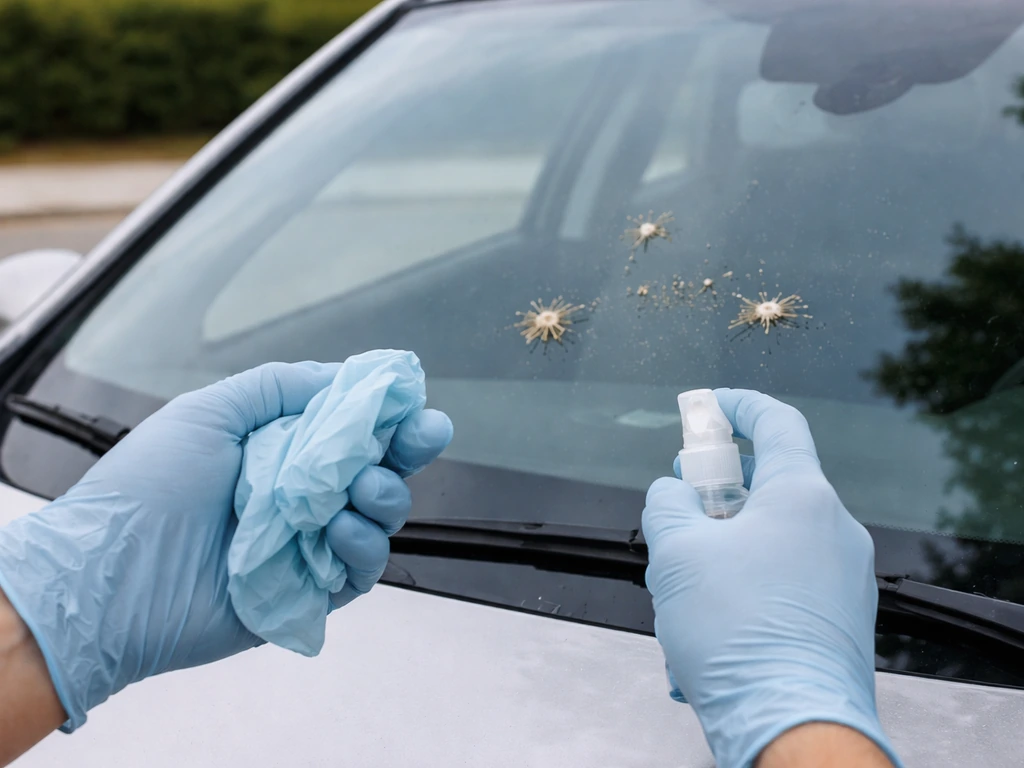
The most important rule for both health and paint protection is: wet it before you touch it. Never dry-wipe, dry-sweep, or scrub a dried dropping. Dry disturbance creates dust that can be inhaled, and it also drags grit across your clear coat, leaving micro-scratches. Every major public health source, from WSU Environmental Health to CSUCI's formal cleanup procedure, says the same thing: wet cleaning only.
- Protect yourself first: wear disposable gloves, and if there's a lot of dried material, a basic dust mask (N95) is a sensible precaution.
- Wet the dropping: soak it with water, a dedicated bird dropping remover, or a spray of pH-neutral car cleaner. Let it sit for 30 to 60 seconds so the material softens and lifts without needing aggressive scrubbing.
- Wipe gently: use a clean, soft microfiber cloth and blot or lift from the outside of the dropping inward. Don't rub in circles or press hard.
- Rinse the area thoroughly: leftover residue keeps working on the paint, so rinse until the area is clean.
- Dispose of the gloves and cloth: don't reuse them or handle them without washing your hands afterward.
- Wash your hands with soap and water when you're done, even if you wore gloves.
Avoid paper towels (too rough), household glass cleaners with ammonia (can strip wax), and any dry cloth dragged across a dried spot. If you're in a pinch and don't have a proper cleaner, plain water and a very soft cloth, used gently with the wet-dwell approach, is much better than nothing.
Protecting your paint from long-term damage
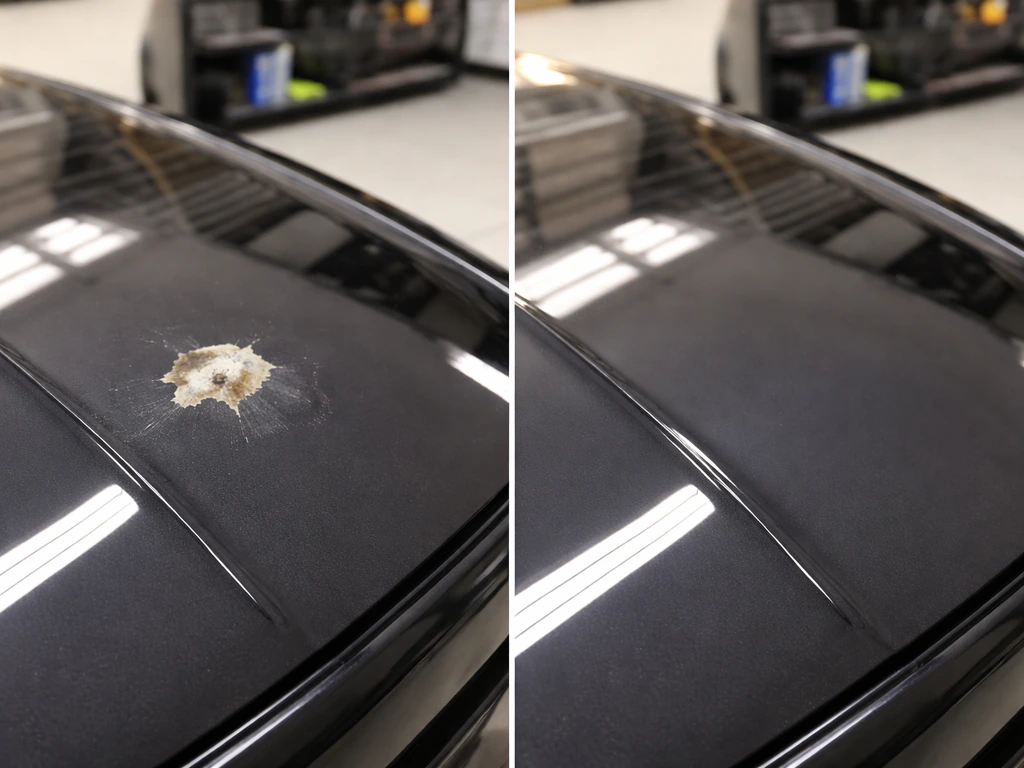
Bird droppings contain uric acid, and that acid starts etching your clear coat within a few hours on a hot day, sometimes faster if the car is sitting in direct sun. In many cases, bird droppings can stay on your car for days, and the risk to your paint rises as they build up. Some detailing professionals say permanent etching can happen in as little as a few hours under the right conditions. This is not a situation where you can leave it until the weekend.
For deeper protection, a good quality wax or ceramic coating creates a sacrificial layer between the dropping and your paint, giving you more time before etching starts and making cleanup easier. If you're finding that your clear coat already has faint etch marks in the spots where droppings land repeatedly, a light polish with a machine or by hand can sometimes reduce the appearance, but severe etching may need professional paint correction.
When you clean, keep the surface slightly damp throughout the process. This prevents the cleaner or loosened material from drying back onto the paint while you work. After you remove the dropping, a quick spray of detailing spray and a fresh microfiber wipe leaves the area clean and adds a small amount of protection. The key message from detailing sources is: minimize abrasion, keep the surface hydrated, and rinse completely.
Prevention and deterrents that actually make a difference
The most effective move is also the most obvious: stop parking in the same spot. If you can identify the perch point above your car and simply park six feet in either direction, the problem often disappears immediately. It's not glamorous advice, but it works.
If you can't change your parking location, a fitted car cover is the next best thing. It protects the paint entirely and makes cleanup trivial. The downside is the minor inconvenience of putting it on and taking it off, but if you're dealing with daily droppings, it pays for itself in paint protection fairly quickly.
For the source of the problem, blocking or modifying the perch works well. Parking.net also describes how bird-control solutions for parking garages address nesting and roosting by modifying ledges and other landing areas to help prevent droppings blocking or modifying the perch works well. Anti-roosting spikes (often called porcupine wire or bird spikes) installed on ledges, beams, or fences near your parking area prevent birds from landing in those spots. Netting can block access to rafters in covered parking. PAWS and the University of Missouri Extension both identify these as effective, practical habitat modifications. The catch is that you need access to and authority over the structure where the birds are perching.
Visual and noise deterrents work with mixed results. Reflective tape, owl decoys, and predator silhouettes can disrupt birds short-term, but birds figure out pretty quickly that a plastic owl isn't going anywhere. USDA APHIS explicitly notes that no single device deters all species and that integrated approaches work better than any one tactic. If you go this route, move the deterrent regularly and combine it with other methods.
Removing food sources nearby helps reduce the total number of birds in the area. If there's a bird feeder close to your parking spot, moving it further away reduces foot traffic. The same applies to nearby garbage or compost that isn't secured.
| Method | How Well It Works | Effort / Cost | Best For |
|---|---|---|---|
| Move your parking spot | Excellent | Low / Free | Anyone who can park elsewhere |
| Fitted car cover | Excellent (paint only) | Low / Moderate cost | Fixed parking spots, heavy droppings |
| Bird spikes on nearby ledge | Very good | Moderate / Moderate cost | When you own or control the structure |
| Netting in covered parking | Very good | High effort / Moderate cost | Parking garages, carports |
| Remove nearby food sources | Good | Low / Free | Areas with feeders or open garbage |
| Reflective tape / owl decoys | Short-term only | Low / Low cost | Temporary disruption, not a long-term fix |
The luck thing: what's actually true
In a lot of cultures, bird poop landing on you or your belongings is considered good luck, a sign of incoming prosperity, or even a blessing. The belief shows up across European, Russian, and some Asian traditions, and it's one of those folk superstitions that's genuinely widespread. Whether you find it comforting or absurd probably depends on how fresh the dropping was.
The practical reality is that birds poop on your car because it's under a perch, not because the universe is sending you a financial windfall. There's no evidence that the frequency of bird droppings on your vehicle correlates with anything other than proximity to bird roosting spots. That said, if the belief gives you a moment of calm before you go get your microfiber cloth, there's no harm in it. Just don't let the good-luck framing talk you into leaving the dropping on the paint for too long. The acid doesn't care about omens.
When to take it more seriously or call someone
Most bird dropping situations on a car are minor and easy to handle yourself. But there are a few scenarios where you should escalate your response.
- Heavy accumulation: If there's a thick buildup of dried droppings (think under a roost in a parking garage, not a couple of spots on the hood), don't attempt a casual DIY cleanup. WSU Environmental Health recommends contacting a professional or your facilities/EH&S team for large-scale contamination because the risk from disturbing a large volume of dried material is significantly higher.
- Respiratory symptoms after cleanup: If you develop coughing, shortness of breath, or flu-like symptoms after cleaning bird droppings, especially dry ones, see a doctor. Histoplasmosis and psittacosis are treatable, but they need to be caught.
- Known asthma or immune compromise: If you or someone in your household has asthma, allergies to mold or dust, or a weakened immune system, have someone else handle the cleanup or use full protection including an N95 mask and gloves.
- Paint damage beyond surface staining: If you're seeing etching or dull spots on the clear coat that don't buff out, a professional detailer can assess whether paint correction or a respray of the clear coat is needed.
- Unfamiliar wildlife contact: If the droppings are from an unusual bird species or if you've had direct contact with a sick or dead bird near your vehicle, contact your local wildlife or public health authority for guidance.
The goal is to handle this practically, without panic but without ignoring real risks either. A quick, wet cleanup done with gloves today protects both your health and your paint. Then look up, find the perch, and figure out how to disrupt it. That's really the whole solution. In general, bird droppings affect the surface they land on, which can matter for solar panels if they stay on and harden.
FAQ
Is it better to rinse bird poop off immediately, or wait until it dries so it comes off easier?
Do it immediately while it is still wet. Drying turns the droppings into dust when you rub or wipe, and it also increases clear-coat etching risk. If you cannot clean right away, at least rinse with water and leave it damp, then do a proper wet wipe later.
Can bird poop damage my car’s paint if I wash it later the same day?
Sometimes, especially on hot, sunny days. Bird droppings contain uric acid that can begin etching within a few hours depending on heat and how long it sits. If the splatter is in the same spot repeatedly, treat it as a paint-protection priority, not a “wash on the weekend” issue.
What’s the safest way to clean if I don’t have bird-dropping cleaner or detailing spray?
Use plain water plus a very soft microfiber cloth, keeping the area slightly damp the whole time. Avoid dry wiping, and do not scrub hard. If you have soap, use a gentle car shampoo and rinse thoroughly afterward.
Will ammonia-based glass cleaners or quick detailers prevent damage?
They might clean the surface, but ammonia-based glass cleaners can strip wax or other protective layers, which leaves paint exposed. If the droppings are dried, skip any product that requires dry rubbing, and stick to the wet-dwell method (dampen, loosen, wipe, rinse).
Should I wear gloves and a mask every time?
Gloves are a good idea, especially if you have asthma, allergies, or a compromised immune system. A mask is most useful when you are dealing with heavy buildup or dried, flaking droppings that are likely to become airborne. The key is avoiding inhalation of dust during cleanup.
How do I know if the droppings are fresh versus dried, and why does that matter?
Fresh droppings look wet or smear easily, dried ones turn crusty and can flake when touched. Dried material is more likely to become airborne dust when disturbed, which is when health risk increases, even if you are not touching the area much.
Is it safe to wash bird poop off with a pressure washer?
Be careful. Pressure washers can drive debris into crevices and can also force particles into trim gaps, seals, or chips. If you use one, keep pressure moderate, use a wide fan, and rinse gently after wetting the area first.
What if my car has a wrap, PPF (paint protection film), or ceramic coating, does that change the cleanup?
Yes. The wet-wipe approach is still the safest, but avoid abrasive tools that can dull edges of the film or coatings. If you’re not sure whether a product is compatible with your finish, use water first, then a gentle car shampoo, and rinse thoroughly.
Can bird poop on my windshield or headlights be a hazard beyond mess?
It can. Uric acid and grime can haze or etch if left long enough, and buildup on headlights can reduce clarity. Clean promptly using the same wet approach, but for glass use proper glass-safe cleaning without aggressive dry wiping.
How far should I move my car to stop repeat droppings from the same bird?
Often a short shift helps. If you can identify the perch directly above, parking about 6 feet away in either direction can break the “same spot under the same perch” pattern. The right distance varies by the bird’s landing point, so watch for a day or two after changing spots.
If I install a car cover, will condensation cause other problems for the paint?
It can, if the cover traps moisture against the surface. Choose a fitted, breathable cover and make sure the car is cool and reasonably clean before covering. If you live in a humid area, remove and air it out periodically.
Are deterrents like reflective tape or owl decoys worth it, and why do they stop working?
They can help short-term, but birds habituate quickly. If you try them, reposition them frequently and combine them with source control (blocking access to ledges, removing nearby food, parking away). Otherwise, expect the bird to return to the same perch.
What should I do if droppings are accumulating under a roof or parking structure and I can’t remove the perch?
Focus on barriers you control. Use a car cover, park away from the beam/rafter line when possible, and schedule regular wet cleanups. If it is on a shared structure, report to property management, since netting or anti-roosting spikes usually require permission and installation access.
When should I stop DIY and contact a professional?
Escalate if there is heavy buildup over a large area, repeated nesting activity, or dried crust that would require aggressive disturbance to remove. Also seek help if you have significant respiratory sensitivity, because professional cleanup can reduce airborne dust risk.