Yes, bird poop can absolutely look purple, and it is more common than you might think. The short answer is that diet is the most likely culprit. When birds eat deeply pigmented berries or fruits, those pigments pass through quickly and show up in the droppings. So if you are staring at a purple splat on your car hood right now, the bird that left it probably had a very good breakfast.
Can Bird Poop Be Purple? Causes, Birds, and What to Do

Marcus Fielding
21 Apr 2026
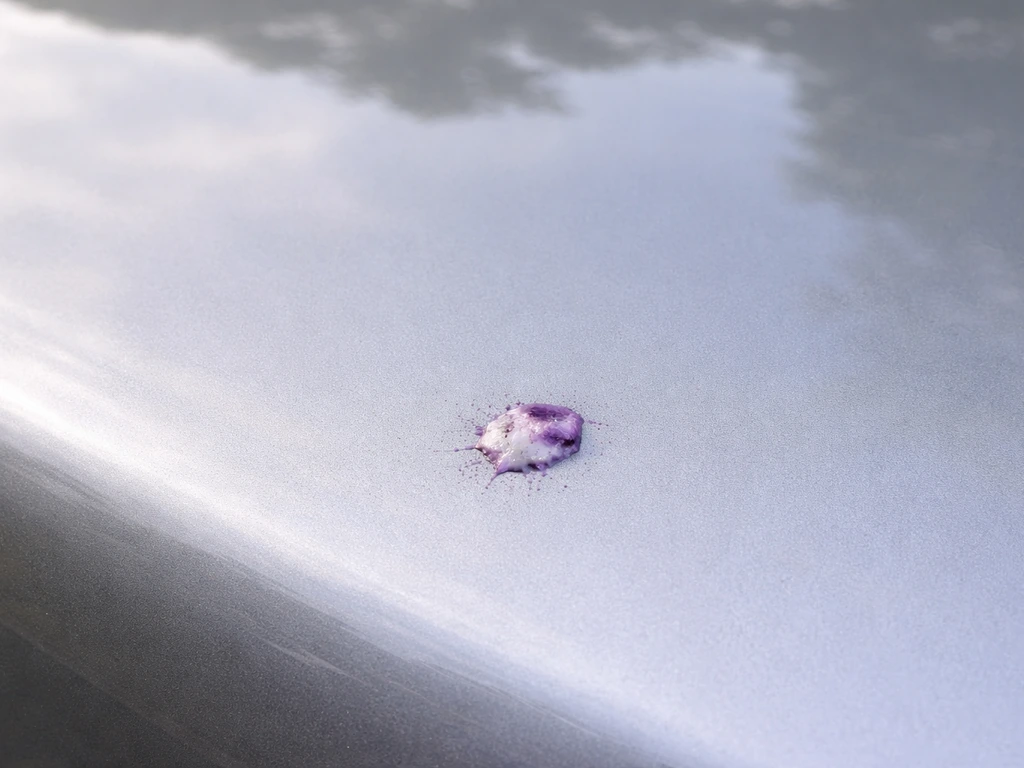
Is purple bird poop actually real?
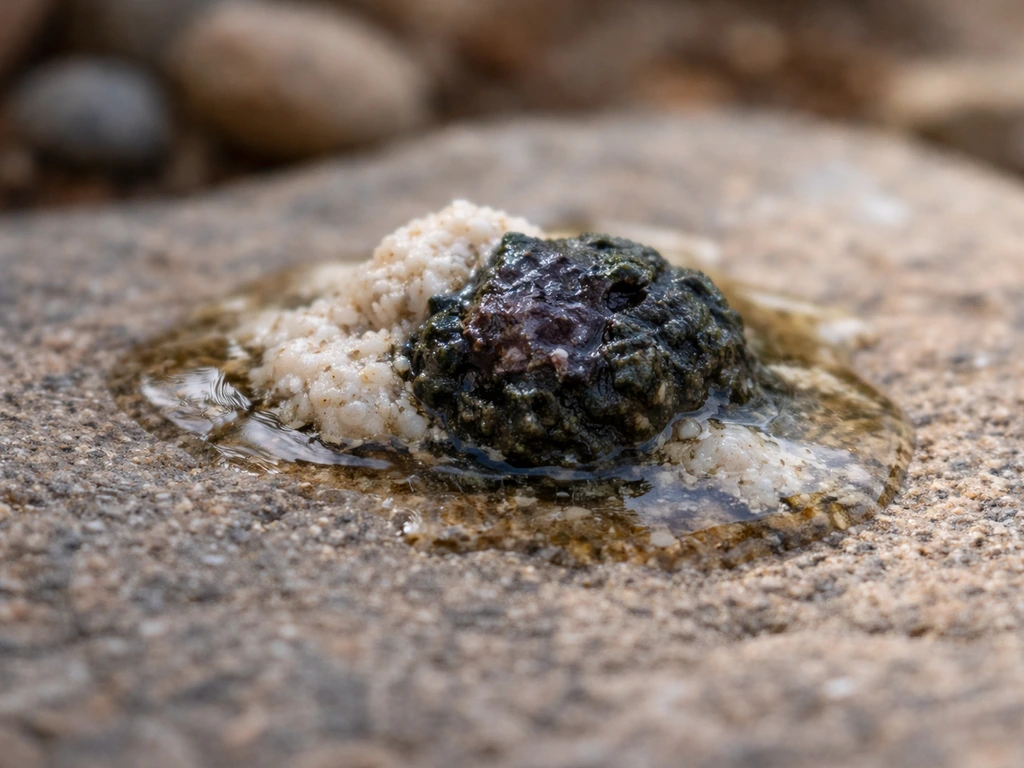
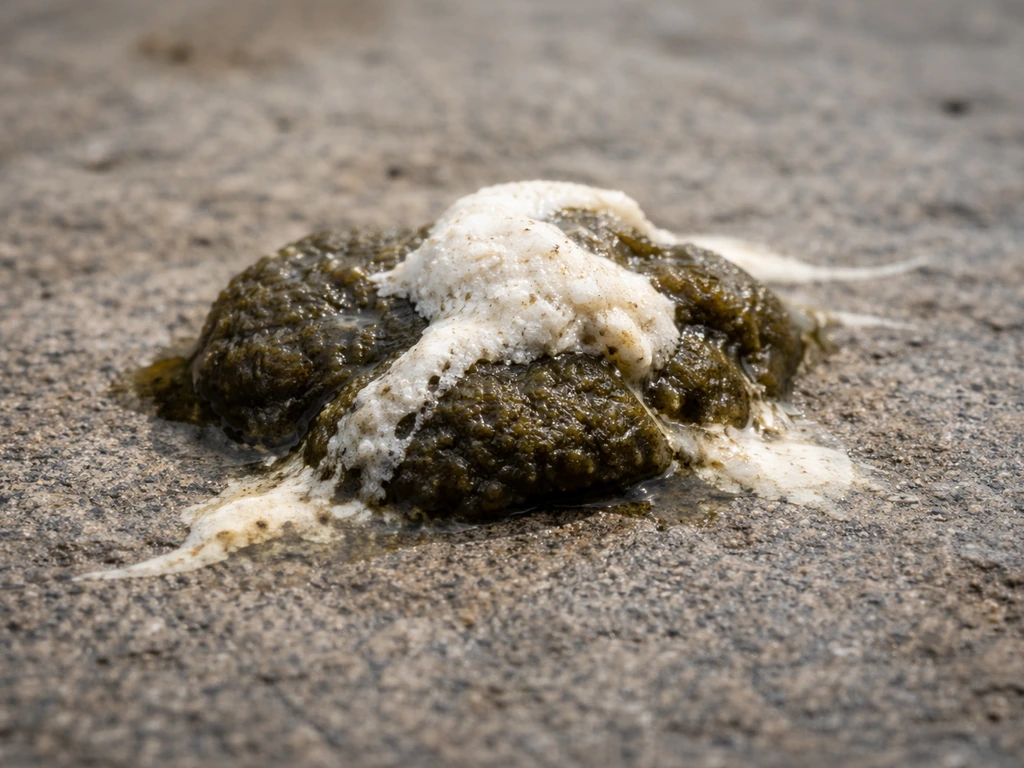
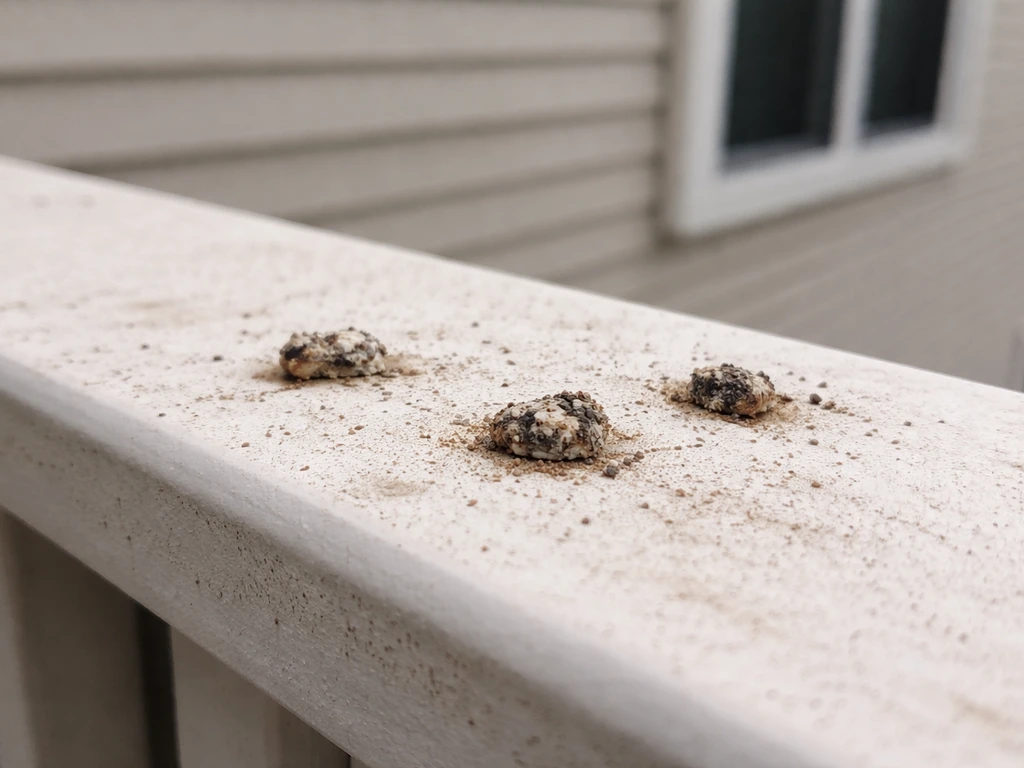
Purple bird poop is real, but it helps to understand what you are actually looking at. Bird droppings are not a single substance. They consist of three components mixed together: the fecal matter (the dark solid part), the urates (the chalky white or cream-colored paste produced by the kidneys), and liquid urine. The color you see depends on how those three components mix, what the bird ate, how long the dropping has been sitting, and even what surface it landed on. If you are asking what color is bird poop, the shade can range from greenish to reddish-purple depending on what the bird ate and other conditions The color you see. A dropping can look white in the center, dark at the edges, and anywhere from greenish to brownish to reddish-purple depending on all those variables.
There are also optical and environmental factors that can make droppings look purple when they are technically not. Certain surfaces, especially dark-painted car finishes or colored pavers, can shift how the color reads to your eye. Lighting conditions, especially golden-hour sunlight or shade, can make a dark reddish-brown dropping look more purple than it really is. Dried droppings often look different from fresh ones because moisture evaporates and concentrates the pigments. So before jumping to conclusions, it is worth considering whether the color is in the dropping itself or partially a trick of the light and surface.
What actually causes purple or colored bird droppings
Diet is far and away the most common explanation. When a bird eats blueberries, elderberries, pokeberries, mulberries, or other dark-pigmented fruits, those anthocyanins and other plant pigments travel through the digestive system relatively intact and color the fecal component of the dropping. VCA Animal Hospitals notes that droppings can briefly appear blue or purple after a bird eats pigmented foods, which is consistent with diet-based color change rather than disease. This is temporary. Within a feeding cycle or two, the droppings return to normal.
Beyond diet, there are a few other causes worth knowing about. Environmental staining is one: a bird that has been perching in or near a surface covered in paint, chemical runoff, or colored standing water can pick up pigments on its vent area and transfer them to the dropping's appearance. In pet birds, medications can alter dropping color significantly, and any bird on a prescribed treatment should be monitored with that in mind.
The more serious cause to be aware of is blood. A dropping that looks dark red or purple and cannot be explained by recent diet may contain blood. So if you are wondering can bird poop be red, a recent diet change or the presence of blood can be the key possibilities to sort through. Bloody droppings in birds can indicate internal injury, parasites, a cloacal infection, or other gastrointestinal issues. This is not the most likely explanation for a single purple dropping you see outside, but it matters a great deal if the bird in question is your pet.
- Diet: berries, dark fruits, and pigmented foods are the most common cause of purple-tinted droppings
- Plant pigments (anthocyanins in blueberries, elderberries, mulberries, pokeberries) pass through the gut relatively intact
- Environmental staining from perching surfaces or colored water sources
- Medications in pet birds can alter dropping color
- Blood in droppings can produce a dark red or purple appearance and warrants veterinary attention, especially in pet birds
Which birds are most likely to leave purple droppings
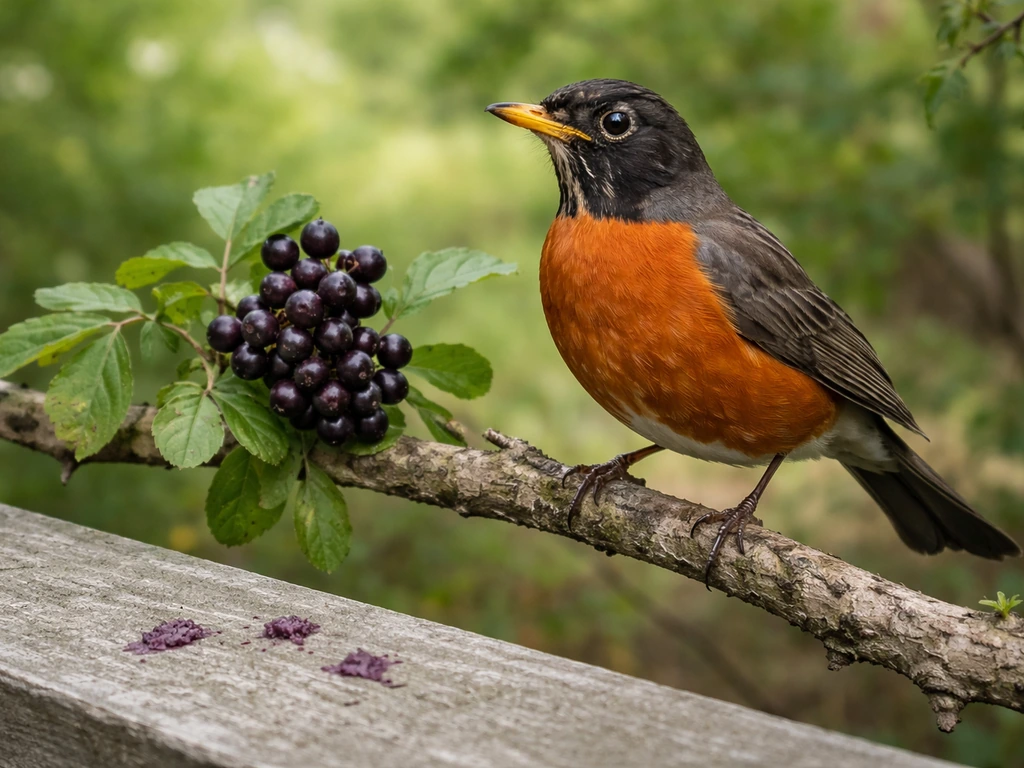
The birds most associated with purple droppings are the ones that eat the most pigmented fruit. In North America, that list is pretty predictable if you think about which birds are constantly raiding berry bushes and fruit trees.
| Bird | Common diet trigger | Where you typically see them |
|---|---|---|
| American Robin | Mulberries, holly berries, worms | Lawns, driveways, cars parked under trees |
| Cedar Waxwing | Elderberries, serviceberries, holly | Trees near parking areas, suburban yards |
| European Starling | Mulberries, pokeberries, wild grapes | Large flocks on rooftops and utility lines |
| American Crow | Pokeberries, wild berries, varied diet | Urban and suburban areas, parking lots |
| Mourning Dove | Berries when seasonally available | Driveways, window ledges, feeders |
| House Finch / Purple Finch | Berries, buds, fruit | Backyard feeders and fruit trees |
| Mockingbird | Berries of all kinds | Suburban yards and hedgerows |
Cedar waxwings are particularly notorious for mass berry feasts that produce dramatically colored droppings. They travel in flocks and can descend on a berry tree all at once, leaving a car parked underneath looking like it drove through a paint shop. Starlings are in a similar category. If you are finding purple splats in large numbers across a wide area, a flock of berry-fed starlings or waxwings is a very likely explanation.
It is also worth noting that many exotic and pet bird species, including parrots, lorikeets, and toucanets, are fed fruit-heavy diets and routinely produce colorful droppings. If you have a pet bird and are seeing purple or blue-tinged droppings, what they ate that morning is almost always the first place to look.
What purple bird poop might actually mean
In practical, non-superstitious terms, a single purple dropping on your car almost certainly means a berry-fed bird flew over. It is a dietary signal, not a health alarm. If it is a one-time event or seasonal (mulberry season, elderberry season), there is no concern beyond the cleanup.
If you are seeing persistent purple droppings from a pet bird over multiple days, with no obvious dietary explanation, that changes things. VCA Animal Hospitals notes that color changes in bird droppings are not usually specific for one disease, but persistent abnormalities warrant veterinary evaluation. Ongoing discoloration paired with other signs like lethargy, fluffed feathers, or appetite changes should get a vet visit promptly.
On the cultural and superstition side: some traditions hold that being hit by bird droppings is a sign of good luck, and the novelty of purple droppings has led some people to attach extra significance to the color. Honestly, the more useful interpretation is that a purple splat means the local birds found a great berry source and your car was in the flight path. That is more actionable information anyway.
Environmentally, an unusual accumulation of purple droppings in a specific area can actually tell you something useful: there is likely a heavy-fruiting berry tree or shrub nearby attracting birds. That is helpful to know if you are trying to figure out why your car keeps getting targeted, or if you are a gardener trying to protect fruit crops.
When to actually worry
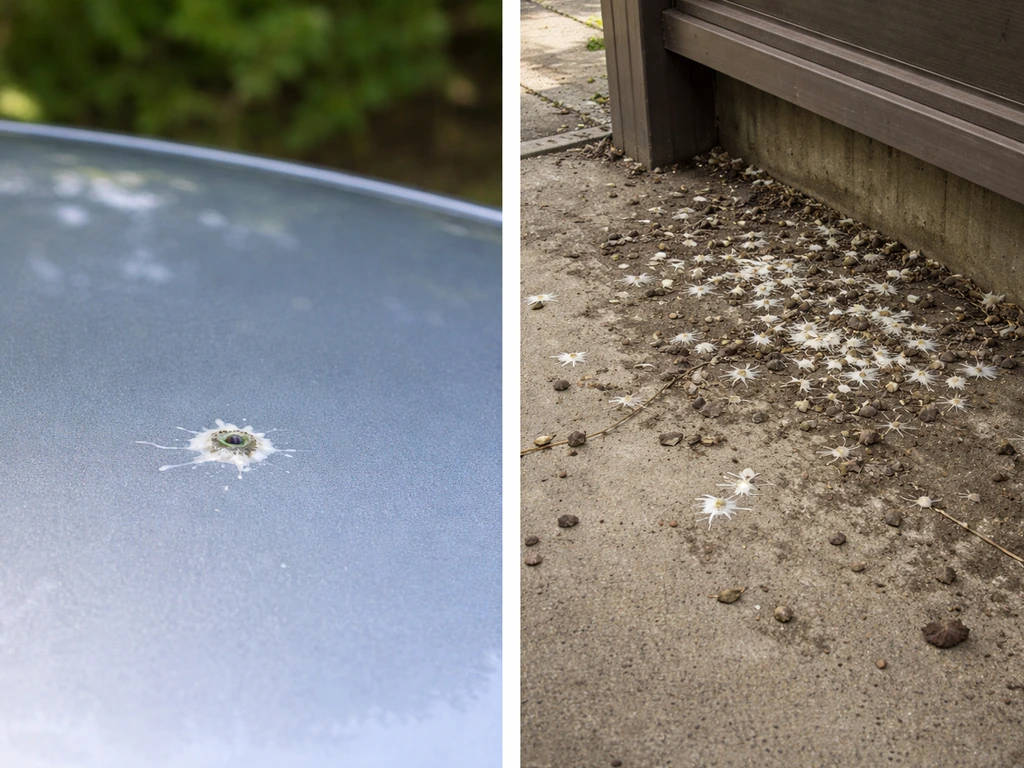
The color of bird droppings does not change the underlying health risk. The risk from bird droppings is about the particles themselves, not the pigment. The main concern with any accumulated bird droppings is histoplasmosis, a fungal lung infection caused by Histoplasma capsulatum that can grow in droppings-enriched soil. The CDC notes that histoplasmosis risk increases when activities disturb material containing bird or bat droppings, which is why cleaning is the critical exposure point, not just being near droppings.
A fresh single dropping on your car is a low-risk situation. A large accumulation under a roost, in an attic, or in a confined space where you are about to do cleanup work is a different story. That is where real precaution matters regardless of what color the droppings are.
For pet owners, if your dog or cat investigates and sniffs or licks bird droppings, that is worth noting. Dogs and cats are not the primary at-risk population for histoplasmosis, but other pathogens including Salmonella can be present in droppings. If your pet shows gastrointestinal symptoms after exposure, let your vet know about the contact.
- Large accumulations in enclosed or poorly ventilated spaces are the main risk scenario, not a single fresh dropping
- Histoplasmosis risk is triggered by disturbing and aerosolizing dried droppings, not by the color
- Pet bird showing purple droppings for multiple days with other symptoms needs a vet visit
- Dogs or cats that ingest droppings and develop GI symptoms should be seen by a vet
- People who are immunocompromised should take extra precautions when cleaning any accumulated bird droppings
- Salmonella and Chlamydia psittaci (psittacosis) are also possible in bird droppings and are worth knowing about if you handle birds regularly
Safe cleanup steps and what to do if you were exposed
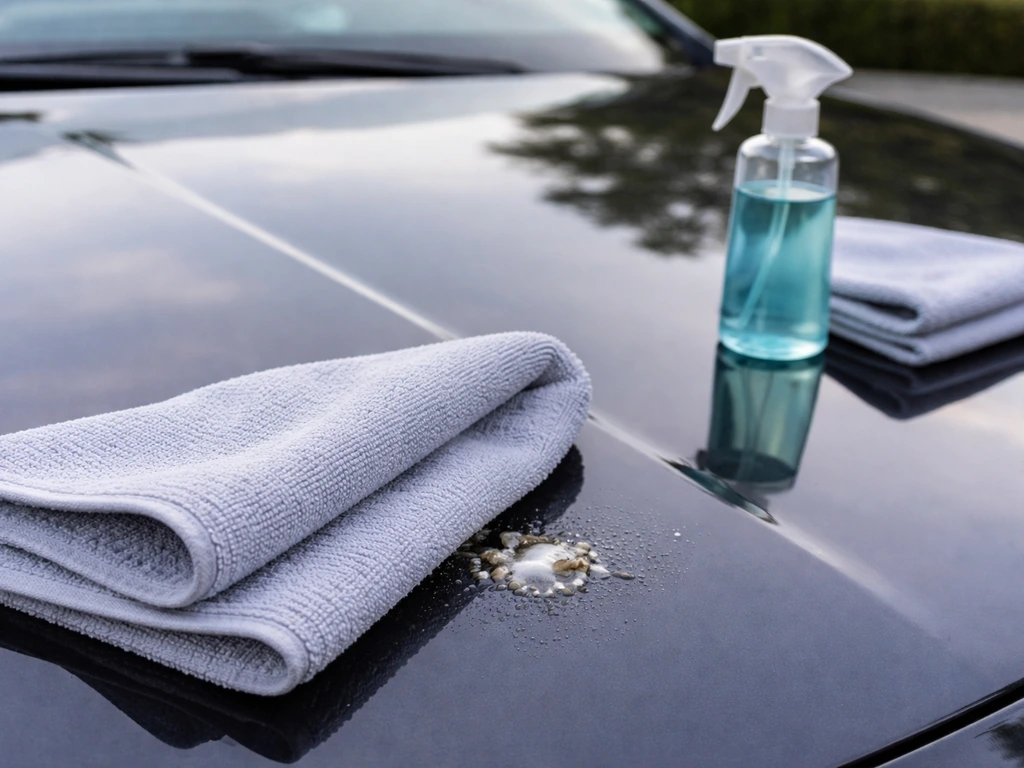
For a typical purple splat on your car or a hard surface, the cleanup is straightforward and the risk is low. The golden rule from CDC and NIOSH guidance is: do not let droppings dry out and become airborne dust. Wet the area before you clean it. That single step eliminates most of the inhalation risk.
- Wet the dropping thoroughly with water or a diluted disinfectant spray before touching it. This prevents it from drying and aerosolizing.
- Wear disposable gloves when handling any bird droppings, even fresh ones.
- Use paper towels or a disposable cloth to wipe up the material. Do not scrub dry.
- Dispose of the material and gloves in a sealed bag.
- Wash your hands thoroughly with soap and water afterward.
- For car paint, rinse with water first to loosen the material, then clean gently. Bird droppings are acidic and can etch paint, especially in warm weather, so prompt cleaning is worthwhile beyond the health angle.
- For large accumulations in a confined space, wear an N95 respirator, dampen the area thoroughly before disturbing it, and consider professional remediation if the buildup is substantial.
If you had direct skin contact or accidentally touched your mouth or eyes before washing your hands, do not panic. Wash the affected area thoroughly with soap and water. Monitor for symptoms like fever, cough, or flu-like symptoms over the following weeks if you were dealing with a large accumulation. For a single fresh dropping on skin, a good handwash is genuinely sufficient for most healthy adults.
If your pet got into accumulated droppings and is showing symptoms within a day or two, call your vet and describe the exposure. Be specific about whether it was a small amount or a larger accumulation, and whether the droppings appeared fresh or old and dried.
How to stop birds from targeting your space
If berry-fed birds are repeatedly hitting your car, driveway, or outdoor furniture, the most effective long-term move is addressing why they are gathering there in the first place. That usually means a nearby food source or a preferred perching spot.
- Park away from berry-producing trees during peak fruiting season. Mulberry and elderberry seasons are the worst offenders in most of North America.
- Use a car cover if you park in a known high-traffic area under trees or utility lines.
- Install physical deterrents on ledges and rooflines: bird spikes, sloped surfaces, or tension wires make perching uncomfortable without harming birds.
- Reflective tape, pinwheels, or hanging reflective objects near problem areas can deter birds, though they adapt over time and deterrents need to be rotated.
- Bird netting over garden beds and fruit trees protects crops and reduces the food source that draws birds to your property.
- If a specific berry-producing shrub is directly below your parking spot or patio, consider whether it is worth removing or relocating it.
- Ultrasonic deterrent devices have mixed evidence but can be worth trying in enclosed spaces like garages or patios.
None of these are foolproof, especially during migration season when large flocks of waxwings or starlings pass through. During those weeks, the most practical approach is really just protective covering and prompt cleanup. The birds will move on, and so will the purple poop problem.
If you are curious how purple stacks up against other unusual dropping colors you might encounter, the same diet-and-health logic applies. Brown, red, and clear droppings all have their own set of explanations ranging from the completely harmless to the worth-checking-out. Clear bird poop can happen when different parts of the droppings mix in a certain way, so it is usually about the bird's diet and hydration rather than a single disease clear droppings. The core principle is the same: one unusual dropping is almost always dietary, and persistence or accompanying symptoms is what earns real attention.
FAQ
How can I tell if purple color is in the dropping versus just staining the surface?
Usually, it is safe to assume diet or lighting until proven otherwise. If the purple is only on the outer surface or looks different after the dropping is rehydrated with a damp cloth, that often points to pigment transfer or surface effects rather than blood.
Can purple bird poop be blood, and how would I recognize that more reliably?
If a bird poop looks purple because it contains blood, you will often see darker red or maroon tones and it may appear darker throughout, not just as a color shift on the edges. Diet can also darken droppings, so the best discriminator is whether the bird has had pigmented food right before and whether it is persistent for a pet bird.
Is there any health risk from a single purple splat on my car, or only from big piles?
If the purple droppings are fresh and on a car outdoors, risk is typically low. The higher risk is when droppings are old, dried, and disturbed, or when there is a large accumulation in confined spaces like attics or sheds where dust can become airborne.
Can backyard chemicals or paint cause purple-looking droppings even if the bird did not eat purple fruit?
Yes. Some plants and yard chemicals can stain droppings after birds pick up pigments on their skin or around a perch. A practical check is whether the same spot on a vehicle or patio repeatedly shows purple, which suggests a consistent nearby source rather than a bird-related illness.
My parrot’s droppings look purple for several days, what symptoms should I look for before calling the vet?
For pet birds, watch not only color but pattern and behavior. If droppings remain consistently abnormal for more than a few days, or you also notice reduced appetite, fluffed posture, decreased activity, or tail bobbing, contact an avian vet promptly.
How much do medications or supplements affect a pet bird’s dropping color?
Do not rely on color alone. Some medical treatments can change fecal appearance, including color shifts in the fecal component. If you started a new medication or supplement recently, note the start date and report it when you ask the vet about changes.
What is the safest way to clean up dried purple bird droppings on a driveway or patio?
Use a wet-cleaning approach. Lightly mist the area first to prevent dust, wear gloves, and avoid dry sweeping or power washing that can aerosolize dried droppings.
What should I do if I accidentally spread dried bird droppings while cleaning?
Rinse clothing and wash hands promptly if you get droppings on fabric, but also watch for respiratory irritation if you cleaned a large dried area without wetting first. If you develop persistent cough or fever after disturbing an accumulation, seek medical advice and mention the exposure.
My dog licked bird droppings, should I worry and what symptoms warrant a vet call?
If your dog licked bird droppings, contact your vet if vomiting, diarrhea, lethargy, or fever occur. Even when histoplasmosis is not the main concern for pets, other germs (and stomach irritation) are possible, so symptoms drive the next step.
If purple droppings show up every year, is that normal or a sign of a recurring problem?
Usually no. If purple droppings appear only during certain seasons (like when berry trees drop fruit), diet is the likely explanation. Persistence across seasons, or abnormal droppings in a pet bird without a diet change, is the situation that needs follow-up.