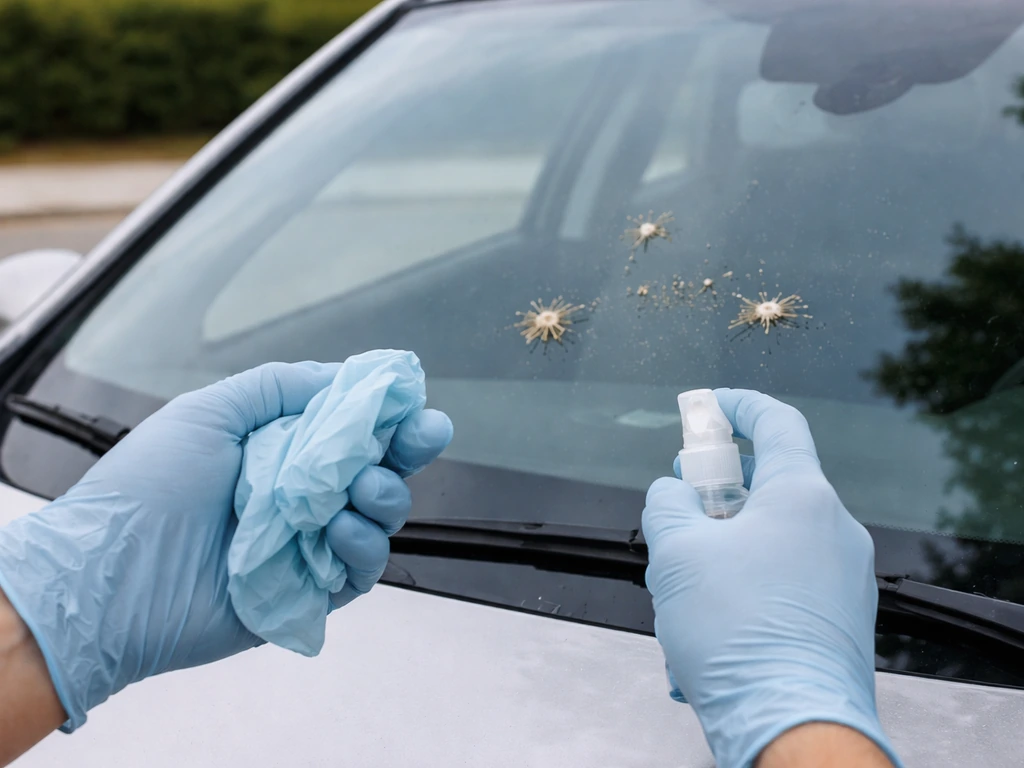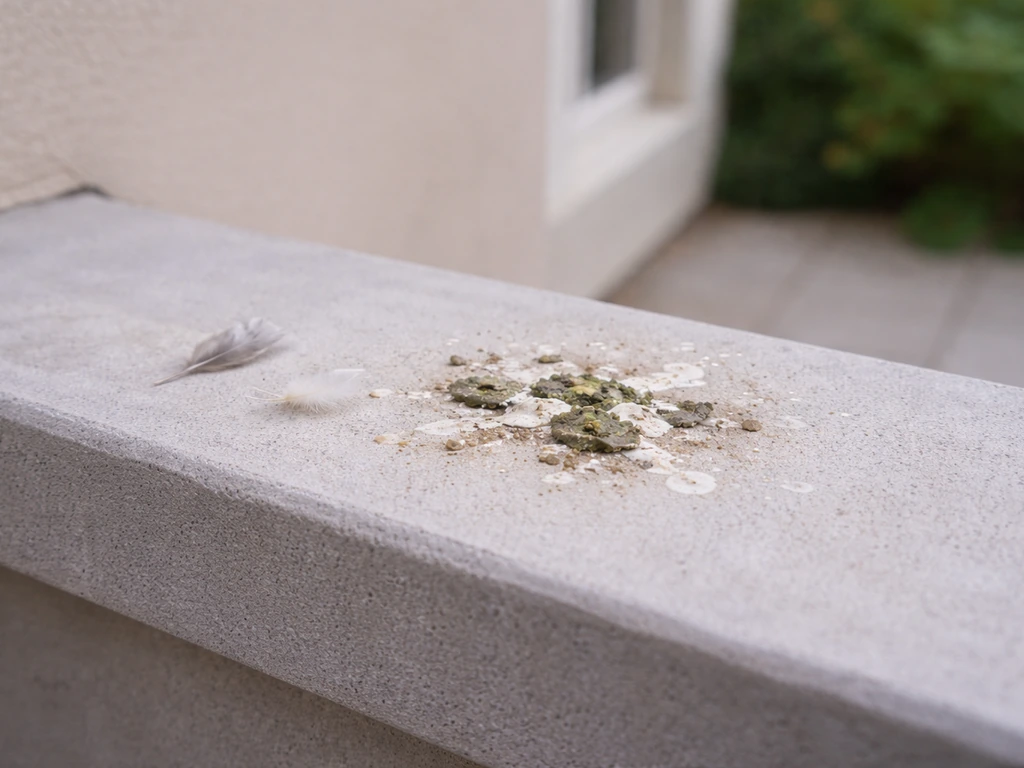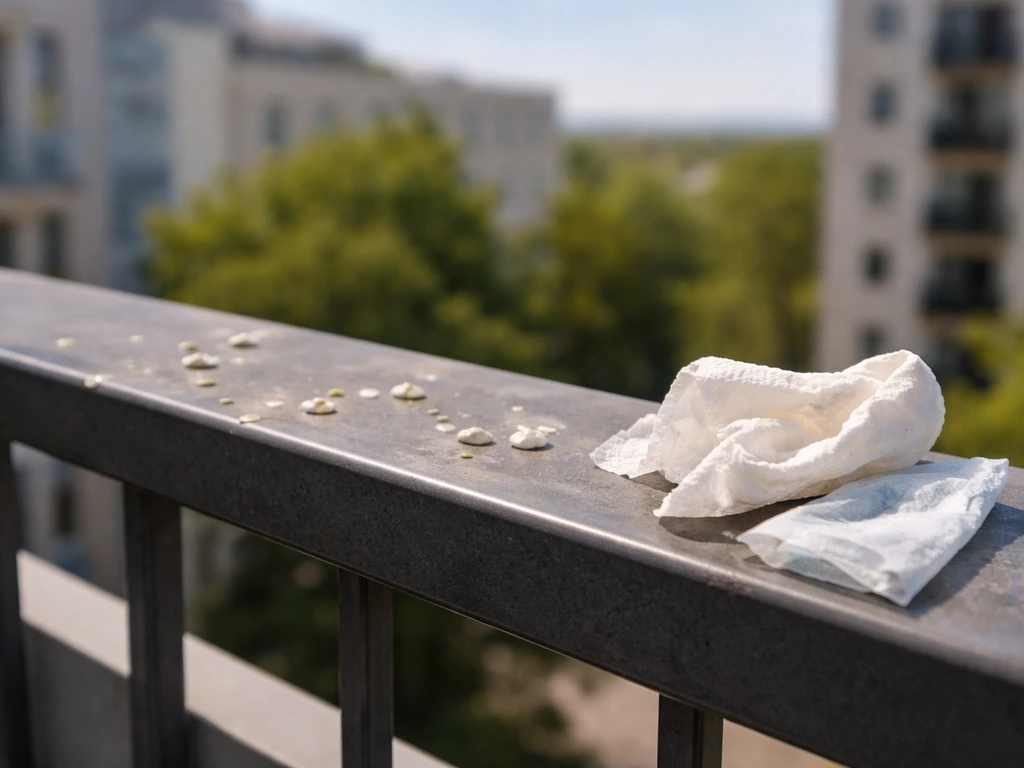
Bird droppings look brown because the fecal portion of a dropping (the actual digested waste) is naturally brown to greenish-brown, depending on what the bird has been eating. Pink bird poop can happen when pigments from what the bird eats mix with the urate portion or when droppings are discolored as they age. It's the white or cream-colored cap you see around it that's the uric acid portion, which is how birds excrete nitrogen instead of liquid urine. So when you find something that looks almost entirely brown with little white visible, you're probably looking at a dropping where the fecal mass is dominant, or one that has dried and shifted color with age. Either way, it's normal, it's common, and figuring out what to do about it is straightforward. Why bird poop is black comes down to what the bird ate and whether the droppings are fresh or have darkened as they age.
What Bird Poops Brown: Causes, Safety, and Cleanup Steps

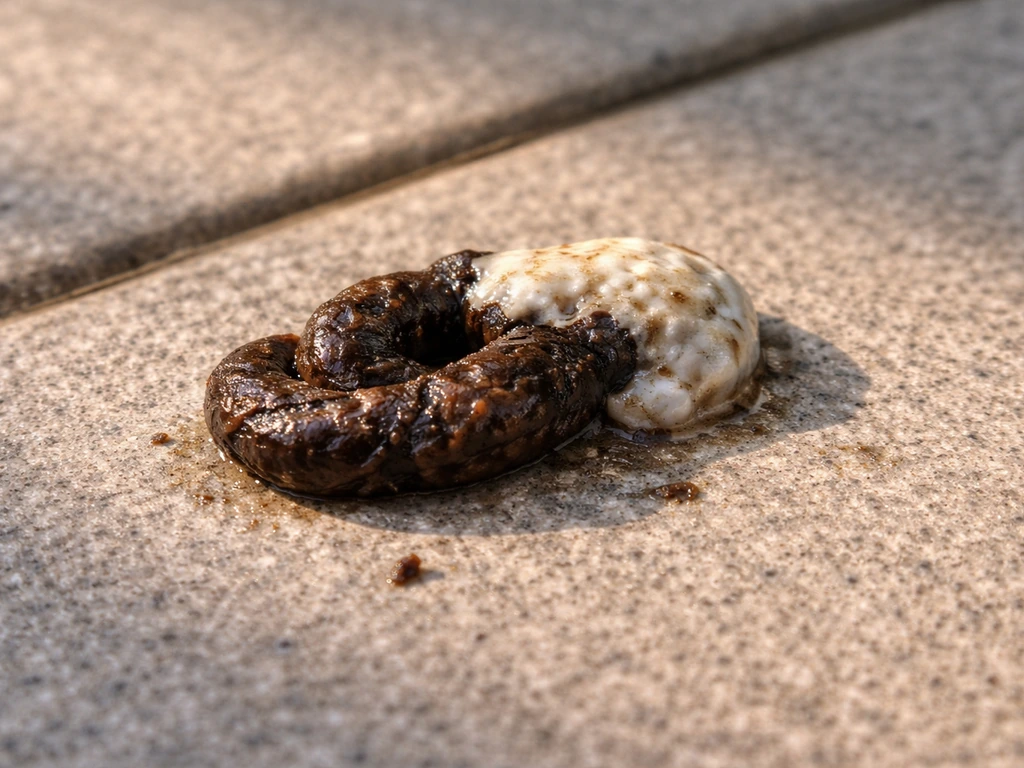
Why bird poop looks brown in the first place
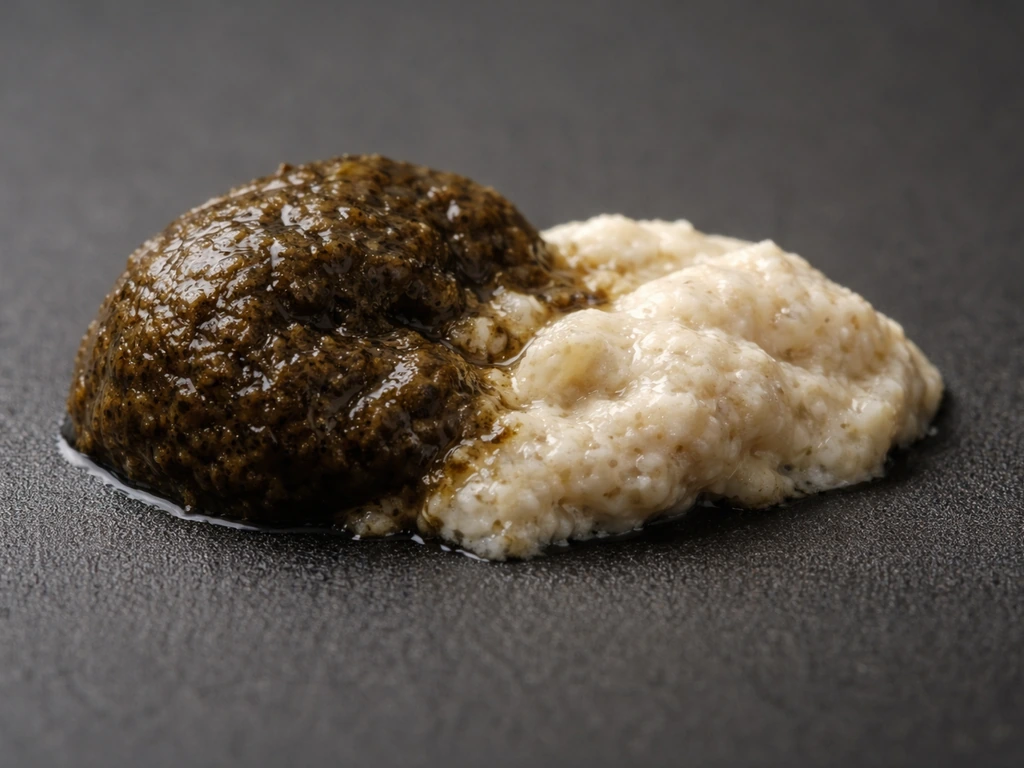
A typical bird dropping has two distinct parts: the dark fecal mass (green or brown, from digested food) and the white-to-beige urate portion (from the kidneys). What you see as the overall color depends on which part dominates visually, and a few factors push things toward brown.
- Diet: Seeds, pellets, insects, and berries all affect the color of the fecal portion. Seed-heavy diets common in backyard and city birds tend to produce brown fecal matter. Berries can push it toward purple or red (which is why pink and red droppings are a real thing), while leafy or plant-rich diets shift it greener.
- Mixed appearance: When the urate and fecal portions are mixed together rather than separated cleanly, the overall result looks more tan or muddy brown rather than clearly white-capped.
- Age and drying: Fresh droppings often look more vivid. As they dry out, the moisture evaporates, colors oxidize and mute, and the whole mass can shift toward a dull brown or gray-brown. Dry droppings also start to look chalky or powdery rather than glossy.
- Species differences: Different birds produce different dropping profiles. Pigeons, for example, are famously brown to greenish-brown with a white cap. House sparrows leave small, chunky, brown deposits. The specific color is shaped by each bird's diet and digestive chemistry.
The bottom line: brown is one of the most normal colors for bird poop to be. It does not signal something unusual or dangerous on its own. What matters more than color is whether the droppings are fresh or dried, how much has accumulated, and how you handle them.
Which birds are probably responsible around your home or car
In most urban and suburban settings, the usual suspects for brown droppings are pigeons, house sparrows, and starlings. If you're finding marble-sized, firm, brown-and-white droppings on your car, windowsill, or balcony rail, pigeons are the most likely culprit. Their droppings are consistently described as brown to greenish-brown with a white cap, and they tend to leave them in clusters where they roost.
House sparrows leave smaller, chunkier brown droppings, often near ledges, gutters, and nest sites. The NYS Integrated Pest Management guidance describes house sparrow droppings as small and brown or brown-chunky, as an identification cue House sparrows leave smaller, chunkier brown droppings. If you have a bird feeder, sparrows, finches, and doves are all regular visitors that produce brown fecal matter based on their seed-heavy diets. In more rural or wooded areas, larger brown droppings on decks or patio furniture might come from robins, thrushes, or other fruit-eating birds, where the berry pigments can make things look darker or more reddish-brown.
Worth noting: you genuinely cannot confirm a species from dropping color alone. It's a useful clue, not a definitive ID. The practical implication is that cleanup and risk-reduction steps are the same regardless of which bird is responsible, so spend less time on the whodunit and more time on the what-now.
Is brown bird poop actually dangerous?
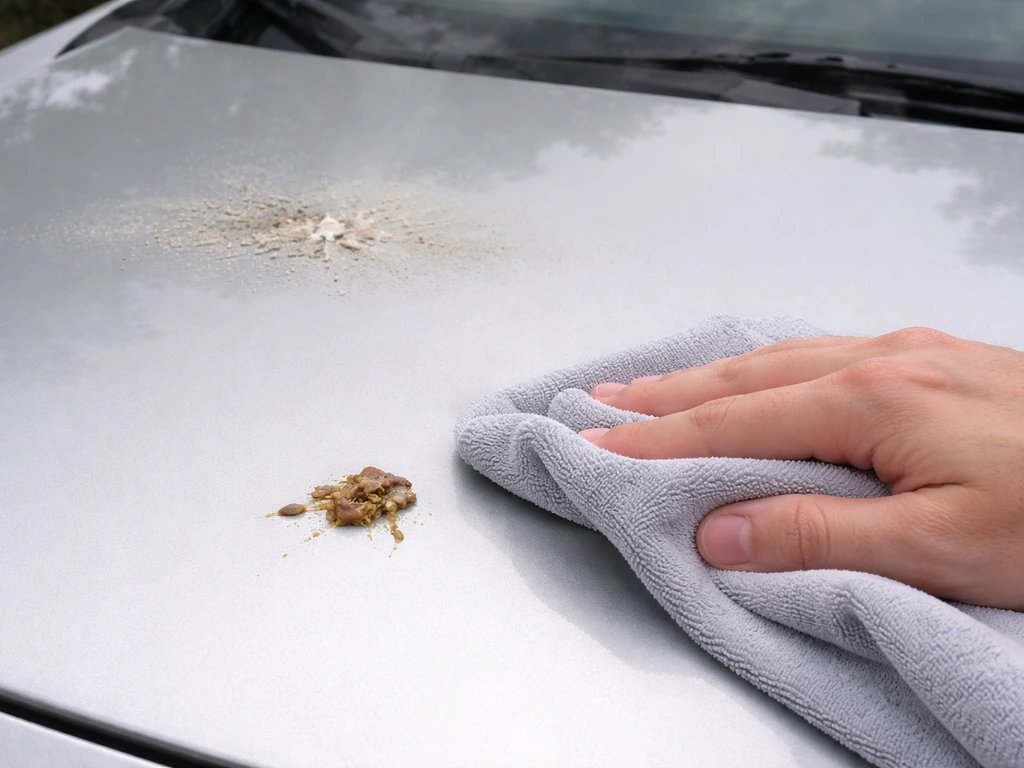
For a single fresh dropping on your car hood that you clean off without getting it near your face, the risk is genuinely very low. The real concerns kick in with accumulated, dried droppings that can become powdery and airborne when disturbed. Here's what the actual health risks look like.
Histoplasmosis
Histoplasma is a fungus found in soil and in accumulated bird and bat droppings, particularly in certain regions. You get histoplasmosis by breathing in spores when contaminated material is disturbed and goes airborne. Most healthy people who inhale a small number of spores either have no symptoms or experience a mild flu-like illness they may not even notice. The risk rises significantly with larger exposures, like disturbing a big accumulation of old droppings without respiratory protection, and for people with weakened immune systems, who may not clear the infection as effectively.
Psittacosis
Psittacosis (also called ornithosis) is a bacterial infection caused by Chlamydia psittaci. The main transmission route is inhaling dust from dried droppings or respiratory secretions from infected birds. It can cause respiratory illness, fever, and headache. Human-to-human transmission is very rare. The exposure pathway, again, is inhalation of dried, aerosolized material, not casual skin contact with a fresh dropping.
What this actually means for you
The pattern across all these risks is the same: dry, dusty, disturbed droppings are the danger zone, not fresh droppings you're cleaning carefully. Color (brown or otherwise) does not change this equation. Whether you're dealing with brown pigeon poop on a car or a grayish dried accumulation on a ledge, the safety steps are identical. If you're also curious about other colors, the same core logic applies to black, orange, or pink droppings, where the color tells you something about diet but doesn't fundamentally change the cleanup approach. Some birds can also leave black droppings, and the cause is usually related to what they eat or how the droppings have aged.
What to do immediately after finding bird droppings
Your first instinct might be to brush it off or blast it with a hose, but the safest approach starts with not aerosolizing the material. Here's how to handle it from the moment you find it.
- Don't dry-brush, dry-sweep, or vacuum the area first. These all launch particles into the air, which is exactly what you want to avoid.
- Put on gloves before touching anything. Disposable nitrile or latex gloves are ideal. Avoid touching your face throughout the process.
- For dried or accumulated droppings, put on a respirator. An N95 mask at minimum provides meaningful protection against inhaling fungal spores and bacterial particles. For larger cleanups or heavily contaminated areas, CDC guidance points toward an elastomeric half-mask with N95-rated filters.
- Wet the droppings before you touch them. Spray the area with water or a diluted disinfectant solution until the droppings are thoroughly soaked. This prevents dust from going airborne when you remove them.
- Scoop or wipe up the wetted material and seal it in a plastic bag before disposal.
- Wash your hands thoroughly with soap and water after removing gloves, even if you don't think you touched anything directly.
For a single fresh dropping on a car or patio chair, the process is simpler: gloves, wet it, wipe it, bag the cloth or paper towel, wash hands. The full PPE setup matters most when you're dealing with large amounts, dried accumulations, or enclosed spaces with poor ventilation.
How to clean different surfaces properly
Different surfaces need slightly different approaches, both to avoid damage and to ensure effective disinfection. The two-step principle applies everywhere: clean first (remove visible material), then disinfect (kill pathogens on the surface).
| Surface | Cleaning approach | Disinfection method | Watch out for |
|---|---|---|---|
| Car paint/clear coat | Wet thoroughly, then gently blot or wipe with a soft microfiber cloth. Never scrub dry droppings on paint. | Rinse well with water; use a car-safe pH-neutral cleaner. Avoid bleach on paint. | Dried droppings are acidic and etch clear coat quickly. Don't leave them to soak in the sun. |
| Concrete or brick | Wet the area, scrub with a stiff brush, then rinse thoroughly with water. | Diluted bleach solution (e.g., 1 part bleach to 9 parts water) applied after cleaning, left to contact for several minutes, then rinsed. | Bleach can lighten some brick; test a small area first. |
| Glass (windows, windshields) | Wet and wipe with a damp cloth or paper towel. Fresh droppings come off easily. | Standard glass cleaner after removal. For heavy contamination, a diluted disinfectant wipe followed by a glass cleaner. | Dried droppings can scratch glass if dragged across dry; always wet first. |
| Outdoor furniture (metal, plastic) | Wet and wipe down the affected area. Remove all visible material. | EPA-registered disinfectant spray or diluted bleach solution, following label contact time directions before rinsing. | Bleach can fade or pit some plastics over time; rinse thoroughly. |
| Wood decking or fencing | Wet, scrub gently, and remove material. Avoid saturating raw wood unnecessarily. | A diluted bleach solution works for most sealed wood. For unsealed wood, use an oxygen-based cleaner. | Bleach can bleach and dry out unsealed or stained wood; rinse and let dry fully. |
For any disinfectant you use, follow the label's contact time instructions. Spraying and immediately wiping off doesn't give the disinfectant time to actually kill anything. Most need at least 1 to 5 minutes of wet contact on the surface to be effective.
How to stop birds from leaving droppings in the same spot again
Prevention is genuinely the best long-term strategy here. From a health standpoint, the CDC/NIOSH guidance is blunt: preventing droppings from accumulating in the first place is the most effective way to reduce your histoplasmosis and respiratory risk. From a practical standpoint, it also means less cleaning.
- Remove food sources: If you have bird feeders, position them away from your car, patio, and entryways. Spilled seed on the ground attracts birds and keeps them coming back to the same area.
- Block roosting spots: Birds return repeatedly to the same ledges, rafters, and AC units because they're comfortable perches. Physical deterrents like bird spikes, slope-based ledge covers, or wire mesh on ledges are effective for persistent roosting spots.
- Cover your car: A car cover when parked under trees or near roosting spots is a simple, zero-effort solution if you deal with recurring car poop damage.
- Reflective deterrents: Hanging reflective tape, old CDs, or commercially made bird scare tape near problem areas can discourage landing, especially for smaller birds.
- Keep outdoor pet or bird enclosures clean: If you have chickens, ducks, or outdoor pet birds, regular removal of droppings from enclosures reduces accumulation and lowers disease risk for both the birds and you.
- Fix access points: Birds nesting in attics, roof gaps, or eaves leads to concentrated dropping accumulations in enclosed spaces, which is a higher-risk scenario. Block access points before nesting season.
Consistency matters more than any single deterrent. Birds are creatures of habit and will return to familiar perches unless something makes those spots consistently uncomfortable or inaccessible.
When to actually worry and when to get medical help
Most encounters with bird droppings, including cleaning them up, do not result in illness. But there are specific circumstances where you should take it more seriously and, in some cases, contact a doctor.
Situations that warrant more attention
- You inhaled dust from a large or old accumulation, especially in an enclosed or poorly ventilated space, without respiratory protection.
- Droppings made direct contact with your eyes or mouth.
- You have a weakened immune system (from HIV, chemotherapy, organ transplant medications, or similar conditions), which significantly raises your risk of serious illness from histoplasmosis even from smaller exposures.
- You develop respiratory symptoms (cough, shortness of breath, chest tightness), fever, or flu-like illness within 3 to 17 days after a significant exposure.
- A child was involved in the exposure, particularly if they were playing in an area with accumulated droppings.
What to do if you're concerned
If you inhaled dust from dried droppings or had direct mucous membrane exposure, call your doctor or an urgent care clinic and describe what happened, including whether you were in an enclosed space, how much material was involved, and whether you had any respiratory protection. Mention histoplasmosis and psittacosis by name so the clinician knows what to consider. For immunocompromised individuals, don't wait for symptoms to develop: contact your doctor proactively after any significant exposure. For a routine outdoor cleaning job where you wore gloves, wetted the material, and avoided breathing in dust, you almost certainly don't need to do anything beyond washing up and monitoring for any unusual symptoms over the next couple of weeks.
The reassuring reality is that the vast majority of people who clean up bird droppings correctly, even without perfect PPE, don't get sick. The risks are real but manageable with basic precautions. Knowing the right steps, which you now do, puts you well ahead of the curve.
FAQ
If the dropping is brown but looks fresh, do I still need to worry about fungi or bacteria?
The risk is much lower when it is fresh and you do not disturb it into dust. The main hazard comes from aerosolizing dried, powdery droppings. If you find only a small, wet spot and you clean it promptly using gloves and wet-wipe steps, you typically do not need extra medical action, just standard handwashing.
Can I identify the bird species from brown poop to know how risky it is?
Color alone usually cannot confirm species. Even if the bird is different, the exposure pathway for respiratory risks is the same (breathing in dust from disturbed dry droppings). Focus on the condition of the droppings (fresh versus dried and accumulated) and how you clean them, not on species identification.
What if there is a small cluster on a balcony, but it has been there for days, not hours?
Treat it like a dried-accumulation cleanup. Before wiping or scraping, thoroughly wet the area so it does not turn into dust, then clean and bag materials. If it is in a tight space, consider stronger protection and avoid fans or sweeping that can aerosolize residue.
Is it safe to use a pressure washer to remove brown bird droppings?
Usually no. Pressure washing can blast droppings into the air and create airborne particles. Stick to wetting the material, wiping, and using a disinfectant with the proper wet contact time instead.
Do I need to disinfect after removing brown droppings on a car or outdoor chair?
If it is a single fresh spot and you clean carefully, additional disinfection is often unnecessary. If it is dried, an accumulation, or you cannot fully remove residue, disinfect after cleaning, using the label contact time so the disinfectant actually works.
How do I handle it on sensitive surfaces like car paint, screens, or outdoor cushions?
Avoid strong scrubbing that grinds residue in. Clean first with a wet method to lift material, then use disinfecting products compatible with the surface. For cushions or fabric, remove and launder according to care instructions, and do not shake dry material outdoors where it can aerosolize.
What is the correct order, clean then disinfect, but do I need both every time?
Use the two-step principle as your rule of thumb. Clean first to remove visible waste. Disinfect when there is dried residue, heavy accumulation, or you want extra risk reduction, and always keep the surface wet for the disinfectant’s required contact time.
What counts as a ‘significant exposure’ that should prompt contacting a doctor?
A significant exposure generally involves breathing in dust from dried droppings, especially from large amounts or enclosed spaces, or direct mucous membrane exposure (eyes or mouth) after contact with contaminated material. If you were immunocompromised or you had substantial airborne dust, contact urgent care and mention histoplasma and psittacosis.
If I got droppings on my skin, do I need medical care or a disinfectant protocol?
Skin contact is usually not the main route of infection. Rinse and wash thoroughly with soap and water. Medical attention is mainly considered if you had mucous membrane exposure (eyes, nose, mouth), inhaled noticeable dust, or you were in a high-amount, enclosed scenario.
Are there any cleanup mistakes that increase risk the most?
The biggest mistakes are disturbing dry residue so it becomes dusty, using dry brushing, sweeping, or blasting with high-pressure water, and spraying then immediately wiping off disinfectant before the label contact time. Another common issue is cleaning without wetting the droppings first.
How can I keep pigeons or sparrows from returning to the same spot?
You need consistent deterrence. Birds will return to familiar perches unless the area is made consistently uncomfortable or inaccessible. Combine physical barriers (like covers or perching deterrents) with routine cleanup so residue does not accumulate and become a habit-forming roost site.
After cleanup, should I worry about lingering residue or smell?
Brown color remaining is usually pigment and residue that did not get fully lifted, not a sign of ongoing infection. If residue remains, re-wet, clean again, and disinfect if appropriate for the surface and situation. Persistent odor often points to leftover organic material rather than a new health hazard.