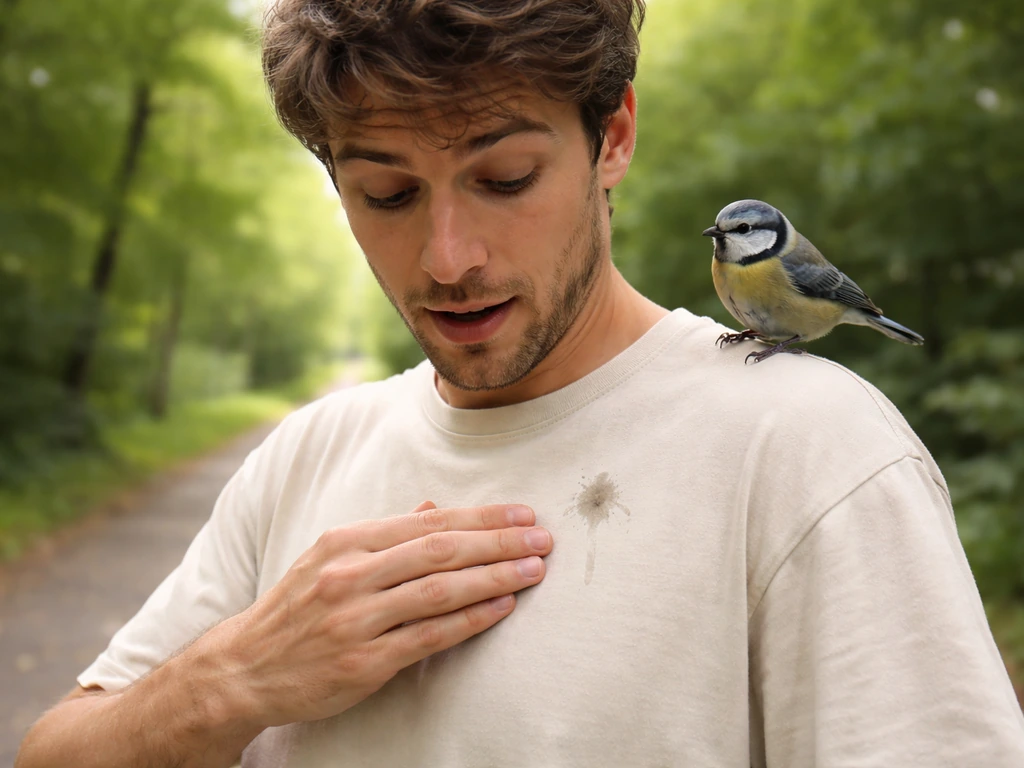
If a bird just pooped on you, here is exactly what to do: get to a sink, rinse the area with clean water, wash with soap, and avoid rubbing the dropping around before you've rinsed it off. That covers 90% of what matters in the first two minutes. The health risk from a single, incidental splat on your skin or clothes is low for most healthy adults, but there are real pathogens in bird droppings worth knowing about, especially if the exposure hit your eyes, mouth, or an open wound, or if you're immunocompromised. And yes, plenty of cultures call it good luck. Whether you believe that or not, cleaning up promptly is the smarter move.
Good Luck When a Bird Poops on You: Clean Up Safely

Marcus Fielding
2 May 2026
What to do in the first few minutes
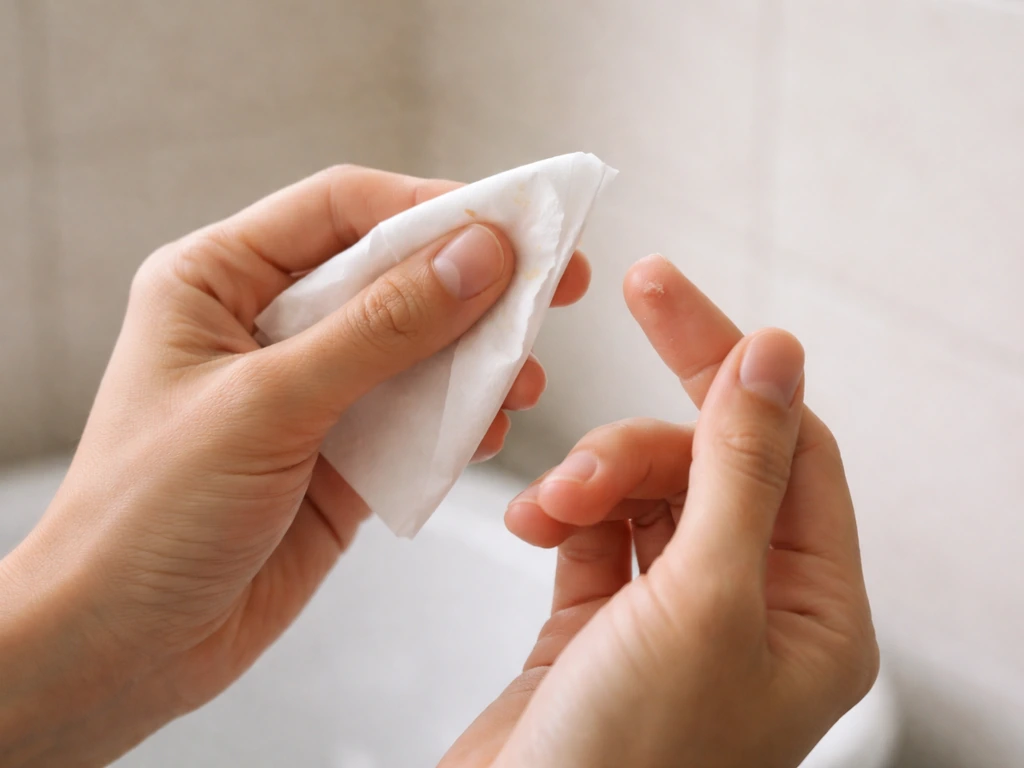
Speed matters mostly because you don't want to spread the dropping further by absentmindedly touching your face, rubbing your eye, or picking up your phone. The dropping itself isn't going to absorb through your skin in 30 seconds, but your hands are the main transfer vehicle for anything harmful.
- Don't wipe or rub the dropping dry. Lift or scrape off any solid material with a tissue or the edge of a card, then discard it immediately.
- Rinse the area with running water before applying soap. This removes the bulk of the material without spreading it.
- Wash thoroughly with soap and warm water for at least 20 seconds. The CDC lists handwashing with running water and soap as the primary step after any contact with bird droppings.
- Avoid touching your face, eyes, or mouth until your hands are clean.
- If you're outdoors without access to a sink, use a hand sanitizer as a temporary measure, then wash with soap and water as soon as you can.
- Bag any heavily soiled clothing rather than carrying it loose against your body.
One thing worth emphasizing: don't try to blow or brush off a dry dropping before wetting it. Dry bird droppings can contain fungal spores (more on that below), and disturbing them in a way that kicks up dust is exactly what public health guidance says to avoid. Wet it first, then deal with it.
Skin, eyes, and clothing: what to do and what to skip
Skin
Rinse with running water, then wash with soap. That's genuinely all you need for intact skin with no cuts or abrasions. You don't need to scrub aggressively or use anything stronger than regular hand soap. If the dropping landed on a cut or open wound, rinse it thoroughly under running water for several minutes and consider contacting a healthcare provider, especially if you know the bird was visibly sick or if you're immunocompromised.
Eyes
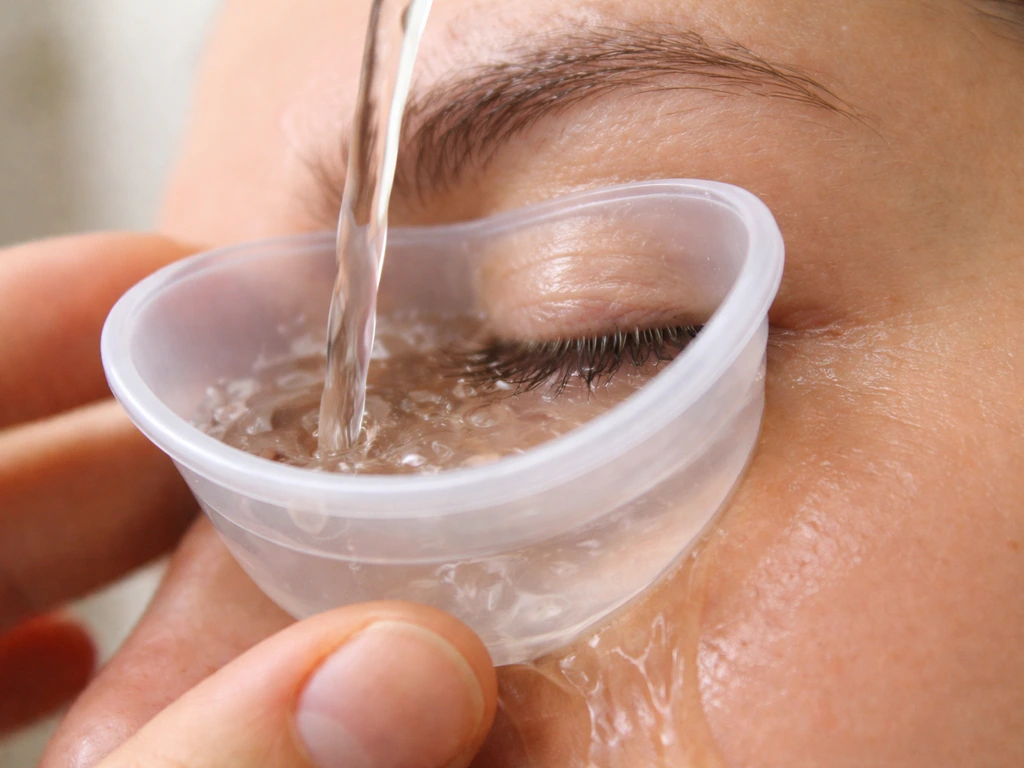
This is the one situation where you should act quickly and take it more seriously. If bird poop splashed into your eye, flush it immediately with clean, lukewarm water for at least 10 to 15 minutes. Remove contact lenses before flushing if you can do it without delay. After flushing, call a nurse line or your doctor's office to describe the exposure, since mucous membranes are a more direct entry point for pathogens than intact skin. Don't rub your eye, and don't wait to see if it clears up on its own before seeking advice.
Clothing and fabric
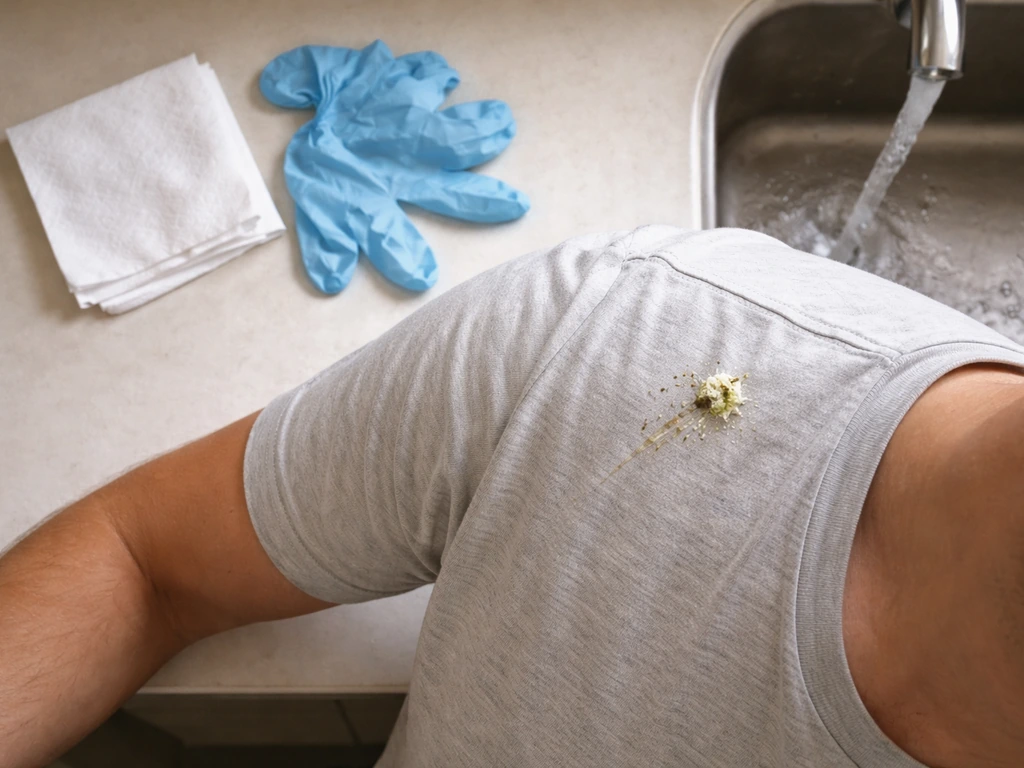
Remove the clothing as soon as it's practical to do so, especially if there's a large amount of droppings or the fabric is sitting against your skin. Wet the stain before transporting the garment to a washing machine, since you don't want dry flakes going airborne in your laundry room. Wash the item separately from other clothes, on a normal cycle with your regular detergent. Hot water is fine for most fabrics and helps break down biological material. For dry-clean-only garments, bag them and mention the nature of the stain to the cleaner.
The real health risks: what's actually in bird droppings
Bird droppings can carry several pathogens, but context matters a lot. A single splat from a passing pigeon on a healthy adult is very different from cleaning up a large accumulation of dried droppings in an enclosed space without protection. Here's what's actually worth knowing.
- Histoplasmosis: caused by a fungus (Histoplasma capsulatum) that grows in soil enriched by bird or bat droppings. You get it by inhaling disturbed spores, not from droppings touching your skin. Symptoms show up 3 to 17 days after inhalation and include fever, cough, and fatigue. One incidental outdoor exposure is low risk; cleaning a large roosting area without a respirator is not.
- Psittacosis (parrot fever): a bacterial infection spread through dried droppings or respiratory secretions from infected birds, primarily parrots, cockatiels, and other pet birds. It causes flu-like symptoms. The CDC recommends thorough handwashing after any contact with bird materials as the main preventive step.
- Salmonella: birds can carry it in their gut and droppings. Transmission to humans happens almost entirely via contaminated hands reaching the mouth, which is why not touching your face and washing your hands promptly matters.
- Avian influenza (bird flu): current CDC guidance for people who handle infected birds or contaminated premises emphasizes avoiding stirring up dust and waste, and using soap and water to remove visible material before disinfecting. Casual, incidental contact from a passing bird carries very low risk.
When to actually seek medical help
Most healthy people who get a bird splat on their skin or clothing, clean up promptly, and wash their hands will be completely fine. You should contact a healthcare provider if: the dropping entered your eye or mouth; you have an open wound that was directly exposed; you develop respiratory symptoms, fever, or flu-like illness in the 3 to 17 days after a larger exposure (like cleaning a roosting site); you're immunocompromised, pregnant, or have a chronic respiratory condition; or the bird appeared visibly sick or dead. CDC states histoplasmosis is caused by breathing in spores, with symptoms usually appearing 3 to 17 days after exposure, and the fungus spreading in bird and bat droppings that mix in soil respiratory symptoms, fever, or flu-like illness in the 3 to 17 days after a larger exposure. NYC Health guidance is clear that routine, minor exposure like a windowsill splatter doesn't pose serious risk to most people. The concern scales with the amount of droppings, how enclosed the space was, and your individual health status.
Cleaning guide by surface
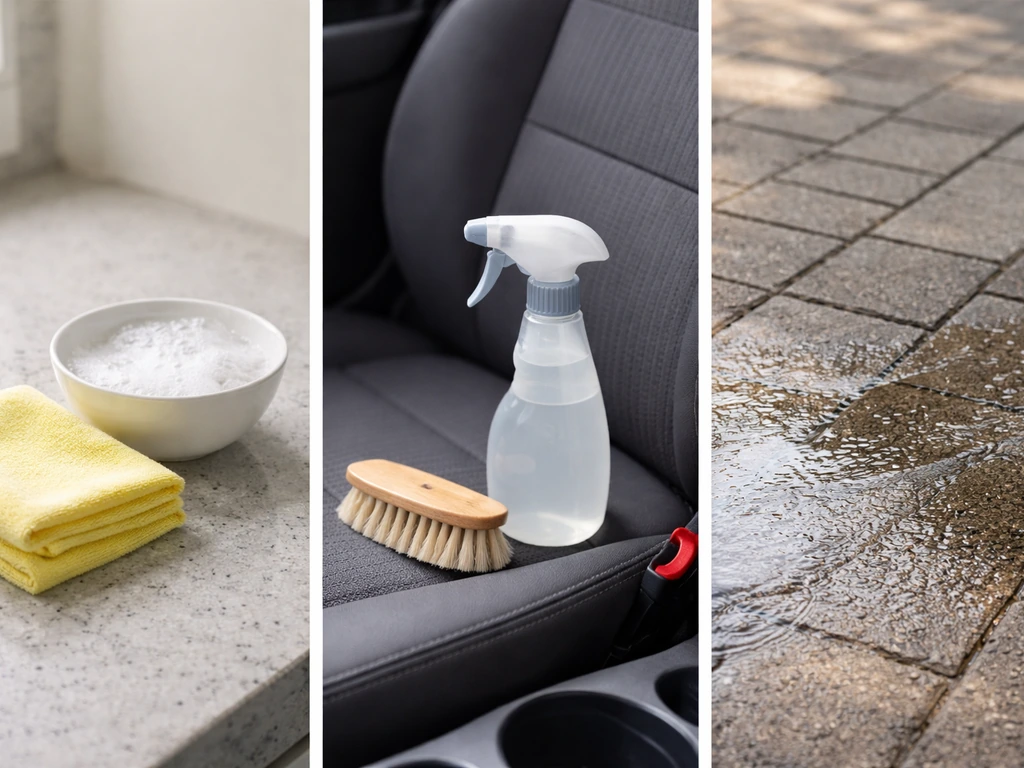
| Surface | First step | Clean with | Notes |
|---|---|---|---|
| Skin (intact) | Rinse with running water | Soap and warm water, 20+ seconds | No special disinfectant needed for healthy skin |
| Eyes/mucous membranes | Flush with clean water 10-15 min | Water only for flushing; then seek medical advice | Call a nurse line or doctor after flushing |
| Hair | Wet the area immediately | Regular shampoo, rinse thoroughly | Don't brush dry; wet first to avoid dispersing particles |
| Fabric/clothing | Wet the stain before moving garment | Laundry detergent, normal or hot cycle, separate load | Bag the item if carrying before washing |
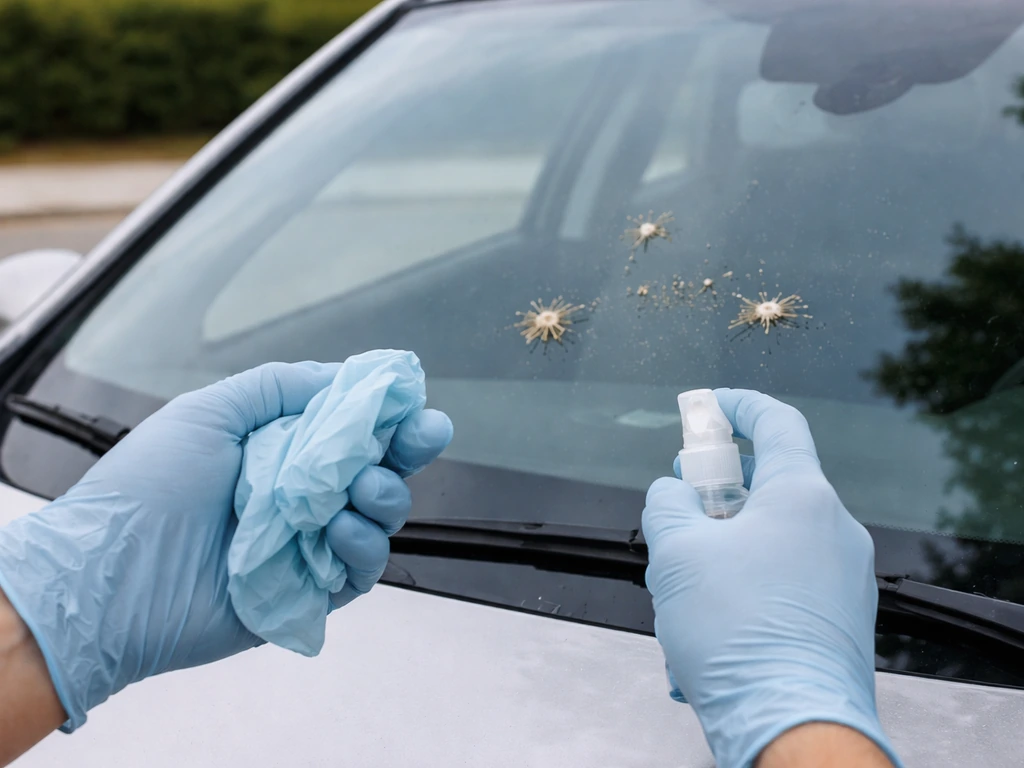
| Car paint or hard exterior surface | Wet with water promptly (don't scrub dry) | Car-safe soap or mild dish soap, soft cloth or microfiber | Bird poop is acidic and can damage paint if left to dry; act fast |
| Hard indoor surfaces (windowsill, bench) | Wet the droppings before wiping | Soap and water, then an EPA-approved disinfectant if desired | Wear gloves for larger accumulations; don't sweep dry material |
If the incident happened outdoors on your hair specifically, the cleanup process is a bit different from skin, and there's some extra nuance worth knowing. A separate guide on what to do if a bird poops on your hair covers that in more detail. If you need the hair-specific steps, follow the guidance for what to do if a bird poops on your hair and focus on rinsing and washing without smearing it around A separate guide on what to do if a bird poops on your hair covers that in more detail..
Is it actually good luck? The superstition, honestly assessed
The belief that a bird pooping on you brings good luck shows up across Russia, Turkey, Italy, and several other cultures. The rough logic is that it's such a rare, random event that it must signal you're in the right place at the right time, or that fortune is coming your way. Some versions tie it to specific birds (pigeons or seagulls are common) or specific body parts (head being especially lucky in some traditions). It's a charming piece of folklore, and if it makes you feel better about your ruined shirt, there's absolutely nothing wrong with leaning into it.
That said, it's worth being honest: the luck is incidental. The probability of a bird targeting you on any given outing is genuinely low, which is probably where the "rare event equals special sign" thinking comes from. Whether the universe is sending you a signal or a pigeon just had bad aim is a matter of personal interpretation. What isn't a matter of interpretation is that prompt cleanup and handwashing are the right response regardless of the cultural meaning you assign to it. You can believe it's lucky and still wash your hands.
If you're curious about the broader cultural and symbolic meanings around this kind of event, the topic of what it means when a bird poops on you goes deeper into those interpretations across different traditions. If you're curious about what it means when a bird poops on you, that symbolism is explored in more detail too.
How to make it less likely to happen again
You can't completely eliminate the risk (birds are everywhere and they don't plan ahead), but a few habits meaningfully reduce your odds of a repeat incident.
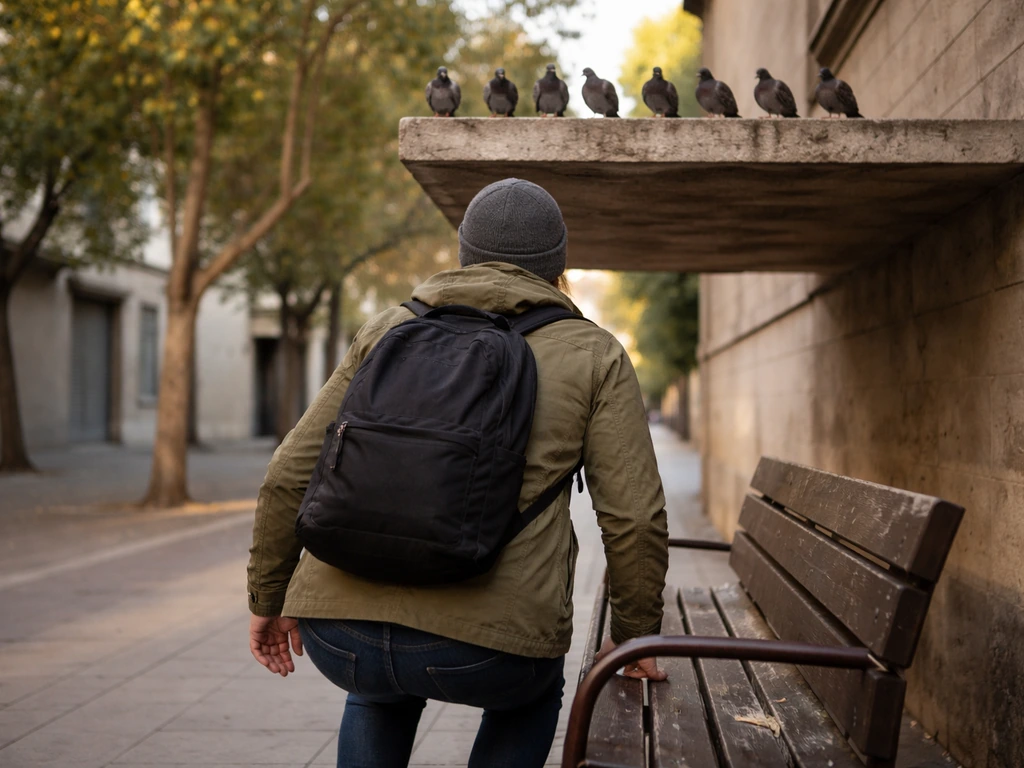
- Avoid standing or sitting directly under trees, wires, ledges, or overhangs where birds perch. These are the high-probability zones, especially in the morning when birds are most active.
- If you're eating outdoors near gulls or pigeons, keep food covered and don't feed them. Gathering birds mean more droppings in that immediate area.
- For car owners: park away from trees, roosting ledges, and known bird congregation spots when possible. A car cover is a practical investment if you park outdoors regularly in a high-bird area.
- Light-colored or patterned clothing is not a deterrent (birds don't care about your outfit), but darker clothing tends to show droppings more obviously, which can help you catch and clean a hit faster.
- Keep a small pack of wet wipes or a travel-size hand sanitizer in your bag or car for quick field cleanup until you can get to a sink.
- If you have a backyard feeding station or birdbath, position it away from seating areas, grills, and play equipment to reduce collateral incidents.
The odds of getting hit on any given day are genuinely pretty small. If you're curious just how small, the question of what the chances of a bird pooping on you actually are has some interesting numbers worth knowing. But if you're a bird owner and this is a regular occurrence rather than a random outdoor event, that's a different situation entirely, and understanding why your bird specifically targets you is worth exploring separately. If you're dealing with a pet bird, you may be wondering why your bird poops on you in particular, and that pattern often has understandable triggers why does my bird poop on me.
FAQ
Is it enough to wipe it off quickly or use hand sanitizer instead of washing? (My hands were dirty fast)
No. Alcohol-based hand sanitizer can help with general germs, but it does not reliably remove the biological material from droppings. The safest sequence is still rinse, wash with soap and water, then sanitize only if you cannot get to a sink right away. Once you do reach a sink, sanitize becomes optional.
What should I do if bird poop might have reached my mouth or I touched my lips right after?
If you think anything got onto your lips or you swallowed unknowingly, do not wait. Rinse your mouth thoroughly with water and consider calling a nurse line for guidance, especially if it was a larger amount. For people with higher risk (immunocompromised, pregnancy, chronic lung disease), err on the side of calling sooner even if symptoms are not present yet.
What if the bird poop landed on my face through makeup, moisturizer, or sunscreen?
If the droppings touched makeup or skincare on your face, remove it gently with soap and water (or a cleanser) rather than just blotting. Keep rubbing minimal, then wash your hands again. Avoid reapplying makeup until the area is clean, especially near the eyes or under-eye skin.
Does the advice change if I have a scrape, blister, or a scab where it landed?
Yes. While intact skin is usually low risk, droppings on broken skin should be treated more carefully. Rinse the area under running water for several minutes, wash with soap, and keep the wound clean and covered if you can. If the wound is deep, you have uncontrolled bleeding, or you are immunocompromised, contact a healthcare provider.
I wear contact lenses. What is the best way to handle this if it hits my eye?
If it splashed into a contact lens user, remove the lenses as soon as you can without delaying flushing. Flush the eye immediately for at least 10 to 15 minutes, then call a nurse line or doctor. Afterward, avoid wearing the same lenses again and consider replacing them to prevent recontamination.
How do I handle a bird poop stain on clothes if it’s already dried?
For very small fabric spots, the key is wetting first, then laundering. Wet the area before taking it to the washer, wash separately, and check after washing before drying. If any residue remains, rewash, because the dryer can set remaining material.
Can I just shake or brush the dry droppings off (like on a porch chair or windowsill)?
Do not brush off dry droppings, even outdoors, because you can aerosolize particles and dust. Wetting first reduces spreading. If you are cleaning a surface repeatedly, use disposable paper towels or a dedicated cloth, then wash hands thoroughly afterward.
What if this is not a one-off splat, I’m dealing with an accumulation in a small enclosed area?
If you have to clean a larger accumulation, wear gloves and avoid creating dust. Wet the area first, use paper towels or disposable cleaning materials, then discard them. Ventilate the space, and if you are cleaning enclosed areas or roosting sites, consider calling building maintenance or a professional because the exposure risk rises with amount and enclosure.
How do I know if I should get checked later, and what symptoms matter most?
If you develop respiratory symptoms, fever, or flu-like illness within about 3 to 17 days after a bigger exposure, seek medical advice and tell the clinician what happened and where (for example, cleaning a roosting site). If symptoms are severe, such as trouble breathing, chest pain, or high fever, go to urgent care or emergency services.
Is hot water or high-heat drying always safe for bird poop on fabric?
Heat and standard detergent are generally fine for most washable fabrics, but the main rule is to avoid drying anything that is not fully cleaned. For sensitive items, follow the fabric care label, but keep the same wet-first approach and consider bagging and treating carefully to avoid spreading residue.
What’s the safest method to clean bird poop off surfaces around my home?
If the droppings were on floors, walls, or outdoor furniture, use wet cleaning and gloves when possible. After wiping, clean the area again with soap or a household disinfectant appropriate for the surface, then wash hands. Avoid dry sweeping and avoid aerosol sprays that can spread particles.
If my pet bird keeps pooping on me, how should prevention and cleanup be different?
If you are a bird owner and bird poop is a frequent issue, the prevention strategy matters more than one incident. Minimize dust from bedding, wear gloves when cleaning, wash hands after touching your bird or cage, and consider a ventilation or enclosure cleaning schedule. If you notice yourself getting sick often, or you have symptoms, discuss this with a clinician.