A bird just pooped on you. Before you spiral into either panic or triumphant superstition, here is what it actually means: a bird's digestive system worked perfectly, you were in the wrong place at the wrong time, and now you have a small mess to deal with. That is the literal answer. The spiritual answer depends on who you ask, but across much of Europe and beyond, getting hit is considered a genuine stroke of good luck. Both interpretations deserve a few minutes of your attention, and so does a straightforward cleanup plan.
What Does It Mean When a Bird Poops on You and What to Do

Marcus Fielding
17 Apr 2026
Practical vs. symbolic: what people actually mean when they ask this
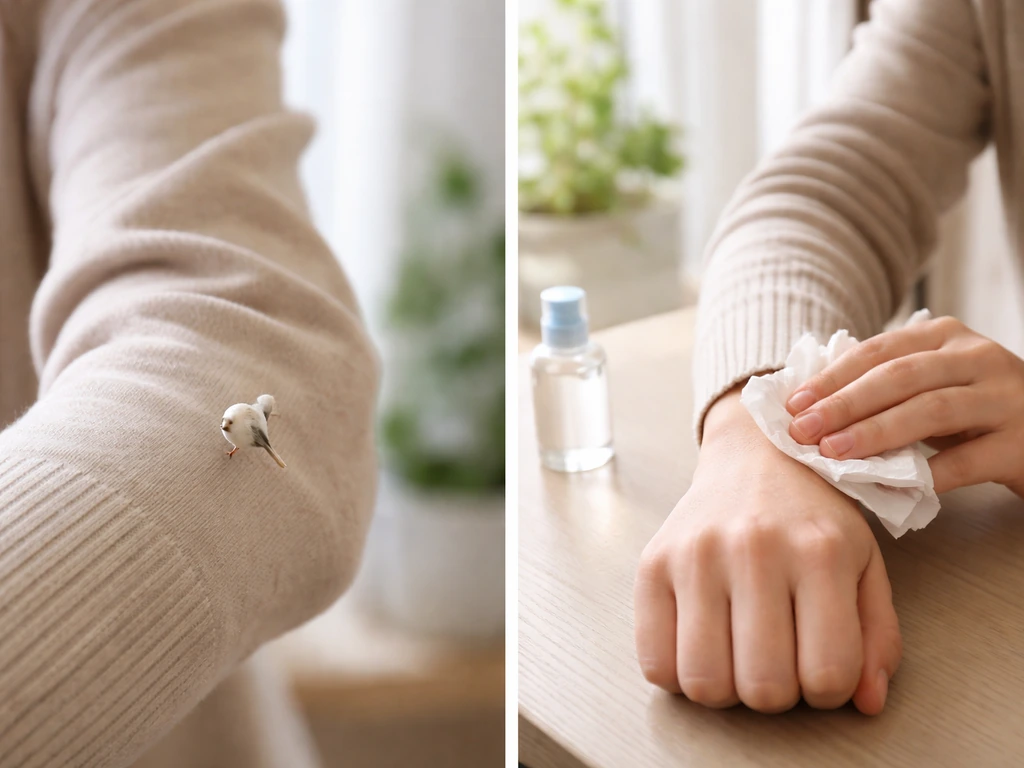
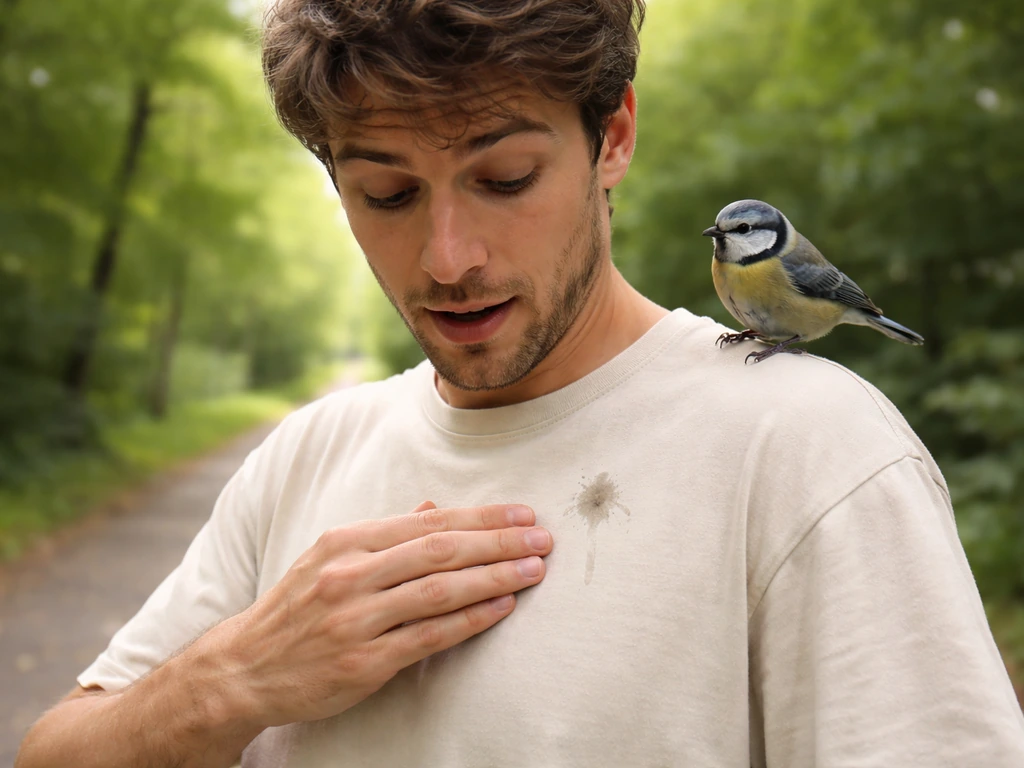
When someone types "what does it mean when a bird poops on you" into a search bar, they are usually asking one of two very different questions. Either they want to know if it is dangerous (the practical angle) or they want to know if it is lucky (the folklore angle). Most of the time, honestly, they want both answers at once.
On the practical side, a bird dropping landing on you is simply a product of bird biology combined with probability. Birds defecate frequently because their digestive tracts are short and efficient, and they do it in flight without a second thought. You happened to be below one. If you have ever wondered just how often this sort of thing happens to people, what are the chances of a bird pooping on you is actually a question researchers and statisticians have taken a genuine stab at, and the odds are lower than it feels in the moment.
On the symbolic side, the belief that bird droppings bring good fortune is widespread and old, even if its exact origin is genuinely elusive. There is no single founding myth, no ancient text that launched the tradition. What exists is a deeply embedded piece of folk culture documented across many countries. A Reddit thread surveying European superstitions found the belief to be almost universally recognized across the continent: if a bird drops on you, luck is coming your way. Whether you accept that or not is entirely personal, but it is worth knowing the belief is culturally real and widely held. You can read more about the history and variations of the good luck when a bird poops on you tradition if you want to dig into the folklore side of things.
Is it actually bad for you? Honest risk assessment
The short answer: a single, small dropping landing on your skin or clothing is a low-risk event for most healthy adults. It is unpleasant, not a medical emergency. Bird droppings do contain bacteria, fungi, and occasionally viral particles, but the key word is exposure route. A drop hitting your arm or jacket and getting cleaned up promptly is very different from inhaling dried, aerosolized droppings from a large accumulation. The latter is where real respiratory risk lives.
That said, "low risk" is not the same as "no risk," and a handful of scenarios genuinely warrant closer attention. Eye exposure, mouth exposure, broken or irritated skin contact, and large amounts of droppings all bump the risk profile up. So does being a young child, elderly, pregnant, or immunocompromised. For most people walking away from a single outdoor incident, though, careful cleanup is all that is needed.
Diseases you should know about (without panicking)
Bird droppings can carry a handful of pathogens worth knowing about. None of them are inevitable, and getting hit once outdoors does not mean you have been infected. But understanding what is possible helps you decide when to act.
- Histoplasmosis: This is a fungal infection caused by Histoplasma spores found in bird and bat droppings, particularly in accumulated deposits. Importantly, infection comes from inhaling spores, not from skin contact. The CDC notes that symptoms typically appear 3 to 17 days after a person breathes in the spores, and severity depends heavily on how much was inhaled and the person's immune status. A single outdoor dropping on your clothes is not a histoplasmosis risk unless you start dry-brushing it off aggressively in an enclosed space.
- Psittacosis: Caused by Chlamydia psittaci, this bacterial infection can infect humans by inhalation of aerosolized dried droppings or respiratory secretions from infected birds. It is most commonly associated with parrots, parakeets, and other psittacine birds. Risk goes up with pet bird contact or working in aviaries.
- Salmonellosis: Salmonella can transfer from infected birds to humans through direct contact with droppings or through the fecal-oral route, meaning it gets on your hands and eventually reaches your mouth. This is exactly why washing your hands promptly after any contact with droppings is non-negotiable.
- Cryptococcosis: Another fungal concern associated with pigeon droppings in particular. Again, respiratory exposure to dried, disturbed material is the main risk pathway, not casual skin contact.
- Avian influenza (bird flu): The CDC advises not touching your eyes, mouth, or nose after contact with birds or their droppings, and washing hands with soap and water immediately afterward. Casual outdoor exposure is considered low risk, but the same common-sense hygiene rules apply.
A word on West Nile virus: birds can carry it, but transmission to humans happens through mosquito bites, not direct contact with droppings. You do not need to worry about WNV from a bird hitting you mid-walk.
What to do right now, step by step
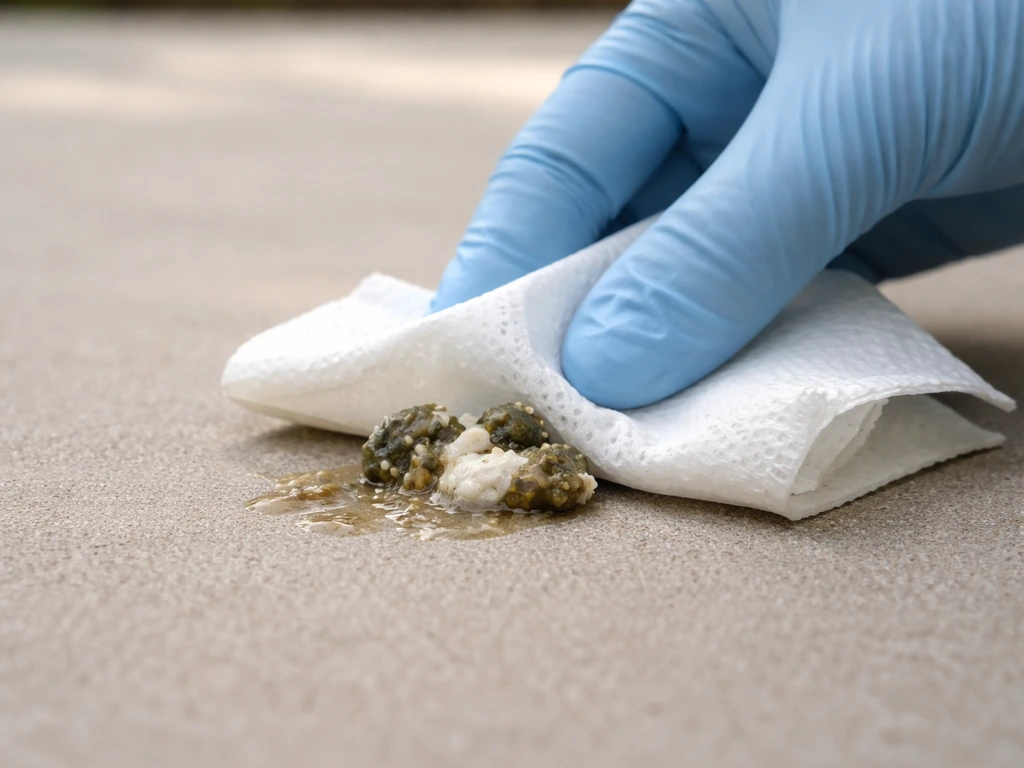
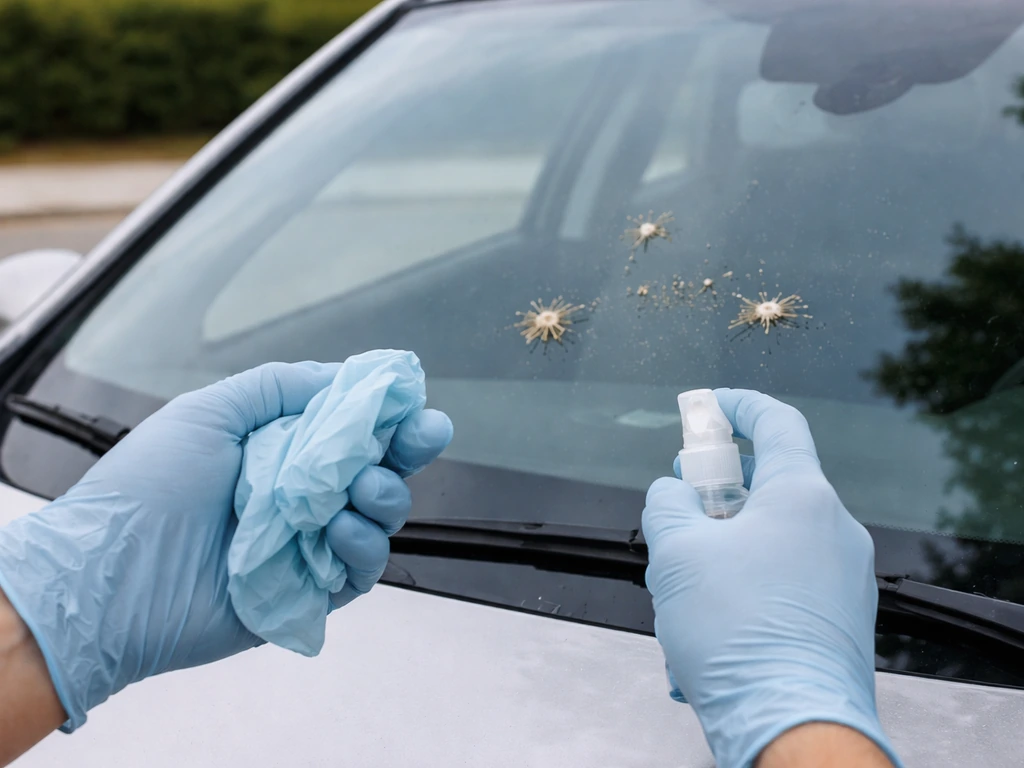
The most important thing to know upfront: do not rub it, smear it, or try to brush off dried material with a dry cloth in a closed space. Dry disturbance aerosolizes particles, and that is exactly the scenario that creates inhalation risk. Work carefully, and work wet.
- Remove the material carefully. If it is fresh, use a damp cloth or paper towel to lift it off without smearing. If it has dried, wet it first before removing. This is the same principle the CDC recommends for cleaning bird droppings in any context: wet the surface before you clean it, so you are not sending particles into the air.
- Wash the affected skin with soap and water for at least 20 seconds. Do not skip this even if the drop seemed minor. The Indiana State Department of Health advises washing hands with soap and water and changing clothing and shoes after any contact with birds or droppings.
- Handle contaminated clothing separately. Turn the garment inside out if possible, bag it, and wash it in hot water. If the dropping hit your shoes, clean those too before bringing them inside.
- Clean any surfaces that got secondary contact (bag straps, phone, steering wheel) with soap and water first, then follow up with an EPA-approved disinfectant if the situation warrants it.
- If it hit your hair, the cleanup process is a little different because the instinct is to touch and check constantly. For specific guidance on that situation, the article on what to do if a bird poops on your hair walks through the process in detail.
- Wash your hands again after you finish cleaning. Yes, again. The fecal-oral route is the main transmission pathway for Salmonella, and hands are the vector.
Eye, mouth, or broken skin exposure
If the dropping went into your eye, irrigate immediately with clean, lukewarm water for several minutes. NIOSH guidance on eye exposure to harmful agents is clear: flush the eye right away and get medical attention if irritation persists after washing. Do not wait to see if it improves on its own. The same logic applies if you accidentally got some in your mouth, which is rare but possible if a bird hit you while you were eating or talking. Rinse thoroughly, and if you experience any nausea, cramping, or other symptoms over the next day or two, contact a healthcare provider. Broken or irritated skin in the contact area is also worth mentioning to a doctor, since damaged skin removes one of your natural barriers.
When to actually see a doctor
Most bird dropping incidents require no medical visit. But call or visit a doctor if: the dropping went into your eyes or mouth and you develop symptoms; you have a compromised immune system, are undergoing cancer treatment, are pregnant, elderly, or very young; you develop respiratory symptoms (cough, shortness of breath, fever) within 3 to 17 days after significant exposure to bird or bat droppings; you notice skin irritation, rash, or allergic response at the contact site; or you are simply worried and immunologically vulnerable. WorkSafe Queensland specifically advises that higher-risk groups (young children, elderly individuals, and people with conditions or treatments that lower immunity) should seek advice from a general practitioner or local public health unit if concerned.
How risk changes based on your situation
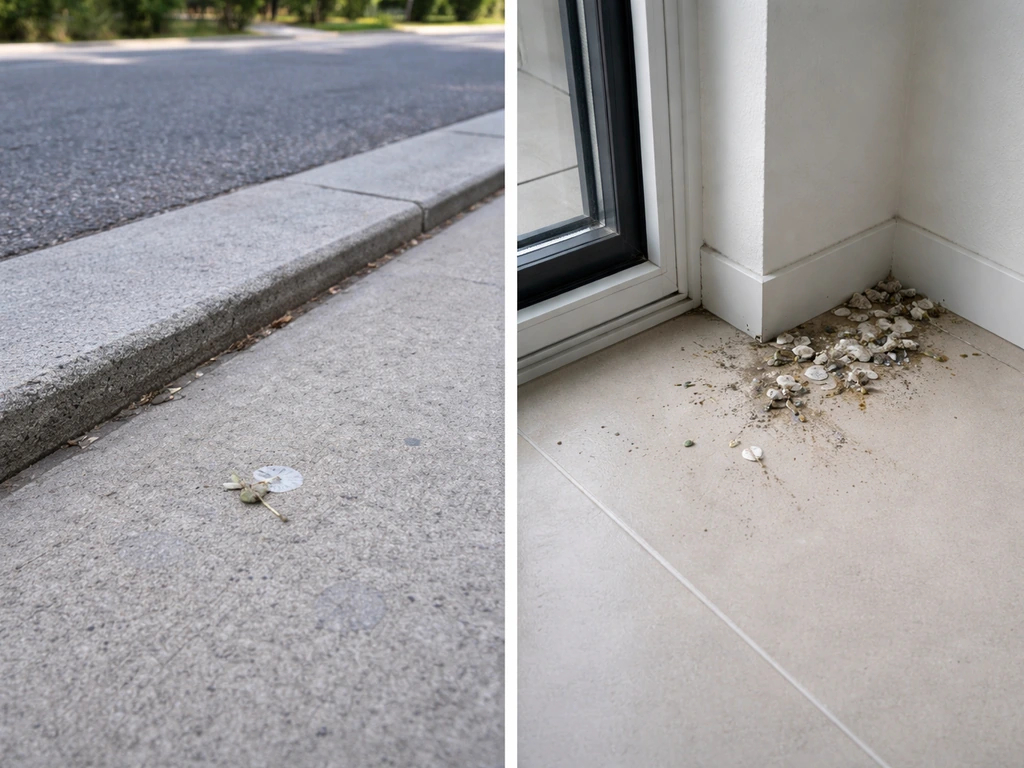
Not all bird poop encounters are equal. Where it lands, how much there is, whether you are indoors or outdoors, and your own health status all shift the risk calculation significantly.
| Factor | Lower Risk | Higher Risk |
|---|---|---|
| Amount | Small, single dropping | Large or accumulated deposits |
| Location on body | Outer clothing, intact skin, hair | Eyes, mouth, broken/irritated skin |
| Setting | Outdoors, open air | Indoors, enclosed space with dried droppings |
| Bird type | Wild songbird, random outdoor bird | Parrots, parakeets, or sick/dead birds |
| Your health status | Healthy adult | Immunocompromised, elderly, young child, pregnant |
| Cleanup timing | Washed promptly | Left in place, dried, then disturbed without wetting |
The NIOSH guidance on histoplasmosis makes an important point worth repeating: the greatest risk comes from disrupting large, accumulated deposits of contaminated material. CDC states that histoplasmosis is a lung infection caused by breathing in spores of the fungus Histoplasma in the environment blank" rel="noopener noreferrer">Histoplasma spores in the environment cause histoplasmosis when inhaled. NIOSH/CDC emphasizes that work-related histoplasmosis prevention should focus on preventing disruption and accumulation of bird or bat droppings in the first place blank" rel="noopener noreferrer">prevent droppings accumulation in the first place. A single dropping from a passing sparrow is not in the same category as cleaning out a barn attic full of pigeon waste. For that kind of job, professional hazardous waste handling may actually be warranted.
If you have a pet bird and you are getting dropped on regularly at home, the risk calculus is slightly different because you have repeated, close-contact exposure and the species matters more. Why does my bird poop on me is worth reading if that is your situation, because it also addresses whether there is anything behavioral you can do about it.
How to avoid getting hit next time
Prevention is mostly about awareness and habit. You cannot eliminate the possibility entirely, but you can reduce your exposure meaningfully.
- Watch where you stop or stand. Avoid lingering under trees, power lines, building ledges, and roosting spots, especially in the morning when birds are most active. If you are eating outdoors, check what is above you first.
- Use an umbrella or hat in high-bird areas. This sounds obvious, but most people do not think about it until after the incident.
- Do not park under known perches or bird-heavy trees. If you do, cover your vehicle with a car cover or tarp. Bird droppings are mildly acidic and can etch paint if left to dry, so this is both a health-adjacent and a practical vehicle concern.
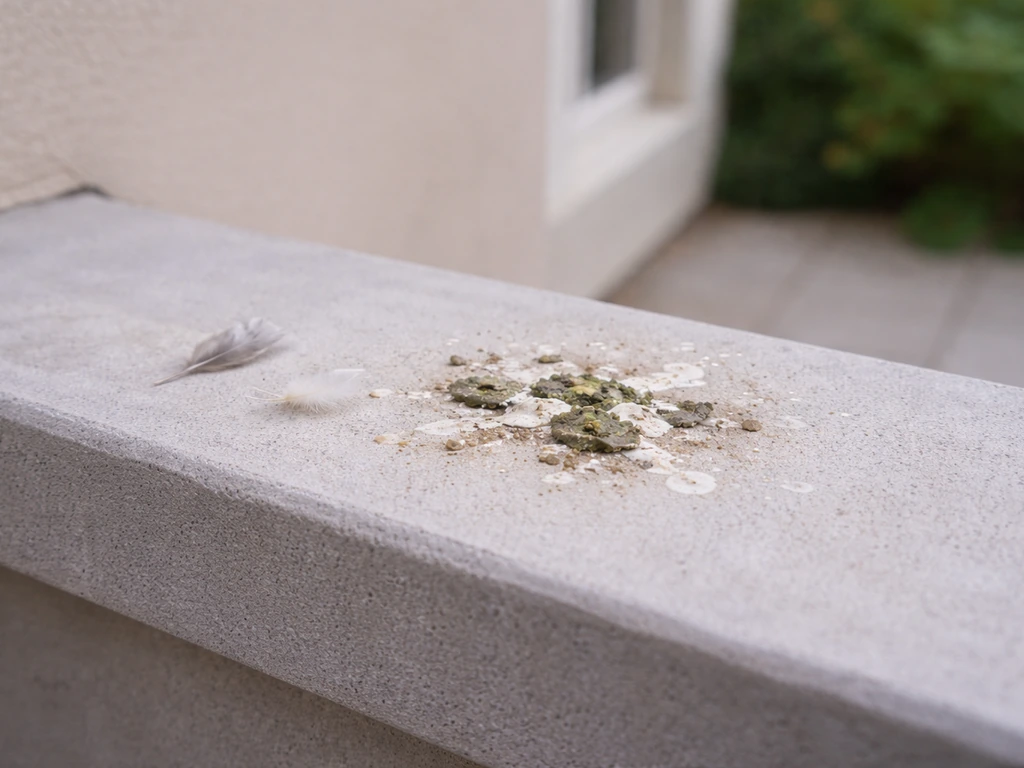
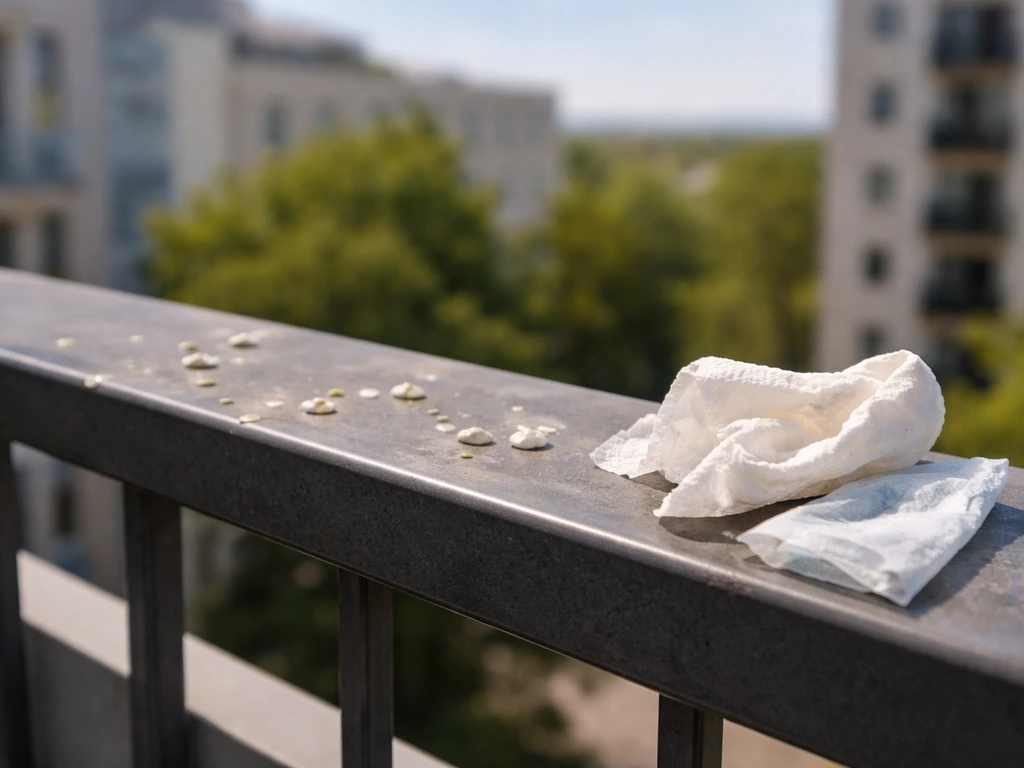
- When cleaning up bird droppings anywhere (your car, patio, balcony), always wet the surface first before wiping. This is the single most effective way to avoid aerosolizing dried material. The CDC recommends wetting surfaces before cleaning as a standard precaution for psittacosis prevention.
- Wear gloves when cleaning up larger amounts of droppings. After cleaning, wash your hands with soap and water regardless of whether you wore gloves.
- If you work around birds professionally or keep a flock, use appropriate PPE and make sure your workspace has good ventilation. For very dusty environments with significant accumulation, respiratory protection may be appropriate according to NIOSH guidance.
- Reduce droppings accumulation in your outdoor spaces proactively. Discourage roosting with physical deterrents (spikes, wire, reflective tape) rather than waiting for buildup and then dealing with a larger cleanup.
The bottom line is this: getting hit by a bird is an everyday occurrence that rarely causes any harm at all when you respond with prompt, sensible cleanup. Wash up properly, handle the clothing, and keep your hands away from your face until you are done. If you are in a higher-risk group or the exposure was to your eyes or mouth, get it checked out rather than guessing. And if it helps, you are also technically "lucky" by the reckoning of a large portion of the world's population, which is not the worst way to reframe an annoying moment.
FAQ
Is bird poop on skin something I can just wipe off, or should I wash more thoroughly?
Wipe first is fine only if you immediately follow with a proper wash using soap and running water. Avoid dry brushing, then sanitize any items your hands touched, since the main risk comes from getting material onto eyes, mouth, or broken skin.
What should I do if the bird poop got on my contact lenses?
Remove the lenses right away and discard them if they were exposed to the dropping. Rinse your hands well before touching your face, flush your eyes with clean lukewarm water, then use fresh lenses after your eyes feel normal. If you have persistent redness or pain, get checked promptly.
If it happened indoors, does that change the risk?
Yes, mainly because dried material is more likely to become airborne when disturbed. Ventilate the room, avoid sweeping or vacuuming if it stirs up dust, and instead damp-clean surfaces. If it landed on bedding or soft furnishings, wash them on the warmest appropriate setting.
Can I use disinfectant spray on clothes or is washing enough?
For most single incidents, standard laundering is enough. Spray disinfectant can help for hard surfaces, but on fabrics it may not penetrate droppings well and can irritate skin. Check clothing care labels, then wash promptly, and do not reuse items until they are cleaned.
What if the dropping was on a wound or irritated skin patch?
Treat it as higher risk. Rinse the area thoroughly, wash with soap and water, then cover with a clean dressing. If redness spreads, there is increasing pain, pus, fever, or you have a significant open wound, contact a clinician for advice.
Do I need a tetanus shot after a bird pooping incident?
Usually not for intact skin, but consider your last tetanus status if the material contacted a deep puncture or serious open wound. If you are unsure and the wound is dirty, contacting a healthcare provider to confirm whether you need an updated tetanus booster is the safest move.
Is it safe to clean up with a vacuum if it is already dried?
No, avoid vacuuming or dry sweeping because it can aerosolize fine particles. Use wet cleaning methods instead (damp paper towels, wet wipe, or a damp cloth), then wash your hands and any tools used.
How long after exposure should I watch for symptoms, and what symptoms matter most?
For most healthy people, you do not need long monitoring, but if exposure was significant, watch for respiratory symptoms like cough, fever, or shortness of breath within about 3 to 17 days. Also monitor the contact area for worsening rash, swelling, or hives, and seek care if symptoms appear.
What about bird poop on a baby or toddler?
Because young children may touch their face and put things in their mouth, it is a good idea to be more cautious. Clean promptly, prevent the child from touching the area until it is fully cleaned, and consider calling a pediatrician or local public health service if you are worried or if there was eye or mouth exposure.
Does bird poop always mean histoplasmosis risk?
No. Histoplasmosis risk is mainly linked to disrupting large amounts of accumulated droppings, such as in enclosed spaces with heavy buildup (for example, long-neglected attics or barns). A one-time droplet on skin or clothing is not the same category.
I see people say birds spreading West Nile is from poop, is that accurate?
It is not. West Nile transmission to humans is via mosquito bites, not through direct contact with droppings. You can focus on cleanup and eye or mouth exposure prevention rather than trying to assess West Nile from the bird incident itself.