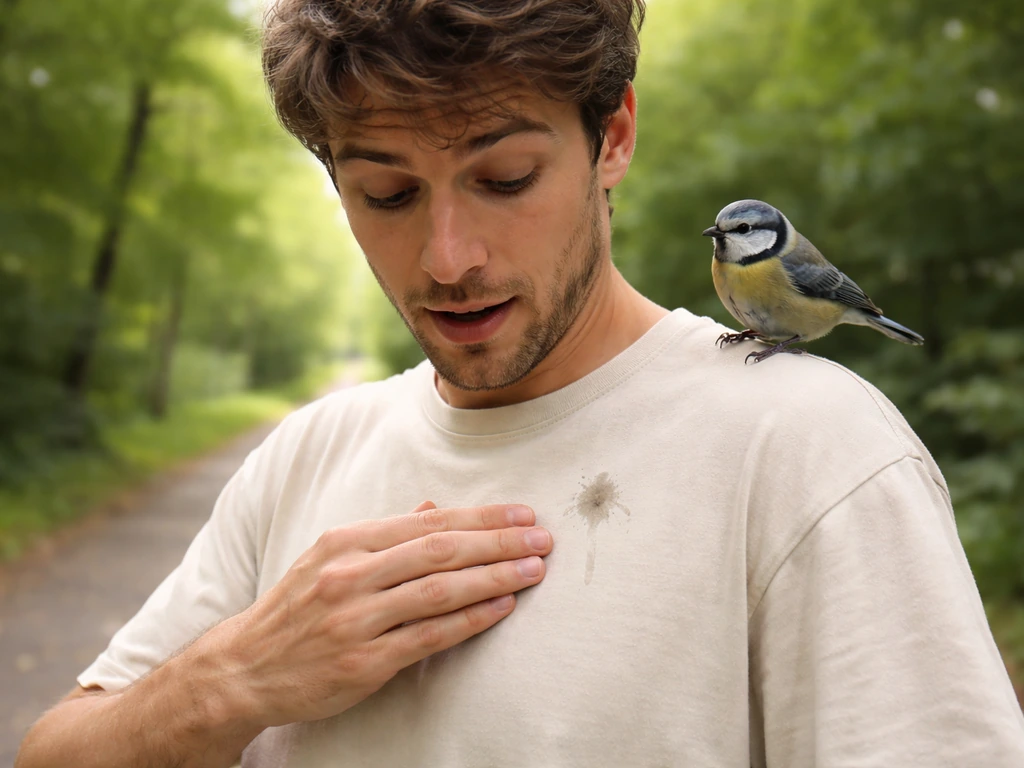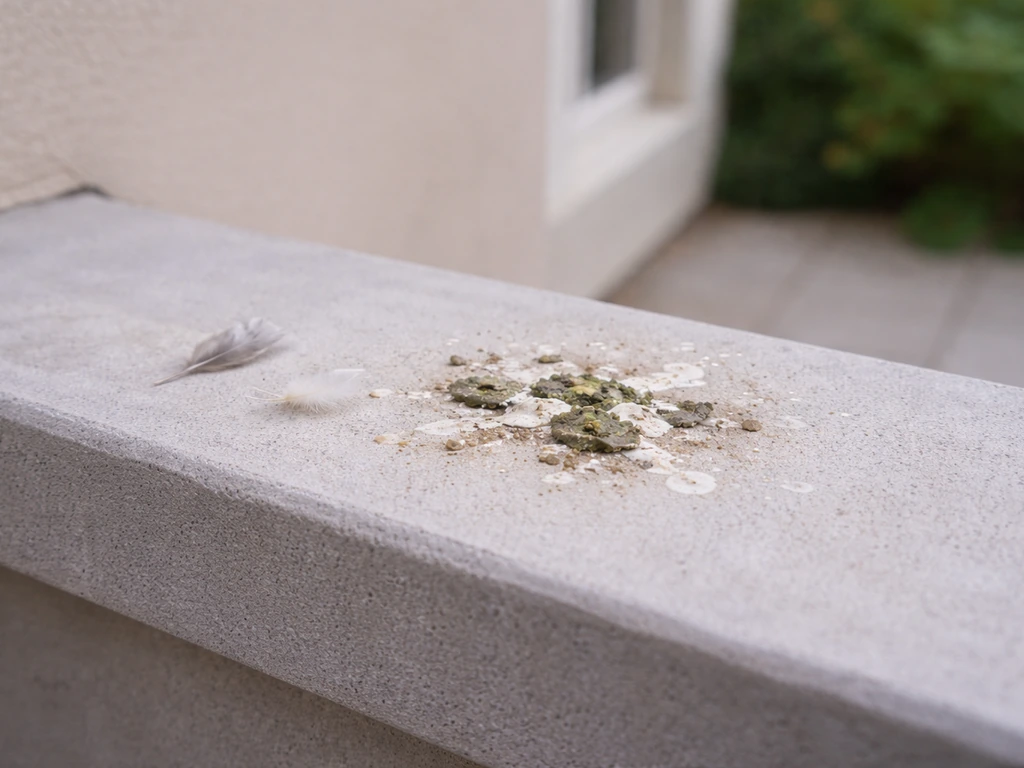
There's no single percentage that covers everyone, but most people who spend time outdoors in bird-heavy areas get hit at least once every few years. If you're regularly sitting under a tree full of roosting starlings or parking your car beneath a favorite gull perch, your odds go up dramatically. The real answer isn't a number, it's a combination of where you are, what birds are nearby, what time of day and year it is, and how long you stay exposed. If you are wondering why it feels so personal, our guide on why does my bird poop on me breaks down the exact triggers.
What Are the Chances of a Bird Pooping on You? Odds and Tips

Marcus Fielding
25 Apr 2026
What your personal odds actually depend on
The "chances of a bird pooping on you" question is a bit like asking what your odds are of getting rained on, it depends almost entirely on context. A few key variables determine your real risk far more than any average statistic.
- Bird density: A plaza with 50 pigeons has vastly higher risk than a quiet suburb with three house sparrows. The more birds overhead, the more frequently droppings fall.
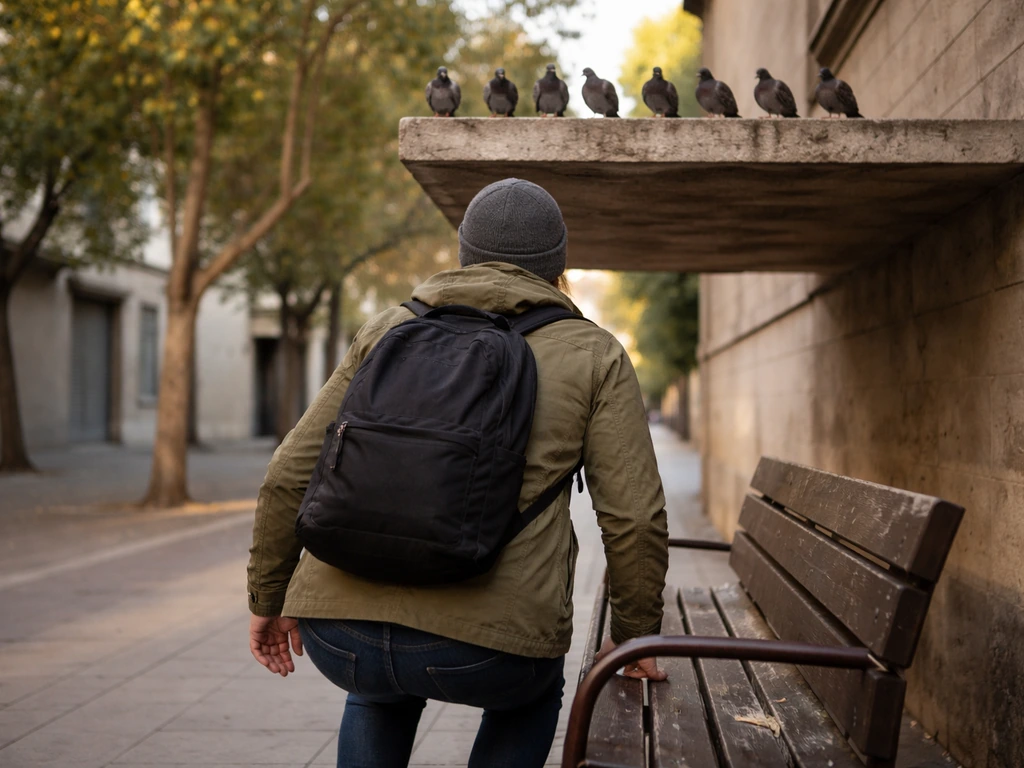
- Vertical position: Birds almost always perch above you before pooping — that's just gravity. If you're below a roost, a nest, a power line, or a ledge, you're in the target zone.
- Time overhead: Standing still under a tree for 30 minutes is much riskier than walking quickly through a park. Exposure time multiplies the probability linearly.
- Season and nesting activity: Spring and early summer mean active nesting, which means more birds in fixed locations for longer periods — and more droppings in predictable spots.
- Time of day: Early morning is peak defecation time for most bird species. Birds poop frequently after waking and feeding, so a morning commute through a park carries higher odds than an evening stroll.
- Your typical environments: Coastal areas (gulls), city centers (pigeons, starlings), parks with tall trees (crows, jays), and open-air markets or food courts all have elevated risk compared to, say, a suburban office park.
One study often cited in science media (from a UK car wash company) suggested red cars get hit most often, but that data is more anecdote than rigorous research. What's more reliable is that birds are creatures of habit, they return to the same perches, the same feeding spots, and the same trees day after day. If a spot has been hit before, it'll be hit again.
Situations that raise your risk the most

Some environments are genuinely high-risk and worth knowing before you plant yourself under them.
- Sitting directly under roosting trees, especially at dusk when birds are settling in for the night or at dawn when they're waking up.
- Outdoor dining spots near water — gulls and pigeons are opportunistic and will hover or perch directly above food sources.
- Parking lots with overhead wires, ledges, or trees — cars concentrate droppings precisely because they're stationary targets under fixed perch points.
- Balconies and patios with nearby gutters, AC units, or ledges where birds nest.
- Beaches and piers: gulls are aggressive, numerous, and have exceptional aim relative to their body size.
- Entering or exiting a building with a dense colony roosting on the roof or ledge above the entrance.
- Standing near dumpsters or food waste areas — these attract pigeons and corvids in large numbers.
Spring is worth highlighting again because nesting birds are territorial and active. They also feed more frequently to support chick-rearing, which means more food in, more waste out. If you've noticed a nest above your front door or parking spot, consider that a flashing warning sign for the next two to three months.
How to lower your odds right now
Prevention is mostly about awareness and small positioning choices. CDC advises that for psittacosis prevention, you should avoid actions that create dust in the air, such as dry cleaning methods that disturb dried droppings. None of this requires anything exotic.
- Look up before you stop. Before sitting on a bench, leaning against a wall, or parking, check what's directly above you. A few seconds of scanning saves a lot of cleanup.
- Avoid stationary positions under active perches. If you can see droppings on the ground below a tree or ledge, birds are actively using it. Move 10 to 15 feet away.
- Use an umbrella or hat. An open umbrella is a nearly foolproof shield. A hat at minimum protects your hair and scalp, which are the most frustrating spots to clean.
- Time your outdoor exposure. If you're eating outside or planning to sit in a park, mid-morning to early afternoon tends to be lower risk than first thing in the morning or at dusk.
- Move through high-risk zones rather than lingering. If you have to walk under a roosting ledge or bird-heavy overhang, walk briskly and don't pause beneath it.
- Cover your car if birds regularly perch above your parking spot. A basic car cover or windshield sunshade plus regular washing prevents the paint damage that accumulates from repeated hits.
- Note repeat spots. If you've been hit (or your car has been hit) in the same location before, take that seriously — birds use the same perches repeatedly.
Keeping your eyes up and your positioning deliberate eliminates the majority of incidents. Most people who get hit are not paying attention to the birds above them, which is completely understandable but also entirely fixable.
What to do the moment it happens
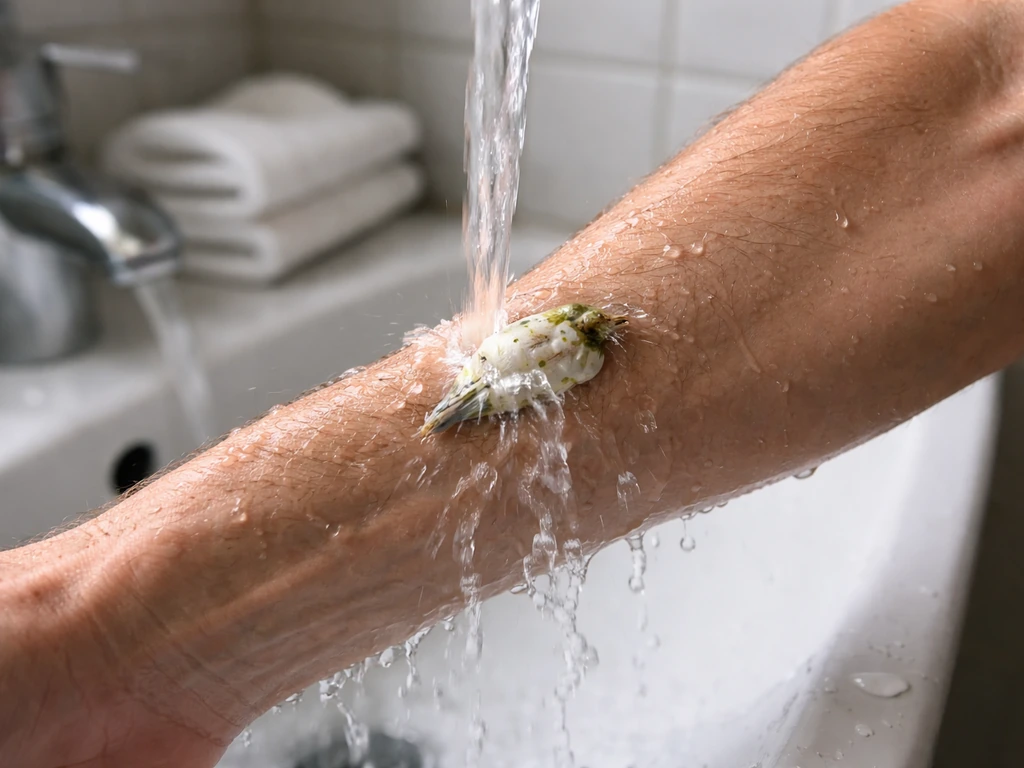
Getting hit is unpleasant but manageable. The key is acting quickly and not spreading the material around. Here's how to handle each common scenario.
On your skin or face
Don't wipe with a dry cloth, that smears it and can aerosolize dried particles if the droppings are partially dry. Flush the area with water first. If it's on your hands, wash thoroughly with soap and water for at least 20 seconds. For face contact, rinse with clean running water. If bird droppings get directly in your eyes, flush immediately with clean water for several minutes and contact a healthcare provider, especially if you're immunocompromised or if any irritation persists.
On clothing
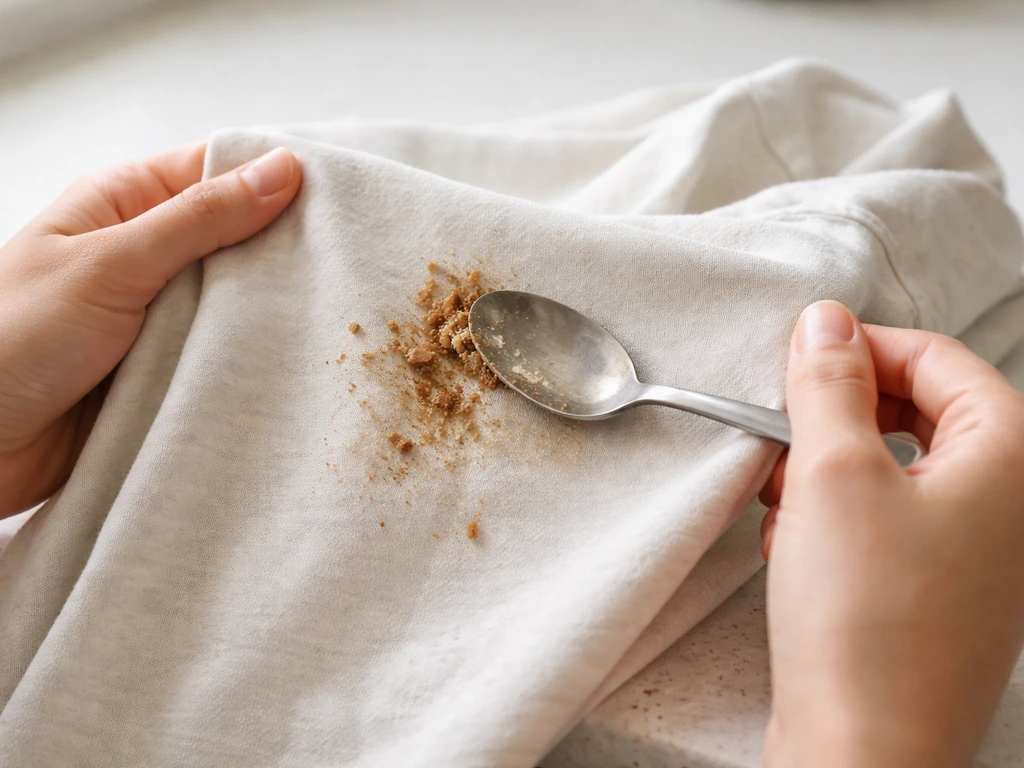
Let it dry slightly if it's very fresh and wet, fresh droppings spread if you try to wipe them immediately. Once it's a bit set, scrape off the bulk with a spoon, dull knife, or the edge of a card. Rinse the fabric from the back side with cold water (hot water can set the stain). Wash normally with detergent as soon as you can. For delicate fabrics, a pre-treatment stain remover applied before washing works well. Don't put clothing in the dryer before checking that the stain is gone, heat sets bird dropping stains permanently.
On your hair
Hair requires a bit more patience. If you want the exact step-by-step for cleanup, including how to avoid spreading it through your hair, follow what to do if a bird poops on your hair Hair requires a bit more patience. . Rinse with warm water at a sink or in the shower, working from the outer edges of the affected area inward so you don't spread the dropping further through your hair.
Shampoo twice. If you're not near a bathroom immediately, a damp paper towel can remove the bulk without spreading it, but a proper wash is the real solution. There's a whole practical side to this, you can find more detail on handling hair specifically in an article dedicated to that scenario.
On your car
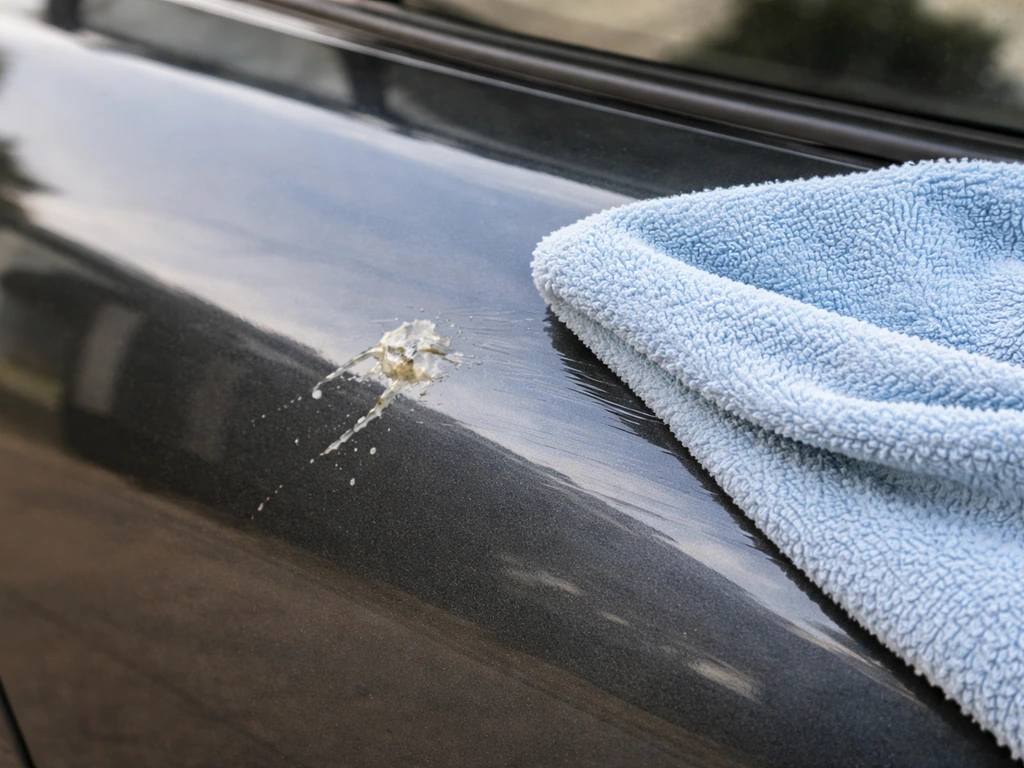
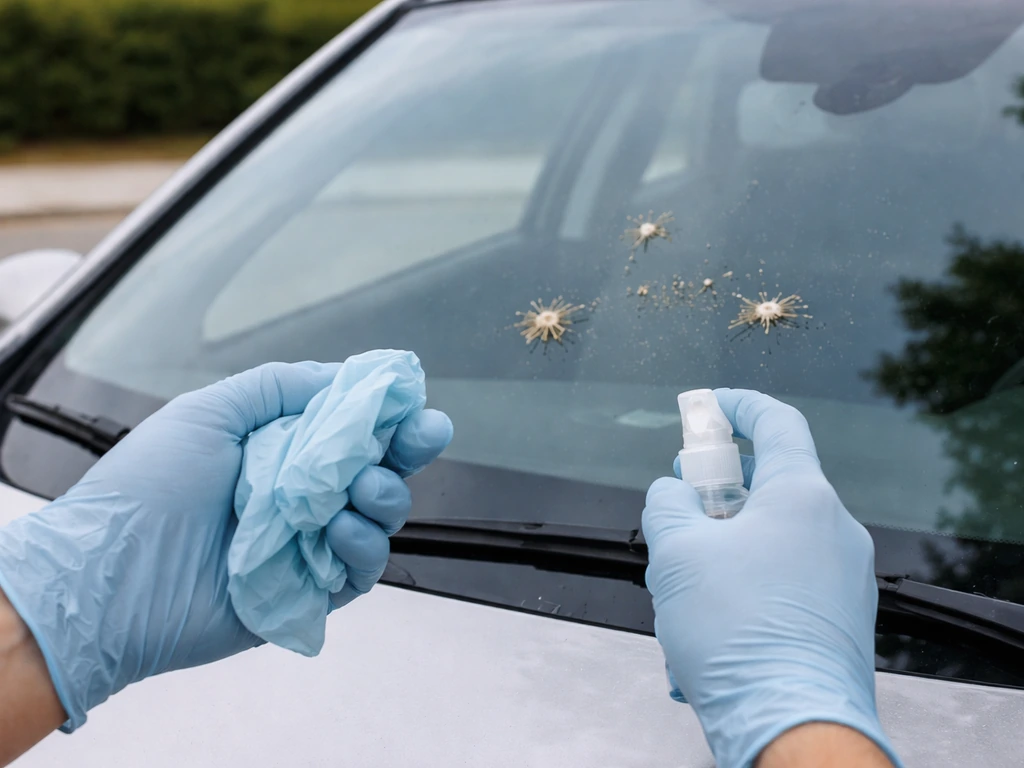
Car paint is where bird droppings cause real lasting damage. Bird droppings are acidic (the uric acid in them can etch clear coat and paint within hours in hot weather). The priority is getting them off quickly. Soak the dropping with a damp cloth for 30 to 60 seconds to soften it, then gently lift it off without scrubbing. Never dry-wipe, that causes micro-scratches. Follow up with a quick rinse. Detailing spray or a quick-detailer product applied immediately after removal helps protect the area. If the paint looks hazy or etched where the dropping was, a paint polishing compound can often restore it.
The actual health risks: realistic, not alarming
Bird droppings contain uric acid (that white paste), some undigested food matter, bacteria, and occasionally fungal spores or viral particles depending on the bird's health. For most healthy adults, a single outdoor exposure, a dropping hitting your jacket or arm, carries very low infection risk as long as you wash promptly.
The diseases most commonly associated with bird droppings include histoplasmosis (a fungal lung infection from inhaling spores in accumulated droppings, especially in enclosed spaces like attics or chicken coops), cryptococcosis (another fungal infection, associated mainly with pigeon droppings in large quantities), and psittacosis (a bacterial infection linked to parrots and other pet birds, primarily transmitted by breathing in dried dust from droppings or feathers). According to the CDC, the most common route of psittacosis infection is breathing in dust from dried bird secretions or droppings, not from a fresh dropping hitting your skin outdoors. The aerosolized, dried form is where the real transmission risk sits.
Salmonella is also possible from contact with bird droppings and then touching your mouth without washing your hands. This is why hand-washing after any bird dropping contact is the single most important step, and it genuinely handles the majority of the plausible risk.
Who should be more cautious: people who are immunocompromised, pregnant, or managing a condition that affects immune response should treat any exposure more carefully and contact a healthcare provider if they experience symptoms (fever, respiratory issues, or eye irritation) in the days following significant exposure. Eye contact with bird droppings also warrants a medical call regardless of immune status, simply because the mucous membrane exposure route is more direct.
| Disease | Main source | Transmission route | Risk from outdoor poop hit |
|---|---|---|---|
| Histoplasmosis | Accumulated droppings (bats/birds) | Inhaling disturbed dry spores | Very low — requires large accumulated deposits |
| Cryptococcosis | Pigeon droppings (large amounts) | Inhaling dried particles | Very low for healthy adults |
| Psittacosis | Parrots, pet birds | Inhaling dried dust from secretions | Low from outdoor wild birds; higher from pet birds |
| Salmonella | Many bird species | Hand-to-mouth after contact | Low with prompt handwashing |
| E. coli | Various bird species | Hand-to-mouth after contact | Low with prompt handwashing |
Stains, smell, and the "is it safe" questions
Will it stain permanently?
Bird droppings can permanently stain fabric and etch paint if left too long, especially in heat. On clothing, treating within a few hours and avoiding the dryer until the stain is confirmed gone prevents most permanent damage. On car paint, same-day removal is ideal, etching can happen in as little as a few hours on a hot day. On concrete or paving, bird droppings are less damaging but still leave marks; a mixture of warm water and dish soap scrubbed with a brush handles most of it.
The smell
Fresh bird droppings don't have a particularly strong odor. The smell associated with bird colonies comes from accumulated, aged droppings breaking down, that ammonia-heavy smell is from large deposits, not from a single fresh hit. If something got on your clothing and washed out but you still notice an odor, re-washing with an enzymatic cleaner (the kind sold for pet odors) breaks down the remaining organic compounds effectively.
Is it safe to touch? What about eating nearby?
Touching bird droppings with your bare hands is fine as long as you wash your hands before touching your face, eyes, or food. The risk is in hand-to-mouth transfer, not skin contact itself (your skin is a very effective barrier). As for eating near where a bird has pooped, on your table, near your food, use common sense. Wash the surface, cover your food, and wash your hands before eating. A bird dropping that lands directly on food you're about to eat means you should discard that food, not because infection is certain, but because the risk-to-reward ratio of eating contaminated food is just not worth it.
The good luck thing, worth mentioning
Across many cultures, Russian, Turkish, Italian, and others, being pooped on by a bird is considered a sign of incoming good luck or financial fortune. The origin of the belief likely traces back to the statistical rarity of the event making it feel meaningful, combined with the wishful thinking that something unpleasant must balance out with something good. Whether or not you subscribe to it, the superstition has remarkable staying power across completely unconnected cultures, which is at least interesting.
Even if you do not believe in superstitions, this is the moment to take care of the practical stuff first good luck when a bird poops on you. If believing it makes the cleanup less annoying, that's a perfectly reasonable use of folklore. The deeper cultural and symbolic sides of what it means when a bird poops on you go well beyond luck, there's a surprisingly rich thread of interpretation across traditions.
If you were also wondering what does it mean when a bird poops on you, the superstition angle and the practical cleanup advice are covered together in the same place.
Bottom line
Your odds of being hit by bird droppings depend almost entirely on your environment, the time of day, and whether you're spending time directly beneath active bird perches. In high-risk spots (coastal areas, city squares, under roosting trees at dawn or dusk), a hit can happen within minutes of standing still. In low-risk environments, it may genuinely be years between incidents. The practical takeaway: look up before you stop, cover your head in bird-heavy zones, and if you do get hit, flush with water and wash your hands immediately. The health risk from a single outdoor exposure is low for most people, the bigger issue is the stain if you don't act fast.
FAQ
Are some birds more likely to poop on people than others?
Yes, indirectly. Species that perch in large numbers, like gulls, starlings, and pigeons, create repeated “targets” because they return to the same spots. A bird flying overhead is less likely to hit you than a bird that is actively roosting or feeding from a fixed perch above.
Does the color of your clothing or car really change the odds?
It can, but not in a simple “color causes it” way. The commonly mentioned red-car idea is weak evidence, and the bigger driver is whether you’re positioned under a habitual perch. Dark or bright colors mostly matter because they can make droppings easier to spot and clean quickly, which reduces the chance of lasting staining.
If you get hit once, does that mean it will happen again soon?
Not automatically, but the location may. Birds reuse high-traffic roosting and feeding spots, so a second hit is more likely if you stay in the same exact area. If you were under a tree, porch, or parking perch, moving to a nearby spot is often the most effective “prevention reset.”
What time of day and season are highest risk?
Dawn and dusk tend to be higher-risk because many birds roost or move at those times, which increases drops falling from active perches. Spring and early summer are also higher-risk in many areas because nesting birds are feeding more frequently, which increases the volume of waste.
Is fresh bird poop safer than old poop?
Generally yes for skin exposure, but not for infection risk in enclosed spaces. Outdoors, a single fresh hit is usually low risk if you wash promptly. The main higher-risk situation is when droppings have dried and accumulated, since dried dust and spores can be inhaled, especially in attics, sheds, or coops.
Should you worry about infection if a dropping lands on intact skin?
For most healthy people, the main concern is getting it to hands, then to face or food. If it lands on skin, rinse promptly and avoid touching your eyes or mouth until you’ve washed. Seek medical advice if you get eye exposure or you develop persistent irritation or fever after significant exposure.
What if bird poop gets on your glasses lenses or contacts?
Rinse lenses with clean water first, then use appropriate lens cleaner, and wash your hands before touching your eyes. If you wear contacts, remove them with clean hands and discard the contact if it may have been contaminated, then rinse eyes with clean running water. If irritation persists, arrange medical evaluation.
What’s the safest way to clean off a small dropping from clothing right away?
Blot or scrape first if it is smeared or thick, then rinse from the back side with cold water. Wash with detergent as soon as you can, skip the dryer until the stain is confirmed gone, because heat can permanently set discoloration.
If it already dried, should you scrub it or just wash?
Start with softening rather than heavy rubbing. Dried droppings can smear and spread if you wipe dry, so rinse first, then gently remove the bulk (scrape or lift), and only then wash. This reduces the chance of spreading specks onto other parts of the garment.
Can bird droppings damage car paint immediately, and what’s the fastest emergency response?
In hot weather, etching can begin within hours, so speed matters. Soften the spot with a damp cloth briefly, lift without scrubbing, rinse, then apply a protective detailing spray or quick-detailer. If the area looks hazy afterward, polish or a paint-safe compound may help restore it.
What if it lands on food, a plate, or a table right before you eat?
If a dropping lands directly on food you were about to eat, discard that food rather than trying to “rinse it off,” since contamination may have reached more than the visible spot. For surfaces, wipe clean and sanitize, then wash hands before eating the rest.
Is it ever appropriate to do nothing besides washing your hands?
Sometimes, but only if it’s on intact skin and you avoid face contact. If it’s on the face, eyes, or inside your clothing near skin folds, rinse thoroughly and change/clean the affected item. Eye contact and symptoms afterward are situations where you should not rely on just hand washing.
How do you know when to call a healthcare provider after exposure?
Get medical advice promptly for eye exposure, persistent eye irritation, or respiratory symptoms after a significant exposure, especially if you are immunocompromised. For enclosed-space situations involving heavy accumulated droppings, symptoms like fever, cough, or worsening shortness of breath should be evaluated.