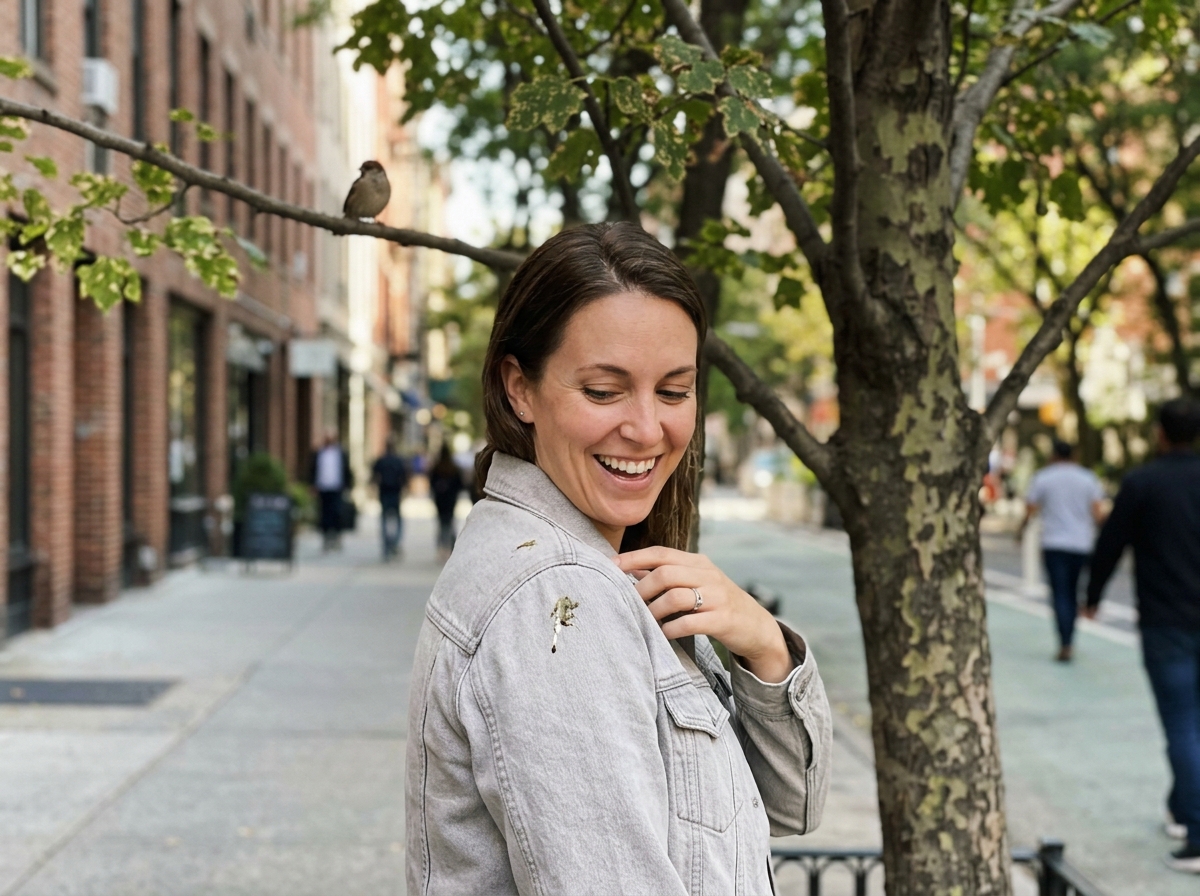
Short answer: yes, bird poop is generally considered najis (ritually impure) in Hanafi fiqh, but with important nuances that change how strictly you need to clean it and whether your prayer is affected. The ruling is not a flat, unconditional "always impure" across all schools, but for Hanafi Muslims, the default position leans toward treating bird droppings as najis, especially from birds whose meat is not halal to eat. What matters in practice is knowing which school you follow, what type of bird left the dropping, and what surface it landed on. Let's break all of that down clearly.
Is Bird Poop Najis in Hanafi Fiqh? What to Do

Marcus Fielding
23 Mar 2026
What 'najis' actually means in everyday terms
Najis means ritually impure. It's not the same as "dirty" in a physical sense, though often they overlap. In Islamic jurisprudence, certain substances are categorized as najis, and if any of them are on your body, clothes, or prayer area when you pray, your salah is considered invalid. Purity from najasah is one of the conditions for the validity of prayer. So if you know something is najis and it's on you, you need to remove it before you pray. The key word is "know." If you're uncertain whether something qualifies as najis, the general principle is that certainty of impurity is what triggers the obligation to purify, not mere suspicion.
Najasah comes in degrees of severity, too. Classical Hanafi texts distinguish between mughallazah (severe), mutawassitah (moderate), and mukhaffafah (light). Where bird poop falls depends on the species. This is not just a technicality, it actually changes your cleaning steps.
The Hanafi view on bird poop: the full picture
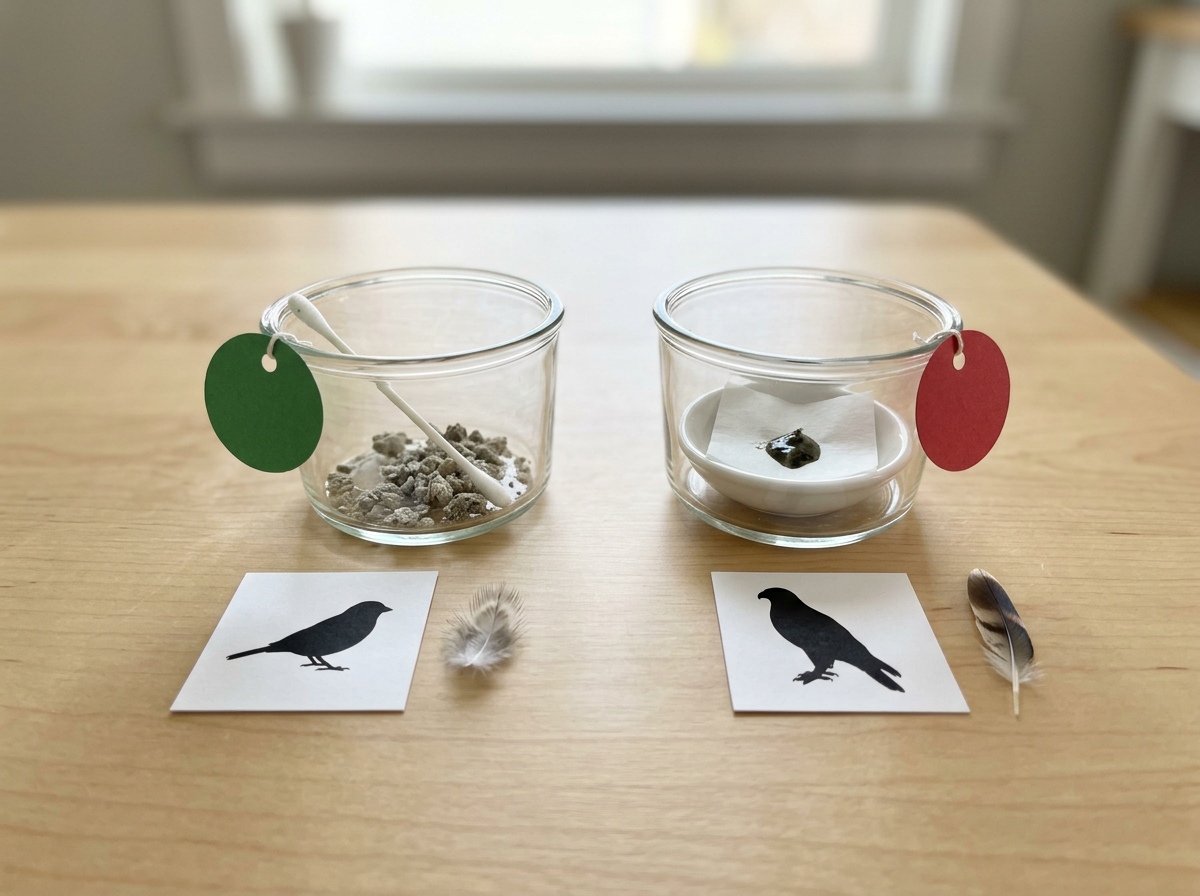
The Hanafi school divides bird droppings into two categories based on whether the bird's flesh is halal or haram to eat.
Birds whose meat is haram (such as eagles, hawks, crows, ravens, and other birds of prey, as well as chickens according to some Hanafi opinions about their droppings landing in certain amounts) produce droppings that are considered najis. Birds whose meat is halal (such as pigeons and doves) have droppings that many Hanafi scholars classify as najis as well, though there is some internal debate about the degree. The practical takeaway for most people: treat all bird poop as najis unless you have specific scholarly guidance saying otherwise for a particular species.
There is also the question of excused (ma'fu) amounts. Hanafi fiqh does recognize that if the impure amount is small enough (less than the area of a dirham coin, roughly 4-5 cm in diameter for some types), prayer can still be valid. But this applies more clearly to blood and certain other najasahs. For bird droppings, it is generally safer not to rely on this concession unless you consult a qualified scholar, because the excused-amount rule has its own conditions and does not apply uniformly.
Why the species matters
The Hanafi scholars connected the ruling on bird droppings to the permissibility of eating the bird's flesh. The logic is that what comes out of a halal animal is treated more leniently than what comes out of a haram one. So pigeon droppings, while still impure under the stricter Hanafi view, are sometimes treated with less severity than falcon or crow droppings. In many cities, the birds most likely to poop on you (pigeons, sparrows, starlings) are the ones where this debate is most relevant practically.
How IslamQA-style rulings frame this in practice
IslamQA and similar reputable fiqh reference sites tend to state clearly that bird poop is najis and needs to be removed before prayer. Their rulings generally follow the Shafi'i or the general majority position but also address Hanafi specifics when asked. The common wording you'll see is something like: "impurity must be removed from the body, clothes, and place of prayer; if the impurity has a physical substance, remove the substance first, then wash with water until no traces (color, smell, taste) remain."
Importantly, these rulings confirm there is no fixed number of washes required for most impurities. You wash until the impurity is gone, full stop. The famous seven-wash rule is specific to dog saliva and does not apply to bird droppings. So if you scrub a bird poop stain off your shirt and rinse until you see no discoloration or smell, you're done. You don't need to count to three or seven.
Another key point from IslamQA-style answers: certainty matters. The ruling states that "as long as he does not have certainty it is najis, he is not obligated to treat it as such." So if a tiny speck lands on your jacket and you genuinely cannot confirm it's bird poop (maybe it was just water), you are not required to act as if it is. This is not a loophole to exploit; it's a legitimate principle of Islamic jurisprudence that prevents unnecessary hardship.
Cleaning by surface: exactly what to do
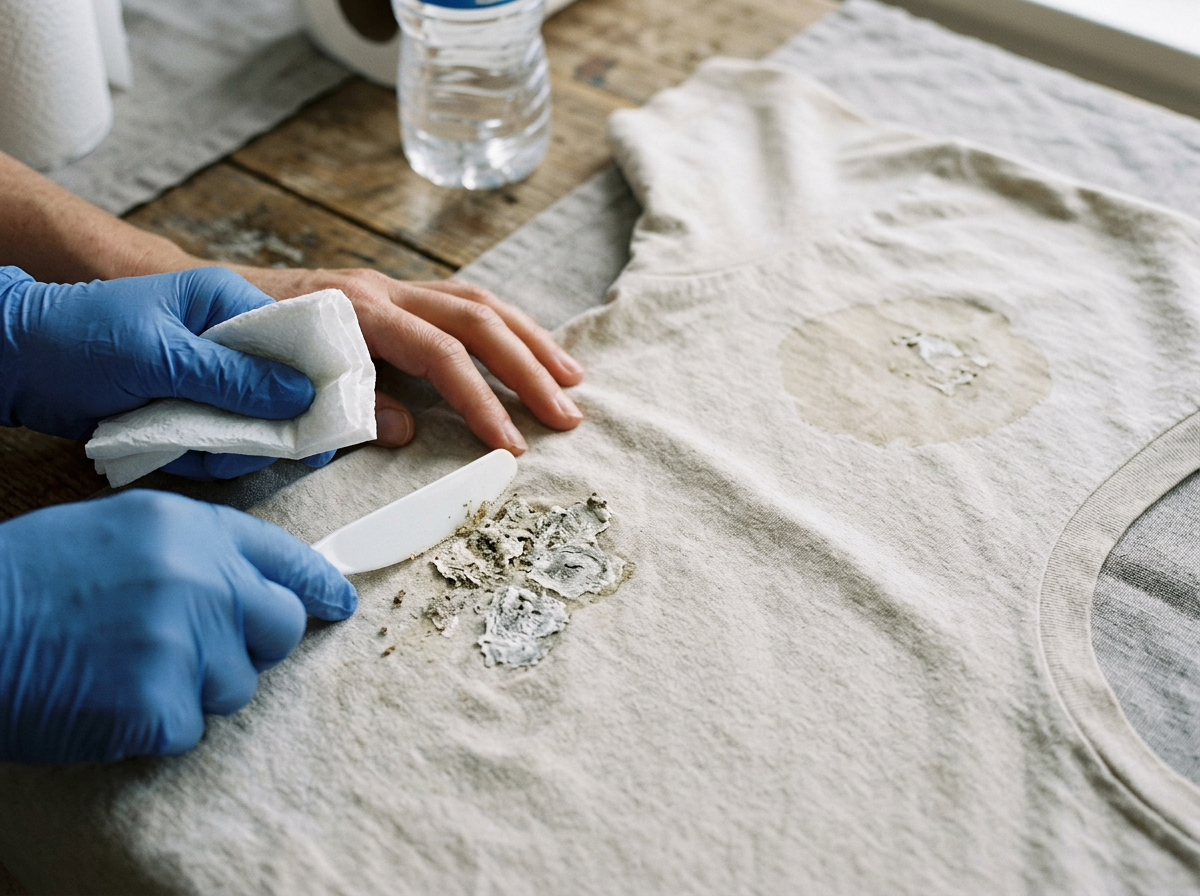
The method of purification depends on the surface. Here's a practical breakdown for the scenarios you're most likely to face.
Clothes and fabric
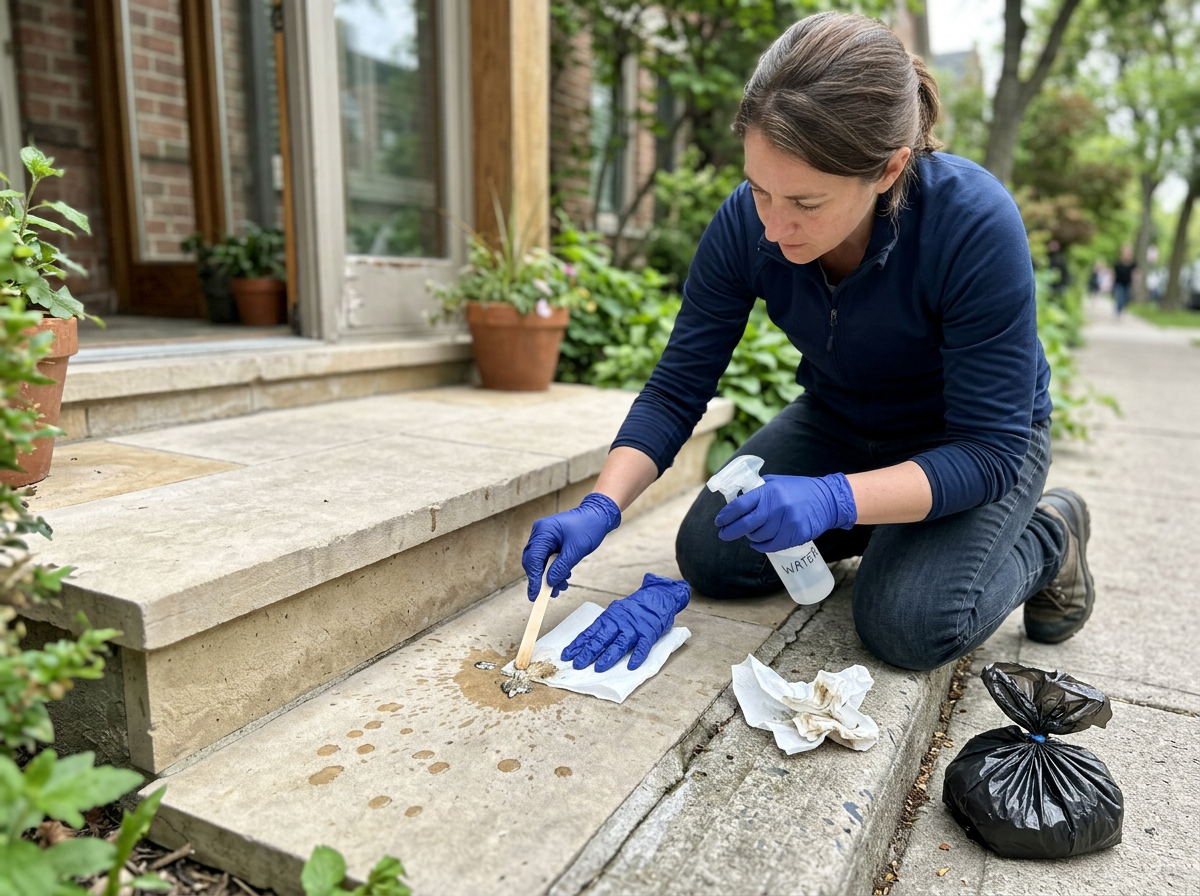
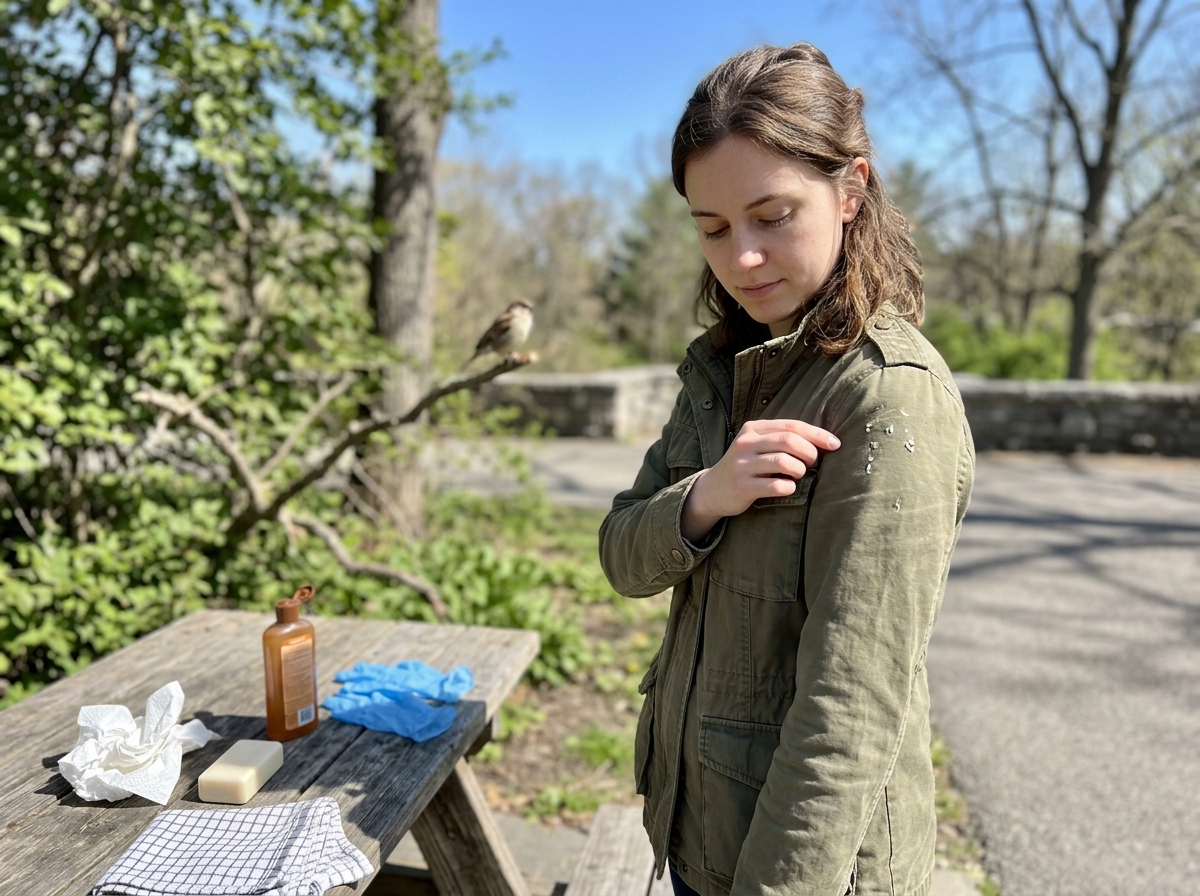
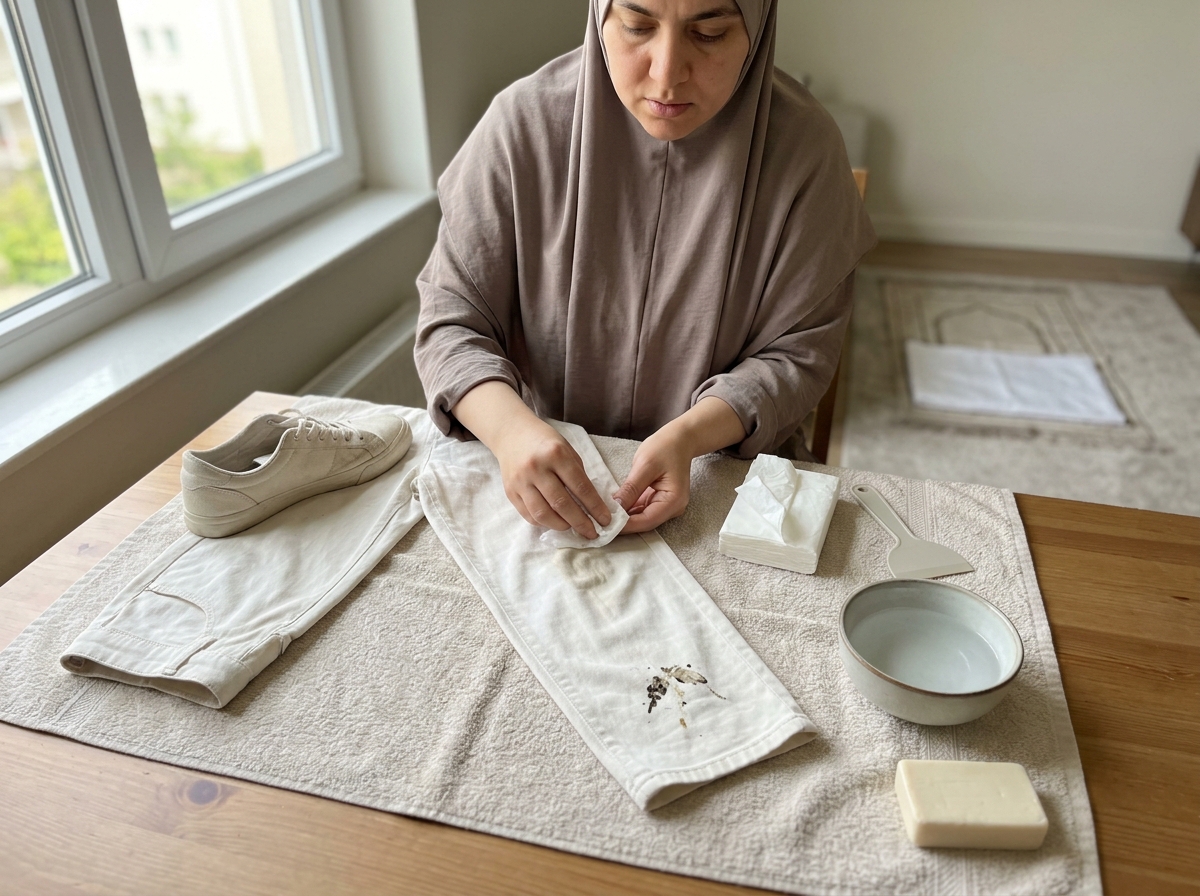
Remove the physical dropping first. Scrape or wipe off as much solid material as you can with a disposable tissue or a blunt edge, working from the outside of the stain inward so you don't spread it. Then rinse the area thoroughly under running water. Wash with water (and soap helps from a hygiene standpoint) until no color, odor, or visible residue remains. Machine washing on a normal cycle is fully sufficient if it removes all traces. You do not need to wash the entire garment if only one area was affected, though doing a full wash is obviously fine.
Skin and hands
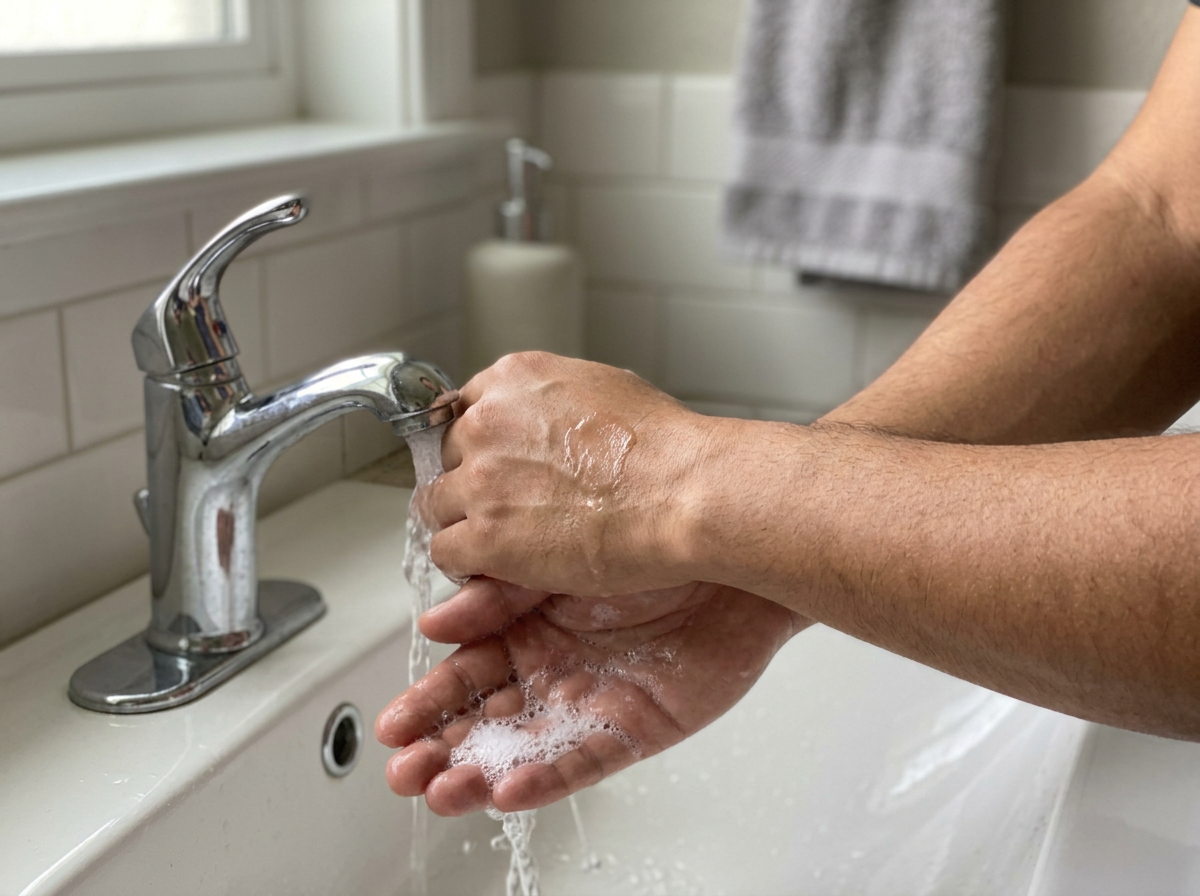
Rinse immediately under running water. Wash with soap until clean. Skin is non-porous and easier to purify than fabric. Once you've washed and there's no remaining substance, you're tahir (pure). If bird poop gets near your face or mouth, rinse those areas thoroughly. If you had already made wudu before the incident, you may need to renew it (see the prayer section below).
Shoes and sandals
For leather or rubber-soled shoes, wipe off the dropping and then wash the affected area with water. The classical Hanafi position allows for purification of shoe soles by rubbing them on clean dry earth if washing isn't available, but washing with water is always more certain. For fabric or mesh shoes, treat the same way as clothing above. If the inside of the shoe was affected (unlikely but possible), washing the interior is necessary before wearing them to prayer.
Carpets and prayer rugs
Scrape off the solid material first. Then pour water over the stained area and blot, repeat until clean. A carpet cleaner or upholstery cleaner helps from a hygiene standpoint and will also help lift any remaining discoloration. The key is removing the substance and any traces. If the carpet is large and fixed, you don't need to replace it; just clean the soiled area. Allow it to dry fully before using it as a prayer space.
Cars (paint, seats, glass)
From a fiqh standpoint, a car isn't a place of prayer (unless you're praying in it), so najasah on the exterior doesn't directly affect your salah. That said, if bird poop gets on your clothes or skin from touching a contaminated surface, the clothing rules above apply. Clean car paint as soon as possible, not just for religious reasons but because bird poop is acidic and can etch clear coat within hours in warm weather. Rinse, then wipe with a damp cloth or detailing spray. Don't dry-wipe bird poop on paint; you'll scratch the surface.
Utensils and food containers
Wash thoroughly with water and dish soap. If a utensil is going to be used for food or drink, cleaning it to a hygienic standard (soap and rinse) also satisfies the fiqh requirement of removing najasah. Don't use utensils that have had bird droppings on them for serving food until they've been properly washed.
Dry vs. wet droppings, splashes, and uncertainty
Dry bird droppings are easier to deal with in one sense: the substance is more contained and less likely to spread. But they can crumble and send particles into the air, which is a hygiene concern (more on that below). From a fiqh standpoint, a dry dropping on your shoe that you then step onto clean pavement is less concerning than a wet one because the transfer of impurity requires moisture. The Hanafi position generally holds that dry najasah doesn't transfer to a dry surface.
Wet or fresh droppings are more problematic because they can spread easily. If a wet dropping lands on your clothing, treat it immediately. If it splashes during cleanup (say, you pour water on it and droplets hit your arm), wash the affected area. The splash itself, if it's just water mixed with a tiny and uncertain amount of the dropping, does not automatically make you najis if the amount is negligible and you can't confirm contamination. But if you can see or smell the splash, treat it as contaminated.
Uncertainty is handled with the principle of the original state. If you're not sure whether something touched you or not, your original state (tahir) remains unless you have a positive reason to think it changed. Don't second-guess every droplet. Clean what you can confirm is contaminated, and move on.
What to do about prayer and wudu after bird poop exposure
Here's the practical flow for handling prayer after a bird poop incident.
- Remove and clean the najasah from your clothing, skin, or shoes as described above. This step must happen before you pray.
- Check whether your wudu is still valid. Bird poop landing on you does not automatically break your wudu. Wudu is broken by specific things (passing wind, using the bathroom, sleep, etc.). Simply having najasah on your clothing doesn't break wudu.
- If you washed your hands or arms to remove the dropping during the cleaning process, check whether you washed over the areas covered by your wudu (arms, face, etc.) in a way that would count as part of wudu. If your wudu was intact and you didn't disturb it during cleaning, you can proceed to pray.
- If you're unsure whether your wudu is still intact after the cleaning process, renewing it is easy and removes the doubt entirely. There's no harm in making fresh wudu.
- Confirm your prayer area (prayer mat or floor space) is free of any dropped material before you pray.
- If you prayed and later realized there was bird poop on your clothing that you didn't know about at the time, the majority Hanafi view is that the prayer is still valid when the impurity was present without knowledge. You are not required to repeat the prayer in that case, though some scholars recommend it out of caution.
Staying safe during cleanup: hygiene basics
Bird droppings can carry real pathogens, including Salmonella, Campylobacter, Histoplasma (a fungus), and Cryptococcus. The risk of getting sick from a single incident is low for a healthy adult, but it's not zero, and it's worth taking basic precautions. Dry droppings that crumble into dust are the biggest inhalation risk, especially in enclosed spaces or around large accumulations.
- Don't dry-sweep or brush dry droppings in enclosed spaces. Dampen them first to prevent dust.
- Wash your hands thoroughly after handling anything contaminated, even if you wore gloves.
- Avoid touching your face during cleanup.
- For larger accumulations (under a roosting spot, in an attic), wear a mask rated N95 or better and gloves.
- For a single small dropping on your car or jacket, normal hand-washing after cleanup is sufficient.
The 'good luck' belief: a quick honest take
You've probably heard that being pooped on by a bird is [good luck](/bird-poop-good-luck/is-bird-poop-on-your-head-good-luck). It's a widespread superstition across many cultures, and plenty of people swear by it after winning the lottery the same afternoon a pigeon targeted their shoulder. From an Islamic jurisprudence standpoint, this belief has no religious basis. Bird poop is classified as an impurity, not a blessing or an omen. From a secular perspective, it's a case of confirmation bias: people remember the times something good followed an unpleasant event. If you want to explore the cultural roots of why people believe getting pooped on brings good luck, that's actually a fascinating rabbit hole covered elsewhere on this site. why is there no bird poop in mecca
The practical takeaway: if a bird poops on you, clean it off properly, check your clothes, renew your wudu if needed, and go about your day. Whether you consider it lucky, unlucky, or just biology, the Islamic ruling is clear: it's najis, and your job is to remove it before you pray. is mistletoe bird poop
Quick comparison: Hanafi vs. general majority ruling at a glance
| Aspect | Hanafi Position | General Majority (Shafi'i / Hanbali) |
|---|---|---|
| Is bird poop najis? | Yes, especially from birds whose meat is haram; pigeon droppings debated in degree | Yes, generally najis for all birds |
| Number of washes required? | Until impurity is fully removed; no fixed count | Until impurity is fully removed; no fixed count |
| Excused small amounts? | Some concessions for very small amounts of certain impurities | Similar concessions, varies by school |
| Dry najasah transfer? | Does not transfer from dry surface to dry surface | Similar principle applies |
| Prayer validity if poop unknown at time? | Prayer valid; no repeat required when impurity was unknown | Prayer generally valid; repeat recommended by some scholars |
| Wudu broken by najasah on skin/clothes? | No, wudu is not broken by external najasah alone | No, same principle |
The recommendation here is simple: if you're Hanafi, treat bird poop as najis, clean it off before praying, and don't stress about counting washes. If you follow another school, the cleaning method is essentially the same. When in doubt about a specific situation, ask a qualified local scholar, because fiqh is practical and scholars are there to help you apply it to real life.
FAQ
If I only noticed a tiny wet spot, how do I know it is actually bird poop and not water?
Yes. If bird droppings leave a visible substance or clear smell, you should treat it as contamination, remove the dropping, and wash until the traces are gone. If you only felt a wetness without being able to confirm any dropping, rely on certainty and treat it as non-najasah unless you have strong reason to think it was contaminated.
Does bird poop invalidate my wudu, or only my salah?
If you already made wudu, bird poop on your skin does not automatically break wudu, but it affects prayer because najasah must be removed. After cleaning, you do not need a new wudu unless you also had something that nullifies wudu (like passing wind, sleeping in a way that breaks wudu, etc.).
I prayed on a spot where I later suspected bird poop landed. What should I do?
Generally, yes. If you can see or smell it, you must clean it from your prayer garments and from the place you will place your body. If you are unsure, use the original rule (assume you are tahir) and only act if you can reasonably confirm contamination.
If bird poop dried on my shirt or shoe, do I still need to wash it?
Treat it as najis by default. Even if the surface looks dry, particles can remain on fabric or shoes and then become active when you sweat or get them wet. The article’s guidance about scraping and washing applies, so clean the area you can confirm rather than assuming it is harmless because it dried.
What if it is just a small speck, can I leave it and pray?
For a small accidental speck, don’t over-worry, but do not ignore what you can confirm. You should remove the solid part and wash that specific area. If it cannot be confirmed as bird poop, you are not obligated to treat it as najasah, and you can proceed using the certainty rule.
What if I washed and the smell is gone, but there is still discoloration?
If the stain is on the same garment you will wear for prayer, try washing the garment until the color and odor are gone. If it is only a stubborn discoloration with no remaining trace of the substance, many people still wash for removal of najasah; practically, if you can remove the discoloration, do so, because residual discoloration can indicate remaining traces.
Can I just wipe bird poop with a dry tissue to clean it?
Do not. Rubbing dry dropping with a dry cloth can spread micro-particles, and if you later wipe with a damp cloth you may spread it further. Better is to wipe or scrape to remove the solids first, then rinse or wash with water until no traces remain.
Do I need to clean the entire shoe, or only the area that touched the droppings?
For shoes, yes, you should clean the sole area that touched the dropping, and you should wash with water if possible. If you cannot wash immediately, wiping off the substance reduces spread, but for prayer you should aim for a method that reliably removes traces, especially if the shoe is wet or the dropping is still visible.
If bird poop landed on a carpet, do I have to replace the whole carpet?
If it lands on a prayer carpet, clean that affected patch. Letting it dry does not remove najasah. For fixed carpets, you can spot-clean and then fully dry, but make sure the soiled area is truly cleaned, because stepping back on it later can transfer the impurity.
If bird poop is on my car bag or seat, will it make my clothes najis automatically?
It depends on what you mean by “touch.” If it is on the exterior of a bag or car and you only touched it lightly, you still must avoid carrying contamination onto your body or prayer clothes. Use a damp wipe or wash the part that can transfer, then wash your hands, and only clean your clothing and skin if transfer is likely and confirmed.
I feel anxious after being pooped on, do I need any extra religious steps or du‘a?
No, luck is not part of Islamic rulings. The focus is practical: treat it as impurity, remove it before prayer, and avoid superstition. If anxiety remains, remind yourself that the fiqh principle is certainty, clean what is confirmed, and you can resume worship without additional rituals.
What if I do not know whether bird poop got on me at all?
If you are unsure whether bird poop was actually on you or your prayer area, default to tahir. Clean only what you can confirm. If later you become certain (for example, you see it clearly or smell it), then wash accordingly before the next prayer.