Here is the short answer: mistletoe is not bird poop, but bird poop is almost always involved in mistletoe's existence. Mistletoe seeds are spread almost exclusively through bird droppings, which means wherever you find mistletoe growing on a tree branch, a roofline, or a porch overhang, there is a very good chance actual bird droppings are nearby too.
Is Mistletoe Bird Poop? How to Tell and Clean It Safely

Marcus Fielding
23 Mar 2026
So when you are staring at something white, sticky, or stringy near a clump of mistletoe and asking 'is that plant stuff or poop? Bird droppings are sometimes viewed as a good luck sign, but it is still important to treat them carefully good luck symbol. ', the honest answer is: it might be both, and you should treat the mystery substance carefully until you know for sure.
Quick answer: what 'mistletoe + bird poop' usually means
Mistletoe is a parasitic plant that grows on the branches of host trees. Birds eat the mistletoe berries, and the seeds pass through their digestive systems mostly intact. When a bird poops on a branch, those sticky seeds stick to the bark and eventually germinate. This is literally how mistletoe reproduces, and it is so intertwined with the process that the name 'mistletoe' is believed to trace back to an old word meaning 'dung twig.' So the connection between mistletoe and bird droppings is not a coincidence or a misidentification. It is biology.
When people search 'is mistletoe bird poop,' they are usually looking at one of two things. First, they have spotted a cluster of mistletoe growing on a tree or hanging near a structure and noticed white or sticky material around it. Second, they have found something on their porch, car, or siding near a mistletoe-bearing tree and are not sure whether it is plant residue (sap, berry pulp, fallen fruit) or actual bird droppings. Here is how to tell the difference at a glance.
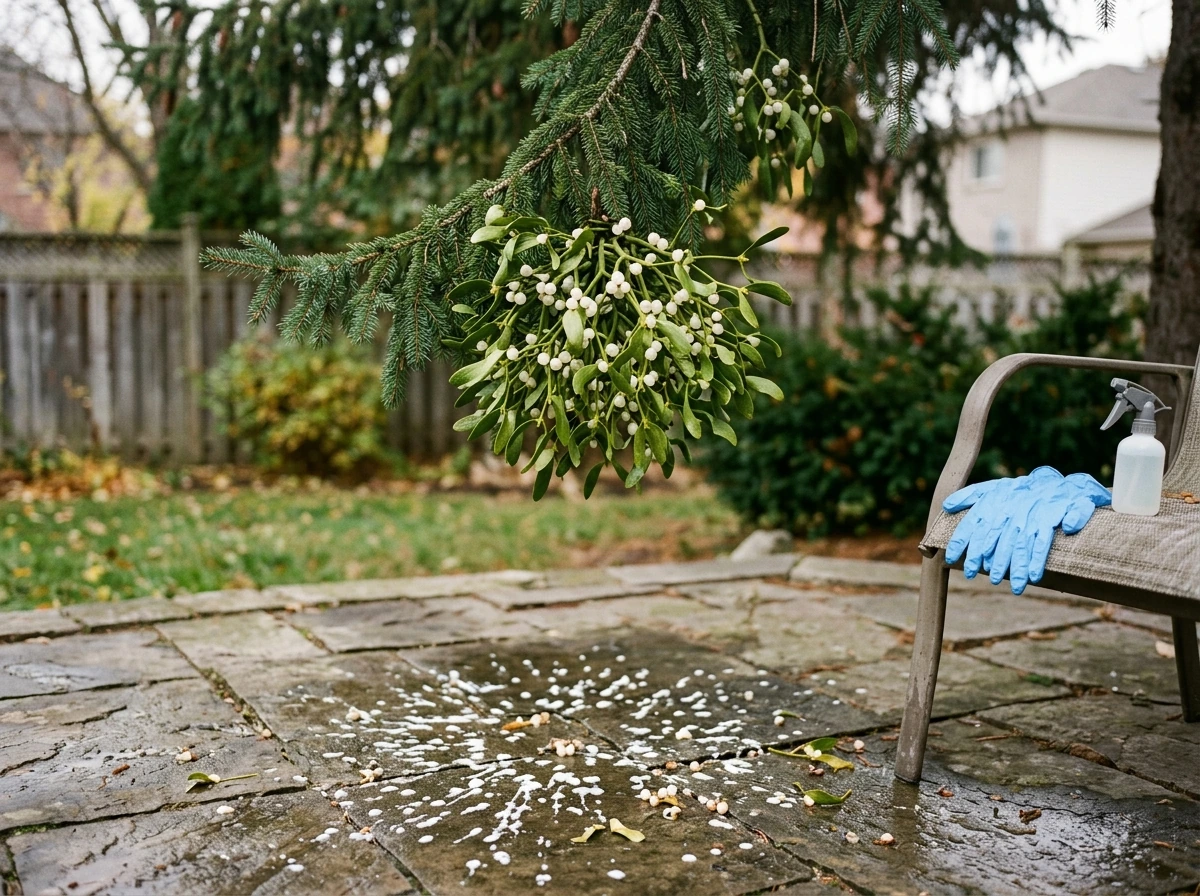
- Mistletoe berries are small, white to translucent, and contain a very sticky substance called viscin. If you have crushed berry residue on a surface, it looks translucent-white, feels extremely tacky, and may have seed material embedded in it.
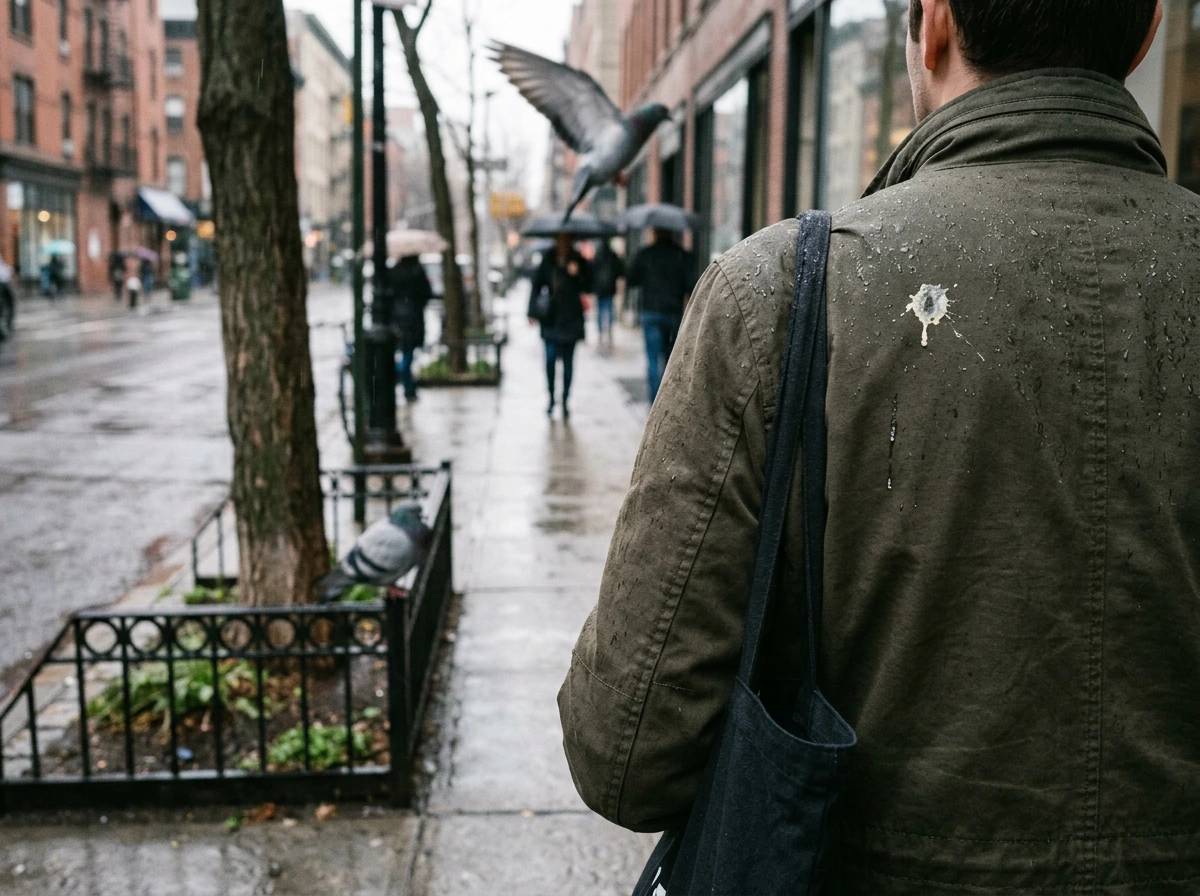
- Bird droppings are typically white and chalky (the uric acid component), often with a darker center of digested material. Fresh droppings are wet and glossy; dried droppings turn powdery and dull.
- Bird droppings near mistletoe often contain berry seeds inside them, which is a dead giveaway that a bird was eating the mistletoe fruit before depositing the material.
- Mistletoe sap or berry residue alone does not smell much. Bird droppings have a faint ammonia odor, especially in larger accumulations.
- If the white material is on a branch directly below a cluster of mistletoe, and there are berry casings around it, you are likely looking at a mix of both.
Bottom line: if it smells faintly of ammonia, has a chalky-white outer ring with a darker center, or crumbles into dry powder, treat it as bird droppings. If it is purely translucent, extremely sticky with no darker core, and odorless, it is probably berry residue. When you are not sure, err on the side of treating it like droppings for cleanup purposes.
Health risks from bird droppings (and what's different here)
Bird droppings can carry real pathogens, and the two you most need to know about in this context are Histoplasma and Chlamydia psittaci. Histoplasmosis is a fungal lung infection caused by breathing in Histoplasma spores that grow in soil enriched by bird or bat droppings. The CDC notes it is transmitted by inhaling spores that get aerosolized when contaminated material is disturbed. Psittacosis is a bacterial infection caused by Chlamydia psittaci, which can be transmitted when aerosolized dried droppings or respiratory secretions are breathed in, according to OSHA.
The 'mistletoe factor' does not change the biology of these risks. Whether the droppings came from a bird that had been eating mistletoe berries, worms, or seed does not make them more or less dangerous. What does change the risk level is quantity and dryness. WorkSafe Queensland states clearly that disturbing small amounts of fresh droppings carries very low risk, but large accumulations of concentrated, dried droppings are a different story. Dried droppings are powdery, and any disturbance (sweeping, blowing, scraping) can send spores or bacteria airborne. That is when people get sick.
Most healthy adults who encounter a small amount of bird droppings in a backyard setting will have no health consequences at all. The people who need to pay closer attention are those with weakened immune systems, chronic lung conditions, or anyone cleaning up large, accumulated deposits. The Mayo Clinic specifically flags immunocompromised individuals as being at higher risk for symptomatic or severe histoplasmosis. If that describes you or someone in your household, take the precautions below seriously rather than treating this as routine yard cleanup.
How to identify the droppings and where contamination likely is
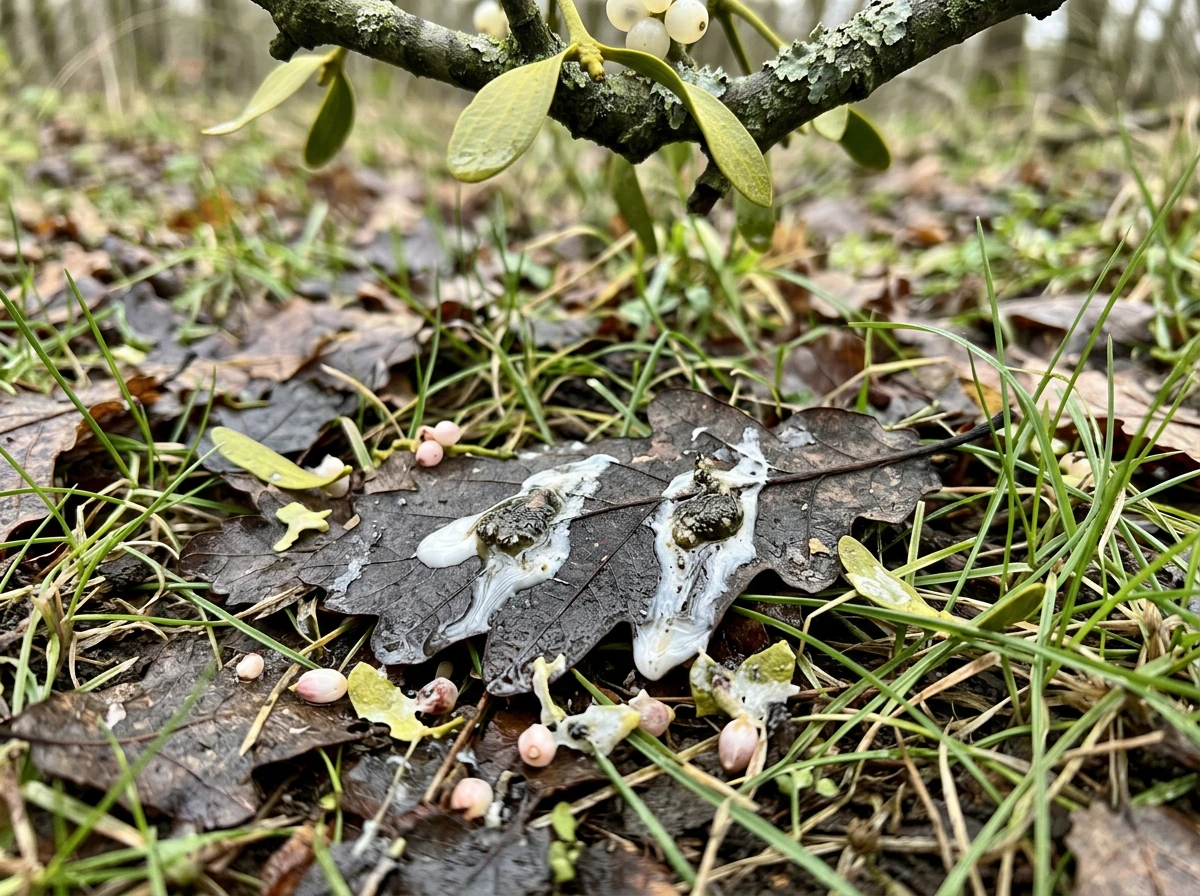
If there is mistletoe growing in a tree near your home, start by looking directly below the mistletoe cluster on the ground, on any surface below the branch (patio furniture, a car roof, a deck railing), and on the bark of the host branch itself. Birds perch on and near the mistletoe while eating, so droppings tend to cluster in a radial pattern around the plant.
Fresh droppings are wet, glossy white with a darker center, and will not come off surfaces cleanly with a dry wipe. As they dry, the outer white portion becomes chalky and flakey, and the center darkens further. If you see a powdery white crust on a hard surface like concrete, paving stone, or a car hood, and it is directly under a tree with mistletoe, assume it is dried bird droppings. Mistletoe berries that fall and get crushed leave a sticky, clear-to-milky smear, not a powdery crust.
Also check downspouts, gutters, roof valleys, and window ledges below tree canopy. Birds that are roosting or feeding in mistletoe-laden trees will often poop while perching on adjacent structures. If you find a line of droppings along a ledge or fence rail, that is a roosting spot. A scattered pattern below an open area of sky points more to fly-over dropping.
Immediate cleanup steps for your specific situation
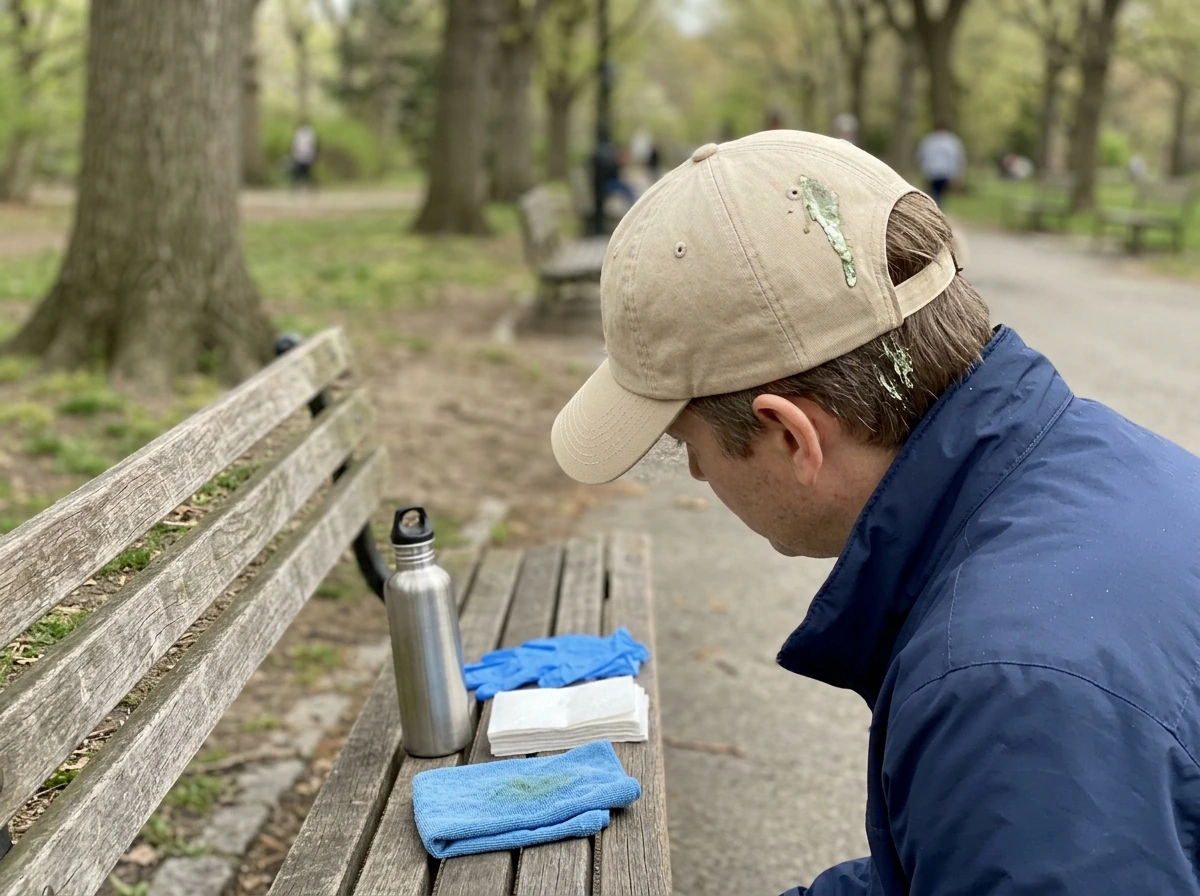
Before you touch anything, put on gloves. Nitrile or rubber disposable gloves work fine. If the material is dry and there is any chance of it becoming powdery when disturbed, blank" rel="noopener noreferrer">add an N95 respirator. Minnesota Department of Health supports the use of N95 respirators to decrease the risk of breathing in very small particles stirred up by cleaning activities. Safety glasses or goggles are a good idea too, particularly if you are working overhead.
Outdoor plants and patio surfaces
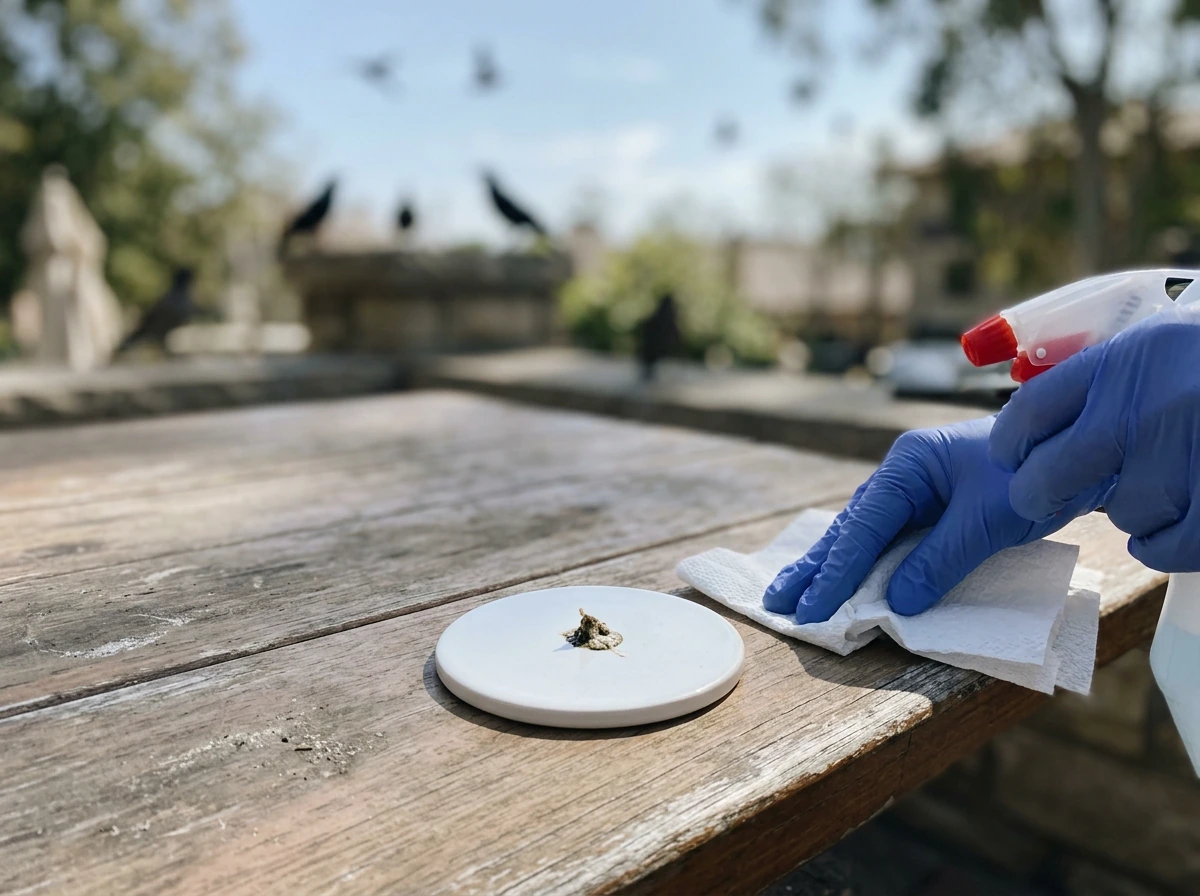
- Wet the droppings first. Use a spray bottle or hose set to a gentle mist. This is the single most important step. Wetting keeps dried material from becoming airborne. The CDC recommends wetting contaminated material before collection and disposal to reduce aerosolization.
- Let the water soak in for one to two minutes so the material softens.
- Scoop or wipe with a disposable cloth, paper towel, or plastic scraper. Do not use a broom or brush on dry droppings. Sweep-style actions are exactly what spreads contaminated dust.
- Place the material directly into a sealed plastic bag.
- Scrub the surface with a diluted bleach solution. A 10 percent bleach solution (about 1 part bleach to 9 parts water) is effective for disinfecting hard, non-porous surfaces. Iowa DNR recommends this concentration for disinfecting bird feeder areas.
- Rinse with clean water and allow to dry.
- Remove gloves by peeling them inside out, bag them too, and wash your hands thoroughly with soap and water.
Indoor surfaces
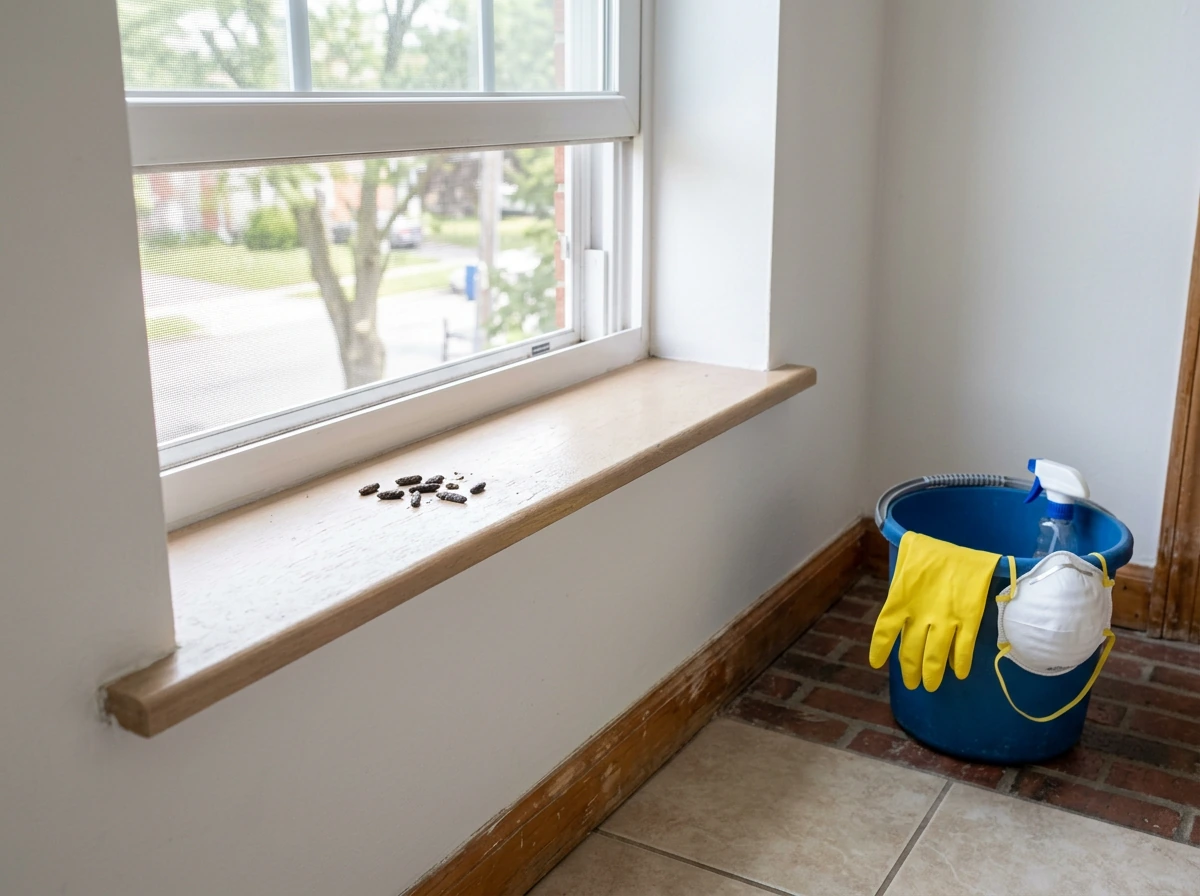
If droppings have ended up inside (a bird got in, or you tracked material indoors), ventilate the space first. Open windows and doors for at least 10 minutes before you start cleaning. This lowers the concentration of any airborne particles that may already be present. Follow the same wet-first approach: mist the droppings, let them soften, then wipe with a disposable cloth. Use a disinfectant rated for hard surfaces after removing the visible material. Bag everything immediately. Wash any clothing that may have been contaminated separately on a hot cycle.
Car paint and windows
Car paint is a special case because bird droppings are acidic and can etch clear coat if left to dry and bake in the sun. Speed matters here for paint protection, even if the health risk from a single small dropping on a car is genuinely low. Mist or soak the dropping with water (a wet cloth laid over it for 30 seconds works well), then gently lift it off without scrubbing. Scrubbing dry droppings on a painted surface scratches the clear coat. Once removed, use a pH-neutral car wash soap and rinse thoroughly. For windows, the same wet-first technique applies, and a glass cleaner can finish the job. Do not use bleach on car paint or glass trim.
Disposal, disinfection, and what NOT to do
Proper disposal is straightforward for small amounts: double-bag in plastic, seal tightly, and put in your regular household trash. You do not need hazardous waste disposal for a small accumulation of backyard bird droppings unless a professional has assessed the situation and recommended otherwise.
For disinfection, a 10 percent bleach solution on hard, non-porous surfaces is your best general-purpose option. Let it sit for at least one minute before wiping or rinsing. On porous surfaces like unfinished wood or soil, bleach is less effective because it cannot penetrate deeply enough. In those cases, focus on removing as much material as possible with the wet method and consider whether the area needs a professional assessment.
Here is what you should never do, and these points matter a lot more than people realize.
- Never dry sweep or use a leaf blower on dried droppings. This is the fastest way to turn a low-risk situation into an inhalation hazard.
- Never vacuum up bird droppings. The CDC specifically advises against vacuuming bird droppings because vacuums cannot be cleaned and disinfected properly afterward, and they can spread contaminated particles through their exhaust.
- Never mix bleach with ammonia or vinegar. WVU Extension and the San Francisco Department of Public Health both flag this clearly: mixing these creates toxic fumes that can cause coughing, shortness of breath, and chest pain. If you use bleach to disinfect, rinse before switching to any other cleaning product.
- Never let children or pets contact the area before it is fully cleaned and disinfected. Kids touch surfaces and put hands near mouths; pets can track contaminated material indoors.
- Never ignore a large accumulation because it 'looks old.' Old, dried droppings are actually higher risk because they are fully powdery and ready to become airborne the moment they are disturbed.
When to call a pro or see a doctor
Call a professional cleaning or hazardous waste remediation company if you are dealing with a large accumulation, meaning anything that covers more than a few square feet or has been building up over months or years. The CDC and NIOSH state directly that in some cases with large amounts of droppings, cleanup should be handled by a professional company specializing in hazardous waste. This is not an exaggeration. A thick deposit of dried bird droppings is a genuine respiratory hazard during removal, and professionals have the equipment and protocols to handle it safely.
You should also call a pro if you are immunocompromised, have a chronic lung condition, are pregnant, or if other vulnerable people (elderly family members, young children) live in the affected space and the contamination is more than trivial. Do not try to save money on cleanup in those situations.
See a doctor if you develop any of the following symptoms in the days or weeks after a cleanup or significant exposure to bird droppings, particularly in an enclosed or poorly ventilated space.
- Fever, chills, or sweating without an obvious cause
- Persistent dry cough or chest tightness
- Fatigue that feels disproportionate to your activity level
- Shortness of breath
- Muscle aches combined with any of the above
These can be symptoms of histoplasmosis or psittacosis. Most healthy people with histoplasmosis have mild or no symptoms and recover without treatment, but people with underlying conditions can develop serious illness. Tell your doctor about the bird dropping exposure so they can consider it in their assessment. Early treatment makes a significant difference.
Myth vs reality: the 'good luck' angle and mistletoe symbolism
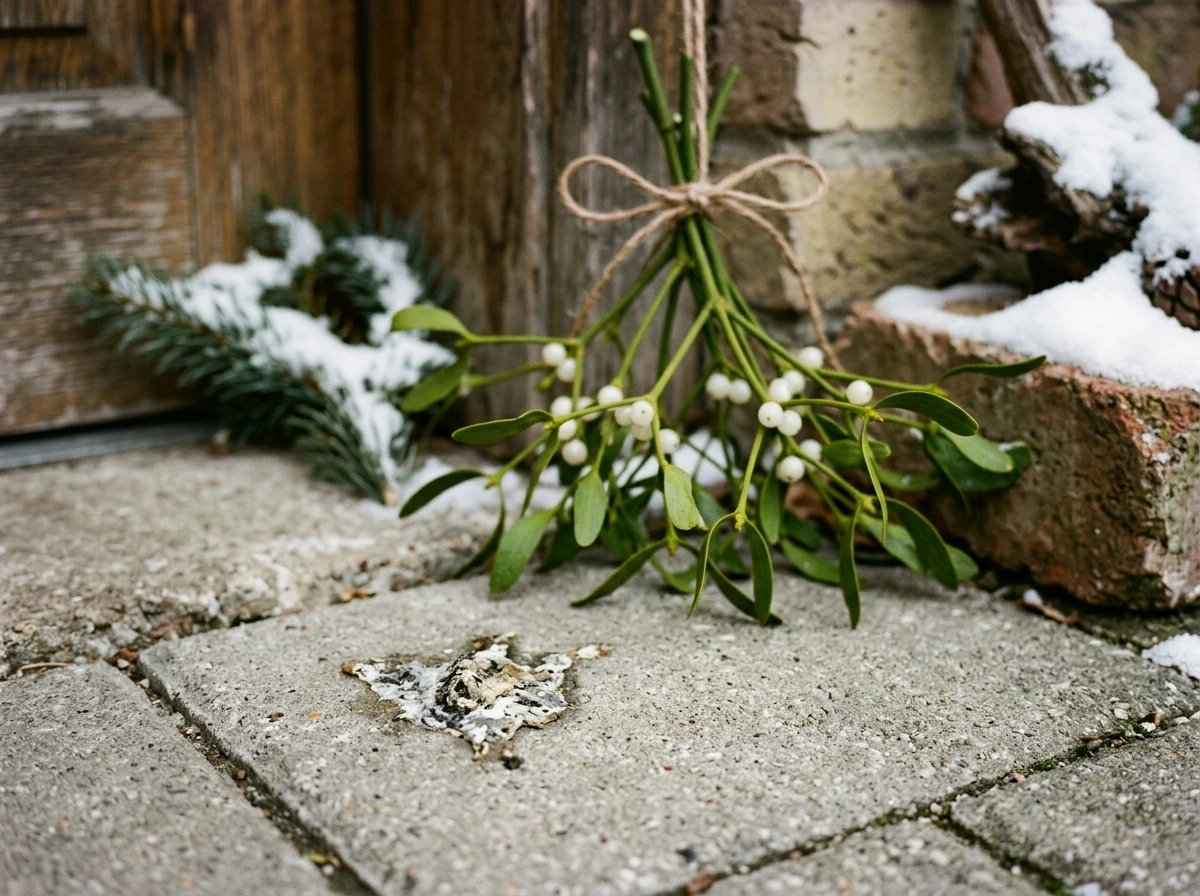
Bird poop has a surprisingly robust reputation as a good luck symbol across many cultures
The good luck belief around bird droppings landing on you is explored in more depth in other articles on this site, but the short version is that is getting pooped on by a bird good luck There is no scientific evidence that it changes your luck in any measurable direction, but if believing it makes a frustrating moment feel lighter, that is a perfectly reasonable coping mechanism. The good luck belief around bird droppings landing on you is explored in more depth in other articles on this site, but the short version is that is getting pooped on by a bird good luck and why is bird poop good luck are the same idea; there is no scientific evidence that it changes your luck in any measurable direction, but if believing it makes a frustrating moment feel lighter, that is a perfectly reasonable coping mechanism. If you are wondering about the luck side of it, see also "is a bird pooping on u good luck" as a related way people interpret the same droppings. If you want a comparison to the superstition angle, “is getting pooped on by a bird good luck” is another common phrasing people use for the same idea about luck.
Mistletoe's good luck and fertility symbolism goes back centuries, and the fact that it is literally grown from bird droppings has not historically dampened anyone's enthusiasm for hanging it in doorways. If anything, the life-from-waste narrative fits neatly into the broader human tendency to find meaning in unlikely places. That is all fine. What matters practically is that good luck symbolism does not disinfect a surface. Appreciate the folklore, then put on your gloves and clean it up.
The honest, evidence-based position is this: bird droppings near mistletoe are just bird droppings. They carry the same risks as bird droppings anywhere else, which for most people in most backyard situations is genuinely low. Handle them with basic precautions, clean them up properly, and do not let either cultural superstition or unnecessary anxiety distort your response in either direction.
FAQ
If it is sticky white/stringy near mistletoe, how can I tell whether it is berry pulp versus droppings?
Probably, but check the specific appearance cues. Fresh berry residue tends to be sticky and smear-like (translucent to milky), it does not usually form a chalky outer ring with a darker center. If you see powdery crusting, chalk-on-touch texture, or ammonia odor, treat it as bird droppings even if it is near mistletoe.
Can I pressure-wash bird droppings around mistletoe without increasing health risk?
Yes. If droppings are on gutters, roof shingles, or under eaves, a high-pressure washer can aerosolize particles. Stick to the wet-first method (dampen, wait briefly, wipe/scrape gently) and avoid blasting or dry sweeping, especially with older, heavily dried deposits.
Should I disinfect first, or remove material first, when cleaning suspected mistletoe-related droppings?
Not always, and that matters for timing and method. If the deposit is fresh or just damp, disinfecting immediately may be less important than preventing aerosolization, since you will wet it first and remove it. If it is dried and powdery (especially in a garage or enclosed porch), use the wet-first approach and apply disinfectant after removal, not before.
What if the droppings are on a frequently touched surface (front steps, car door handles, porch furniture)?
Take extra care with any surface that gets stepped on or rubbed, like entryways, porch railings, or car door edges. Even if the deposit is small, you can track particles indoors via shoes. Clean promptly using gloves, wet first, bag waste, and wash footwear if there is visible residue.
Do I need hazardous waste disposal for mistletoe-related droppings?
If it is a small amount on a hard, non-porous surface, regular household trash disposal is appropriate after double-bagging. However, if it involves a large area, heavy buildup, or porous materials like soil/unfinished wood, consider professional assessment since thorough decontamination may require specialized containment and PPE.
What should I do if I cannot tell whether the residue is only mistletoe berries, only droppings, or a mix of both?
For mixed messes, assume the risk profile of droppings until proven otherwise. Birds can leave droppings plus bits of berry pulp or leaves. If there is any powdery, chalky material or ammonia odor, use N95 and the wet-first cleanup, then disinfect after removing visible matter.
How should my cleanup precautions change if I am immunocompromised or pregnant?
If you are immunocompromised, pregnant, have a chronic lung condition, or the space is enclosed or poorly ventilated, the threshold is lower. Use the N95 and glove precautions, avoid stirring up dust, and consider delaying to a professional for anything beyond a very small spot or if you cannot safely isolate the area during cleanup.
What symptoms should prompt a doctor visit after cleaning bird droppings near mistletoe?
Watch for symptoms that fit respiratory illness in the days to weeks after exposure, especially fever, cough, shortness of breath, chest pain, fatigue (histoplasmosis), or persistent flu-like symptoms with respiratory involvement (psittacosis). If symptoms appear after cleaning large, dried accumulations, seek medical advice and tell the clinician about the bird droppings exposure.
What is the safest way to clean bird droppings off a car without damaging the paint?
Yes, especially on dry, elevated surfaces like car hoods or outdoor window trim. Acidic droppings can etch paint if they dry and bake, and aggressive wiping can scratch clear coat. Wet the spot (a damp cloth over the area for about 30 seconds) before lifting, then wash with pH-neutral car soap and rinse thoroughly.
If bird droppings end up inside, what is the safest next step when the mess is on carpet or drywall?
Prioritize surfaces that can create lingering exposure. For small indoor contamination, ventilate, then wet the material and wipe with disposable cloths. If residue got into porous materials (carpet, ceiling texture) or covers more than a small area, professional cleaning is often the safer choice because deep removal and containment may be needed.
Is smell a reliable way to decide whether something is mistletoe berry residue or droppings?
Do not rely on odor alone. Some fresh droppings smell stronger when disturbed, and berry residue can have mild plant scent. Use the physical cues (ammonia odor, chalky ring with darker center, powdery texture) and treat anything powdery or crumbly as droppings.