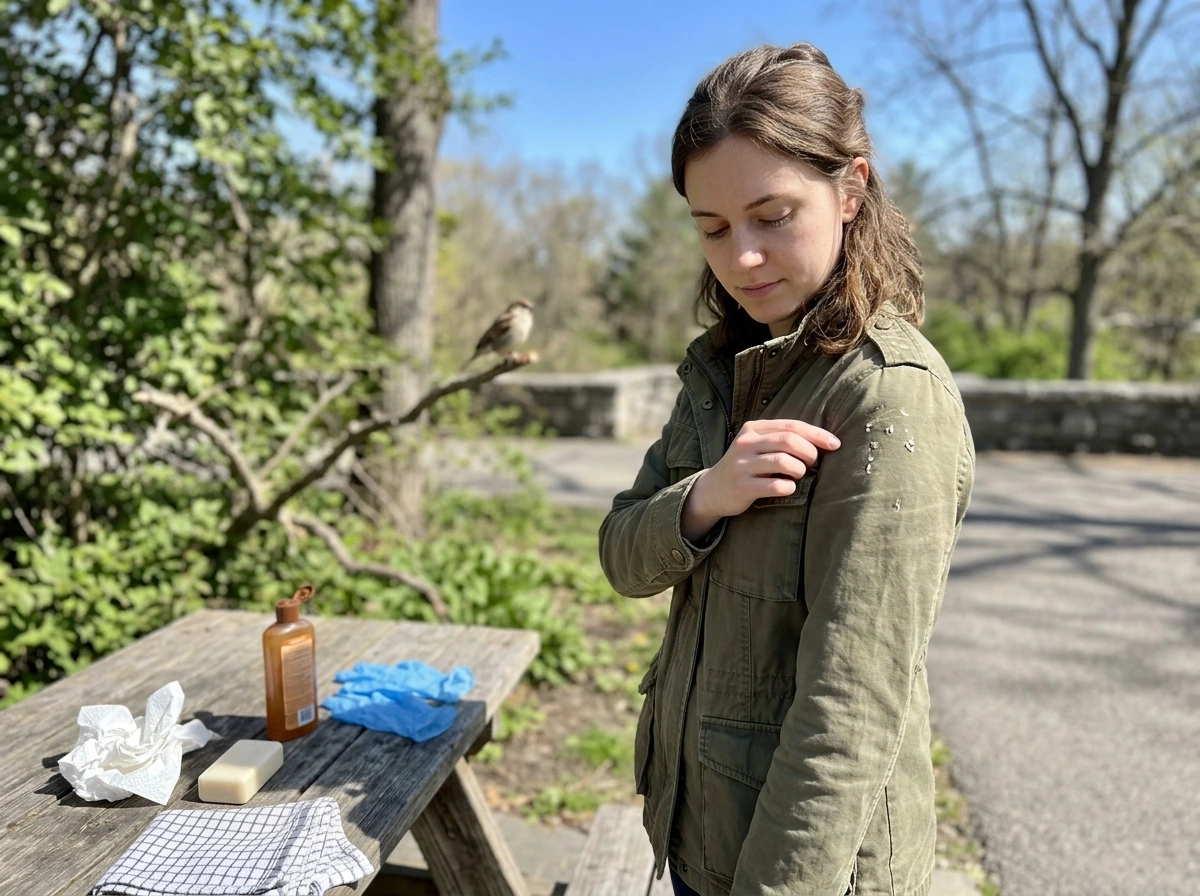
Short answer: No, bird poop being 'good luck' has no basis in Islam. In fact, Islamic theology is pretty direct about this. Believing that a bird dropping on you brings luck (or bad luck) falls under the concept of tiyarah, which the Prophet Muhammad explicitly condemned as a form of shirk, associating something other than Allah with power over your fate. That said, if a bird just decorated your shoulder or your car roof, you have some genuinely useful things to deal with: the Islamic etiquette around droppings, and the real but manageable health risks that come with bird feces. Let's walk through all of it.
Is Bird Poop Good Luck in Islam? Clean and Stay Safe

Marcus Fielding
23 Mar 2026
Islamic view on superstition and 'good luck' beliefs
The Arabic word tiyarah (also written at-tataiyur) refers to drawing omens from birds, and it has a long history in pre-Islamic Arabia. People would observe birds flying left or right before a journey and decide whether to proceed based on what they saw. Islam came and rejected this practice entirely. The hadith recorded in Sahih al-Bukhari states: 'There is no tiyarah, and the best omen is al-fal' (a good word or positive thought). Another well-known hadith, widely cited in 'aqidah literature, goes further: 'Whoever is turned back by at-tiyarah has committed shirk.' Birds are explicitly mentioned in these classical discussions of omens.
Ibn Mas'ud reported similarly: 'Tiyarah is shirk,' adding that Allah dispels the temptation toward such beliefs through tawakkul, meaning trust and reliance on Allah alone. Ibn Baz's compiled fatawa also directly addresses this, framing tiyarah alongside other Jahiliyyah (pre-Islamic ignorance) beliefs that Islam came to correct. The theological logic is consistent: assigning luck, fortune, or fate to a bird's behavior (or its droppings landing on you) shifts belief away from Allah and toward the bird. That is the definition of a problem in Islamic theology.
This doesn't mean you need to panic if the thought crossed your mind. Cultural superstitions about bird poop being good luck are widespread globally, and many Muslims encounter this idea from friends, coworkers, or social media. The Islamic guidance is simply not to adopt it as a belief. Islam also discourages taking bird poop on your head good luck as a belief, and instead focuses on cleaning up and trusting Allah. Laughing it off, cleaning up, and moving on is the appropriate response. Treating it as a genuine spiritual signal is where Islam draws the line.
Bird droppings in Islam: permissible etiquette and respectful handling
Islam does have a detailed framework for classifying bird droppings in terms of ritual purity (tahara), and the ruling actually depends on the bird. According to Hanafi fiqh, as explained by DarulIfta Birmingham and SeekersGuidance, the droppings of halal birds (birds that are permissible to eat, like chickens, pigeons, and parakeets) are considered tahir, meaning pure. They do not invalidate your wudu or prayer. The droppings of haram birds, on the other hand, are classified as najasat khafifah, a minor or light impurity.
For practical prayer purposes, SeekersGuidance notes that if any impurity is present on your clothing or body, you need to wash until the physical substance of the filth is removed before performing valid prayer. So if a pigeon dropped on your sleeve and you follow Hanafi fiqh, you technically have a pure substance to deal with, but washing it off before prayer is still the clean and sensible thing to do. If it came from a bird of prey or a haram bird, treat it as a minor impurity and rinse thoroughly.
Fiqh classifications aside, the broader Islamic principle of tahara encourages cleanliness as part of personal conduct. There is no spiritual merit in leaving bird droppings on yourself or your belongings. Clean it up promptly, for both ritual hygiene and plain good sense.
When bird poop is not 'good luck': health risks and disease concerns
Setting theology aside for a moment: bird droppings are not benign material. They can carry pathogens, some of which are genuinely worth knowing about. The CDC and NIOSH identify three main infectious disease risks associated with bird and bat droppings.
- Histoplasmosis: caused by Histoplasma capsulatum fungal spores that grow in droppings from birds (and bats). Spores become airborne when dried droppings are disturbed. The spores are tiny, 1 to 5 micrometers, easily inhaled, and can cause serious respiratory illness.
- Cryptococcosis: caused by Cryptococcus neoformans, a fungus also found in bird droppings, particularly pigeons. It can affect the lungs and, in immunocompromised individuals, the central nervous system.
- Psittacosis: caused by Chlamydia psittaci, a bacterium transmitted via aerosolized dried droppings or respiratory secretions, primarily from parrots, cockatiels, and other psittacine birds.
The NYC Department of Health provides helpful context here: routine cleaning of small amounts, like a few droppings on a windowsill, does not typically pose a serious health risk for healthy adults. The risk increases significantly when you are dealing with large accumulations of dried droppings, enclosed spaces with poor ventilation, or if you are immunocompromised. The CDC also notes that large deposits may need to be handled by specialized hazardous-waste professionals rather than tackled with a broom and some paper towels.
The main danger vector is aerosolization: disturbing dried droppings without proper precautions sends those spores into the air you breathe. That is why the cleanup method matters enormously.
Safety first: how to clean bird droppings safely
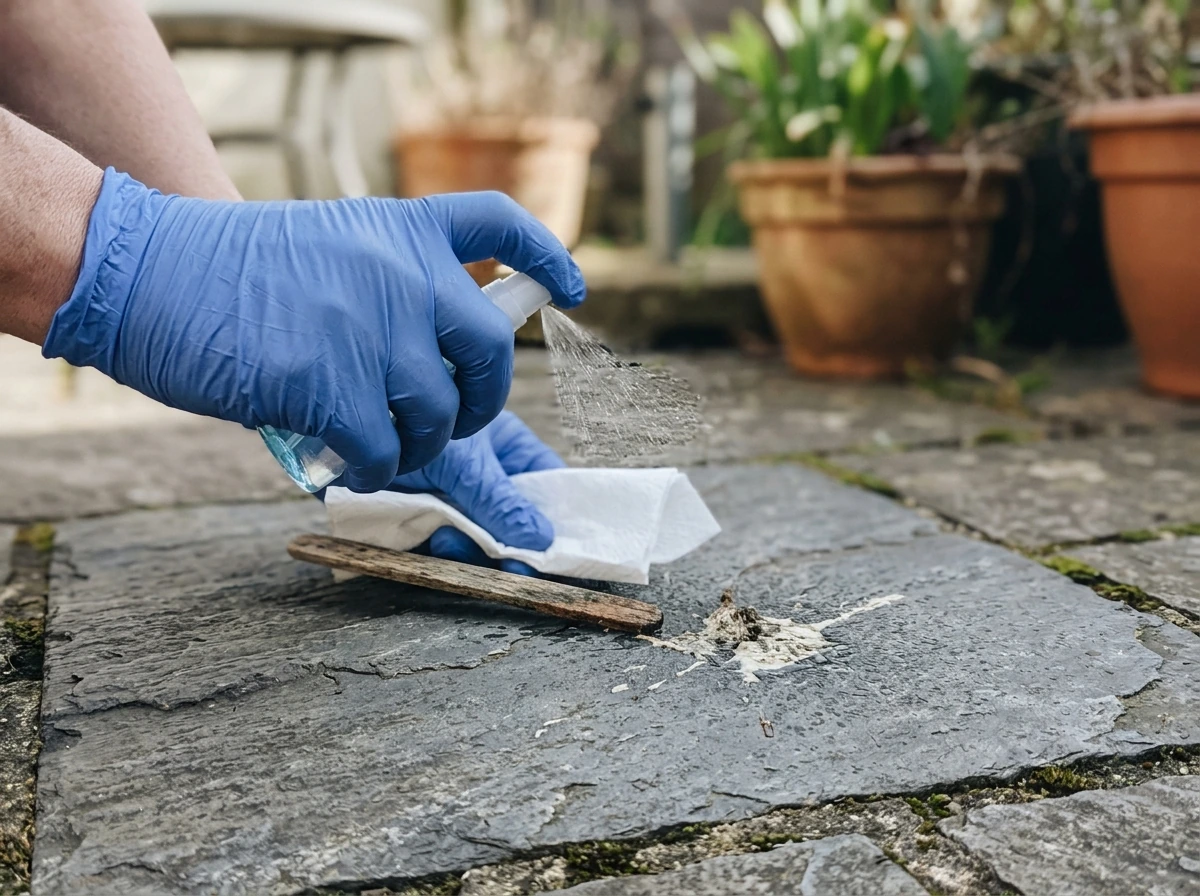
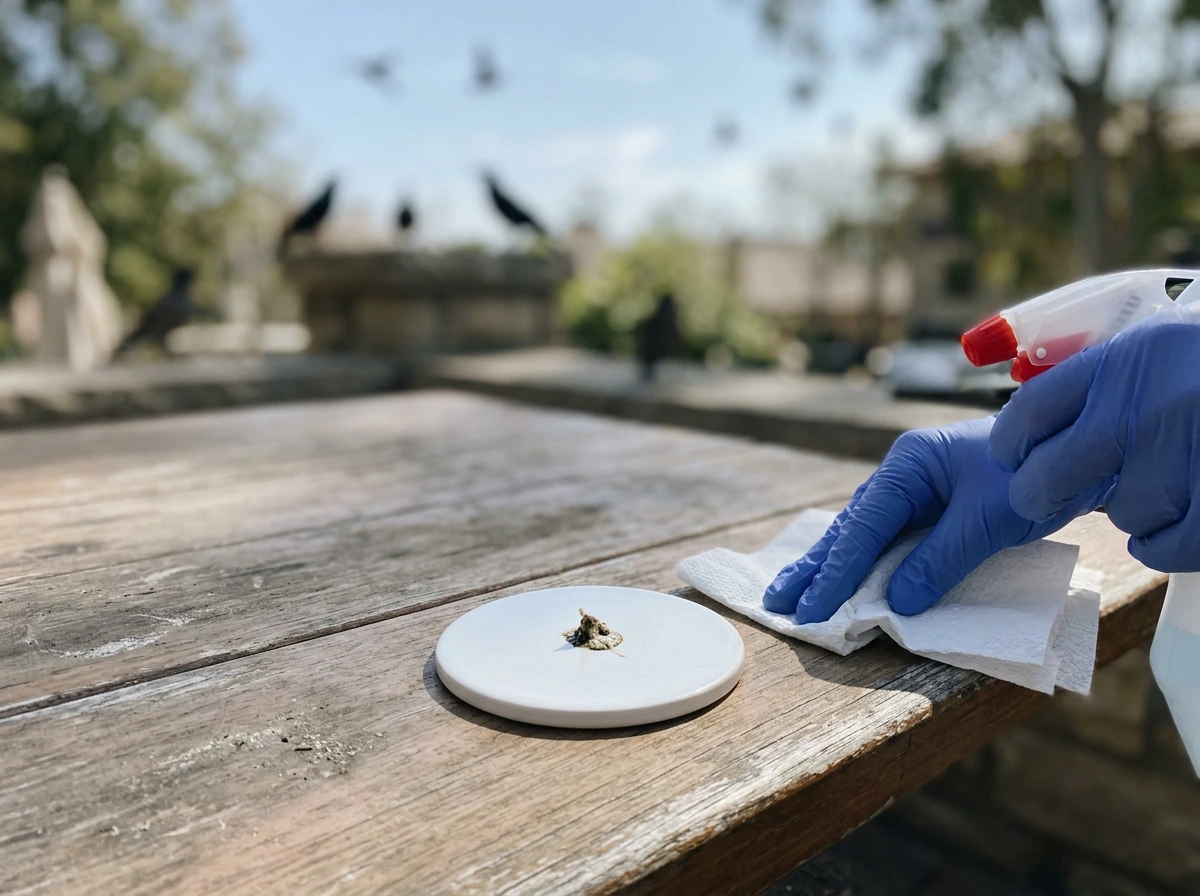
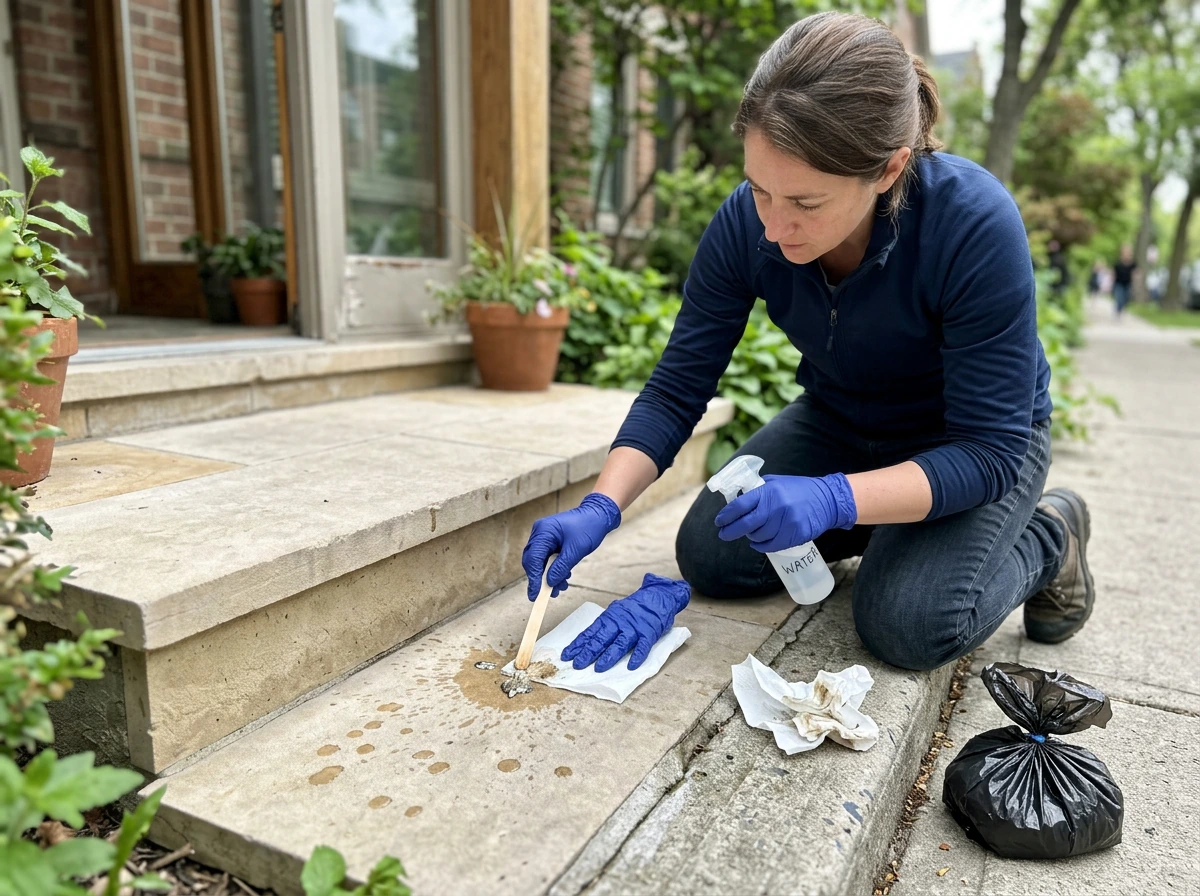
The single most important rule is: wet before you touch. Wetting droppings first prevents the spores and bacteria from becoming airborne. Here is how to handle the most common scenarios.
On clothing or shoes
- Let it dry slightly if it just landed (wet droppings smear more), then scrape off the bulk with a disposable tool like a stick or popsicle stick.
- Rinse the area with cold water first. Hot water can set the stain into fabric.
- Wash the clothing item normally in the washing machine with detergent. Hot water and detergent are effective for killing pathogens on fabric.
- For shoes, wipe with a damp disposable cloth or paper towel, then clean with soapy water. Dispose of the cloth or towel in a sealed bag.
- Wash your hands thoroughly with soap and water immediately after.
On car exteriors
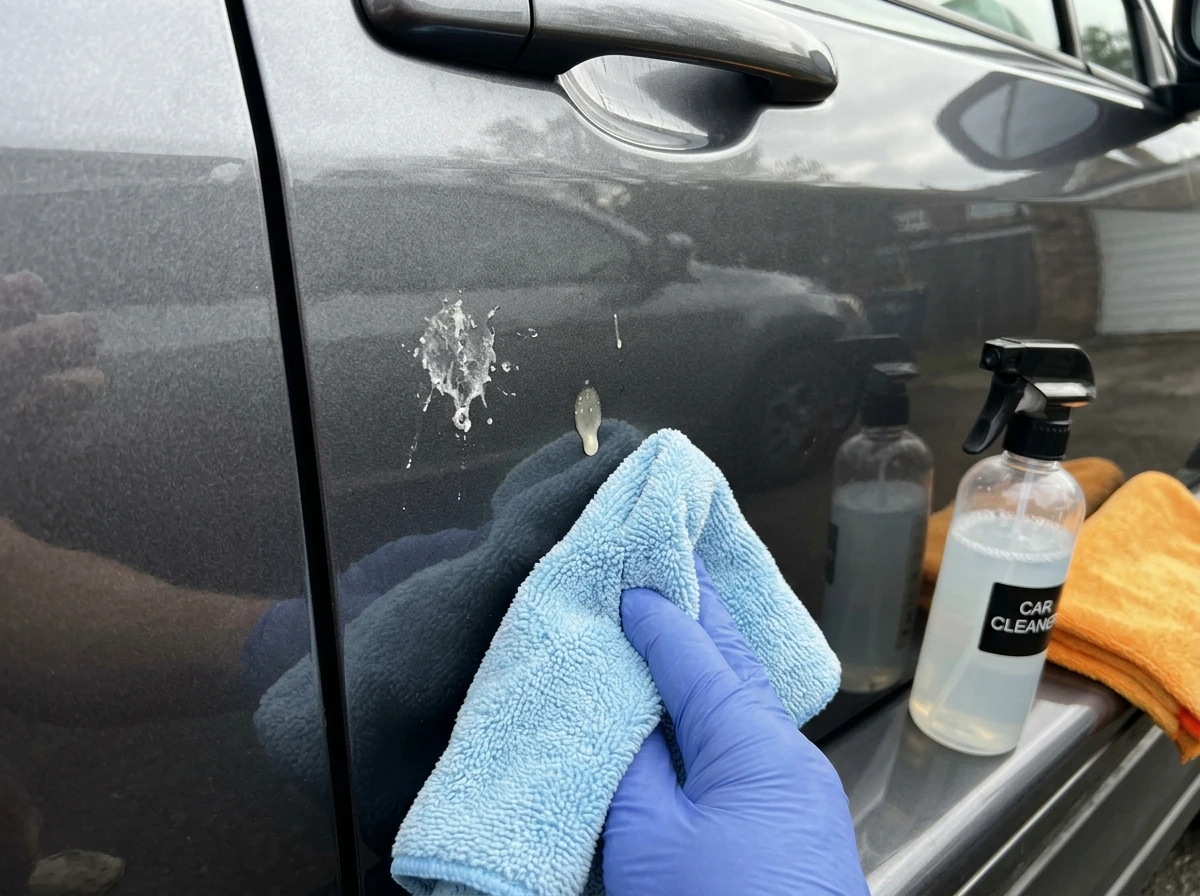
Bird droppings are acidic and can etch into car paint, especially in hot weather, so speed matters here for your wallet as much as your health. For a fresh dropping, blot gently with a damp microfiber cloth, do not rub (rubbing grinds particles into the paint). For dried droppings, soak with a damp cloth for a minute or two to rehydrate before gently wiping away. Follow up with a car-safe cleaning spray. Never scrape dried droppings off a car dry, both because of the paint damage risk and because it can release particles into the air.
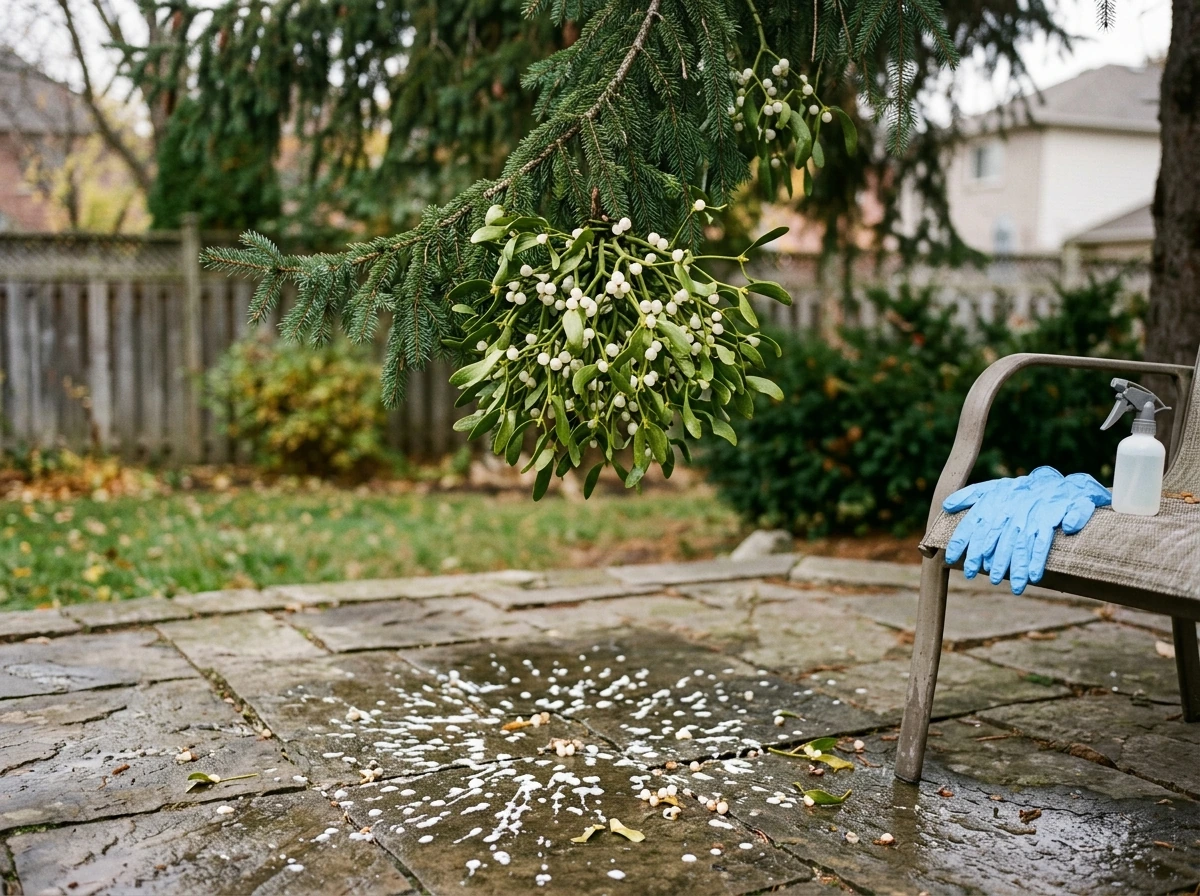
On outdoor surfaces (patios, decks, windowsills, garden furniture)
- Put on disposable gloves and, for larger accumulations, an N95 or NIOSH-approved respirator mask and eye protection.
- Wet the surface thoroughly with water or a diluted disinfectant solution before disturbing anything. The CDC's psittacosis prevention guidance specifically recommends wetting surfaces before cleaning bird cages and enclosures.
- Wipe or scrape the moistened material into a disposable bag. Seal the bag before disposing.
- Disinfect the surface with an appropriate household disinfectant.
- Remove gloves carefully (turning them inside out as you pull them off), bag them, and wash your hands thoroughly.
Large accumulations or enclosed spaces
If you have a significant buildup of droppings in an enclosed space, like an attic, basement, or storage area used by roosting birds, do not DIY this. The CDC and NIOSH are explicit: large amounts may require cleanup by specialized hazardous-waste handling professionals with appropriate PPE including full respirators, disposable coveralls, and protective shoe coverings. For smaller outdoor accumulations, at minimum use an N95 respirator, gloves, and eye protection, ensure the area is well-ventilated, and use the wet-clean method throughout.
What to do after contact or accidental exposure
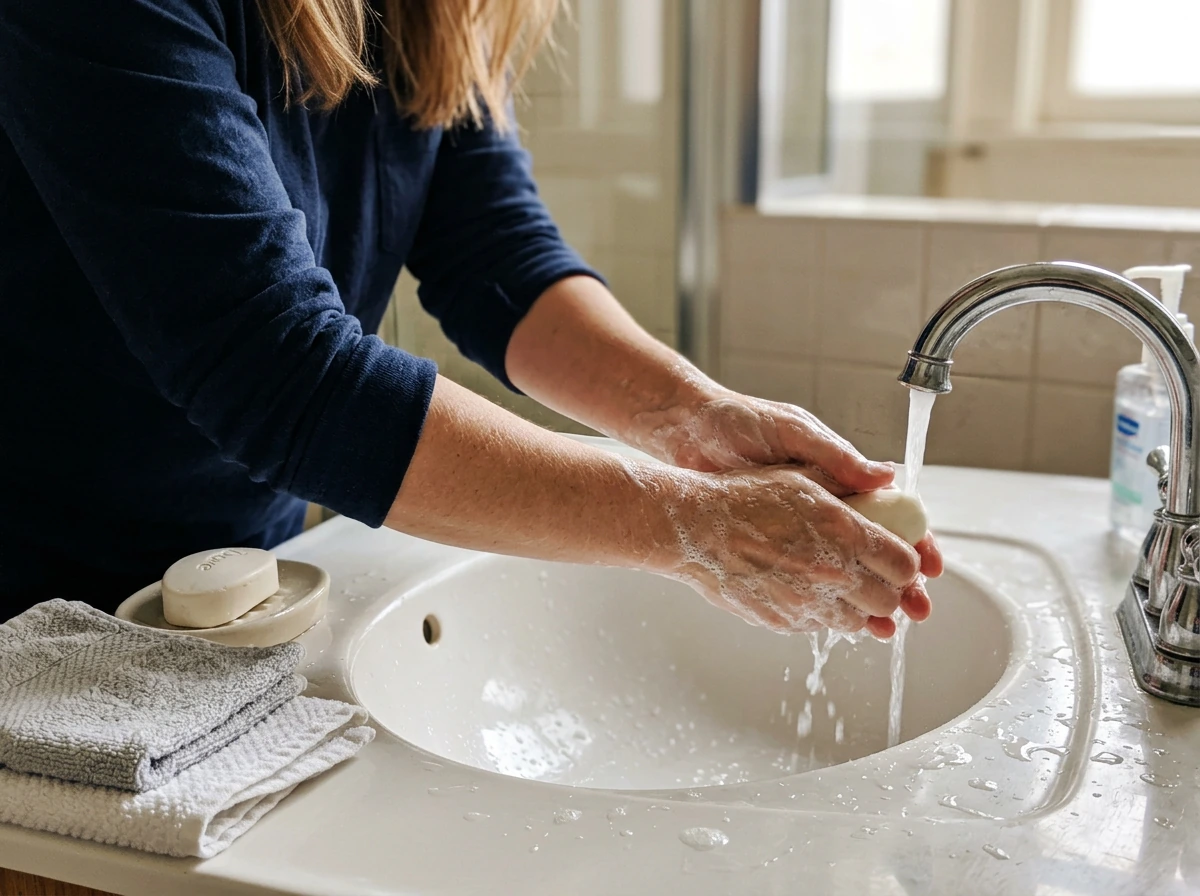
Accidents happen. You grabbed the railing without looking, or a bird scored a direct hit on your face. Here is what to do in specific situations.
| Exposure type | Immediate action | When to seek medical advice |
|---|---|---|
| Skin contact (hands, arms, body) | Wash the area immediately with soap and water for at least 20 seconds. Avoid touching your face before washing. | If you develop a rash, swelling, or irritation that persists beyond 24 to 48 hours, or if you are immunocompromised. |
| Eye splash | Rinse the eye immediately with clean running water or saline for 10 to 15 minutes. Remove contact lenses first if present. | See a doctor or visit urgent care the same day. Eye exposure to bird droppings carries a real infection risk. |
| Accidental ingestion (getting it in your mouth) | Spit it out immediately, rinse your mouth thoroughly with water several times. Do not swallow the rinse water. | Contact a healthcare provider or poison control. Mention the exposure. Watch for fever, nausea, or respiratory symptoms in the following days. |
| Inhalation (breathing in dust from disturbed droppings) | Move to fresh air immediately. Remove any contaminated clothing. | Seek medical advice if you develop fever, cough, chest tightness, or flu-like symptoms within 3 to 17 days. Tell the doctor about the potential exposure so they can consider histoplasmosis or psittacosis. |
| Touching droppings then touching face | Wash hands and face with soap and water immediately. Clean any areas touched. | Monitor for symptoms. If you have a weakened immune system, consider a call to your doctor as a precaution. |
For most healthy adults, a brief accidental skin contact with bird droppings, followed by proper handwashing, is unlikely to cause illness. The CDC's general guidance is straightforward: wash your hands after touching birds, their droppings, or items in their cages. The risk profile rises if you have prolonged exposure, inhale disturbed material, or have an underlying health condition that affects your immune system.
Practical takeaways: balancing faith, superstition, and evidence-based care
If you came here wondering whether <a data-article-id="06C505DE-5C89-446F-8E54-67BE02D3EBA7">bird poop on your head good luck</a>, the honest answer is: Islam does not support that belief, and its theology actively discourages assigning luck to such events. Islam also discourages treating a bird dropping as a sign of good luck, and instead encourages cleaning it up and relying on Allah bird poop on your head good luck. If you are wondering whether that superstition counts as a real “good luck” sign, the Islamic answer is no bird poop on your head good luck. The concept of tiyarah covers exactly this kind of omen-reading from birds, and multiple authentic hadiths classify it as shirk when it shapes your beliefs or decisions. The appropriate Islamic response to a bird dropping on you is to clean up, say Alhamdulillah if you are inclined, and get on with your day, with full trust that your good fortune or hardship comes from Allah, not from a pigeon. why is bird poop good luck. is bird poop najis. is mistletoe bird poop
On the practical side, bird droppings are manageable but not entirely trivial. Small amounts on surfaces, clothing, or your skin require basic hygiene: wet the material before disturbing it, clean thoroughly with soap and water or appropriate disinfectant, wear gloves for surface cleaning, and always wash your hands. Larger accumulations, especially in enclosed spaces, warrant professional cleanup.
If you are also curious about related questions, like whether bird droppings are considered najis (ritually impure) in Islamic law, or why people wonder about bird poop on the head specifically, those topics connect directly to the ritual purity framework discussed here, and the answer varies depending on the bird species and the school of fiqh you follow.
The bottom line is a simple two-step: don't let it change your beliefs, and do clean it up carefully. That covers both the faith angle and the practical one, which is really all you need to walk away from this with confidence.
FAQ
If I think bird poop is good luck, does that affect my belief or prayer?
In Islamic terms, you should not treat it as an omen that changes your plans. Instead, follow your usual decision-making, then clean up. If the thought of “luck” makes you hesitate, do not base travel or work choices on it, because tiyarah is the omen-reading Islam rejects.
Does the religious ruling change if the dropping is fresh versus dried?
No, the ruling on ritual purity depends on what type of bird it came from, not on whether it “seems fresh” or “good luck.” A halal bird’s droppings are treated as pure in many Hanafi positions, while droppings from haram birds are treated as a (light) impurity, but either way, washing remains the clean and safest option before prayer.
What if I am not sure I cleaned bird droppings completely off my clothes or body, can I pray?
Yes, you can still pray after cleaning, but you need to remove the visible physical substance first, according to the fiqh approach mentioned in the article. If you are unsure whether it’s been fully removed, wash the affected area again until you are confident there is no leftover material.
What should I do if bird droppings get on my phone, bag, or other items I carry to prayer?
If bird droppings land on your phone, bag, or other items, treat it as an ordinary impurity on surfaces: wet it first, wipe, then clean with an appropriate cleaner. For prayer, what matters is your contact area during worship, so you should ensure the part that touches your clothes or body is cleaned.
I don’t know what bird it was, what is the safest fiqh approach for cleanliness and prayer?
If the bird was unknown, many Muslims choose a cautious approach: rinse and wash the affected area, then pray. This avoids taking a risky guess about species. You do not need to obsess over “perfect” certainty, just remove the substance and clean properly.
What should I do if bird droppings splash into my eyes, mouth, or on my face?
If it gets into your eyes or mouth, that’s not a “luck” issue, it’s hygiene and potential infection risk. Rinse your eyes with clean water and wash your mouth thoroughly, then seek medical advice if you develop symptoms like eye irritation, fever, or breathing issues, especially for children or anyone immunocompromised.
Is it okay to scrape or vacuum bird droppings off the floor or driveway?
Use the wet-clean method. Avoid dry scraping, sweeping, or shaking, because dried material can become airborne. If there is a small amount on a surface, wet it, wipe gently, then disinfect or clean with an appropriate cleaner; if there’s a large buildup in an enclosed roosting area, leave it to professionals.
How worried should I be after touching bird droppings once, what signs mean I should get checked?
For small accidental contact, the key step is washing hands after touching droppings or contaminated items, as the article notes. If you handled it a lot, had prolonged exposure, inhaled disturbed dust, or have immune problems, consider contacting a clinician for tailored advice.