Chlorine can kill the bacteria and viruses found in bird droppings, but it won't do it reliably just by splashing some pool water on the mess. The catch is organic matter: the solid waste in bird droppings physically blocks chlorine from reaching and killing pathogens underneath it. You have to remove the bulk of the droppings first, then apply a proper chlorine solution at the right concentration, and then let it stay wet on the surface for the full contact time listed on the label. Skip any of those steps and you're mostly just cleaning around the problem.
Does Chlorine Kill Bird Poop? Safe Cleanup Steps Today

Marcus Fielding
23 May 2026
Chlorine vs organic matter: why it's not as simple as a squirt
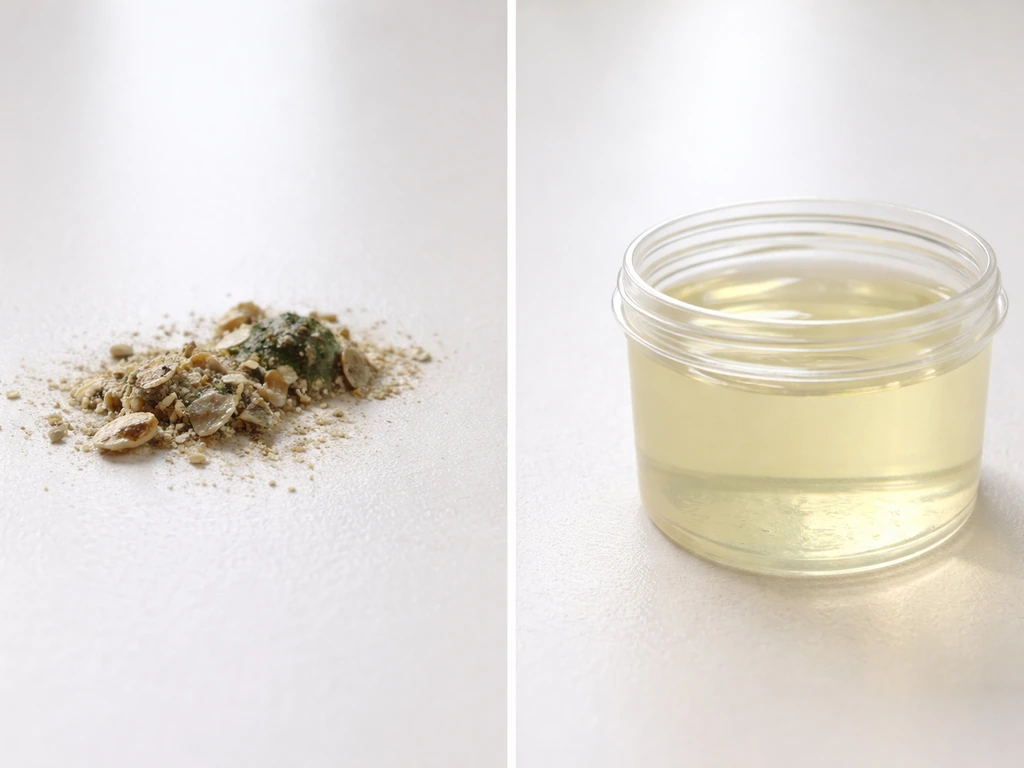
Chlorine works by chemically oxidizing the cell walls and proteins of pathogens. The problem is that organic material, and bird droppings are packed with it (uric acid, feces, feather debris, undigested food), consumes that oxidizing power before it ever reaches the germs hiding underneath. The WHO is straightforward about this: surfaces and items cannot be disinfected if they are not first cleaned of organic matter like excretions, secretions, dirt, and soil. That's not a technicality. It's the difference between actually sanitizing something and just making it look cleaner.
Pool chlorine is typically sodium hypochlorite or calcium hypochlorite, the same active compound found in household bleach, just at a different concentration. Household bleach sold for cleaning is usually around 5% sodium hypochlorite. Pool shock products can run significantly higher. For disinfecting purposes, you're generally working with diluted solutions in the range of 500 to 5,000 ppm free chlorine, which translates roughly to a 1:100 to 1:10 dilution of standard 5% bleach, depending on how heavily contaminated the surface is. The key variables that determine whether chlorine actually kills what you're targeting are: concentration, contact time, surface type, and how much organic material you cleared before applying it.
Contact time is worth emphasizing because people consistently underestimate it. The EPA is clear that if a disinfectant label lists a 10-minute contact time, the surface needs to stay visibly wet for the full 10 minutes. Most people spray, wipe immediately, and move on. That doesn't count as disinfection. Bird flu (avian influenza H5N1) is a real concern with wild bird droppings, and the WHO confirms that sodium hypochlorite does inactivate avian influenza virus, but only when used at the correct dilution and with proper contact time. It's not magic. It's chemistry, and chemistry has rules.
How to use pool chlorine safely on bird droppings
This step-by-step applies to hard outdoor surfaces like patios, paths, decking, and driveways. Car paint requires a different approach (more on that below). Before you start, gear up: disposable gloves, a basic face mask or respirator, and eye protection. Do not underestimate the aerosol risk from dry droppings.
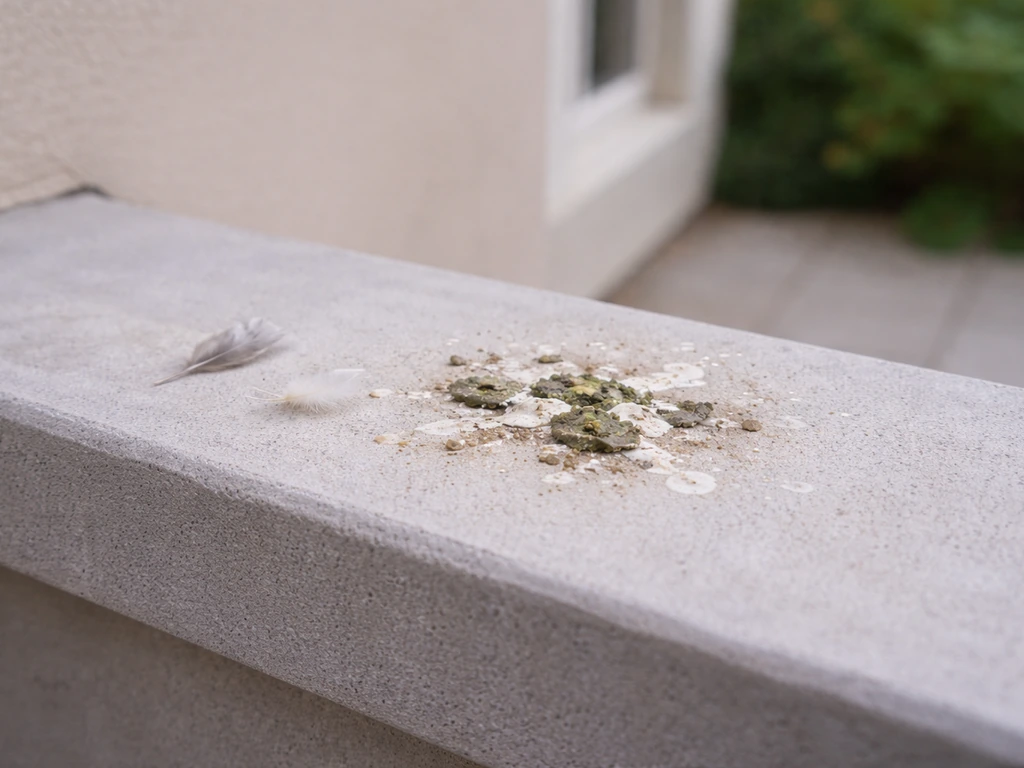
- Don't dry-sweep or vacuum. Disturbing dried bird droppings sends contaminated dust and particles into the air, which is exactly how respiratory infections from bird waste happen. The CDC specifically warns against stirring up bird waste and feathers during cleanup. Wet the droppings first.
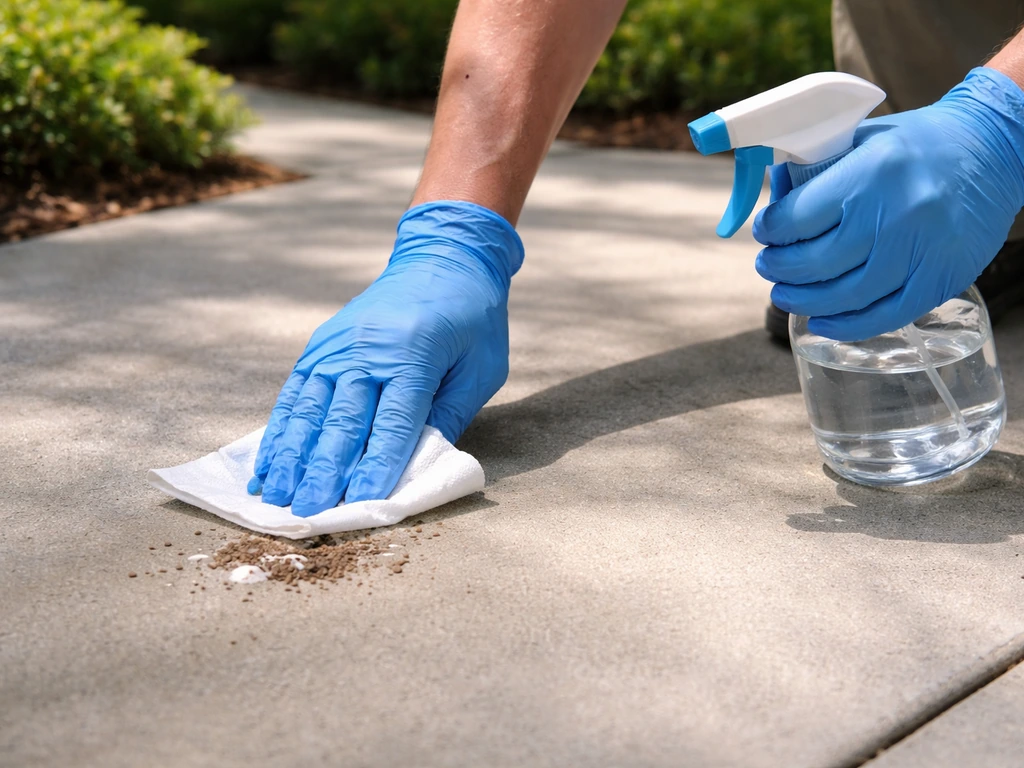
- Wet the droppings thoroughly. Use plain water from a spray bottle or garden hose on a low-pressure setting. Let it soak for a minute or two to soften the material. This prevents aerosolization and makes removal easier.
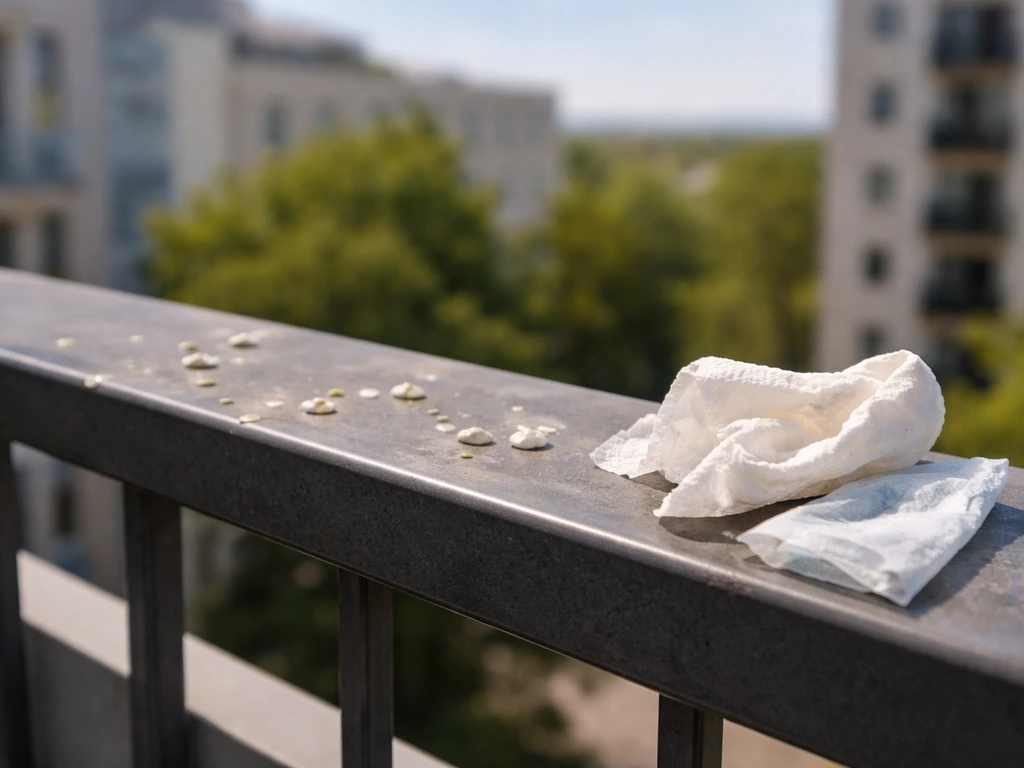
- Remove the bulk of the droppings. Scoop or wipe up the softened material with paper towels or disposable cloths. Bag and seal the waste. Avoid reusable rags unless you're prepared to disinfect them afterward.
- Prepare your chlorine solution. For a moderate contamination situation, dilute standard household bleach (5% sodium hypochlorite) at roughly 1 part bleach to 100 parts water (500 ppm). For heavier contamination or a large area, go up to 1:10 (5,000 ppm). If you're using granular pool shock, check the label for equivalent dilution guidance and stick to it.
- Apply the solution generously. Spray or pour it so the surface is visibly wet. The CDC's guidance on urine and droppings cleanup is to spray until the area is very wet, then let it sit.
- Let it sit for the full contact time. At minimum, 10 minutes for most bleach solutions. Keep it wet the whole time. If it dries out before 10 minutes, reapply.
- Wipe up and rinse. Use fresh paper towels, dispose of them sealed in a bag, and rinse the area with water, especially if it's near a garden, storm drain, or area where pets walk.
- Wash your hands thoroughly with soap and water after removing gloves. Don't touch your face during cleanup.
A note on car paint and delicate surfaces
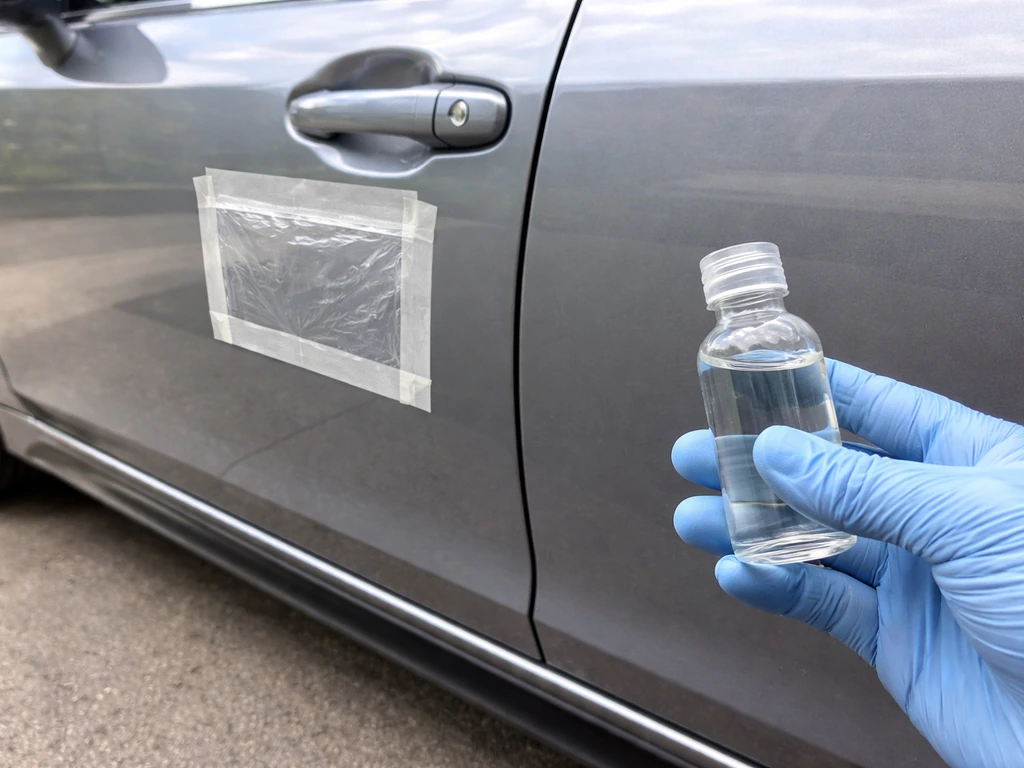
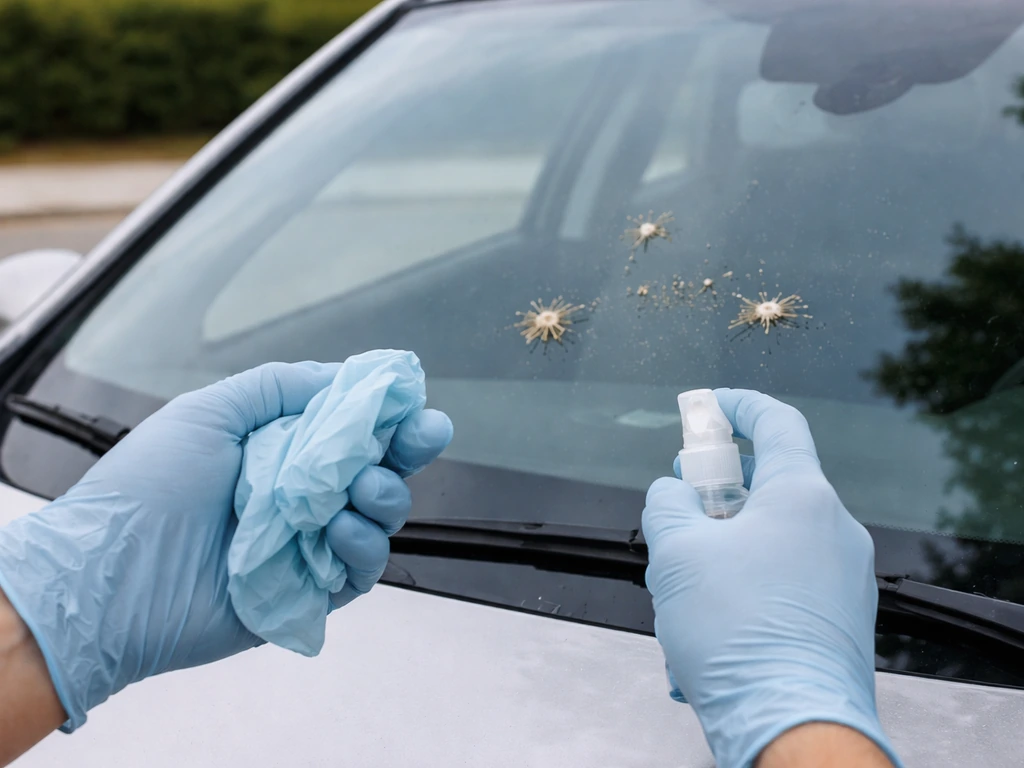
Do not apply chlorine bleach or pool chemicals to car paint, metal fixtures, natural stone, or colored grout. Bleach will damage paint, cause corrosion on metal, and bleach out surfaces. For cars, the safest approach is to soak the droppings with warm water, gently lift them with a soft cloth or dedicated car-cleaning wipe, and follow up with a car-safe surface disinfectant or a rinse with soapy water. Bird droppings are acidic and can etch clear coat quickly, so speed matters more than disinfectant choice here.
If chlorine isn't the right tool, here's what works instead
Chlorine isn't always appropriate, and honestly, for most everyday bird dropping situations, you don't need it. The CDC's own guidance notes that in most situations, cleaning with soap and water removes the majority of germs. Disinfection on top of cleaning is the extra step for higher-risk situations, like large accumulations, proximity to people who are immunocompromised, or known sick birds in the area.
| Method | Best For | Pros | Cons |
|---|---|---|---|
| Soap and water | Most everyday situations, small amounts | Safe for all surfaces, removes most germs, no residue risk | Not a disinfectant on its own |
| Diluted bleach (household) | Hard outdoor surfaces, high-risk situations | Kills bacteria, viruses including H5N1, inexpensive | Damages paint/metal, requires contact time, environmental runoff risk |
| EPA-registered disinfectant sprays | Surfaces needing verified pathogen kill claims | Label-verified efficacy, some are surface-safe | Cost varies, still requires pre-cleaning |
| Enzymatic cleaners | Odor elimination, organic breakdown on wood/decking | Breaks down uric acid, great for odor, surface-friendly | Not a primary disinfectant |
| Steam cleaning | Porous surfaces, large areas, no chemicals preferred | High heat kills pathogens without chemicals | Equipment needed, not practical for small jobs |
For persistent odor, especially on decking or outdoor furniture, enzymatic cleaners are genuinely the better choice over bleach. They break down the uric acid compounds in bird waste that cause the lingering smell. Bleach masks odor temporarily but doesn't remove the organic material causing it. If you're dealing with a large accumulation from a roosting site, consider a steam cleaner before any disinfectant, since the heat alone will kill most pathogens and the steam loosens caked-on material without aerosolizing it the way dry brushing does.
If you need an EPA-registered disinfectant but want to avoid bleach, look for products with label claims against influenza A viruses specifically. The CDC recommends following manufacturer directions on dilution and contact time rather than guessing. The CDC recommends following the manufacturer’s directions for dilution and contact time when using an EPA-registered disinfectant rather than guessing. These products exist in spray form and are often safer for a wider range of surfaces than chlorine solutions.
The actual health risks you should know about
Bird droppings can carry a range of pathogens, and the risk level varies a lot depending on the bird species, the volume of droppings, and how you're exposed. The biggest respiratory concern is Histoplasma capsulatum, a fungal pathogen that lives in soil enriched by bird (and bat) droppings and causes histoplasmosis when spores are inhaled. This is more of a risk in large accumulations, like under a long-used roosting site, than from a single dropping on your patio.
Avian influenza (bird flu) is a legitimate concern if you're handling droppings from wild waterfowl or from a backyard flock that shows signs of illness. The CDC advises backyard flock owners to wear gloves, masks, and eye protection when cleaning up after birds, and to avoid stirring up dust and waste material. Salmonella and Campylobacter are also present in bird feces and can cause gastrointestinal illness through hand-to-mouth contact, which is why thorough handwashing after any cleanup is non-negotiable.
If you've had direct skin contact with bird droppings, wash the area well with soap and water. If droppings got in your eyes or mouth, rinse with clean water immediately and consider contacting a healthcare provider, especially if the bird appeared sick or the droppings came from a large roosting area. For most brief, incidental contact, the risk is low, but it's not zero, and that's why cleaning properly matters more than panicking. Whether bird poop is good for your hair depends on the same hygiene and pathogen concerns, so treat it as unsafe rather than a beauty ingredient cleaning properly matters. If you mean using bird droppings as a home remedy, the infection risks are real and that approach is not considered skin-safe is bird poop good for your skin.
It's worth knowing that bird droppings affect more than just the surfaces you clean. The same uric acid that can damage car paint and potentially burn skin with prolonged contact is part of what makes bird waste both a nuisance and a genuine irritant on contact with sensitive surfaces. The concentrated nitrogen in droppings also affects plants differently depending on quantity, which is a separate conversation worth exploring if you're worried about garden or lawn exposure. Because the nitrogen and uric acid in bird droppings can stress or burn grass, you should treat lawn spots quickly affects plants differently. Because bird poop is high in nitrogen and uric acid, it can damage or even kill plants when enough droppings land on them in concentrated amounts bird poop kill plants. If you're wondering about lawn use, the key question is whether bird poop is good for grass, since the nitrogen content and mess can affect growth and can also pose contamination risks bird waste both a nuisance and a genuine irritant.
Cleanup do's and don'ts
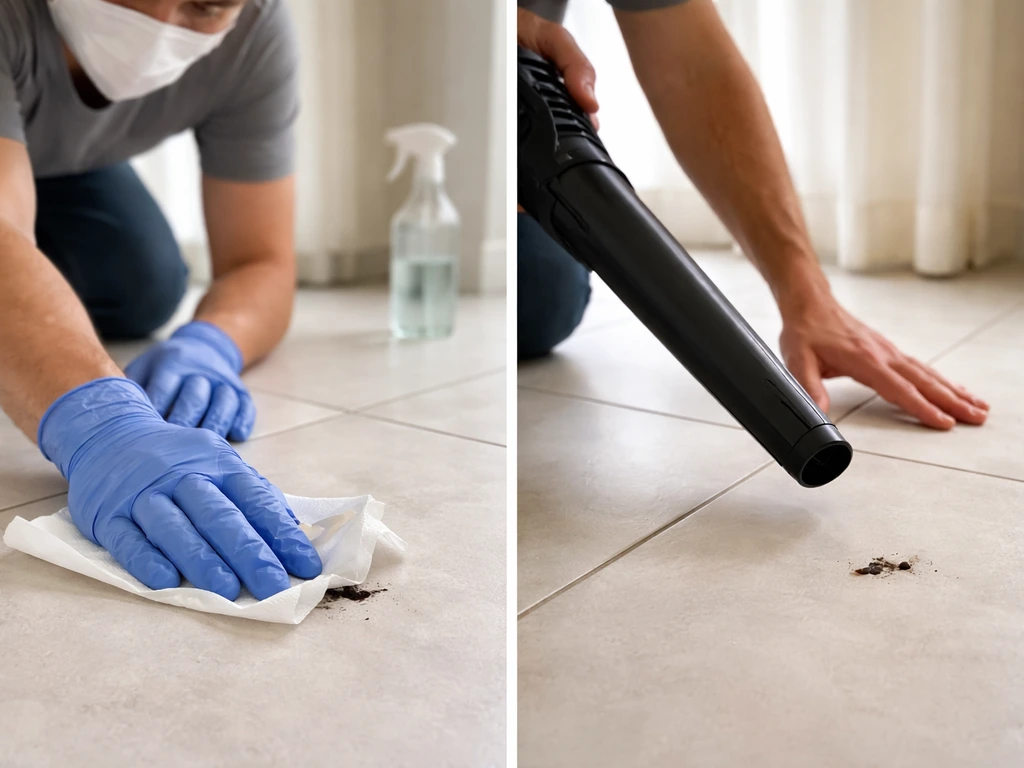
Do these things
- Always wet droppings before attempting to remove them to prevent dust and aerosol inhalation.
- Wear gloves and a mask, even for small amounts, especially if you're cleaning in an enclosed or poorly ventilated area.
- Pre-clean (remove the bulk of droppings) before applying any disinfectant. Chlorine or any disinfectant needs a clean surface to work on.
- Let disinfectant solutions stay visibly wet on the surface for the full contact time listed on the label, typically at least 10 minutes for bleach.
- Dispose of cleanup materials (paper towels, gloves, cloths) in sealed bags.
- Wash hands thoroughly with soap and water after cleanup, even if you wore gloves.
- Use enzymatic cleaners for odor control, especially on porous surfaces like wood and concrete.
Don't do these things
- Don't dry-sweep, vacuum, or use a leaf blower on dried droppings. You'll inhale contaminated particles.
- Don't apply bleach or pool chlorine to car paint, metal, natural stone, or colored surfaces. It will cause damage.
- Don't assume a quick spray of chlorine is enough without pre-cleaning. It isn't.
- Don't let bleach solution run into storm drains, ponds, or garden beds. Chlorine is harmful to aquatic life and can damage plant roots.
- Don't use bleach solutions on urine spills (CDC guidance); stick to other EPA-registered disinfectants for those.
- Don't touch your face during cleanup, even if you think you're being careful.
- Don't ignore a large accumulation under a roosting site. That kind of heavy, concentrated waste warrants a respirator (N95 minimum) and more thorough protocols than a casual cleanup.
FAQ
If I spray pool chlorine on bird droppings, will it disinfect them?
Not reliably. Bird droppings need to be physically cleaned off first, then chlorine must remain wet for the full label contact time. If you wipe immediately or the surface dries, you may remove visible waste but not disinfect what is underneath.
How long does chlorine need to stay on bird poop to actually work?
Rinse and re-wet if it dries early. For disinfection, the surface needs to stay visibly wet for the entire contact time listed on the product label, so plan to reapply enough solution to keep it wet, then let it air dry or rinse if the label requires it.
What concentration of chlorine should I use for bird poop cleanup?
Chlorine solutions can be stronger than you think, and higher concentration does not replace contact time. If you mix too weak, it may not work, too strong increases damage risk on surfaces and can irritate skin and lungs, so use the dilution guidance that matches your product.
Is it safer to wipe dried bird droppings or to rinse them off?
Yes, the risk is mostly tied to aerosols from dry material. Avoid dry sweeping or blasting with a hose on high pressure, because that can create airborne dust and fine particles, which is a bigger respiratory concern than short accidental contact.
Do I need to clean first, or can I disinfect immediately?
Do a two-step process. First, remove the majority of droppings with a disposable method (paper towel and gloves), then clean the area with soap and water, and only then consider a disinfectant step if it is a high-risk situation.
Can I use bleach or pool shock on car paint or metal trim to kill germs?
It depends on the surface. Chlorine is not appropriate for car paint, metal fixtures, natural stone, or colored grout, because it can cause corrosion, discoloration, and surface damage. For cars, warm water and gentle removal, then a car-safe disinfectant or thorough soapy rinse is the safer approach.
Why does chlorine sometimes fail to remove the smell from bird poop?
Enzymatic cleaners tend to be better for odor because they break down uric-acid compounds rather than just bleaching the smell temporarily. Chlorine can leave the odor behind if the organic material is still present, especially on porous decking.
Does chlorine prevent histoplasma from bird droppings?
For histoplasmosis risk, the main concern is inhaling spores from large accumulations, especially in enclosed or sheltered areas under roosts. If you are dealing with heavy buildup, consider steam cleaning first to loosen material and reduce aerosolization, then disinfect only after cleaning.
What should I use instead of chlorine if I want an influenza A kill claim?
If you need an EPA-registered option without bleach, choose products with label claims against influenza A viruses and follow dilution and contact time exactly. Those label-specific claims are more dependable than guessing with household bleach.
Is it safe to use bird droppings on skin or hair because chlorine kills germs?
Do not treat it like food or personal-care contamination. For hair or skin, the same pathogen and irritant concerns apply, so the safe move is washing with soap and water, and avoid home remedies that use droppings as an ingredient.
What should I do if bird droppings splashed into my eyes or mouth?
If you get droppings on your skin, wash promptly with soap and water. If it got into your eyes or mouth, rinse with clean water immediately and consider contacting a healthcare provider, especially if the birds were sick or the cleanup involved a large roosting area.
When is disinfecting overkill, and when should I take extra precautions?
Large accumulations and proximity to immunocompromised people are the biggest “when to escalate” triggers. In those cases, disinfecting after thorough cleaning is reasonable, while small incidental messes often only require soap and water.