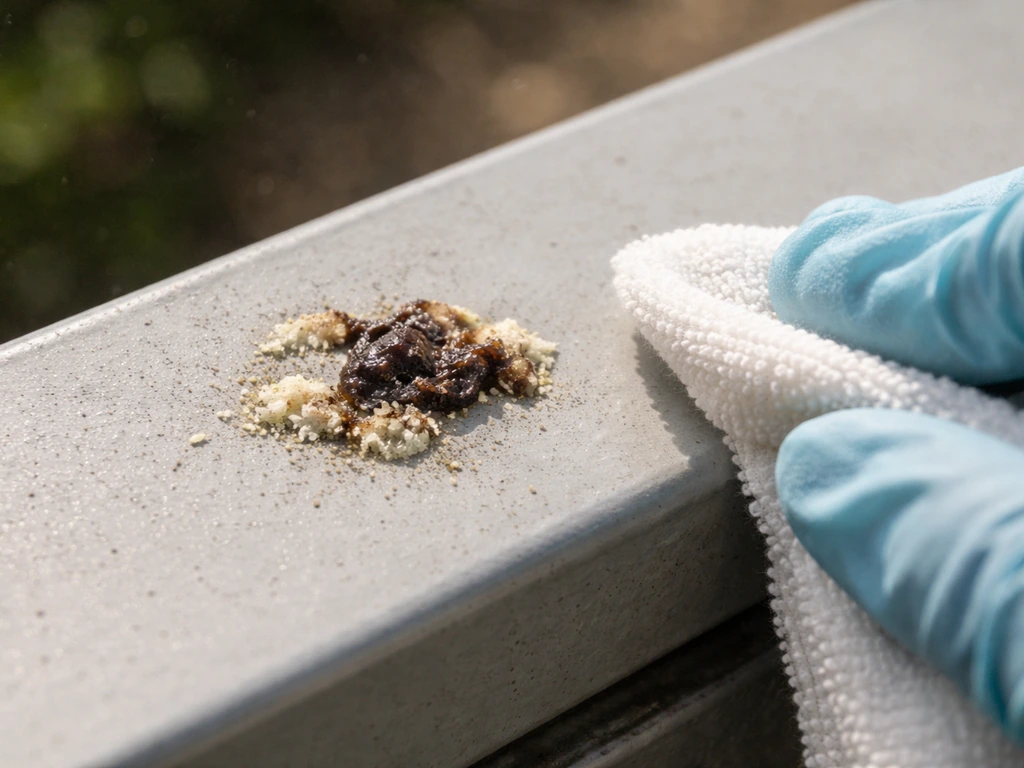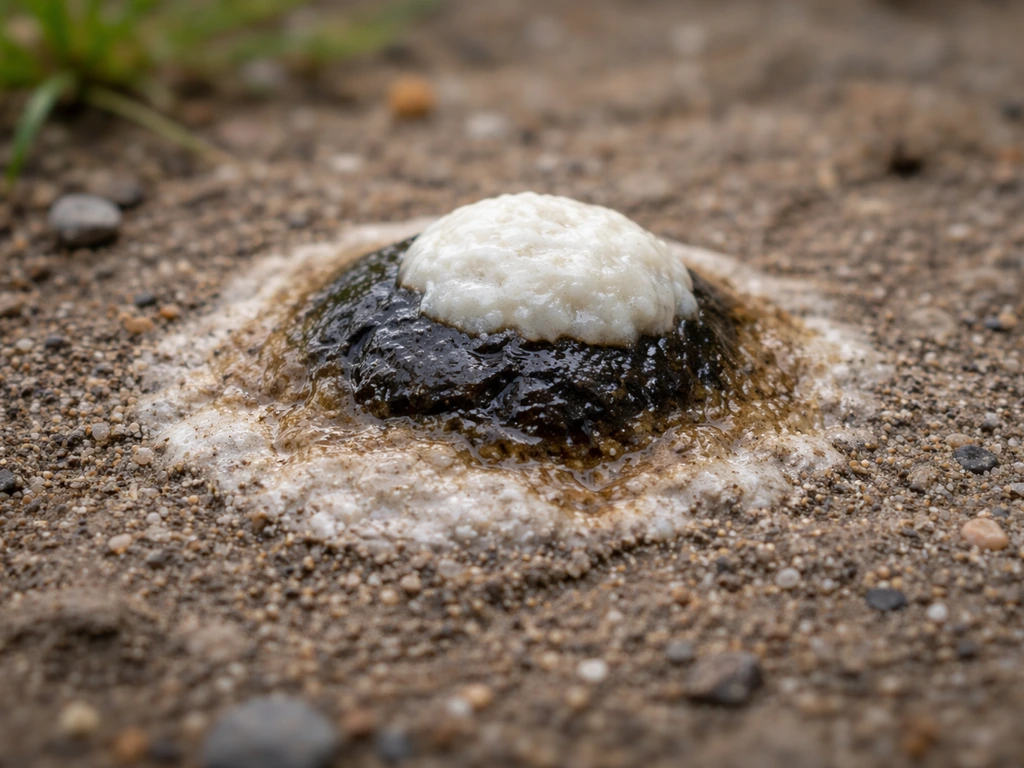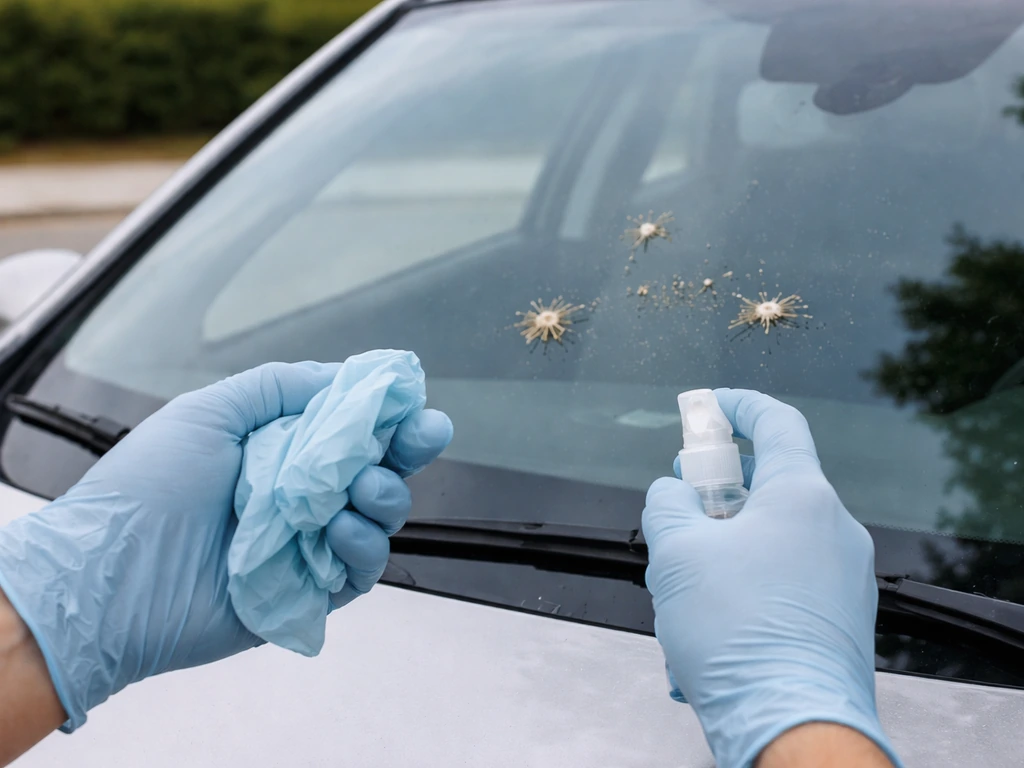
If you spotted something white, black, and splattered that looked exactly like bird poop but you're not totally sure what it is, the most likely culprits are real bird droppings, the giant swallowtail caterpillar (which mimics droppings almost perfectly), spittlebug froth, or certain moth and butterfly larvae that coat themselves in a white waxy excretion. A few quick checks, movement, texture, location, and smell, will tell you which you're dealing with in under two minutes.
Bug That Looks Like Bird Poop: How to Identify It

Marcus Fielding
24 Apr 2026
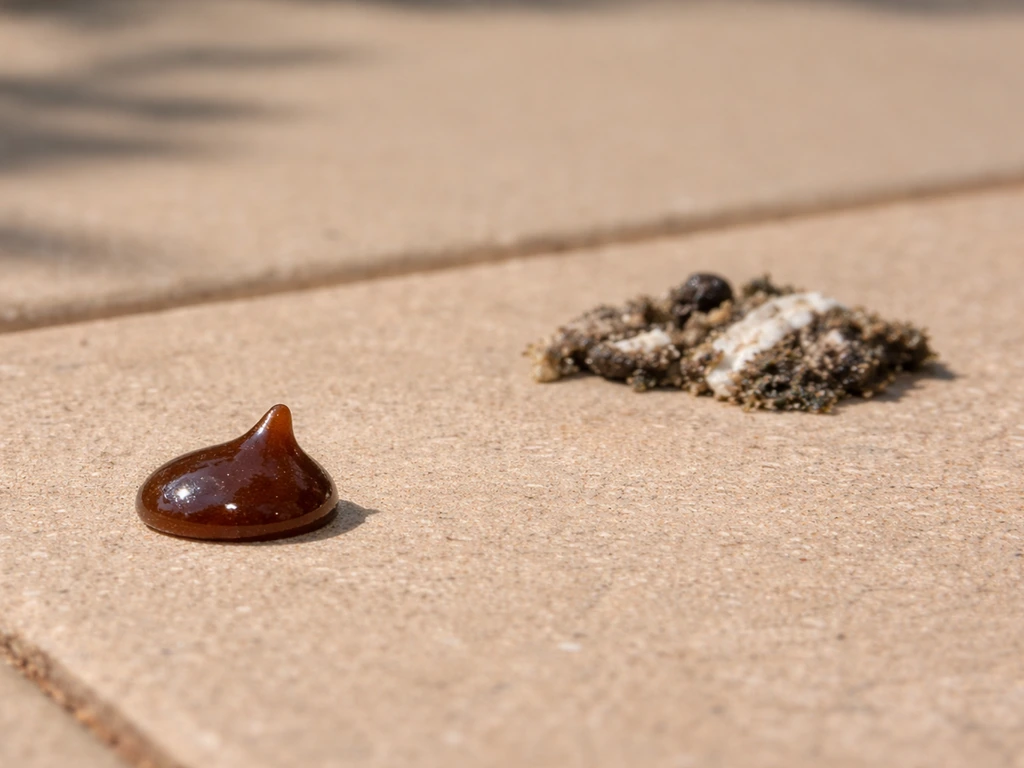
The most convincing look-alikes: bugs and other culprits
Several insects have evolved to look like bird droppings, and they are genuinely convincing. Here are the ones you're most likely to encounter on a car, a leaf, a fence, or a windowsill.
Giant swallowtail caterpillar
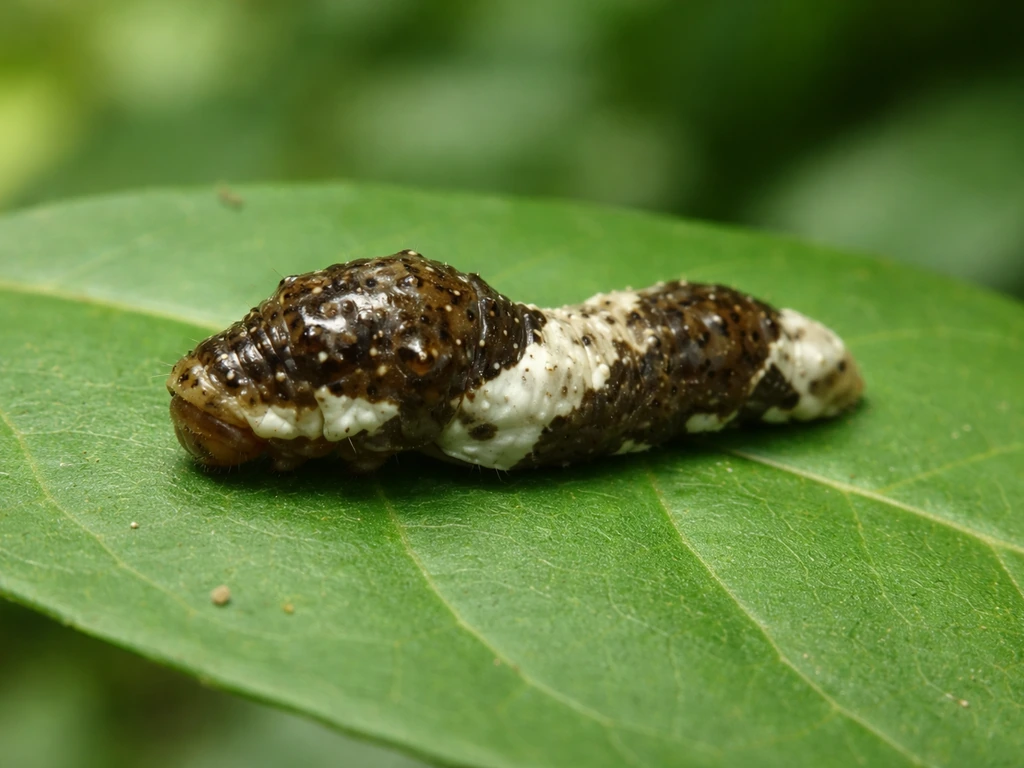
This is the blank" rel="noopener noreferrer">classic impersonator. blank" rel="noopener noreferrer">Young giant swallowtail caterpillars (Papilio cresphontes) are mottled brown and white, blotchy, and slightly shiny, sitting still on leaves or branches in a posture that is almost indistinguishable from a fresh bird dropping. They're common across North America, especially on citrus, rue, and hop trees. If you're staring at a "dropping" on a leaf and it has a slightly lumpy, irregular outline rather than a pure splatter shape, look closer, you may see a small head tucked in.
Spittlebugs and froghoppers
Spittlebugs (the nymph stage of froghoppers) surround themselves in a frothy white foam on plant stems. From a few feet away, the foam can look like a fresh, wet bird dropping. Unlike real droppings, spittlebug foam is fluffy and airy, not dense or crusty, and it sits on a stem rather than a flat surface. There's usually a small insect hidden inside the froth if you poke it apart.
Other bird-dropping mimics
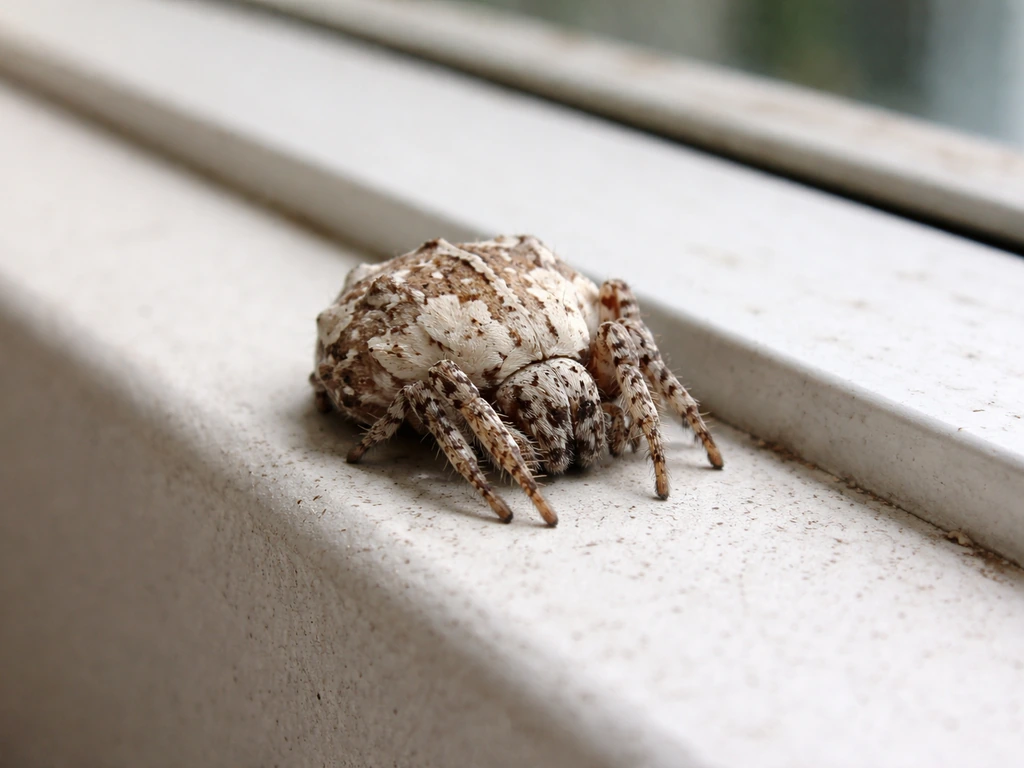
- Bird-dropping spider (Celaenia excavata and related species): A spider that looks and smells like a dropping to lure moths. It sits motionless on a surface and can fool anyone.
- Swallowtail and some skipper caterpillars in early instars: Many look dark with white markings, resting on leaves in a flattened posture.
- Some moth caterpillars: Certain geometrid and noctuid moth larvae have white and brown coloring that mimics droppings when resting on bark.
- Scale insects and mealybugs: These leave white, waxy, cottony deposits on stems and leaves that can look like a smear of dried dropping.
- White plant disease residue: Powdery mildew and some fungal spore deposits appear as white, dusty patches that a quick glance can mistake for dried bird poop.
And then there's the real thing
Actual bird droppings are a mix of white urates (the paste-like white portion), dark fecal matter, and sometimes a watery clear part. The exact appearance shifts depending on what the bird ate, how long ago it dropped, and the weather. If you want to understand the full range of what real droppings look like across species and conditions, that topic deserves its own deep look. So, what does healthy bird poop look like, and how can you tell it from the suspicious look-alikes? If you are trying to figure out what bird droppings look like, start with shape, color, and how fresh or dried it appears. Start by learning what bird vomit looks like so you can tell it apart from other common white and brown spots.
Quick at-home checks to confirm what you're looking at
You do not need any special equipment. Run through these checks in order and you'll have a confident answer.
- Watch for movement. Give it 30 seconds. Real bird droppings do not move. A caterpillar or spider mimic will eventually shift, twitch a leg, or react if you gently disturb the surface nearby (without touching it).
- Check the location. Bird droppings follow gravity and land on horizontal surfaces below perches—tops of cars, fence posts, windowsills, patio furniture, leaves facing upward. A "dropping" on the underside of a leaf, clinging to a vertical stem, or attached to bark is much more likely to be an insect.
- Look at the outline. Real bird droppings have a splatter pattern with a distinct point of impact and radiating edges or a tail where the liquid spread. Insect mimics tend to have a more uniform blob shape without a splatter pattern. Spittlebug foam is obviously 3D and bubbly.
- Test the texture gently (with a stick or gloved finger). Real dried droppings are chalky, powdery, and crumble if disturbed. Fresh droppings smear wet and sticky. A caterpillar mimic is obviously soft, warm, and moves. Mealybug deposits are cottony and pull apart like wool. Scale insects are hard and flat against the surface.
- Smell it (from a short distance, do not sniff directly). Real bird droppings have a faint ammonia-like, organic smell. Insect mimics generally have little to no smell, though some caterpillars release an odor when disturbed.
- Look for patterns. A single spot is inconclusive. Multiple spots clustered under a known roost point (a wire, a tree branch, a roof overhang) strongly suggest real bird droppings. Multiple identical blobs spaced along plant stems are almost certainly insect-related.
Health risks and what to do if it turns out to be bird poop
If your checks point to real bird droppings, take it seriously without panicking. The main health concerns tied to bird droppings are histoplasmosis (a fungal lung infection from Histoplasma spores in droppings), psittacosis (a bacterial infection caused by Chlamydia psittaci), and cryptococcosis (another fungal infection). The CDC also describes histoplasmosis as a lung infection caused by breathing in Histoplasma spores from the environment, often where bird or bat droppings are present Histoplasma spores in droppings. All three are primarily inhaled, not contracted through skin contact. The CDC is clear that the most common route for psittacosis infection is breathing in dust from dried bird secretions or droppings. A single fresh dropping on your car hood is a very different risk level from a pile of droppings accumulated in an enclosed attic.
If you think you may have already disturbed dried droppings without protection (swept them dry, used a pressure washer, or handled them without gloves), watch for symptoms over the following two weeks: fever, fatigue, cough, chest pain, or flu-like illness. If symptoms develop, mention to your doctor that you had potential exposure to bird droppings. For most healthy adults, a brief, low-level exposure carries a very low risk of illness, but it's worth mentioning if you do get sick.
Pet owners should be aware that birds themselves can be carriers of psittacosis, and handling sick birds or cleaning up after them without precautions carries real risk. If you own a pet bird and notice it seems unwell alongside unexplained respiratory symptoms in your household, bring both to professional attention.
Safe cleanup steps for suspected bird droppings
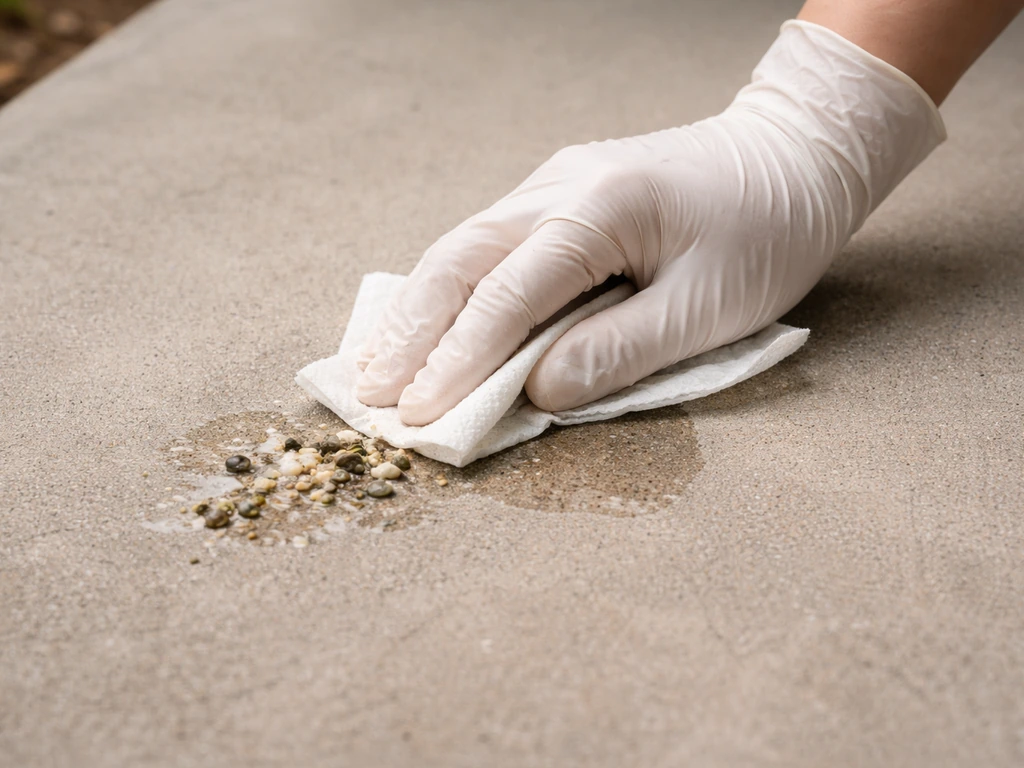
The single most important rule is: never dry-clean bird droppings. Dry sweeping, using a household vacuum, blasting with compressed air, or using a pressure washer can aerosolize dried particles straight into the air you're breathing. The CDC, WorkSafe Queensland, and university environmental health guidelines all agree on this point. Here is a step-by-step process that keeps you safe.
- Put on rubber or disposable gloves before you touch anything. If you're cleaning up more than a couple of spots, or if the droppings are in an enclosed or poorly ventilated area, add an N95 or N100 respirator.
- Wet the droppings first. Mist them with plain water or a diluted soapy water solution until they are thoroughly damp. This prevents dust and particles from becoming airborne when you disturb the material. Keep them wet throughout the entire removal process.
- Use disposable paper towels or rags you plan to throw away. Wipe or scoop the wetted droppings into a plastic bag. Seal the bag immediately.
- Clean the surface with soapy water first, then disinfect. A sodium hypochlorite (bleach) solution is effective for disinfection, but the CDC notes that bleach requires you to remove the organic material (the actual dropping) with soapy water first—otherwise the bleach is neutralized before it can disinfect properly.
- Bag all used paper towels, gloves, and any other single-use materials. Seal the bag and dispose of it in an outdoor trash bin.
- Wash your hands thoroughly with soap and water afterward, even if you wore gloves.
For cars specifically, the same wet-first approach applies. A damp cloth or wet paper towel pressed onto the dropping to soften it before wiping is both safer and better for your paint than scrubbing dry material. Dried bird droppings are mildly acidic and can etch clear coats if left for days, so prompt but safe removal is the right call.
When to worry: red flags and when to call in help
A single dropping on your windowsill is a cleanup job, not a crisis. But some situations genuinely warrant more caution or professional involvement. Here's how to read the situation.
| Situation | What it likely means | What to do |
|---|---|---|
| One or two droppings outdoors, single event | Normal bird activity overhead | Wet-clean yourself using standard precautions |
| Droppings clustered daily in the same outdoor spot | Active roost nearby | Deter birds from the roost point; continue safe cleanup |
| Accumulated droppings in an enclosed space (attic, shed, garage) | Roosting or nesting birds present; elevated fungal spore risk | Ventilate first, wear N95/N100 and gloves; consider professional remediation for large amounts |
| Large volume of droppings (more than a few square feet) | Significant contamination; aerosolization risk is real during cleanup | CDC and NIOSH recommend professional hazardous waste cleanup companies for large accumulations |
| Droppings plus dead birds, sick birds, or respiratory illness in household | Possible active pathogen; bird flu, psittacosis, or other infection risk | Call a pest control or wildlife professional and consult a doctor immediately |
| Insect infestation confirmed (caterpillars, scale, mealybugs on plants) | Pest management issue, not a bird dropping concern | Treat with appropriate insecticide or contact a pest control service |
The CDC's NIOSH guidance is explicit: when large quantities of bird or bat droppings need removal, the job should be handled by a professional company that specializes in hazardous waste handling. That is not fear-mongering, it reflects the real aerosolization and fungal spore risk that comes with disturbing a significant accumulation. The best long-term strategy, per CDC guidance, is preventing droppings from accumulating in the first place by blocking roost access points.
If you confirmed the mystery spot is an insect and not bird droppings, your health risk is essentially zero. Focus shifts to identifying whether you have an infestation on your plants or property and addressing that with appropriate pest management. If it is not bird poop, shift focus to identifying the insect look-alike and its signs, because that is the main comparison point to use alongside what does bird poop look like. Either way, now you know exactly what you're dealing with and what to do next. If you are still unsure whether the spot is from a bird, you may also want to check what does bird diarrhea look like so you can compare symptoms and appearance.
FAQ
How do I tell a bird dropping from a plant sap or residue if it is still wet or sticky?
Look for urate separation, bird droppings often dry with a white chalky portion and a darker base, while sap usually smears evenly and stays glossy. Also check whether it sits on leaf wax or runs downward like sap would, bird droppings generally stay in a spot and do not “flow” unless washed.
If I used a household vacuum on dried spots, what should I do next?
Stop further cleaning and ventilate the area if possible, then wipe surrounding surfaces with damp disposable paper towels instead of dry methods. Monitor for symptoms for up to two weeks, fever, cough, chest pain, or flu-like illness, and tell your clinician you may have aerosolized dried droppings.
Can insect look-alikes bite or sting, even if they look like bird poop?
Most of the common droppings mimics described, like giant swallowtail caterpillars and spittlebug foam, are not a biting or stinging threat. The safe move is still to avoid handling with bare skin, because some larvae have irritating hairs or plant defenses can cause skin irritation.
Is it safe to hose off fresh bird droppings on a car or windowsill?
It is generally safer to soften first, press a damp cloth or wet paper towel on it, then wipe. Avoid high-pressure blasting directly at glass seams or paint edges, because forcing residue into cracks and rubbers can create cleaning problems and increase spread.
What if the “bird poop” is on a textured surface like stucco, brick, or rough siding?
Textured materials hold residue and are harder to fully remove, so treat it as a higher-disturbance risk if it is dried. Re-wet thoroughly before wiping, use slow, minimal disturbance cleaning, and consider professional help if there is visible buildup over an area.
How much droppings accumulation counts as “large quantities” that require a professional?
A practical rule is to treat it as large if there is a noticeable buildup across multiple surfaces, an attic or enclosed nook, or you can see layers or caked crust. If cleaning would require disturbing extensive dried material, professional hazardous waste guidance is the safer default.
Do I need eye protection or a respirator if I’m cleaning just a small spot?
For a single small spot, careful wet-first wiping is usually the key risk reducer. Still, protect yourself from splashes, and if the area is dusty or you suspect old dried material, a properly fitted respirator rated for fine particles is more protective than using only a mask meant for comfort.
If I find spittlebug foam, is there any residue hazard after it dries?
Spittlebug foam is plant-feeding insect froth, not the same risk profile as bird droppings. After you break it apart, you can rinse or wipe with water, and you can remove the froth without aerosolizing like dried bird residue can.
What should I do if I clean up a suspected droppings spot and it comes back in the same place?
Reappearance suggests ongoing roosting or a recurring insect presence. For bird activity, block the access points after the area is clear and use exclusion measures to prevent new droppings; for insect mimics, look for related signs like eggs, feeding damage, or recurring froth on the same stems.
How can I reduce the chance of confusion with “bird diarrhea” versus other stains?
Compare not just color but structure, bird droppings often show a distinct white urate component with darker material, while watery stains are more likely to spread quickly on smooth surfaces. If you see only a thin smeared stain with no white portion, consider other sources like insect splatter, sap, or pet stains, and verify by checking for fresh droppings nearby.