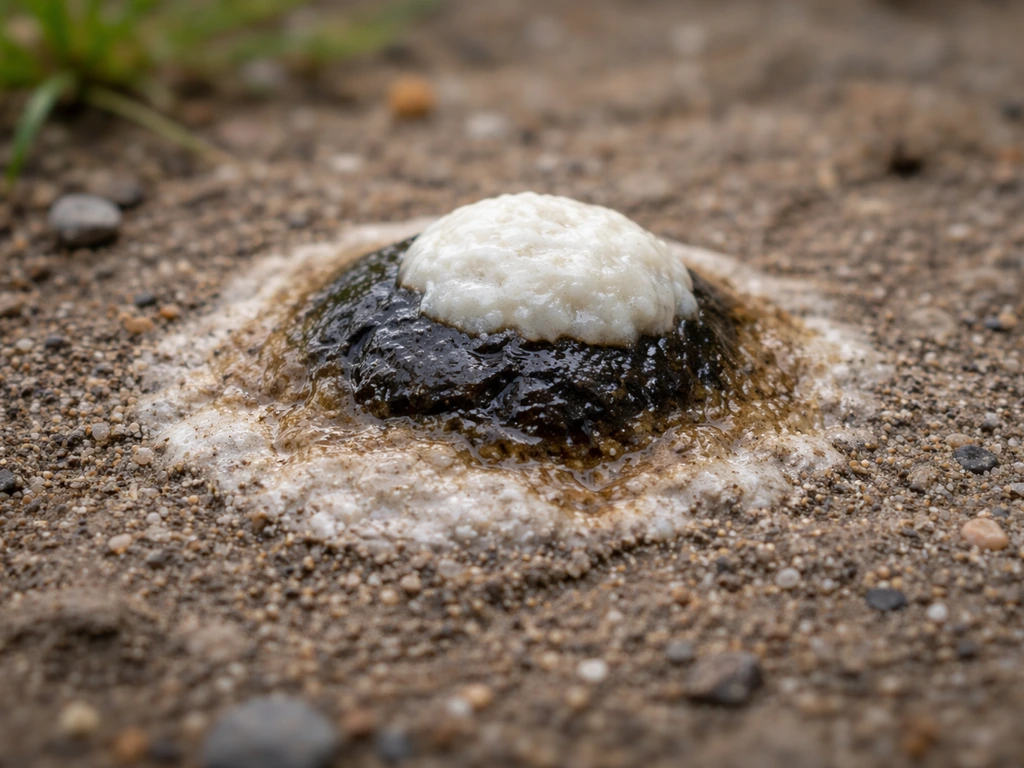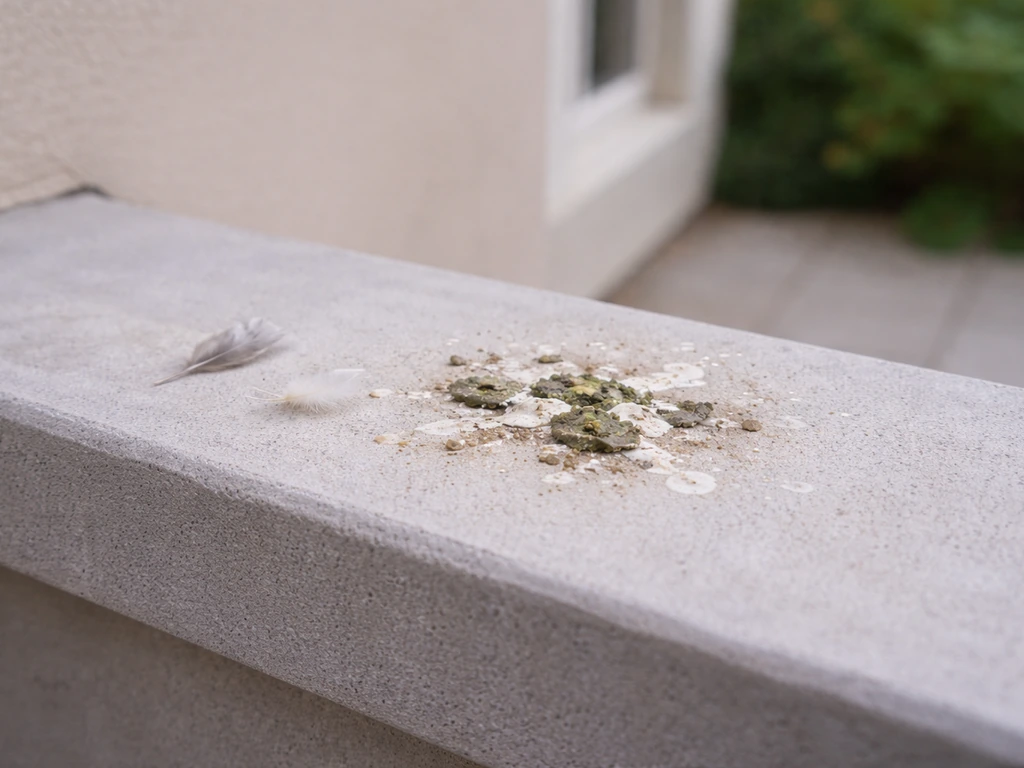
Bird droppings are almost always a mix of three things: a dark, semi-solid fecal portion, a white or cream chalky urate portion, and sometimes a small clear liquid (urine). If you are wondering what bird poop looks like, the two-tone look with a white cap over a darker base is the quickest way to identify it what bird poop look like. That white cap sitting on top of a darker mass is the giveaway. Most people spot the white part first and assume the whole thing is white, but look closer and you'll usually see a darker center or base. That two-toned look is the classic signature of bird poop, and once you know it, you'll recognize it instantly on your car, windowsill, or patio furniture.
What Do Bird Droppings Look Like? Colors, Shapes, and Cleanup

Marcus Fielding
18 Apr 2026
Color, size, shape, and texture: what you're actually looking at
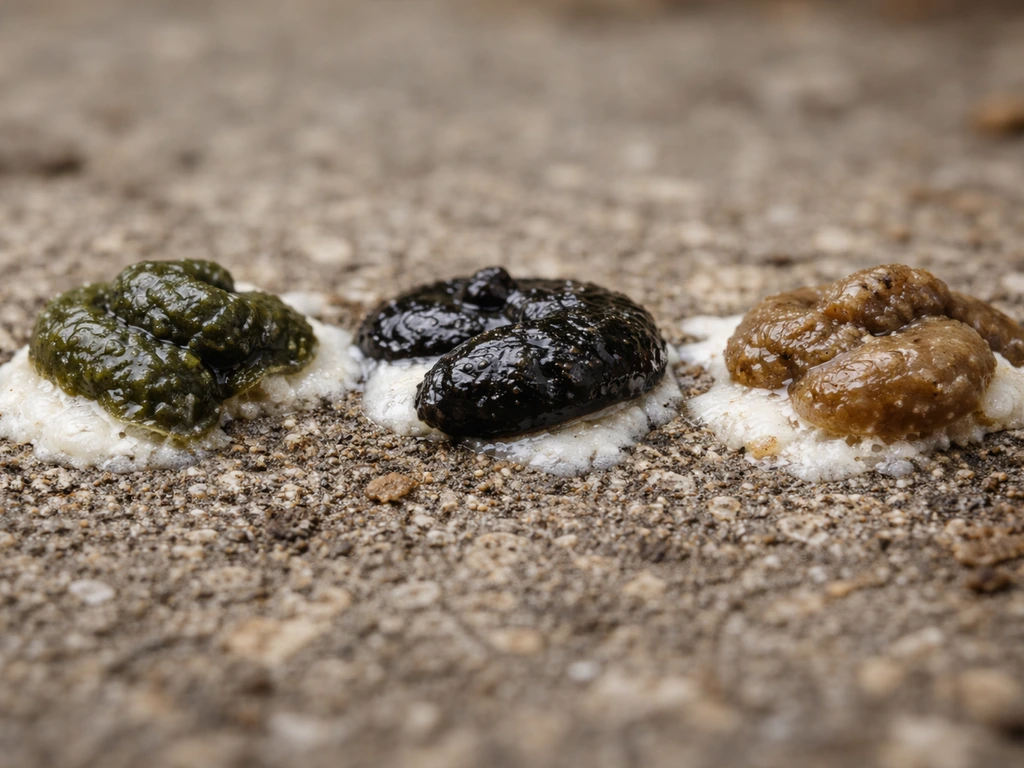
The fecal portion ranges from dark green to black to brownish, depending almost entirely on what the bird has been eating. Berry-eating birds leave dark purple or reddish streaks. Seed-eaters tend toward darker greens and browns. The urate portion (that chalky white cap) is almost always white to cream-colored. You might also see a small watery ring around the whole thing, which is the urine component. On a flat surface like a car hood or a concrete ledge, a typical small garden bird dropping is roughly the size of a large raindrop, maybe half an inch across, with a slightly raised white center and a darker irregular smear underneath. If you're trying to match what you're seeing to a photo, you can also compare your droppings to what does bird poop look like for a quick visual check.
Texture when fresh is pasty to semi-liquid, and it has a faint ammoniac smell that gets stronger as it dries and concentrates. The surface often has a slight sheen when wet. Shape is irregular but tends toward a splat with a central raised mound, because birds expel everything at once rather than in separate streams. Larger birds produce proportionally larger, more elongated droppings that can look almost like a paint splash. Smaller birds leave tight, rounded dots.
Fresh vs dried: how droppings change over time
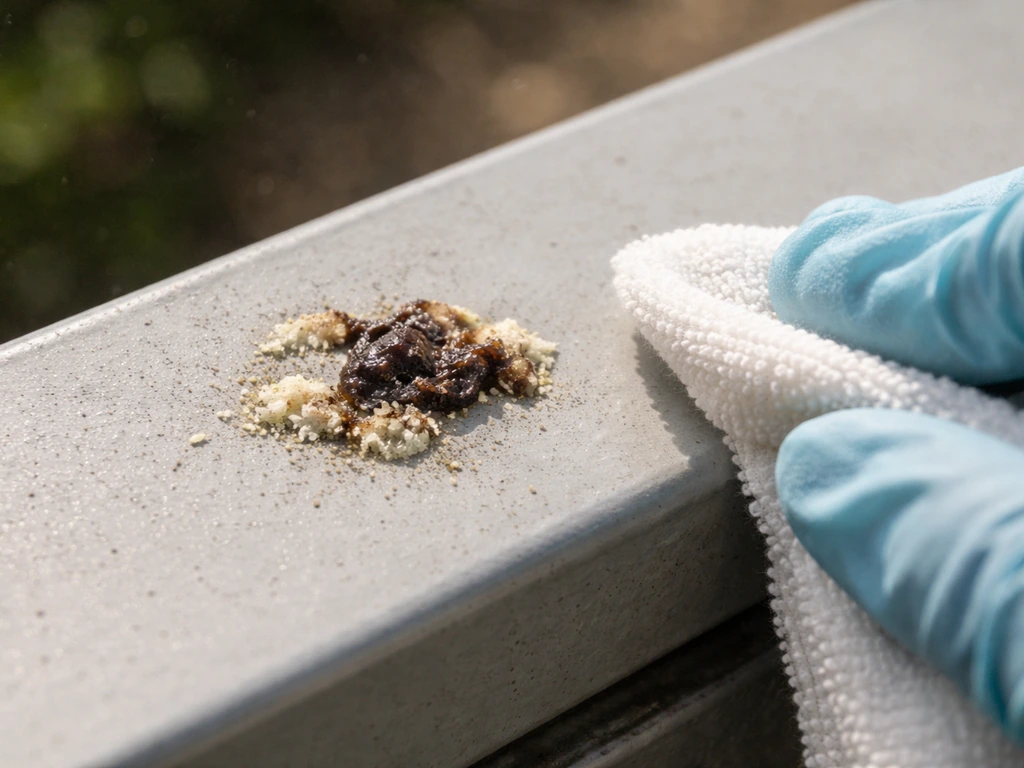
Fresh droppings are moist, glossy, and easier to wipe away. The colors are more vivid and the three-component structure (dark base, white cap, clear rim) is easiest to see. Within a few hours in warm weather, the outer liquid evaporates and the dropping starts to crust over. The white urate portion becomes more obviously chalky and powdery. The dark fecal portion darkens further and shrinks slightly as it dries.
Once fully dried (usually within 24 hours in warm conditions), droppings become brittle and flaky. This is exactly when they become a health concern, because dried droppings can crumble into fine dust that you can inhale without realizing it. The color also fades, with the whole thing often appearing more uniformly white or pale gray as the dark portion dries and gets obscured. Old droppings that have been rained on and dried repeatedly can look like pale, crusty mineral stains with almost no visible dark portion at all, which is why people sometimes mistake them for lime deposits or paint.
What different birds' droppings look like
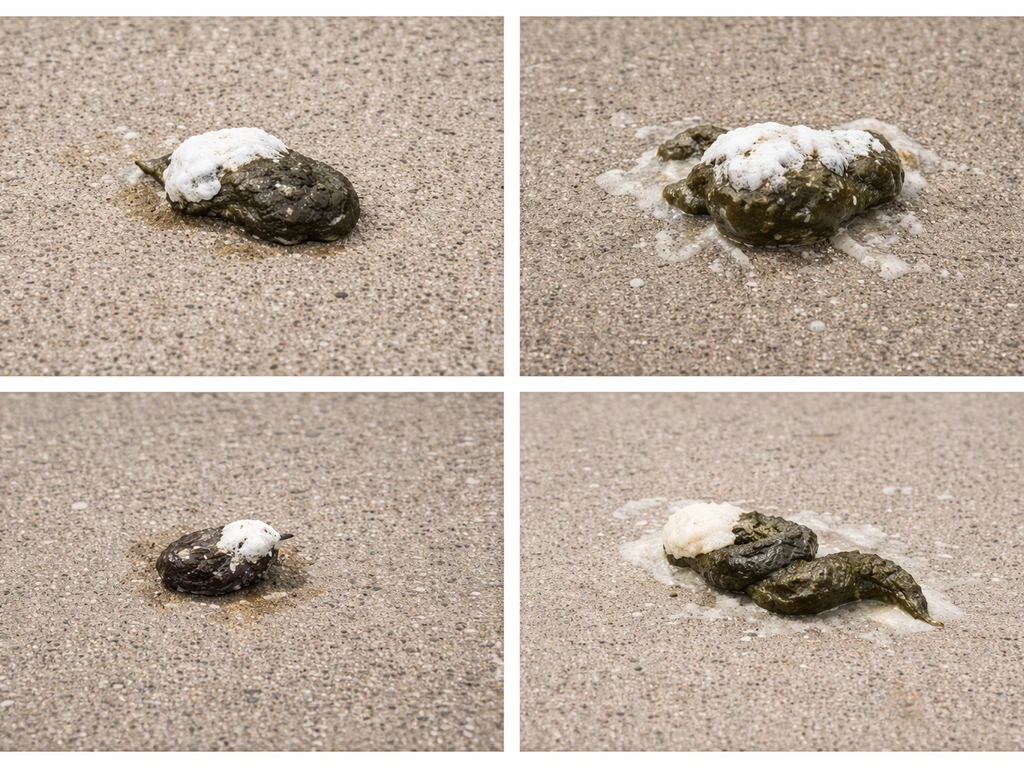
Not all bird droppings look the same, and knowing which bird left the mess can help you figure out whether you've got a recurring roost problem or just a passing visitor.
| Bird | Size | Color/Appearance | Notes |
|---|---|---|---|
| Pigeon | Large, 1–2 inches | White/gray urate cap over dark green-brown fecal portion | Accumulates under roosts in rafters and ledges; can build up into thick layers quickly |
| Seagull | Very large, 2–3 inches | White cap with greenish or dark brown base; often runny and elongated | High fish content makes it particularly pungent; tends to streak vertically on surfaces |
| Chicken/poultry | Variable; cecal droppings are larger and liquid-brown | Normal droppings are greenish-brown with white urate; cecal droppings are mustard-yellow to brown and semi-liquid | White urates may or may not appear in poultry; consistency varies widely with diet and gut health |
| Small garden birds (sparrows, starlings) | Small, under 0.5 inches | White with a tiny dark center; often nearly all-white | Frequent and widespread; common on cars and windowsills |
| Crow/raven | Medium-large, 1–1.5 inches | Dark greenish-black fecal portion with white urate; often watery and elongated | Diet variety means color varies a lot; fruit diets produce dark purple staining |
| Robin/thrush | Small-medium, 0.5–1 inch | Berry-fed birds leave dark red or purple smears with white cap | Particularly colorful in summer when berries are in season; stains car paint noticeably |
Diet, age, and surface type all shift what you see, sometimes significantly. A pigeon that has been eating grain looks quite different from one that has been scavenging food scraps. And a dropping that lands on a hot car hood will spread and dry faster, looking flatter and paler than one that hits a cool, shaded ledge. Keep that in mind before you start confidently blaming a specific bird.
Is that actually bird poop? How to tell it apart from other messes
The white-on-dark two-tone look is the biggest distinguishing feature of bird droppings. If what you're looking at is uniformly one color, you might be dealing with something else. Here are the most common look-alikes:
- Bat droppings: Dark, roughly rice-grain-shaped pellets. They look a lot like mouse droppings, but bat droppings crumble easily when you press them and reveal shiny, crushed insect parts inside. Mouse droppings are firm and don't disintegrate this way. Neither has the white urate cap that bird droppings show.
- Mouse/rat droppings: Dark, tapered at the ends, uniform in color, and firm. No white component, no liquid ring.
- Insect frass: Much smaller and more granular, often found in piles or trails rather than isolated splats. No white urate cap.
- Snail/slug trail: Clear or silvery slime streak, no solid component, dries to a thin film.
- Lichen or mineral staining: Uniform pale gray or white, no dark fecal center, grows in patterns that follow moisture flow rather than landing at random angles.
- Tree sap or berry staining: Usually one solid color (amber, dark purple), no chalky white component, often sticky when fresh.
If you find dark pellets near an attic vent or inside a roof space, the crumble test is genuinely useful: bat droppings fall apart into glittery insect-part dust, mouse droppings stay intact. For anything on your car or outdoor furniture, the classic white-cap-over-dark-base tells you it's a bird almost every time.
Finding the source: where droppings land and what patterns tell you
Location and pattern are your best clues for figuring out what bird is responsible. Droppings that appear in a concentrated area directly below a ledge, rafter, or overhead wire point to a regular roosting spot. Pigeons in particular tend to accumulate droppings heavily under their roost sites, building up thick, layered deposits on rafters, windowsills, and building structures over time. If you're finding droppings spread across a wide area of your car or patio in no particular pattern, you're more likely dealing with birds flying over rather than roosting directly above.
Vertical streaking on walls or fences usually means a bird is perching above and the dropping ran downward. A random single large splat on flat ground is more likely from a bird in flight. Multiple droppings in a rough circle or cluster in a garden might point to a bird bathing or feeding in that area. These patterns help you decide whether you need a one-time cleanup or whether you need to address a roosting or feeding situation.
What bird droppings can do to your health
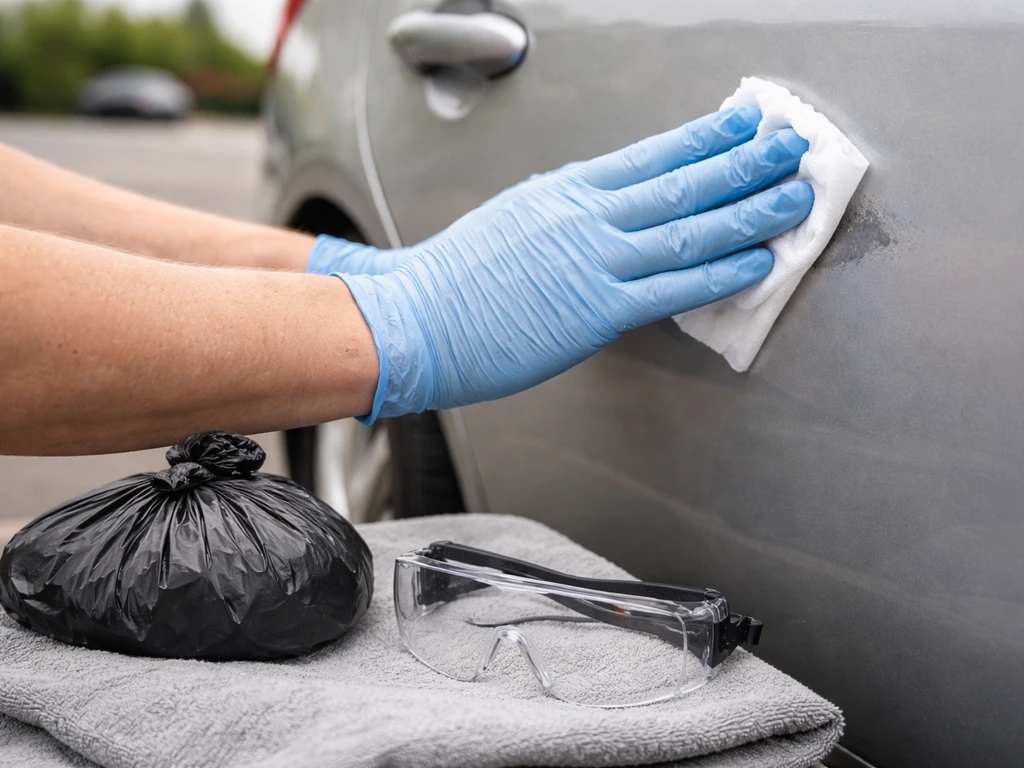
Let's put this in realistic terms. A single dropping on your car door that you wipe off without putting your face near it is not going to make you sick. Routine cleaning of droppings from a windowsill does not pose a serious health risk to most healthy people. The real risks come from two things: inhaling dried, aerosolized droppings, and close contact with large accumulations over time.
The main diseases worth knowing about are histoplasmosis and psittacosis. Histoplasmosis is a fungal lung infection caused by Histoplasma spores that can be found in soil enriched by bird and bat droppings. Disturbing large accumulations of old droppings, particularly in enclosed spaces like attics, sheds, or under bridges, is the main exposure scenario. Psittacosis is a bacterial infection spread primarily by inhaling infected particles from bird droppings or respiratory secretions. Psittacosis is caused by Chlamydia psittaci and develops when a person inhales the bacteria, often linked to exposure from bird droppings and respiratory secretions. The primary exposure route is inhalation, which is why the 'don't stir up dust' rule applies directly here.
People with weakened immune systems face higher risks and should avoid cleaning droppings entirely if possible. For everyone else, the risk from a normal outdoor cleanup is low, but it's still not zero, so basic precautions are worth taking. And no, bird poop landing on you is not good luck in any medical sense, whatever the folklore says. It's just a mess.
How to clean up bird droppings safely
The number one rule: never dry-sweep or blow dry droppings. That turns them into airborne dust, which is exactly how you get into trouble with histoplasmosis and psittacosis. Wet the droppings down first, and keep them wet throughout the entire removal process.
- Gear up before you start: Wear disposable gloves (nitrile works well), eye protection if the area is enclosed or windy, and old clothes you can wash immediately afterward. For larger accumulations or indoor/enclosed spaces, wear a properly fitted particulate respirator (N95 or better) to avoid inhaling any aerosolized material.
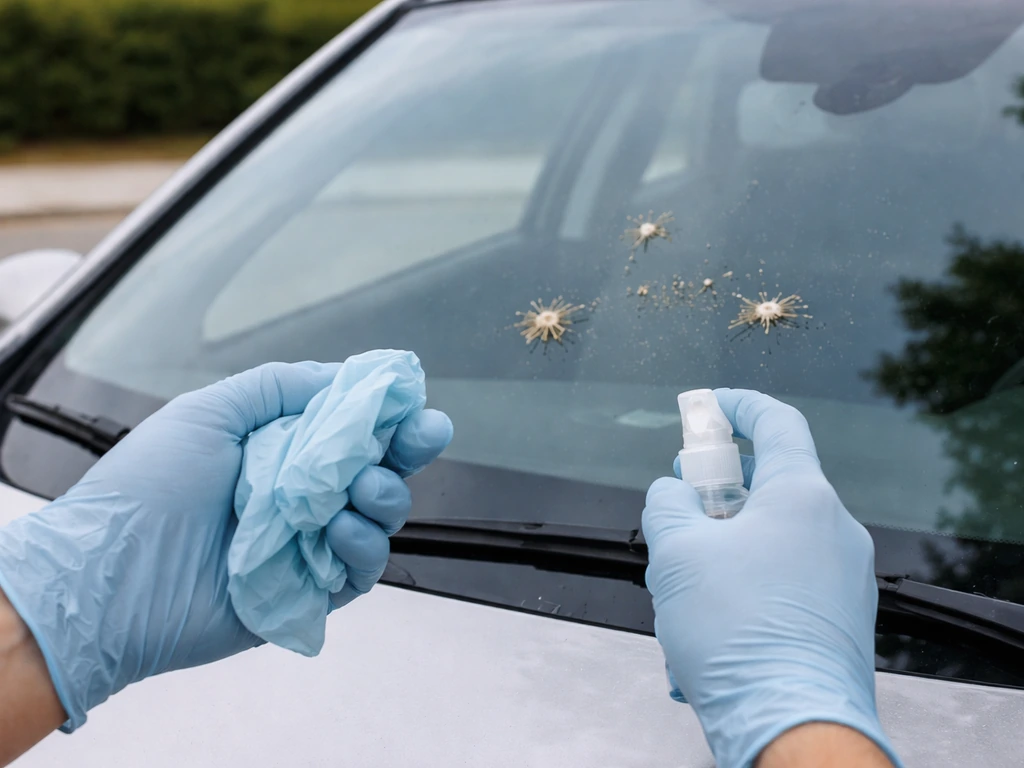
- Wet the droppings: Use a spray bottle or garden sprayer to apply plain water, soapy water, or water with a small amount of disinfectant. A surfactant (like a drop of dish soap in the water) can help the liquid penetrate and bind particles together. Keep the material wet throughout the whole process, not just at the start.
- Remove carefully: Use disposable paper towels, a damp cloth, or a scraper to collect the wetted material. Do not use a brush or broom on dry droppings. Place everything directly into a sealed plastic bag.
- Disinfect the surface: Apply a disinfectant to the cleaned area and allow it to sit for at least 10 minutes before wiping, as most disinfecting compounds need more than 10 minutes of contact time to work effectively.
- Seal and dispose: Double-bag the waste if the accumulation is large. Tie bags securely and place in an outdoor bin.
- Clean yourself: Remove and bag clothing worn during cleanup for a hot machine wash. Wash hands thoroughly with soap and water. If you wore gloves, wash hands anyway after removing them.
For large accumulations (think: years of pigeon droppings in an attic or under a bridge), don't try to handle it yourself. That's a job for a professional hazardous waste company. The risks scale up significantly with volume and enclosure, and DIY approaches in those settings can cause real harm.
When to worry: exposure symptoms and what to do next
If you've had direct contact with bird droppings, wash the affected skin with soap and water immediately. If droppings got into your eyes, flush thoroughly with clean water. These steps handle the vast majority of casual contact situations without any further action needed.
See a doctor if, in the days following a significant exposure (like cleaning up a large accumulation without proper protection), you develop flu-like symptoms: fever, chills, headache, muscle aches, or a persistent cough. Histoplasmosis symptoms typically appear 3 to 17 days after exposure. Psittacosis symptoms (fever, dry cough, headache) usually appear 5 to 14 days after exposure. Both are treatable, especially when caught early, so don't dismiss symptoms and assume they're just a regular cold if you've recently disturbed a heavy accumulation of old droppings.
Tell your doctor specifically that you were exposed to bird droppings. This is genuinely important, because both histoplasmosis and psittacosis can mimic ordinary respiratory infections, and doctors need that context to test for the right things.
Reducing repeat messes: practical deterrence basics
Once you've cleaned up, the obvious goal is to not have to do it again next week. For cars, parking under cover or using a car cover is the most straightforward fix. For ledges, windowsills, and roof lines, physical deterrents like bird spikes or sloped barriers make landing uncomfortable without harming the birds. Removing food sources (open compost bins, unsecured rubbish, accessible pet food) reduces the attractiveness of your yard or building as a feeding destination.
For ongoing pigeon or seagull problems at a property, consistent harassment with sound deterrents or visual scare devices can help short-term, but birds do habituate to them over time. The most durable solutions are physical: denying access to the specific spots where birds are roosting. If you have a genuine infestation scenario, meaning large numbers of birds roosting in or on your building and significant dropping accumulation, that's worth a call to a pest management professional who specializes in bird control.
A quick note on related bird messes
Bird droppings aren't the only thing birds leave behind that looks alarming. Bird diarrhea looks noticeably different from normal droppings: much more watery, often greenish or yellowish, and lacking the distinct white urate cap. Bird vomit can look different from droppings, so compare the texture, color, and shape before assuming it is feces what does bird vomit look like. If you're seeing consistently watery messes under a specific perch or roost, that can actually indicate the birds roosting there are unwell, which adds a layer of caution to any cleanup you do. On the flip side, healthy bird droppings look quite distinct and consistent, which is why vets who work with poultry and pet birds pay close attention to dropping appearance as a health indicator. If you're comparing the appearance for health, also review what does healthy bird poop look like as the related visual baseline. And if you've found something odd-looking near your plants or under a tree and aren't sure it's even from a bird at all, bugs that look like bird droppings (certain moth larvae, for example) are a real phenomenon worth knowing about.
FAQ
How can I tell if bird droppings are fresh or old just by looking?
Fresh droppings look moist, slightly glossy, and have a clearer separation between the dark fecal base and the white urate cap. When they dry, they turn more chalky and brittle, and the dark part shrinks, often making older droppings look more uniformly pale gray or off-white.
What if the droppings are only one color, can they still be bird poop?
If you see a dark smear or center with a chalky white cap on top, bird droppings are the most likely match. If the mark is completely uniform with no two-tone structure, consider other causes like plant residue, hard-water mineral deposits, or paint overspray, especially on sunny, flat surfaces where splat patterns can spread out.
What is the most common mistake people make when cleaning bird droppings?
Most of the risk comes from disturbing dried material and breathing in airborne dust. That means your biggest mistake is dry-sweeping, brushing, or blasting with a fan or leaf blower. Instead, wet the area, wipe carefully, and discard materials in a sealed bag.
When should I stop doing it myself and call a professional?
Bird droppings can be dangerous to inhale after they dry, even if they do not look dramatic. If you are seeing heavy buildup in an enclosed area (attic, shed, under bridge, crawl space), you should treat it as a higher-risk cleanup and strongly consider a hazardous-waste or professional bird-control service rather than DIY.
Can cleaning bird droppings spread contamination to other parts of my car or home?
Yes, you can accidentally spread contamination by wiping with dry rags or reusing the same towel across multiple spots. Use disposable paper towels or dedicated wipes, dampen the mess before wiping, and clean the surrounding area too, because a thin residue layer can remain on nearby surfaces.
What should I do if bird droppings land on my car hood or windshield?
If droppings land on your car, rinse with water first if possible, then wash and dry the area like normal car washing. Avoid scrubbing immediately with a dry cloth, because dried residue is easier to aerosolize and harder to remove without first wetting.
How do I clean droppings from textured surfaces where residue might stay behind?
If droppings got on a window track, balcony railing joints, or textured concrete, use an approach that keeps material wet while you remove it (damp wipe, then re-wipe). Textured surfaces can trap residue, so a single wipe may leave behind crust that can flake later.
Are bird droppings riskier for people with asthma or weakened immune systems?
If someone has a weak immune system, the safest move is to avoid handling droppings at all. If cleaning is unavoidable, it should be done by a healthy person using protective gear, and the immune-compromised person should stay away until the area is fully cleaned and no fresh dust remains.
If droppings look watery, does that change how I should clean up or whether birds are sick?
If you see consistent watery, greenish, or yellowish messes under a roost, it may suggest unwell birds, but it is still handled the same way from a safety perspective, meaning do not dry-sweep. Also consider contacting local wildlife or a bird-control professional if the area is heavily affected, since sick birds can mean a larger infestation.
How can I tell whether birds are roosting there or just flying overhead?
The fastest practical confirmation is pattern plus structure. A single splat from a bird in flight is usually one larger mark, while repeated accumulation directly under a ledge, wire, or overhead structure suggests roosting. Combine that with the white-cap-over-dark-base look, because location alone can mislead.
When would I need to see a doctor after cleaning bird droppings?
In most routine outdoor cleanups, you do not need medical care for incidental contact, but you should watch for flu-like respiratory symptoms after significant exposure where dust could have been inhaled. If symptoms appear, contact a clinician and clearly mention exposure to bird droppings so they can consider histoplasmosis or psittacosis.
What prevention steps work best so I do not have to clean it again soon?
After cleanup, the best long-term prevention is removing access to the exact landing or roost point and removing attractants like exposed food. For cars and balconies, physical barriers (spikes or angled barriers) and blocking ledges work better long-term than repeated temporary scare tactics, since many birds habituate.