Bird poop is almost always white or off-white with a darker center. That two-toned look is completely normal, and once you know why it happens, you can start to recognize what looks healthy versus what looks off. The short answer: a typical dropping has a chalky white outer portion wrapped around a darker fecal core, sometimes with a little clear liquid around it. That's it. But the details matter, especially if you're trying to figure out whether what you're looking at is a health concern, a sign that a pet bird is sick, or just a normal pigeon splat on your windshield. If you’re wondering what bird diarrhea looks like, the key is to look for very watery droppings and missing solid structure normal pigeon splat.
What Does Bird Poop Look Like? Colors, Shapes, Texture

Marcus Fielding
18 Apr 2026
What bird droppings typically look like
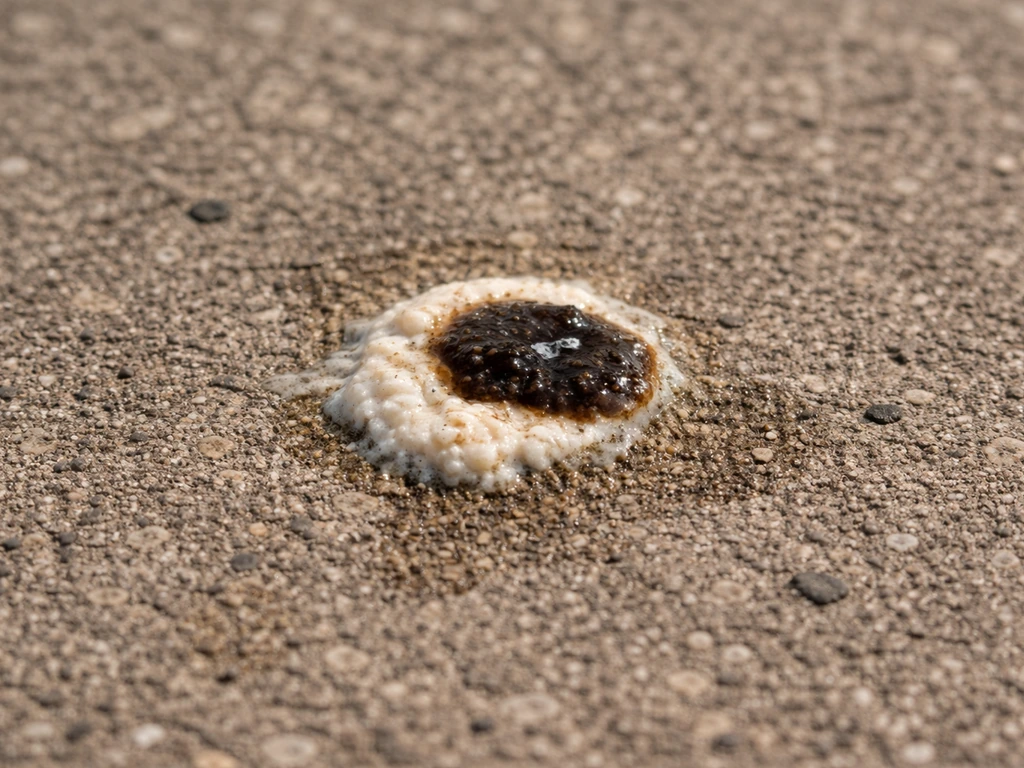
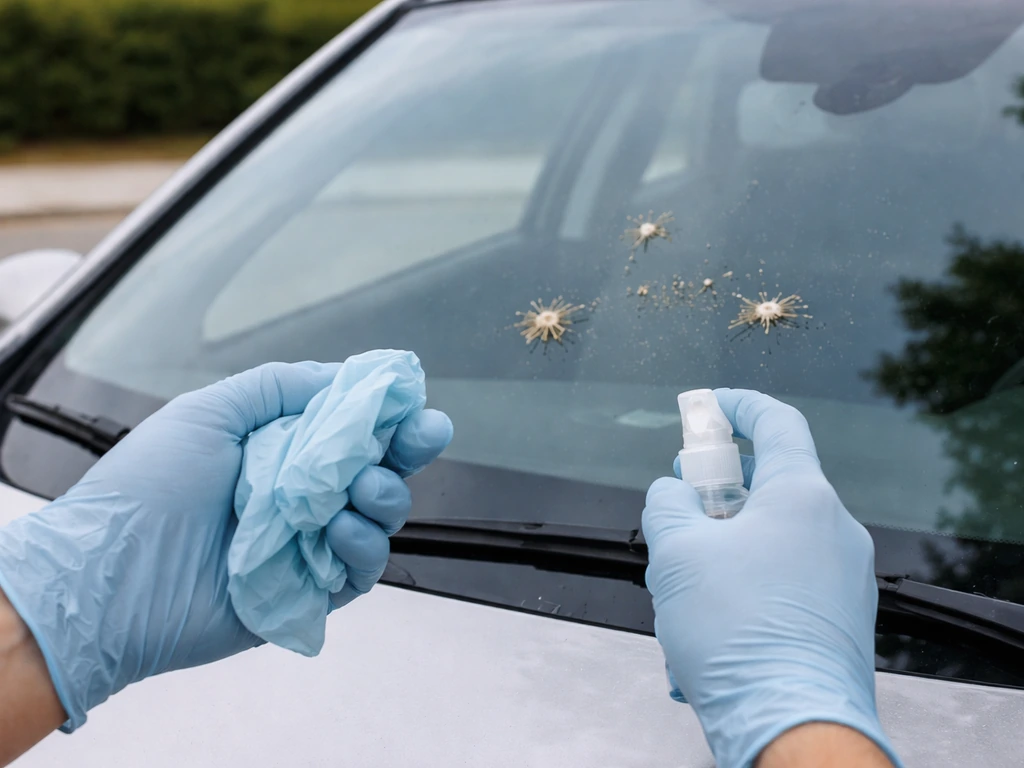
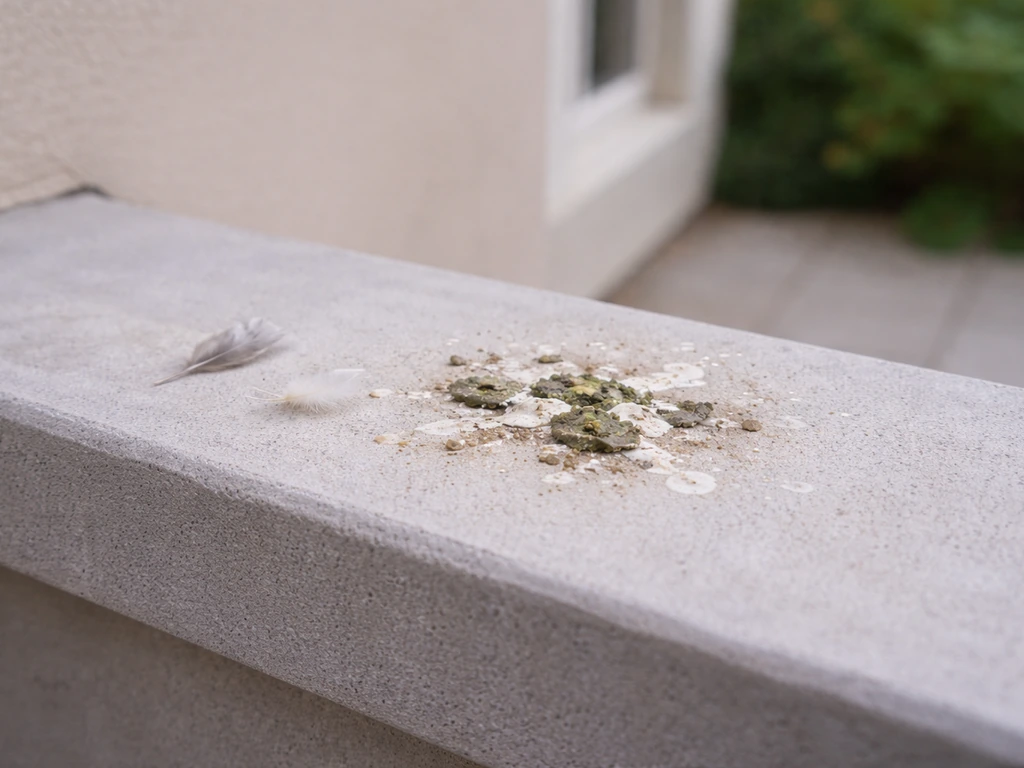
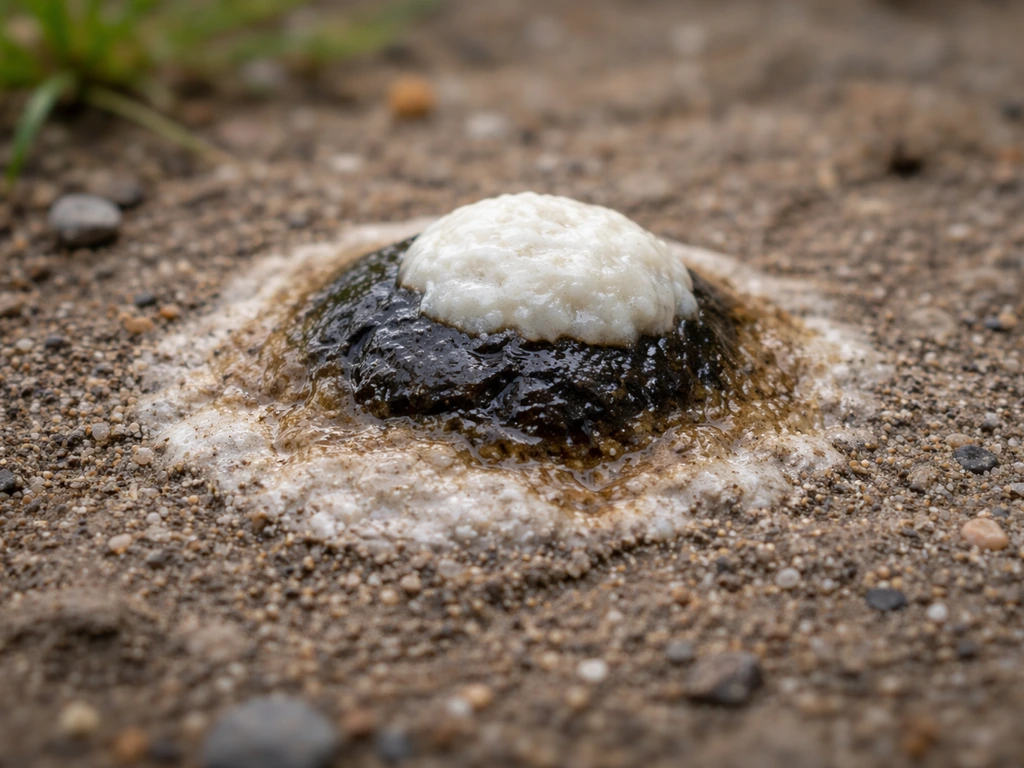
Most bird droppings you'll encounter share a recognizable look: a soft, pasty blob that's predominantly white or cream-colored with a dark brown, green, or black center. On a hard surface like a car hood or a fence rail, a fresh dropping will be slightly wet and almost plaster-like in texture. Audubon describes the consistency on windshields as similar to white plaster, which is about right. It spreads a little on impact but holds its shape. On grass or soil it tends to disappear into the surface faster, so you'll mostly notice the white residue.
Pigeon droppings are a good reference point because they're the ones most people bump into. They tend to be white-brown, reasonably firm, and about the size of a small marble when fresh. They leave behind a tell-tale white stain that seems almost impossible to fully remove from concrete. Smaller songbirds produce thinner, more liquid splats. Larger birds like geese or hawks produce noticeably bigger, sometimes more elongated droppings. The core visual pattern (white outside, dark inside) stays consistent across most species.
The white part and the dark part: what you're actually looking at
Bird droppings have three components, and this is worth understanding because it explains almost everything about their appearance. First, there's the fecal portion, which is the dark center. This is the actual solid or semi-solid waste from digestion. Second, there's the urate portion, which is the white or chalky cream-colored material. This is how birds excrete the metabolic waste that mammals handle through liquid urine. Third, there's a small amount of clear, watery liquid urine that you may notice around the dropping, especially when it's fresh.
The reason birds produce urates instead of liquid urine is efficiency. Birds convert nitrogen waste into uric acid, which is nearly insoluble in water, so it comes out as a thick, pasty white substance rather than a stream of liquid. It's excreted at the same time as the feces, which is why you see both parts together in every dropping. The white chalky urate portion should appear white or off-white and smooth. A normal urate is described in avian care guidelines as white and chalky, and the liquid component should be clear or very lightly colored, not red or brown.
Fresh vs dried: how the look changes over time
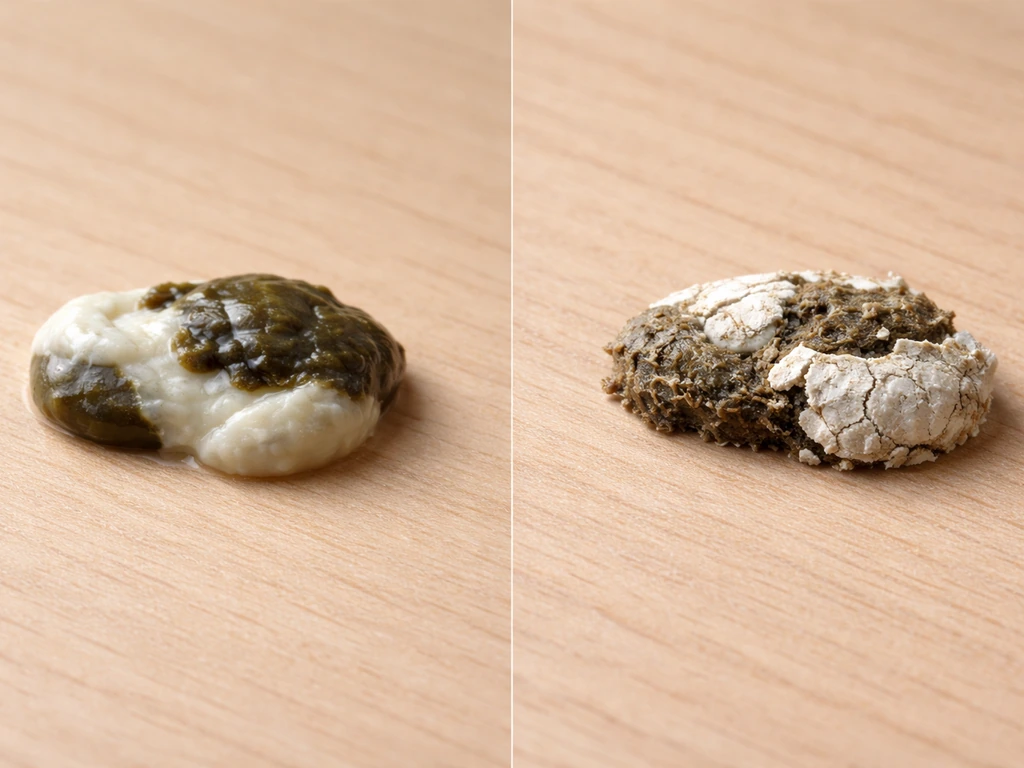
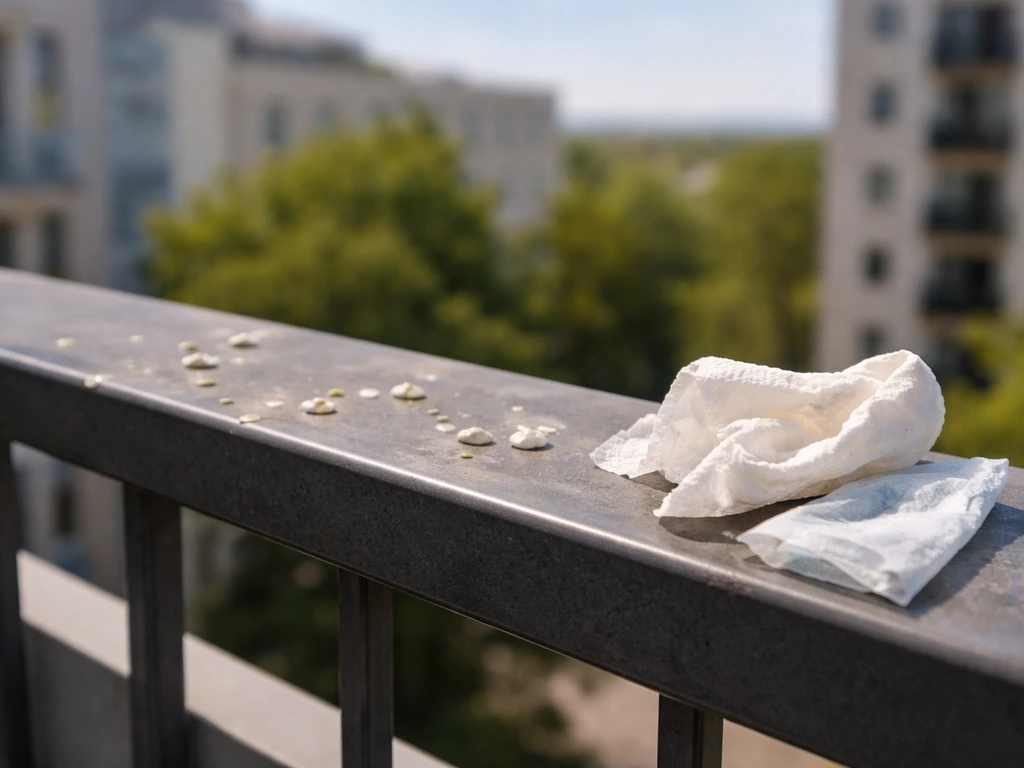
A fresh bird dropping is noticeably different from one that's been sitting in the sun for a day. Fresh droppings are soft, wet, and slightly glossy. The urate portion is pasty and cream-colored, the fecal center is dark and moist, and you can usually see that little ring of clear liquid around the whole thing. Bird vomit can look quite different from typical droppings, so comparing texture, color, and liquid content helps you tell what you are seeing. On a smooth surface like glass or painted metal, a fresh dropping will smear if you try to wipe it immediately.
As a dropping dries out, the clear urine evaporates first, leaving just the chalky urate and the fecal portion. The whole thing lightens in color and hardens, sometimes cracking. On concrete or rough surfaces, older droppings become very white and powdery, almost dusty. This powdery, dried-out stage is actually the stage that carries the most health risk, because any disturbance sends fine particles into the air. On cars, dried droppings also become more corrosive to paint the longer they sit, as the uric acid continues to work into the surface.
Why droppings look different depending on species, diet, and surface
The normal range of bird dropping appearances is actually pretty wide, and several factors push it in different directions. Species size is the most obvious one: a sparrow leaves a tiny streak, while a Canada goose leaves a long, thick, greenish log. Diet is the next biggest variable. Birds eating a lot of berries (blackberries, mulberries, and the like) often produce droppings that are dark purple or reddish rather than the usual brown-black. Birds on a pellet-based diet tend to produce more uniformly brown fecal matter. Fruits, beets, and other pigmented foods can all shift the color noticeably. If you feed a pet bird a new food and the dropping color changes, the food is almost always the explanation.
Water intake also changes things. A bird that's well-hydrated produces more clear liquid urine around the dropping, so the whole thing looks wetter and more spread out. A dehydrated bird produces very little clear liquid. The surface the dropping lands on changes how it looks too. On smooth concrete or glass, it pools and flattens. On grass or mulch, it absorbs into the material and just leaves a white patch. On car paint, it sits on top and starts to etch into the clear coat if left too long.
Normal vs concerning: what to watch for
For wild bird droppings you find outside, the main things that stand out as unusual are bright red or bloody coloring in the fecal portion, a completely absent urate (the whole dropping is dark with no white), or droppings that are extremely watery and liquid with no solid structure at all. These aren't automatically a crisis, but they're worth noting if you're a pet bird owner because they can signal infection, internal bleeding, or illness.
For wild droppings in your yard or on your car, the practical concern is less about what the dropping looks like and more about volume and age. A single dropping from a passing bird is a minor nuisance. A large accumulation of old, dried, powdery droppings (under a tree where birds roost, in an attic, in a barn) is a genuine health consideration because of the histoplasmosis risk from inhaling disturbed dust. The color and shape of a large accumulation matters less than the fact that it's a large accumulation.
| What you see | What it likely means | Action needed |
|---|---|---|
| White outer portion, dark fecal center, small clear ring | Normal, healthy dropping | Standard cleanup, no special concern |
| Dark purple or reddish fecal portion | Bird ate berries or pigmented food | Normal, no concern |
| Very watery dropping with almost no solid structure | High water intake or possible digestive issue (in pet birds) | Monitor if it's a pet; normal for wild birds in some conditions |
| Bright red or bloody streaks in fecal portion | Possible internal issue (in pet birds) | Vet visit warranted for pet birds |
| All-white or nearly all-white with minimal dark portion | High urate output; possible kidney stress in pet birds | Monitor; consult a vet if persistent in a pet bird |
| Dry, chalky, powdery white residue in large quantity | Old accumulated droppings, higher histoplasmosis risk | Wet before cleanup, use PPE |
| Green-tinted fecal portion | Common in birds eating greens or grass; also normal in many wild birds | Normal unless accompanied by other symptoms |
If you're trying to figure out whether what you're looking at is even bird poop at all, there are some things that mimic it. Some insects, like certain caterpillars and moths, produce droppings that look strikingly similar to bird poop, right down to the two-toned white and dark coloring. That's actually a camouflage strategy. Bird poop has a characteristic splat pattern on hard surfaces with that urate spread, while insect droppings tend to be more uniformly small and dry.
How to clean it up safely and what to do after contact
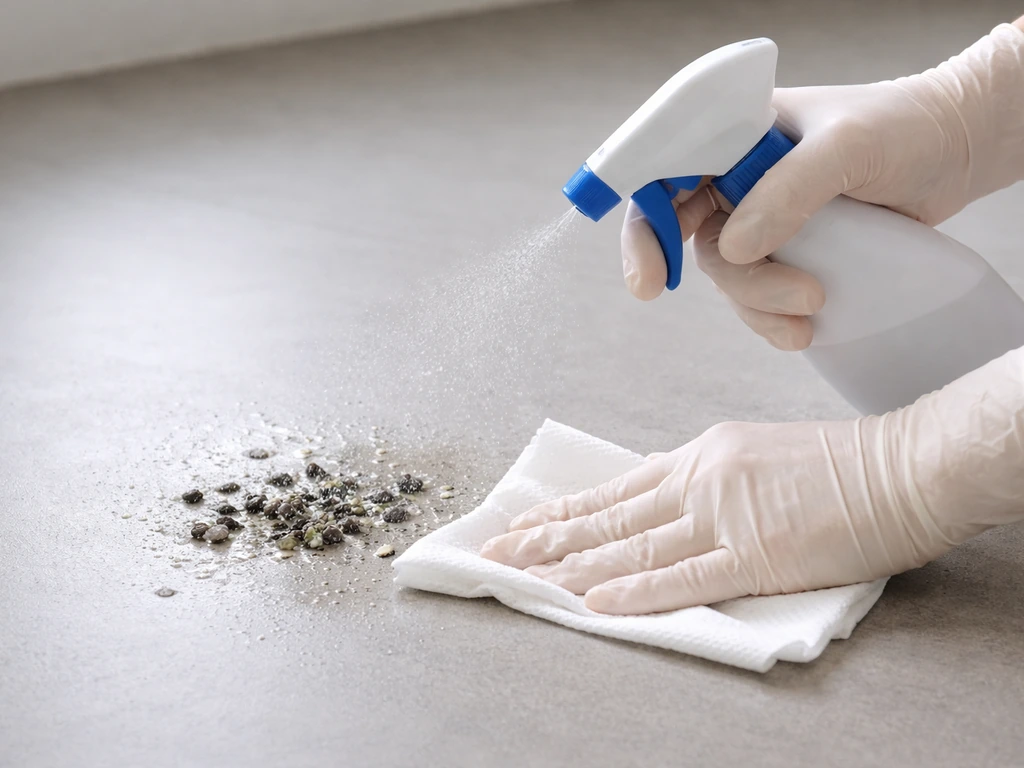
The single most important rule for cleaning up bird droppings is: blank" rel="noopener noreferrer">do not sweep or vacuum dry droppings. This is the guidance from the CDC, the Washington State University EHS department, and the Illinois Department of Public Health, all for the same reason. Dry bird droppings can harbor blank" rel="noopener noreferrer">Histoplasma capsulatum, a fungal spore that causes histoplasmosis. Sweeping or vacuuming sends those spores into the air where you breathe them in. The fix is simple: wet the droppings first.
- Wet the droppings thoroughly with water or a diluted disinfectant solution before you touch or move anything. Let it soak for a minute or two.
- For small amounts (a few splats on your car or patio), gloves and wetting the area before wiping is sufficient. Use a damp cloth or paper towels and dispose of them.
- For larger accumulations (under a roost, in an attic or barn), wear gloves and eye protection at minimum. An N95 respirator is a reasonable addition. The CDC recommends gloves anytime your hands will contact contaminated material.
- Never sweep, vacuum, shovel, or otherwise disturb dry droppings. If you must remove a large amount, soak it first, collect it in a sealed bag or container, and dispose of it properly.
- Wash your hands thoroughly with soap and water after cleanup, even if you wore gloves. This applies after removing the gloves too.
- If you accidentally touched fresh droppings with bare hands, wash immediately with soap and water. Avoid touching your face before washing.
- If you inhale dust from disturbed droppings and develop flu-like symptoms (fever, cough, chest tightness) in the days following, see a doctor and tell them about the bird dropping exposure. NYC Health notes that routine cleanup doesn't pose serious risk for most healthy people, but it's worth mentioning to a healthcare provider if symptoms appear.
For cars specifically, beyond the health side, bird droppings are mildly acidic due to the uric acid content and will start damaging paint and clear coat within a matter of hours in warm weather. Wet the spot, let it soften, and wipe gently rather than scrubbing dry. A dedicated bird dropping remover spray works well, but plain water and a soft cloth is fine for most situations.
One last thing worth knowing: if you have a pet bird and you're regularly checking its droppings for health clues, the visual check is genuinely useful. Healthy droppings should consistently show all three components (dark fecal portion, white or off-white urate, and some clear liquid). A sudden change in color, consistency, or the ratio of those components (especially a dramatic increase in liquid or a complete absence of urate) is a signal worth discussing with an avian vet. Wild bird droppings are far less informative from a health-monitoring standpoint, but they follow the same visual logic.
FAQ
If bird poop is white and chalky, does that always mean it is healthy?
Not always. A white or off-white urate is typical, but health signals come from the full pattern (dark fecal center plus some clear liquid when fresh). If the white portion becomes entirely absent, or the dropping is consistently very watery with no solid structure, that is more concerning than the color alone.
Why does bird poop sometimes look green, and is green always a sign of illness?
Green can happen when the fecal portion includes bile pigments and when diet varies. For wild birds, diet and freshness matter a lot. For a pet bird, persistent green plus loose or watery droppings, or a change for more than a day or two, is a better reason to call an avian vet.
What does bird poop look like when it is still fresh versus old on a car or sidewalk?
Fresh droppings usually look slightly glossy, softer, and wetter, and you can often see a ring of clear liquid around the urate. Older droppings lose the clear liquid first, turn chalkier, and may become powdery. Dried powder is the most likely to become airborne if you touch it dry.
How can I tell the difference between bird droppings and insect frass or caterpillar droppings?
Bird poop on hard surfaces typically shows the two-part look, white or cream urate with a darker center, plus some spreading when fresh. Many insect droppings are more uniform in size and color and do not have that characteristic white-outside, dark-inside splat pattern.
My droppings are on a window, what is the safest way to clean them without spreading particles?
Use water first. Wet the area and let it soften before wiping, then dispose of the material promptly. Avoid scraping dry, and do not use compressed air, sweeping, or vacuuming if the droppings have had time to dry.
Is it safe to wipe bird poop with paper towels if it is already dry?
It is safer than sweeping, but dry wiping can still aerosolize fine powder. If you can, soak with water first, then wipe gently. Wear gloves if you have them available, and wash hands immediately after.
What are the red flags in wild bird droppings that mean I should pay closer attention?
Look for bright red or bloody coloring in the fecal portion, droppings that are extremely watery with no solid part, or a complete absence of urate (the whole dropping is dark). Any of these are reasons to note the situation, especially if multiple birds seem unwell.
How much bird droppings is “too much” for health concerns in a home or shed?
A single fresh dropping is usually a minor nuisance. The bigger concern is large accumulations of old, dried, powdery droppings, especially in enclosed spaces like attics, barns, or under roosting spots. If you see heavy buildup, plan on wetting before cleanup and consider additional precautions.
Does diet or hydration reliably change what bird poop looks like?
Yes. Diet can shift the fecal color toward darker purple or reddish tones (for berry-heavy diets) or make the fecal part more uniformly brown (for pellet-based diets). Hydration changes the amount of clear watery urine around the dropping, with well-hydrated birds leaving a wetter look.
When should I contact an avian vet based on droppings appearance?
If you are monitoring a pet bird, contact a vet when you see a sudden or persistent change in any of the three components (dark fecal portion, white or off-white urate, and clear liquid) or a major shift in the ratio, especially a dramatic increase in liquid or a complete lack of urate.