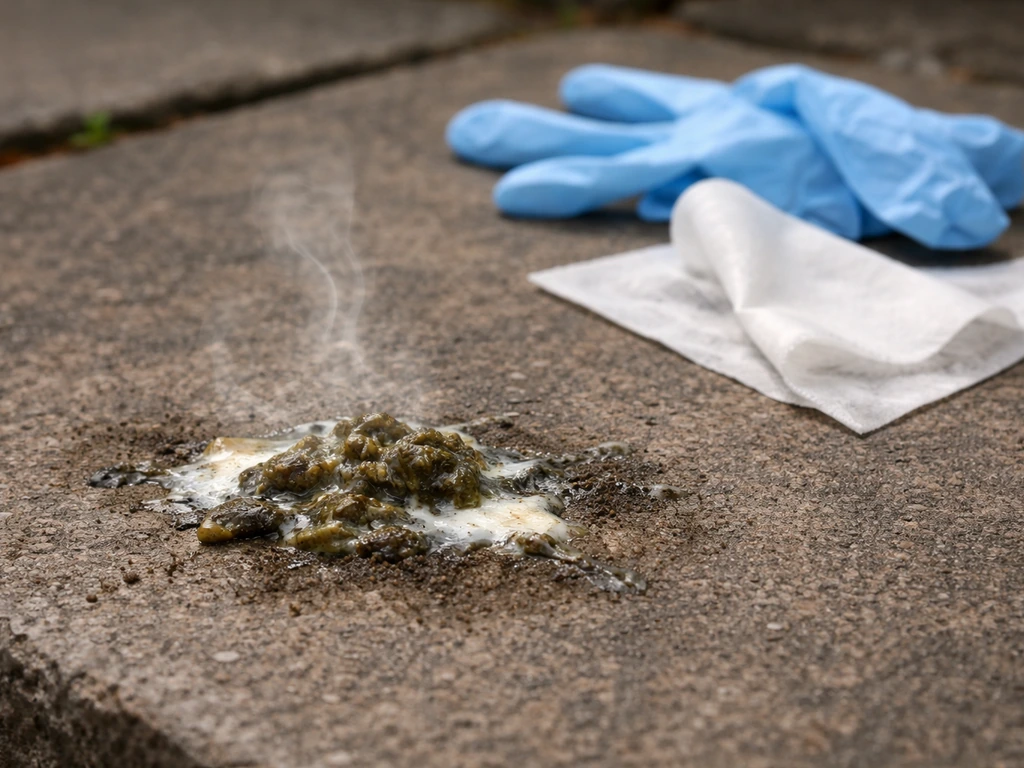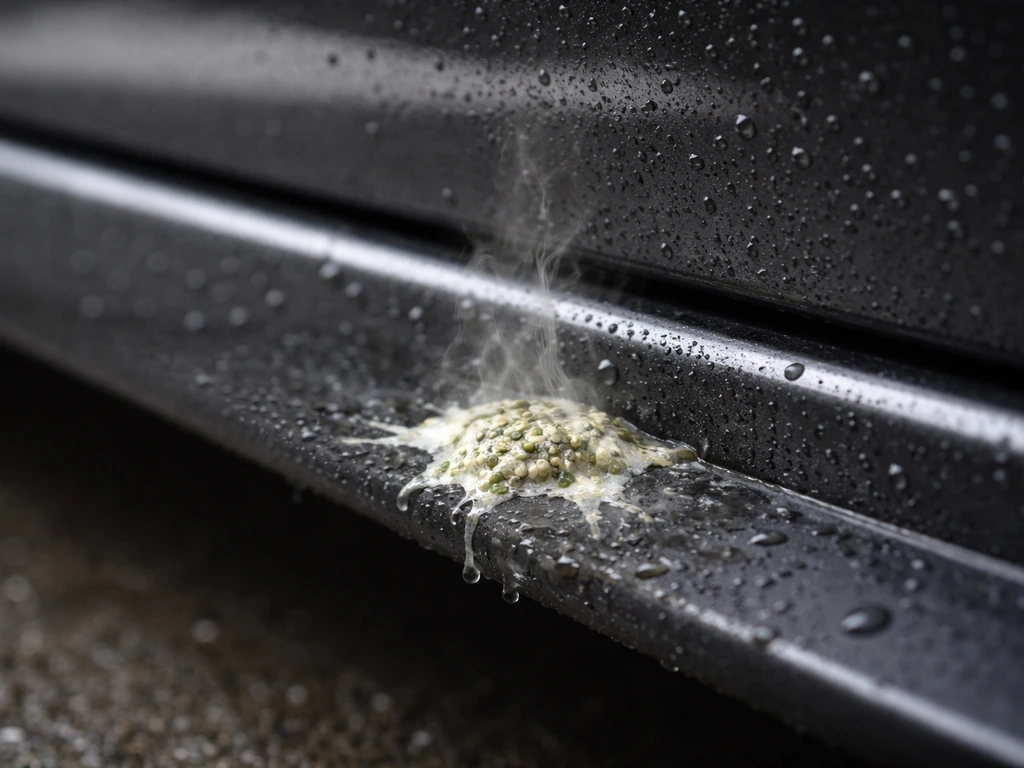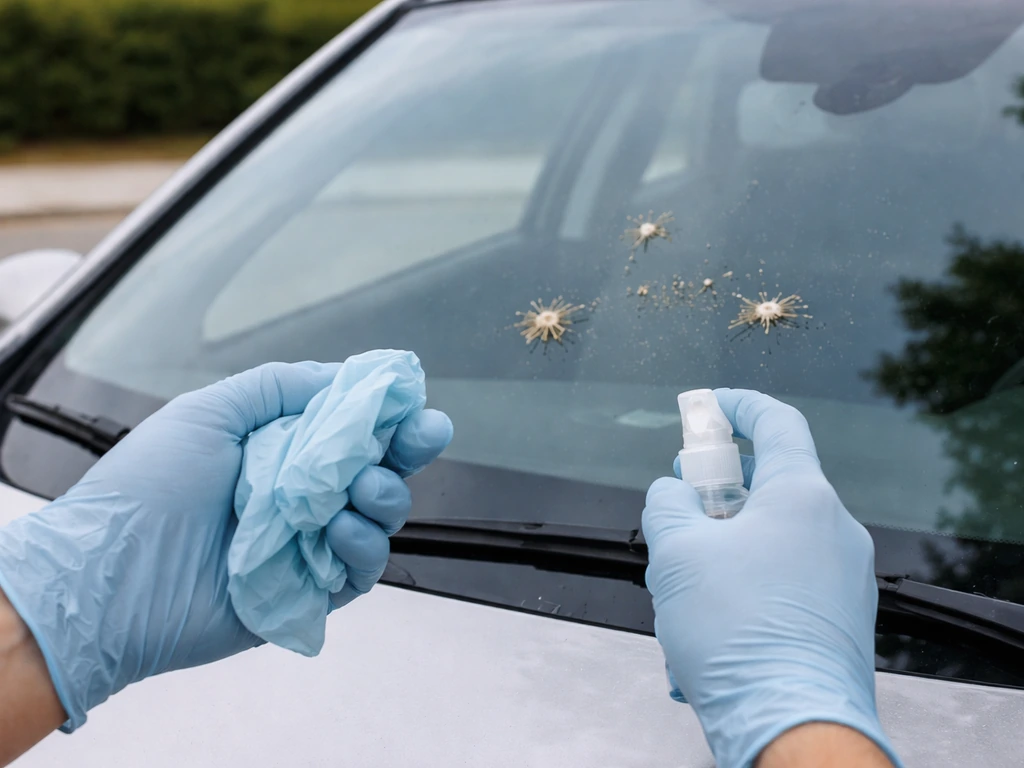
Yes, bird poop can stain clothes, but it's usually not permanent if you act quickly. The droppings contain uric acid, pigments from digested food, and fecal matter, all of which can leave a yellowish-brown mark on fabric if left to sit. The good news is that most fresh droppings lift out cleanly with the right approach. Dried droppings are harder but still removable in most cases. The one situation where the damage can become permanent is if you run the garment through a hot dryer before the stain is fully gone, which sets it into the fibers for good.
Does Bird Poop Stain Clothes? How to Remove It Fast

Marcus Fielding
27 Apr 2026
Fresh vs dried droppings: how timing changes everything
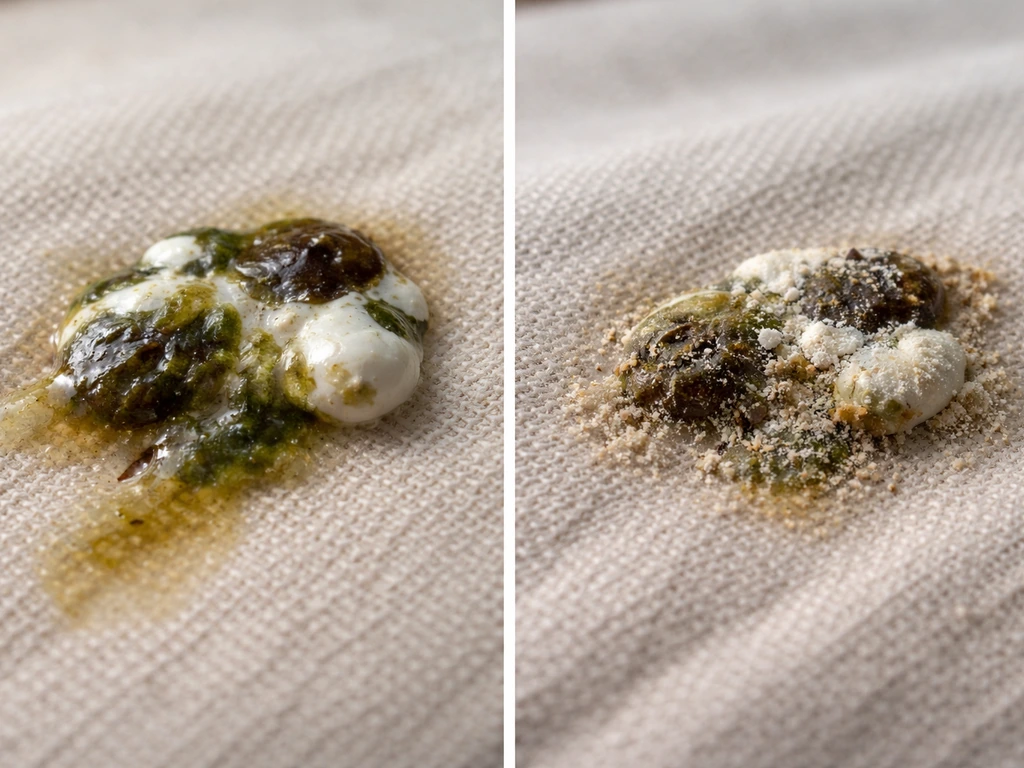
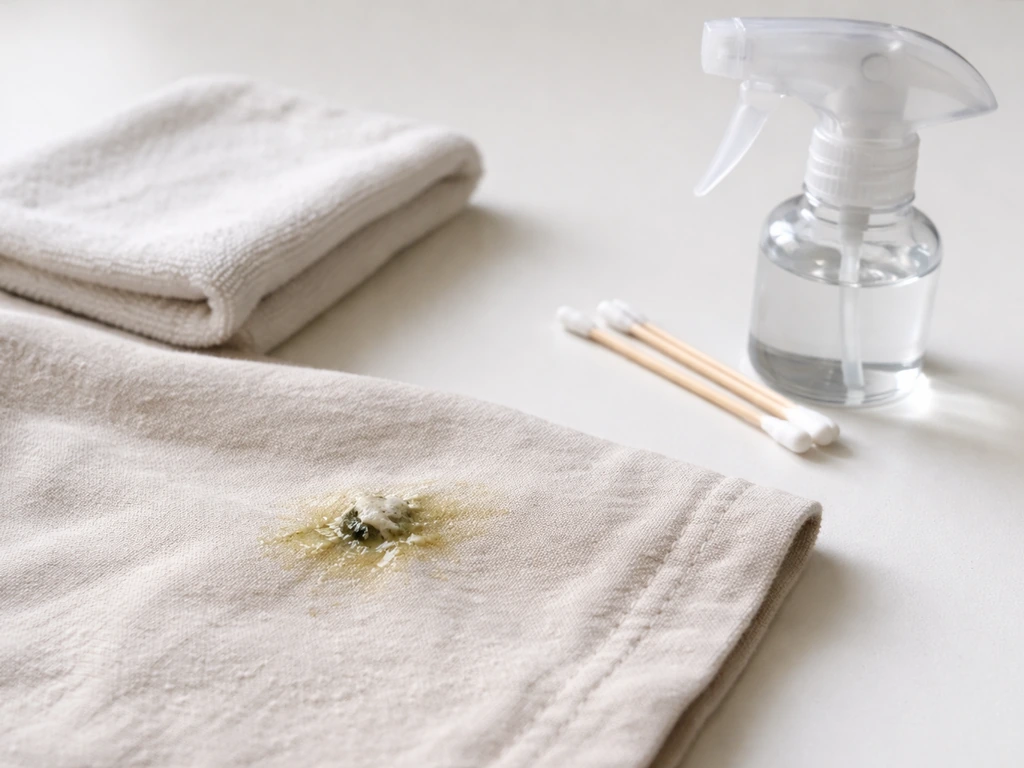
Fresh bird poop is mostly water, so it hasn't had time to bond deeply with fabric fibers. If you catch it within the first few minutes, you can often flick or blot the bulk of it off and treat the remaining mark with detergent and cold water without any drama. The uric acid crystals haven't fully dried and locked into place yet, and the pigments from whatever the bird was eating are still mobile enough to lift out.
Dried droppings are a different story. As bird poop dries, the uric acid crystallizes into that chalky white crust you've probably seen. Those crystals physically embed in the weave of the fabric, and the surrounding residue, which can include bile pigments and dark fecal matter, starts to oxidize and bind to the fibers. This is why a splat you left on your coat all week is going to require more work than one you caught on the way out the door. Dried doesn't mean ruined, but it does mean you need to rehydrate the stain before attempting any removal.
Will bird poop come out of clothes? Step-by-step removal
In most cases, yes, bird poop comes out of clothes completely, especially if you follow the right sequence. The biggest mistake people make is skipping steps or rushing, which usually just spreads the mess or drives it deeper. Here's the process that actually works.
For fresh droppings
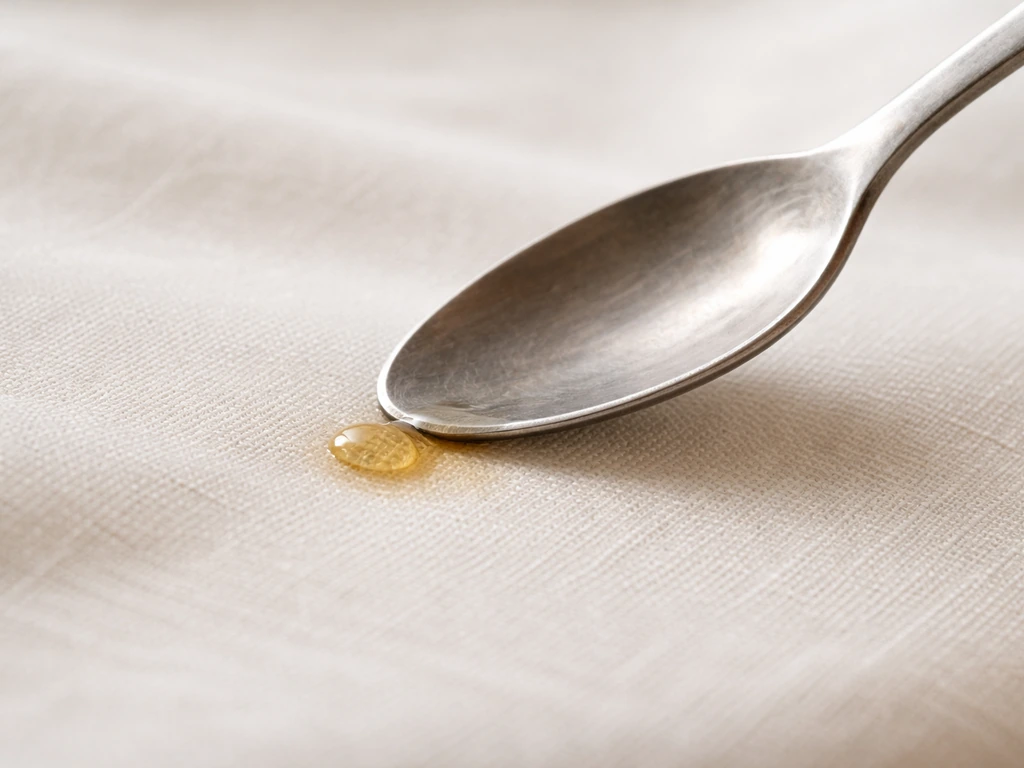
- Don't rub. Use the edge of a spoon, a dull knife, or even a credit card to gently lift the bulk of the dropping off the surface of the fabric without pressing it in.
- Rinse from the back of the fabric with cold water. Running water through the back of the stain pushes it out rather than through the fabric.
- Apply a small amount of liquid laundry detergent directly to the stain. If your detergent contains enzymes (look for words like 'bio' or 'enzyme' on the label), even better, since enzymes specifically break down the proteins and uric acid in bird droppings.
- Let it sit for 5 to 10 minutes.
- Rinse with cold water and check the stain. Repeat if needed, then machine wash on a cool or warm cycle.
- Check the stain before putting the garment in the dryer. If any mark remains, treat again rather than drying.
For dried droppings
- Rehydrate the crust first. Lay a damp cloth or paper towel over the dried dropping for 5 to 10 minutes. This softens the uric acid crystals so they don't shred the fabric when you try to remove them.
- Gently scrape the softened crust off using a spoon or blunt edge. Work from the outside edge of the stain inward to avoid spreading.
- Soak the stained area in warm water with an enzyme-based laundry detergent or an oxygen-based stain remover. For stubborn marks, mix one scoop of an oxygen powder (like OxiClean) per gallon of warm water and submerge the entire garment. Let it soak for at least an hour, and up to overnight for heavy staining.
- Machine wash with your regular detergent on the warmest setting that is safe for that fabric.
- Air dry and inspect before using a dryer. Heat is the enemy here.
If a stain is still visible after a full soak and wash cycle, repeat the oxygen soak rather than moving on. Some heavily pigmented droppings from birds eating dark berries or highly colored food may need two rounds. Related to this, if you're wondering whether the garment can simply go through a machine wash without pre-treatment, the answer is usually no for anything beyond a very small fresh spot. The question of whether bird poop comes out in the wash alone is really about whether pre-treatment was done first.
Does bird poop bleach clothes? What that discoloration actually is
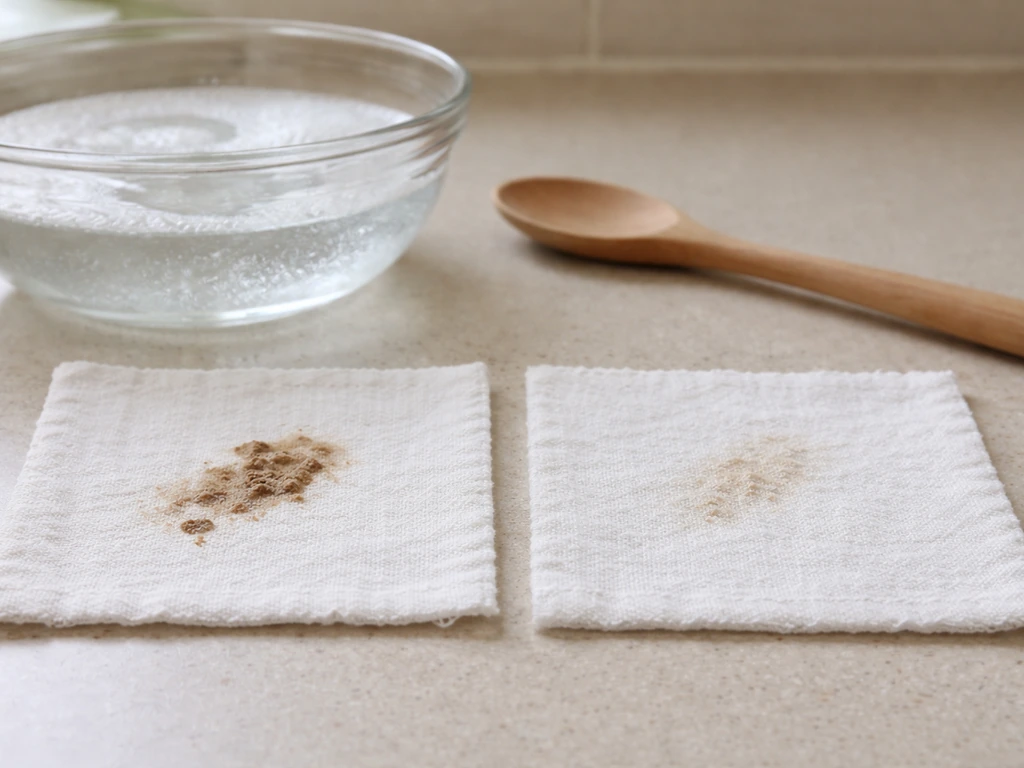
This is a point of real confusion. Bird poop does not bleach clothes the way that laundry bleach does. Bleach works by a chemical oxidation reaction that breaks apart the molecular structures that give fabric its color. Bird droppings don't do that. What they do is leave their own pigments, chalky urate residue, and sometimes a slight yellowish tint from the uric acid itself, all of which can make it look like the fabric color has been altered.
The discoloration people often see after bird poop dries on dark or brightly colored fabric is usually one of two things: either the white chalky urate residue sitting on top of the fabric, which can look like a bleach mark until it's properly removed, or a mild yellowing caused by the uric acid interacting with dyes in the fabric over time. The second one is more of a concern for delicate fabrics or if the dropping sat for a long time. It isn't bleaching in a technical sense, but on a black shirt or a dark garment it can produce the same visual effect.
True irreversible color loss from bird droppings is relatively rare on sturdy fabrics and quick-treated garments. If you do see what looks like a lightened patch after washing, try an enzyme pre-treatment soak before concluding the discoloration is permanent. Sometimes the apparent color shift is just residue you haven't fully cleared. For structured or dry-clean-only garments, a professional dry cleaner is worth consulting, since dry cleaning can remove bird poop residue and address set-in discoloration that home washing struggles with.
What to avoid: the mistakes that make it worse
- Rubbing the stain. This is the fastest way to push the pigments and uric acid deeper into the fabric weave and make the mark bigger. Always blot or lift, never scrub.
- Hot water on a fresh stain. Hot water can set protein-based stains, and bird droppings definitely contain proteins. Start with cold water and only move to warm once the bulk is removed.
- Putting it in the dryer before the stain is gone. Heat from a dryer permanently bonds stain residue to fabric fibers. This is probably the single most common way bird poop marks become permanent.
- Letting it dry on a light-colored or structured garment without treatment. White or pastel fabrics are more vulnerable to the yellowing effect of uric acid, so faster action matters more here.
- Mixing bleach with other cleaners. If you decide to use bleach on a white garment, never combine it with ammonia-based products. This reaction produces toxic chloramine gas. Use bleach alone, diluted properly, and only on bleach-safe white fabrics.
- Scraping a dry crust without softening it first. Dry uric acid crystals are slightly abrasive, and scraping them hard across fabric without rehydrating first can snag or pill delicate fibers.
Cleaning by fabric type and how bad the stain is
| Fabric / Situation | Recommended Approach | Notes |
|---|---|---|
| Everyday cotton (shirts, jeans) | Cold rinse, enzyme detergent pre-treat, warm machine wash | Most forgiving fabric; usually removes completely with one treatment |
| Dark or brightly dyed cotton | Same as above; check for residue carefully before drying | White urate residue can look like bleaching; re-treat if any marks remain |
| Synthetic fabrics (polyester, nylon) | Cold rinse, oxygen soak for 30-60 minutes, cool machine wash | Avoid hot water; synthetics can trap stain deeper with heat |
| Wool or wool blend | Rehydrate and gently lift crust, cold hand wash with wool-safe detergent, no rubbing, air dry flat | Machine washing or hot water can shrink wool; treat very gently |
| Silk or delicate fabrics | Blot only, take to a dry cleaner if the stain is significant | Too fragile for scraping or enzyme soaks at home; professional treatment is safest |
| Dry-clean-only garments (suits, structured coats) | Blot off excess, seal in a bag, take to a dry cleaner promptly | Do not attempt home washing; inform the cleaner what the stain is |
| Light fresh mark on any fabric | Cold water rinse from the back, enzyme detergent, machine wash | Quick action on small fresh spots almost always works completely |
| Heavy or dried stain on sturdy fabric | Full rehydration, overnight oxygen soak, double wash cycle | May need two treatment rounds for heavily pigmented droppings |
Car seat fabric or upholstery follows a similar logic to clothing. You can't run it through a machine, so the process is: rehydrate, lift the crust, apply an enzyme-based upholstery cleaner or a diluted oxygen cleaner, blot (never rub), and allow it to fully air dry. For leather or faux leather car seats, use a damp cloth to lift the dropping and then condition the surface afterward, since uric acid can dry out and slightly etch the finish if left too long.
Safety and hygiene during cleanup
Bird droppings aren't just a laundry problem. Bird poop can also smell, especially when it is dried or left on fabric for a while does bird poop smell. If you're curious what people say about this online, discussions on what does bird poop smell like Reddit can help you set expectations for the odor.
If you're noticing the odor staying indoors, this guide on what does bird poop smell like in the house can help you compare symptoms before you start cleanup. What bird poop smells like can vary depending on freshness, food, and how long it has dried what does bird poop smell like. Fresh bird poop often has a mild, ammonia-like odor, but dried droppings can smell stronger and more pungent over time does bird poop smell. They can carry bacteria, fungi, and in some situations viral material, so treating them as potentially infectious during cleanup is a reasonable habit, not paranoia.
The CDC also recommends hygiene measures when handling bird-related materials, such as avoiding bare-hand contact with droppings and keeping bird cages or enclosures clean [treating them as potentially infectious during cleanup is a reasonable habit, not paranoia. ](https://www. cdc. gov/healthy-pets/about/birds.
html). This is especially true if you're dealing with large quantities of dried droppings, which can release aerosolized particles when disturbed. The CDC advises reducing histoplasmosis risk by [avoiding activities that can disturb soil or areas contaminated with bird or bat droppings](https://www. cdc.
gov/histoplasmosis/prevention/index. html), and using respiratory protection and other protective measures for higher-risk tasks.
- Wear disposable gloves or rubber gloves when handling soiled garments or scraping off droppings. This keeps the material off your skin and out from under your fingernails.
- If you're dealing with a lot of dried droppings (like clearing out a storage area or a heavily used perch), wear a dust mask. An N95 or KN94 is ideal. Dried bird feces can produce fine dust particles when scraped or disturbed.
- Wash your hands thoroughly with soap and water after handling any contaminated clothing, even if you wore gloves.
- If you can't wash a soiled garment right away, seal it in a plastic bag rather than leaving it loose in a hamper where others might handle it.
- Machine wash contaminated clothing separately from other laundry, and choose the hottest water temperature that's appropriate for the fabric. This is especially worth noting if you've had contact with wild birds.
- Avoid touching your face while handling soiled items, and clean any surfaces (sinks, countertops) that the garment touched during pre-treatment.
None of this means you should panic if a pigeon scores a direct hit on your shoulder during your lunch break. A single small dropping on intact clothing is a low-risk situation, and the steps above cover both the stain removal and the hygiene side in one go. If you are also trying to figure out the source of the odor, many people discuss what bird poop smells like on Reddit stain removal. The precautions matter most for larger exposures, dried old droppings, or situations where you're regularly around birds. Treat it sensibly, clean it properly, and your shirt will be fine.
FAQ
How can I tell if the stain is still urate residue versus permanent color change?
Treating bird poop stains as urine-like residue helps. Before washing, blot any wet portion, then rinse from the back of the fabric with cold water to push residue out of the fibers. If the spot is still visible, use an enzyme-based laundry pre-treatment and let it sit longer than typical detergents (about 15 to 30 minutes) before you wash.
Can I use bleach to remove bird poop stains faster?
Do not use chlorine bleach as a “test” or shortcut. Bird droppings leave pigments and uric acid residue, and chlorine bleach can create uneven fading or damage some fabrics. If you want an alternative, choose an oxygen-based cleaner and make sure the stain is fully gone before any heat exposure.
Will bird poop stain come out in the wash without pre-treatment?
For fresh smears or tiny spots, pre-treatment can be optional, but only if you can wash promptly in cold or cool water and avoid high heat. If the poop has dried, or if it’s on dark or delicate fabric, pre-treatment is the safer bet because dried urate crust tends to re-oxidize.
Is it safe to put the clothes in the dryer once the stain looks better?
Yes, if you use heat too early. The safest rule is to keep the item out of the dryer and avoid hot ironing until the stain and any yellow tone are fully removed. A quick re-check after air-drying helps, because lingering residue can be less obvious when the fabric is wet.
Do bird poop stains behave differently on white clothes?
For white fabrics, you still need the full removal sequence, even if the mark seems faint. Chalky urate residue can look like a light spot rather than a stain, so it may look “gone” until later washes. Rehydrate and use an oxygen soak if any faint yellowing returns.
What if the stain keeps coming back in the same spot?
If the poop is on thick seams, ribbed knit areas, or rough weaves, the residue can hide inside the texture. Use a soft-bristle brush to gently agitate the pre-treatment into the spot after rehydrating, and increase soak time rather than scrubbing hard.
What should I do for bird poop on dry-clean-only clothes?
If it’s dry-clean-only clothing, don’t try to “steam scrub” it at home. Instead, point out the bird droppings to the dry cleaner and ask them to treat the urate residue, since home washing may not fully lift set-in chalky crust from structured fabrics.
How do I remove the smell from bird poop on clothes?
You can reduce odor by pre-soaking before washing. Use cold water with an enzyme cleaner or oxygen cleaner, then launder as usual. If odor persists after washing, re-wash with an enzyme product again and air-dry completely, because dryers can trap odor when residue is still present.
Can I use the same steps for car upholstery and leather seats?
Yes. For upholstery, rehydrate the crust so it lifts without grinding it into padding. Blot, never rub, then treat with an enzyme-based upholstery cleaner, and allow thorough air drying before using the seat. For leather, wipe with a damp cloth first, then condition afterward to prevent the surface finish from drying out.