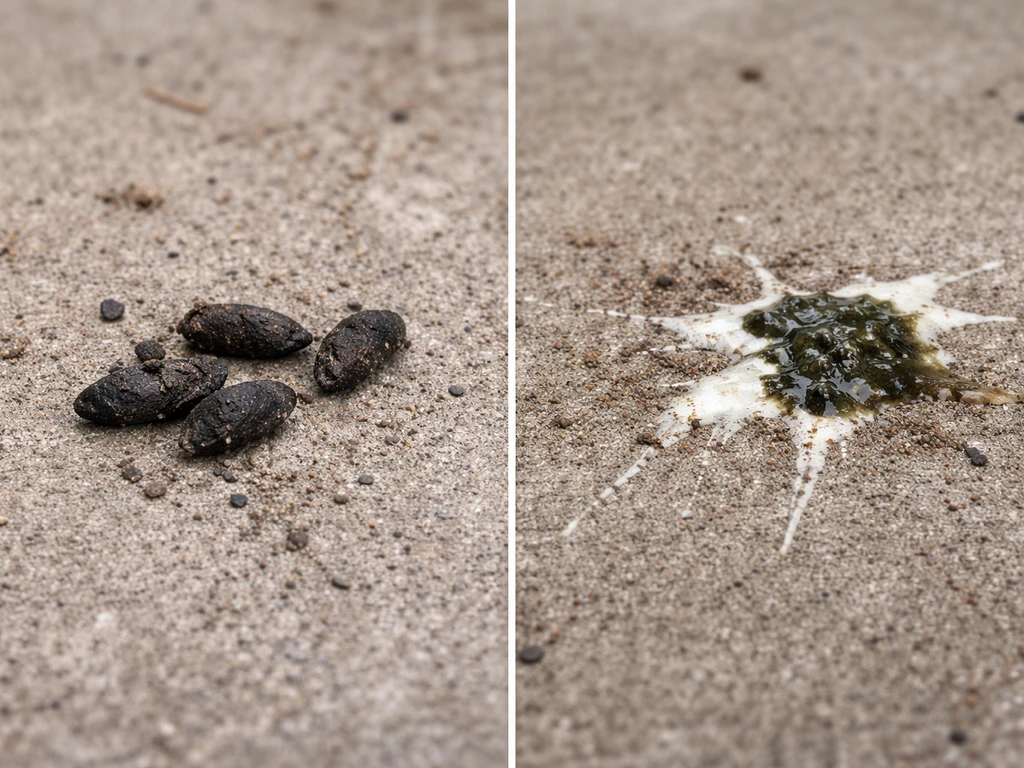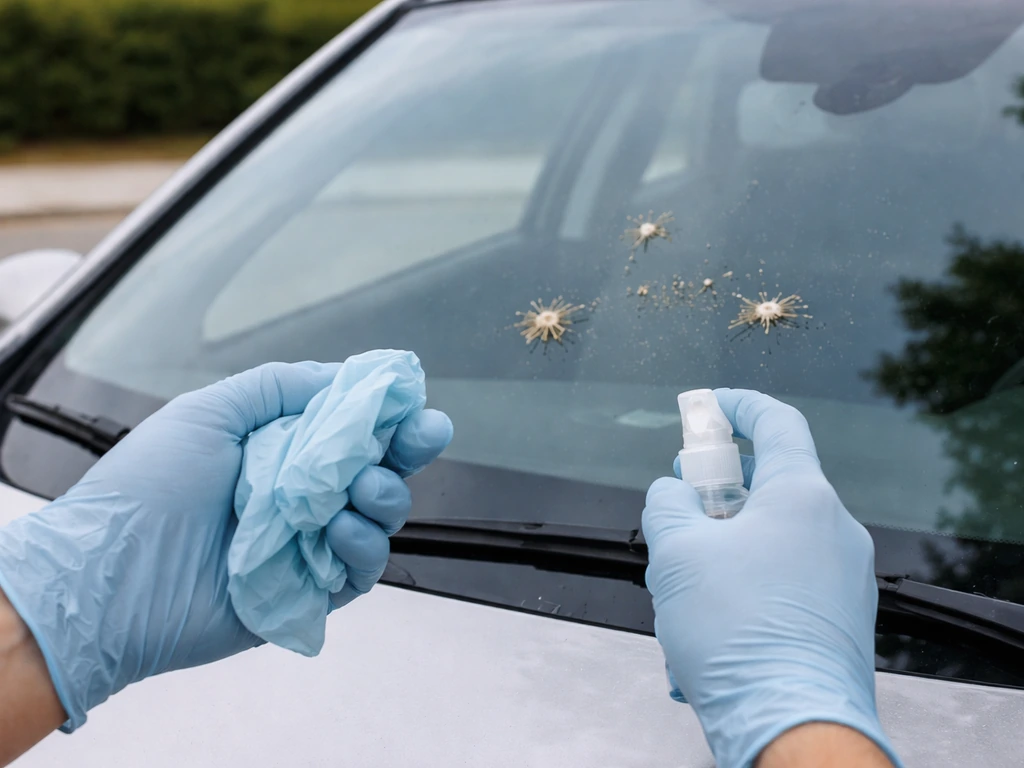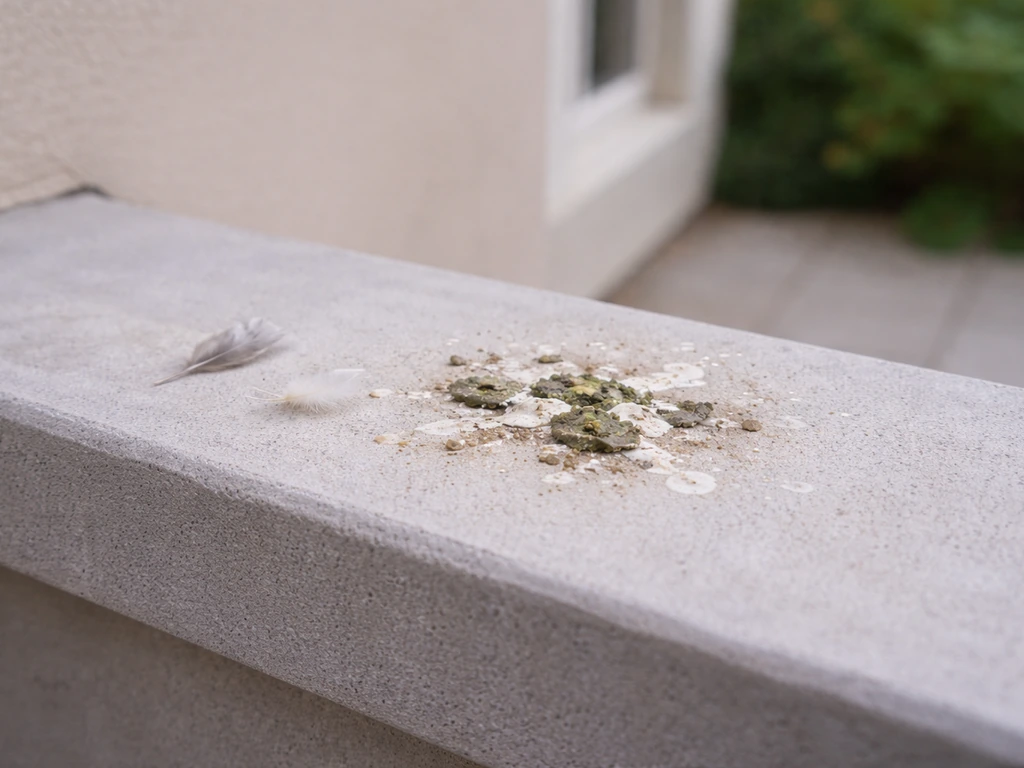
Bird blood looks almost identical to mammal blood: it's a bright red liquid when fresh, darkening to a rusty brown or deep maroon as it dries. On feathers, concrete, or car paint, a fresh spot is glossy and red; dried, it turns a dull brick-red or brownish crust that can be easy to mistake for certain bird droppings, mud, or berry stains. The key visual tells are its color range (vivid red to dark brown), its relatively thin, watery consistency compared to the thick white-and-green paste of normal bird poop, and where it appears: around wounds, on feathers near an injury site, under a roosting spot where a bird was hurt, or on pavement near a collision.
What Does Bird Blood Look Like? Signs and Cleanup Steps

Marcus Fielding
20 May 2026
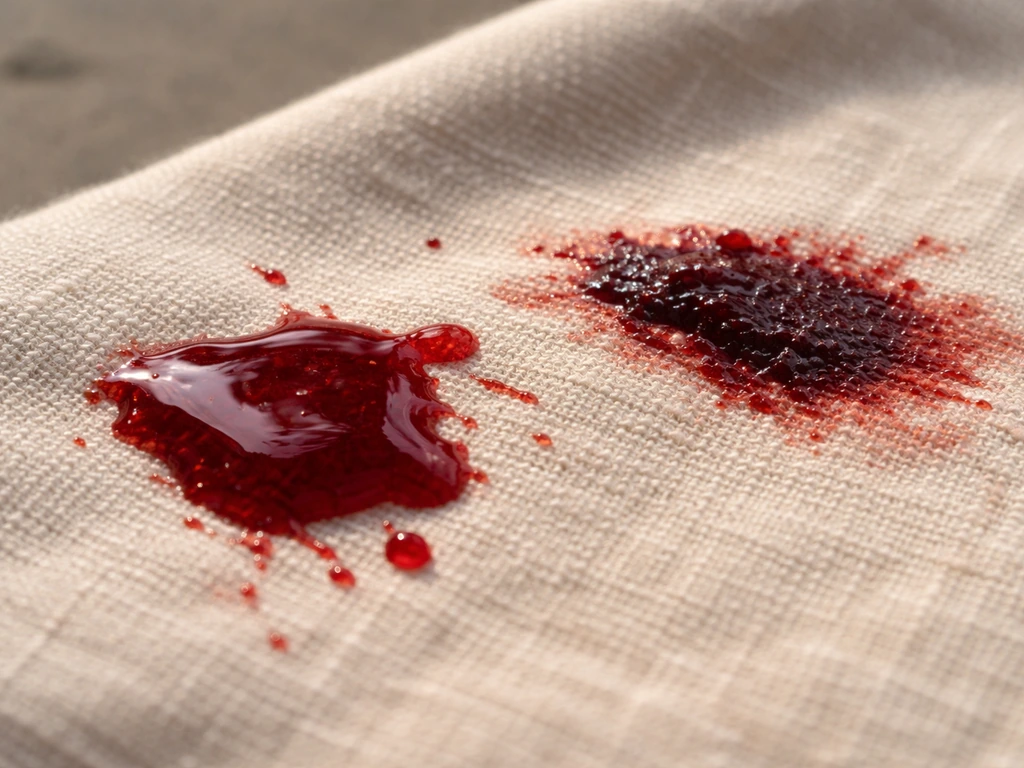
What bird blood actually looks like
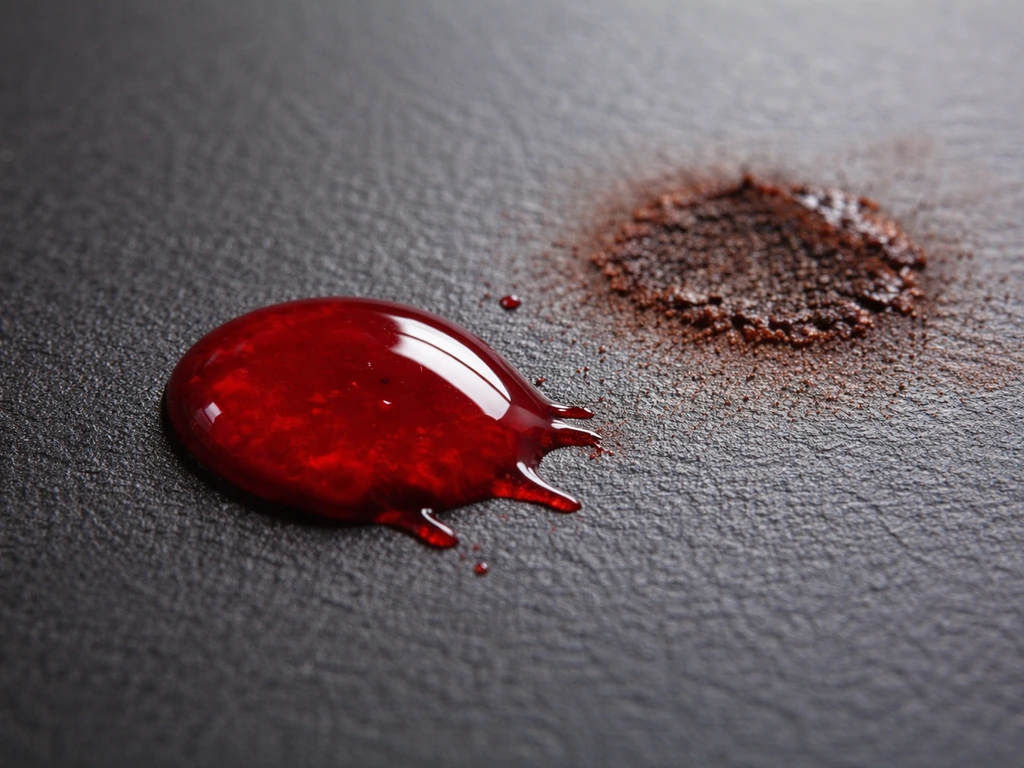
Fresh bird blood is a vivid, bright red, similar in hue to human blood. The consistency is thin and watery rather than thick or syrupy. One thing many people don't expect: bird blood is relatively pale in comparison to some mammal blood because birds have nucleated red blood cells, but this difference is only obvious under a microscope. To the naked eye, it's just red.
As it dries, bird blood darkens significantly. A small splatter dries to a rust-brown or dark maroon smear. Older dried blood can look almost black in low light. On porous surfaces like wood or cloth, it soaks in and leaves a brownish stain. On smooth surfaces like glass or car paint, it sits on top and dries into a thin, brittle crust that flakes with handling.
Quantity matters too. A minor wound on a small bird might leave just a few red droplets or a faint smear. A larger injury, a collision with a car, or an attack by a predator can leave a more obvious blood trail: scattered droplets, a wide smear, or a pooled spot surrounded by scattered feathers.
Where you're most likely to find it
Most people encounter bird blood in one of a handful of situations, and knowing the context helps a lot with identification.
- Wounded birds: A bird that has been attacked by a cat, hit a window, or struck by a car often leaves blood on the spot where it lands or sits. You'll typically see it on the ground, on a windowsill, or on pavement, sometimes alongside loose feathers.
- Car hoods and windshields: Bird-vehicle collisions leave blood smears, sometimes mixed with feathers, on the front bumper, hood, or windshield. This is one of the most common reasons people search this topic.
- Nest areas: Nesting birds can bleed from injuries, parasites, or birth-related stress. Spots of dried blood inside or below a nest aren't unusual in birds dealing with external parasites or injuries.
- Yard and patio surfaces: If a predator catches a bird in your yard, you may find a scene with feathers, blood droplets, and occasionally other tissue on pavement, decking, or grass.
- Feathers: Blood on feathers looks dark and matted, especially near the base of a feather ('blood feathers' are actively growing feathers with a blood supply; if broken, they bleed noticeably).
- Pet birds indoors: A cracked blood feather or toe injury on a pet bird (parrot, cockatiel, etc.) can leave bright red spots on perches, cage bars, or nearby surfaces.
Is it blood, poop, or something else? How to tell them apart
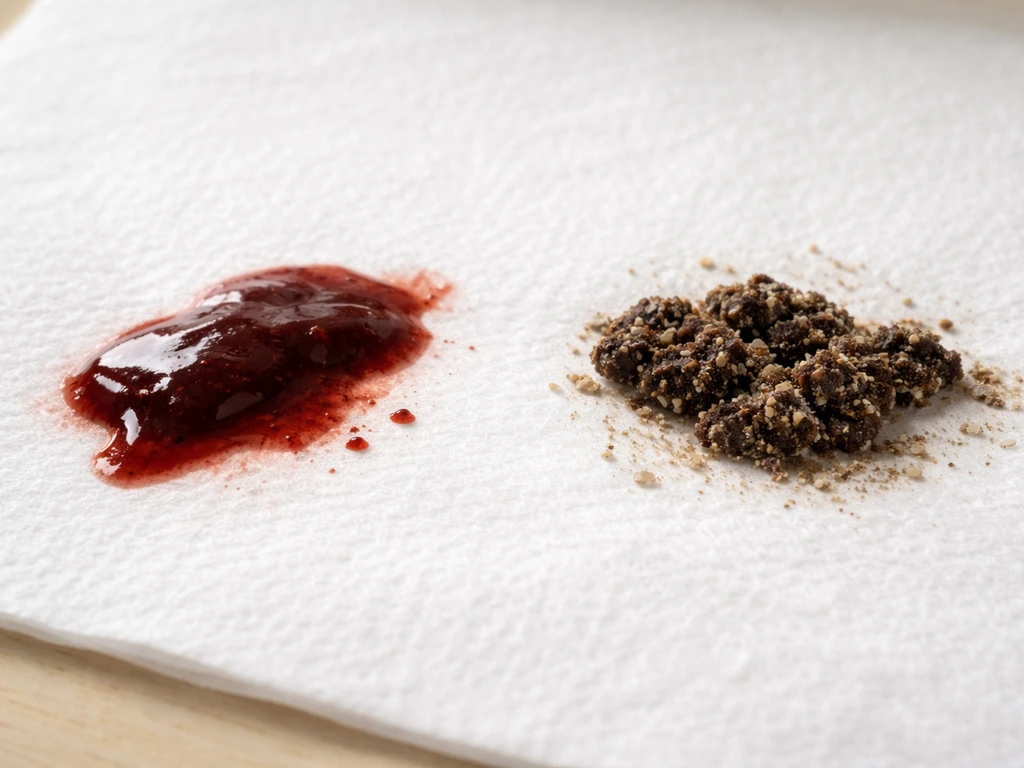
This is genuinely one of the more common identification puzzles people face, and it's worth going through the differences clearly. If you find yourself stuck on what it might be, compare it with the look-alike clue in this guide on what looks like bird poop but isn’t. If you're wondering whether bat droppings can look similar to bird poop, that question is covered here as well does bat poop look like bird poop.
blank" rel="noopener noreferrer">Normal bird droppings have three parts: a dark greenish or brownish fecal component, white or cream-colored urates (the chalky paste), and a clear watery urine portion. If you suspect bird flu, keep in mind that droppings from sick birds can still look like other droppings, so focus on context and symptoms bird flu poop. If you suspect bird flu, compare the droppings to normal bird poop and rely on the bird’s health and surrounding context to judge what you’re seeing bird flu poop.
If you are trying to figure out what black bird poop looks like, comparing the color, texture, and separate components can help you tell droppings from blood what does black bird poop look like. If you are wondering what black bird poop looks like, it typically has a dark, solid fecal portion with separate lighter urates and a watery component. Blood has none of these components and looks nothing like the typical splattered white-and-dark poop pattern most people recognize.
| Substance | Color (fresh) | Color (dried) | Texture | Typical location |
|---|---|---|---|---|
| Bird blood | Bright red | Rust-brown to dark maroon or black | Thin, watery, can smear | Near injuries, collision sites, disturbed feathers |
| Normal bird droppings | White/cream urates + dark green/brown feces | White chalky residue + brown stain | Paste-like, often with liquid halo | Roosting spots, cars, ledges, walkways |
| Abnormal droppings (illness) | Yellow, bright green, red-tinged, or black | Variable | Watery, slimy, or runny | Same roosting/perch spots but changed appearance |
| Bird mucus/saliva | Clear to pale yellow | Pale yellowish or clear film | Thin, slick | Around beak, near feeding areas |
| Berry stains/food residue | Purple, red, dark blue | Purple-brown or dark red crust | Thin, stains fabric easily | Under fruiting trees, on feeders |
One practical test: if you're unsure whether a red-brown stain is blood or a fruit/berry stain, hydrogen peroxide (3%) will bubble on blood because of the enzyme catalase. It won't react on berry juice or most bird dropping stains. This isn't a forensic test, but it's a quick real-world check. Context is also huge: if there are feathers nearby or a bird hit your window, it's blood. If it's on a ledge under a regular roosting spot with no feathers, it's almost certainly droppings.
It's also worth knowing that certain bird illnesses can make droppings look slightly bloody (red-tinged or dark). If you keep pet birds and notice red in the droppings rather than just near a wound, that's a veterinary concern. Separately, if you're curious about how a sick bird's droppings differ from normal ones, that's a related identification question covered in more depth elsewhere on this site. A sick bird's droppings can look different from normal poop, so knowing the visual signs helps you identify what you're seeing.
Is bird blood dangerous? Real risks, not panic
For most healthy adults with intact skin, brief contact with bird blood from an otherwise healthy bird carries a low risk. That said, avian blood can contain bacteria, protozoa, and other organisms, and the risk level goes up meaningfully in specific situations.
The scenarios where you should treat bird blood more seriously are: if the bird appeared sick or died suddenly (possible avian influenza or other infection), if the blood contacted an open cut or wound on your skin, if you're cleaning up after a large amount of blood or a carcass, or if you're dealing with a bird from a flock with known or suspected disease. The CDC advises against touching sick or dead birds, their feces, or contaminated surfaces without PPE, and this guidance applies to blood just as much as to droppings. When caring for backyard birds, CDC advises against touching sick or dead birds, their feces, or contaminated surfaces or water sources without wearing appropriate PPE.
West Nile Virus is also worth a mention: the CDC notes that handling infected bird carcasses poses a contact hazard, which is why some wildlife agencies recommend PPE when collecting dead birds for surveillance. For an everyday car-strike scenario or a window collision with a wild bird, the risk is much lower, but basic hygiene still matters.
Bird bites and scratches deserve special mention. Even a minor wound from a bird's beak or talons can introduce bacteria, and the CDC recommends washing those wounds with soap and water immediately and seeking medical attention if the wound is significant or if you develop symptoms. If blood from a bird entered the picture through a bite or scratch, that's higher priority than simple surface contact.
What to do right after contact
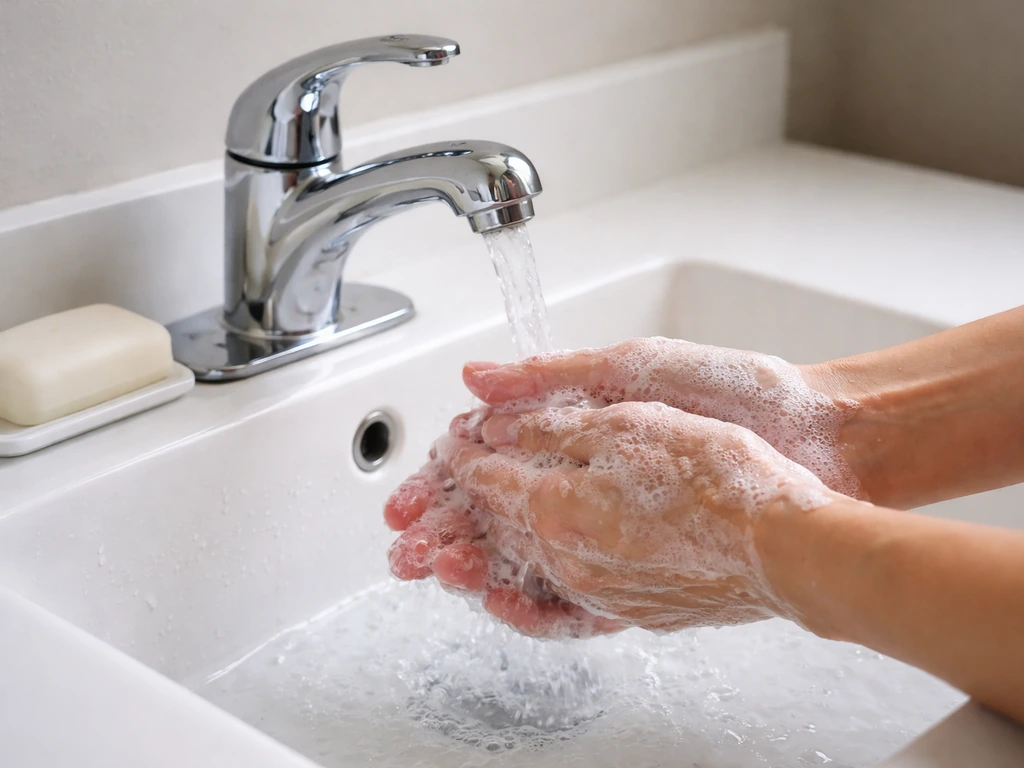
If you touched bird blood directly with bare hands on intact skin, the immediate step is straightforward: wash thoroughly with soap and water for at least 20 seconds. Don't skip this even if the contact seemed minor. The CDC's guidance on bird-related hygiene consistently emphasizes handwashing after any contact with birds or their body fluids.
- Wash your hands (or the affected skin area) with soap and water immediately and thoroughly.
- If blood contacted a cut, scrape, or open wound, wash the area with soap and water right away, apply an antiseptic if you have one, and consider contacting a healthcare provider, especially if the bird appeared sick.
- Remove and bag any clothing that had significant blood contact; wash it separately on a hot cycle.
- Avoid touching your face, eyes, or mouth before washing.
- If you were handling a dead bird or a large blood-contaminated area without gloves, monitor yourself for any flu-like symptoms over the next few days and contact a doctor if they develop.
For eye or mouth exposure (splatter while cleaning, for example), rinse with clean water and contact a medical provider. This scenario is uncommon in everyday situations but relevant if you were cleaning with a brush or hose near bird blood.
Cleaning up bird blood from cars, clothing, and floors
The cleaning sequence matters more than the specific product. The CDC's environmental cleaning guidance recommends a two-step approach for blood and body fluid spills: first clean with soap and water to remove visible material, then disinfect. Skipping straight to a disinfectant on a dirty surface is less effective because organic matter (blood) can block the disinfectant from working.
Car paint and glass
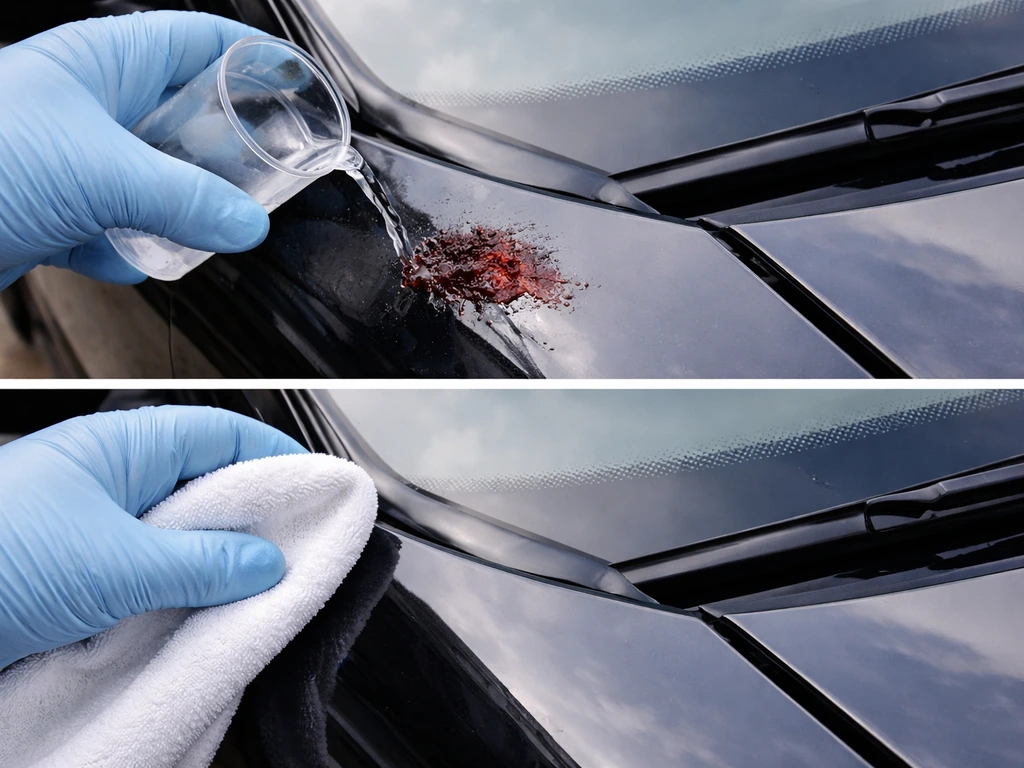
Dried blood on car paint can etch the surface if left too long because of its acidic content, similar to bird droppings. Soak the area with warm water first to rehydrate the dried stain, then gently wipe with a soft microfiber cloth. Don't scrub dry blood with a rough cloth or sponge; you'll scratch the paint. For disinfection after a collision cleanup, a diluted isopropyl alcohol wipe is safe on car paint and glass. Avoid bleach on painted surfaces; it can damage the clear coat.
Clothing and fabric
Cold water is your friend with blood on fabric. Hot water sets blood stains permanently by cooking the proteins. Rinse the stained area with cold water first, then pre-treat with a small amount of liquid dish soap or an enzyme-based stain remover (like those sold for pet stains). Let it sit for 5 to 10 minutes, then wash in cold water. For disinfection of clothing with significant bird blood exposure, a hot machine wash (if the fabric allows) after the cold rinse pre-treatment is a reasonable approach.
Hard floors, concrete, and pavement
Put on disposable gloves first. Use paper towels or absorbent material to pick up any pooled blood; the CDC recommends confining the spill and wiping it up immediately with absorbent materials, then disposing of those materials as potentially infectious waste (bagged and sealed in the trash). Clean the area with soap and water, then disinfect.
For outdoor concrete or pavement where there's no concern about surface damage, a diluted bleach solution (1 part bleach to 100 parts water for a small spill) works well. Let the disinfectant stay wet on the surface for the recommended contact time before rinsing. For EPA-registered disinfectants effective against avian influenza specifically, the EPA maintains a list (called List M) of products with label directions for influenza A viruses; check the product label to confirm it covers avian influenza A.
What to avoid
- Don't dry-sweep or use a leaf blower near dried blood or bird material; this aerosolizes particles and increases inhalation risk.
- Don't use hot water on fabric stains; it permanently sets the blood.
- Don't use bleach on car paint, colored fabric, or wood floors without diluting and testing first.
- Don't skip the cleaning step and go straight to disinfectant; it's less effective on dirty surfaces.
- Don't handle anything bare-handed if you know the bird was sick or dead.
When to call a professional or treat the situation differently
Most one-off bird blood encounters (a window strike, a small injury on your pet bird, a collision with your car) are manageable with basic hygiene and the cleanup steps above. But some situations warrant escalating your response.
- Dead bird with no obvious cause: If you find a dead bird with blood present and no clear reason (no window nearby, no feathers suggesting predator attack), treat it as a potentially higher-risk carcass. Use gloves, double-bag it, and contact your local animal control or wildlife agency, especially during active avian flu outbreak periods.
- Multiple dead birds in the same area: This is a reportable situation. Contact your state wildlife or agriculture agency; multiple sudden bird deaths can be a sentinel event for avian influenza or West Nile Virus.
- Backyard flock with signs of illness: If birds in your flock are bleeding, lethargic, or dying, contact a veterinarian or your state's agriculture department. The USDA and CDC recommend PPE and professional guidance in these situations.
- You have a significant open wound that was exposed: Don't handle this with home first aid alone. Contact a healthcare provider, especially if the bird appeared ill.
- Large-scale contamination: A significant blood spill inside a structure (attic, barn, large aviary) warrants the same approach as any biohazard cleanup: PPE, proper containment, and potentially a professional cleaning service, especially if you're dealing with a commercial or rental property.
- Pet bird injury with uncontrolled bleeding: A broken blood feather in a parrot or cockatiel can bleed significantly. If pressure doesn't slow the bleeding within a few minutes, call an avian vet. This is a medical emergency for the bird, not a cleanup situation.
The bottom line is that identifying bird blood correctly takes some of the guesswork out of your response. A tiny red smear near a window collision needs basic hygiene and a quick surface clean. A dead bird with blood in a flock context or blood contact on broken skin deserves a more careful, protective approach. Neither scenario requires panic, but both deserve attention proportional to the actual risk.
FAQ
How can I tell bird blood from a spilled fruit or berry stain in real life?
Blood stains should be treated as “unknown” until you confirm the pattern. Look for thin, watery smears that darken to rust-brown or deep maroon as they dry, and check whether the stain is near feathers, a known injury site, or a collision area. If it’s on a ledge under regular roosting with no feathers, it’s more likely droppings than blood.
What quantity or pattern of red spots suggests it’s more likely blood than a tiny stain?
Yes. If a bird injury involved pooling, you may see both pooled dark material and scattered red droplets, plus nearby feathers. That combination is more consistent with blood than with droppings, which usually show separate fecal and white urate portions.
How reliable is the hydrogen peroxide bubbling test for bird blood, especially on dried stains?
Hydrogen peroxide bubbling is a helpful screening check, but it is not reliable on every surface or stain age. For best accuracy, test a small hidden spot after rehydrating dried material with warm water, and compare with an untreated nearby area. If bubbling is weak or inconsistent, rely more on context (feathers, injury proximity, collision site).
Can bird droppings look bloody, and how do I separate that from actual blood?
Bird blood should not contain the typical poop structure (dark fecal portion plus white urates plus clear urine). If you see a red mark that is mixed with white chalky paste and urine-like wet streaks, it is more likely droppings with red-tinging rather than true blood.
What should I do if I touched bird blood with bare hands on intact skin?
In most everyday encounters, bare-hand contact with bird blood on intact skin is low risk, but you should still wash promptly and thoroughly. If you had any skin breaks, a cut, eczema cracks, or you were cleaning without gloves and splashed into eyes or mouth, treat it as higher priority and consider medical advice.
What if bird blood splashes into my eyes or mouth while cleaning?
If you get a splash to your eye or mouth while cleaning, rinse immediately with clean water and seek medical guidance. Do not “wait and see,” especially if there was a lot of splatter or you cannot fully flush the area.
What’s the best way to protect myself when cleaning a larger smear or pool?
Wear disposable gloves, confine and remove the material with paper towels or absorbent pads, then bag and seal waste. After cleanup, wash hands with soap and water even if you wore gloves. This reduces both infection risk and the chance of spreading dried material to other surfaces.
How do I clean bird blood off a car without damaging the paint?
For car paint, do not scrub dry. Rehydrate first with warm water, wipe gently with a soft microfiber cloth, and only then disinfect. Also avoid bleach on painted surfaces and clear coat, it can cause damage or discoloration.
What’s the correct way to remove bird blood from clothing or bedding?
On fabric, cold water matters most. Rinse first with cold water, then pre-treat with a small amount of liquid dish soap or an enzyme-based stain remover, allow it to sit briefly, and wash cold. Use hot water only if the fabric label allows it, because heat can set the stain.
When should I treat bird blood cleanup as higher-risk and use more protective gear?
If you are cleaning after a sick or dead bird, or you are dealing with multiple birds in a flock with known disease, use PPE and be stricter about containment and disinfection. Treat carcasses, surrounding feathers, and contaminated surfaces as higher risk than a single window strike.
Is a bird scratch or bite treated differently than just touching bird blood on a surface?
If the bird bite or scratch drew blood, wash immediately with soap and water and consider medical evaluation, especially for deep wounds, swelling, or any signs of infection. Surface contact without skin breaks is generally less urgent than a direct wound from a beak or talons.
What should I do if I notice red in droppings from my pet birds, not just near an injury?
If you repeatedly see red-tinged droppings in pet birds, the concern is broader than surface cleanup. You should contact an avian veterinarian promptly, since illness can change droppings appearance and may require treatment beyond environmental cleaning.
How can I tell if dried blood damaged my concrete, glass, or car surface, and what should I do next?
An “etched” look does not mean the stain is harmless, it means the surface may have been chemically damaged. The next step is gentler rehydration and soft wiping, then follow with appropriate disinfection for the surface type, not more aggressive scrubbing.